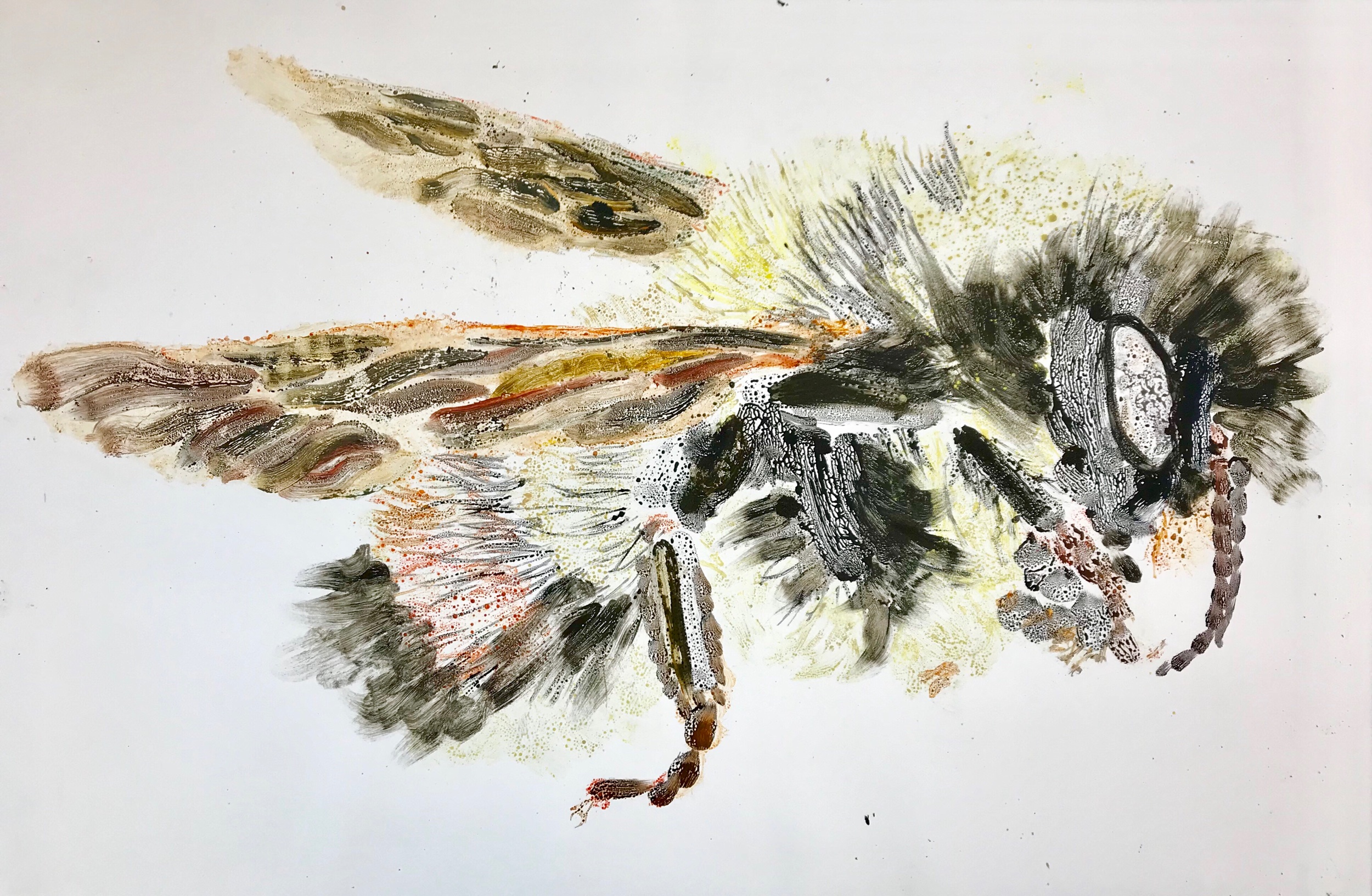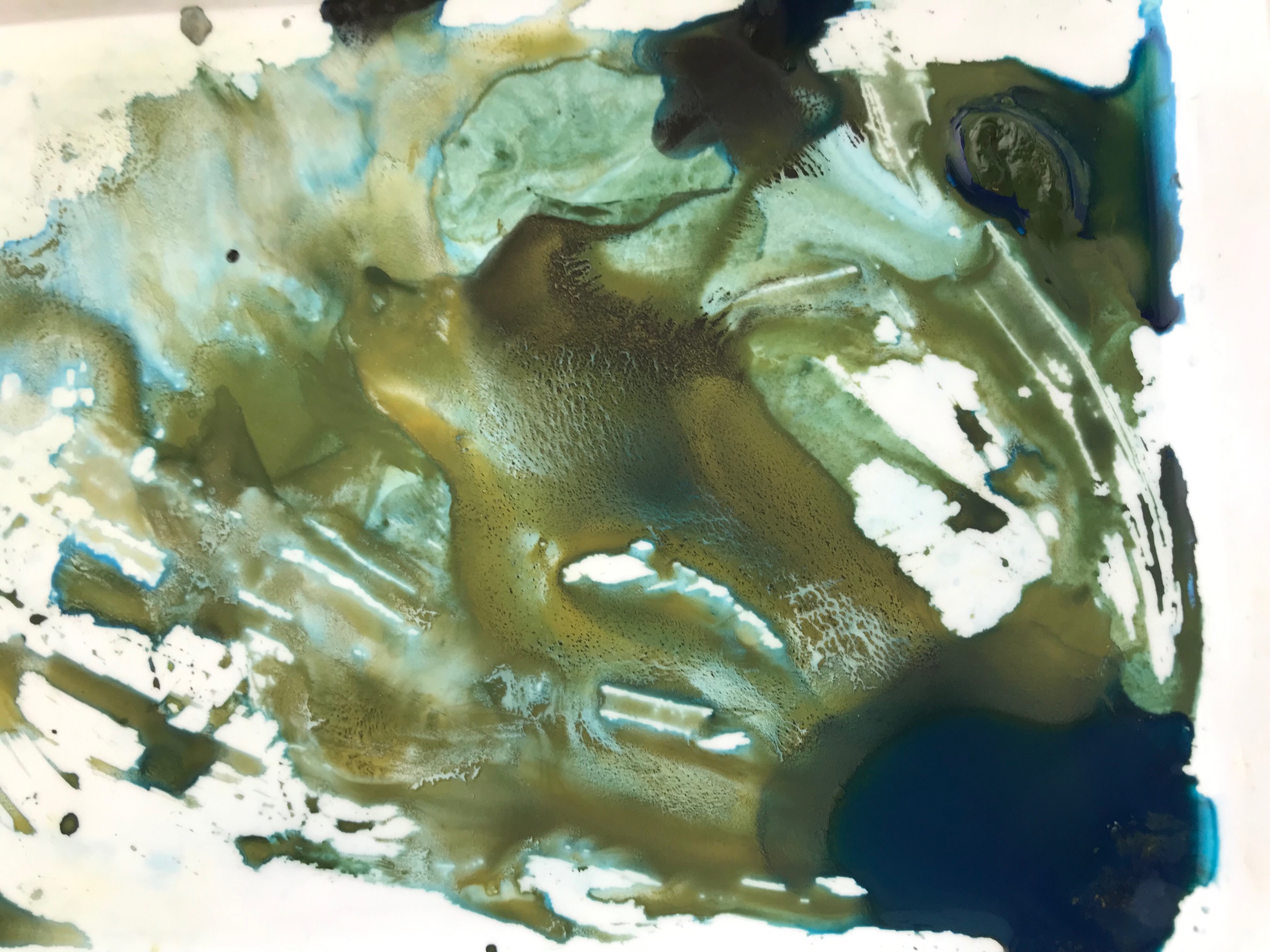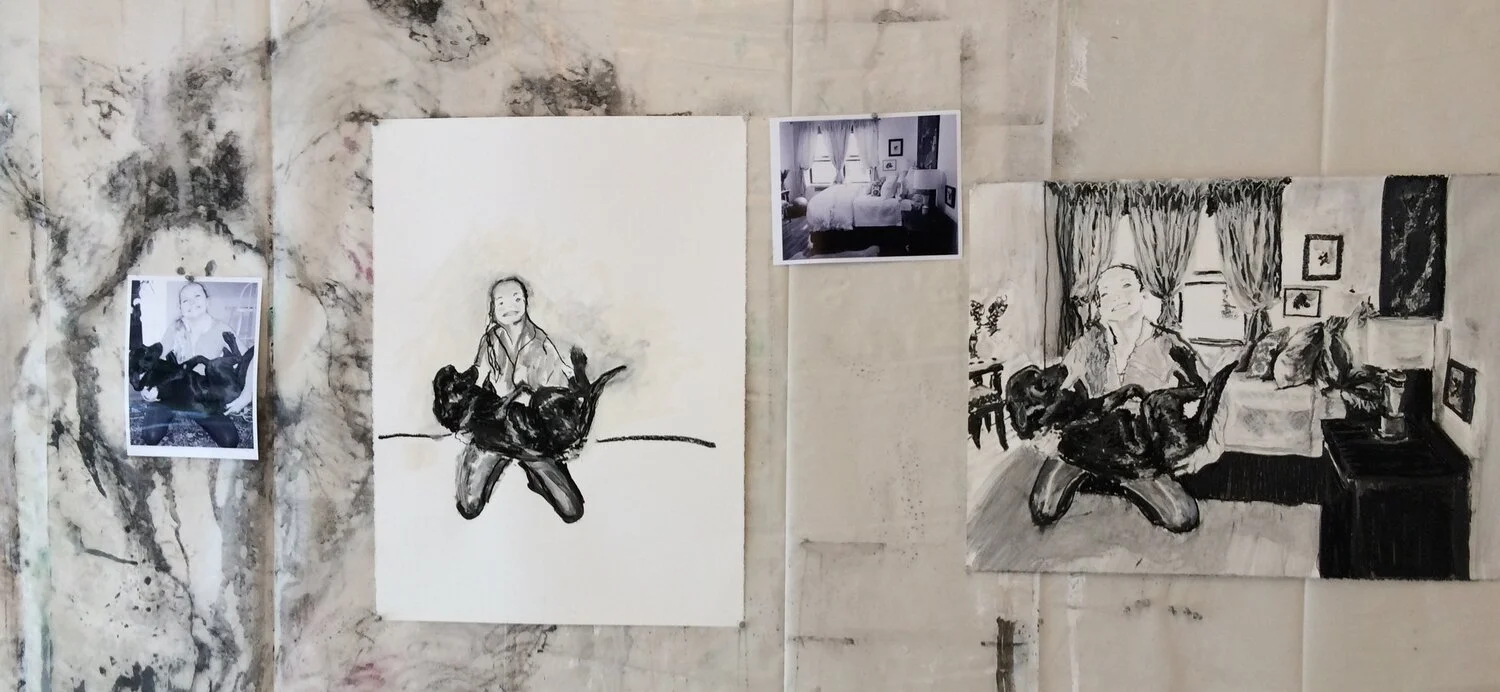
Sweat bees

I have had several people text me or Dm me to tell me about the bees they have seen this spring. That they are looking for bees during their Coronavirus afternoon walks. Some have was even said they would have killed the bees, except they knew I would not have been happy and that they need to protect the bees. It is so lovely to hear about these sightings. Thank you for the feedback- the role of an environmental activist artist can be frustrating at times. This feedback is inspiring. I love this native bee. Did you know this minuscule creature buzzing your native plants is a bee? I think it is a sweat bee part of the Halictidae family. There are 4,000 native bees and hard to identify. The Halictidae is the second largest family of Apoidea bees. Halictid species occur all over the world and are usually dark-colored and often metallic in appearance. With a macro lens, their colors are amazing. Several species are all or partly green, and a few are red; a number of them have yellow markings, especially the males, which commonly possess yellow faces, a pattern widespread among the various families of bees. (Source: Wikipedia, Halictidae, CC BY-SA 3.0) They are tough to photograph as they are swift and only about 1/4” - such a beautiful creature. Aren’t they cool.

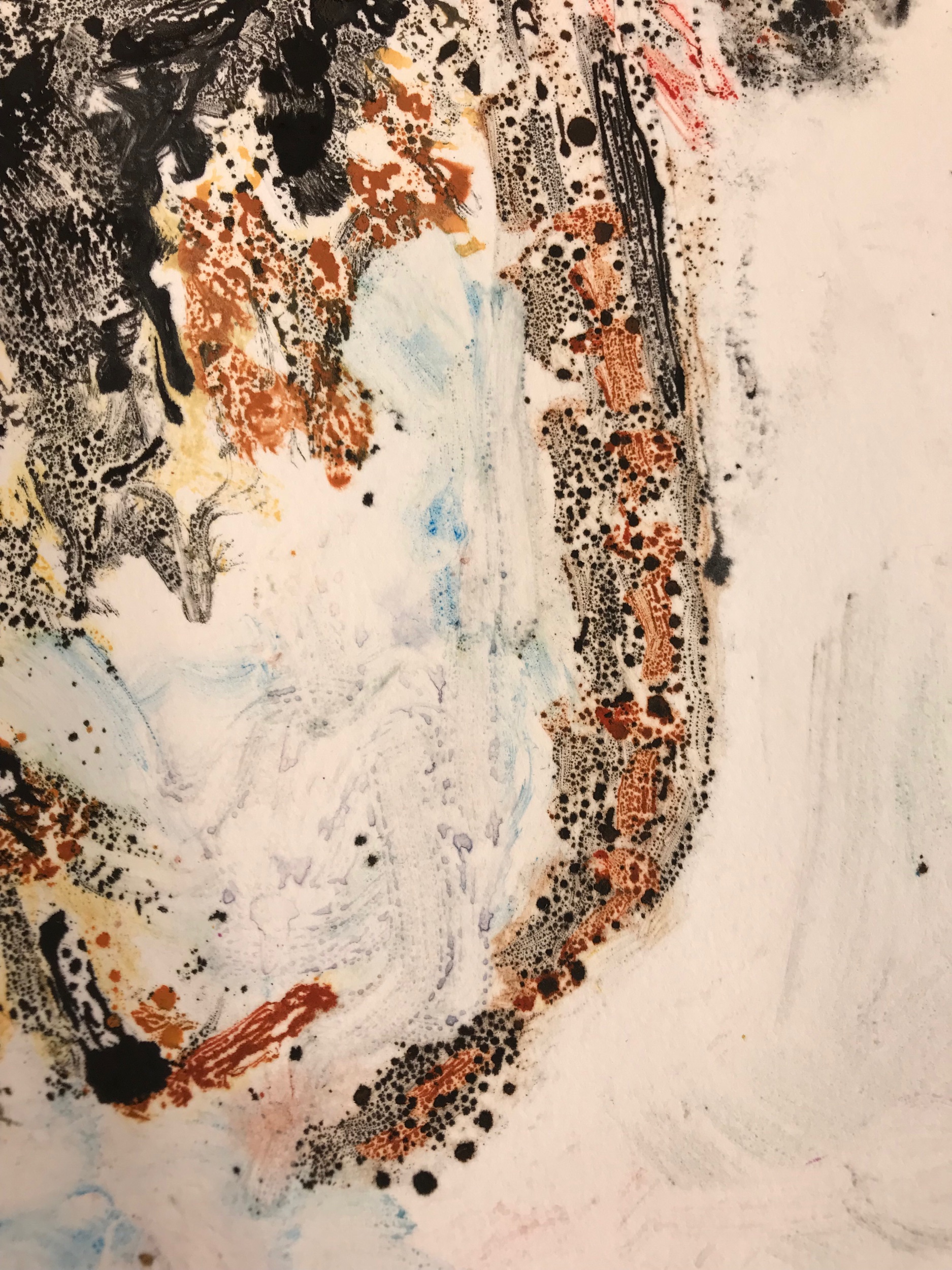
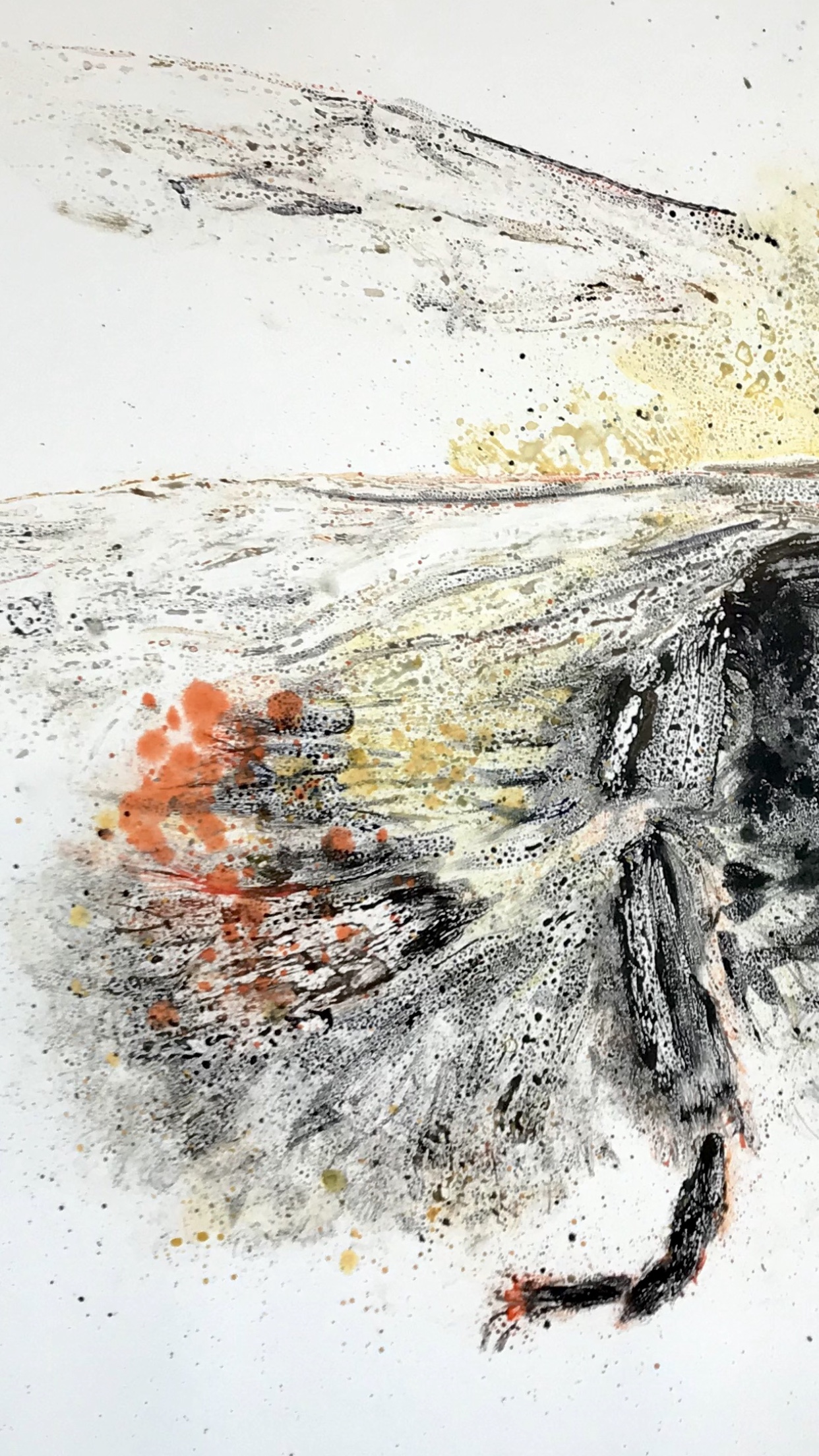
Zoomed in
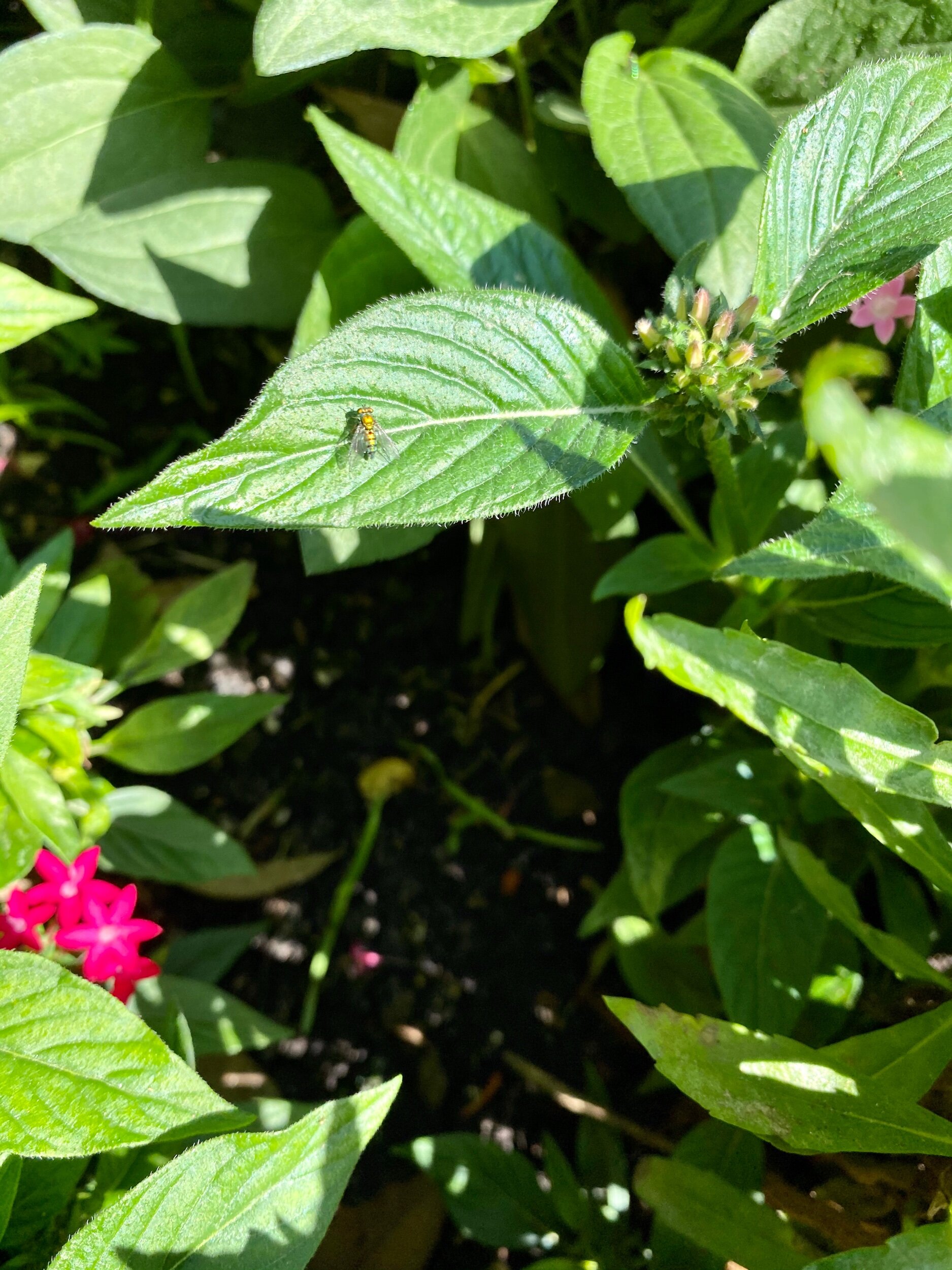
Zoomed in

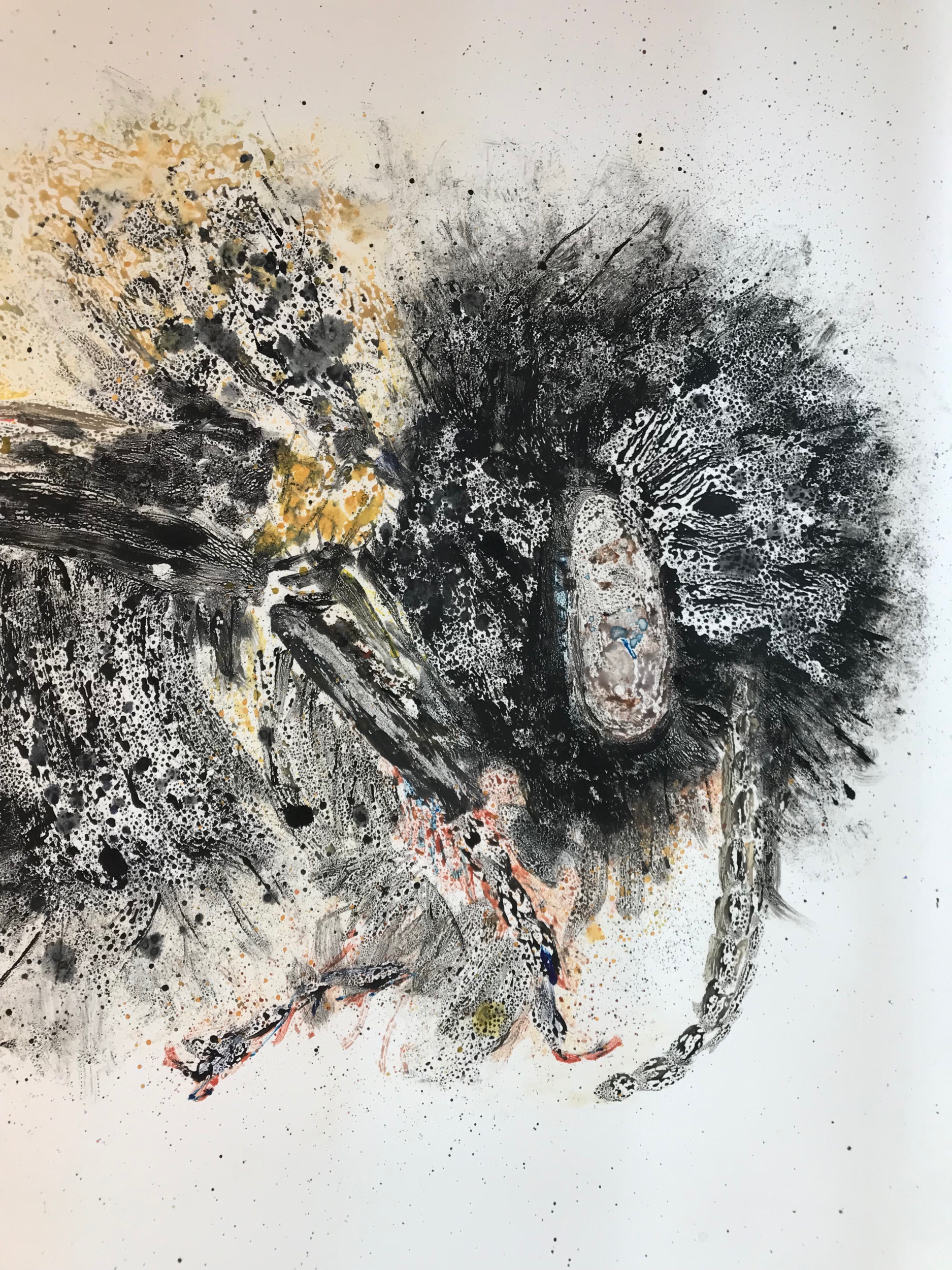
This gives you an idea how tiny these are.
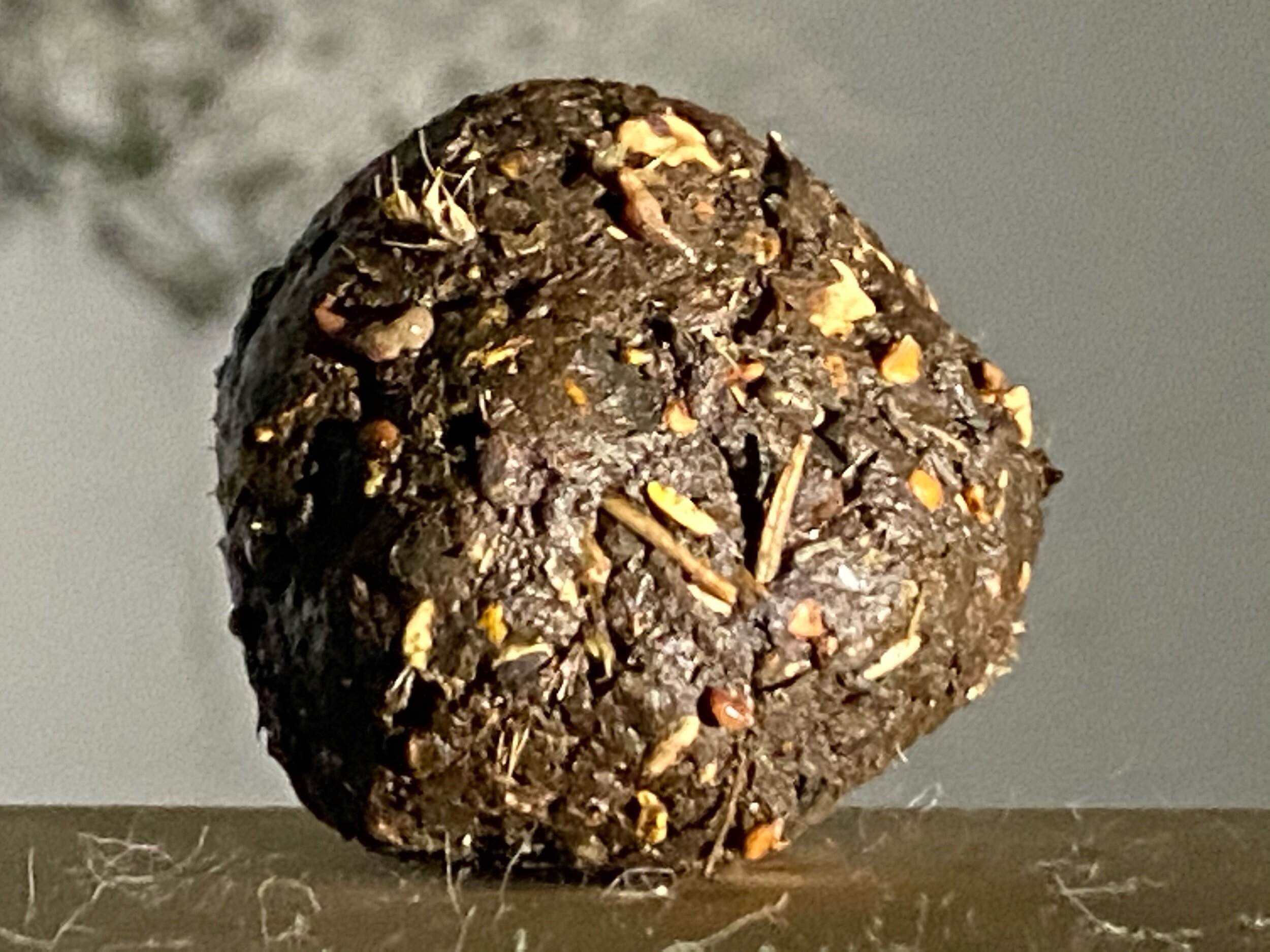
This gives you an idea how tiny these are.

Gorilla Art - native Wild flower bomb

Earlier in the year I sent the below letter to my City council representative. She is very supportive and agreed to review the Cities landscape ordinance and bring it up to date to reflect our current environmental situation as it pertains to native bees. The bees that are endangered, the honey bee is not endangered. I anticipate that with the health scare our city is facing our bees have been put on the back burner. Since the bees can’t wait for the c virus to die down, I decided I need to act. . Below is my letter. If you agree with me we need to all become gorilla artist and install texas wildflower seeds in every vacant spot we can. See my below post for how to be a gorilla artist and save the Native bees. If you want something done do it yourself. I still have hopes our city will reimagine our urban landscape and save the bees. #bees #houston #cindeeklementart #gorillaart Scientists predict that without pollinators, human life can only continue for four years. In 2017, the U.S. Fish and Wildlife Service listed the Rusty Patch Bumble Bee on the endangered species list. The campaign to list a species as endangered is lengthy and complicated. With this system it is difficult to gauge how many species are actually endangered. Bees are responsible for pollinating 75% of the world's flowering plants; they are crucial for the production of most fruits, nuts, and berries – that our agriculture depends on pollination by bees. Rural areas are highly impacted by the unanticipated consequences of our industrial agriculture’s dependence on chemicals that weaken bee’s immune systems. Urban bee populations can be more diverse than in rural areas. Researchers are finding in cities such as Chicago, Berlin, Berkley, and Melbourne that have reimagined their parks, neighborhoods, city centers, vacant lots, street medians, and rooftops planted with native flowers, grasses, and fruit, and vegetables support healthy, vibrant wild native bee populations. There are four thousand native bee species. They pollinate over three hundred times more effectively than honey bees. For example, A single female Leafcutter Bee visits 100,000 plus blossoms per day whereas a honey

IMG_6275.jpeg
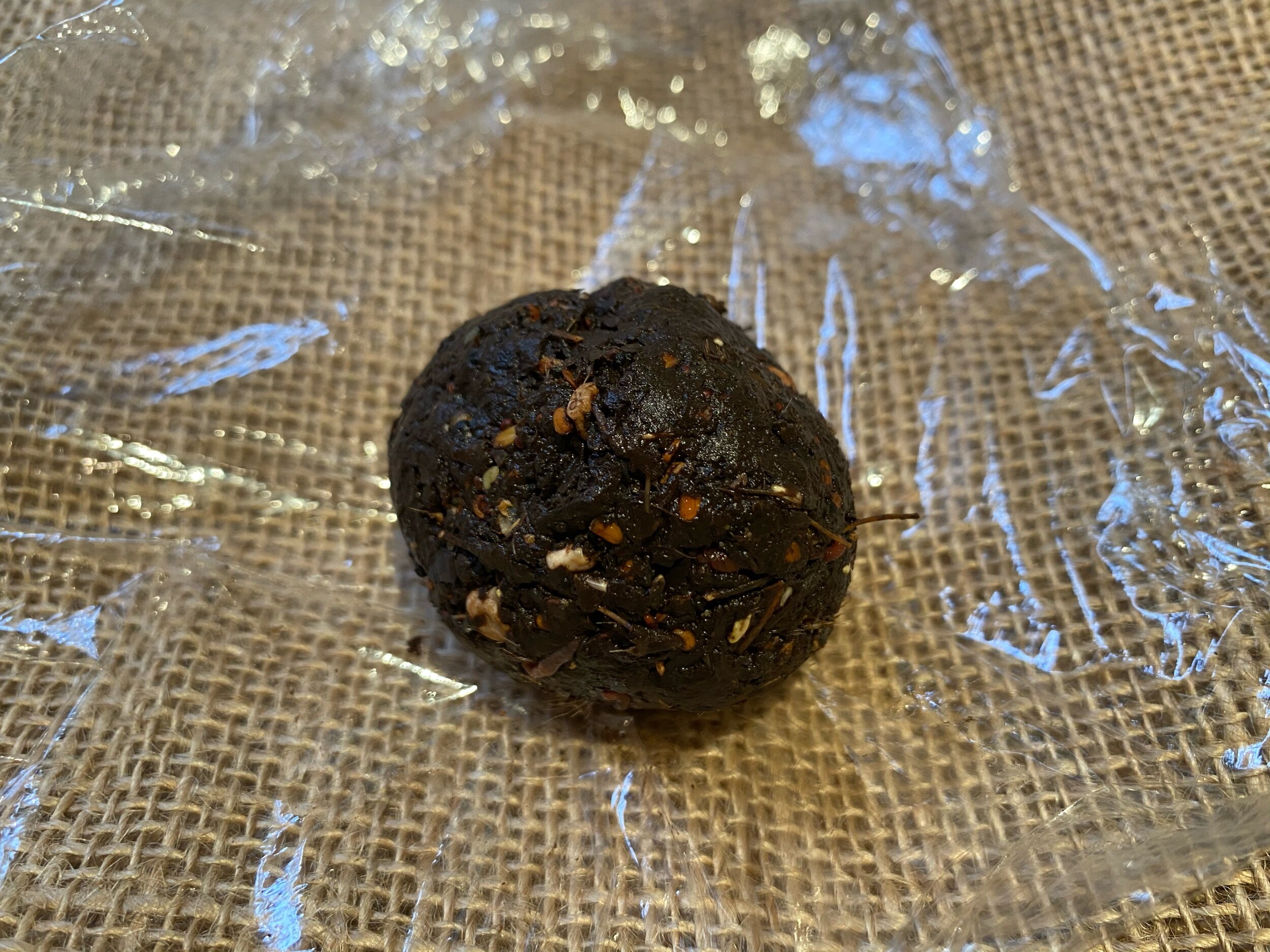
Mix native wild flower or grasses seeds with soil. I am using a handful of compost from my bin.

Mix native wild flower or grasses seeds with soil. I am using a handful of compost from my bin.

Wrap it up so you can carry it and not get your hand muddy.

Wrap it up so you can carry it and not get your hand muddy.

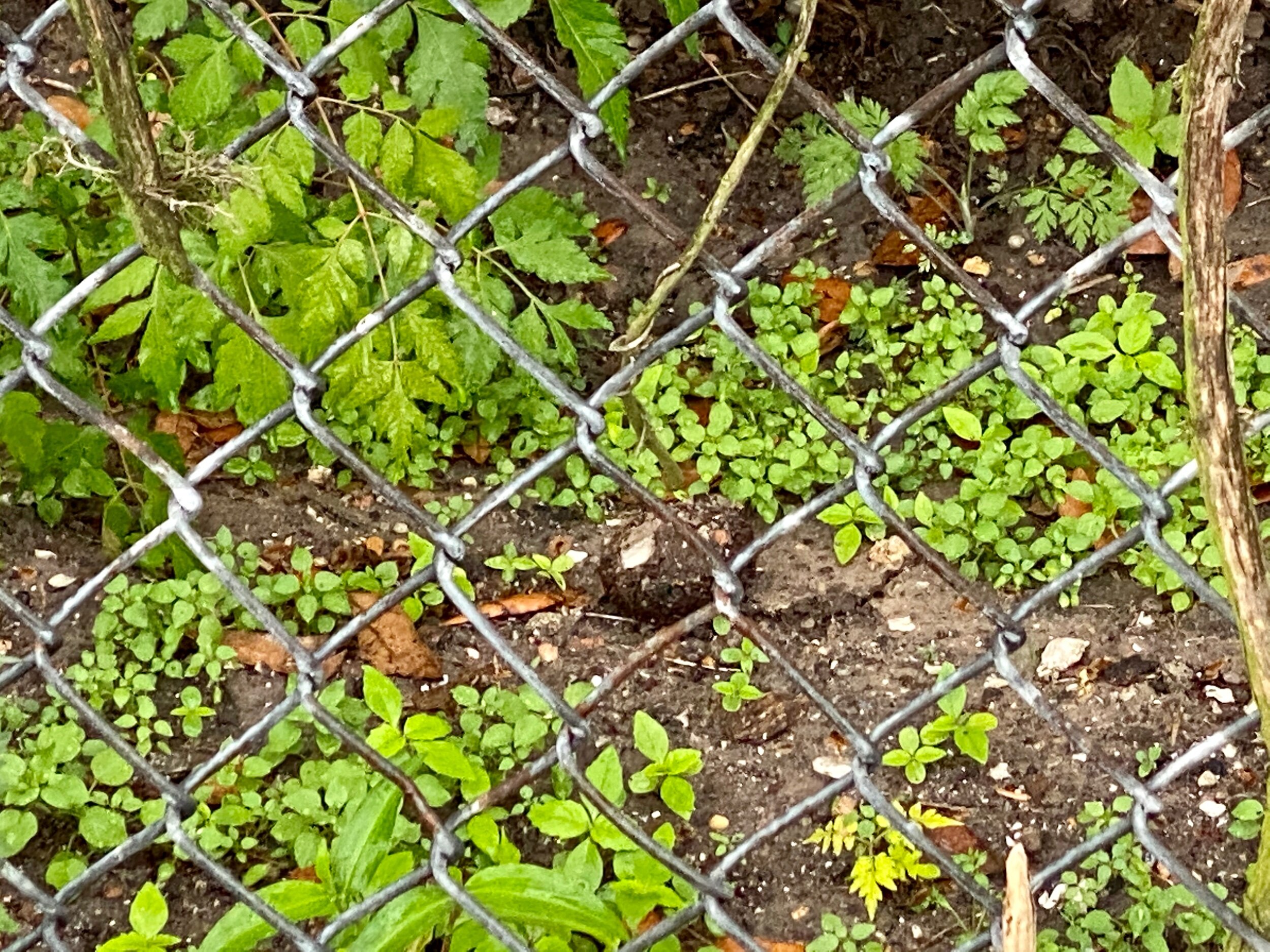
Find a place to throw it that will not be mowed. I picked behind this chain link fence, in the parking lot of my art studio.

Find a place to throw it that will not be mowed. I picked behind this chain link fence, in the parking lot of my art studio.

Here she lays.

Here she lays.

A closer look at - native wild flower seed bomb.

A closer look at - native wild flower seed bomb.

Three weeks later.

Three weeks later.

There are so many weeds sprouting up it is hard to see my seed bomb. But I see it. It does not have any blooms yet but my fingers are closed it will.

Since we are in quarantine I decided at this time to not make a bunch of bombs to share with others. I would love to share but I am erroring in the side of caution. i put the rest of my wild flower seeds in my flower beds that I needed more plants.

Azalea Trail and wild native bees

This summer it came to my attention that the River oaks Garden Club was having a luncheon with a bee theme. I quickly reached out to their luncheon Chair and she connected me to their environmental chairman. They came to my studio and we talked about the 4,000 wild bees species and how most people only know about honey bees.

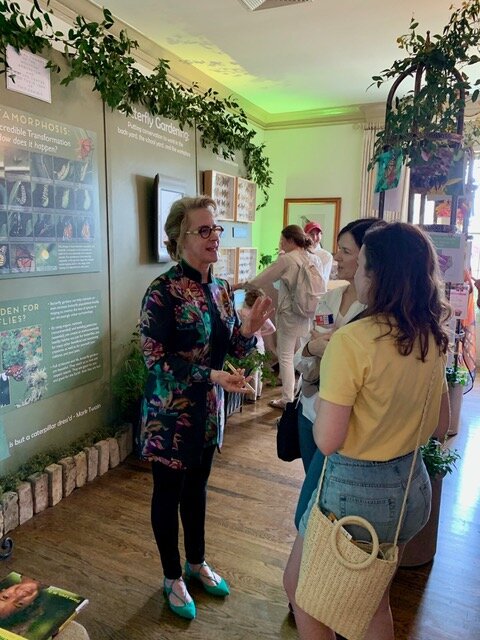
Long story short I was invited to talk about the bees at their annual Azalea trail fundraiser. They were Slammed with people. I spoke none stop on Sunday from 11-5.

In addition the environmental chairs decided to work the native bee (the endangered bees) story into their both at their garden show this spring. It is organizations and ladies like these that can save the wild bees.

Adjustments.jpeg
Image courtesy of Janna Webber

Image courtesy of Janna Webber

Falling through the bee looking glass #1

In the past years, blogging about my art practice was something I did every day. It is how I document my work. Then I started focusing on bees. At first, it was bees and the weed killer Glyphosphate.

Adjustments.jpeg
Adjustments.jpeg
Adjustments.jpeg

The above pieces we're done in response to learning that Glyphosphate does not kill bees but impacts their immune system. With compromised immune systems bees subcome to disease. Glyphosphate is also now well known for causing cancer. I then made a five flip lenticular from these three images.

Copy of SITE Gallery- Sculpture Month Houston - Installing the work#2

Things are now going smoothly maybe too smoothly. All the work I did this summer is paying off.


SITE Gallery- Sculpture Month Houston - Installing the work

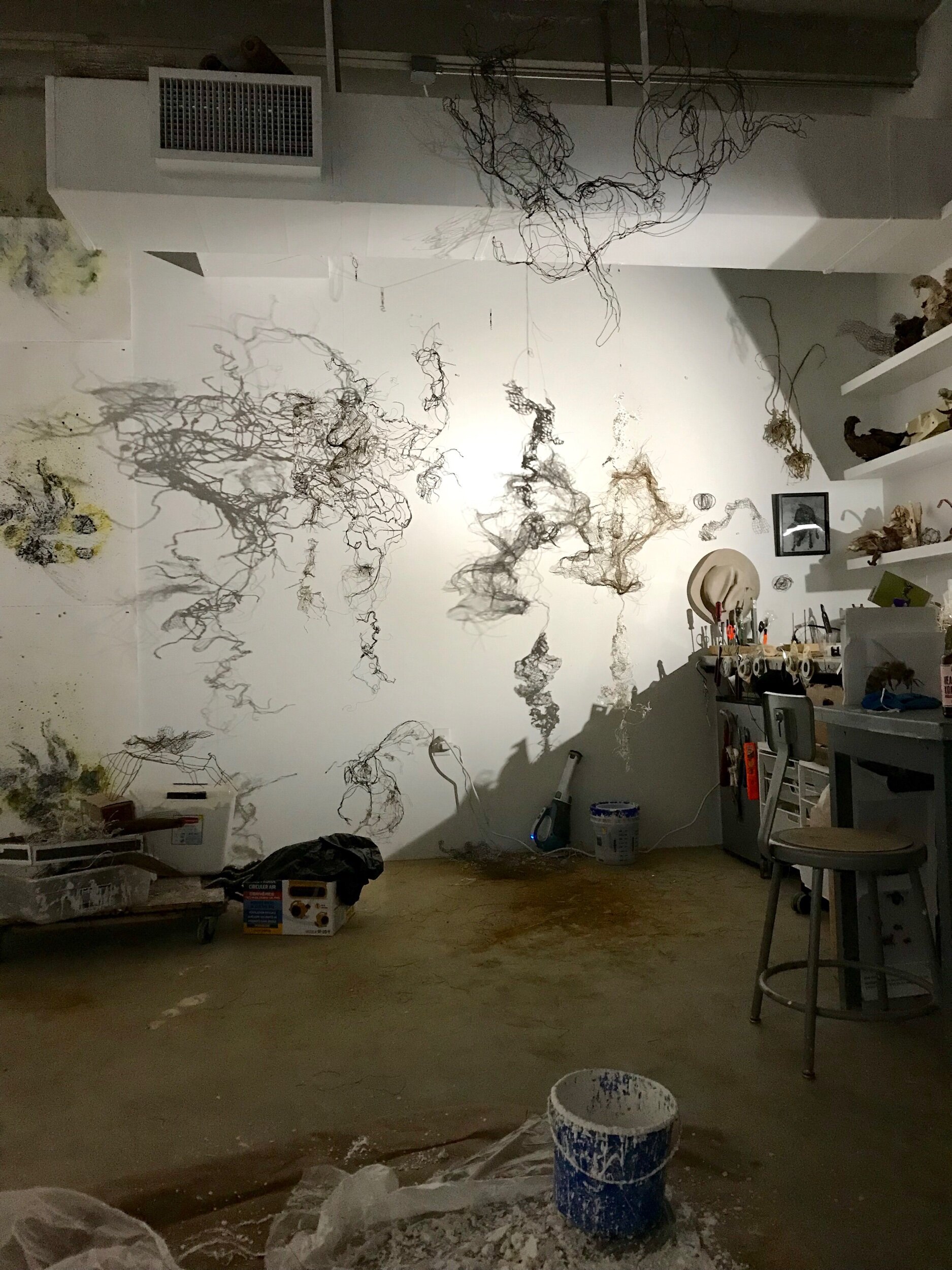
This summer, I made 7 sections of kinetic sculptures, approximately 6’-10’ long X 36” in diameter, anticipating that I would not use all of them. Now that I am in the space and see what the light does on the convex wall, I think I will use 4 of my favorite sections and add 4 extra lines dropped for smaller pieces that will help integrate the 4 sections into one piece.

Experimenting with the placement of the light.

Experimenting with the placement of the light.

Experimenting with the shadows with the light in a convex wall.

Experimenting with the shadows with the light in a convex wall.

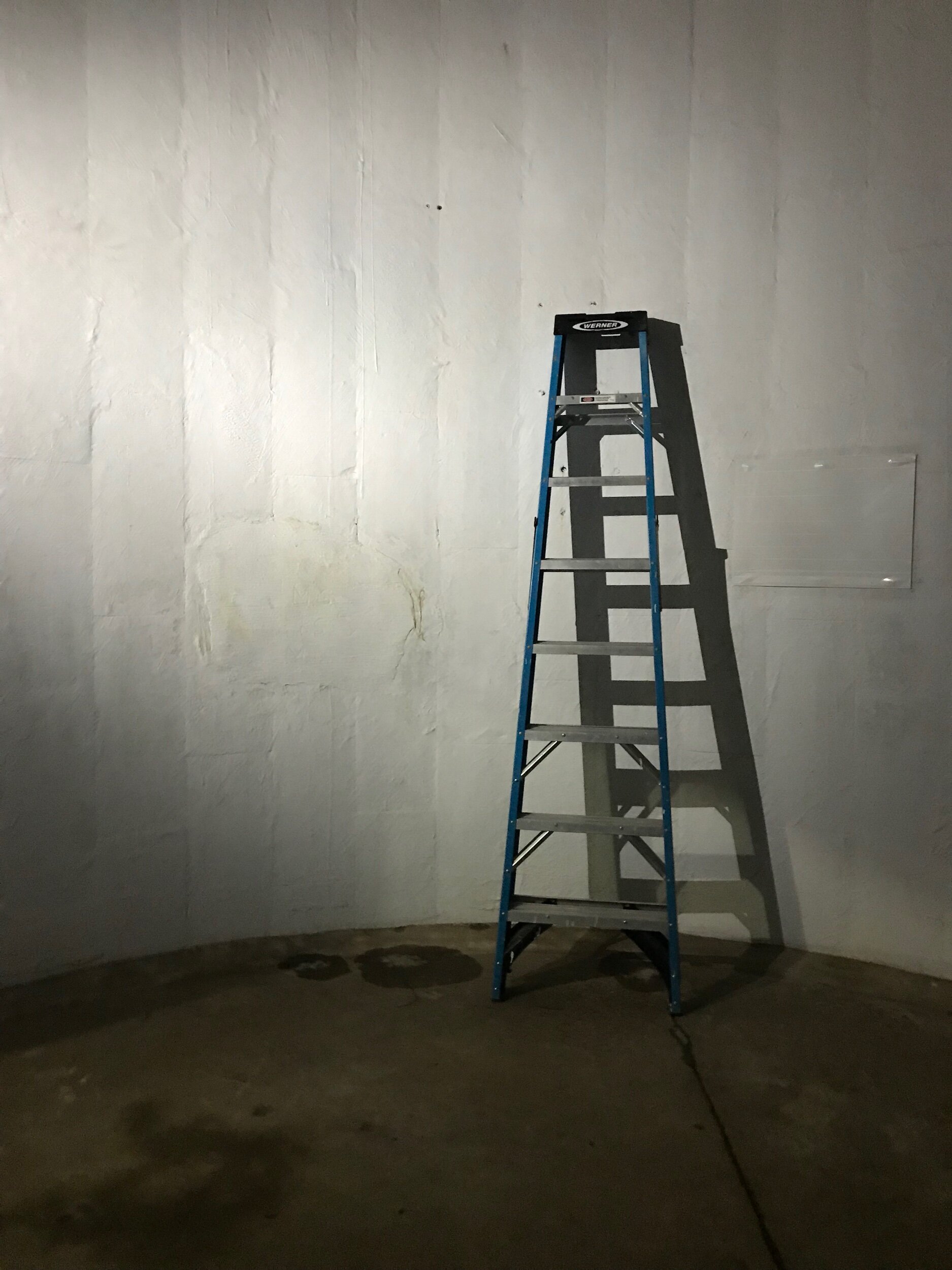
The walls are not "museum pristine", they show their age,  I am not bothered, it is a grain silo and I ❤️ It.

The walls are not "museum pristine", they show their age, I am not bothered, it is a grain silo and I ❤️ It.

SITE Gallery- Sculpture Month Houston - Building the support system

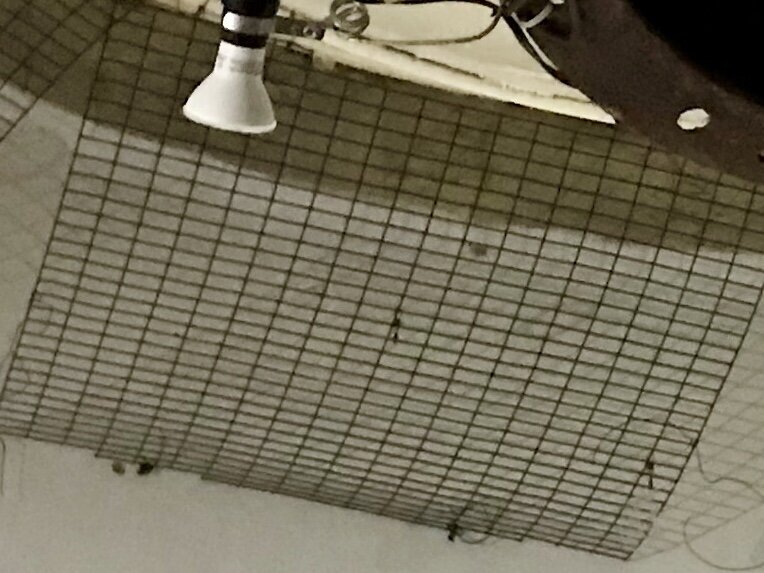
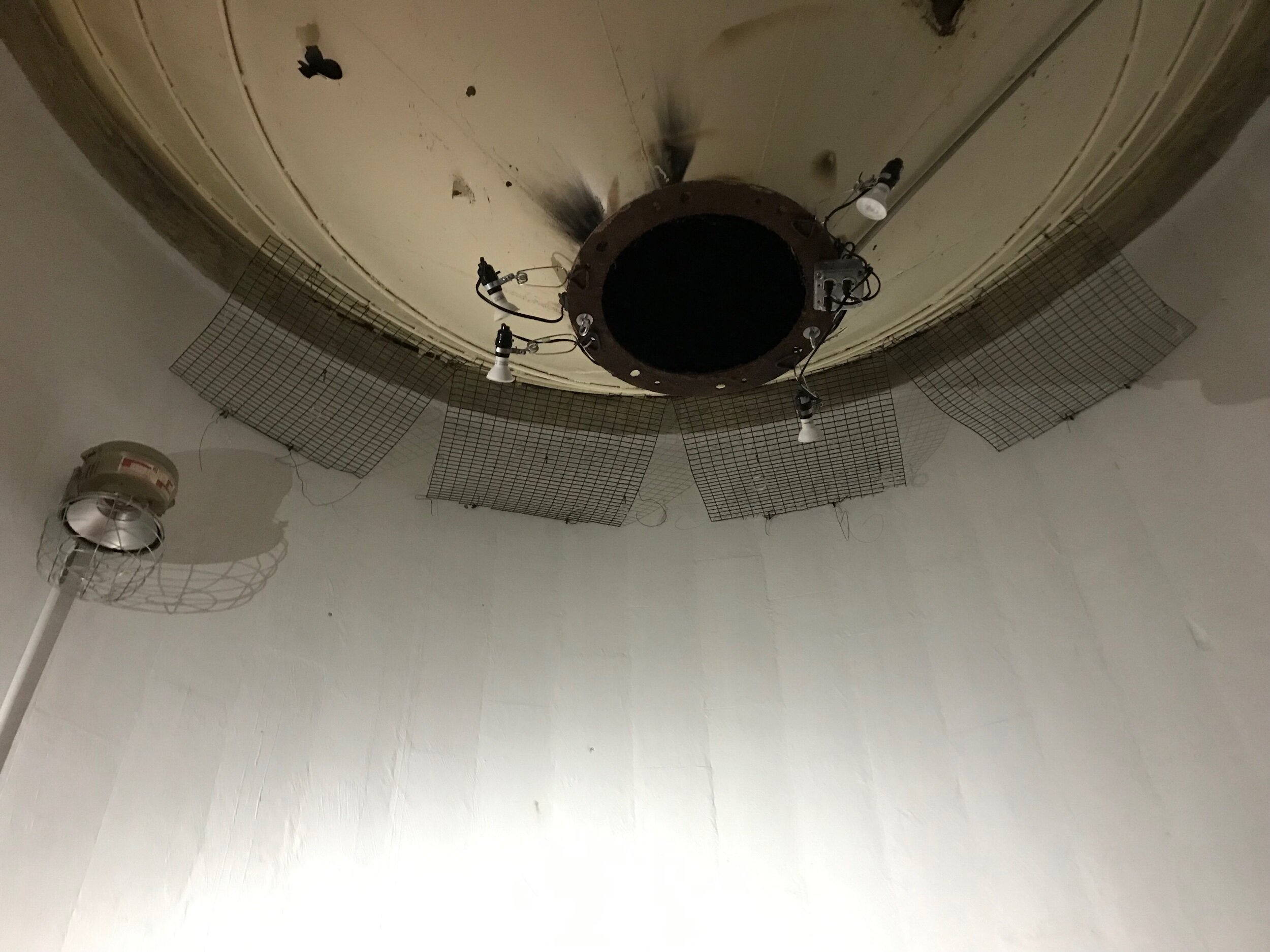
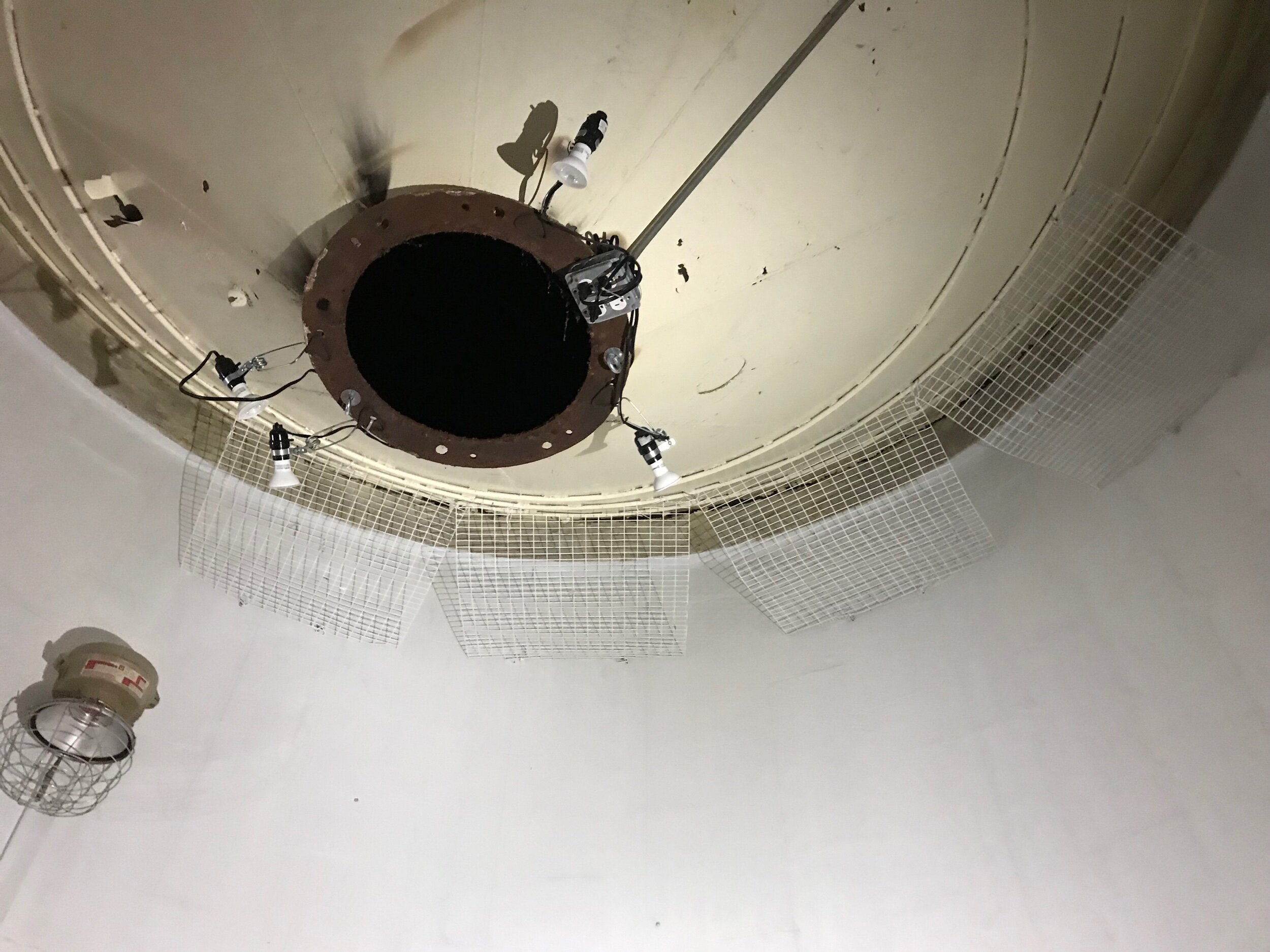
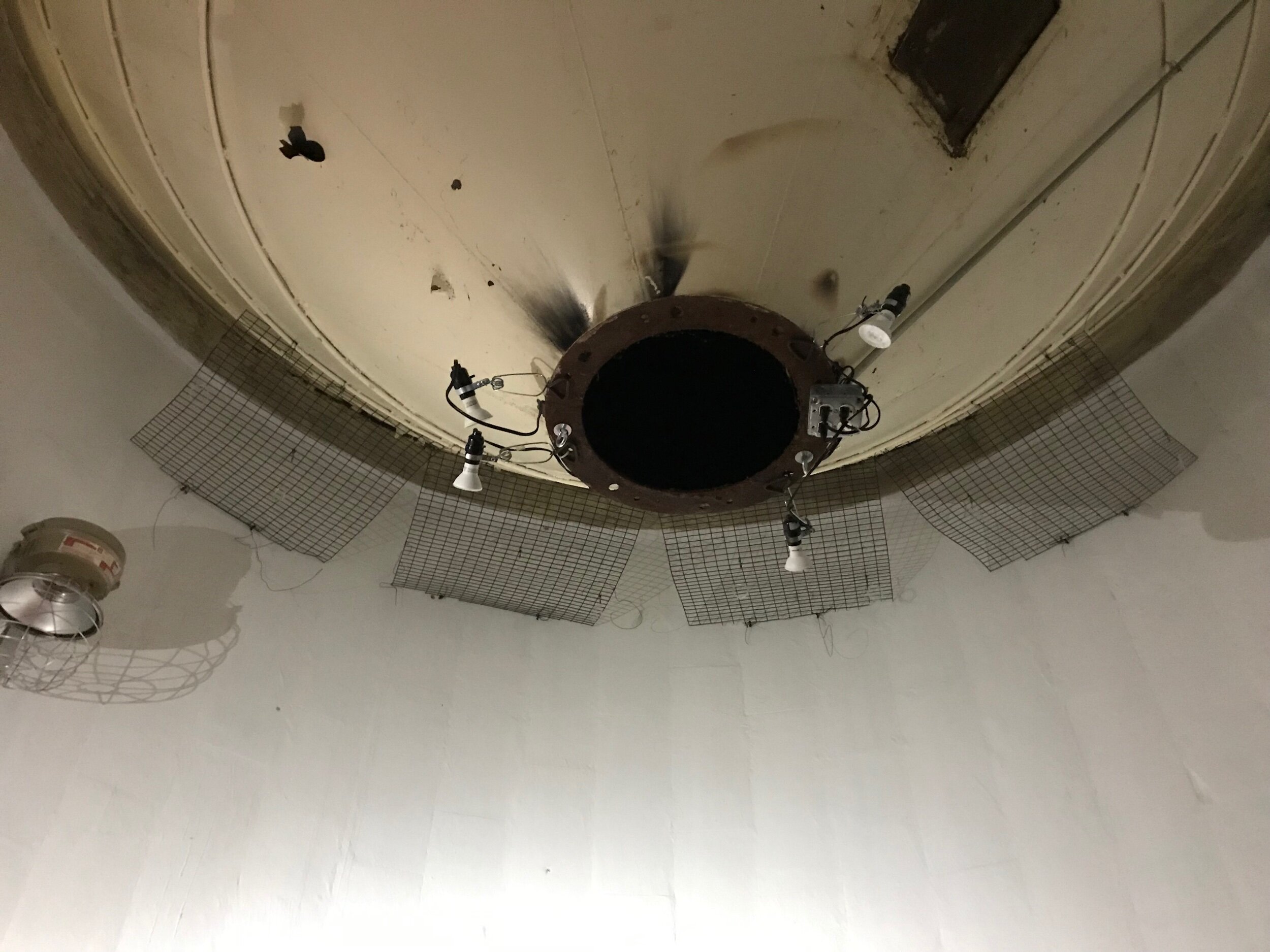
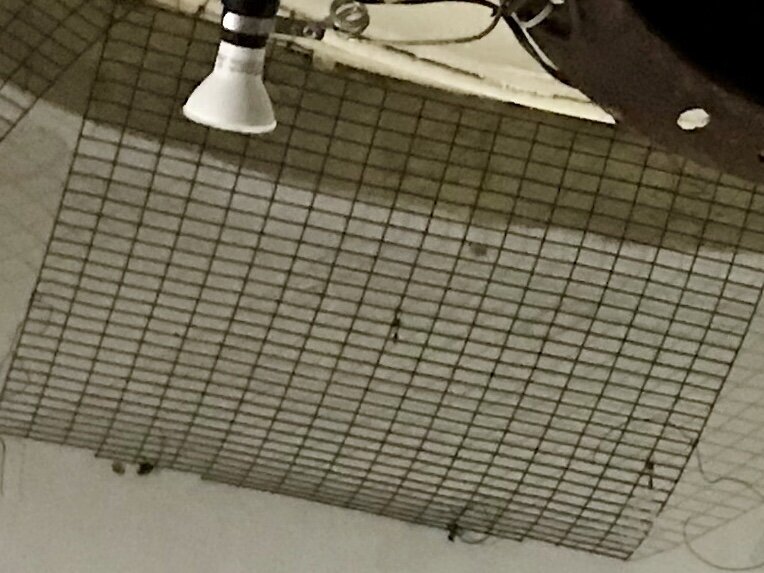
Finally, I feel like I can make some progress. Step one is to make a structure that I can hang my sculptures from. The gallery owners are trying to preserve the space in its original condition, and ask the artists to deface the silo as little as possible when installing our work. Normally I use acrylic hangers that I designed to hold the pieces. Each bracket takes four anchors. I feel like that is too much destruction to the silo. Instead, I decide to buy some black 14 gauge wire fencing, 20 feet X 36”. The silo funnel has metal bands tack welded to it. The middle metal band is 31” from the wall. I cut the fencing in 31” pieces. I cut one end in a concave shape and the other end convex. The convex end will rest on top of the metal band and the concave end will be supported by two screws in the cinderblock wall. This is 19‘ high, and I feel pretty good that my screw holes will only be minimally defacing the silo.

Close up of support system

Close up of support system

public.jpeg

The moment I got off the scissor lift and looked up at my support system, I realized I had made a big mistake. I should have painted them white. The black stood out too much on the white walls. I could not sleep that night trying to decide if I should repaint them... It was not easy, but I spent the next half day painting the system 19’ in the air white.

I think it was worth it, the support system is much less intrusive.

I think it was worth it, the support system is much less intrusive.

I hung from the support system 8 fishing tackle swivels with 25 lb filament attached to each swivel. Four of the swivels are 36” apart 18” from the wall. At these distances the pieces will not touch each other or the wall. Everything should move independently. These are for the big pieces. The other swivels are for smaller pieces and are spaced randomly. I am guesstimating where I want these. Tomorrow I will start hanging work.

Packing the hanging pieces for transporting to the silos.

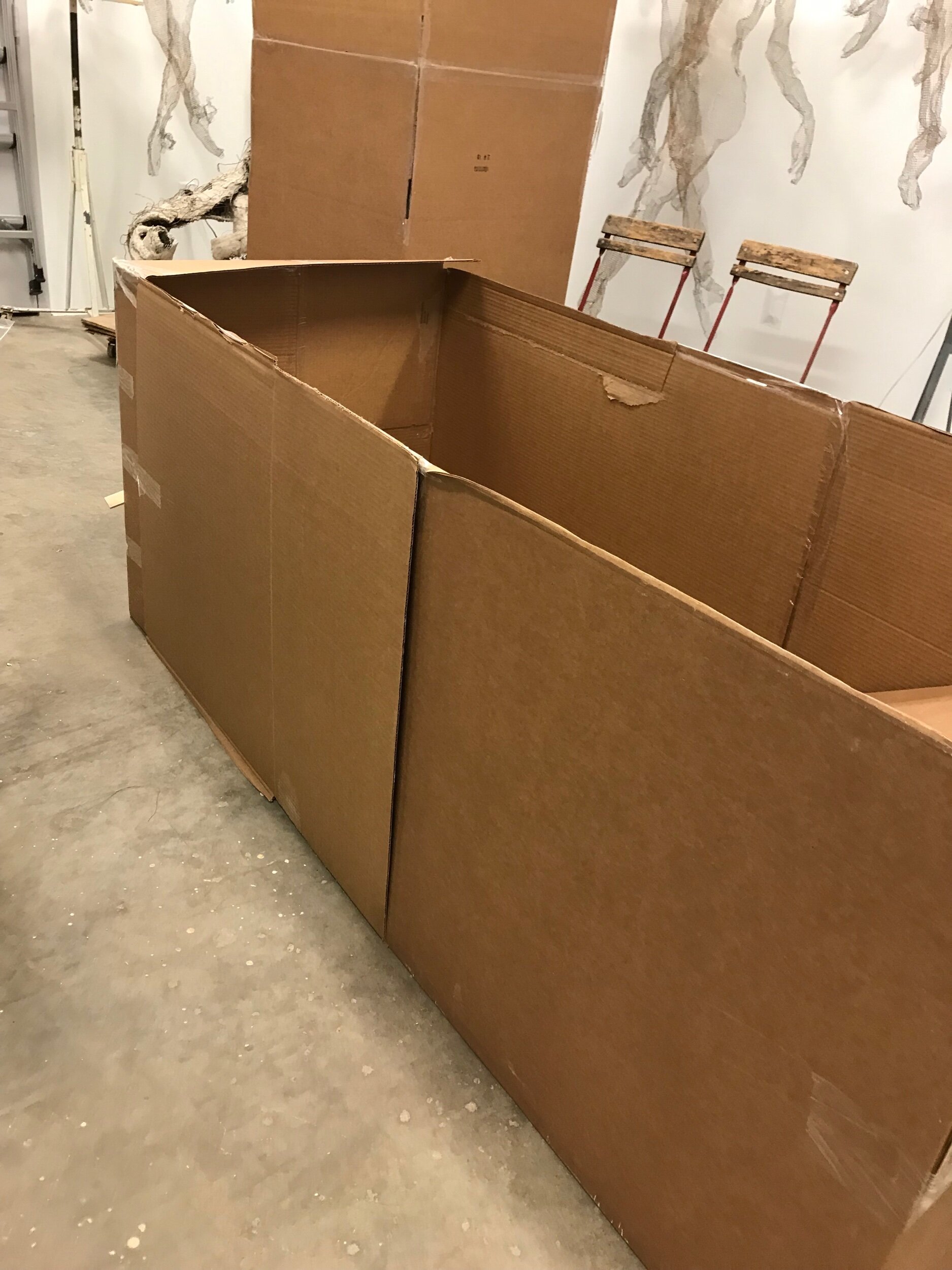
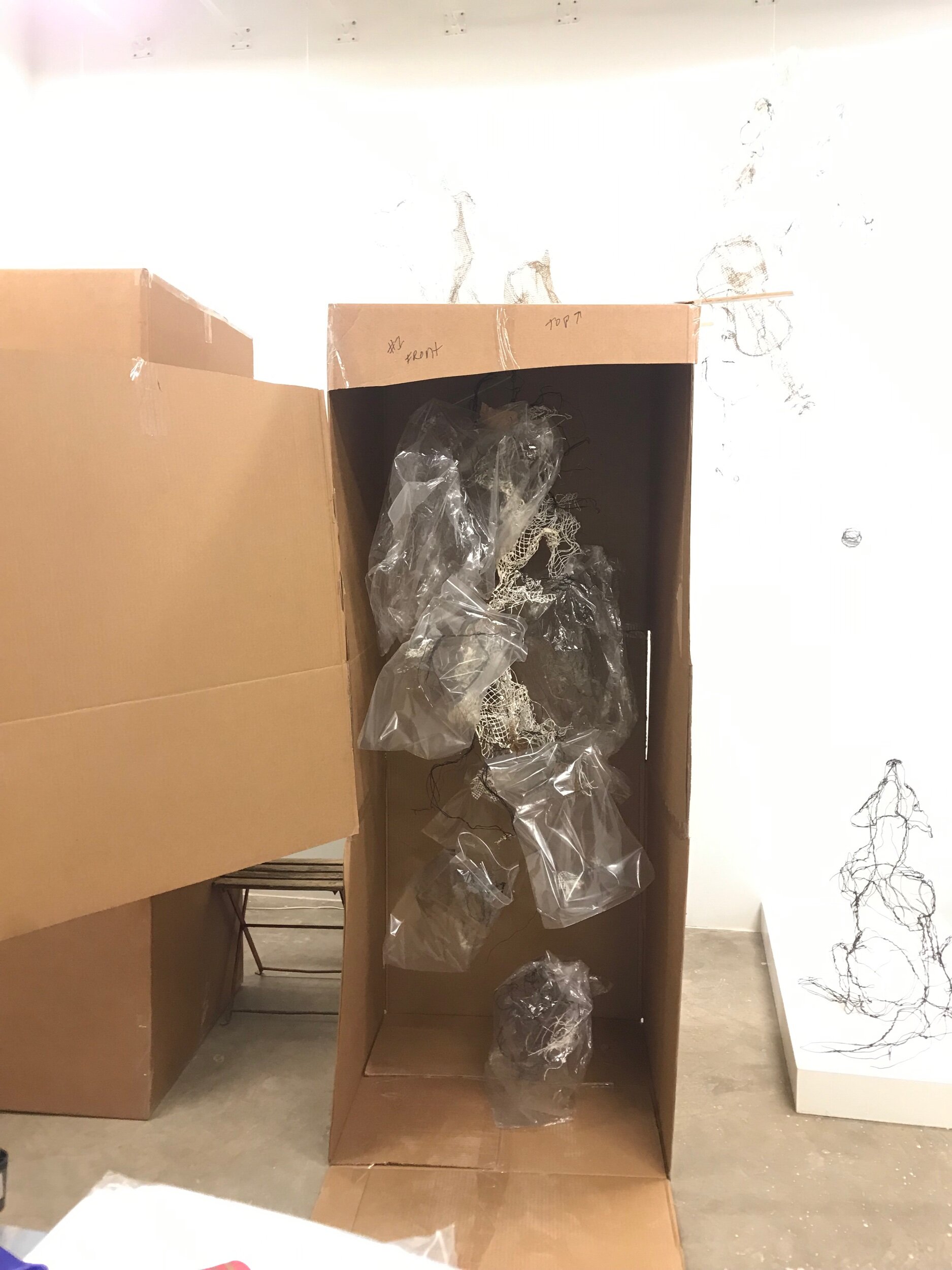
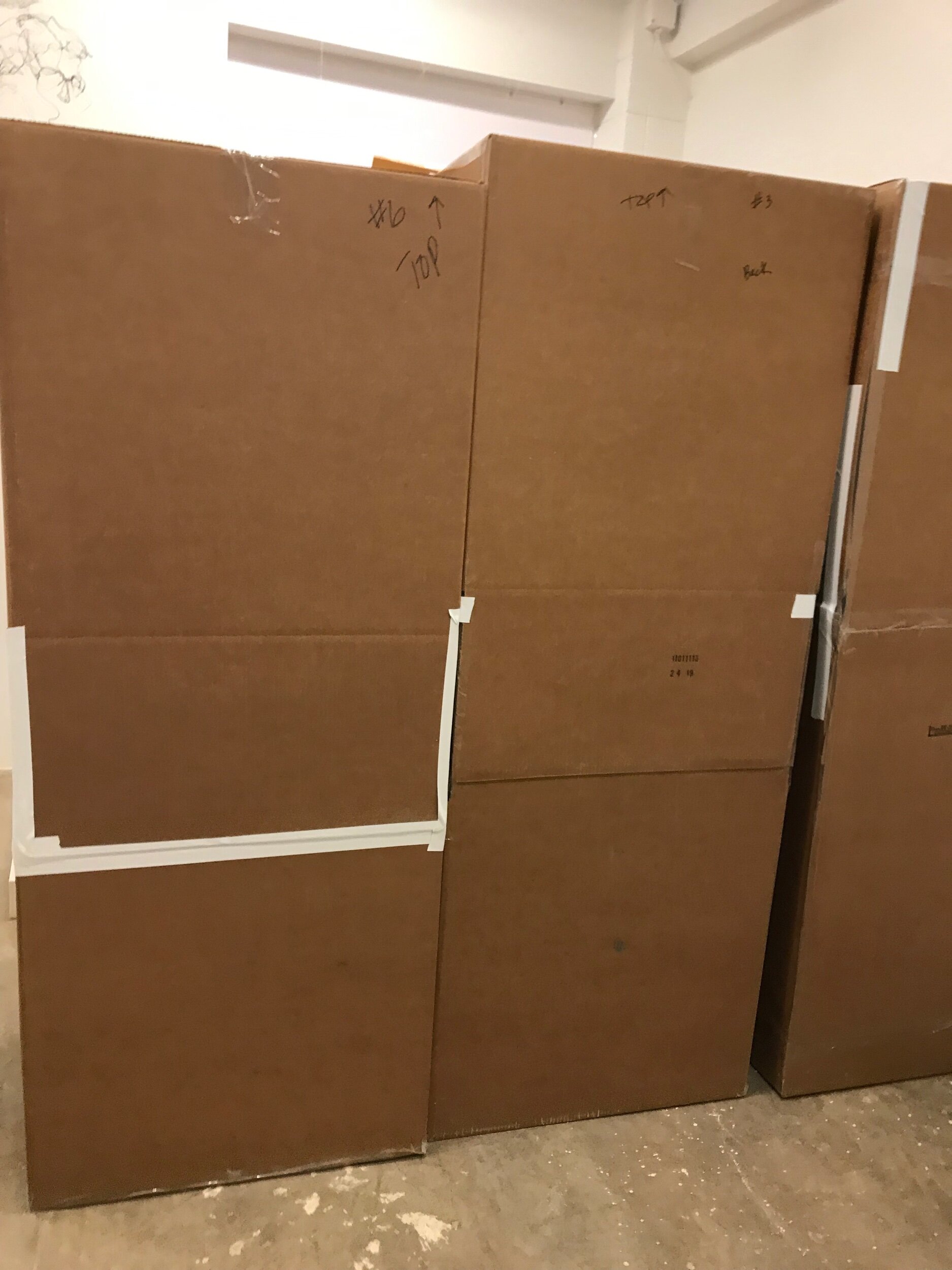
Last week I spent everyday packing and boxing the pieces I made this summer. I needed boxes they could hang in. Regular wardrobe boxes are not wide enough, so I made my own wardrobe style boxes to transport the sculpture pieces. I took two 30” X 30” X 30” boxes, stacked them and taped them to make them 78” tall.

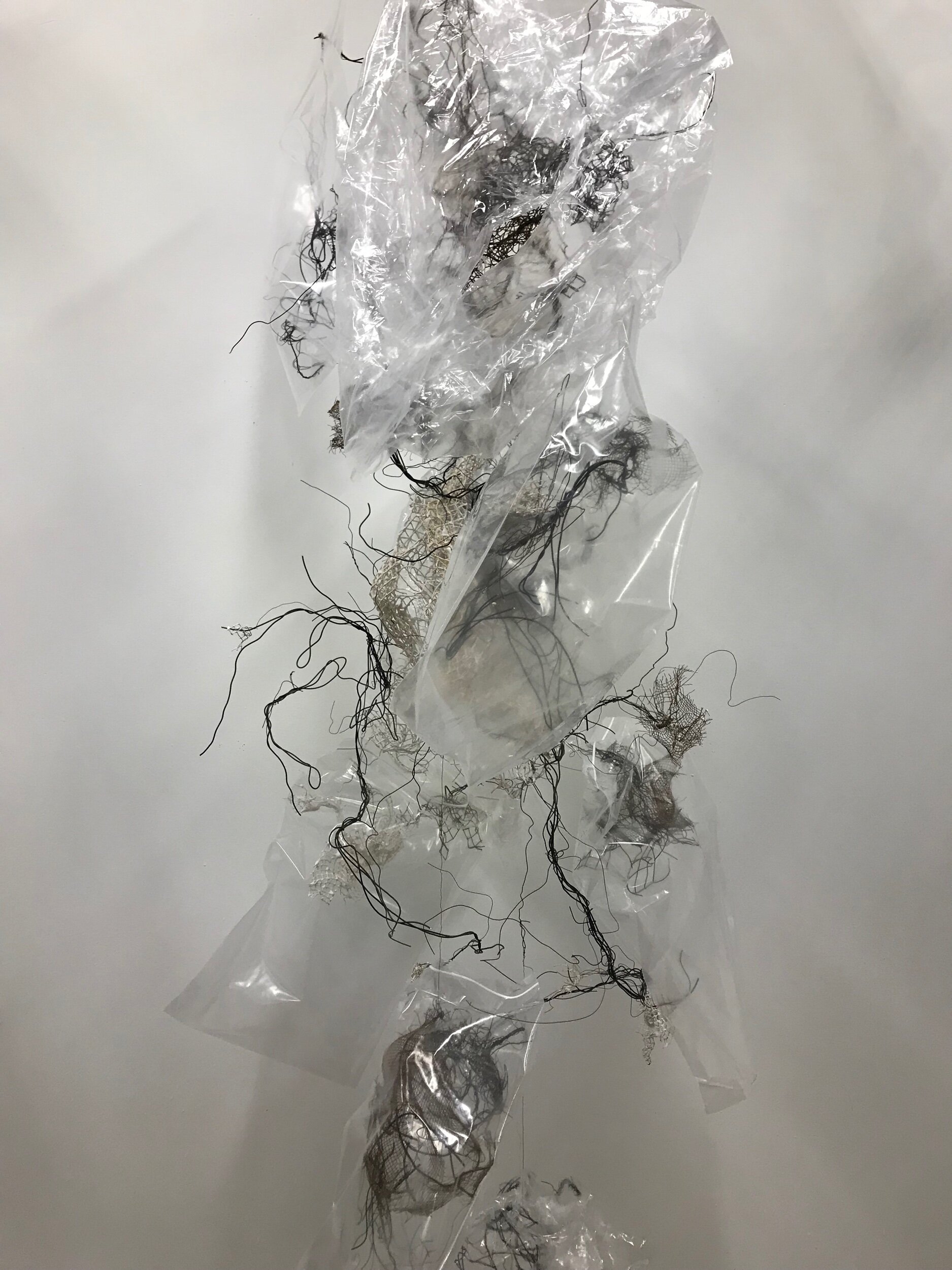
Then I wrapped each element of each piece in thin plastic dry cleaning bags and kitchen zip lock bags. I don’t want any thing getting tangled. Each little section is in its own plastic cocoon.

Each small element bagged separately making bouquet of bee cocoons

Each small element bagged separately making bouquet of bee cocoons

Making my own wardrobe style boxes.

Making my own wardrobe style boxes.

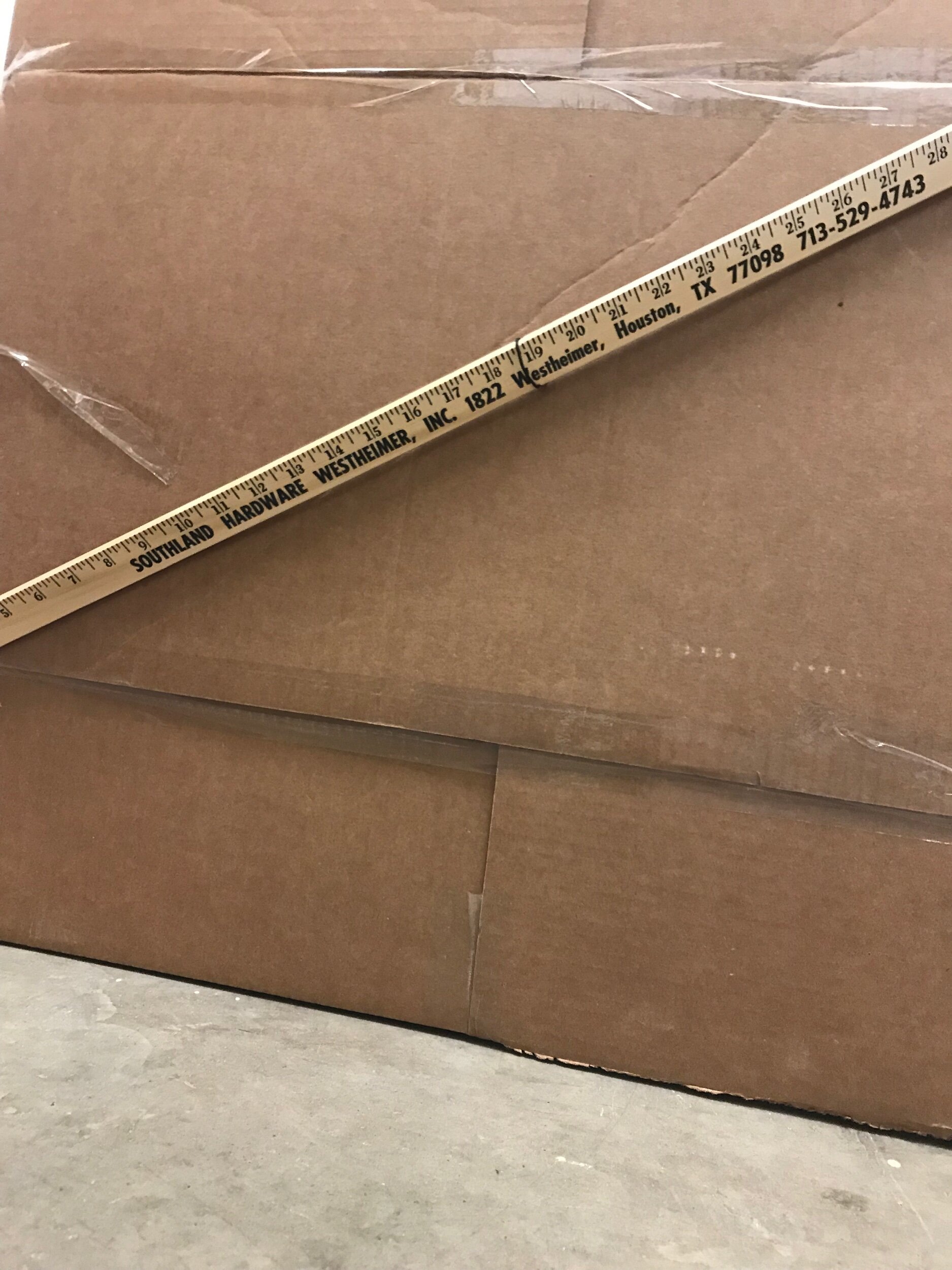
My pieces hang from the top of the boxes. I needed something to support the top of the box. Southland hardware yard sticks were the cheapest thing I could find. I think they will work.

My pieces hang from the top of the boxes. I needed something to support the top of the box. Southland hardware yard sticks were the cheapest thing I could find. I think they will work.

My sculpture wardrobe boxes have doors.

My sculpture wardrobe boxes have doors.

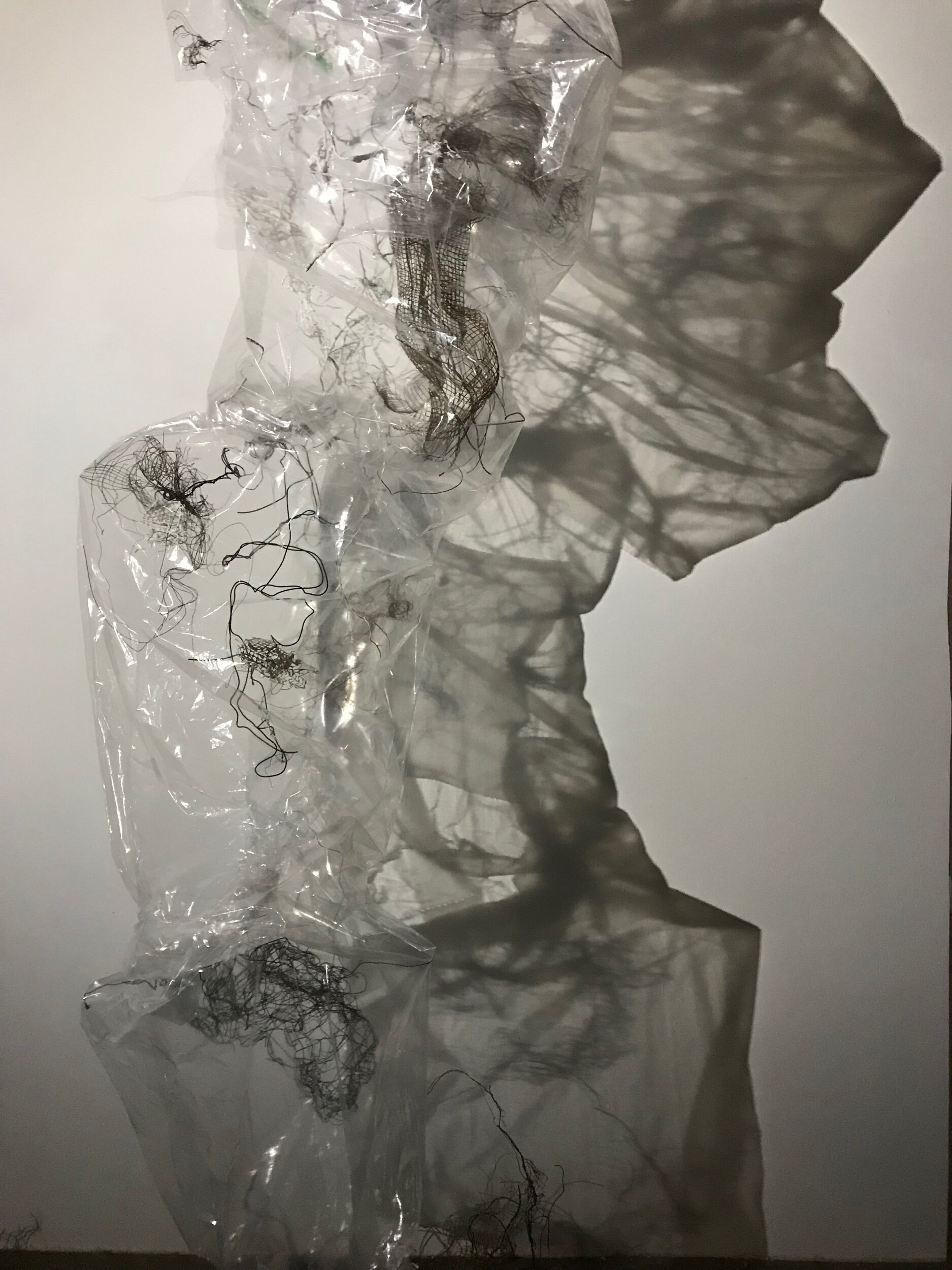
The pieces in bags make awesome amnion shadows

The pieces in bags make awesome amnion shadows

7 boxes ready to go.

7 boxes ready to go.

public.jpeg

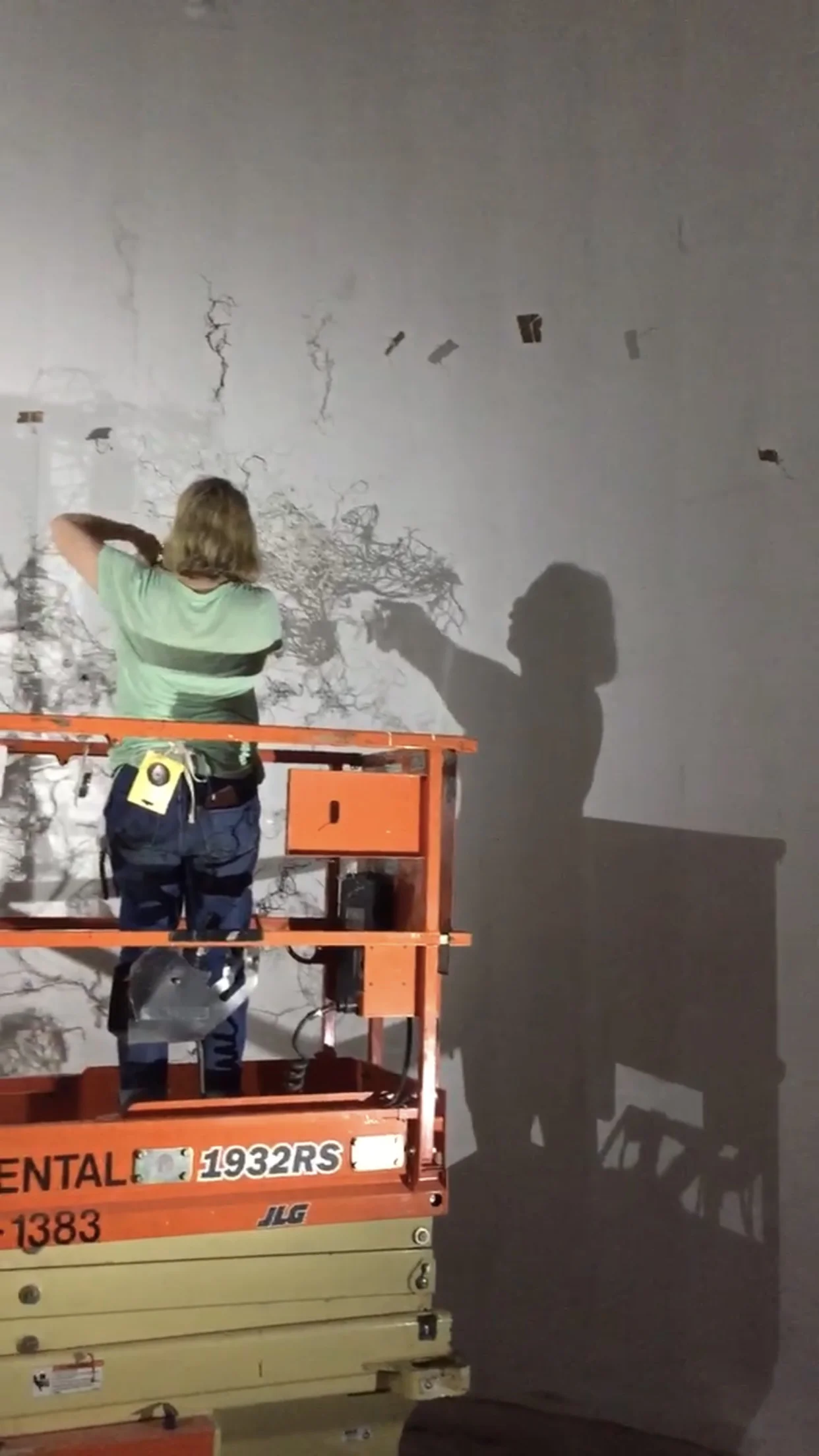
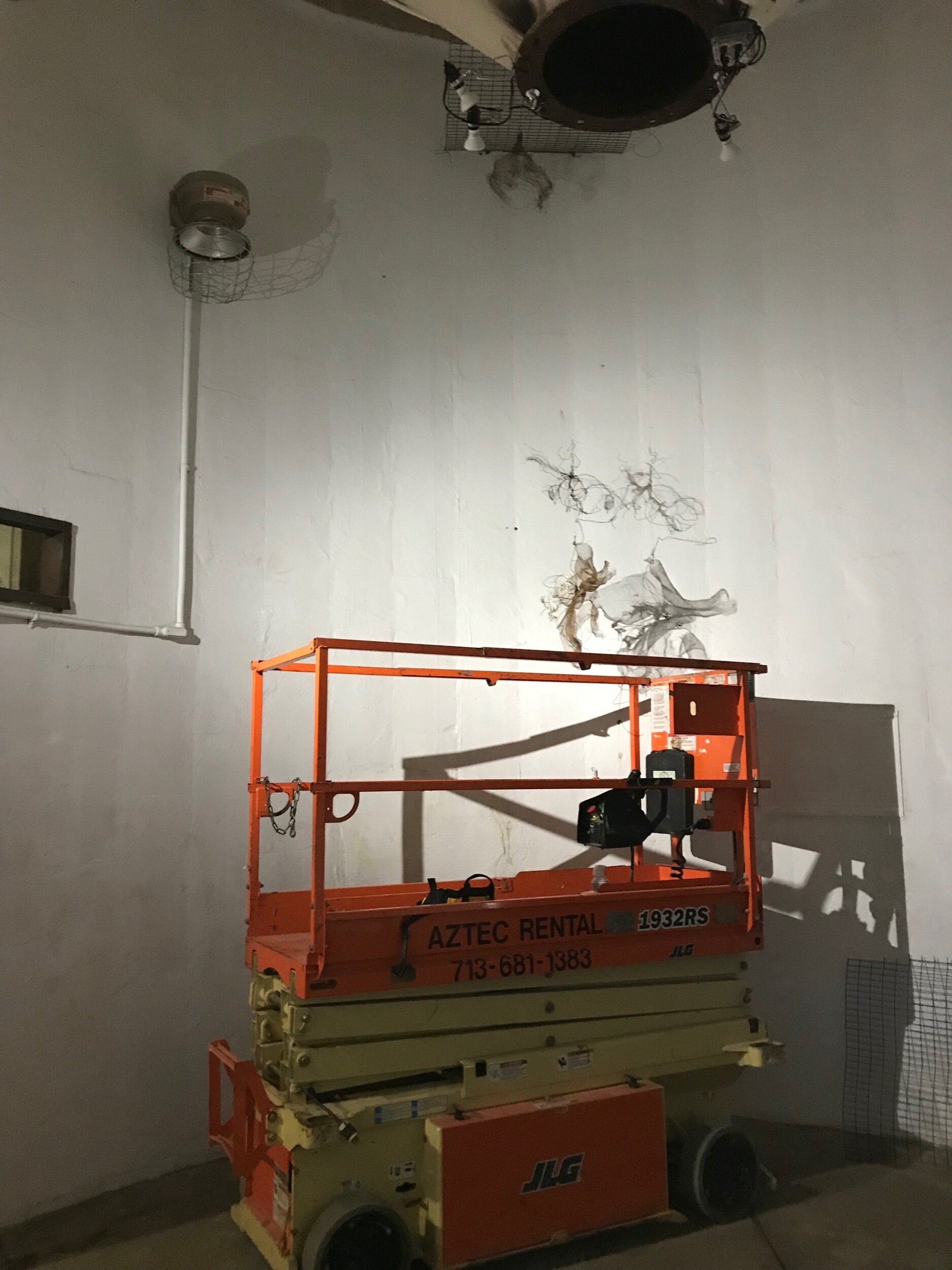
My new best friend’s name is Scissor Lift- Another day setting up my silo to work.

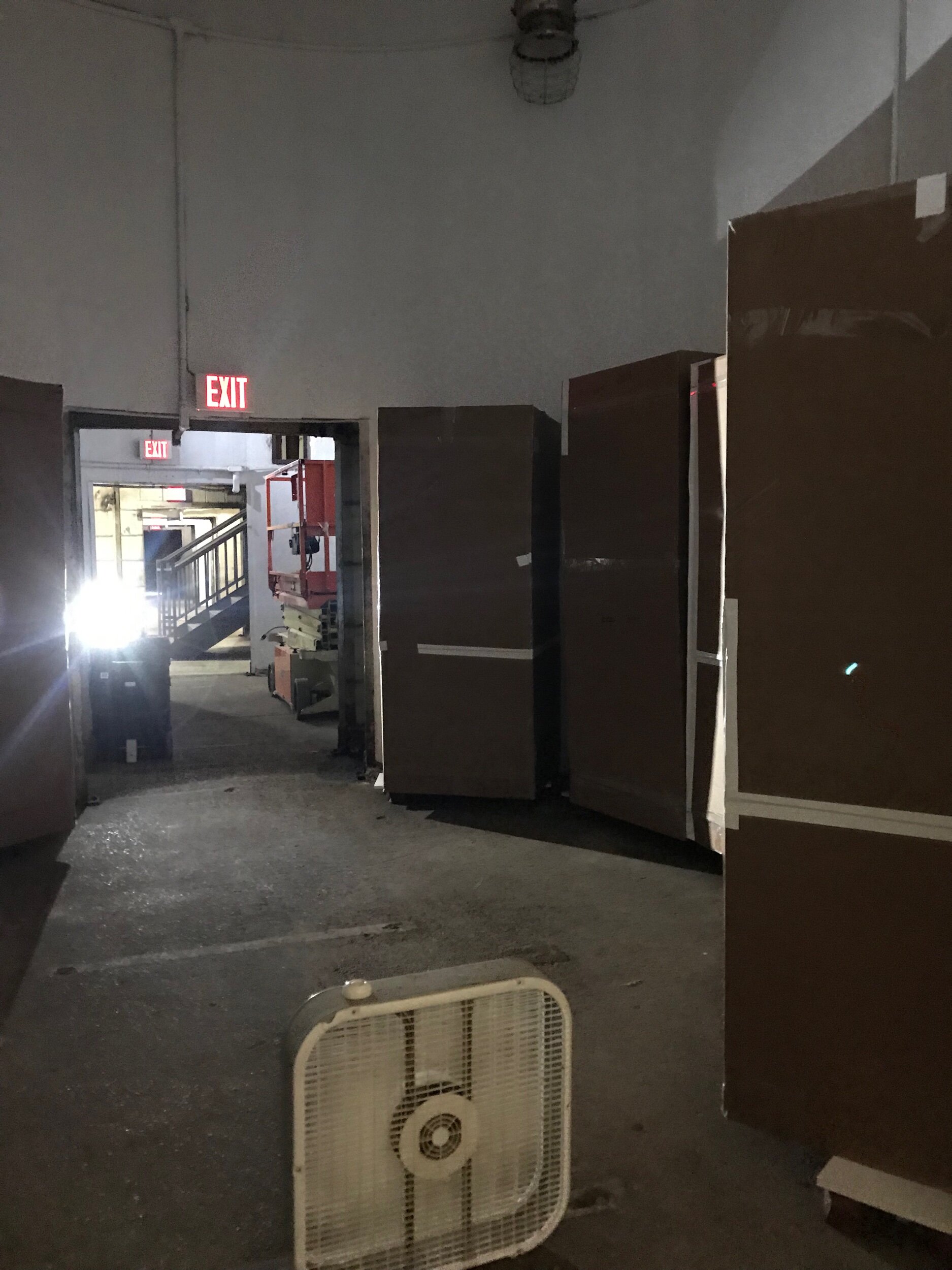
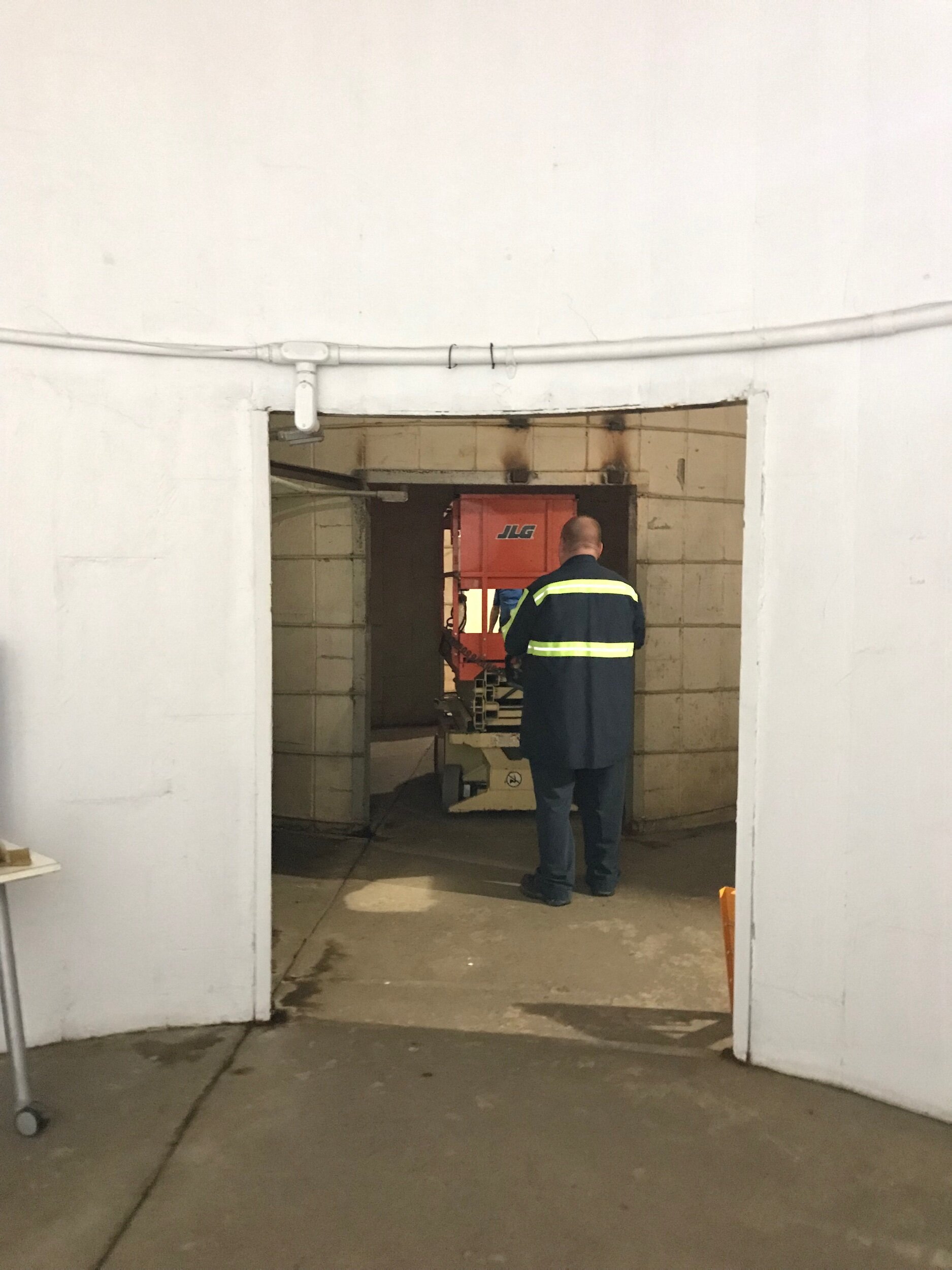
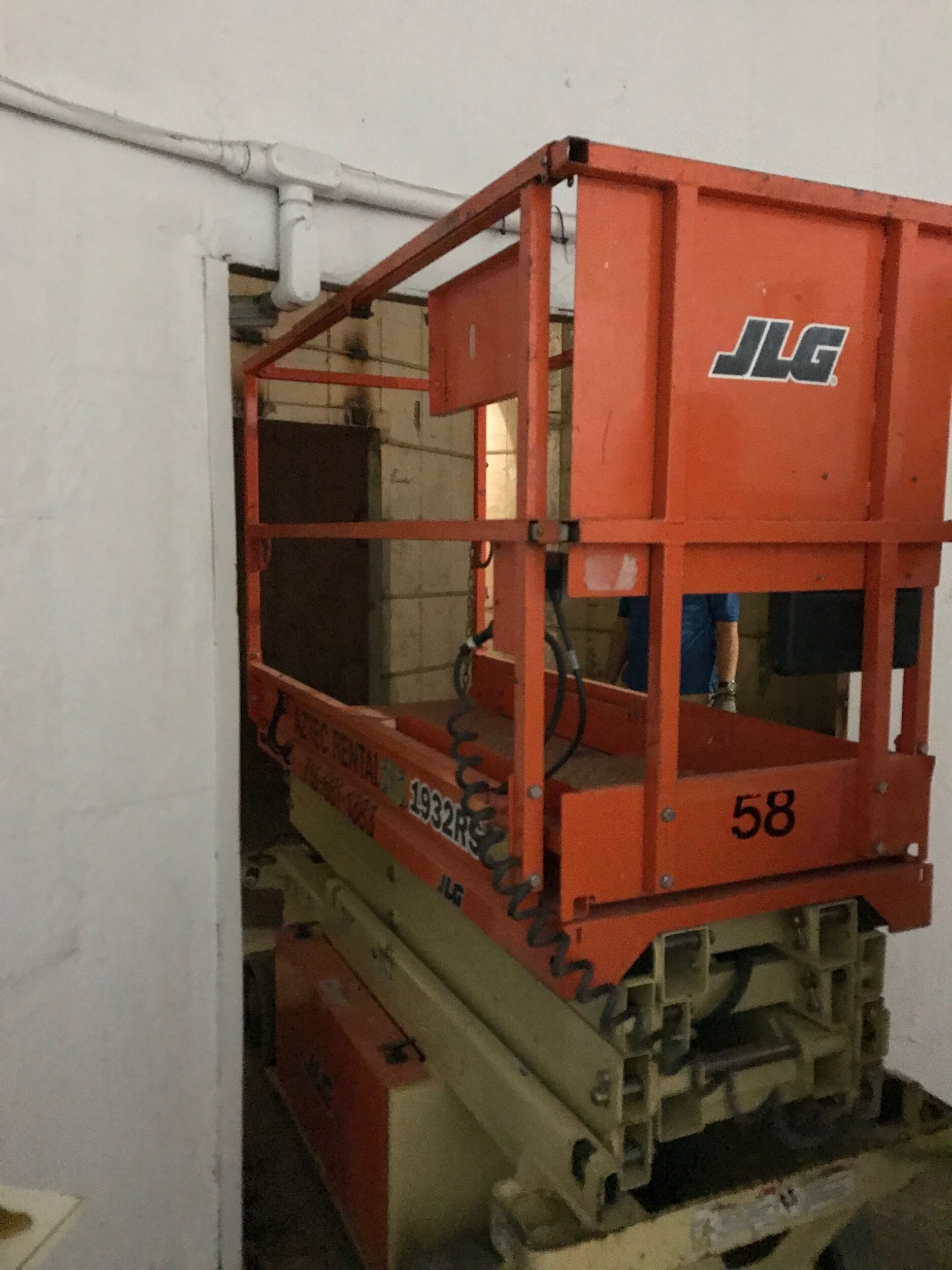
I am so grateful to not have to deal with that 19’ tall scaffold. It was very difficult to maneuver in the space with the mouth of the funnel hanging in the center of the space. Aztec picked up the awkward scaffold today, and they delivered my new best friend, scissor lift. Getting the scissor lift in my silo was not a simple processes. Electrical conduit hangs below the door frames of the silos between my silo and the delivery door. As a result the delivery man had to drive the scissor lift through 8 other silos to get to mine. It fit in the door of my silo exactly with not a pinch to spare. The scissor lift rubbed the top of the opening.

public.jpeg
public.jpeg
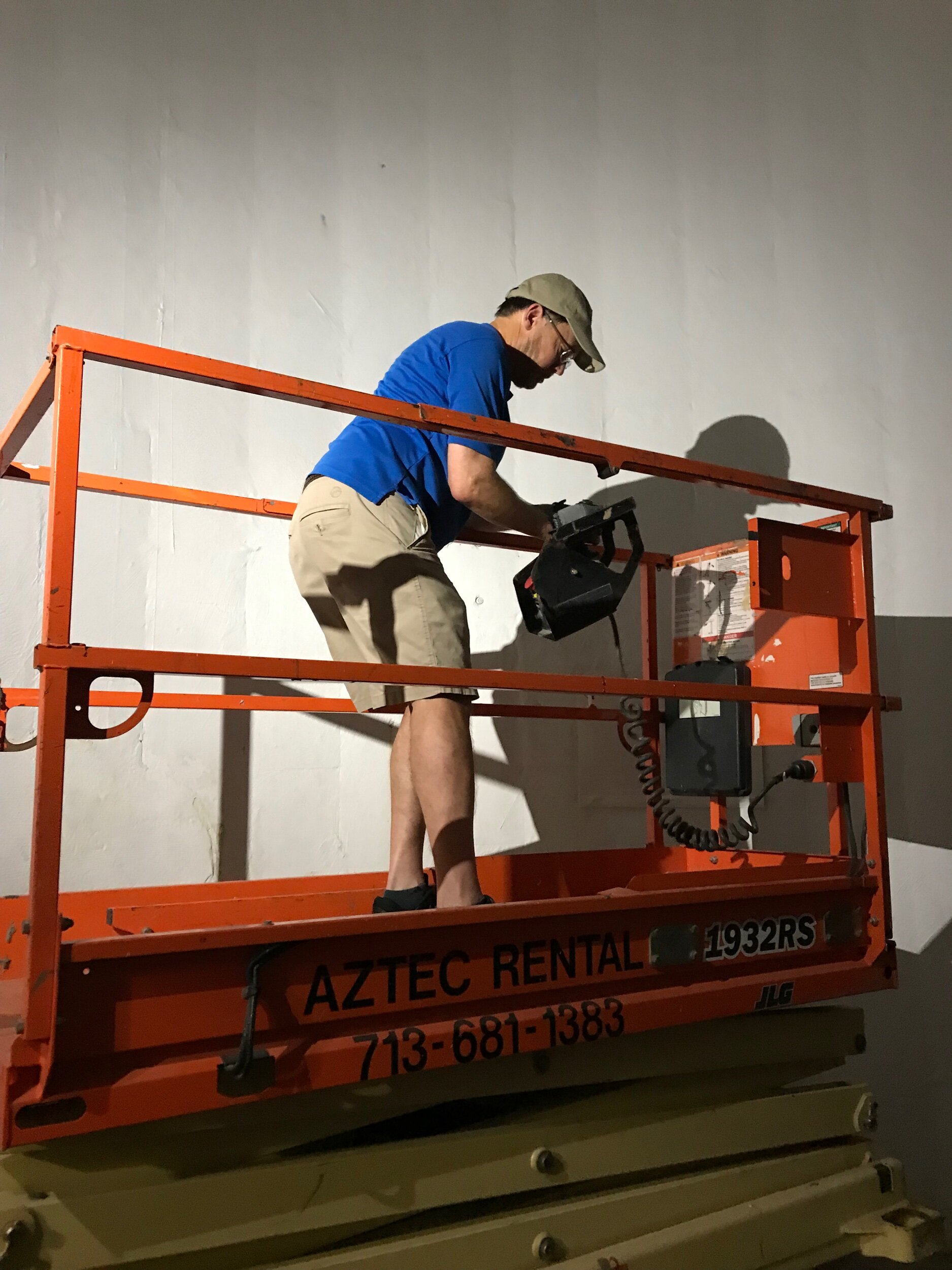
My safety engineer and the most supportive husband anyone could ask for. He is affectionately known as Mr.Safety. 🤗

My safety engineer and the most supportive husband anyone could ask for. He is affectionately known as Mr.Safety. 🤗

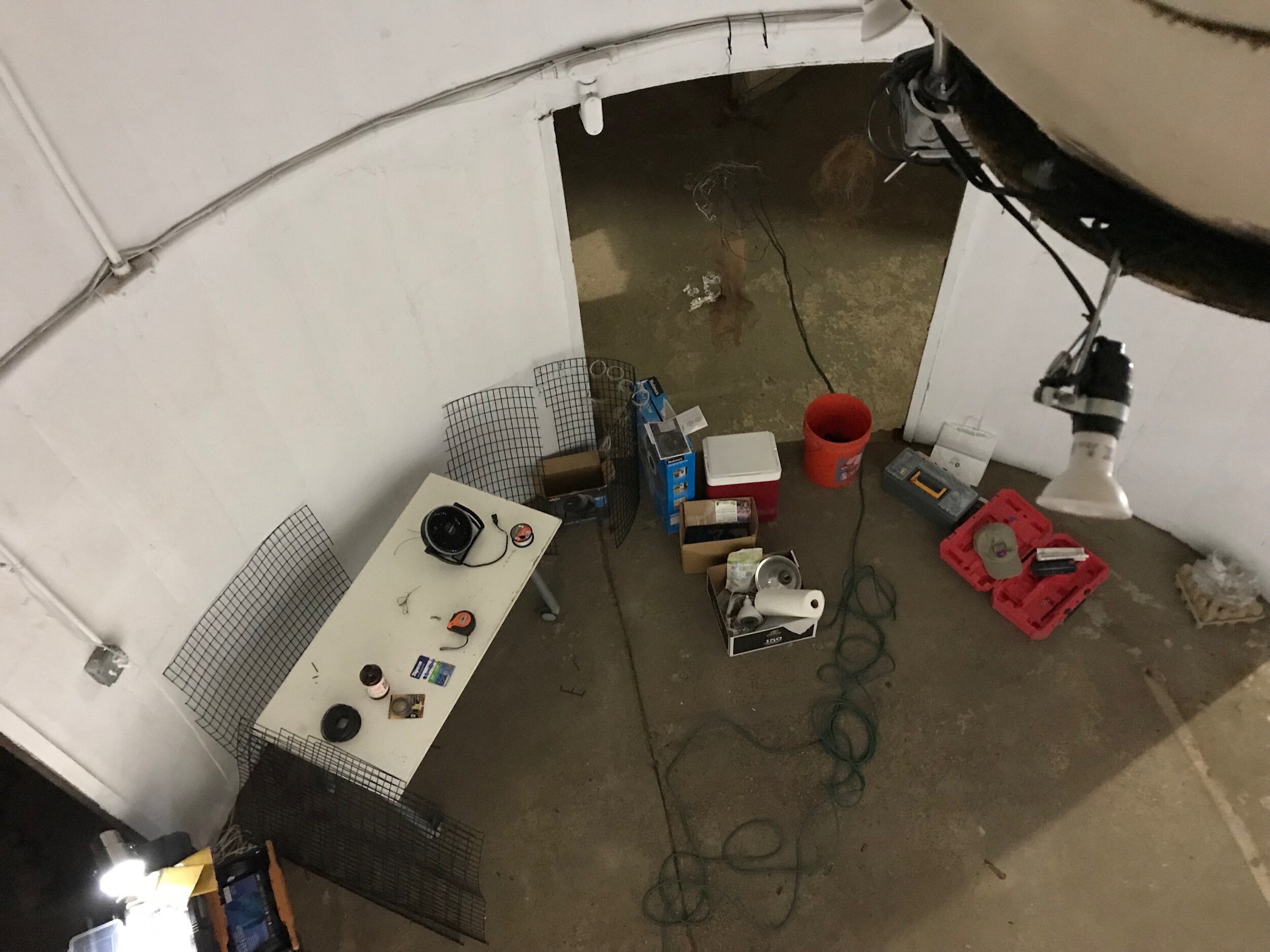
The view of my silo workspace from the scissor lift.

The view of my silo workspace from the scissor lift.

public.jpeg
Detail of grid system.

Detail of grid system.

SITE Gallery Houston

Behind and attached to the Silos at Sawyer Yards

The lobby of the SITE Gallery Houston with the mechanicals of the grain silo in place. Just the coolest

The lobby of the SITE Gallery Houston with the mechanicals of the grain silo in place. Just the coolest

public.jpeg
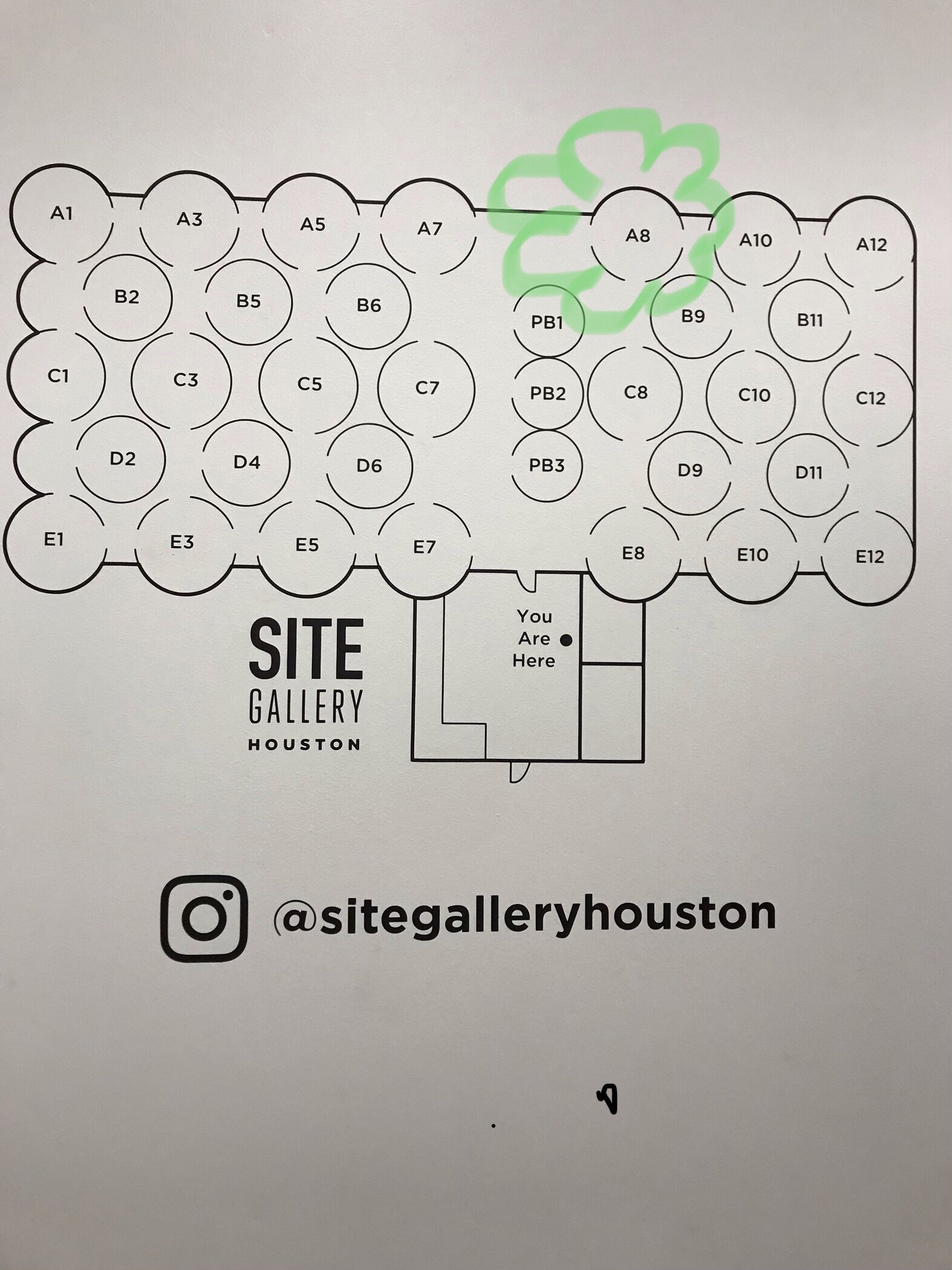
Green marks the spot

Green marks the spot

public.jpeg

Sculpture Month Houston

In May I started seeking a space to exhibit new environmental, 4D kinetic sculptures. I hoped to use this new work as a start to an art installation inspiring conversations about topics I am very passionate about; the unexpected consequences of forcing natural processes into an industrial model and the complex relationships between humans, plants, and animals. 

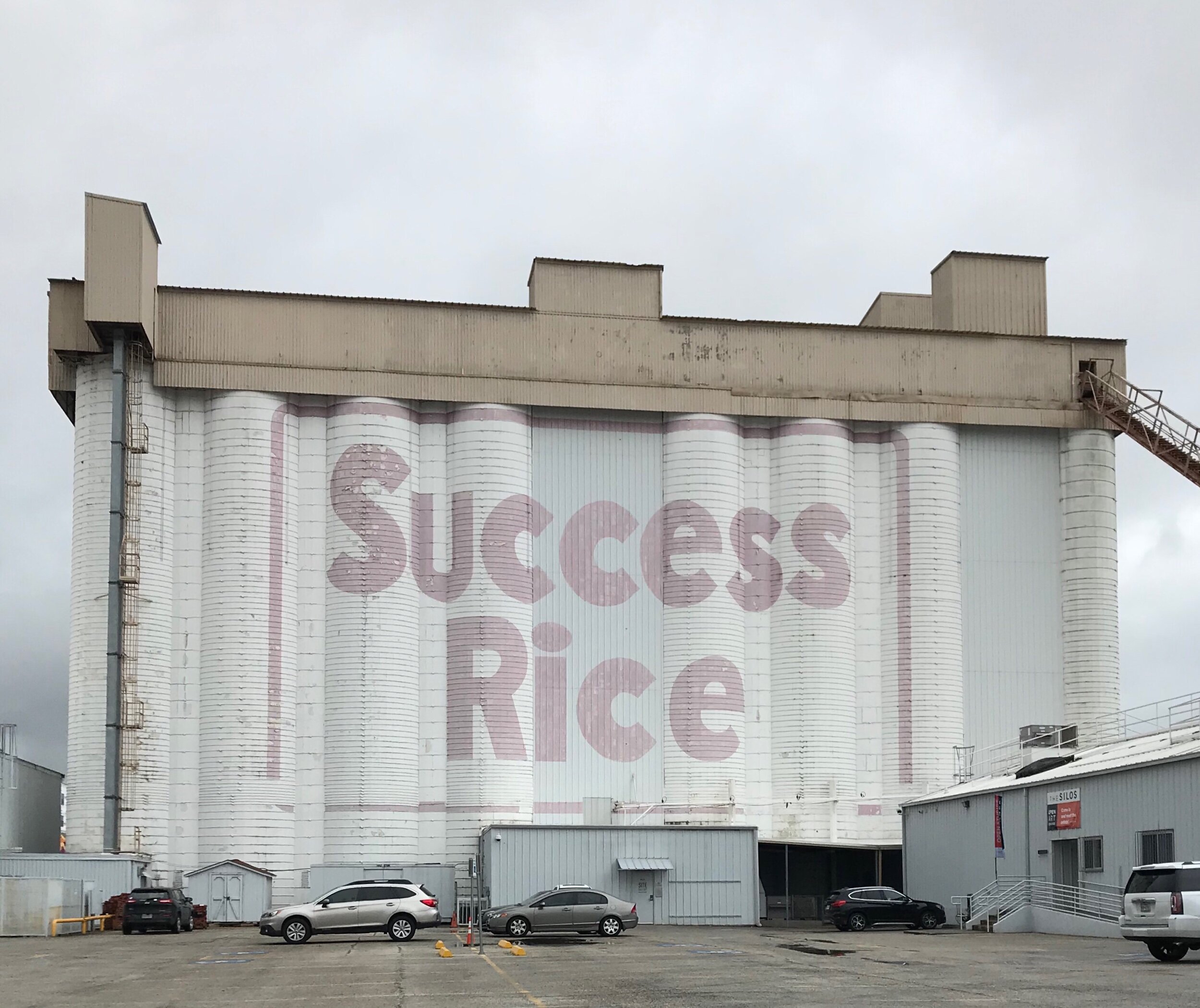
The stars aligned in July when Sculpture Month Houston’s founder and curator, Volker Eisele, invited me to be one of the 19 artists asked to create a site-specific sculpture in the historic Success Rice Grain Silos behind the Sawyer yard’s artist studios. In the 50th anniversary year of man landing on the moon, this year’s exhibit title is Outta Space from the 2012 Van Halen album A Different Kind of Truth. Outta Space will combine two curatorial themes: one features work focused on environmental degradation issues and the other focuses on interpretations and explorations of Alternative Worlds as envisioned in the fantasies of the artists. 

I have passionately committed myself to this installation every day since July. My passion comes from spending my early years on a farm in west Texas, from my concerns regarding industrialized food and its effect on our health, from my love for historic buildings and, most importantly, from my desire to make an impact on the return of our most important keystone species. 

As a site specific installation artist my aspiration is to create a piece that is unique to the silo’s space and true to my work. My silo is a circular space constructed from cinder blocks, 18’ in diameter and spans 20’ in height. It has, in the center of the space a 10’ tall funnel suspended from the ceiling. There are a few old, large light fixtures, conduit runs vertical and perpendicular on the walls and there are three entrances to the space. I have three weeks to install the work that I have assembled to date. My mantra as an artist is “if I am not nervous to take on a new project then I am not stretching myself”. I am slightly anxious, yet happy to embrace the butterflies and honored to have my name listed among this year’s SMH artists.

In celebration of the opening there will be food trucks, a bar and music provided by Chapel In The Sky with projections by Michael Walrond - SHDWSOFDUST. 

OUTTA SPACE

Public Opening for the Exhibition 

Saturday, October 12, 6-9 pm

SITE Gallery Houston, 

1502 Sawyer St. Houston, TX 77007

(The multi-story building behind the artist studios facility).

https://glasstire.com/2016/11/04/the-problems-and-rewards-of-houstons-silos/

https://glasstire.com/2017/10/30/a-conversation-about-art-and-the-silos-on-sawyer/

public.jpeg

7 days left

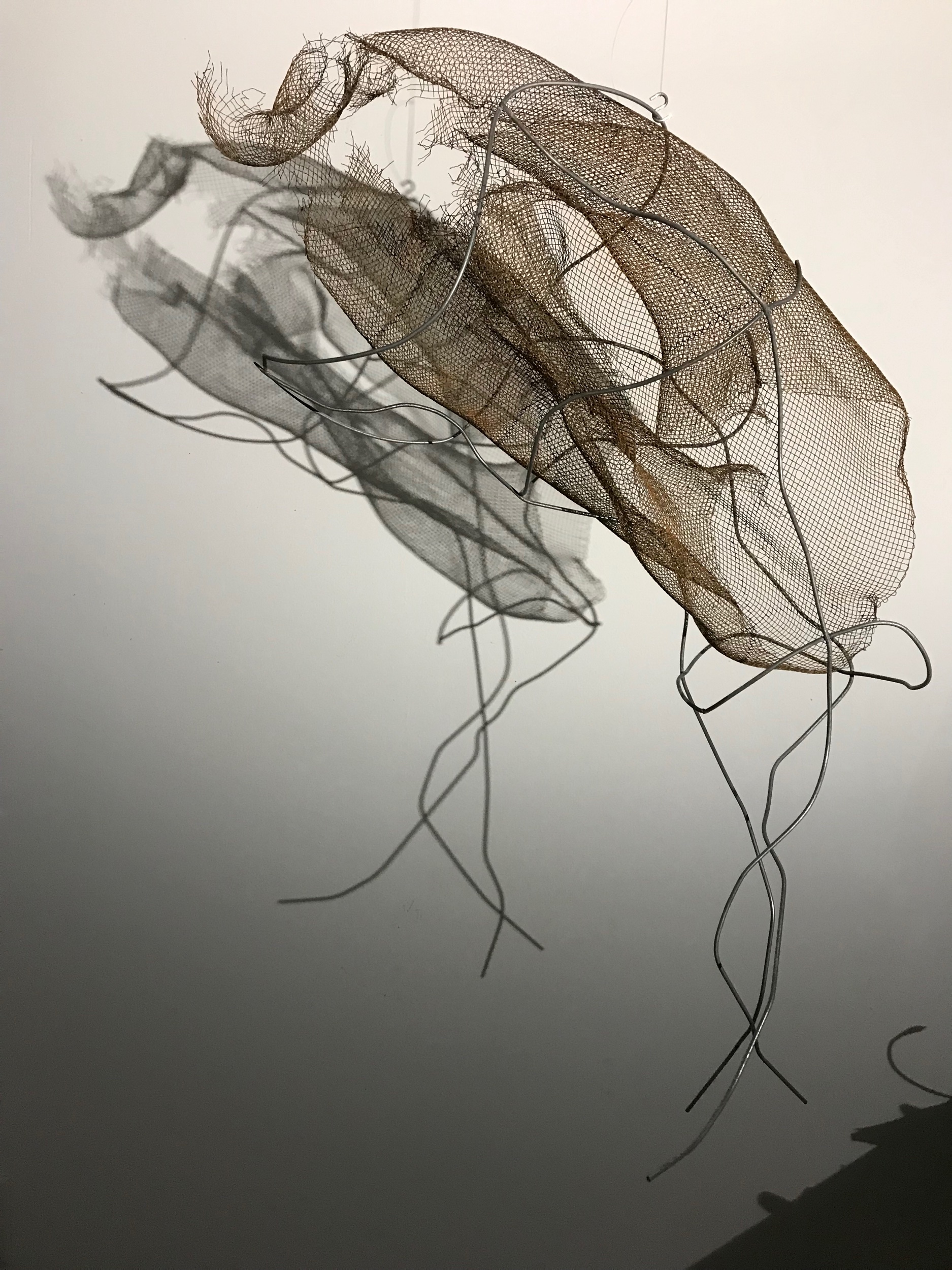
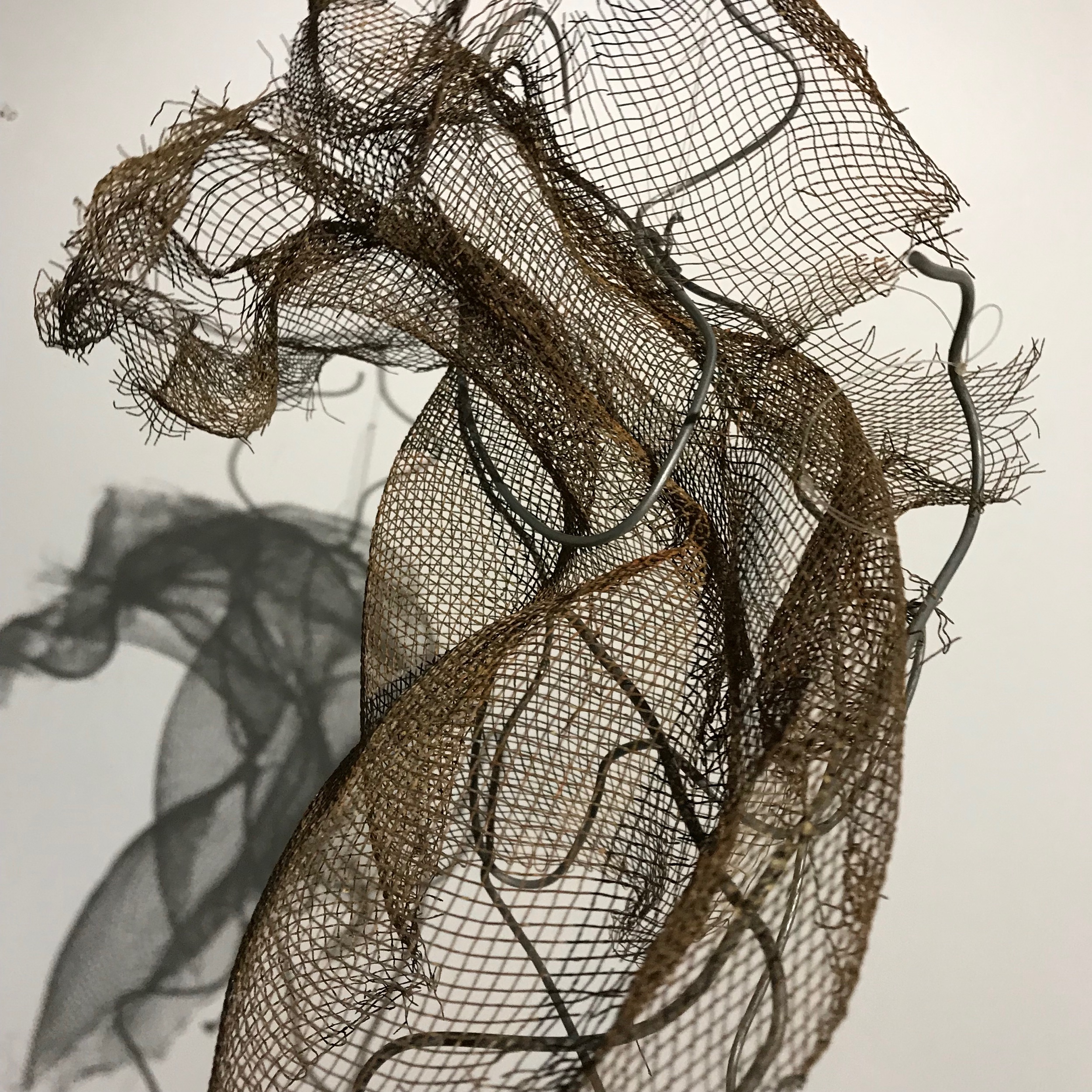
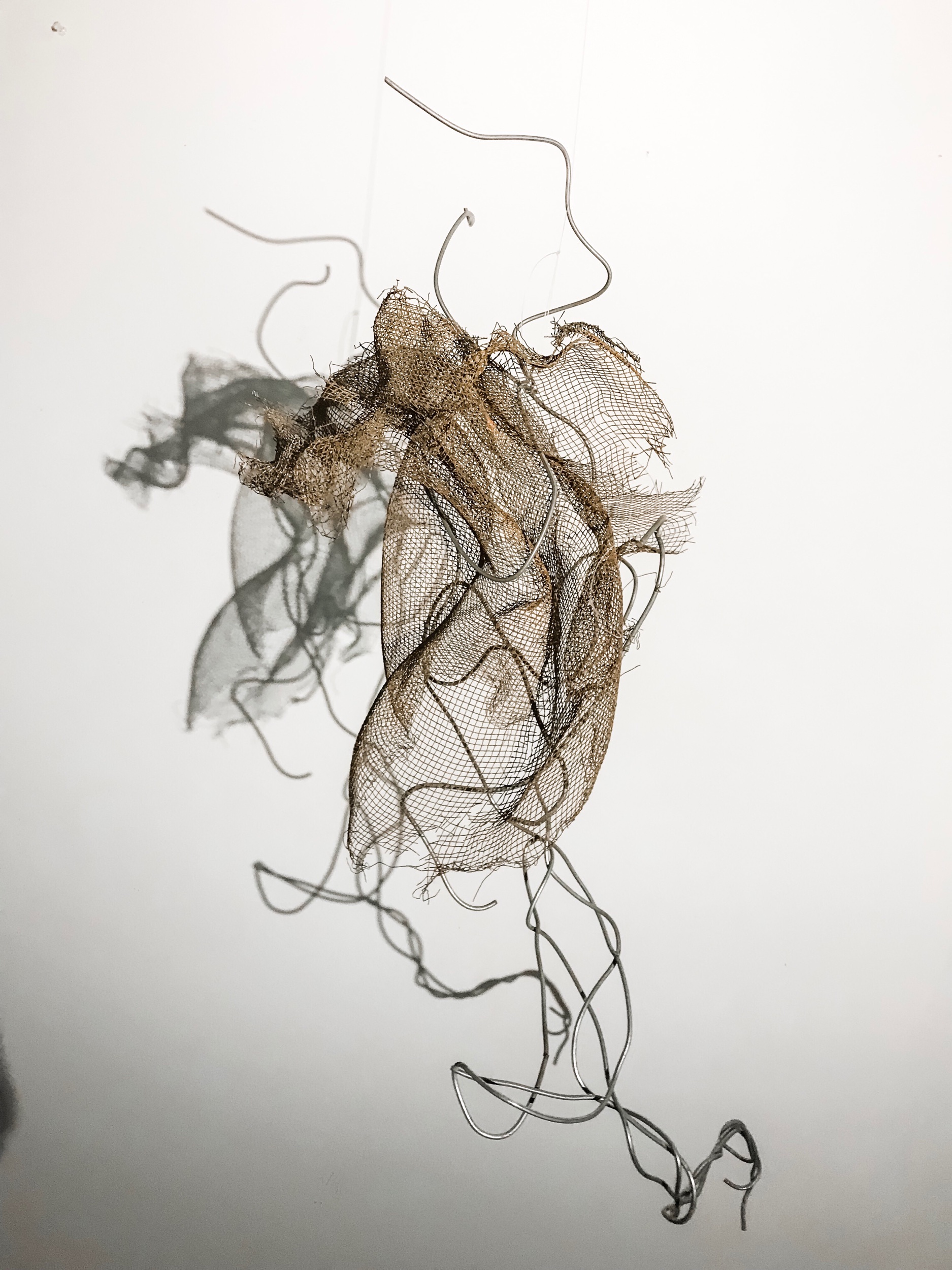
7 days left to rip and wrangle rusted wire cloth, then delicately stitch the wire fragments into biospheres of frail and vulnerable abstract wild bees and organic shapes. Then coat hydro stone and cast shadows, to kinetically unveil the unintended consequences of forcing natural processes into an industrial model. Then pack, transport, unpack, install for 21 days, and open........ find more locations to install......... rinse and repeat.

public.jpeg
public.jpeg
public.jpeg

Butterflies and family

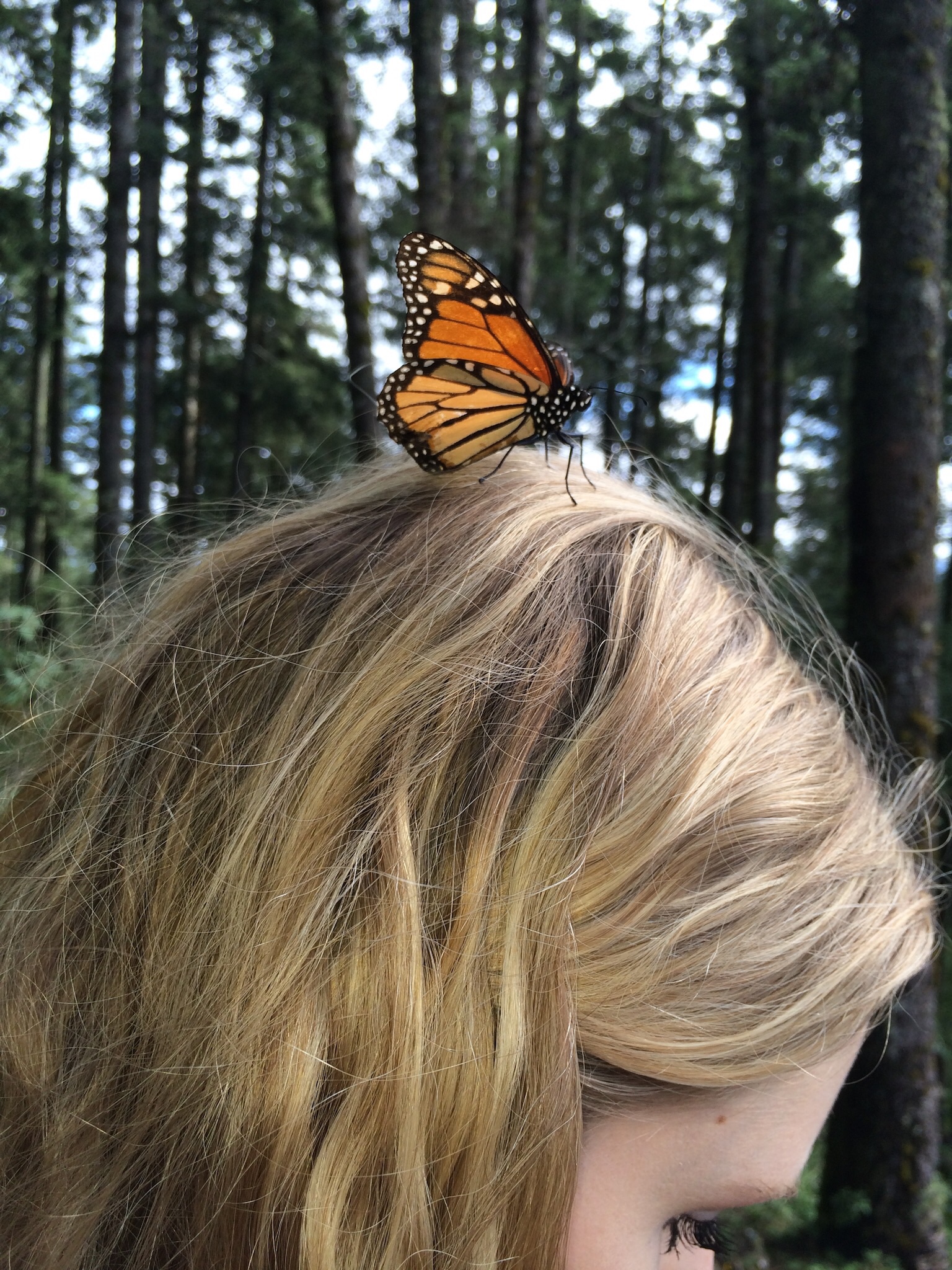
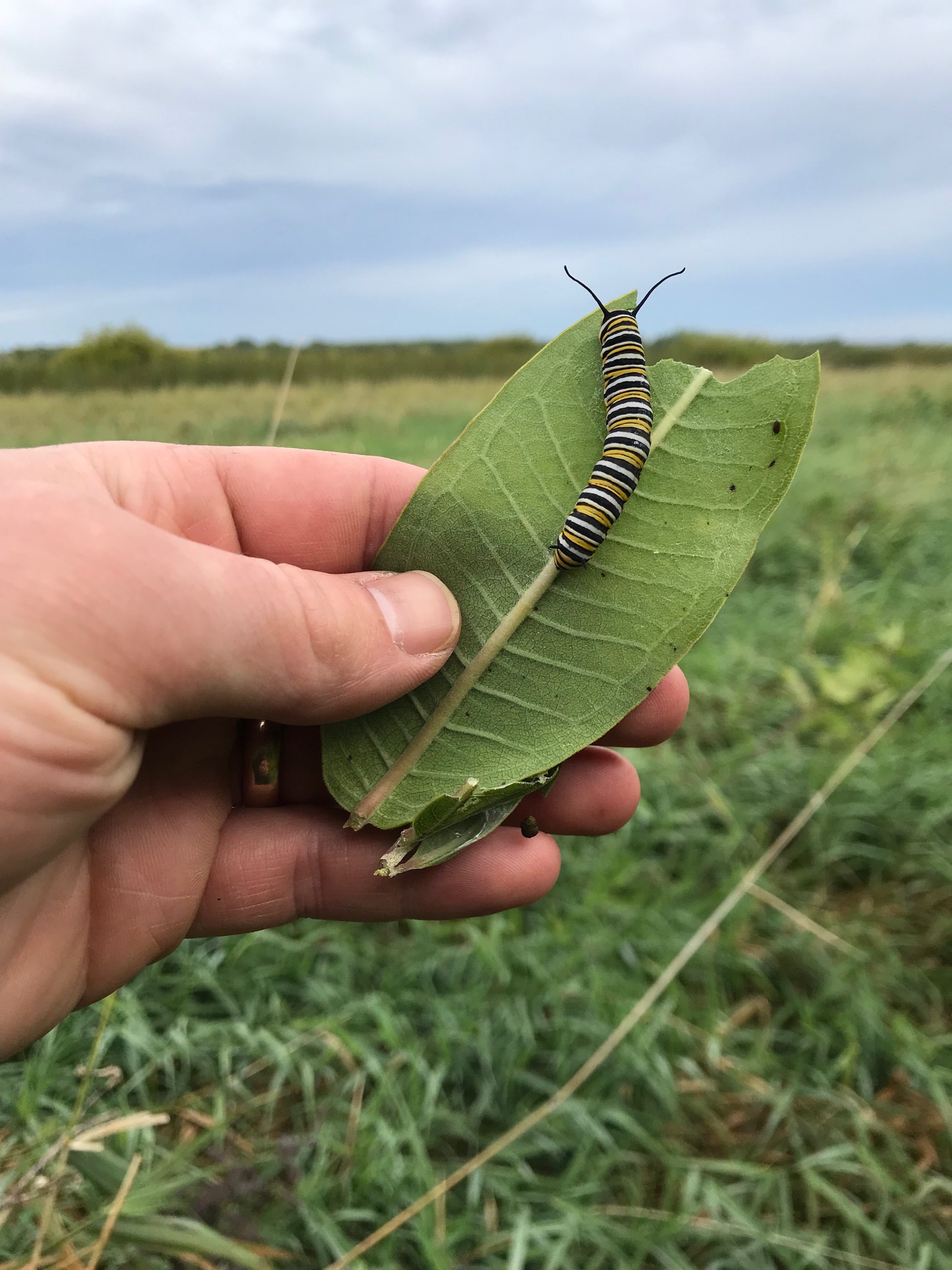
One of the joys of parenthood is enjoying nature through your kids at any age. Last night, Griffin sent us this image of a monarch caterpillar that he found in Minnesota this weekend. A few years back on Thanksgiving, we went to see the monarchs. It is a site to behold and a lovely outing. They really liked Sage. Respectfully enjoying the beauty of nature has long been a great joy for our family.

Sage provides fb a resting Place for a monarch

Sage provides fb a resting Place for a monarch

Griffin sharing a caterpillar with us from Minneapolis.

Griffin sharing a caterpillar with us from Minneapolis.

The honey bee is (as American as apple pie) not a native bee in the US.

Like apples, honey bees were introduced to North America in the 17th Century by the European settlers. Prior to the arrival of the European settler’s honey bee, native insects and bees handled the task of pollination in the new world. In the early 1600´s, the honey bee was brought to North America for honey production and beekeeping became a commercial and profitable occupation.

My next post will be honey bees vs native bees. #savethenativebees

public.jpeg

Bee school birthday gift.

For my 62nd birthday, my son Griffin and daughter-in-law Alex gave me bee school for two at Beeweavers outside of College Station. Below are some photos from the day.

public.jpeg

When we got out of the car, immediately we noticed a lovely white noise–the hum of busy bees filled the warm, summer air. I love that sound.

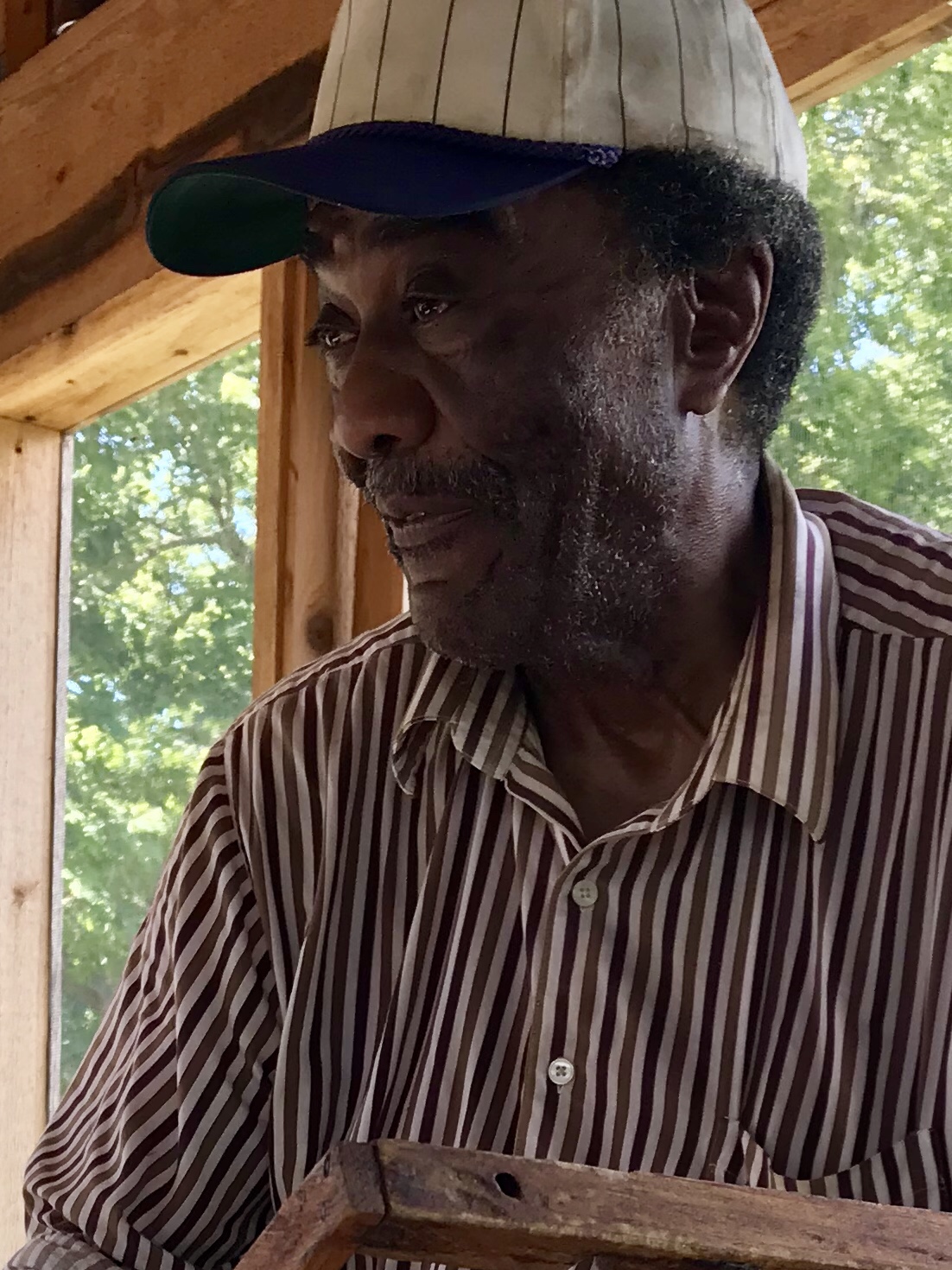
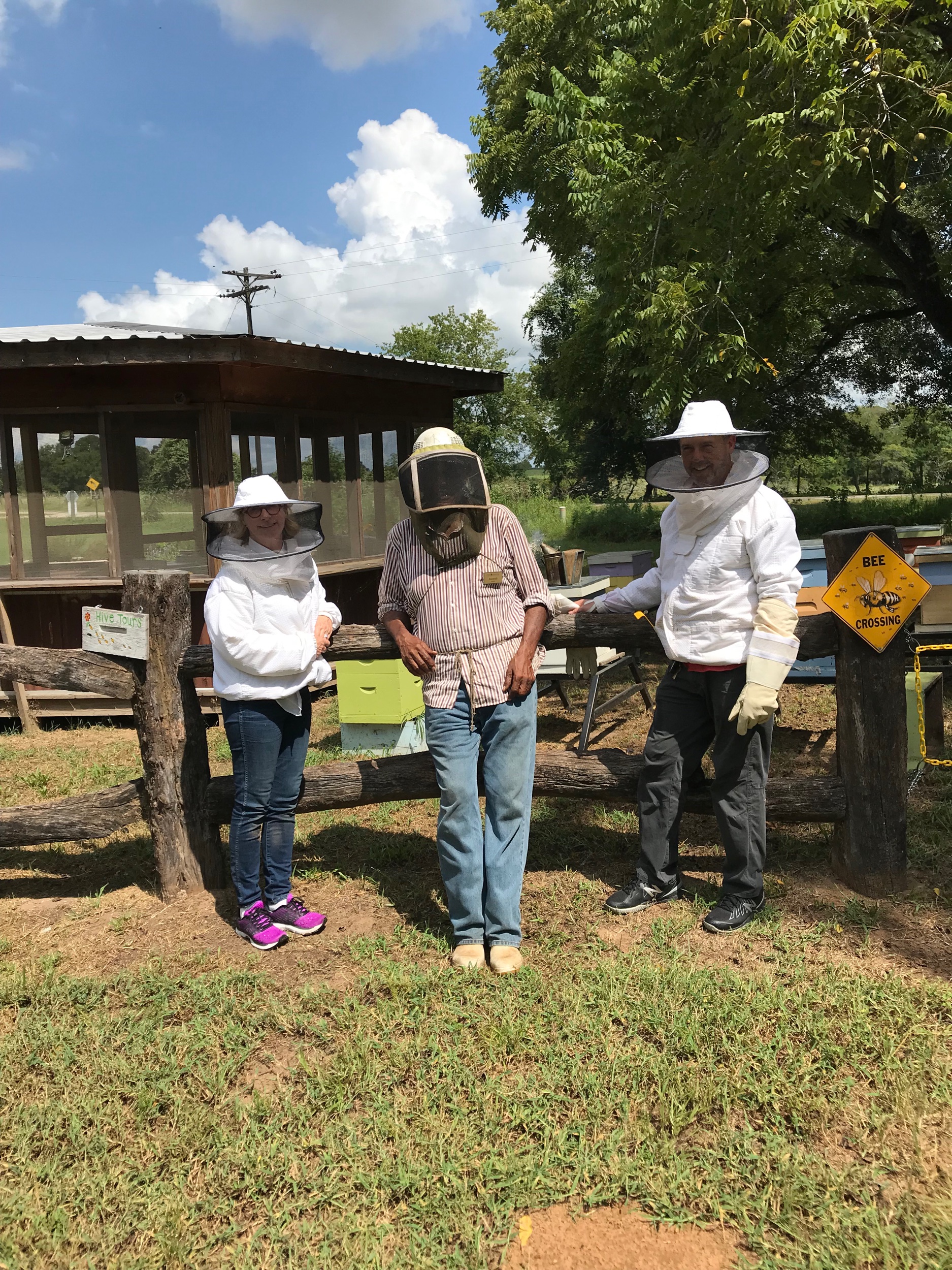
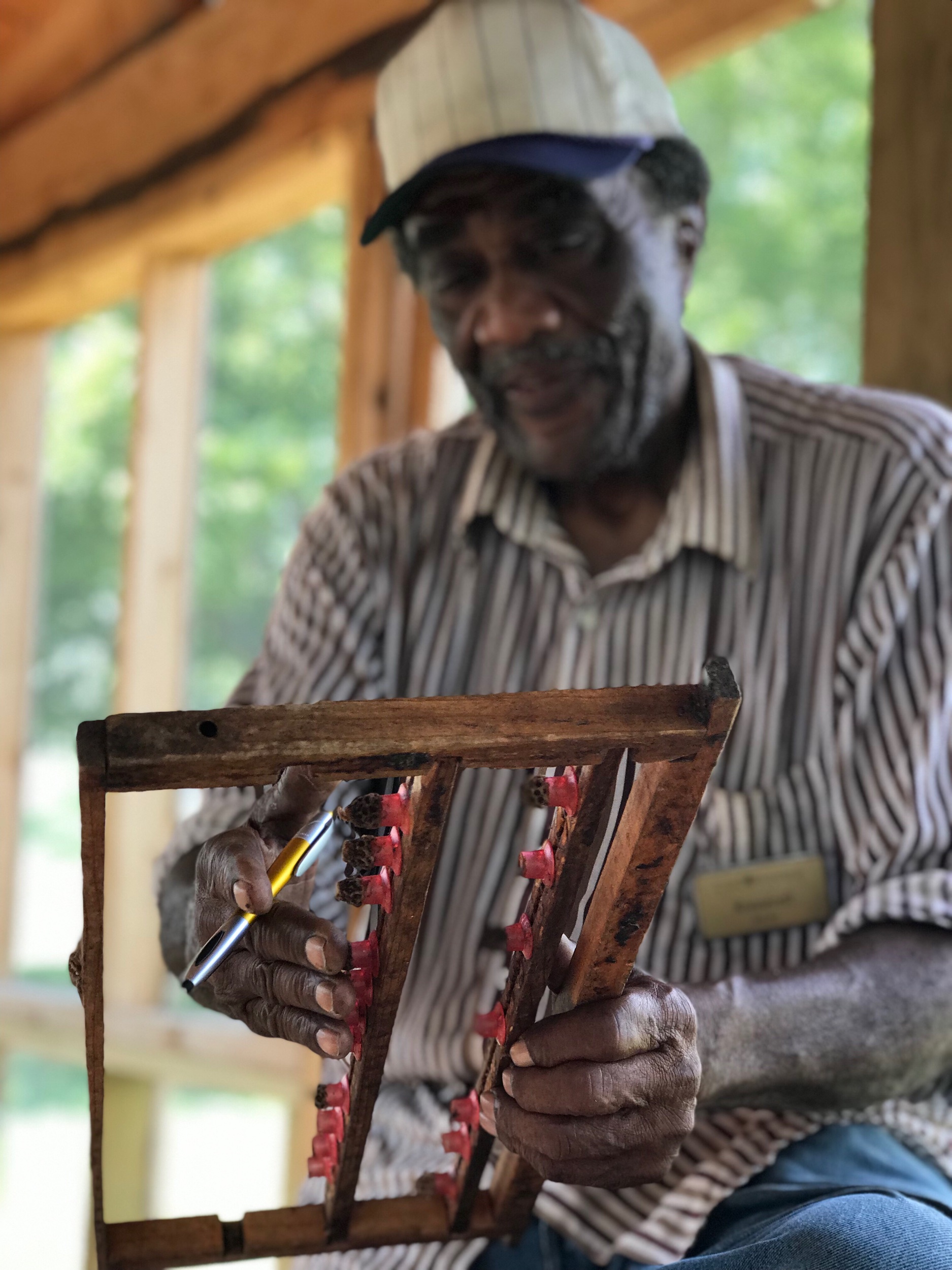
This is Roosevelt (or as Roosevelt would say, it is what is left of Roosevelt). He has been at BeeWeavers since he was 22 years old. Roosevelt is our teacher, guide and bee guru for the day.

This is Roosevelt (or as Roosevelt would say, it is what is left of Roosevelt). He has been at BeeWeavers since he was 22 years old. Roosevelt is our teacher, guide and bee guru for the day.

You need to wear long sleeves, loose jeans, and closed-toe shoes. They provide the bee nets/hats and jackets. We are posing in front of some bee boxes and trying to let you see the smoke can behind us. Roosevelt really wanted the smoke to show in th…

You need to wear long sleeves, loose jeans, and closed-toe shoes. They provide the bee nets/hats and jackets. We are posing in front of some bee boxes and trying to let you see the smoke can behind us. Roosevelt really wanted the smoke to show in the picture. You can’t see the smoke.

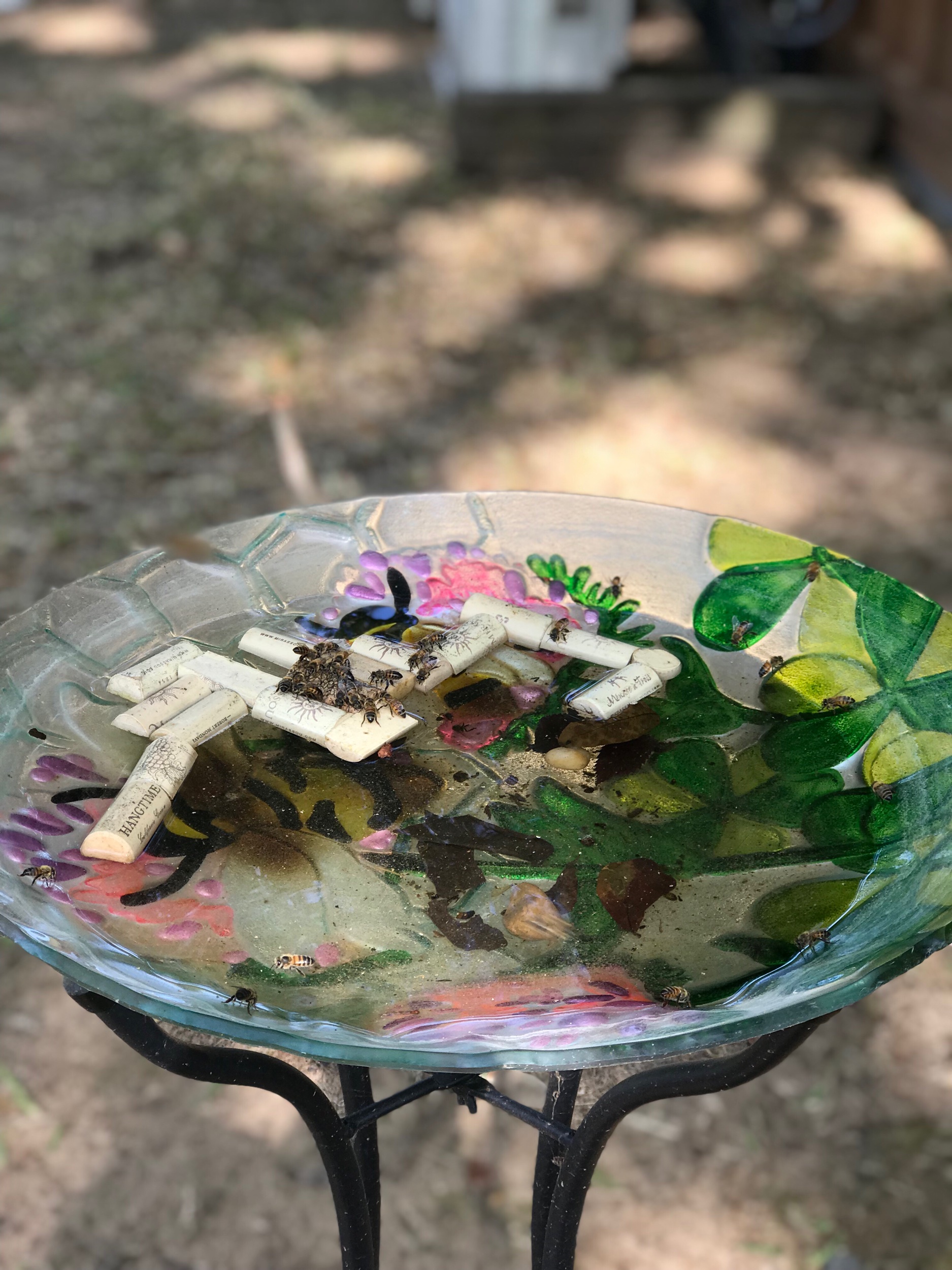
When you arrive one of the first things you see is this sweet bee bath. I have never noticed bees bathing and drinking water before.

When you arrive one of the first things you see is this sweet bee bath. I have never noticed bees bathing and drinking water before.

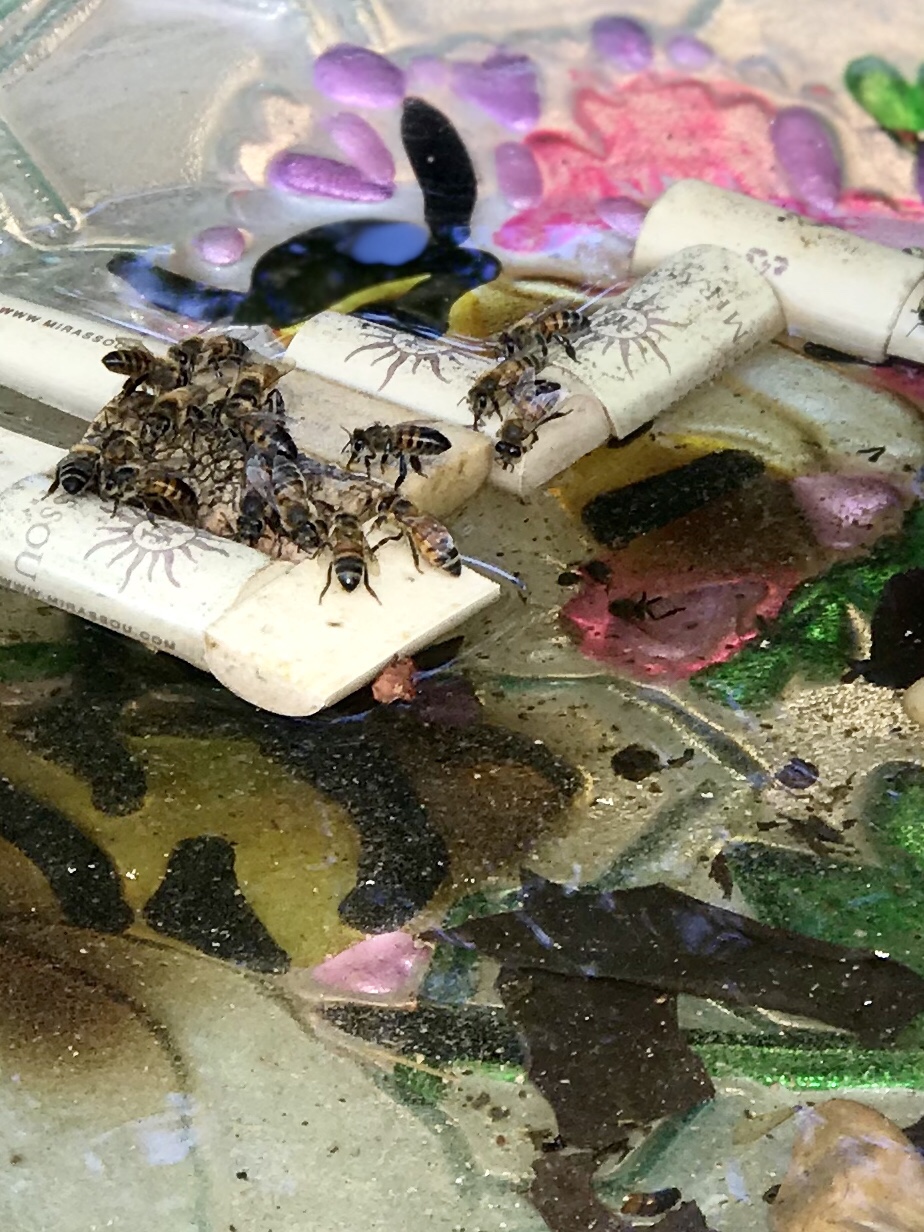
A close up of the bees in the bee bath floating on corks.

A close up of the bees in the bee bath floating on corks.

Selfie time

Selfie time

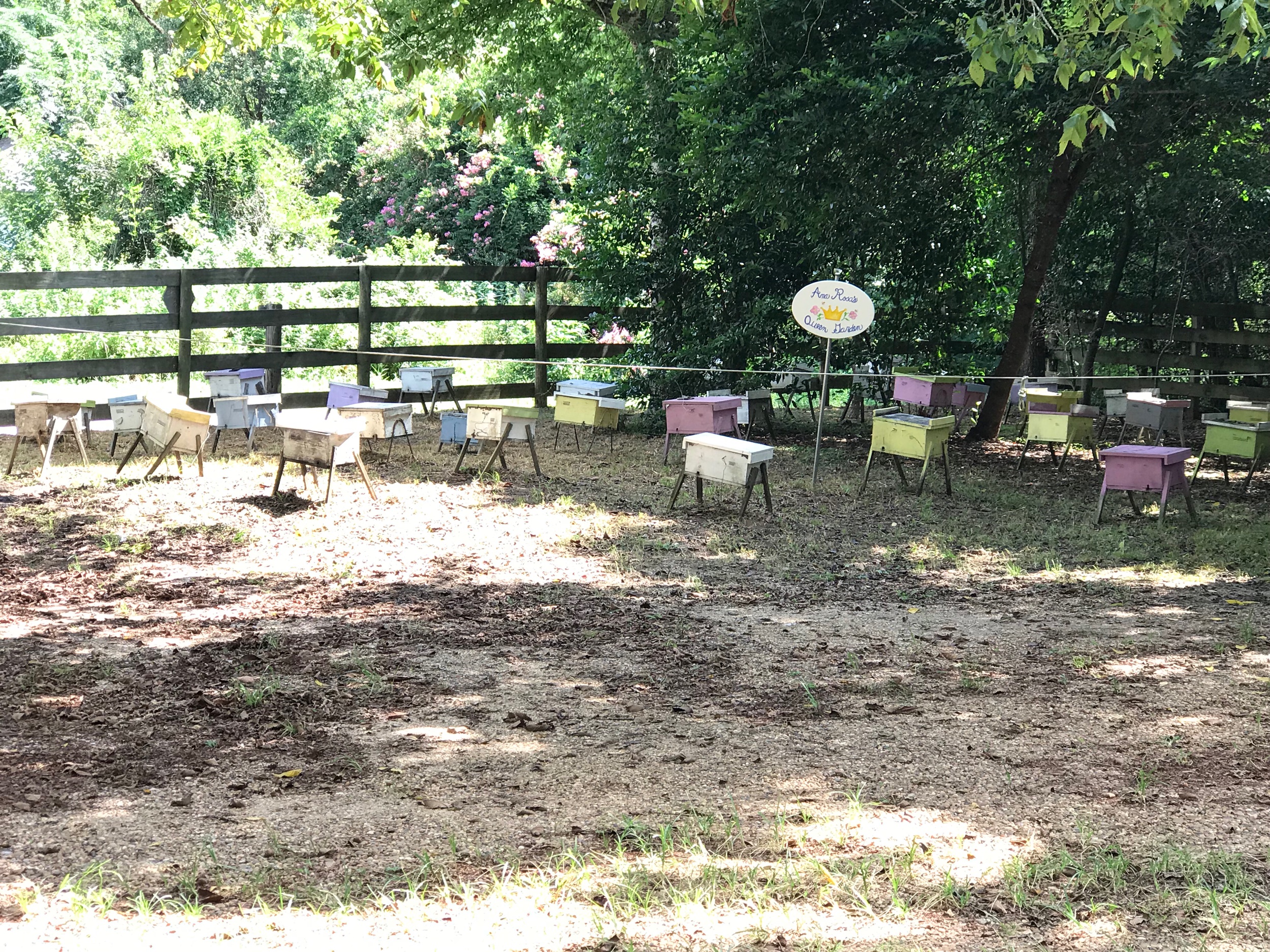
These are the boxes they use to show the public. I think they have thousands out and about nearby fields.

These are the boxes they use to show the public. I think they have thousands out and about nearby fields.

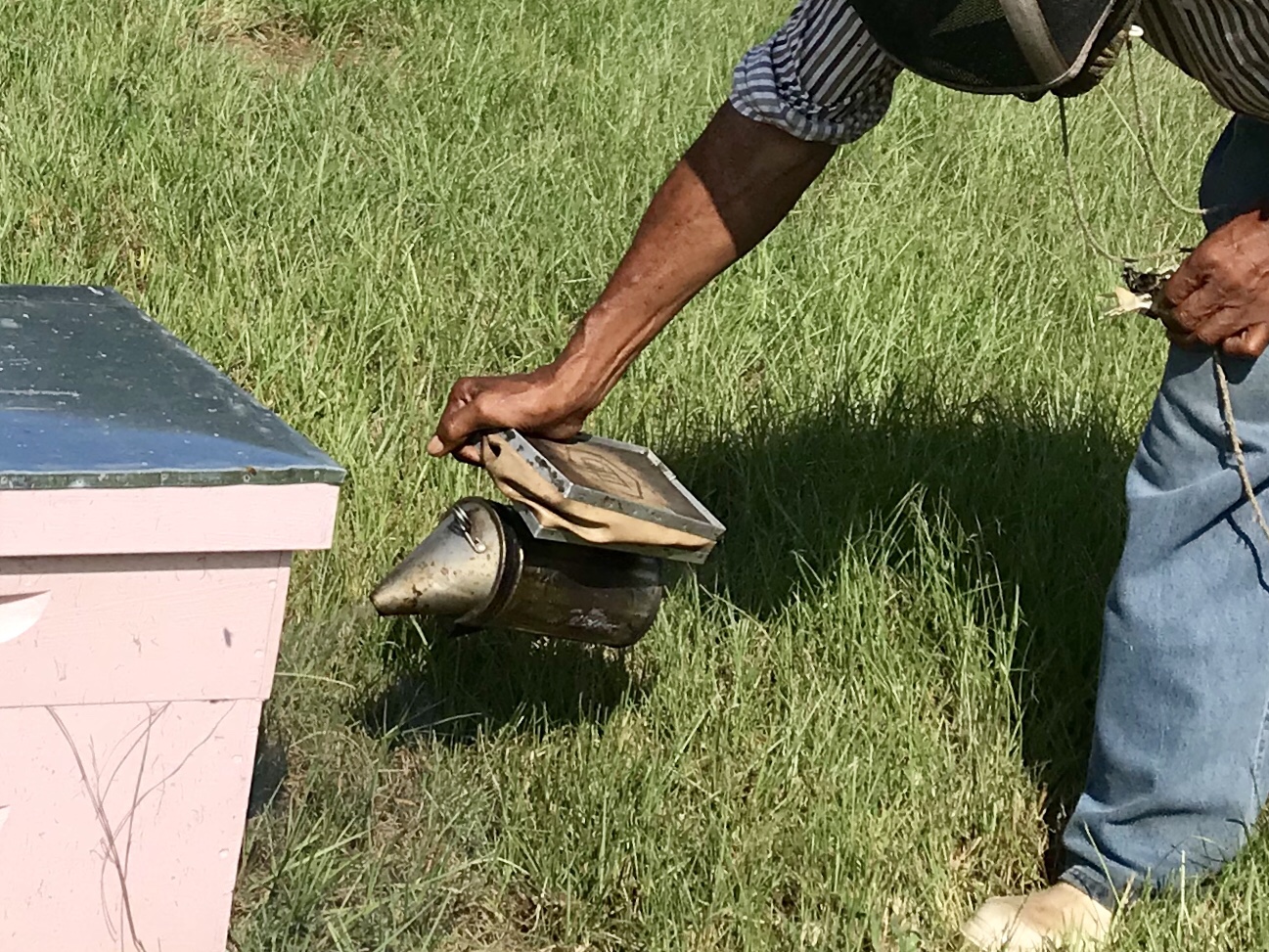
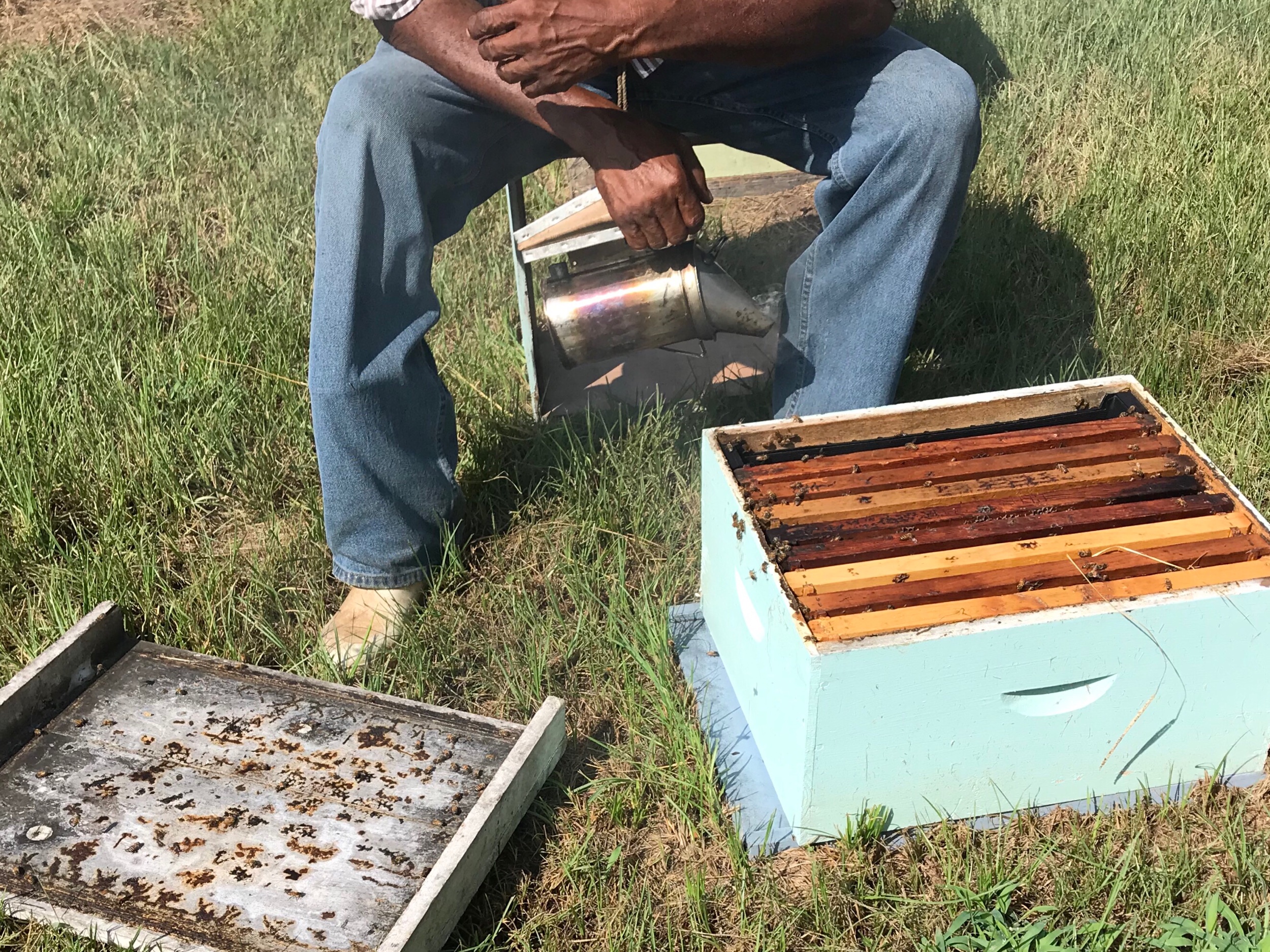
Roosevelt is smoking the honey bee boxes before we take a look Inside.. The smoke calms them down.

Roosevelt is smoking the honey bee boxes before we take a look Inside.. The smoke calms them down.

The bees were not aggressive.

The bees were not aggressive.

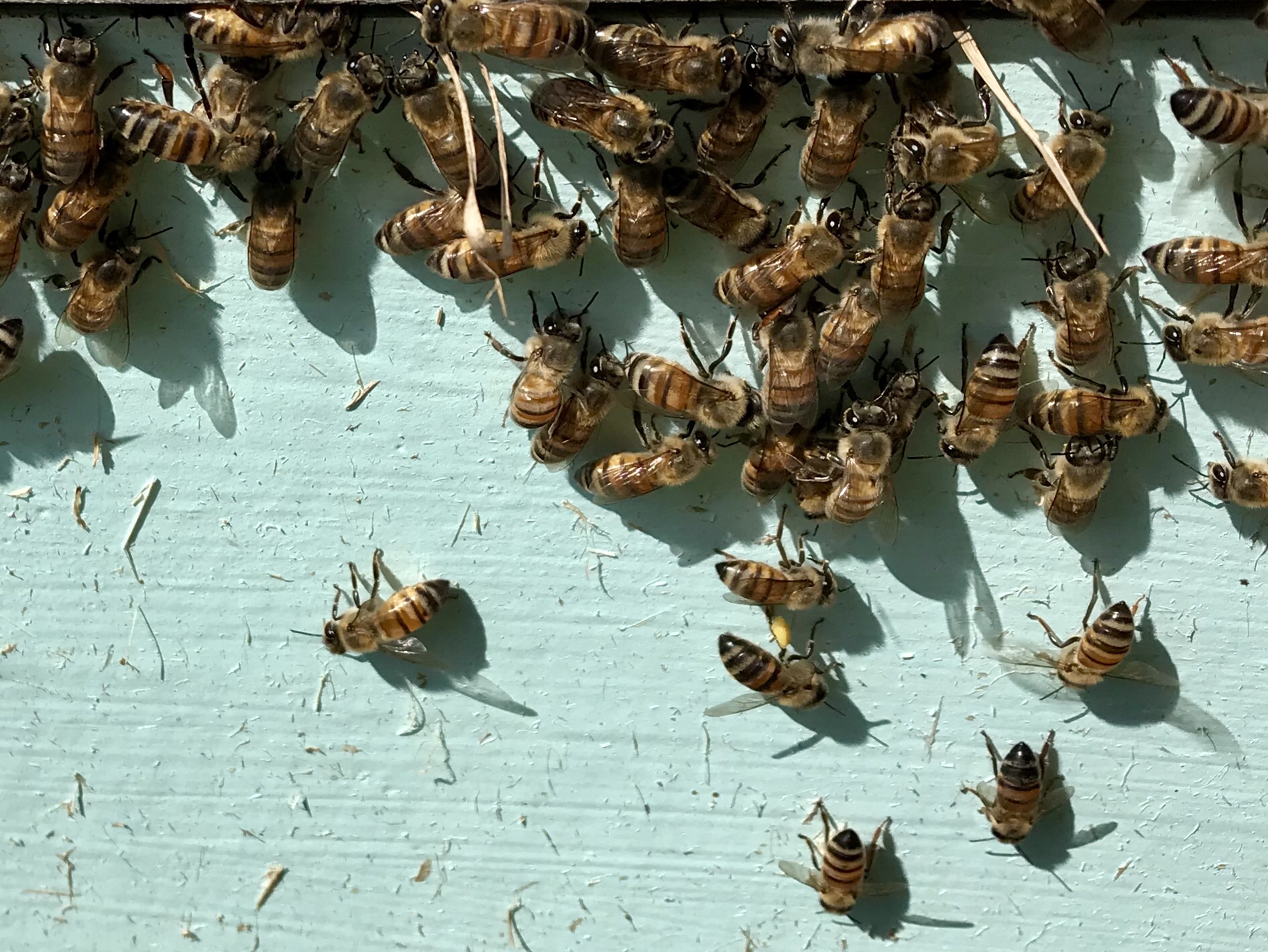
Bees on the outside of the box.

Bees on the outside of the box.

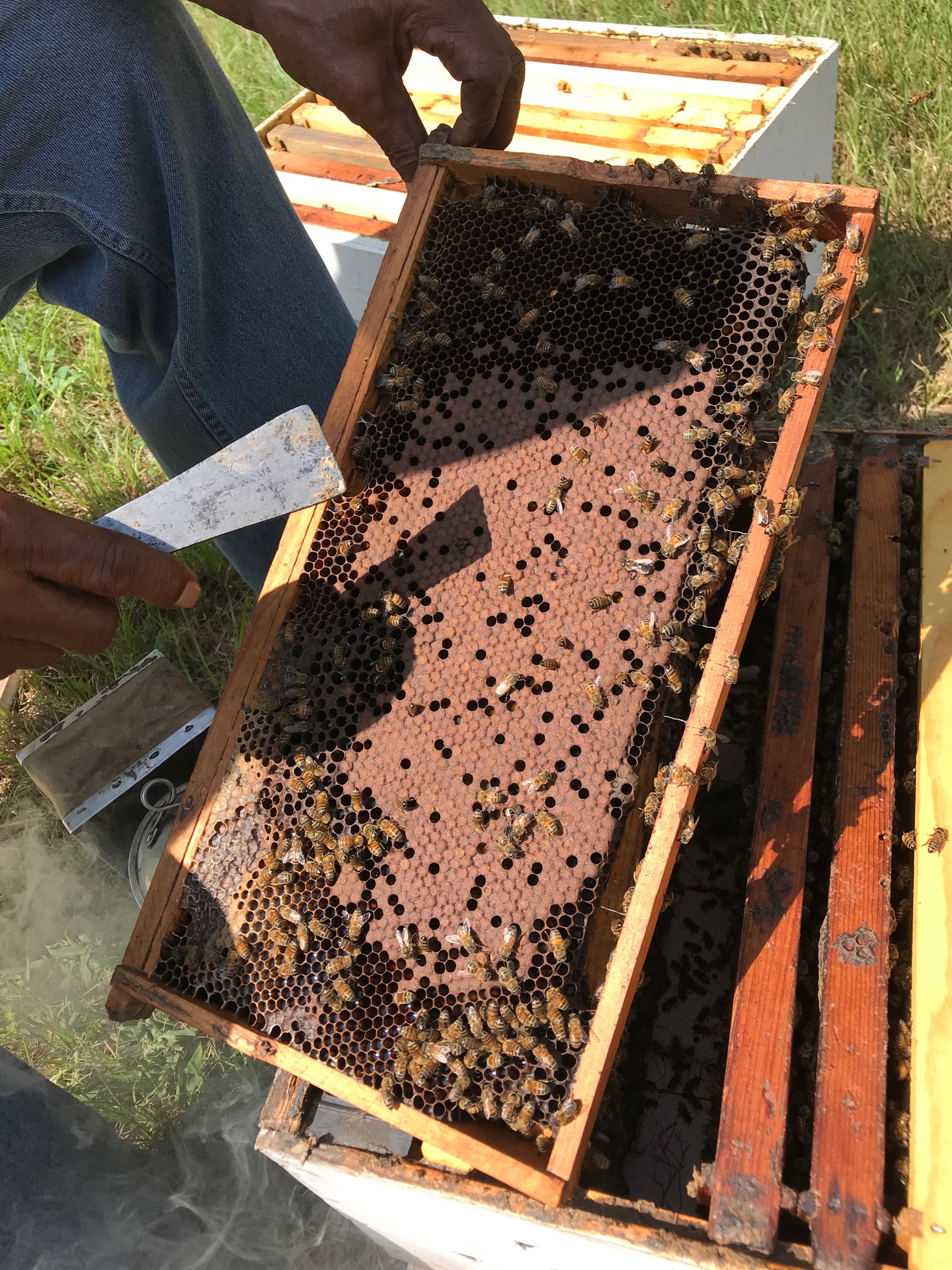
The bees carry on with their work as we inspect the first frame.

The bees carry on with their work as we inspect the first frame.

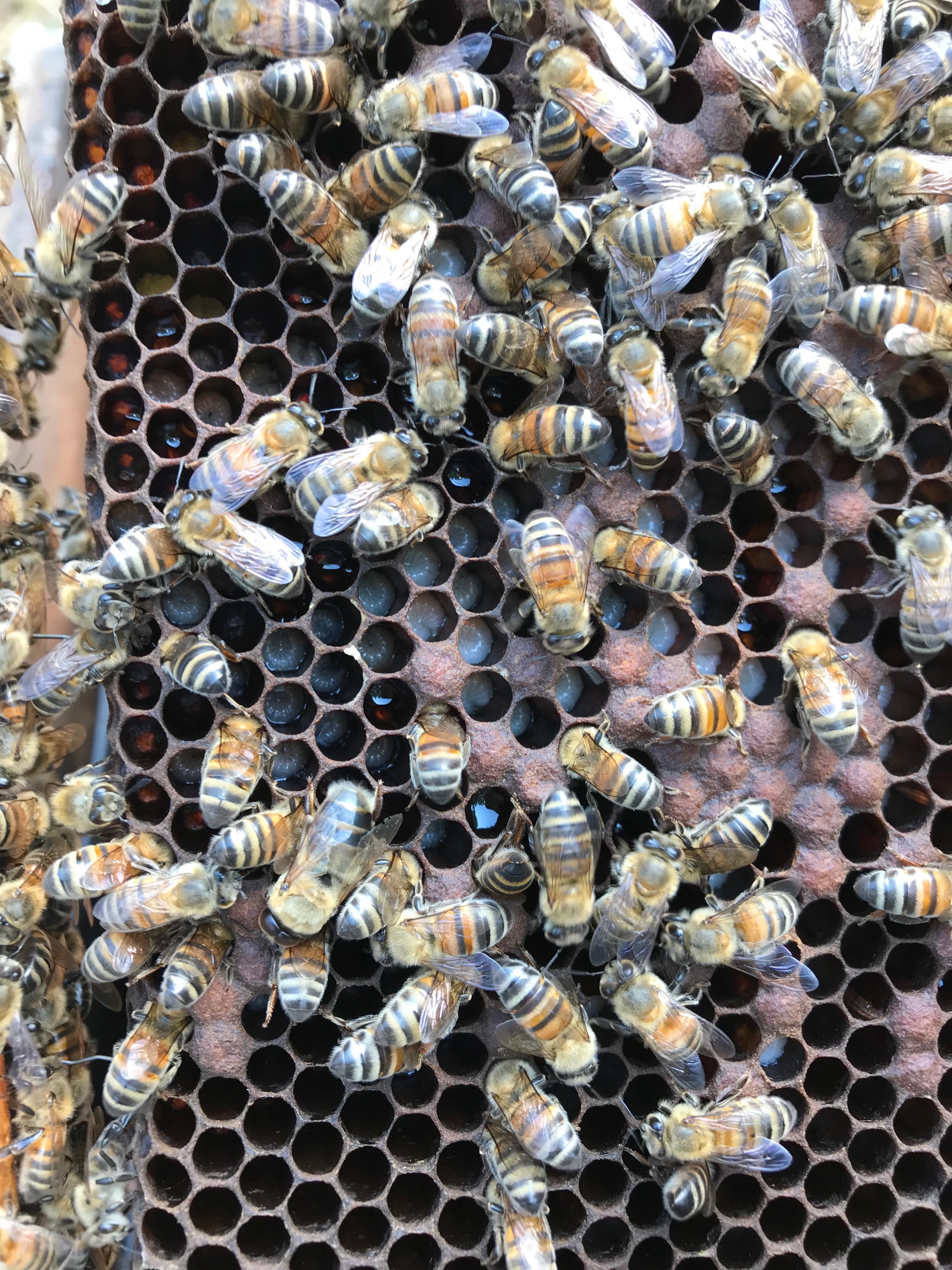
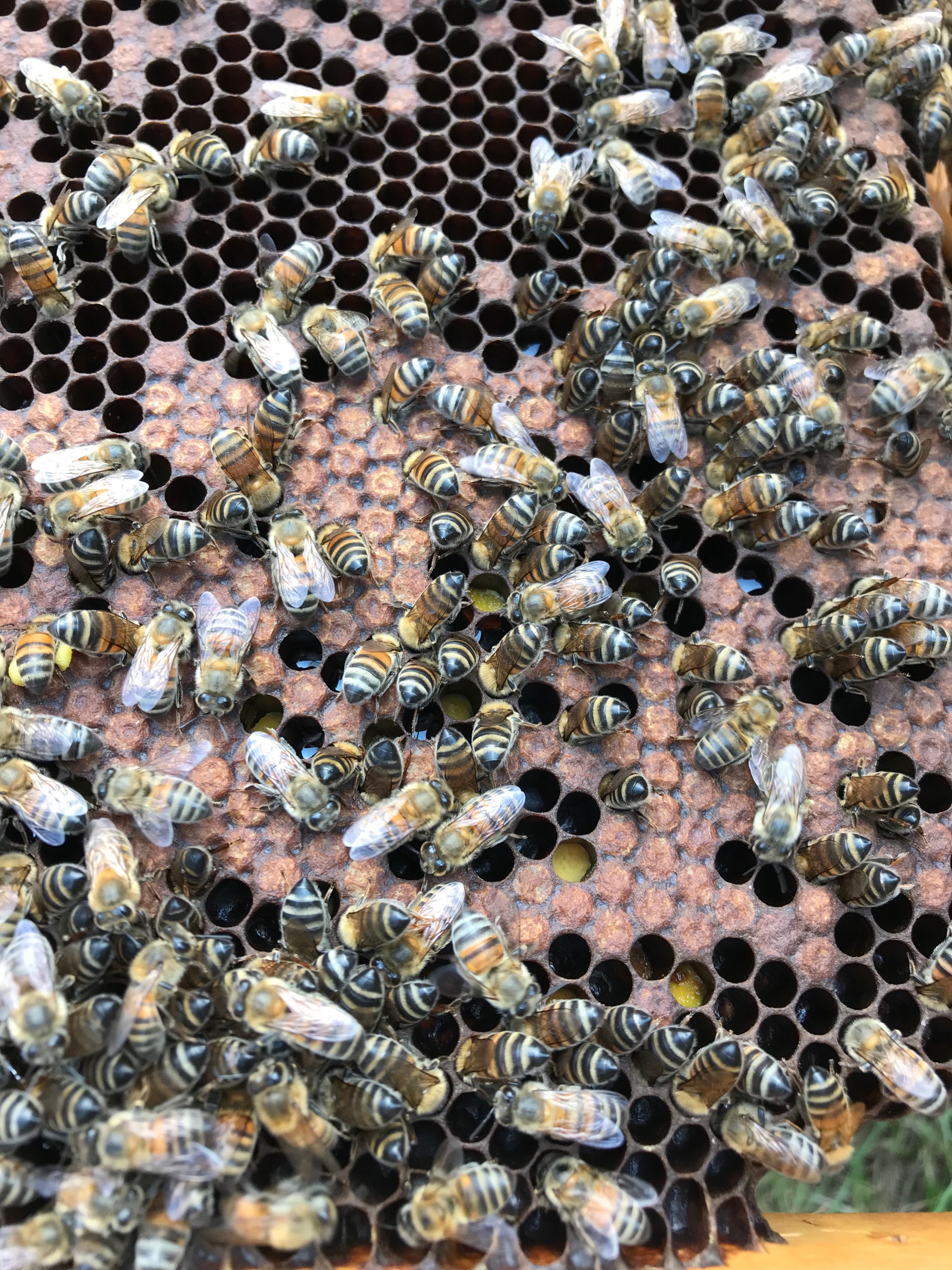
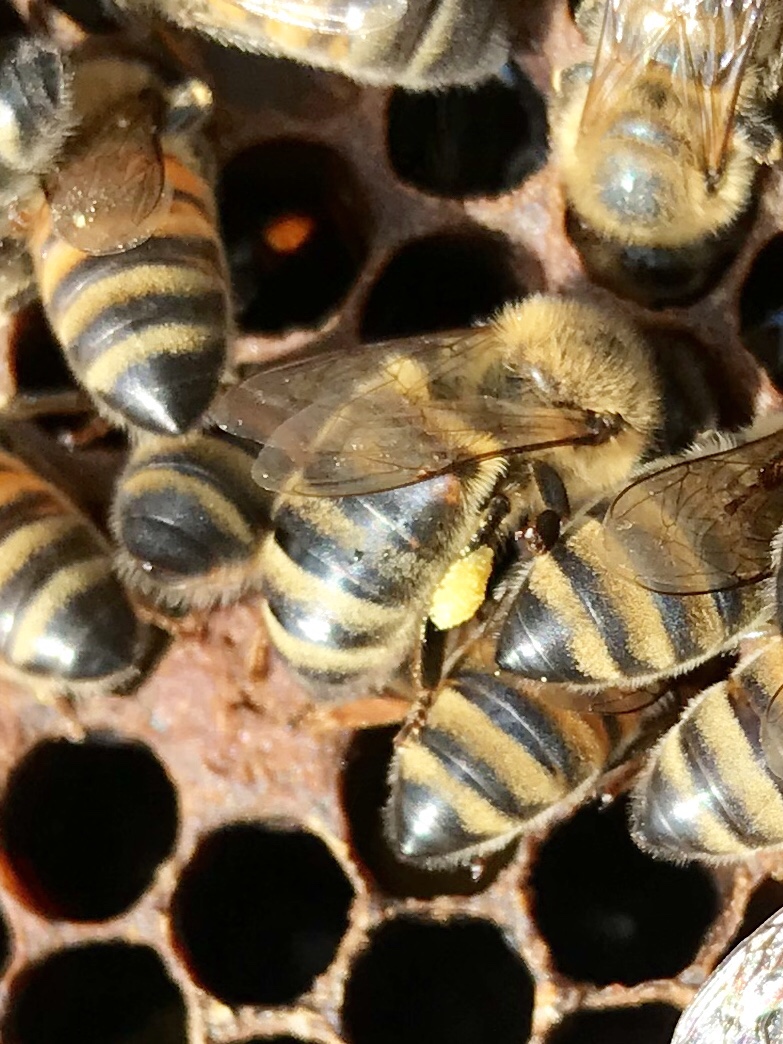
The bees secrete a brown wax from their abdomens to close the cells. The yellow in some sells is pollen and the tiny white spec is a larvae. It is all very fascinating. Some cells are empty.

The bees secrete a brown wax from their abdomens to close the cells. The yellow in some sells is pollen and the tiny white spec is a larvae. It is all very fascinating. Some cells are empty.

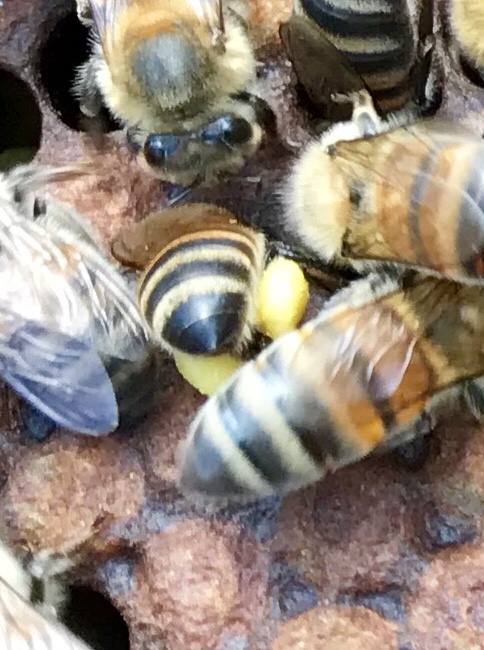
The yellow bag on this bees leg is pollen he has brought back to the hive.the pollen sticks to the long hairs on their legs.

The yellow bag on this bees leg is pollen he has brought back to the hive.the pollen sticks to the long hairs on their legs.

Here is a guy with 2 packs of pollen.

Here is a guy with 2 packs of pollen.

This frame is used to raise queens. They sell 500 queens a day.

This frame is used to raise queens. They sell 500 queens a day.

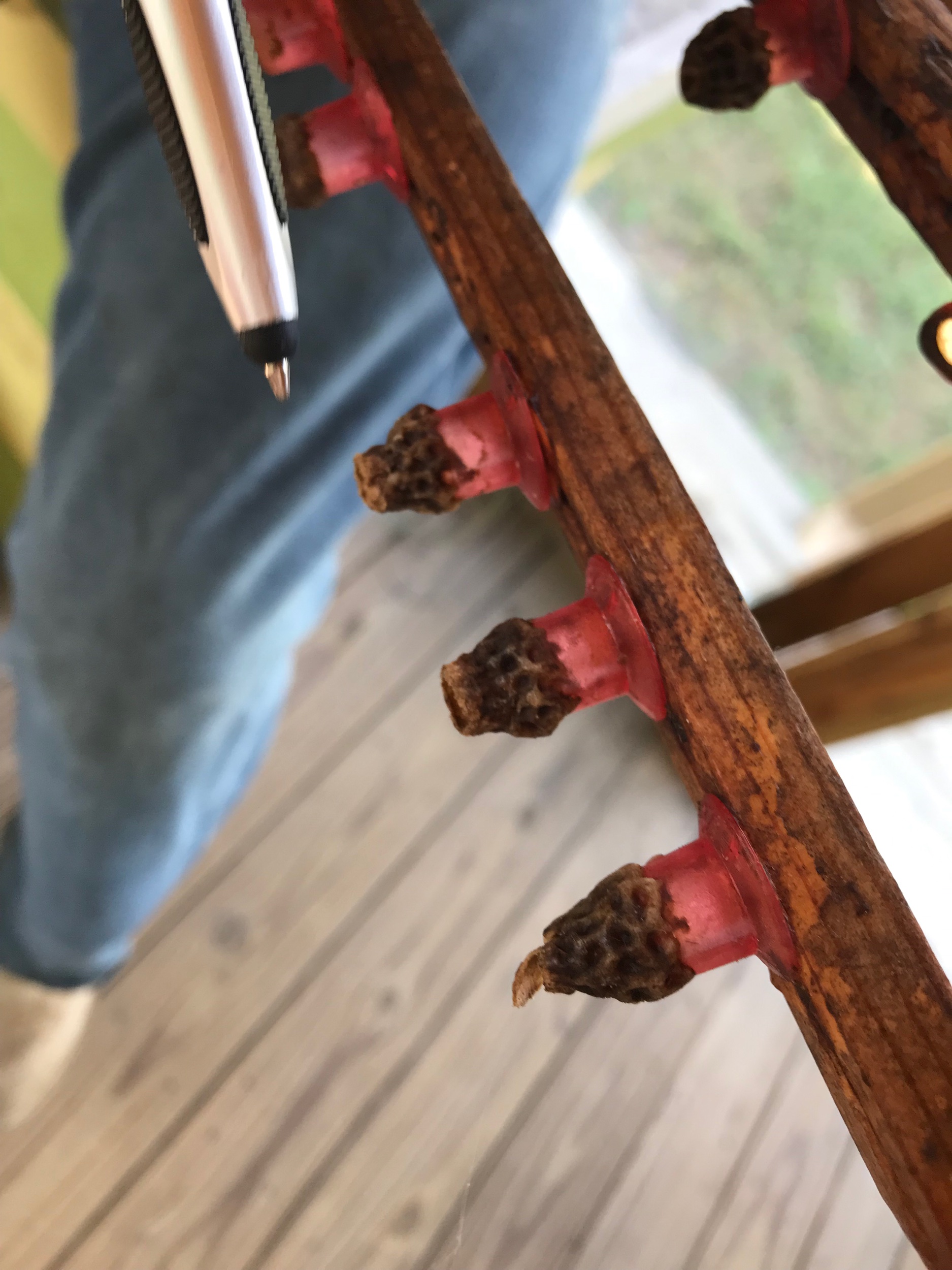
A close up of the wax cells the queens are incubated in.

A close up of the wax cells the queens are incubated in.

When the queen is ready to mate she is put in a boxe like these. She flies out to mate and returns to the box she came from. Beeweavers queens are not artificially inseminated. I was really glad to hear that.

When the queen is ready to mate she is put in a boxe like these. She flies out to mate and returns to the box she came from. Beeweavers queens are not artificially inseminated. I was really glad to hear that.

If you are starting your own honeybee farm you can purchase bees instead or robbing a hive. They will arrive in a box like this. I personally prefer to support local bees.

If you are starting your own honeybee farm you can purchase bees instead or robbing a hive. They will arrive in a box like this. I personally prefer to support local bees.

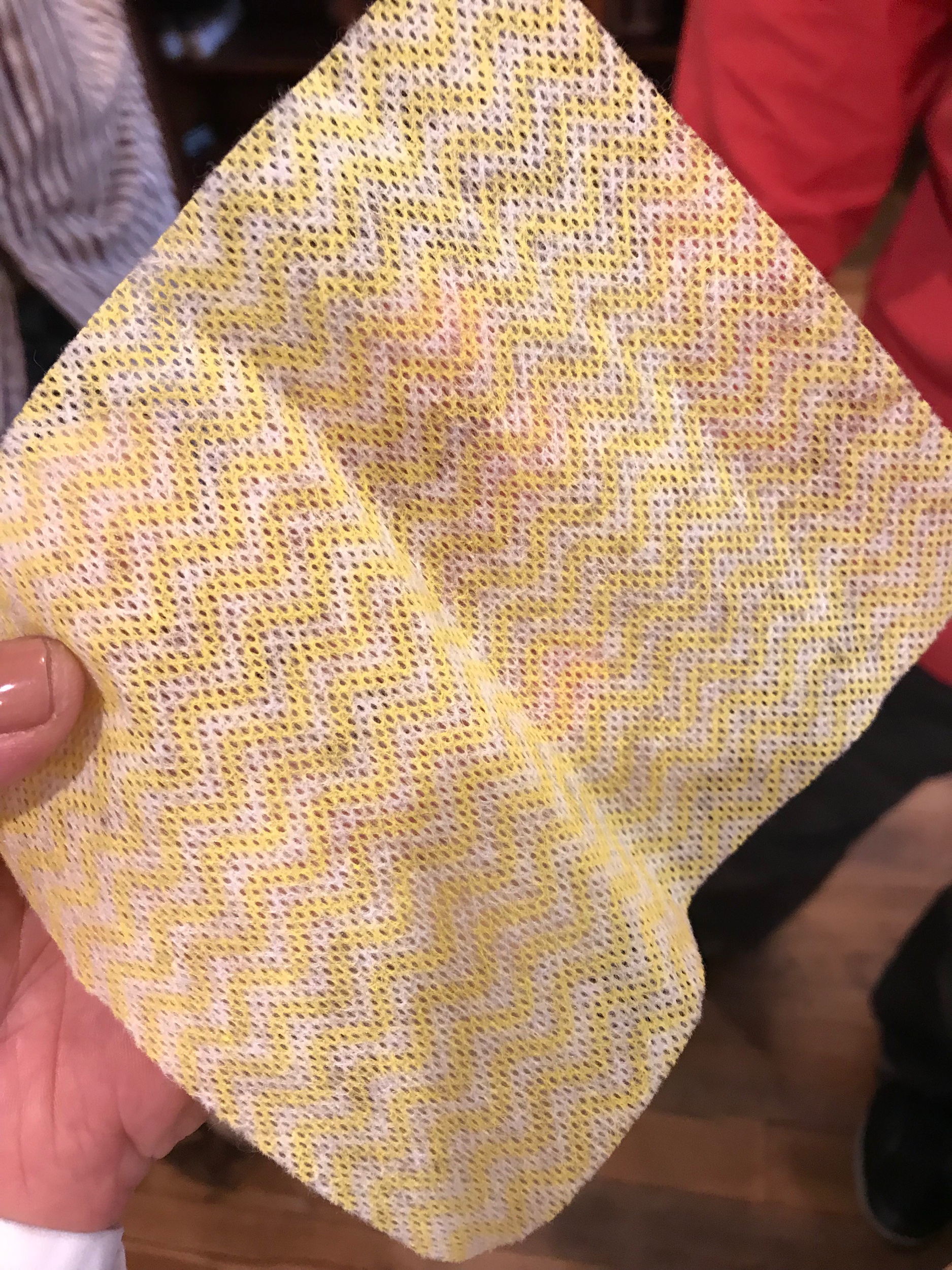
They put in the bee boxes a piece of cotton like this. The bees do not like it and they try to get it out. Their efforts fluff up the cotton and beetles get trapped in it. It is a great way to get rid of pest without pesticides.

They put in the bee boxes a piece of cotton like this. The bees do not like it and they try to get it out. Their efforts fluff up the cotton and beetles get trapped in it. It is a great way to get rid of pest without pesticides.

Here is a piece of the cotton and a few trapped beetles.

Here is a piece of the cotton and a few trapped beetles.

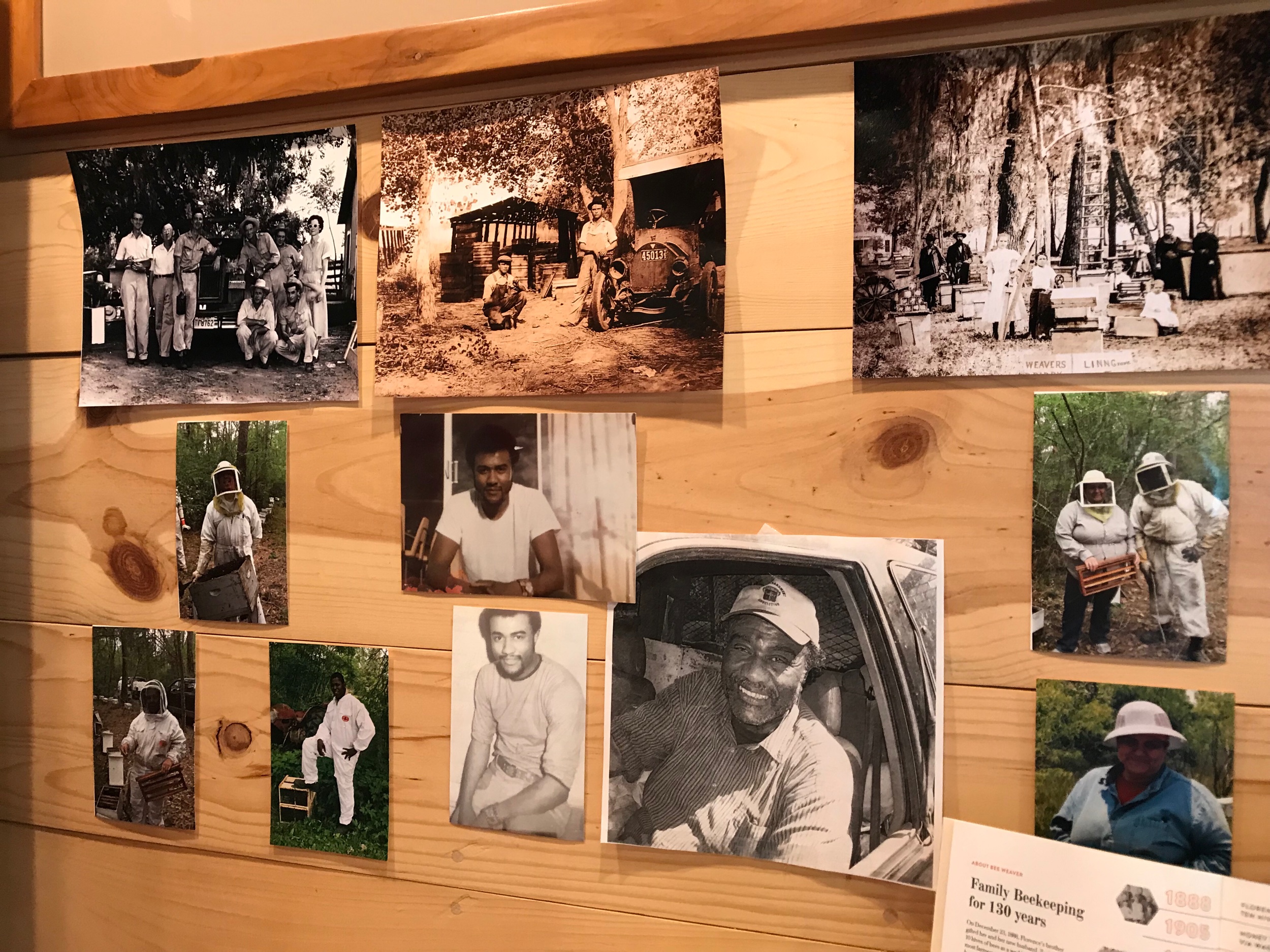
Here is Roosevelt when he first joined Beeweavers. He Was a great guide and teacher.

Here is Roosevelt when he first joined Beeweavers. He Was a great guide and teacher.

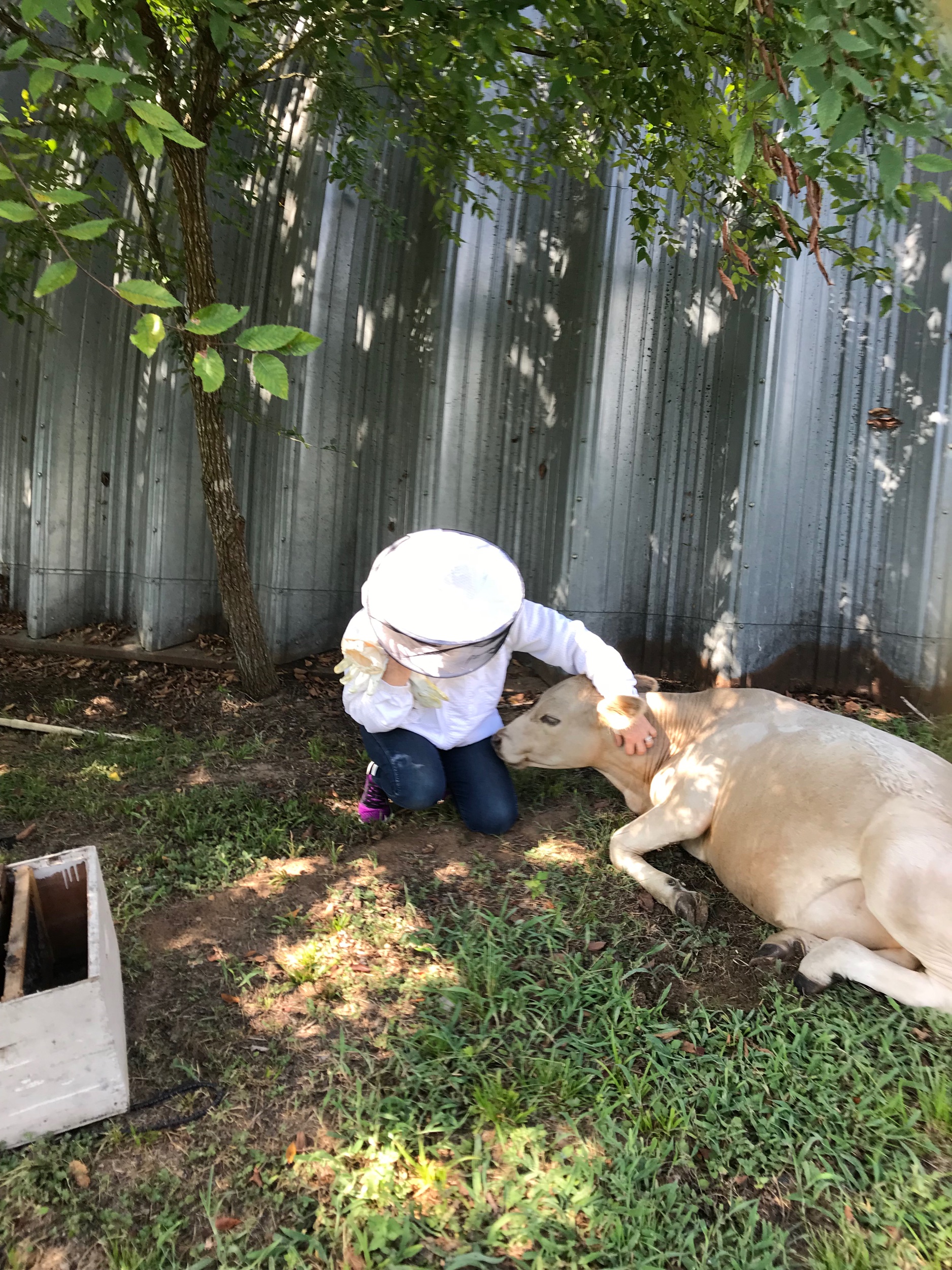
This calf was found alone on their farm, they took him in, bottle fed him and named him buzz. I am not sure if he thinks he is a bee or people. He loves to be scratched, who doesn’t?

This calf was found alone on their farm, they took him in, bottle fed him and named him buzz. I am not sure if he thinks he is a bee or people. He loves to be scratched, who doesn’t?

It was a great day despite the temperature. We learned a lot about honey bees. It was good to see a commercial bee establishment that cares about chemicals, pesticides and natural selection. A birthday gift I will remember for a long time.

Tomato cage sculpture material

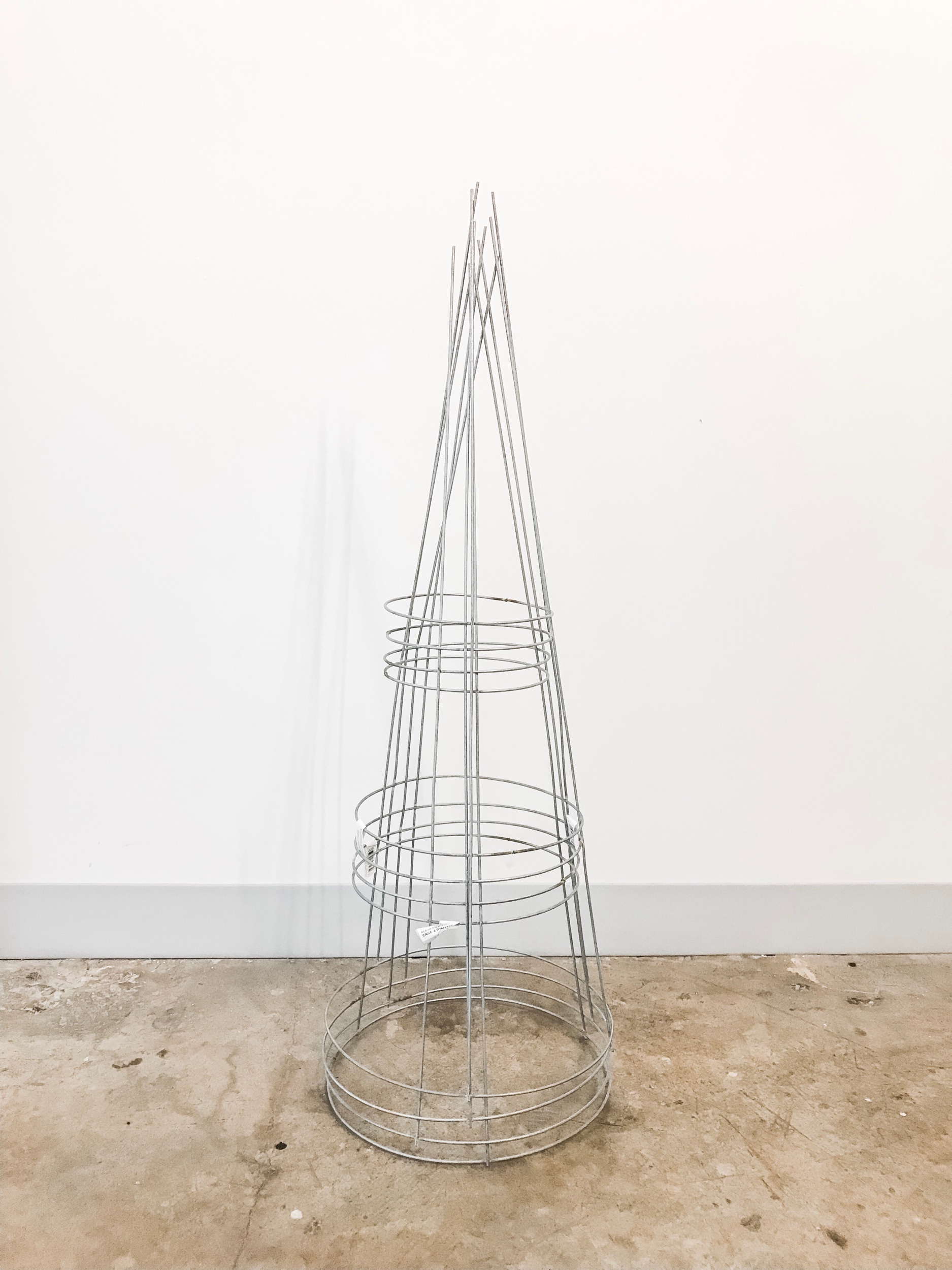
I ran to Southland hardware to purchase more wire cloth for my installation and spied some tomato cages. Wondering if they could add to my palette of materials I took home a few to play with.

Tomato cages

Tomato cages

Squish, squash, twist, turn, fold, pull, cut repeat

Squish, squash, twist, turn, fold, pull, cut repeat

Throw on a rip of charged screen for garnish

Throw on a rip of charged screen for garnish

public.jpeg
Play some more.

Play some more.

I ran out of time today but I feel like it might have some potential.

Five eyes

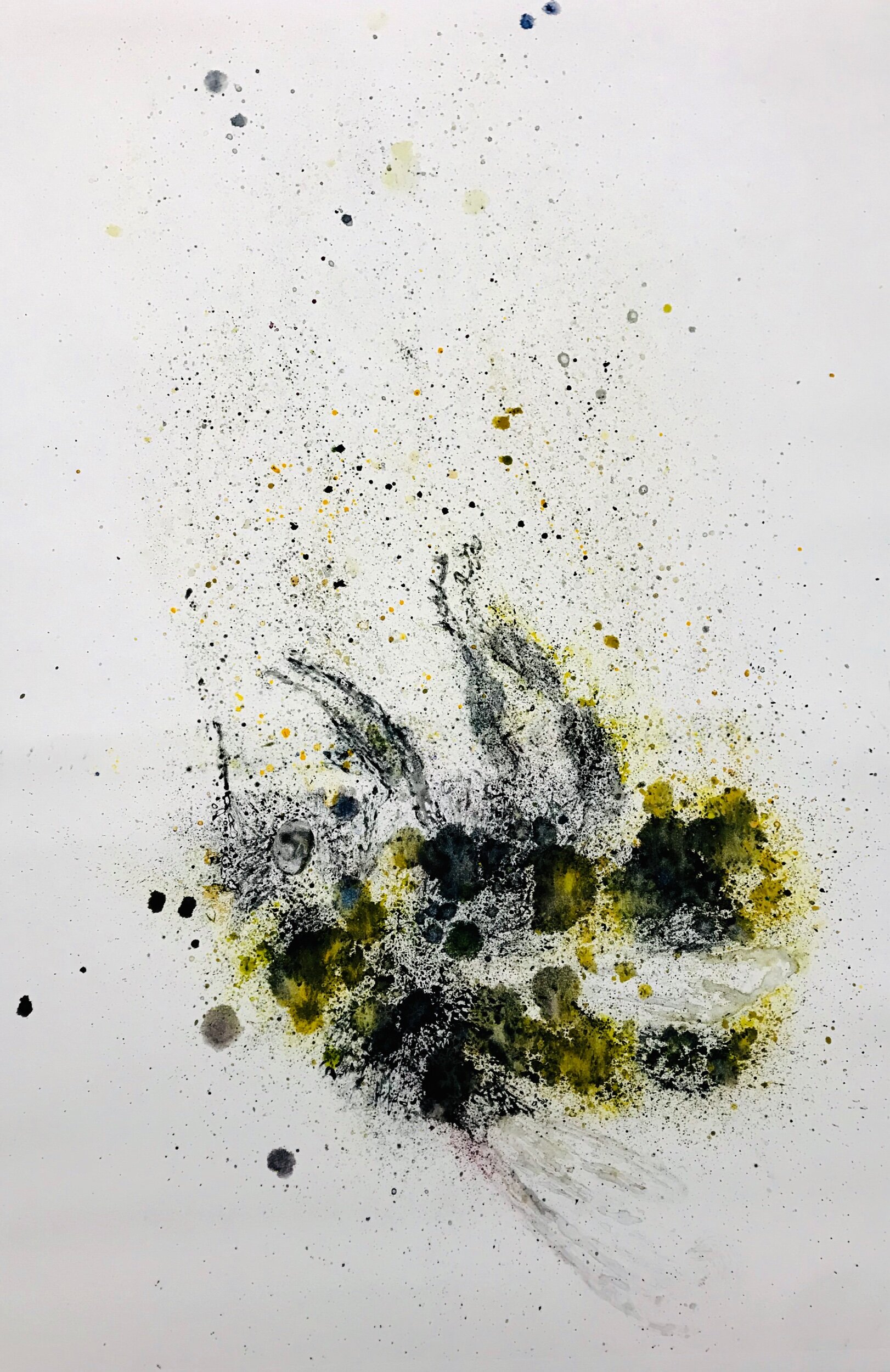
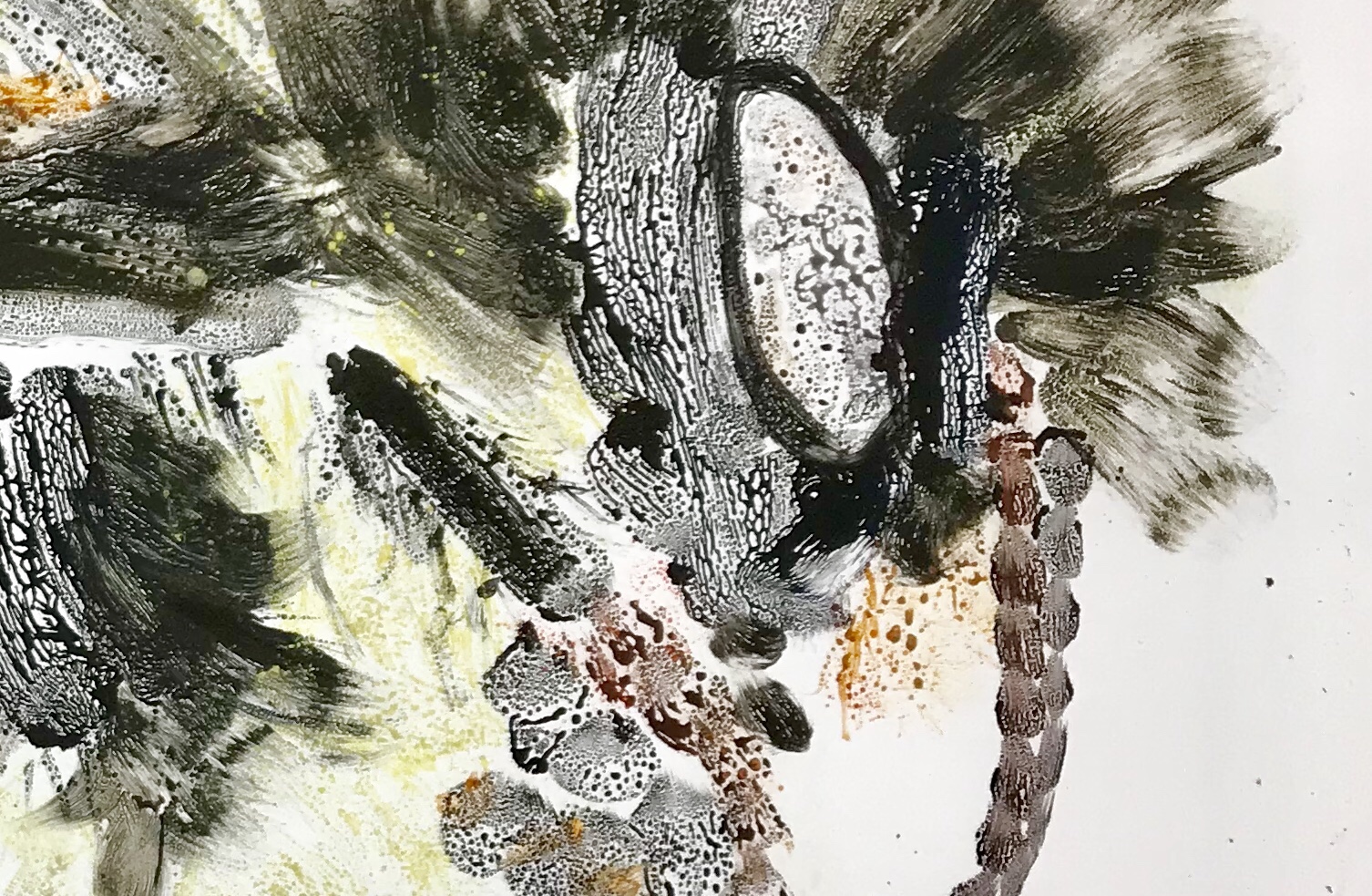
Bees have five eyes. They have three small ocelli eyes on the top of their head, they are simple lenses that discern light intensity. They also have two very large compound eyes that contains about 6,900 facets on the sides of their head. I thought the below monoprint of Bombus Affinis (Rusty Patch) bumblebee did a good job of showing the facets.

Bombus Affinis II compound eye detail.

Bombus Affinis II compound eye detail.

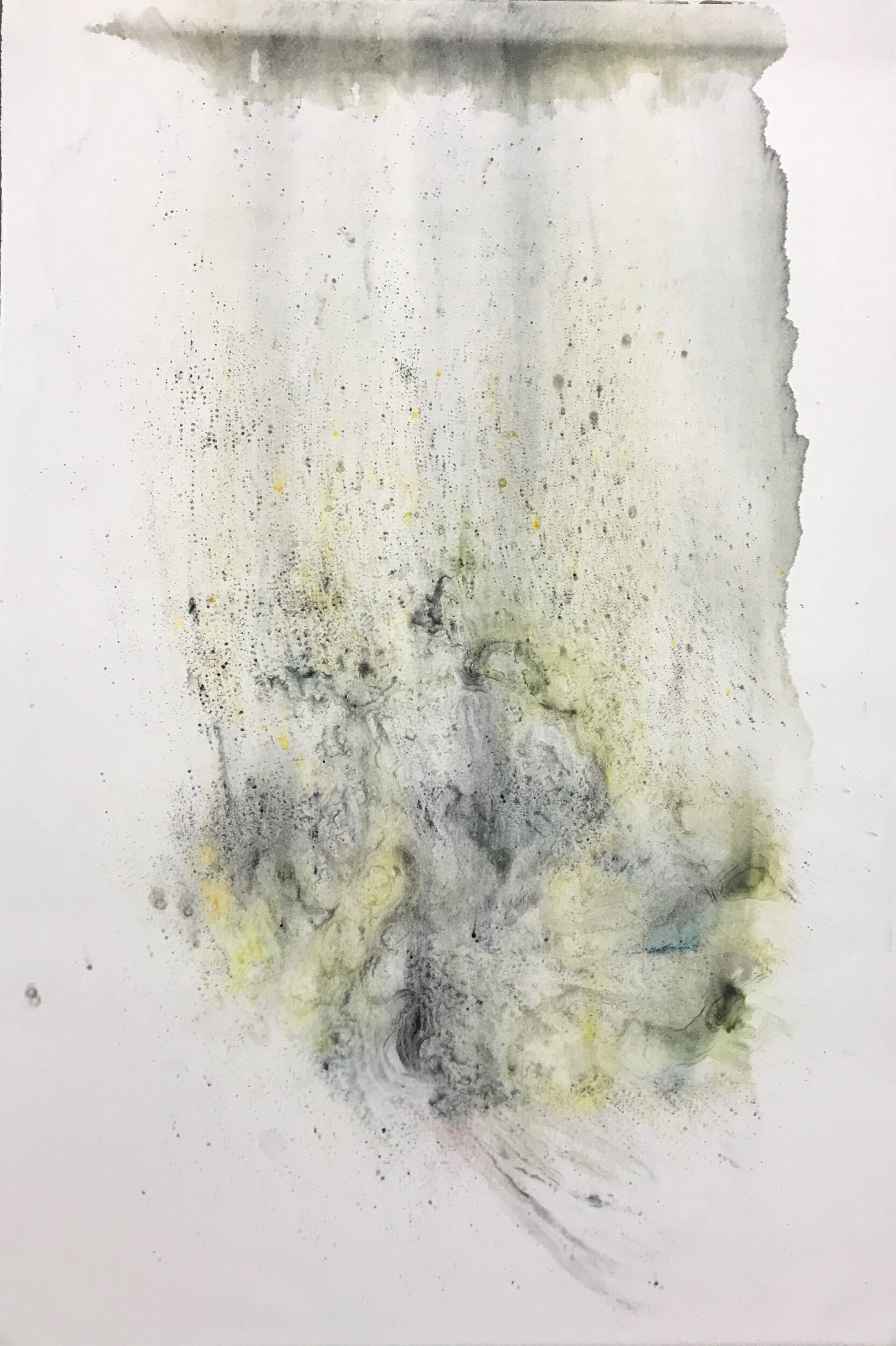
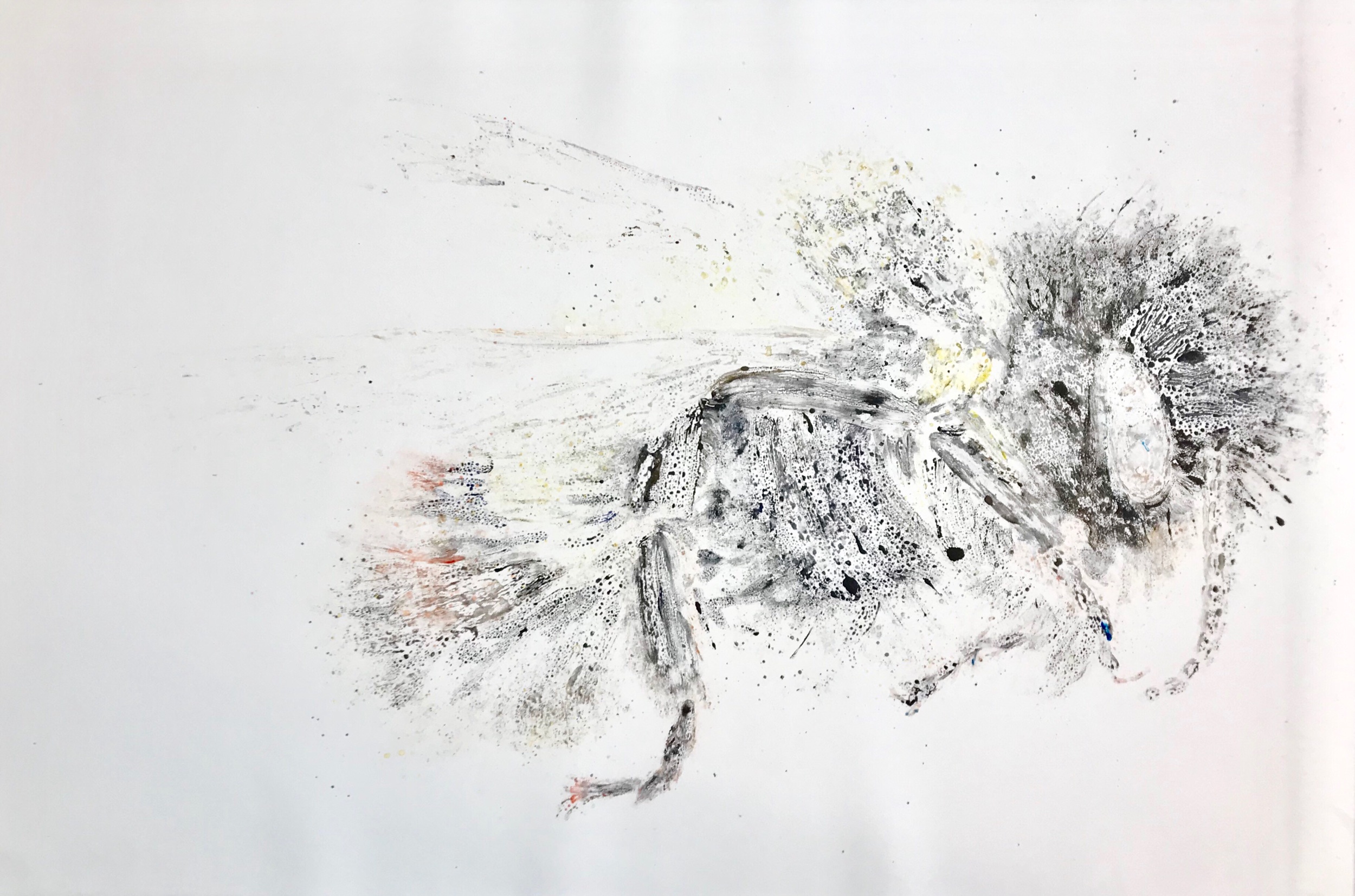
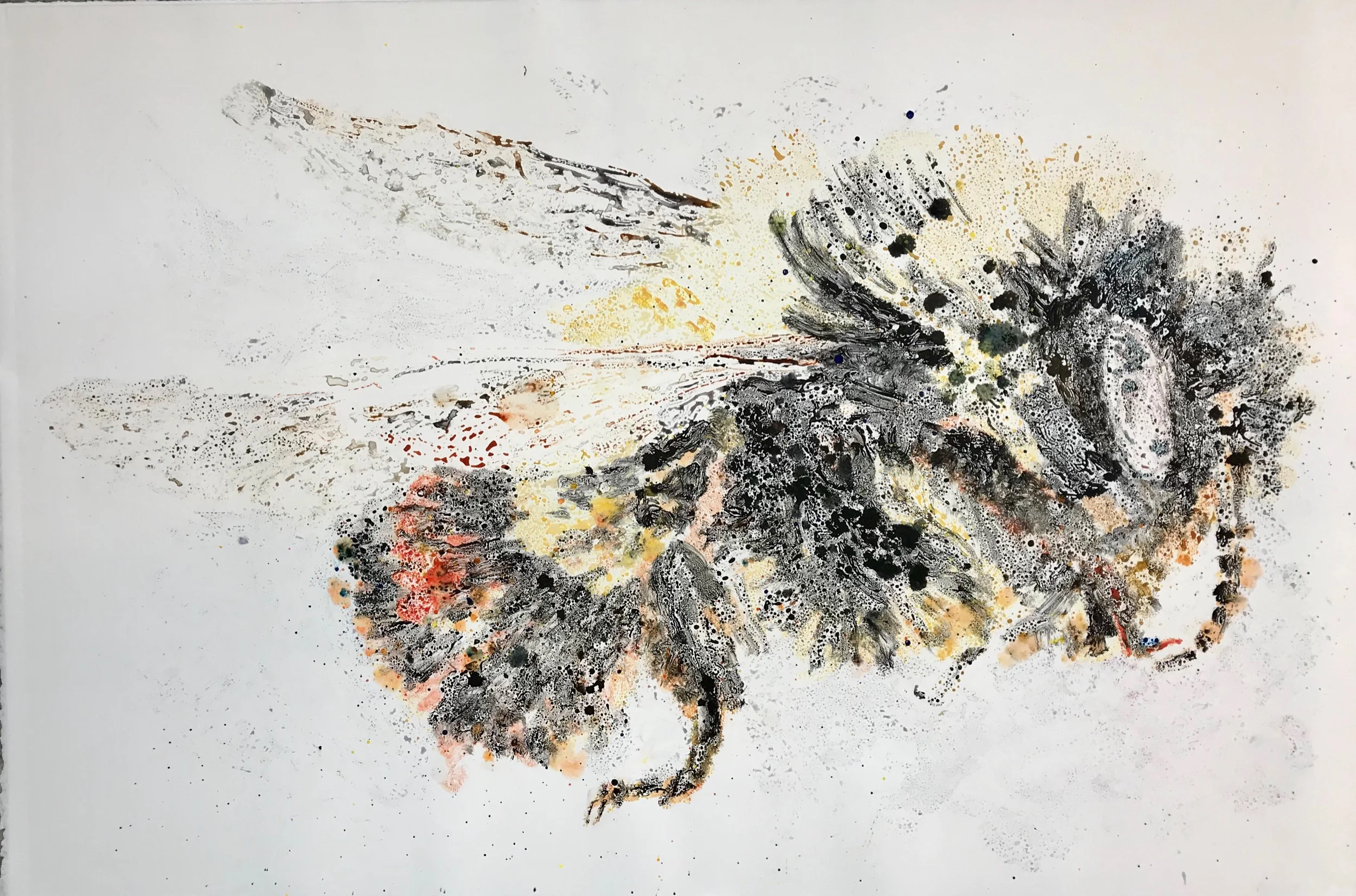
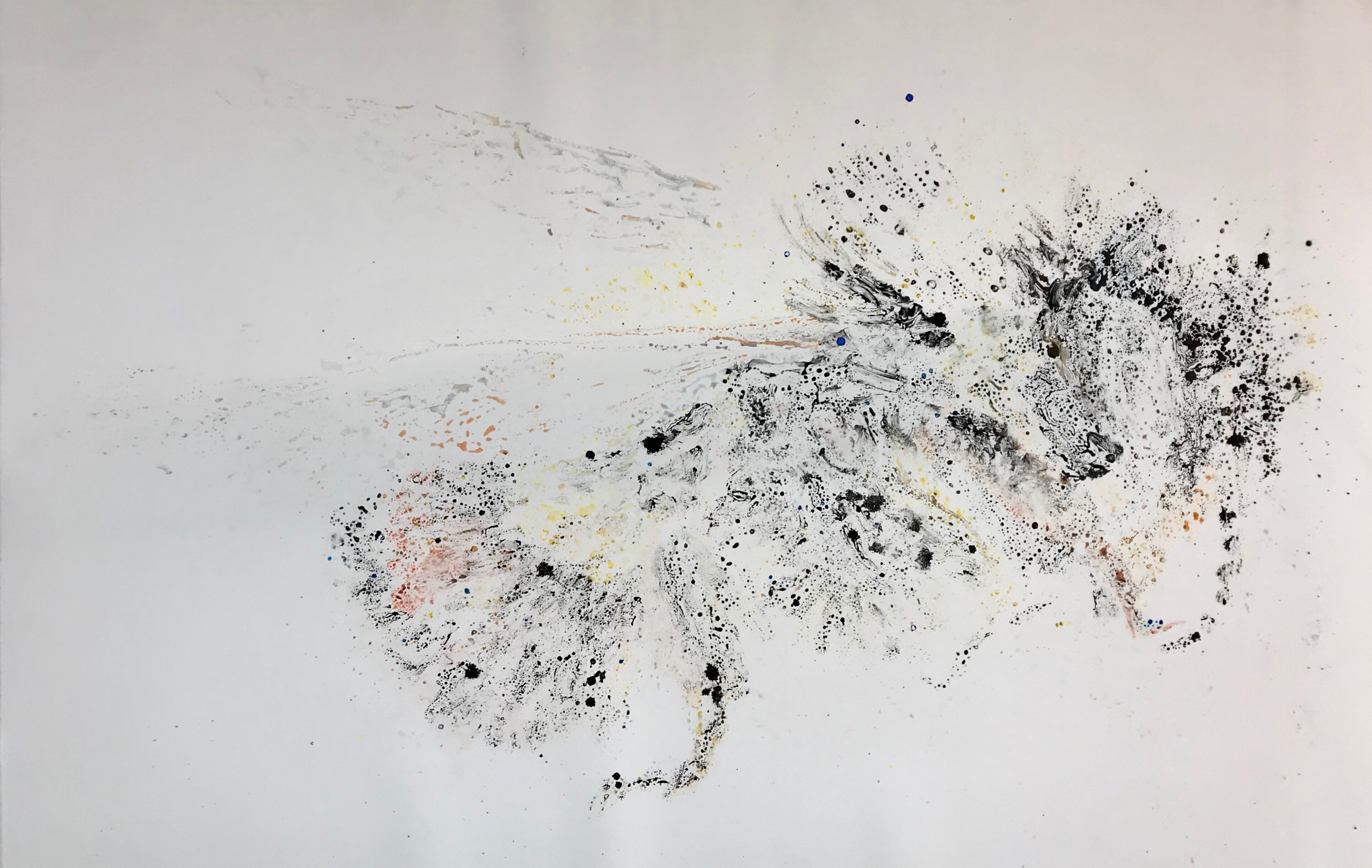
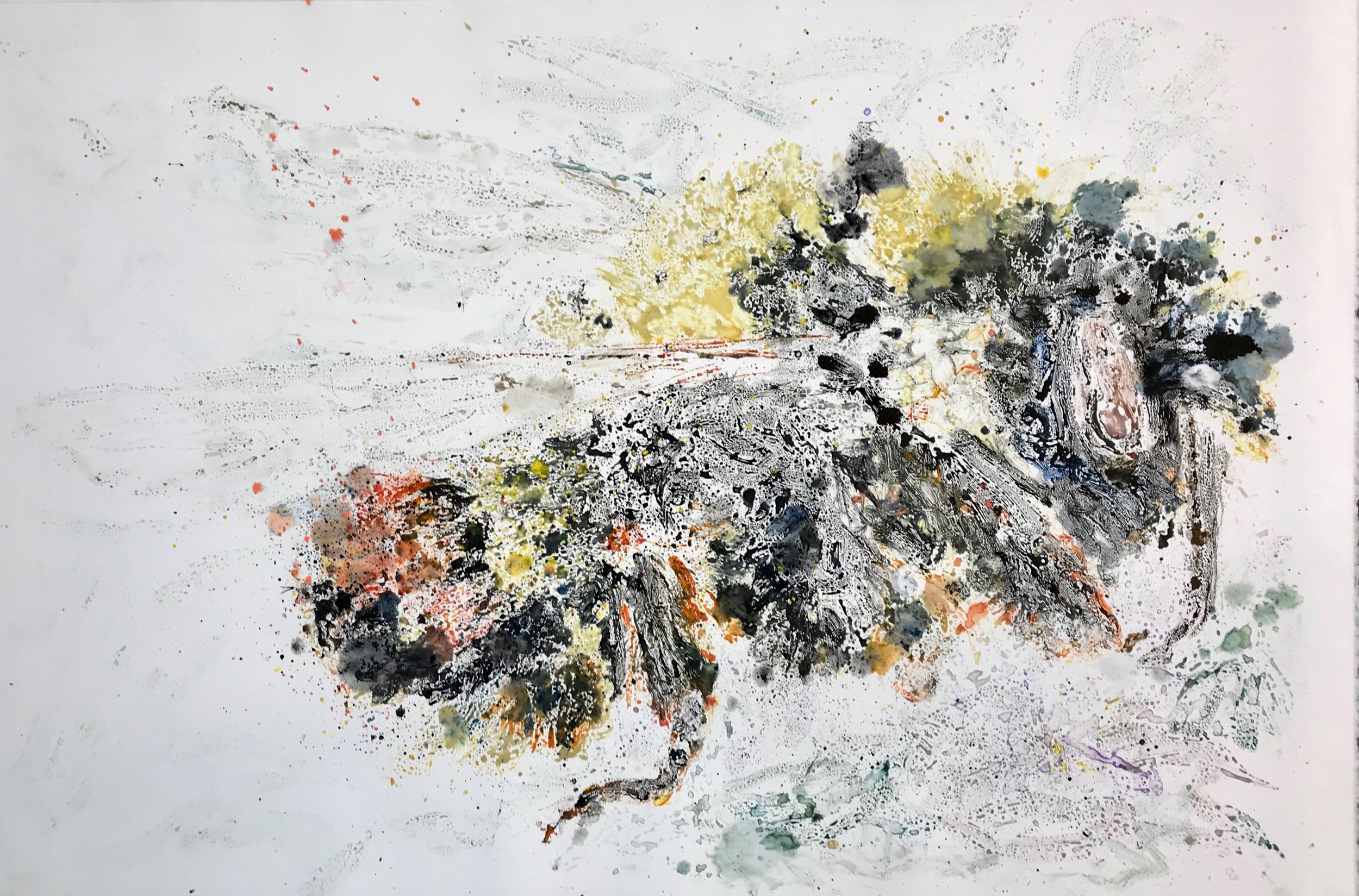
Bombus Affinis - looking back and comparing

I ran into the print making room to drop off some new paper. I took the opportunity to see how the last 6 compared to each other and how multiple bees might look together. I will do one more experiment and the plan the grouping.

public.jpeg

I am really liking these 6 today. I don’t think they are your typical rendering of a bee. Any thoughts? I am glad I took the time to look at these as a group. They are inspiring me to make several different bees from different views in this same technique and showing them together. I am getting some interesting ideas of how to do it.

i will do one more experiment first.  

Embracing Bombus Affinis

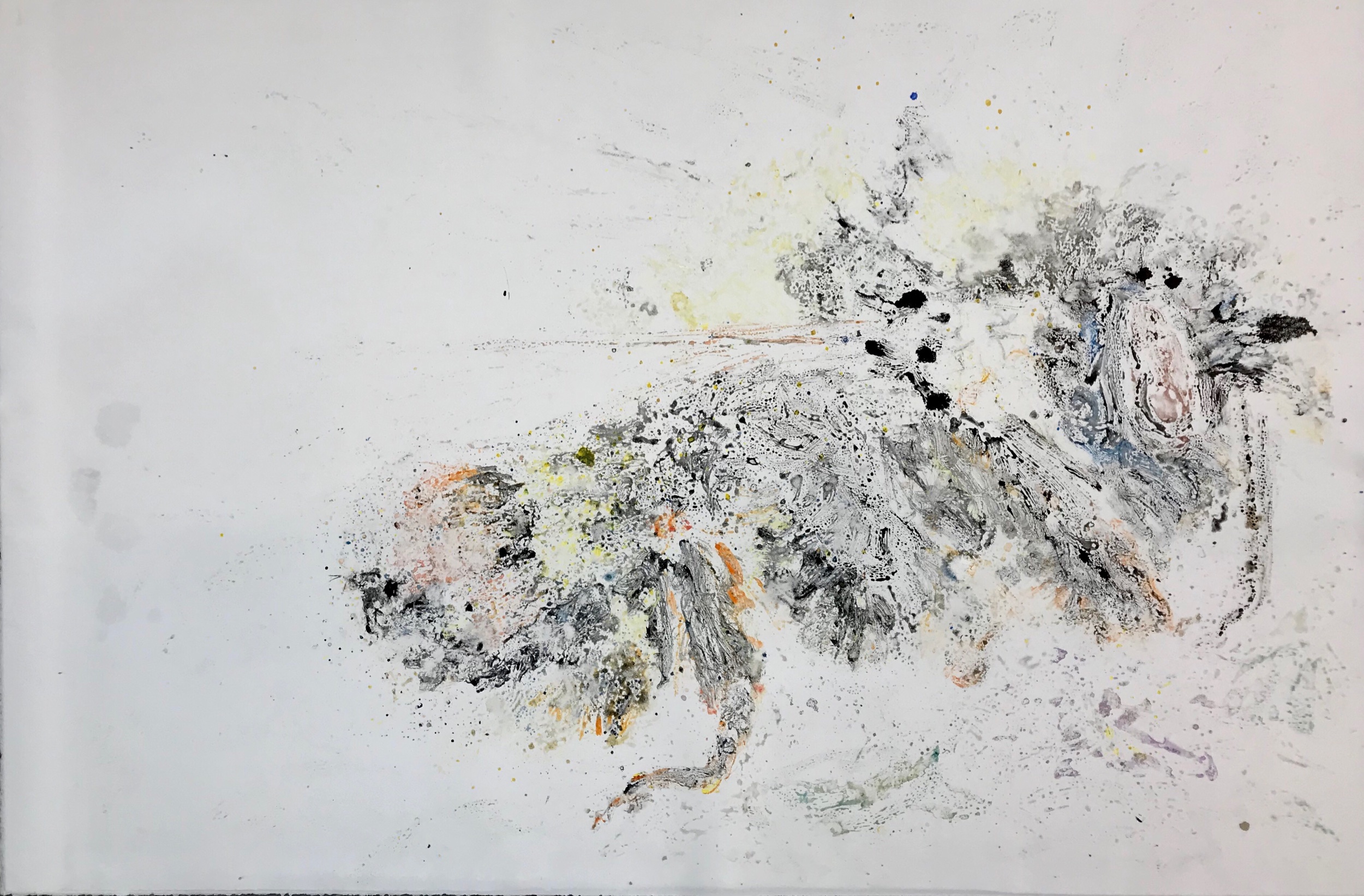
I have decided to make a large monotype of the first bee in the US to be listed on the endangered species list. I was looking online for a photo that would accurately depict the Bombus Affinis. Searching, I came across the USGS site. The United States Geological Survey (USGS) is a science bureau within the US Department of the Interior. The USGS provides science about the natural hazards that threaten lives and livelihoods; the water, energy, minerals, and other natural resources we rely on; the health of our ecosystems and environment; and the impacts of climate and land-use change. It is a great resource. They have developed a Native Bee Inventory and Monitoring Program. Part of the program is to develop identification tools for native bee species. Taking and collecting accurate and detailed photos of the native bees. The over 4,000 images are freely available for the public to use. Looking at these up close detailed photos I was amazed to see how beautiful these tiny beings are. Their beauty rivals that of any creature on the planet. I looked at bees for an hour, in awe at their stunning uniqueness. The opportunity to work from such close up photos is exciting. It will also be challenging, I normally work from bad photos. I like poor quality photos because I don’t want to get bogged down by the details. My work is about the physical or emotional energy. These photos are works of art already. I have in my head what I want my abstraction to look like. I am just not exactly sure I know how I am going to achieve it. Step one is to experiment with my process and technique and develop a mark making that captures the elegance, majesty and energy of these tiny busy beasts.
Below are the first four days of experimenting. It has been a struggle to loosen up and not get bogged down by the details. The last one I like the most, I was just making marks and not worrying about if it resembled Bombus Affinis. That works best for me.

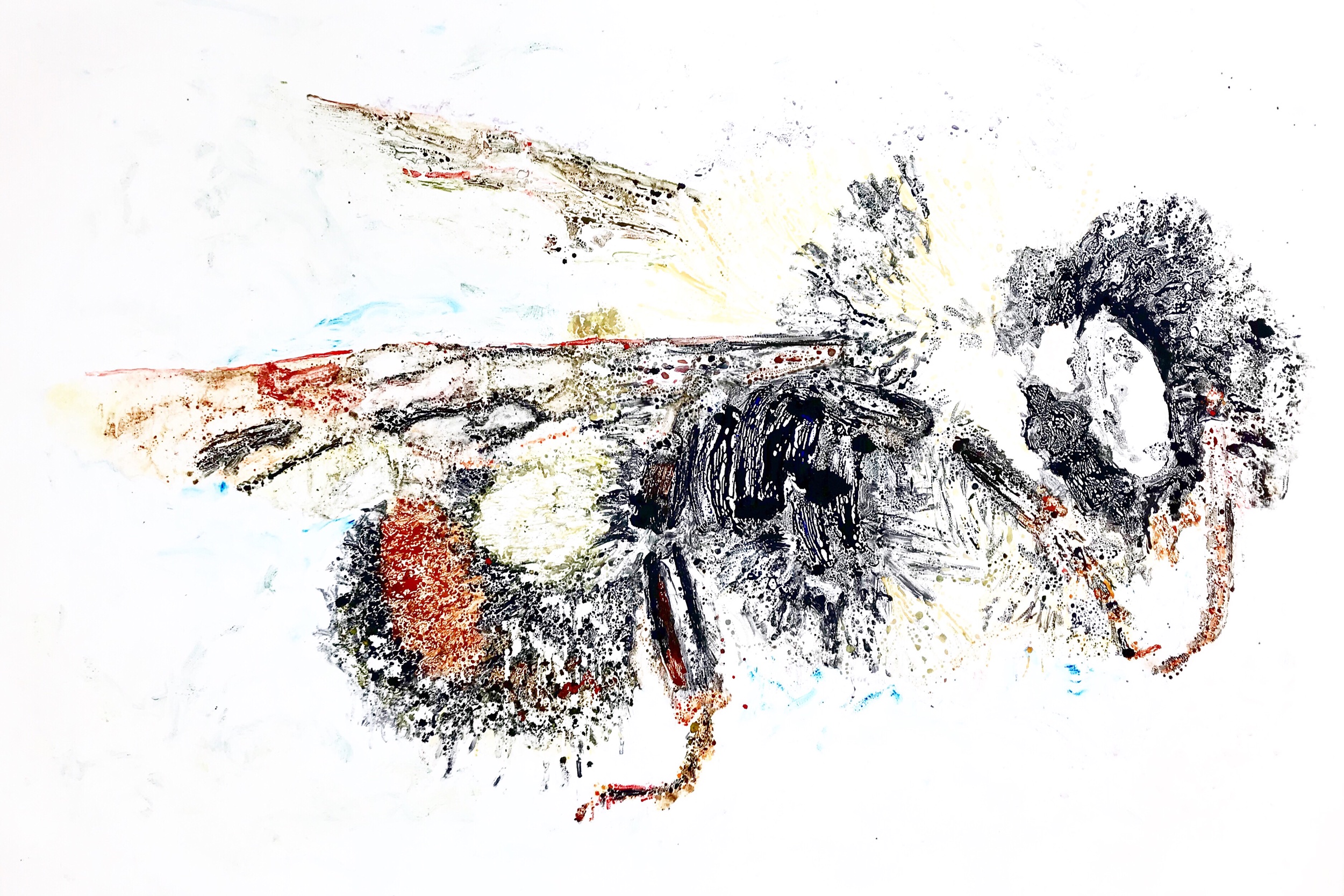
Bombus Affinis I30” X 44” watercolor monotype

Bombus Affinis I

30” X 44” watercolor monotype

Day 1-

When working in color, the ink looks much darker and muted on the plate than when printed on paper. My first impression of Bombus Affinis I was that the paint was too heavy, too bright just  too much all the way around. The ghost was too light. I want my Bombus to express the lightness, fragility and majesty  of the bee. 

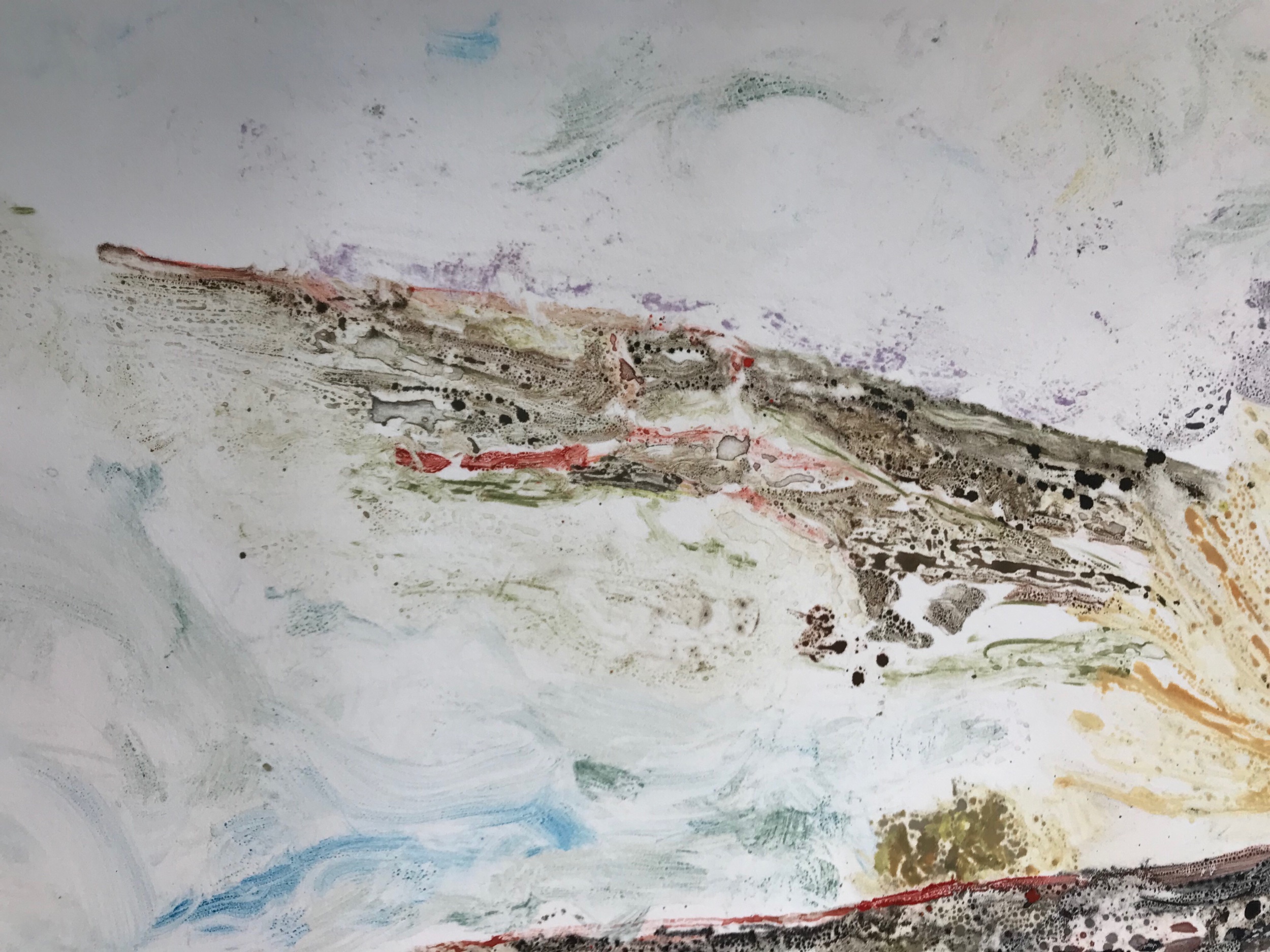
Wing detail from Bombus Affinis I

Wing detail from Bombus Affinis I

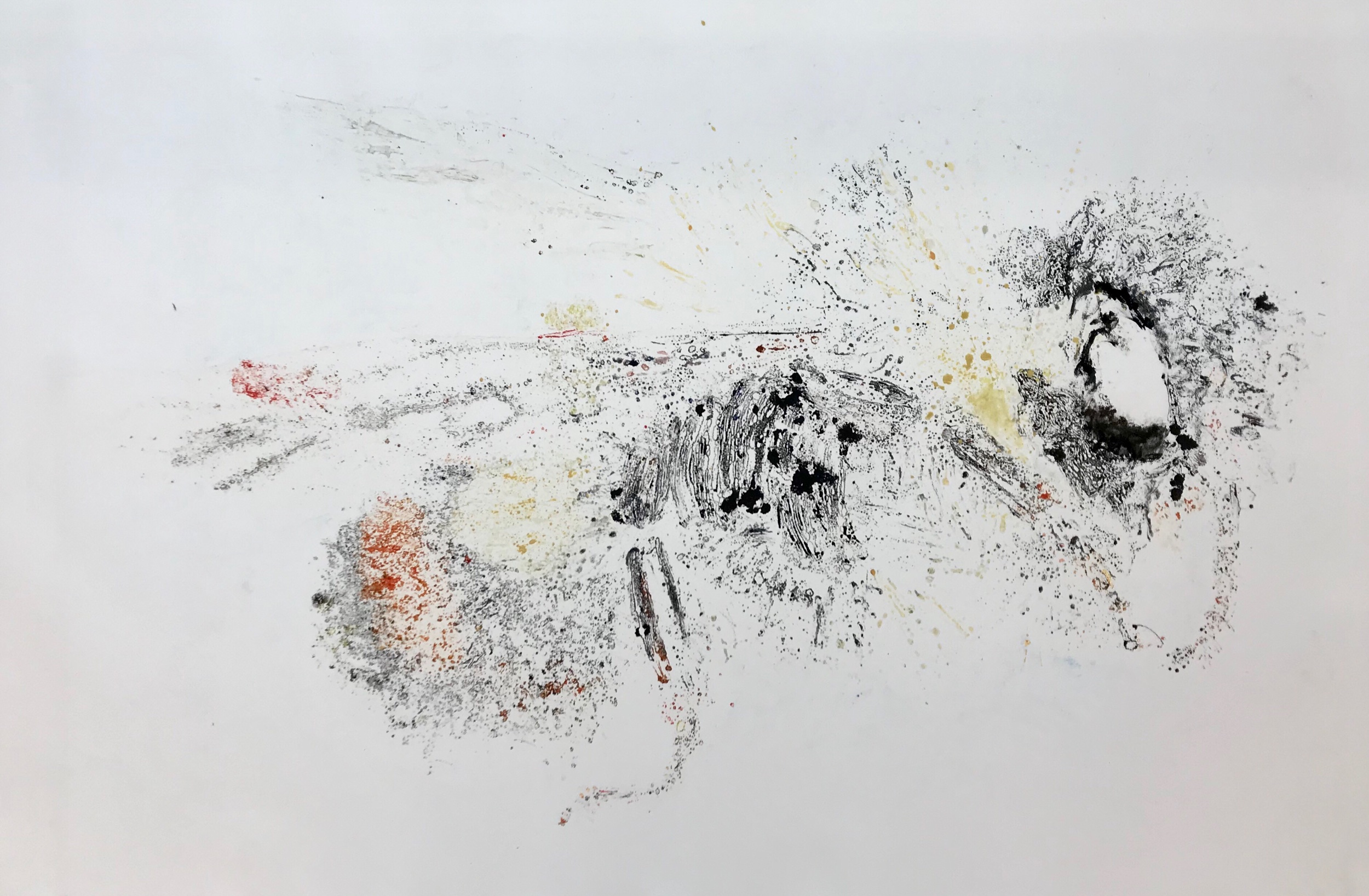
Bombus Affinis I ghost30” X 44” watercolor monotype

Bombus Affinis I ghost

30” X 44” watercolor monotype

Day 2-

I like the big black brush strokes, the antennae, but I do not like that both wings have the same weight. I want the back wing to be in more motion and fainter. When I look back at the work from day one, I am feeling better about parts of it. I like the wings and the last sections of his abdomen. Below are some close up shots of the parts I like of both days’ experiments.

Bombus Affinis II 30” X 44” watercolor monotype

Bombus Affinis II 30” X 44” watercolor monotype

Day 2 antenna

Day 2 antenna

Day 3 - layering the different processes. I am closer to what I want but I am not there yet.

public.jpeg
Bombus Affinis III

Bombus Affinis III

A favorite moment in Bomus Affinis IIIa tail, leg and two wings

A favorite moment in Bomus Affinis III

a tail, leg and two wings

public.jpeg
Bombus Affinis III ghost

Bombus Affinis III ghost

Bombus Affinis IV

Bombus Affinis IV

public.jpeg
Bombus Affinis V

Bombus Affinis V

public.jpeg

Day 4

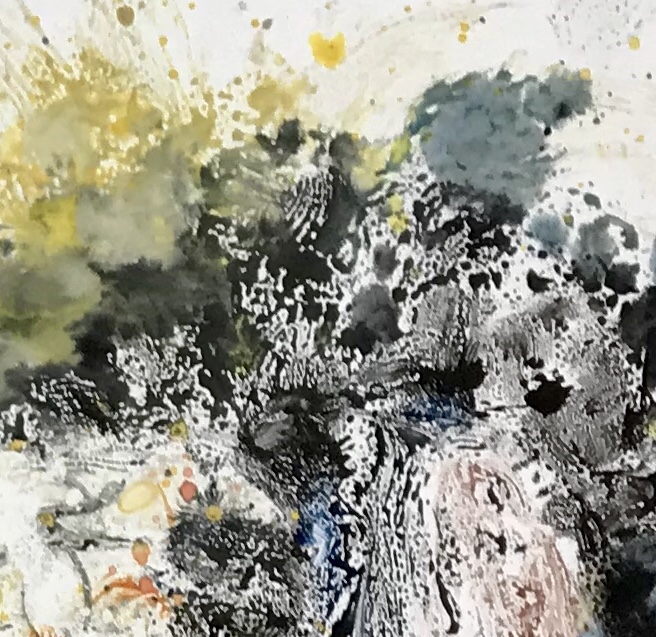
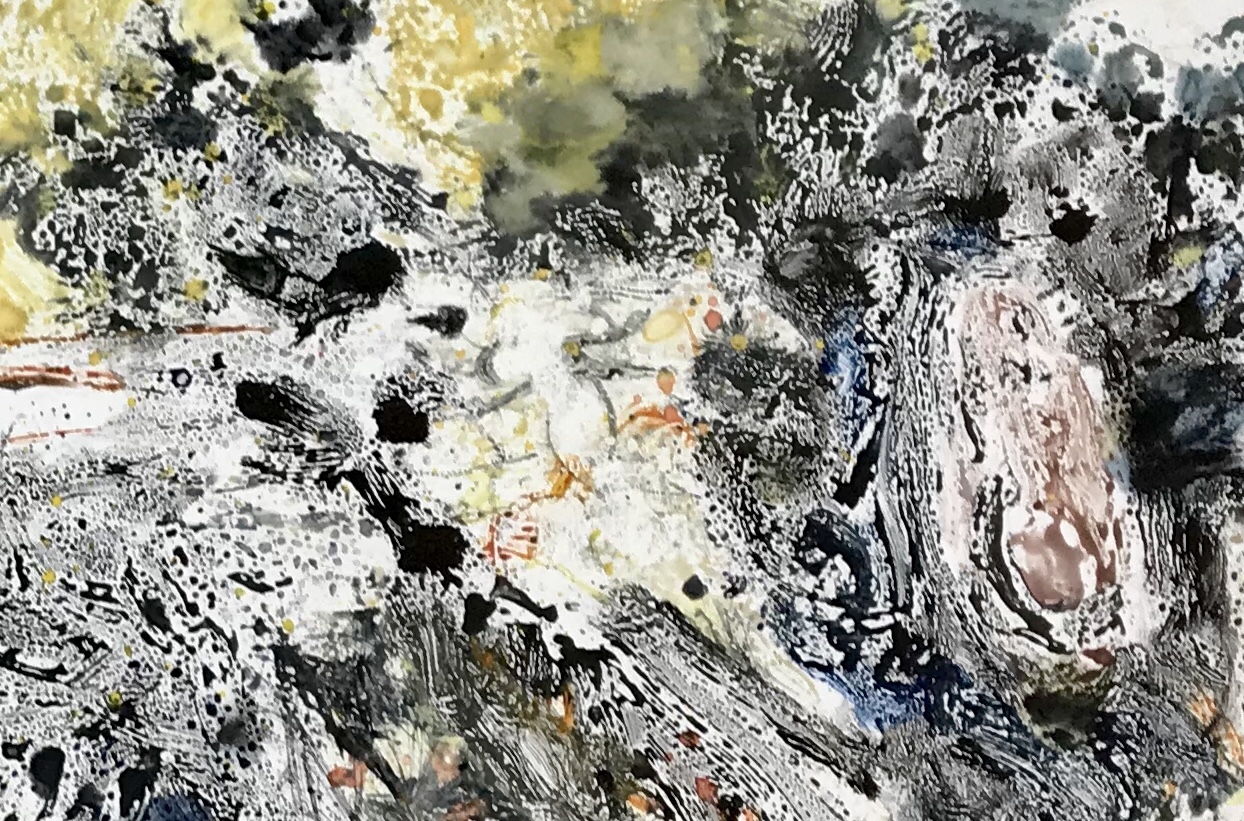
Below are some moments I especially like. Today anyway.

Finally I am loosening up. I want an image of the bee’s energy - I want the life, movement and energy of a fuzzy pollinator even if he is endangered. I do not want a drawing of a bee.

Top of Head and thorax

Top of Head and thorax

Mauvish/brown/black bee eye and thorax

Mauvish/brown/black bee eye and thorax

The fuzzy tail and two delicate wings

The fuzzy tail and two delicate wings

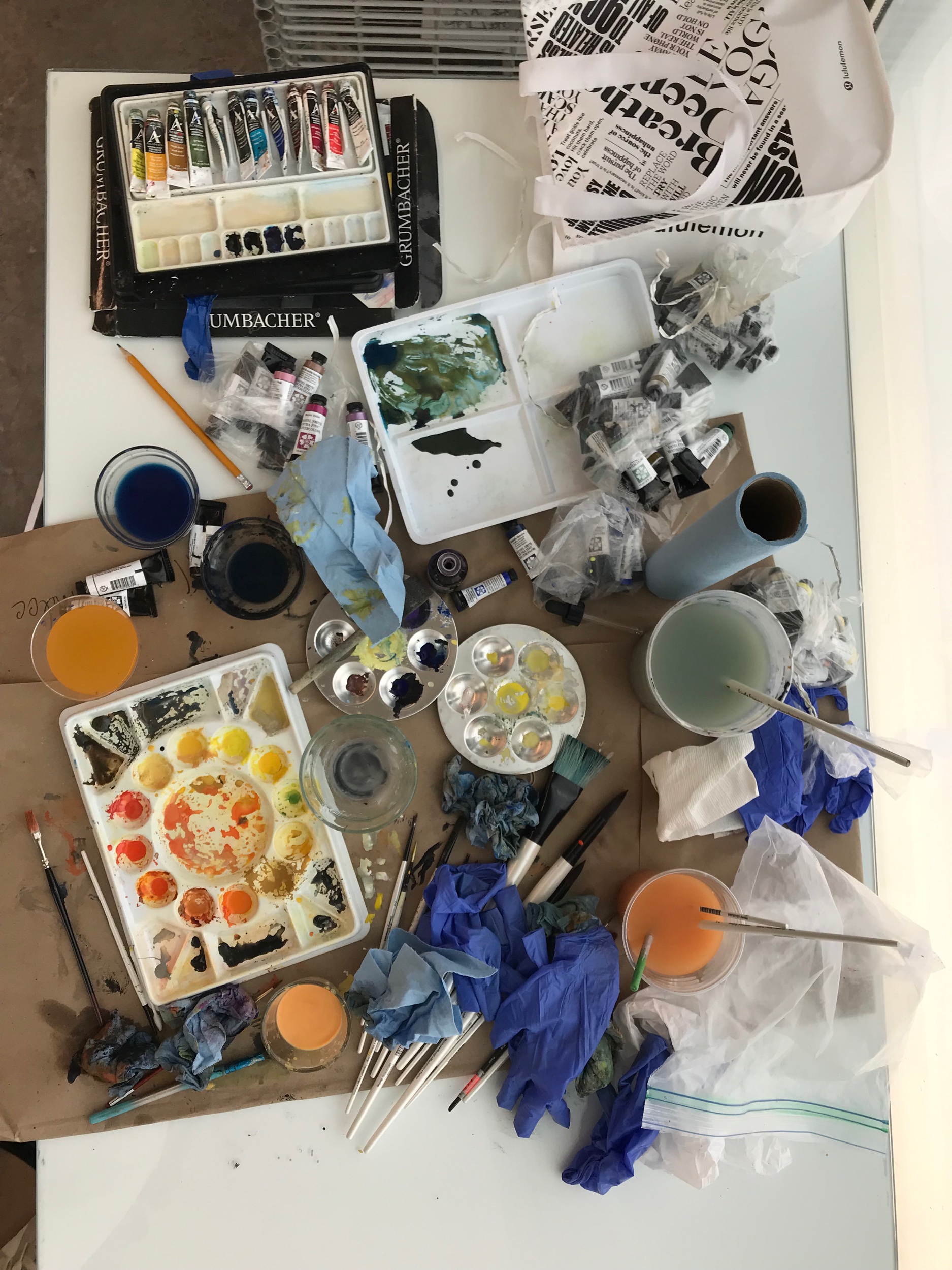
My work space

My work space

Leftover ink in the trey- Inspiration for a bee wing.

Leftover ink in the trey- Inspiration for a bee wing.