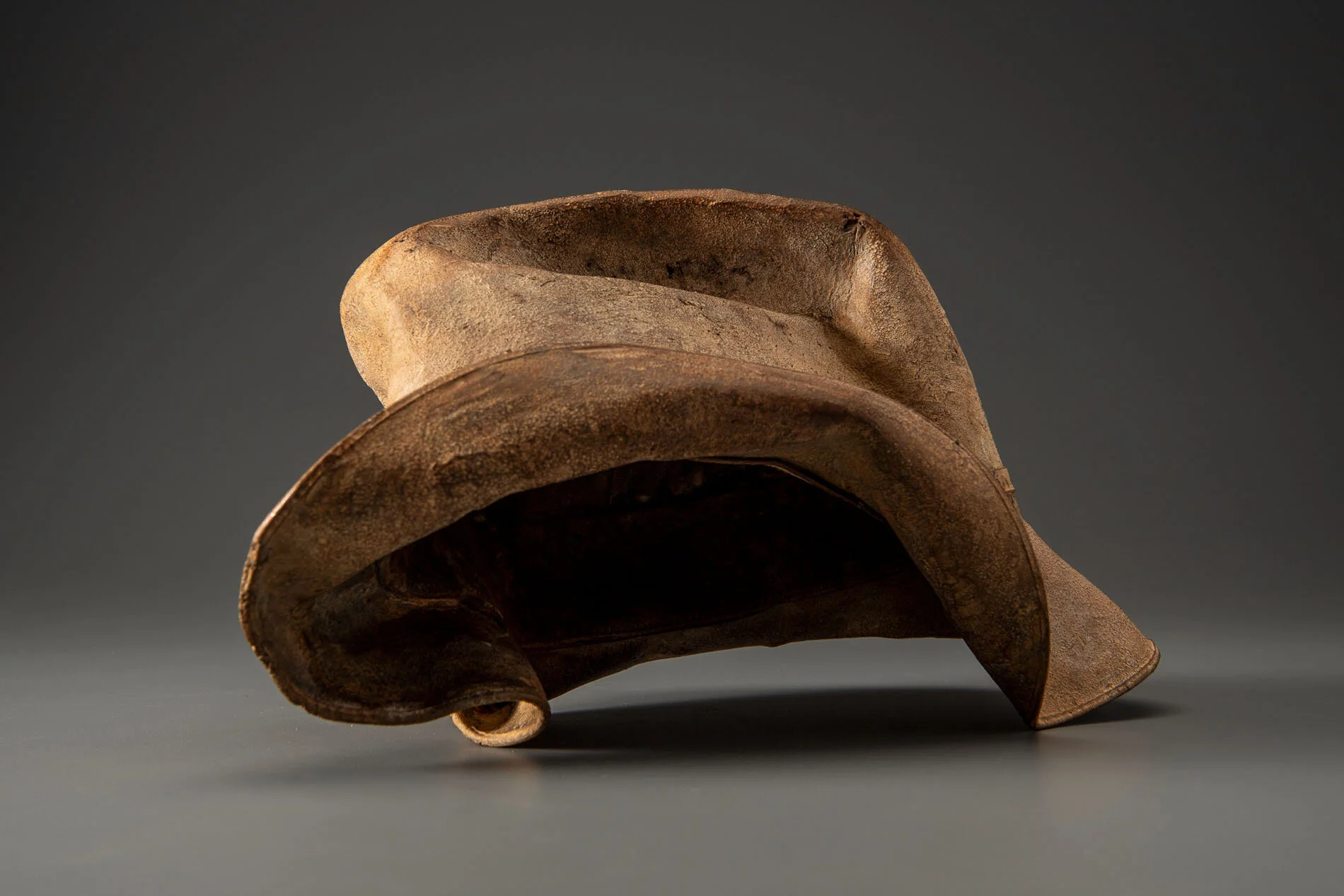

Wind erosion moves the ground you thought was fixed.
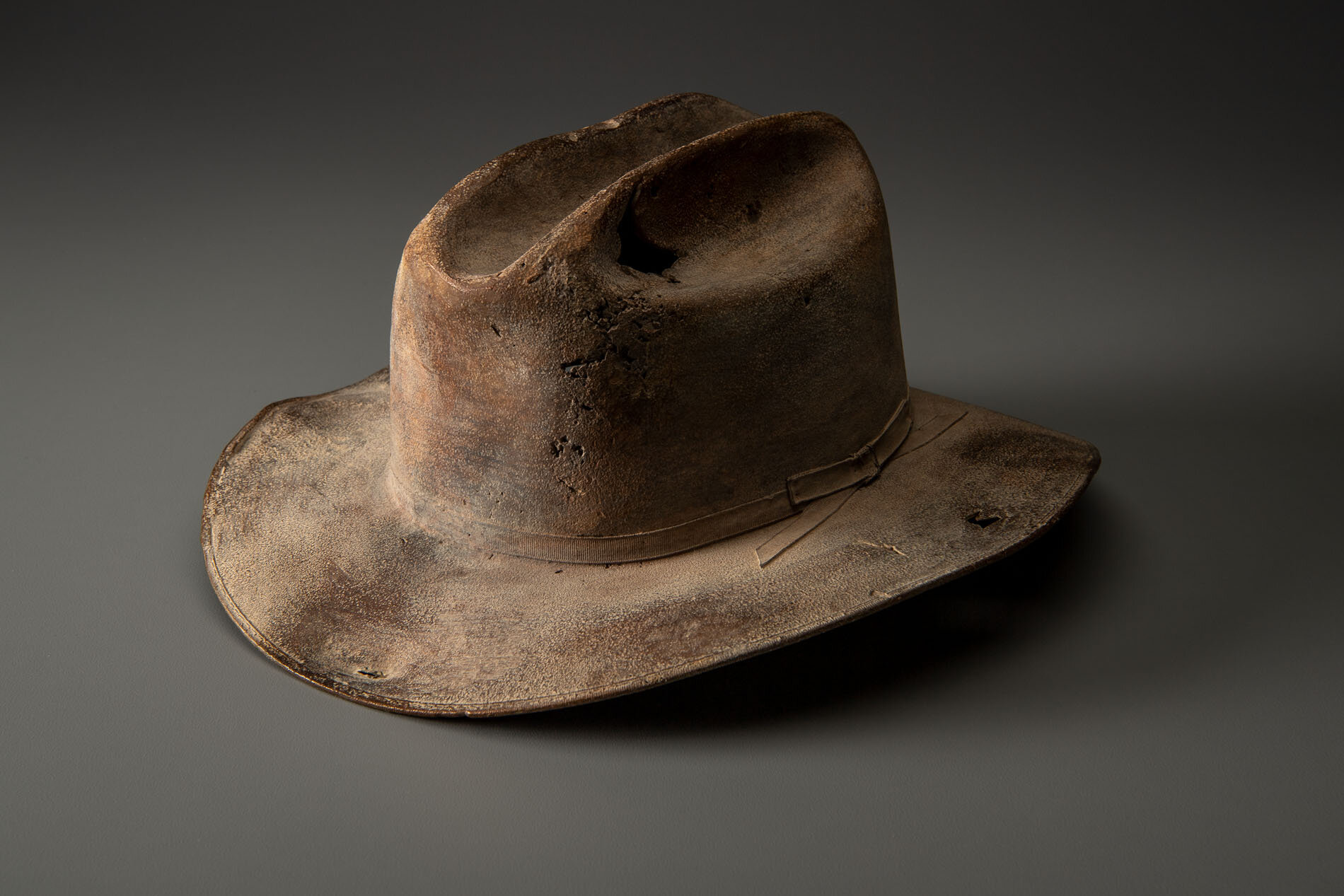
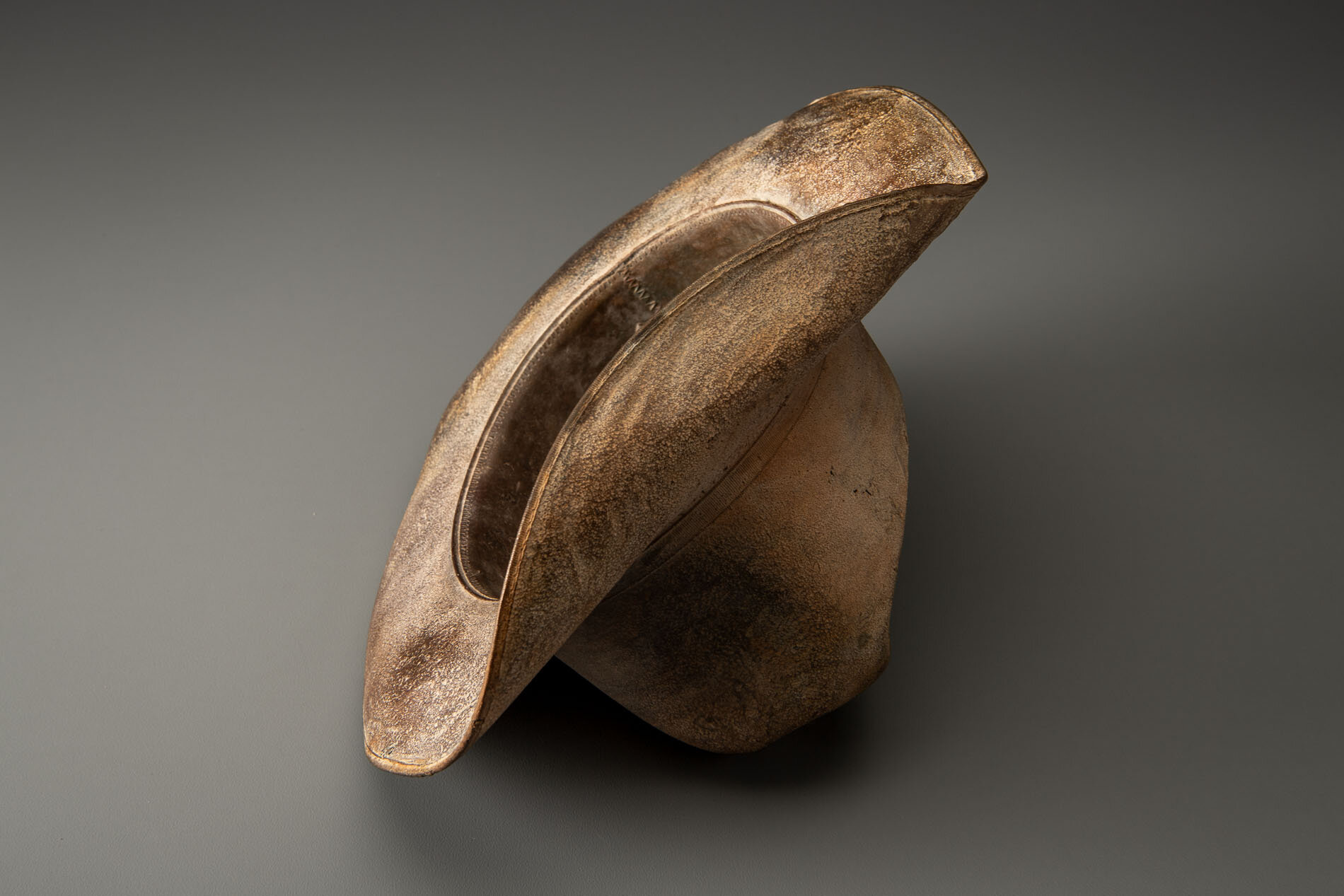
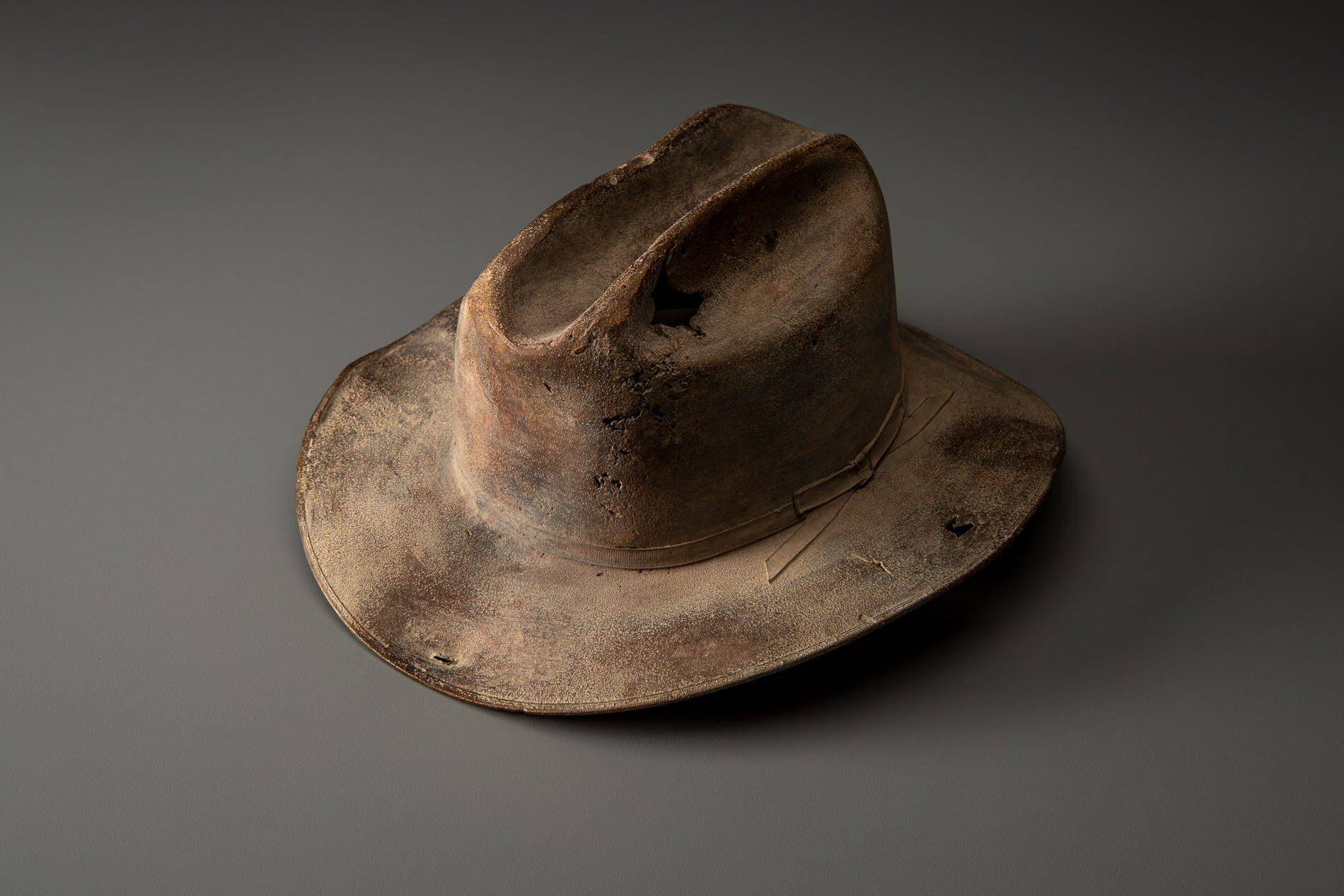
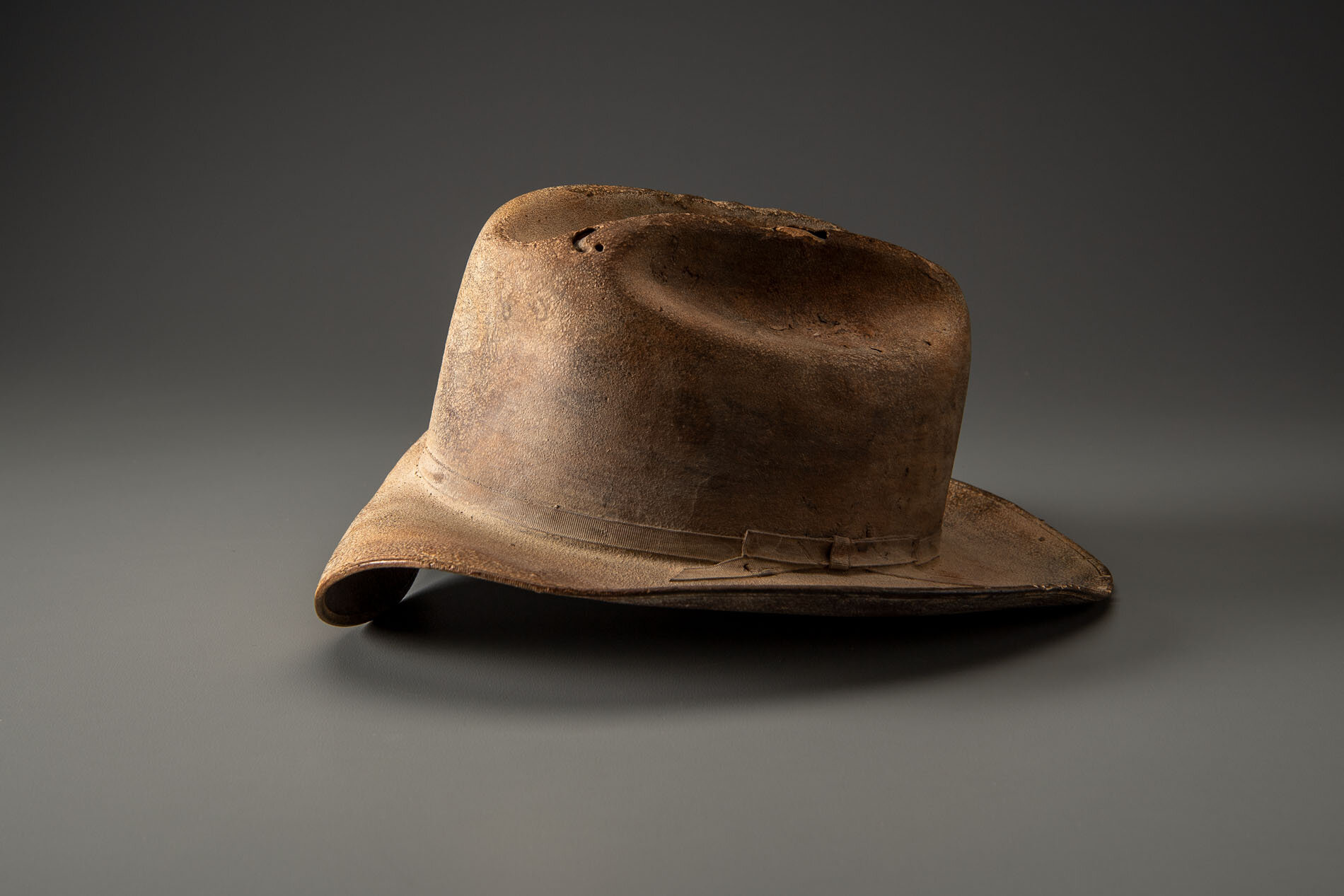
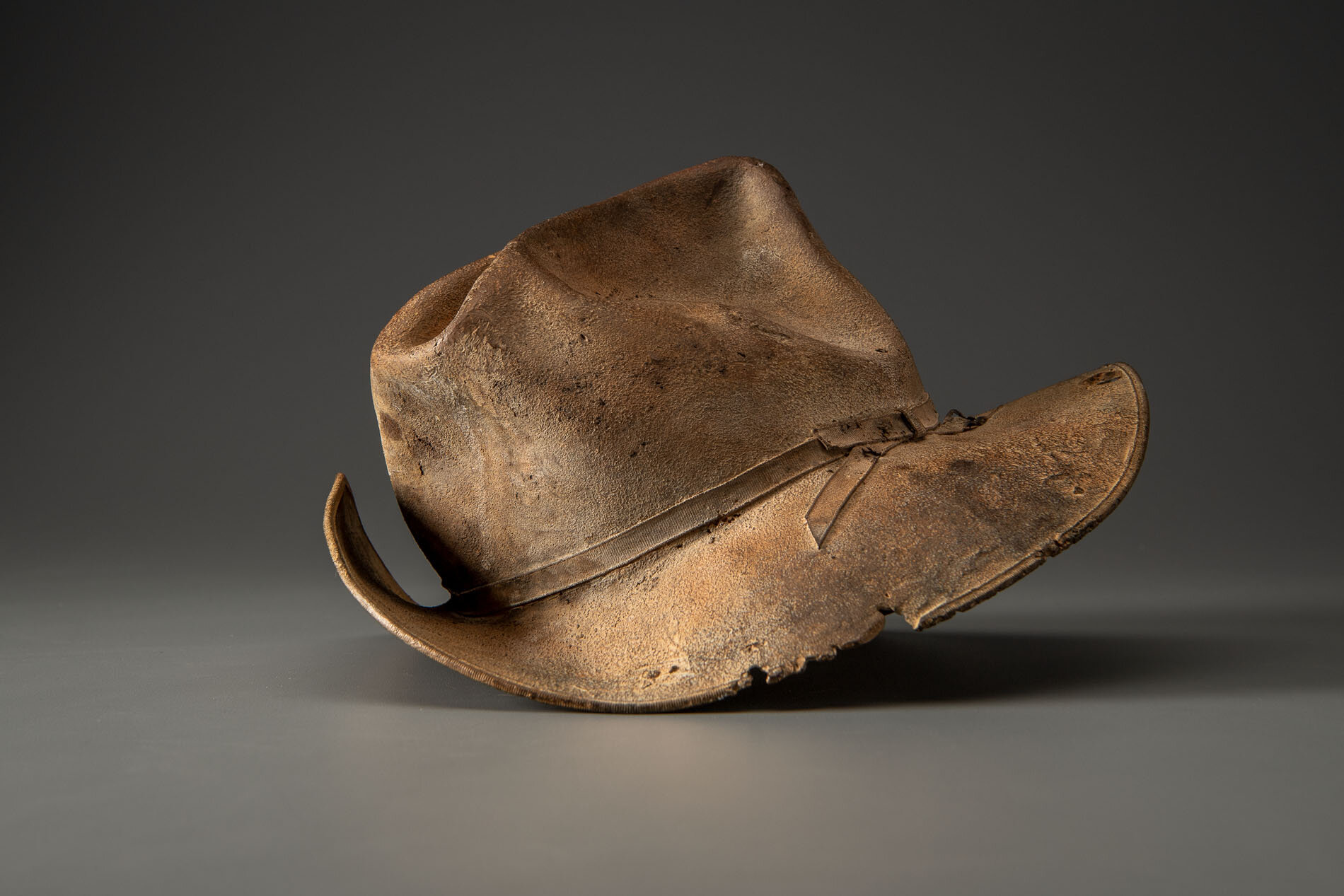
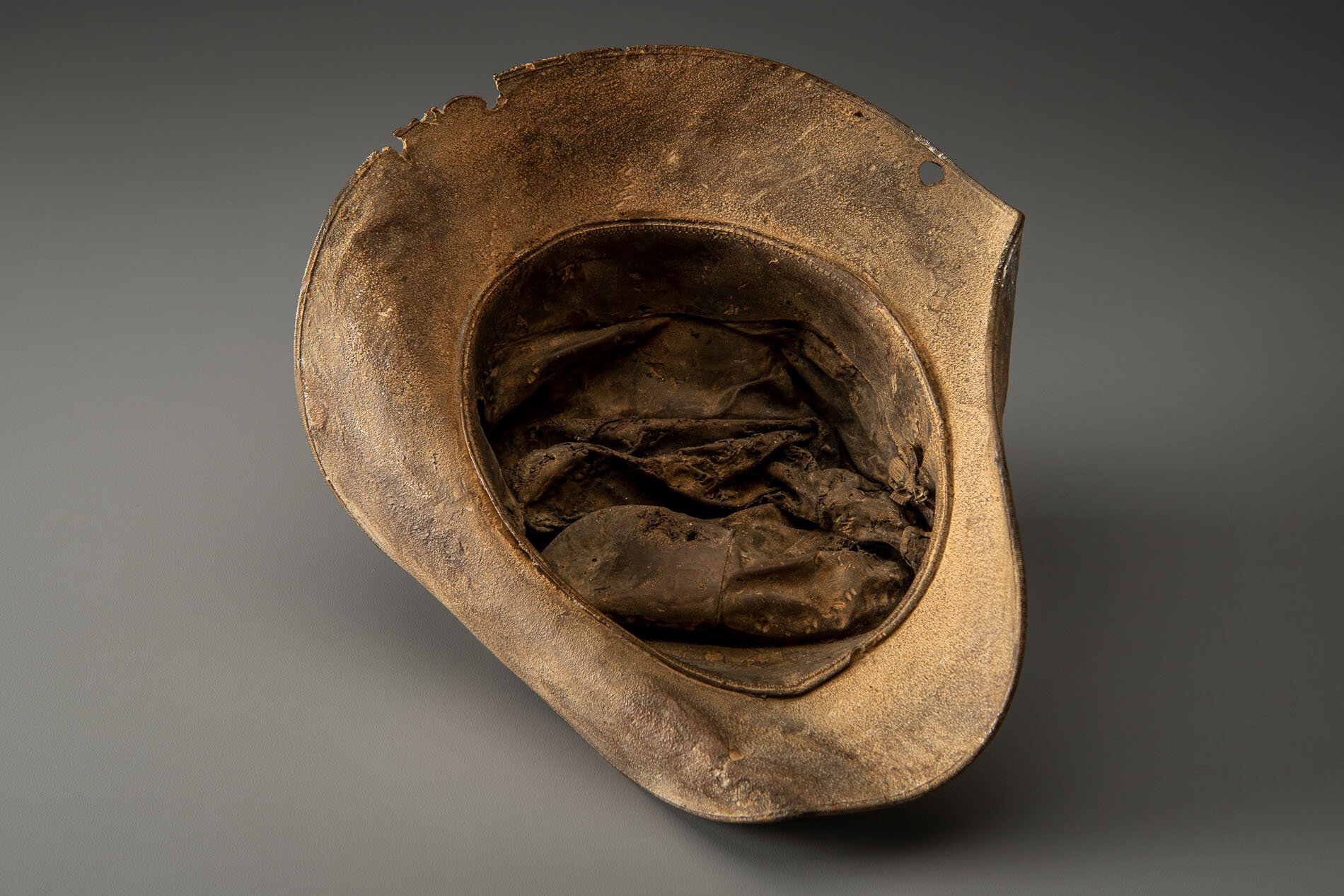
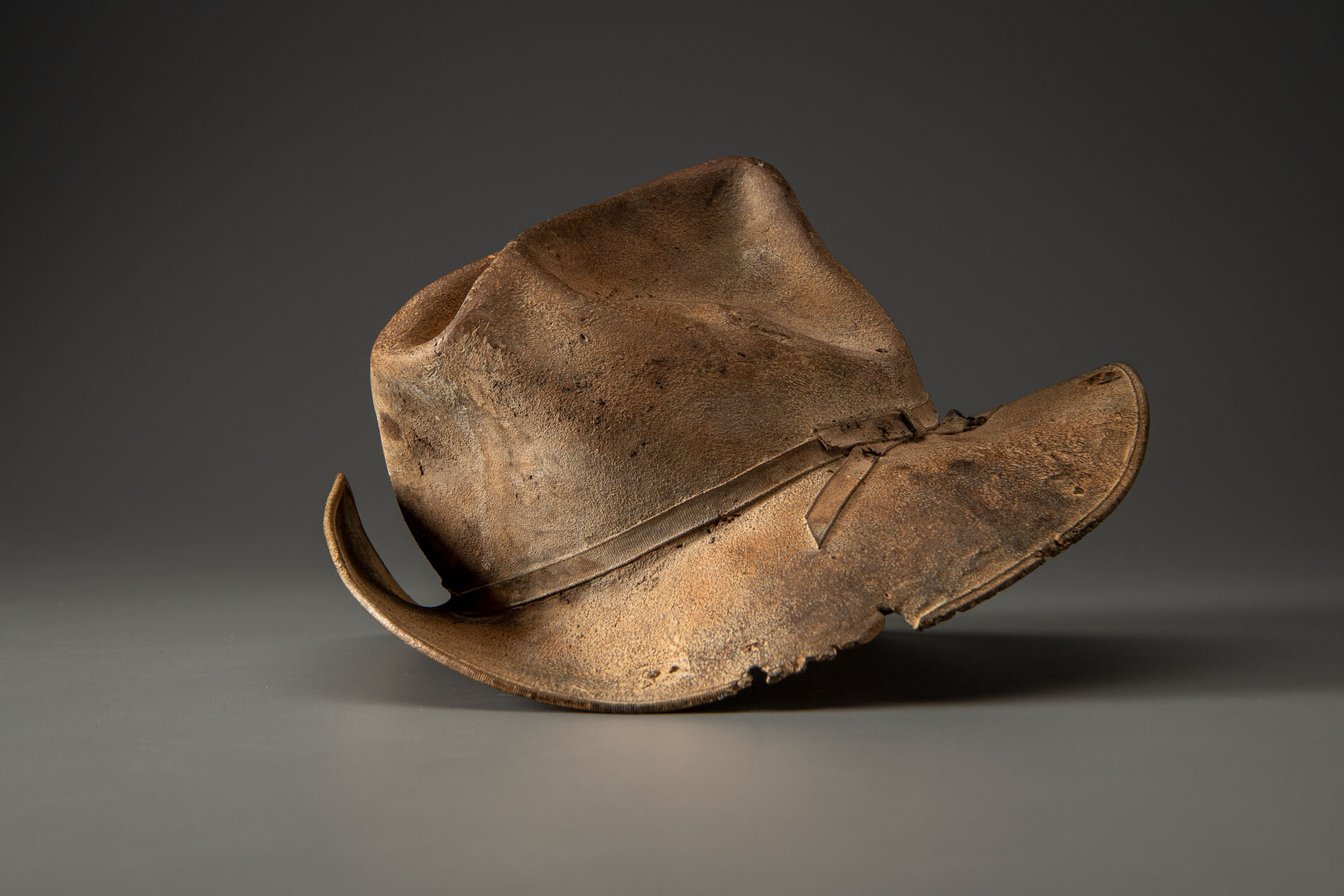
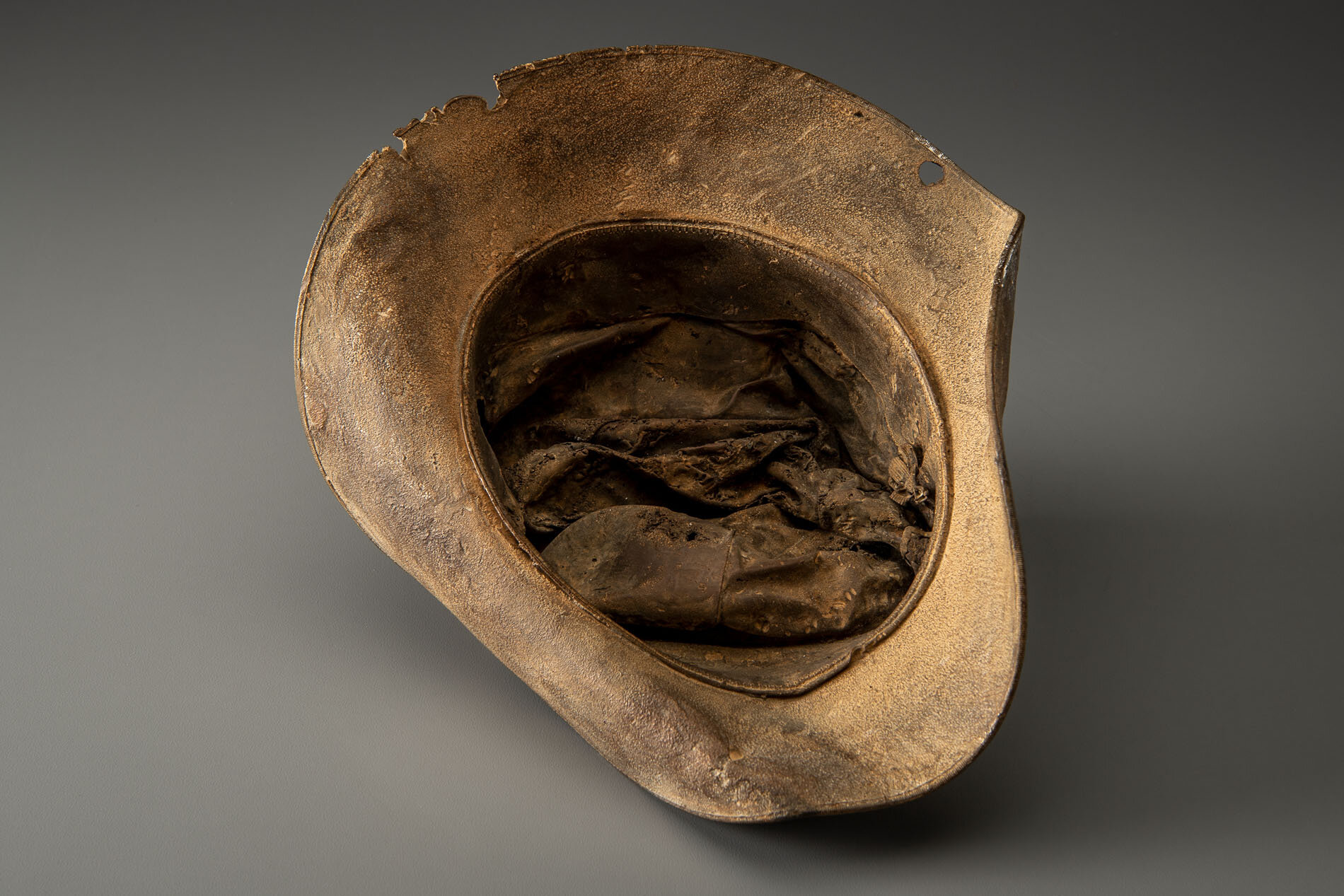
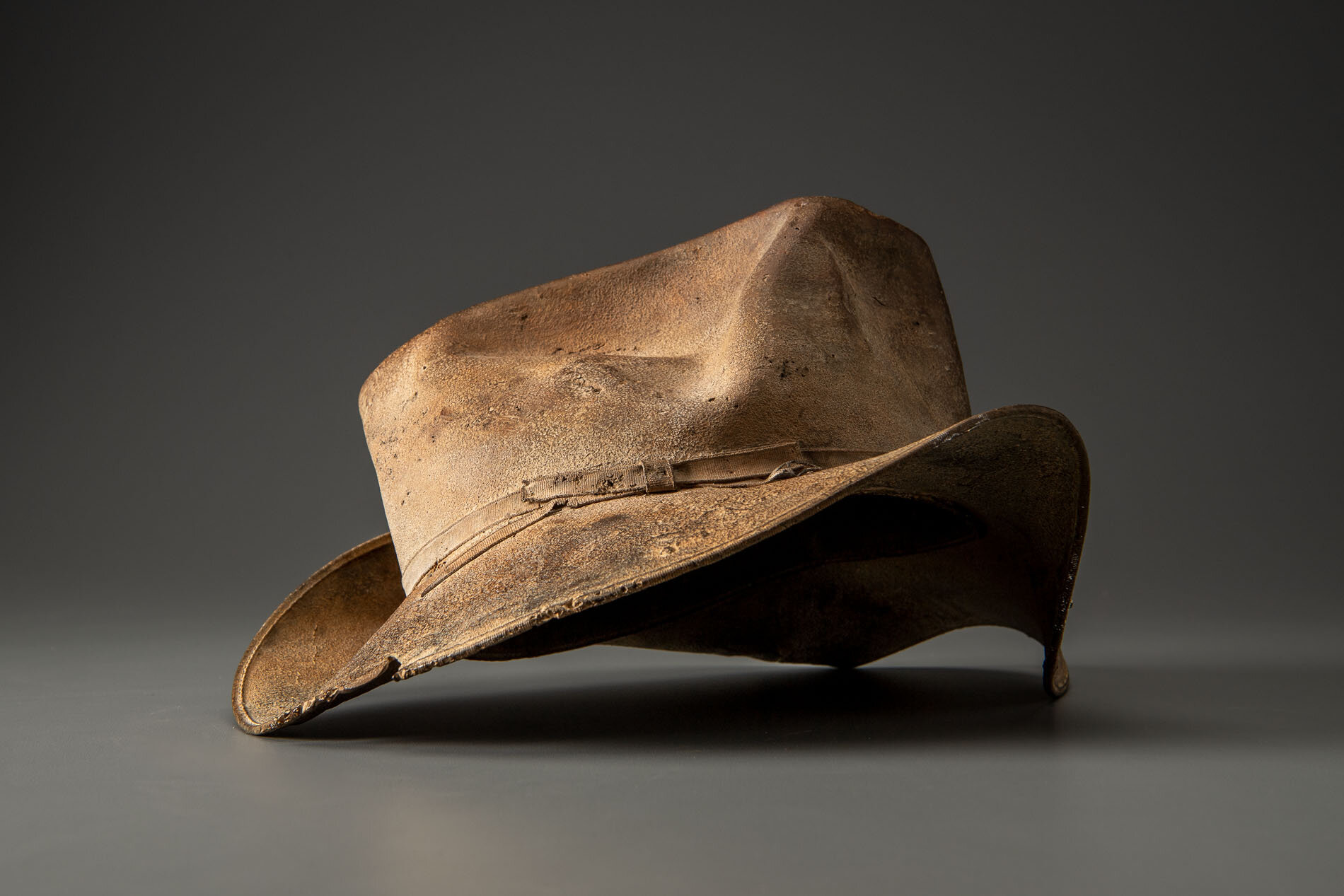
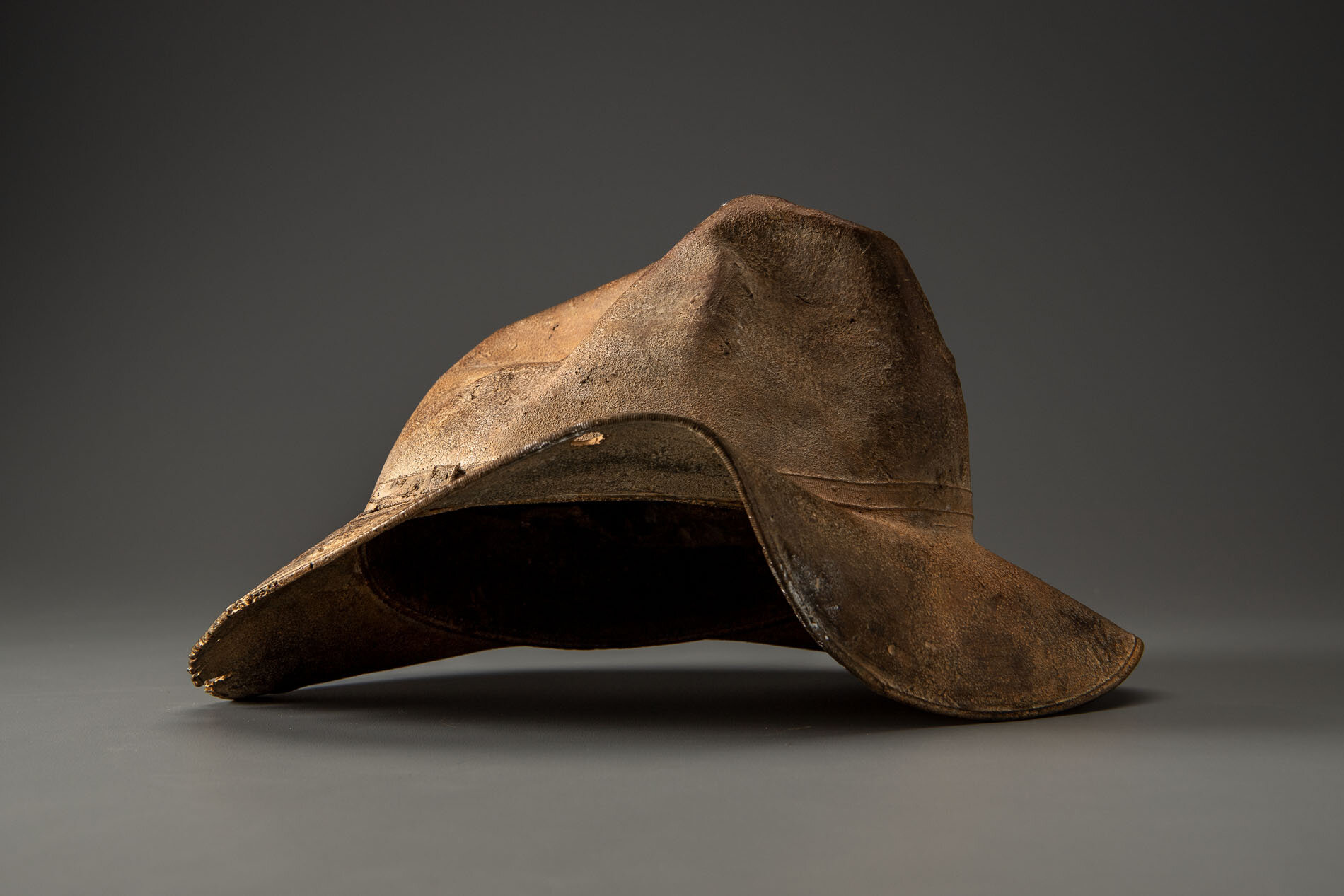
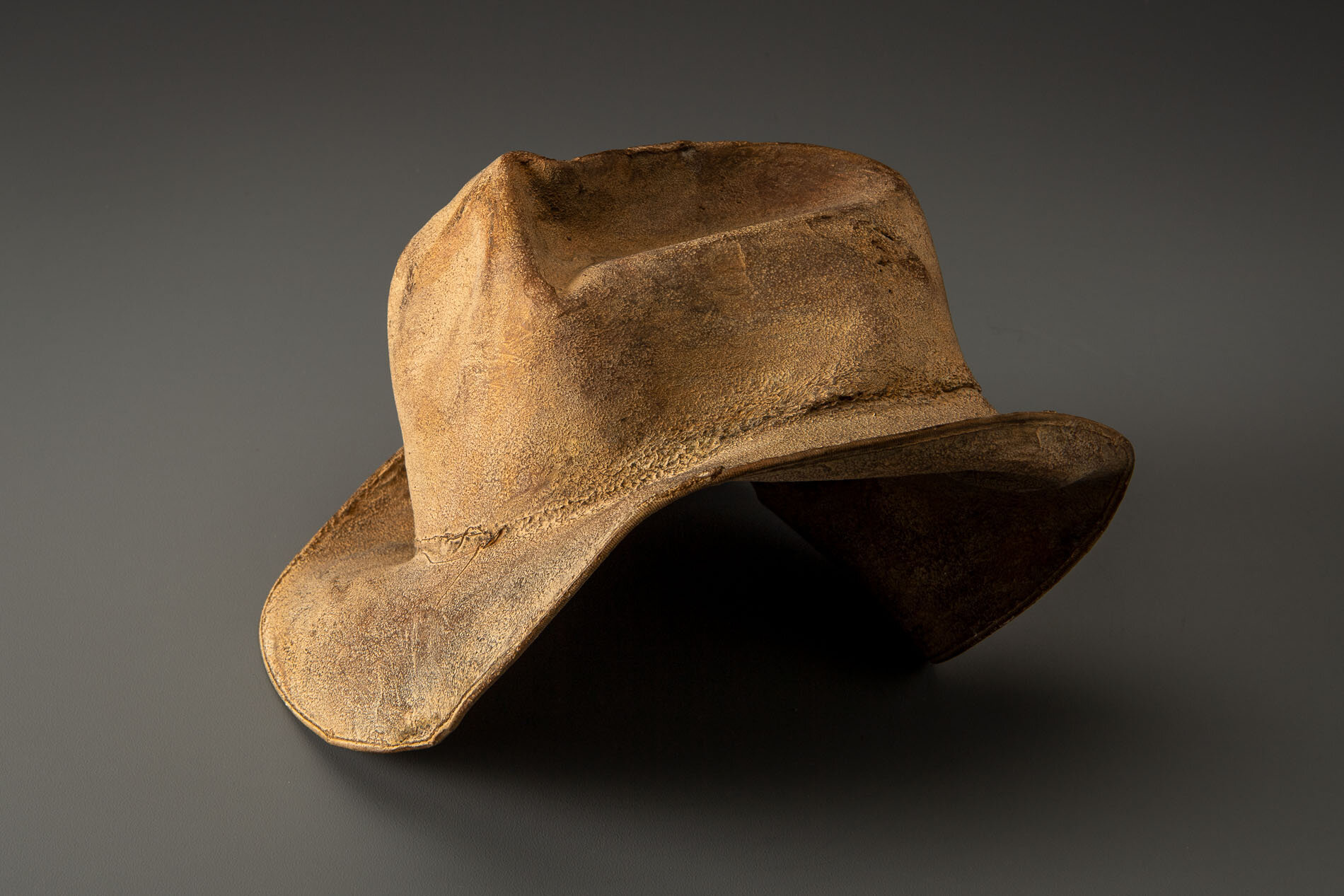
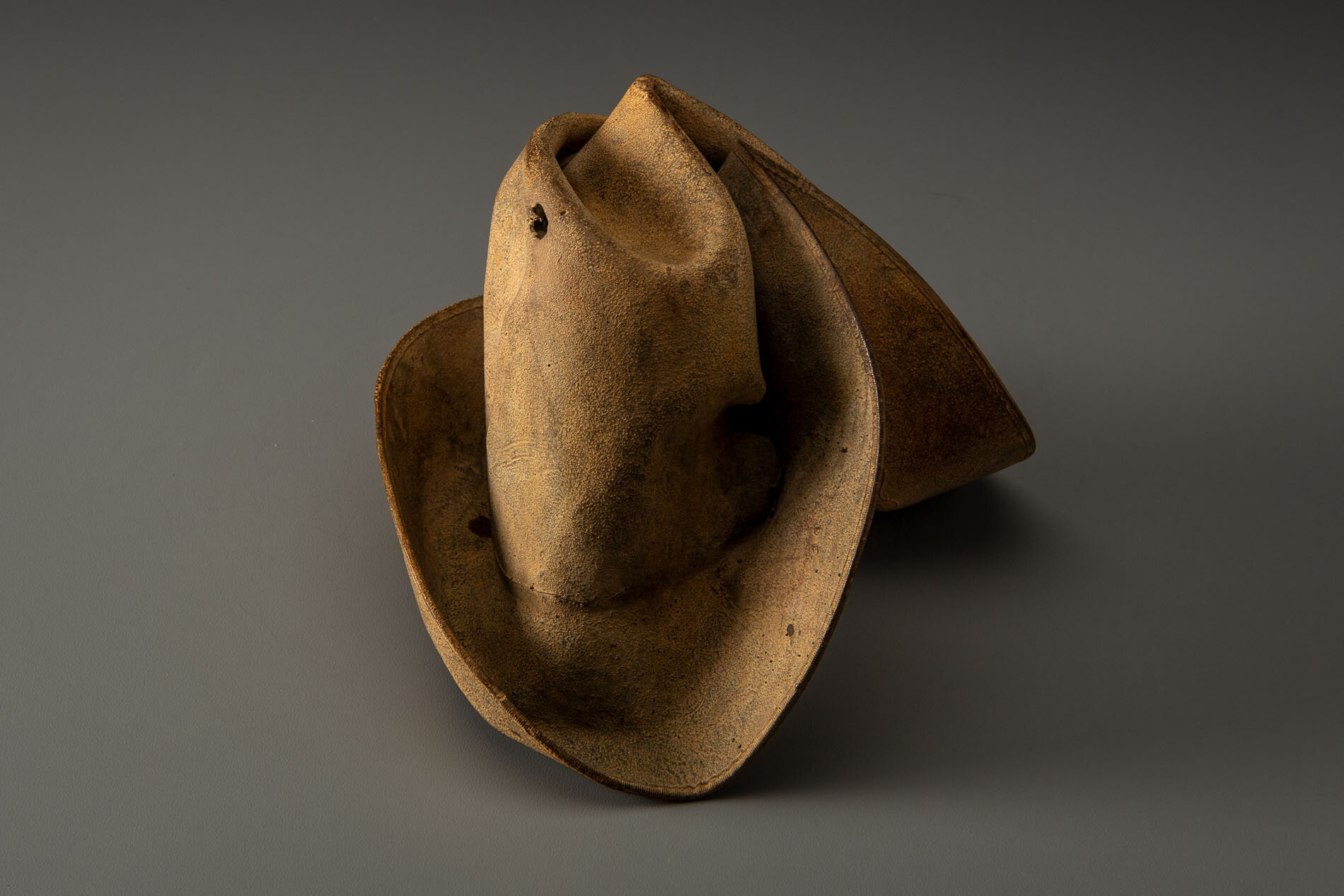
I grew up on an isolated cotton farm in Dell City, Texas, where objects blew across the fields — pickup doors, water buckets, my grandfather’s Stetson Open Road hat. A hat, worn long enough, becomes an archive: it holds the shape of a head, a season, a way of standing in weather. When my grandfather died, his hat landed on my coffee table and stayed there for years, an object I didn’t yet know how to read.
I read it in 2017, when I went back to see the land. The fields were vacant and beige, tilled into a stillness that looked ordinary and felt wrong. It took me a while to notice what was actually off: the cultivated rows sat lower than the dirt roads and the old cinder block house. The ground itself had dropped. Wind erosion, eighty-some years after Black Sunday, still working.
That Christmas, my parents told me about coming home once to find two feet of soil inside the house. My mother remembered an old rancher who could still describe grass tall as a horse’s belly, grass that no longer exists there. I was sixty before I understood that the wind which took my grandfather’s hat when I was a child was the same wind, still moving the same unfixed ground — not weather, but consequence. The Dust Bowl didn’t end in the 1930s. It has recurred every few decades since, each time renaming itself and prompting a new round of policy that treated the symptom and left the arrangement — soil as commodity, food as output — intact.
I’d already learned to distrust that arrangement once before. A family health crisis in 1996 pushed me to question how food is grown and marketed; by 2006 I’d committed fully to grass-fed, organic food. In 2013, Allan Savory gave me the mechanism I’d been missing — a talk connecting desertification not to whether land is used, but to how. That distinction is the hinge between the hat on my coffee table and the six bronze hats that became this piece.
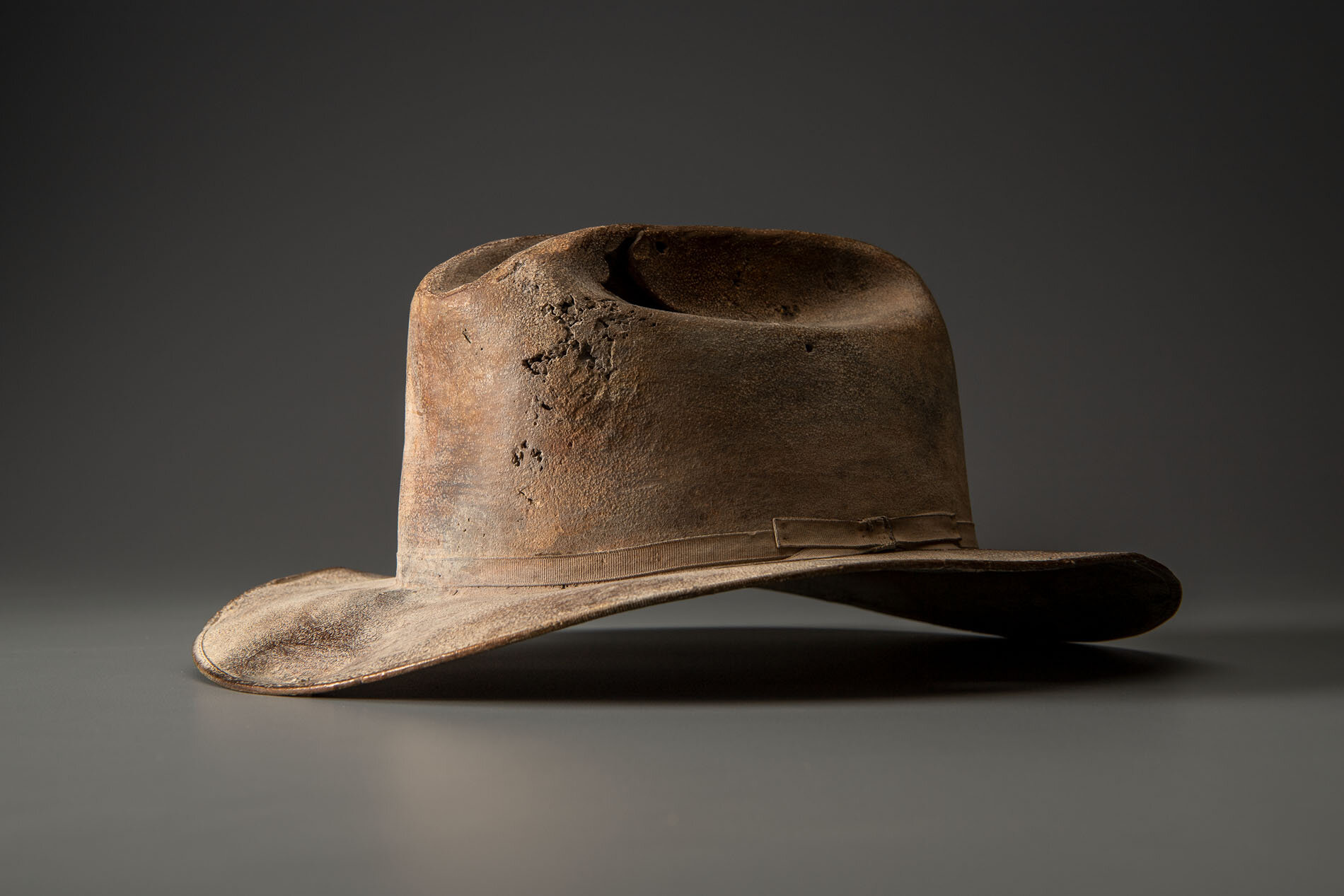
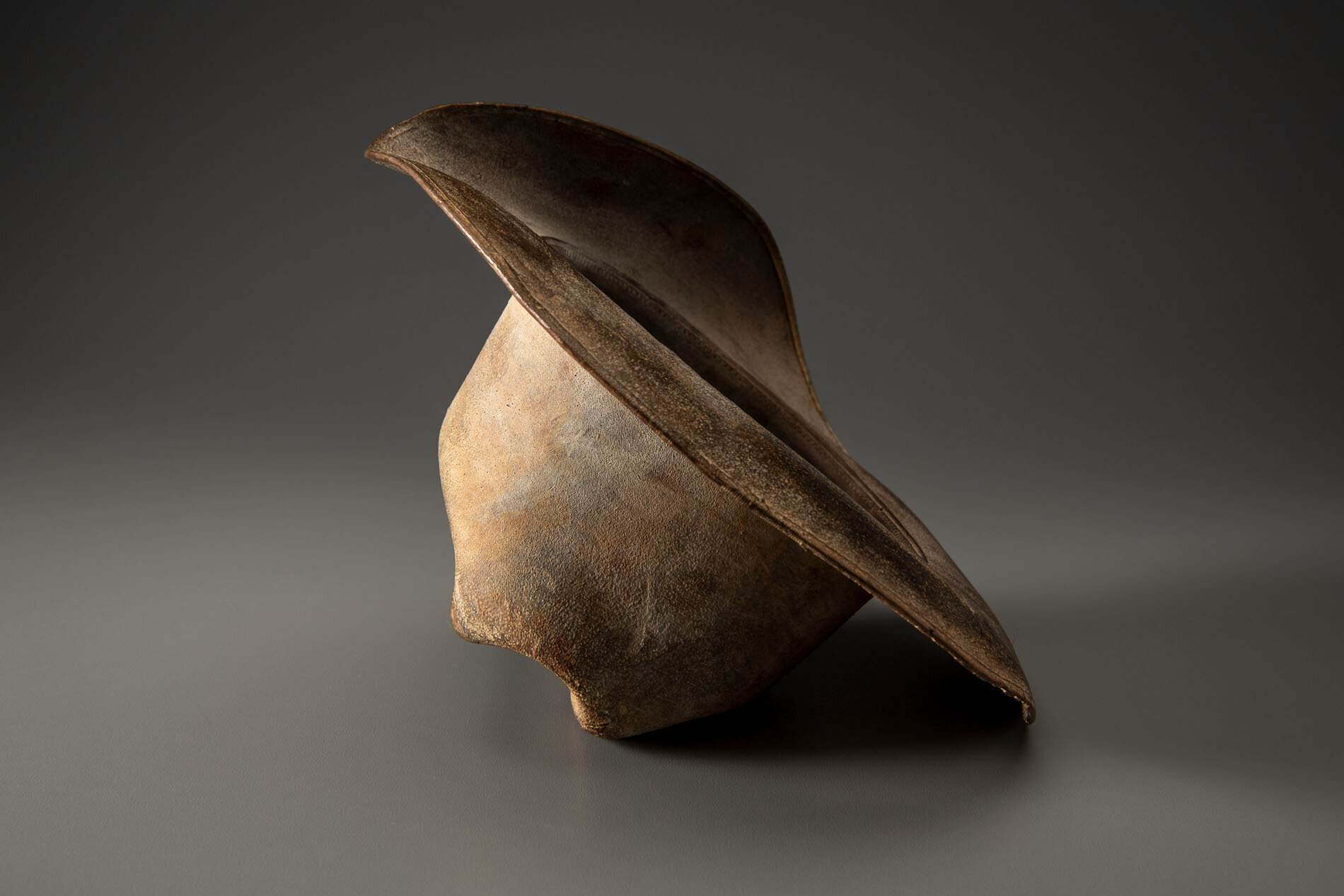
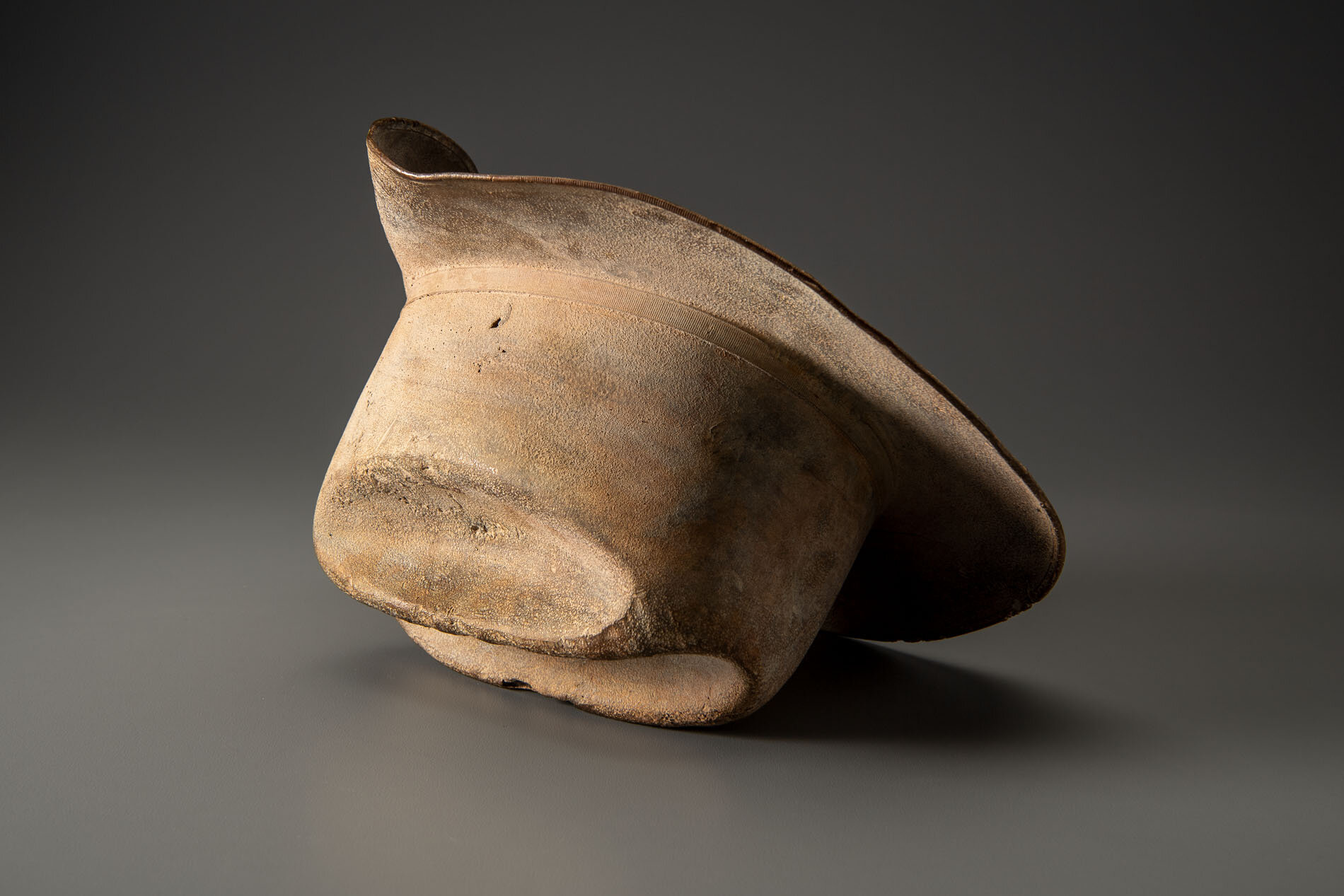
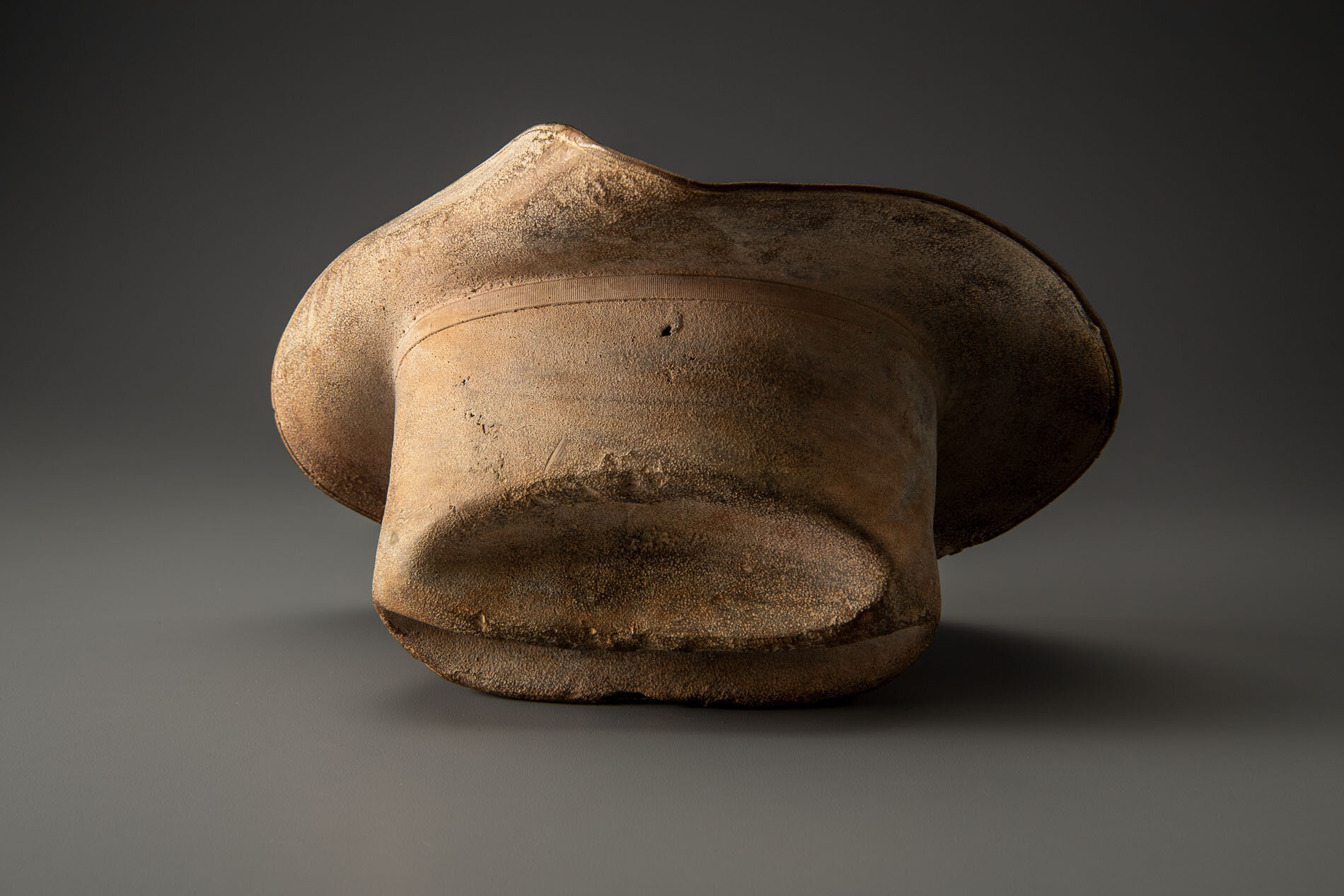
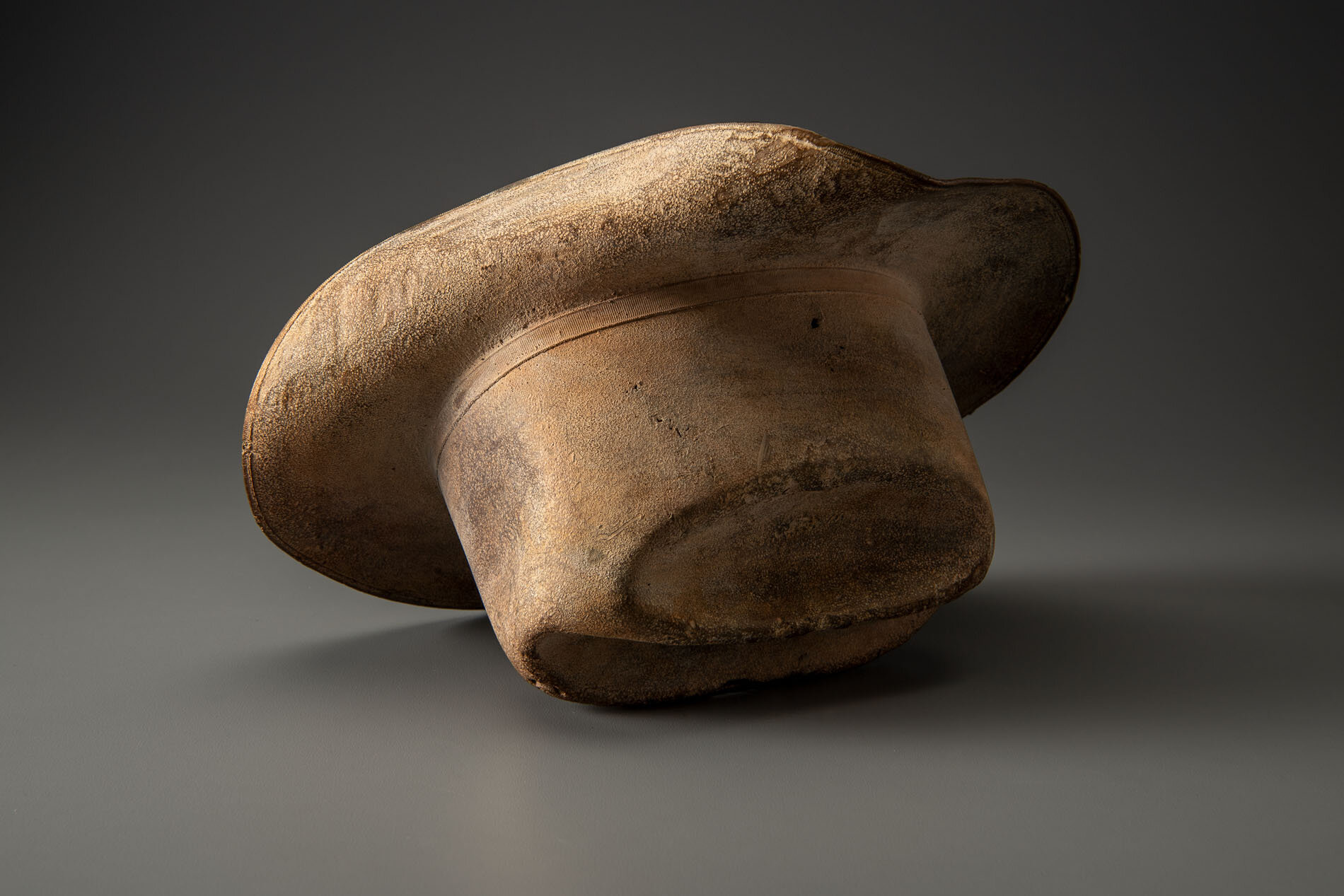
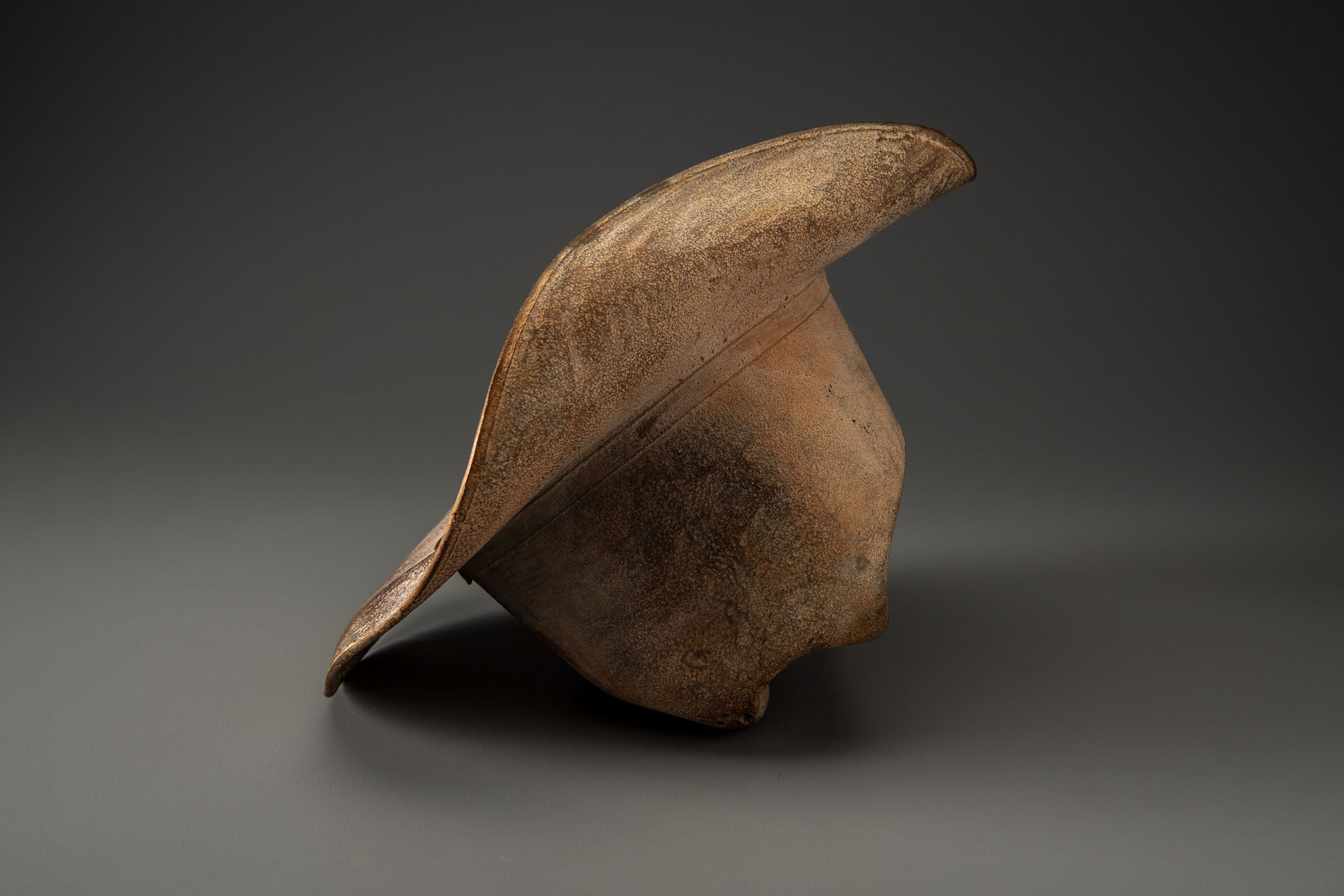
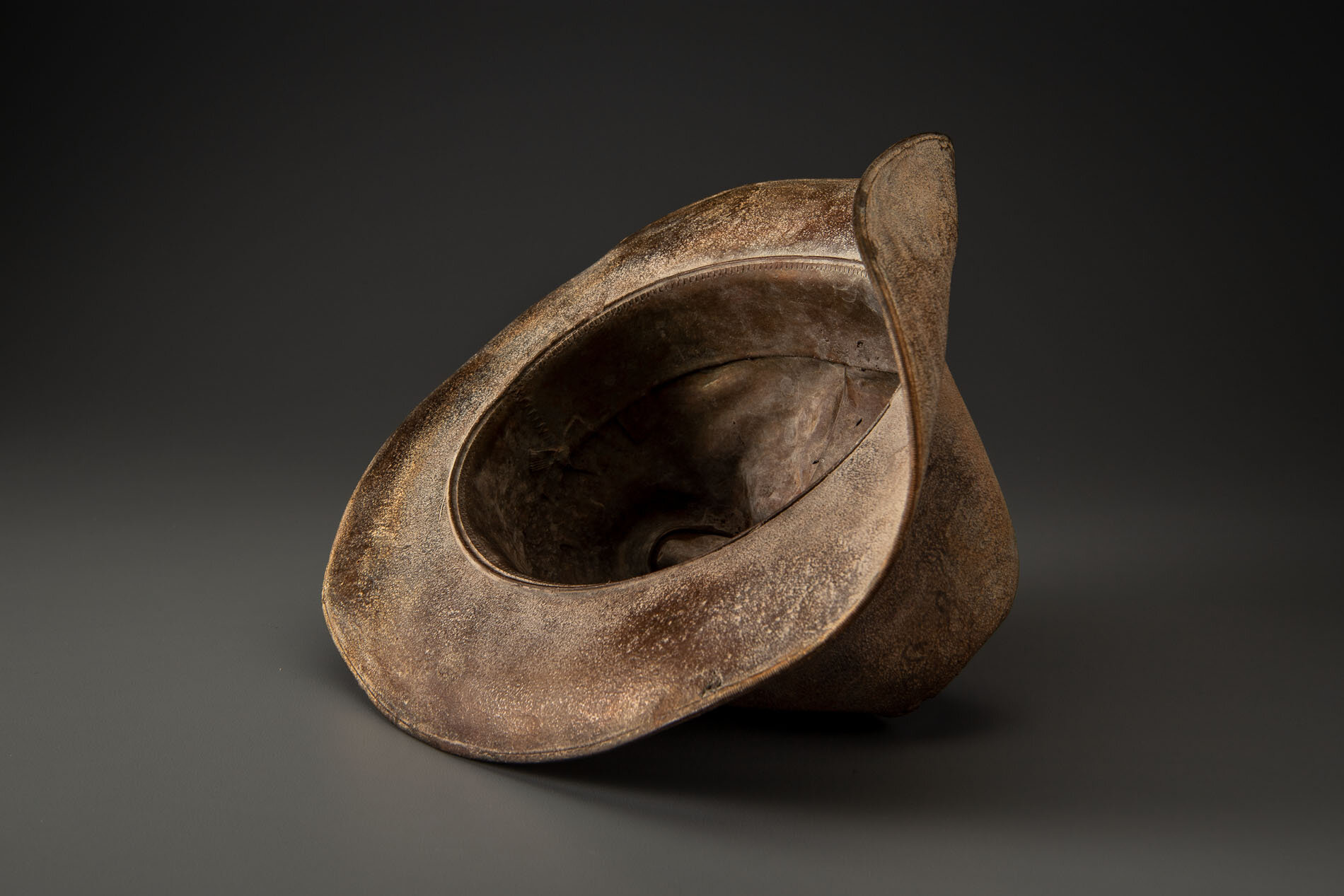
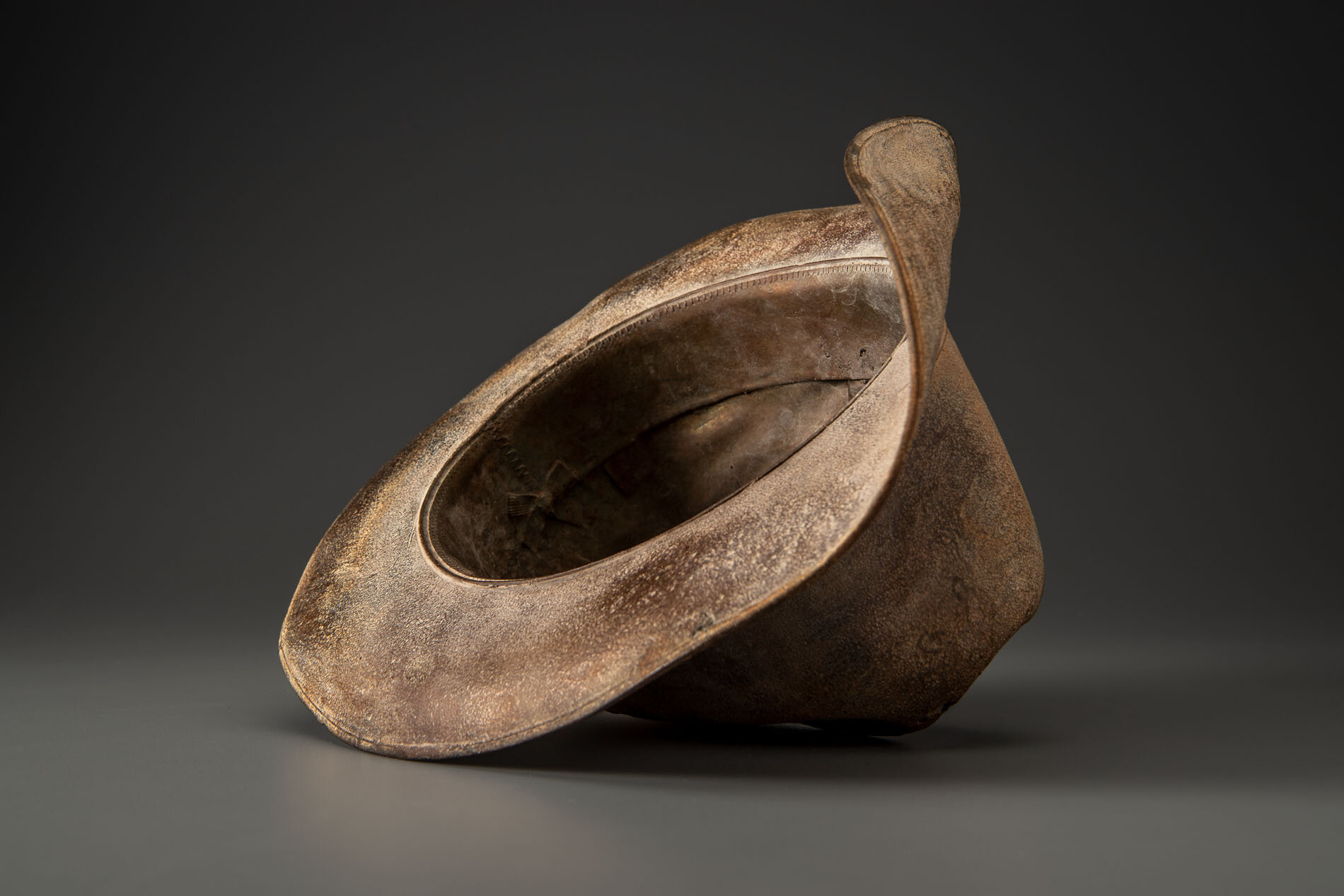
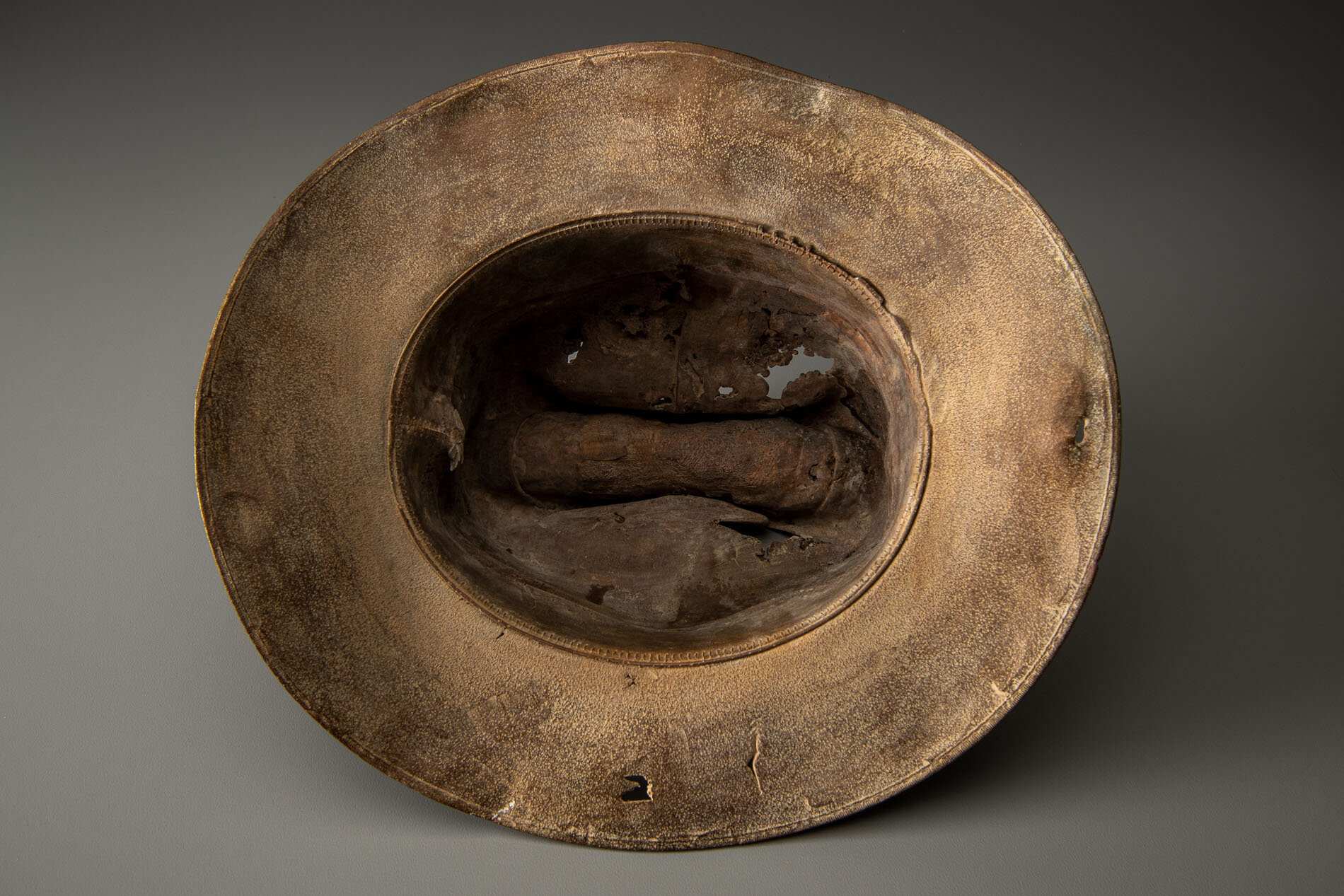
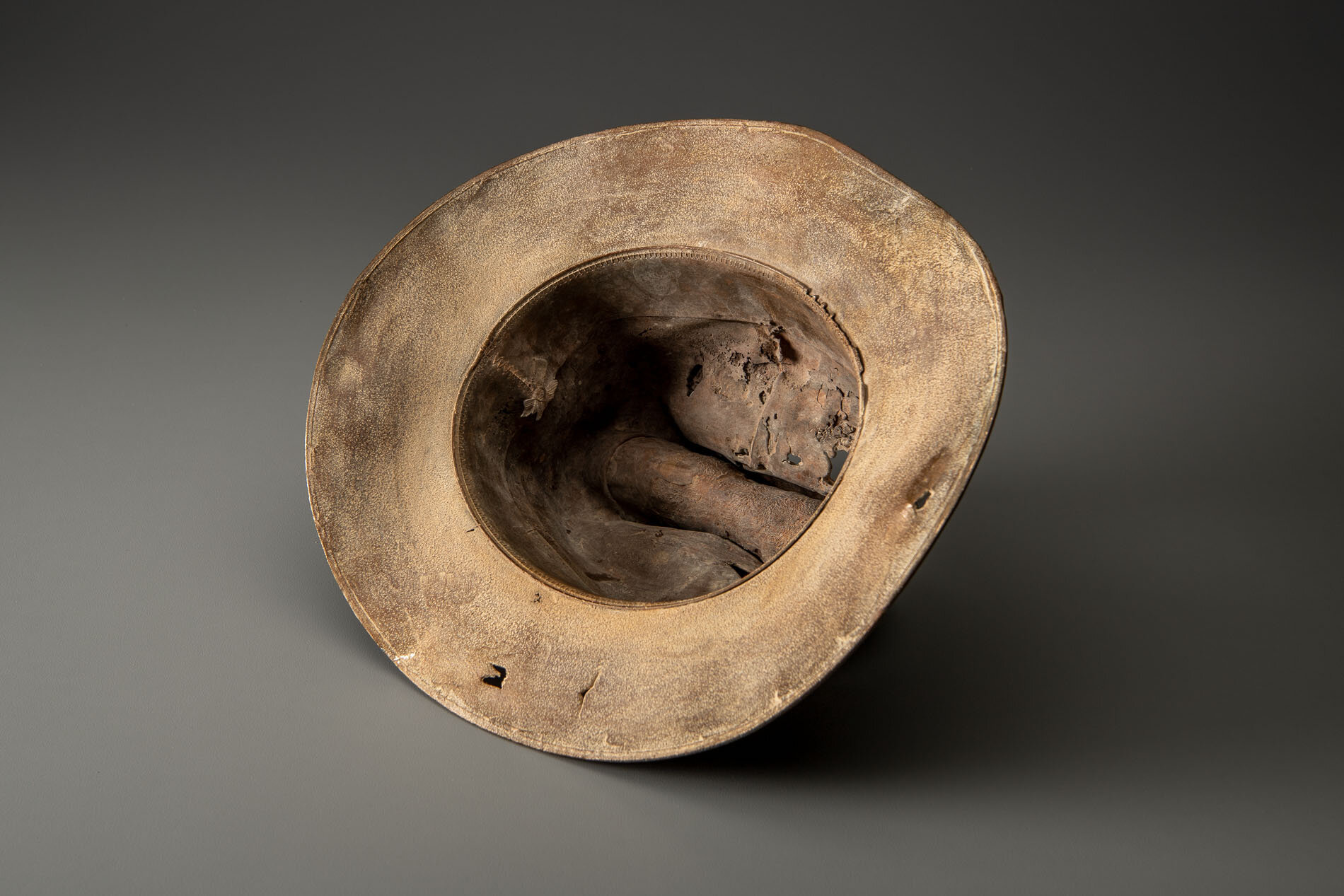
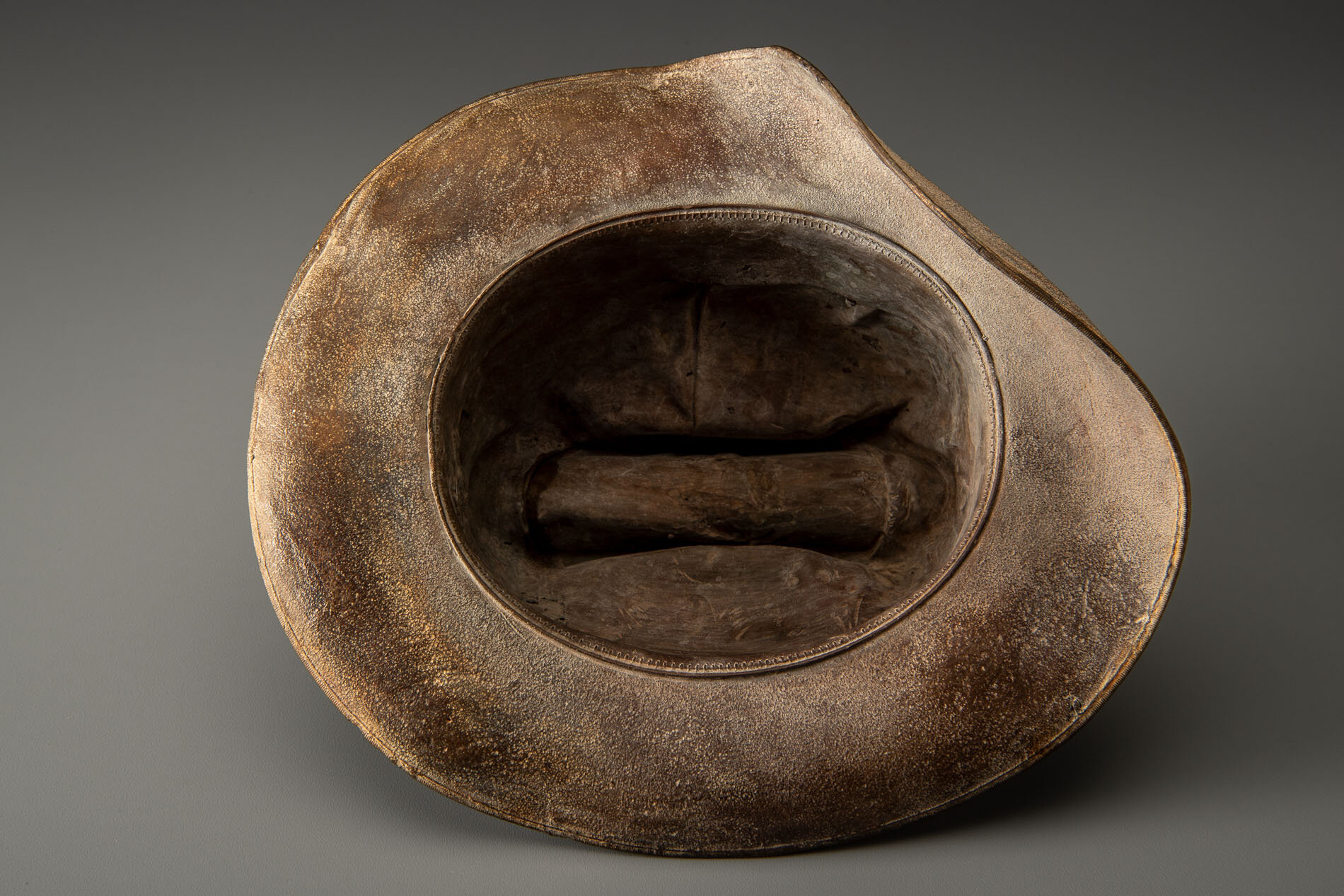
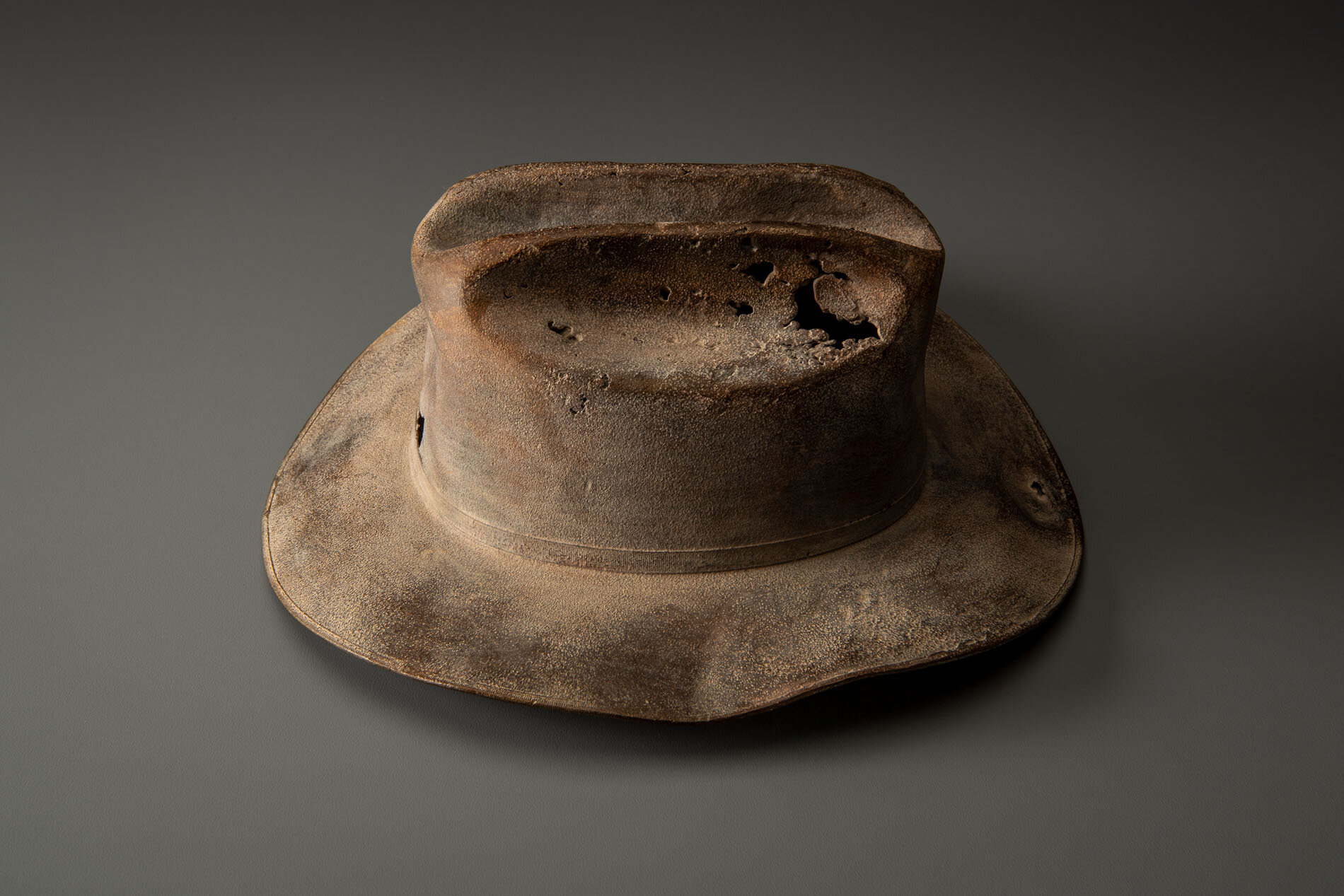
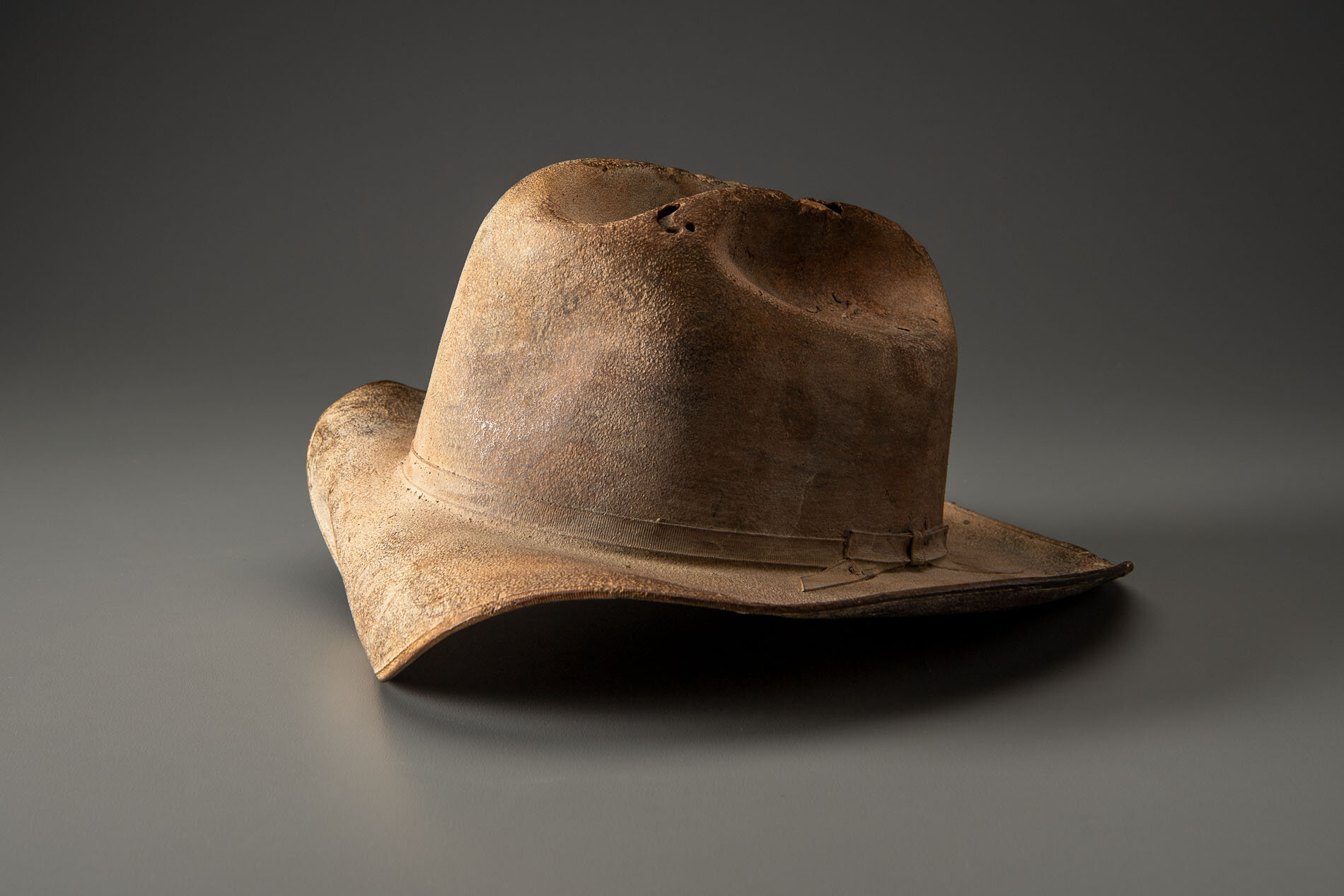
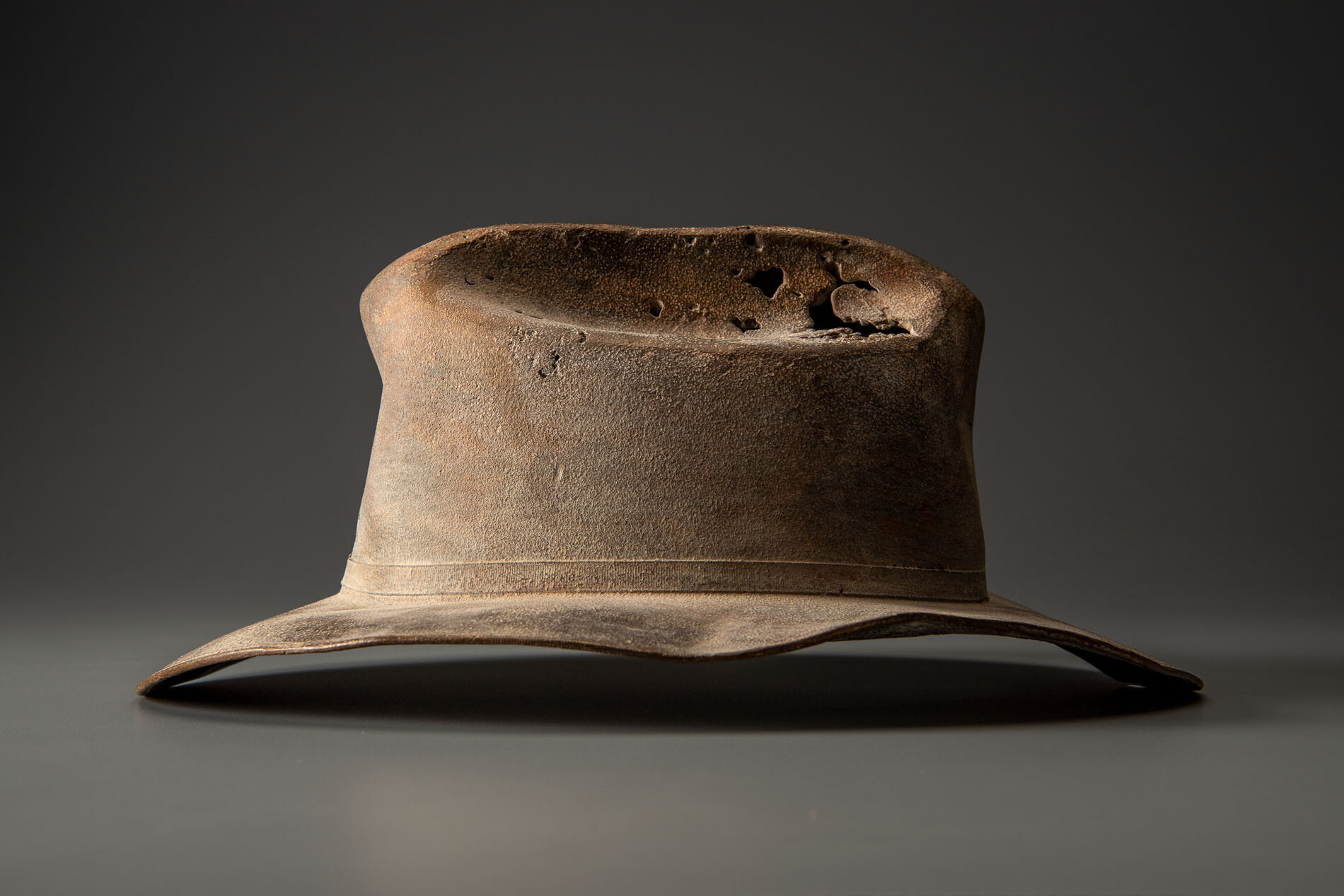
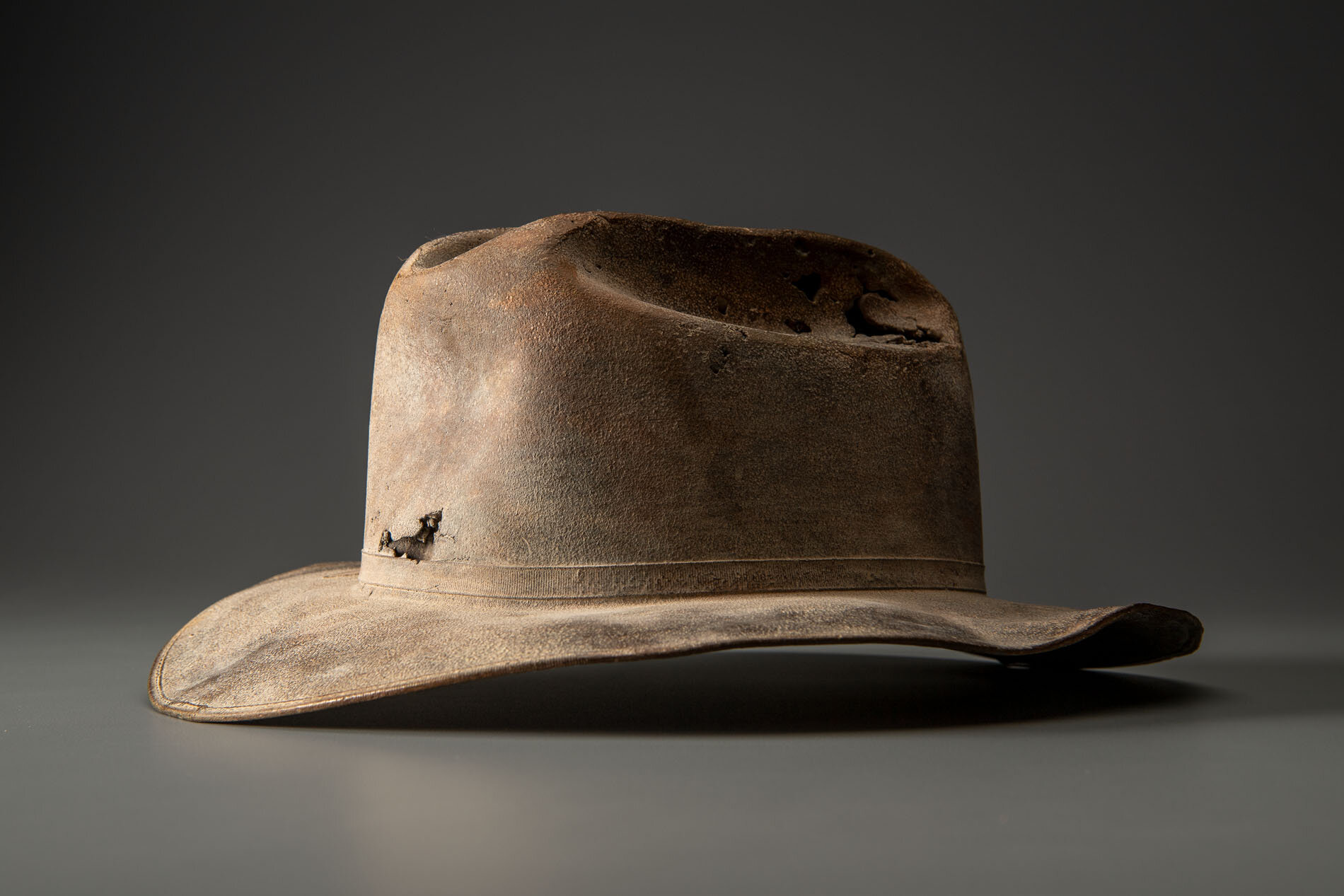
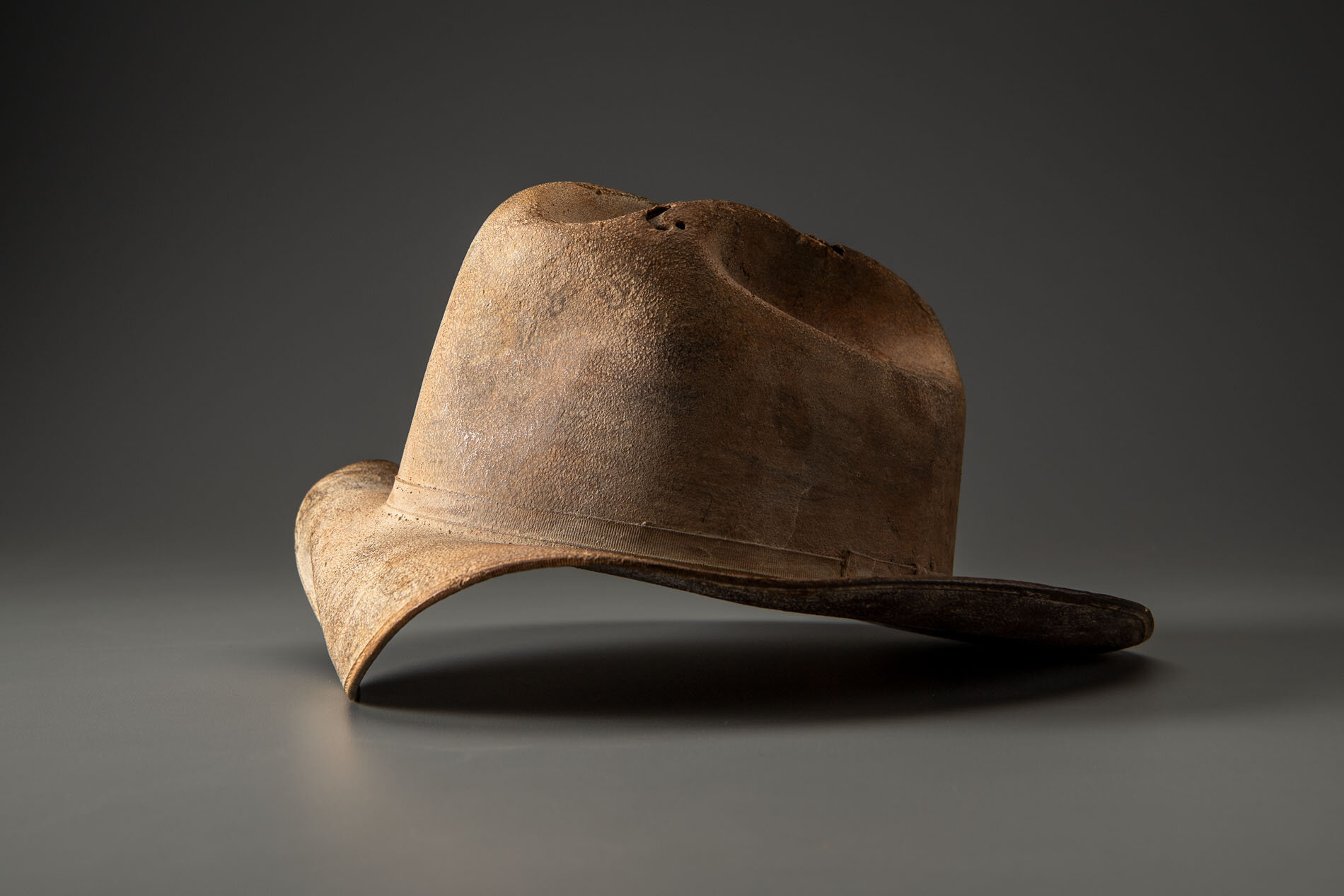
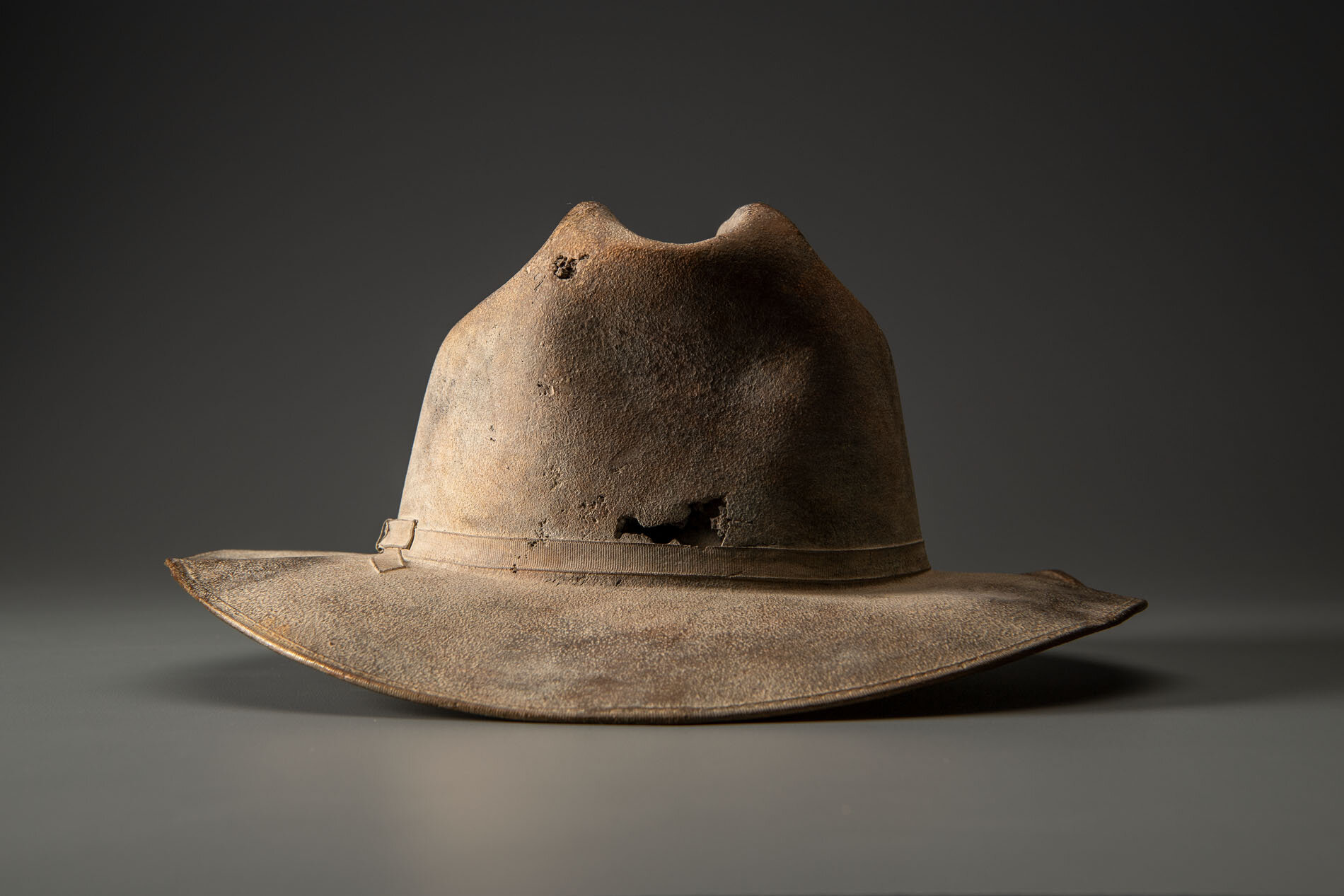
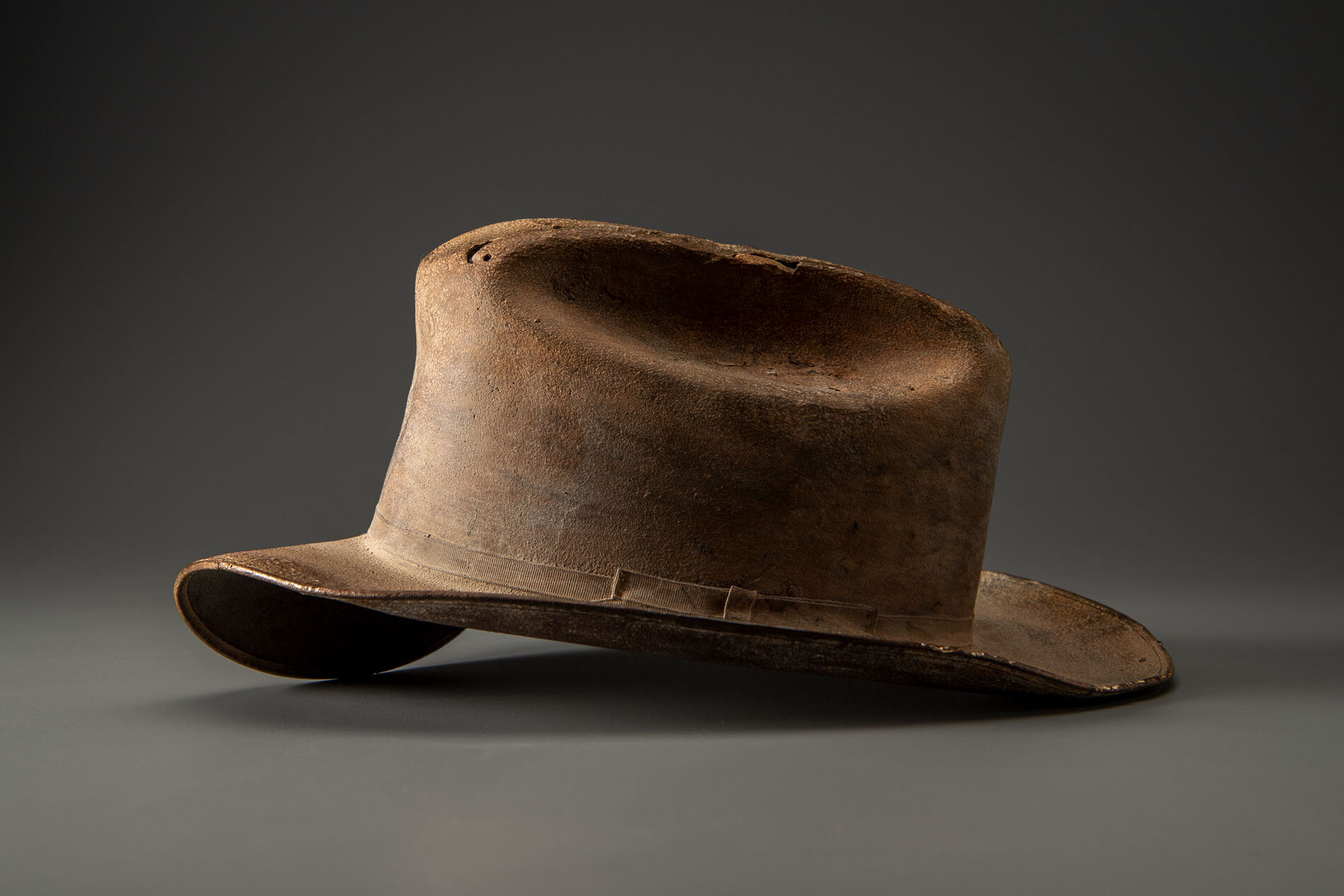
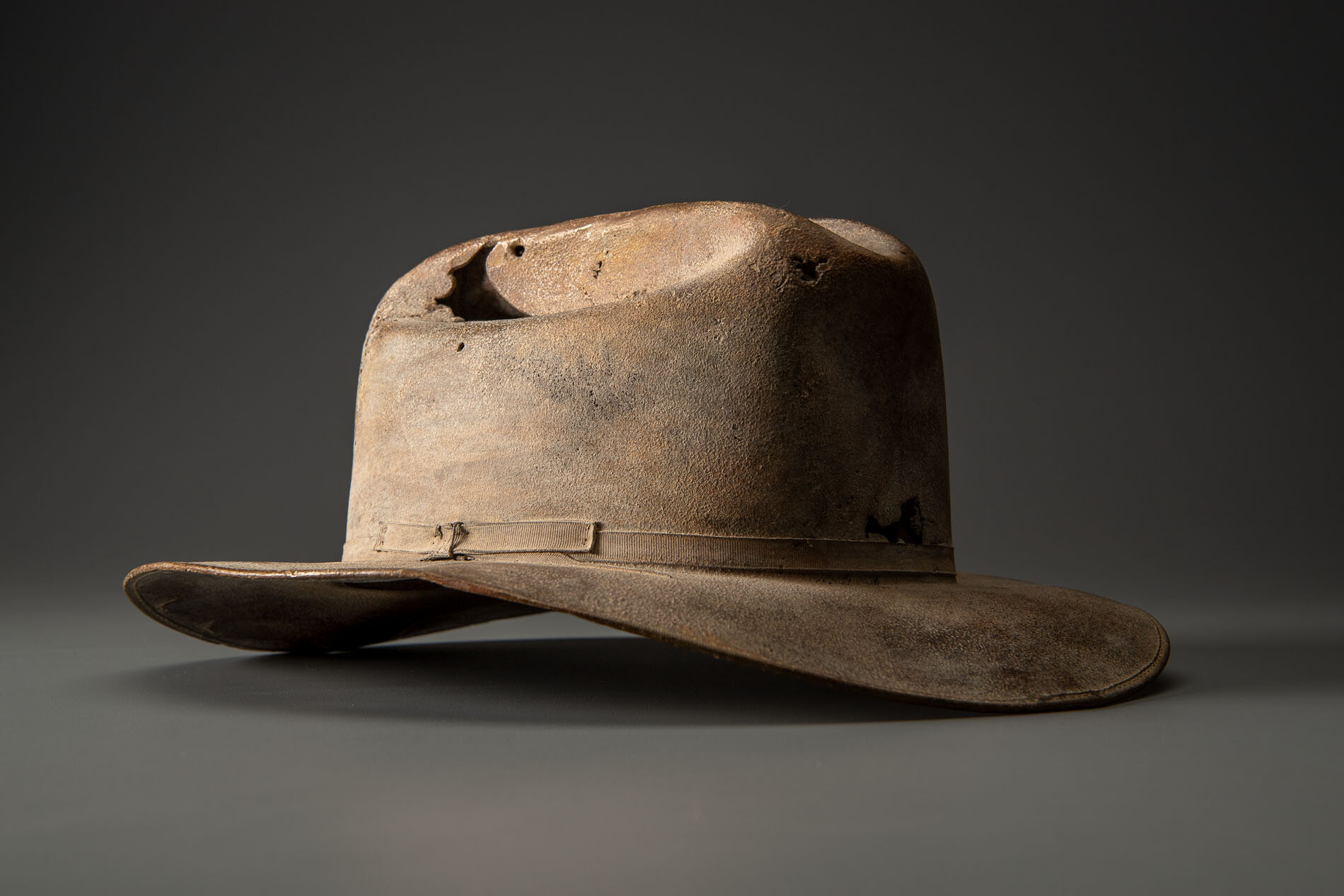
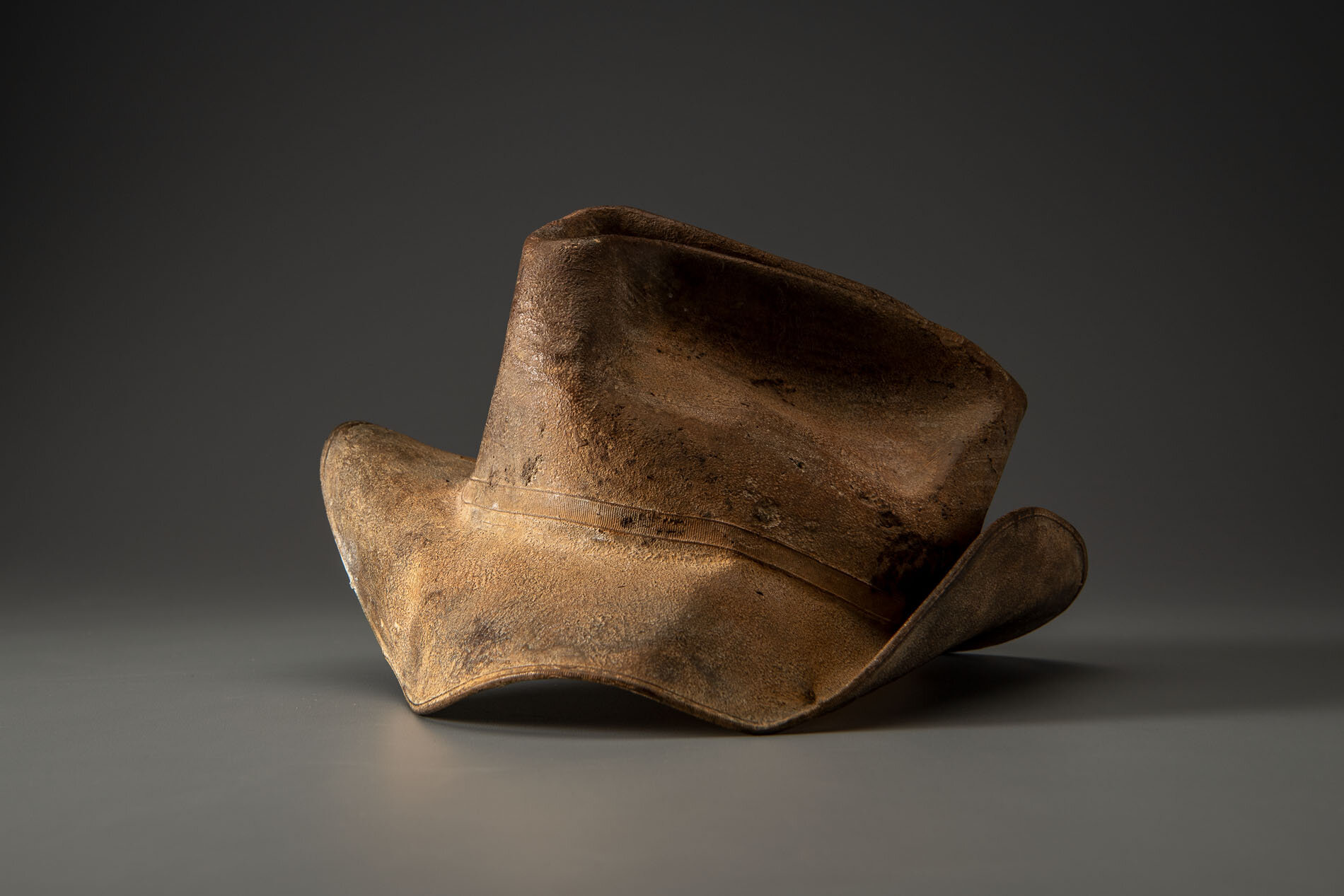
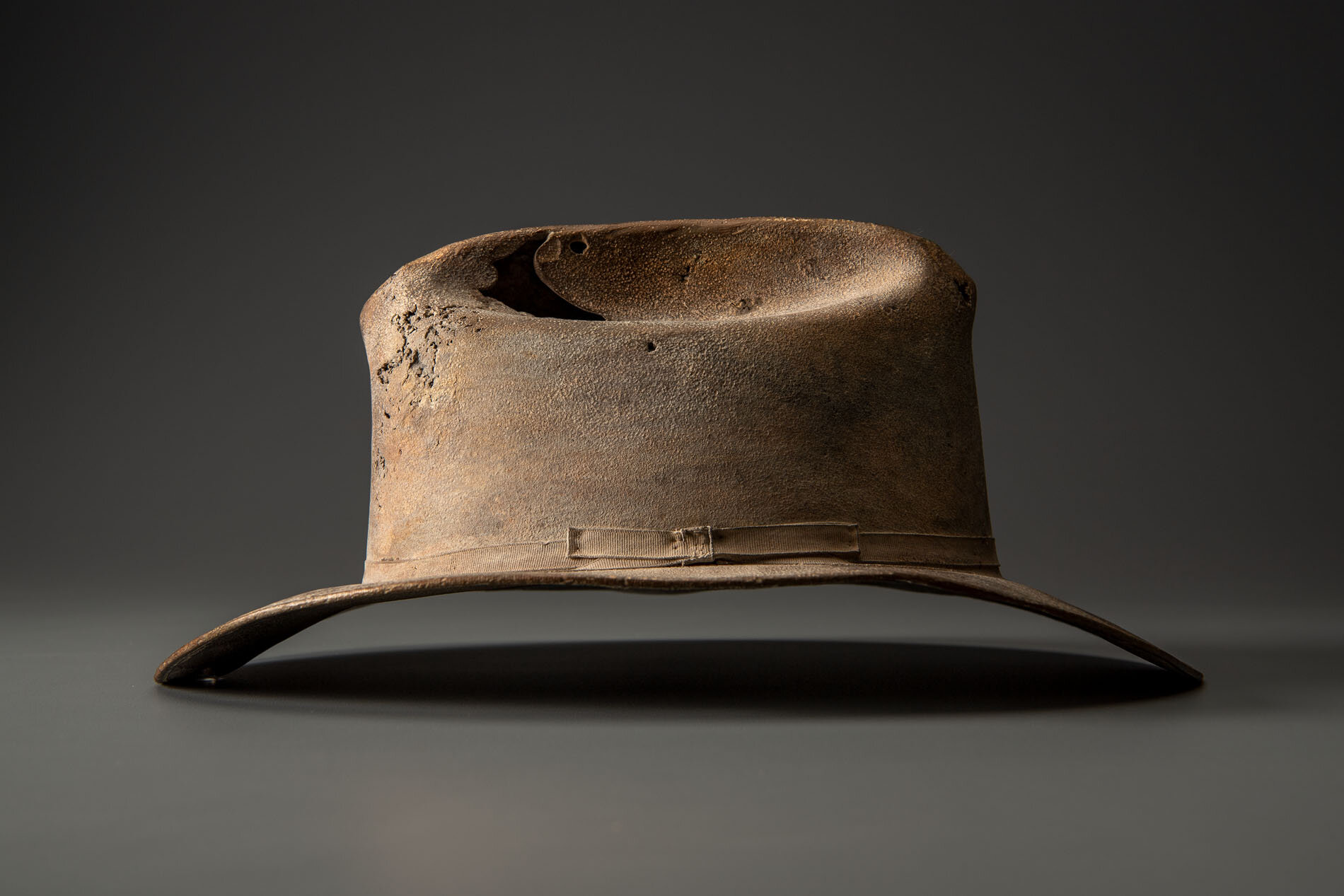
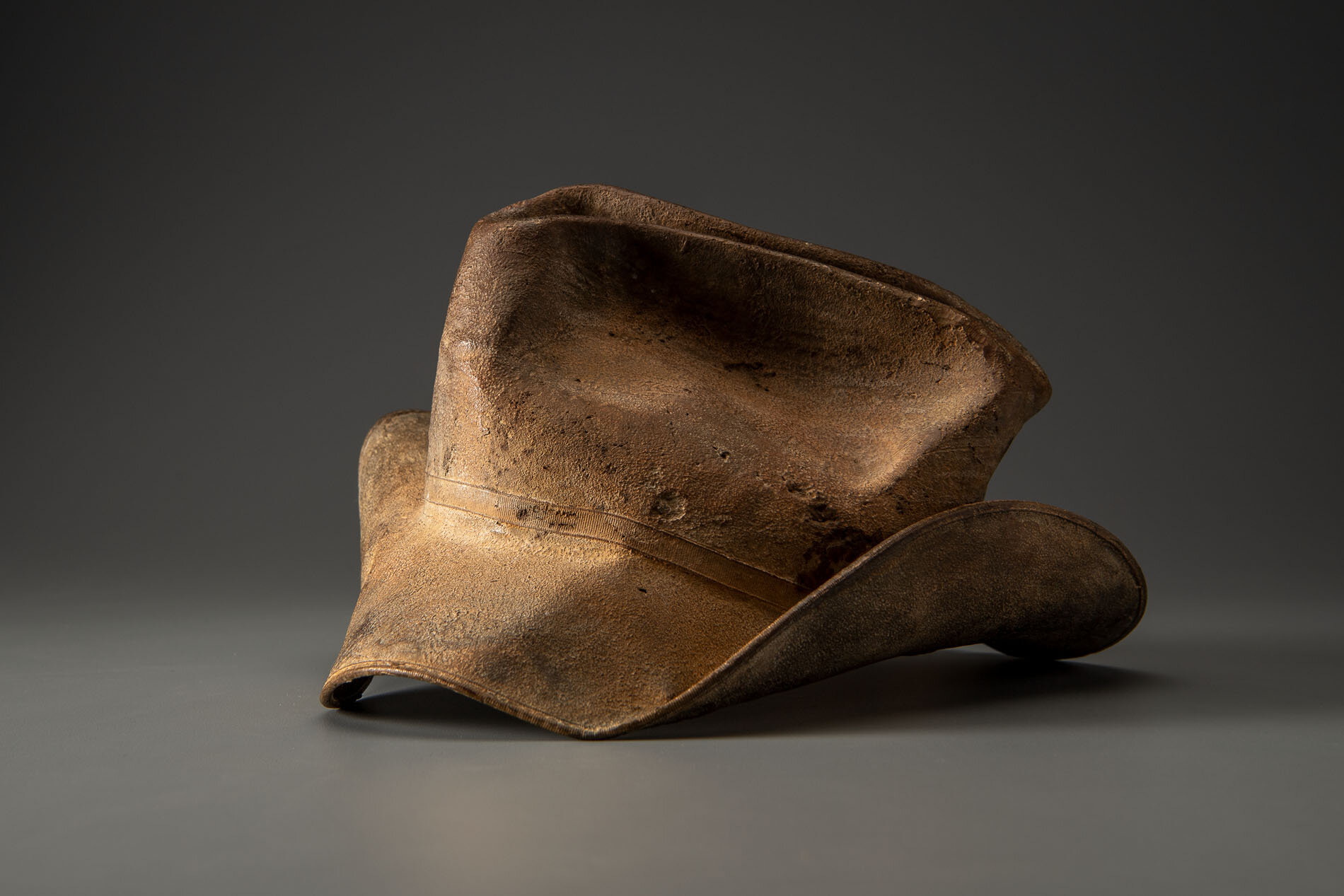
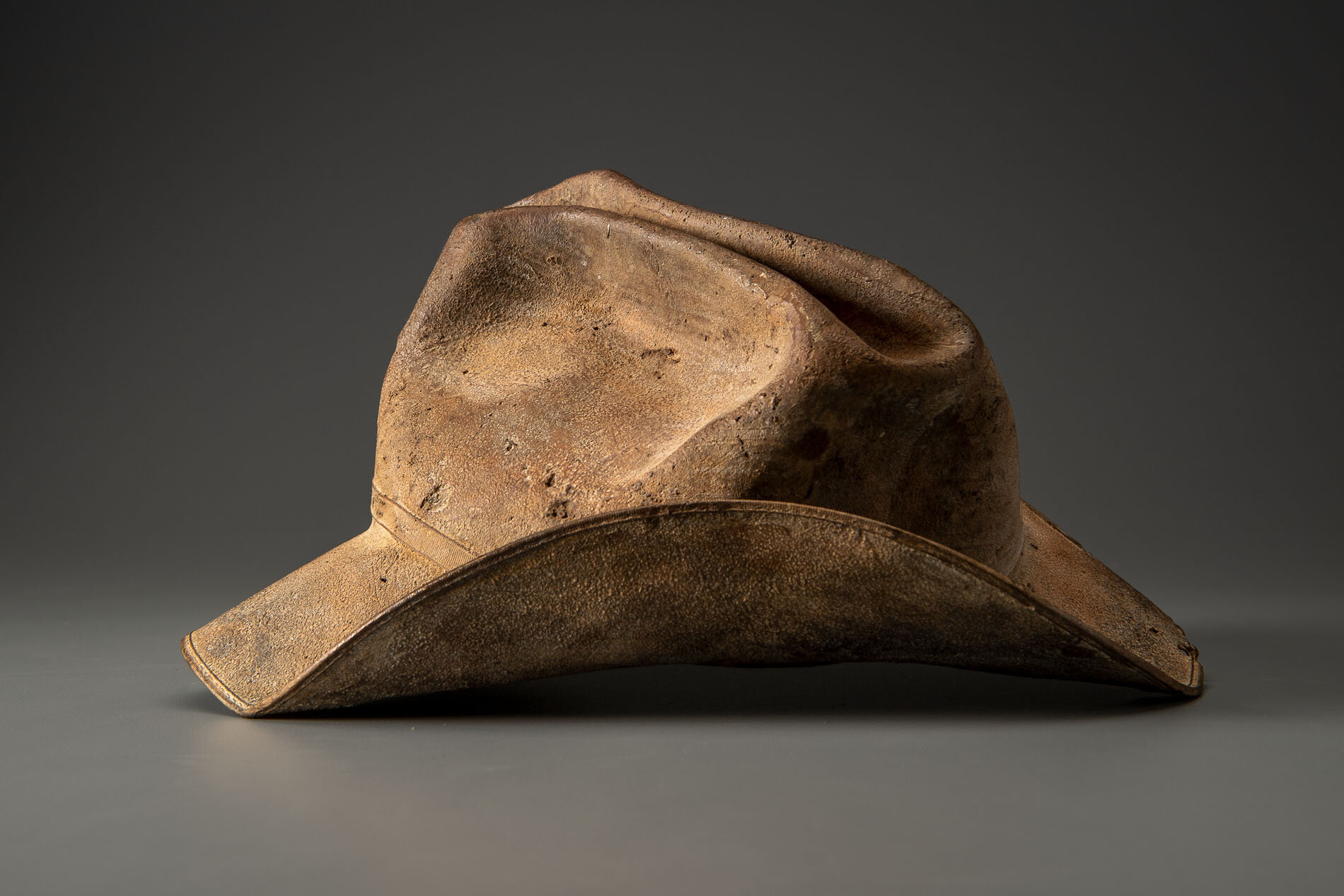
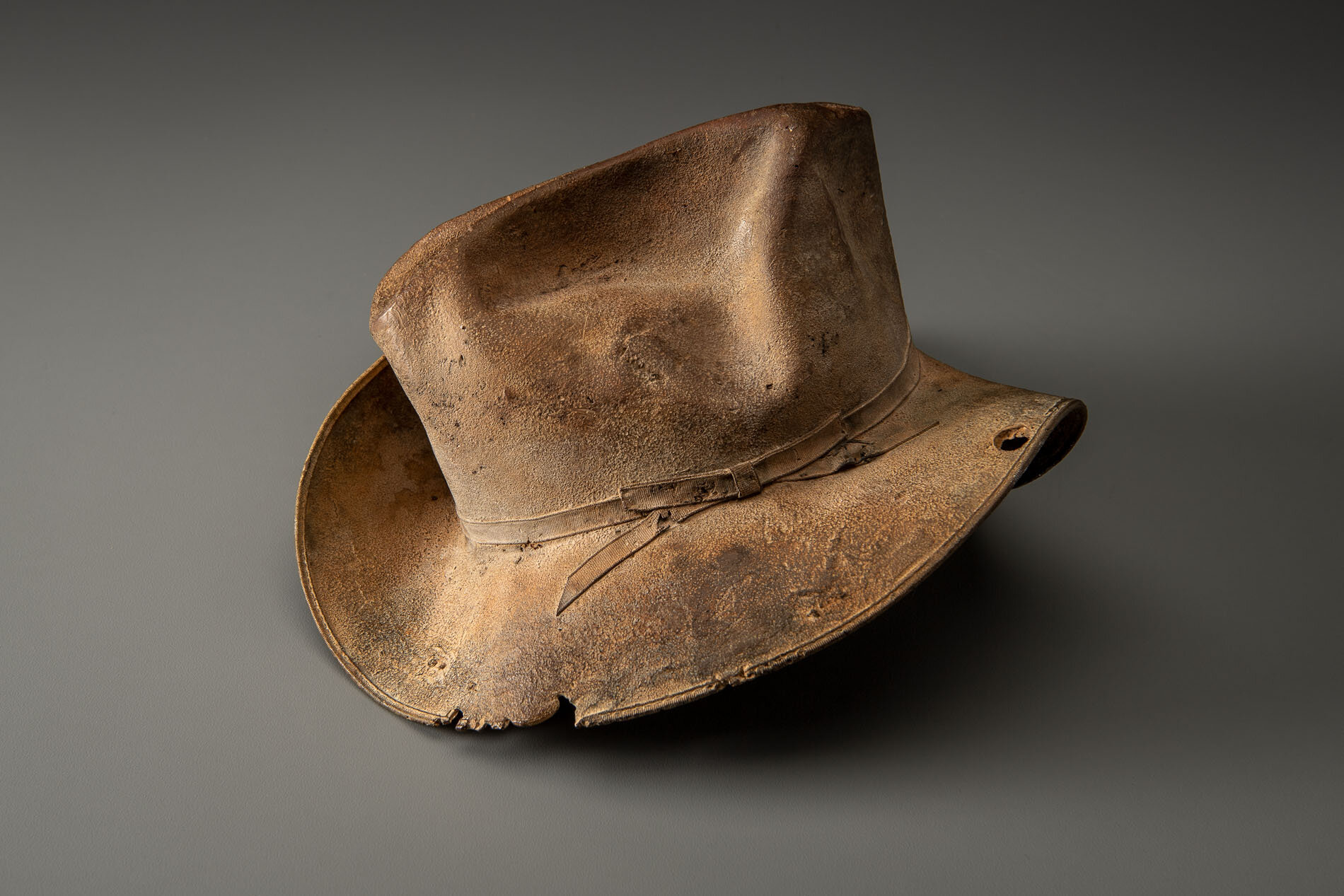
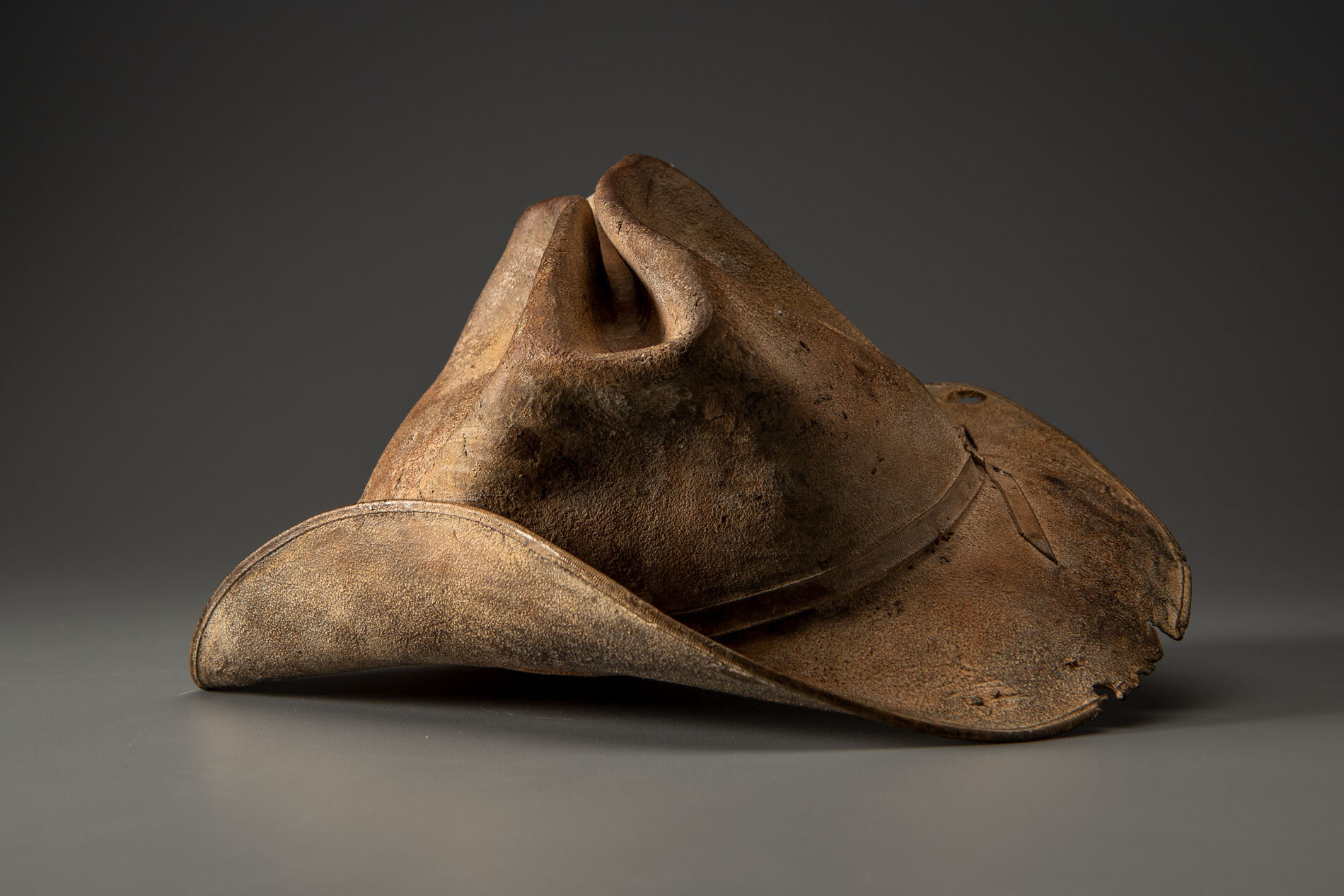
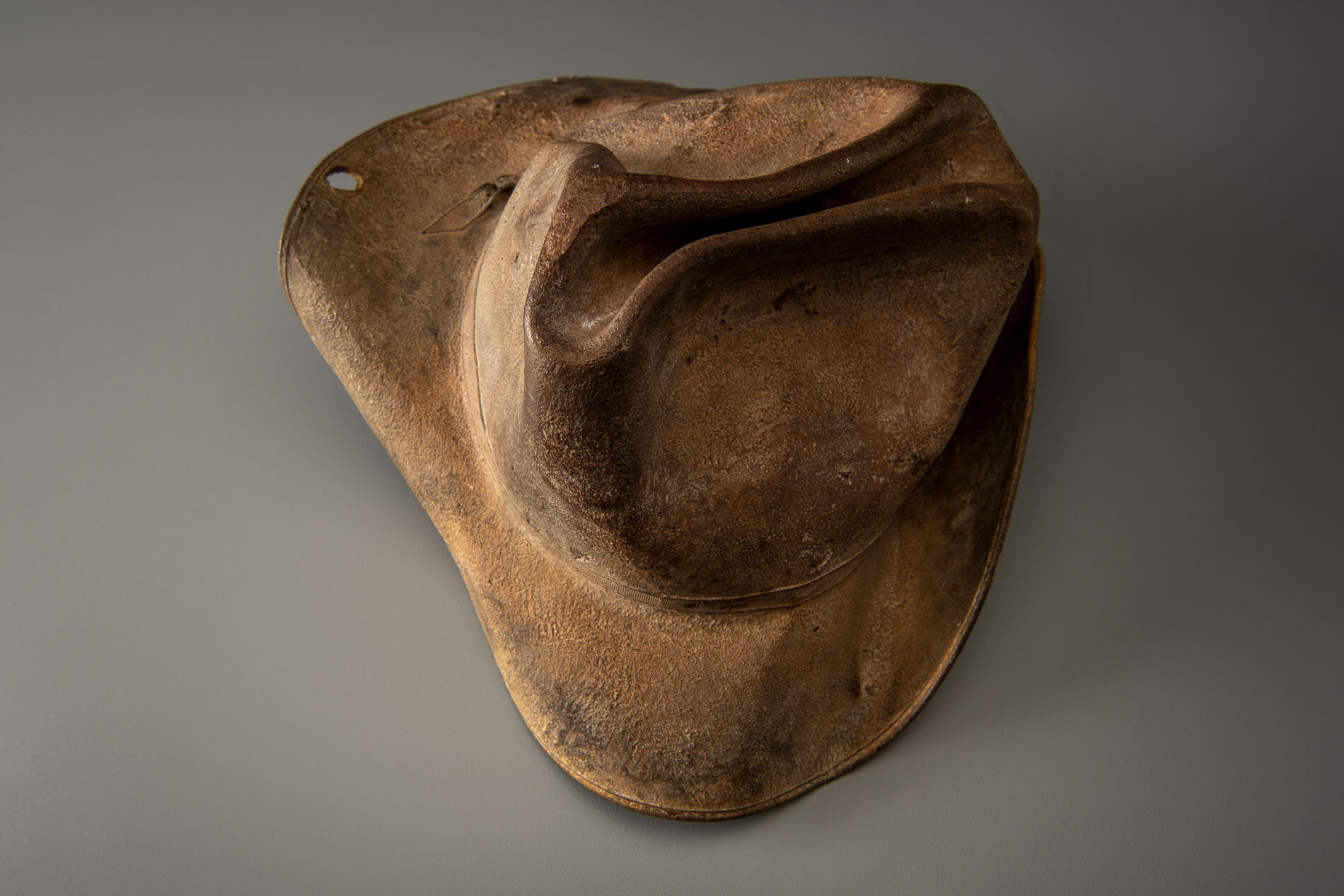
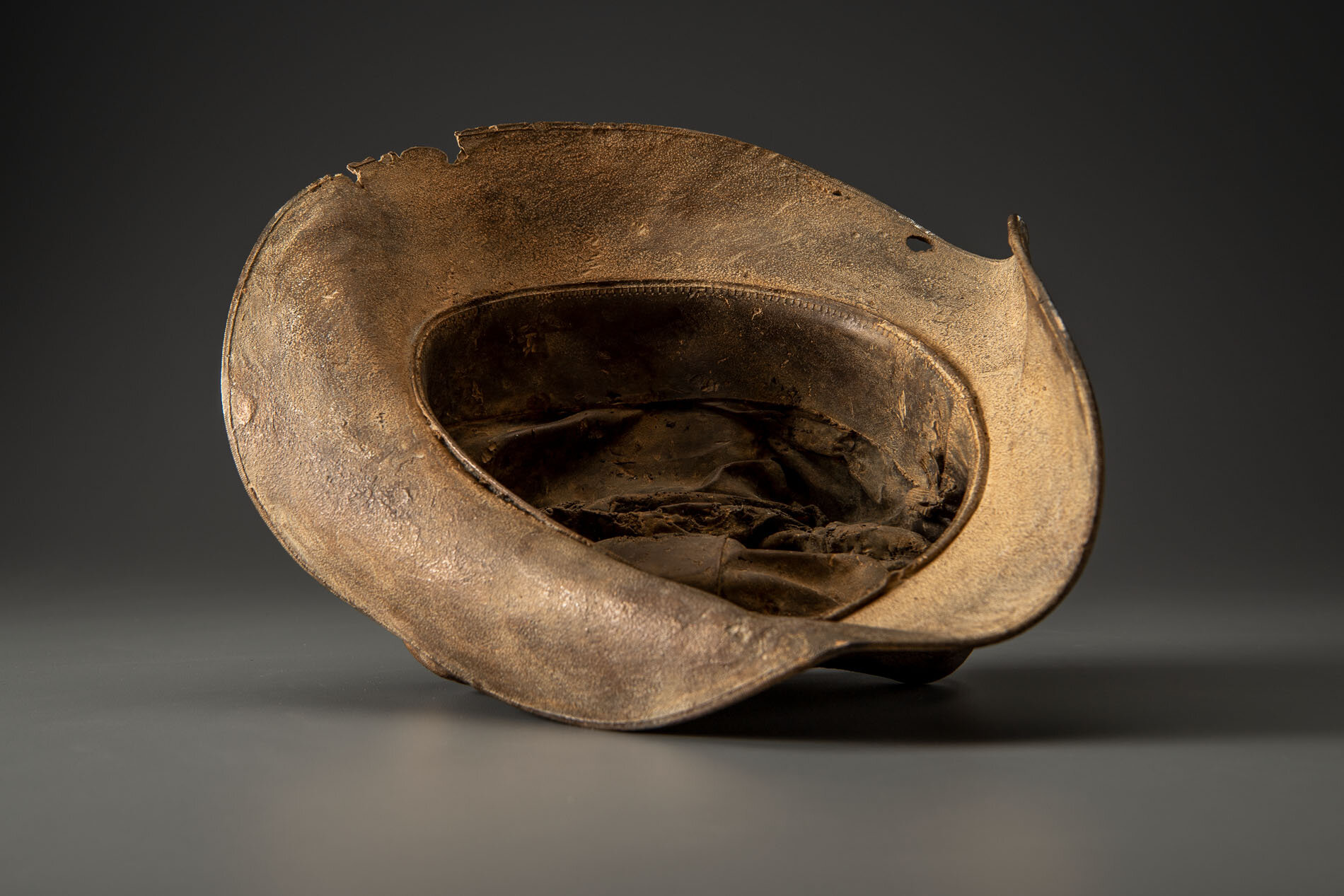
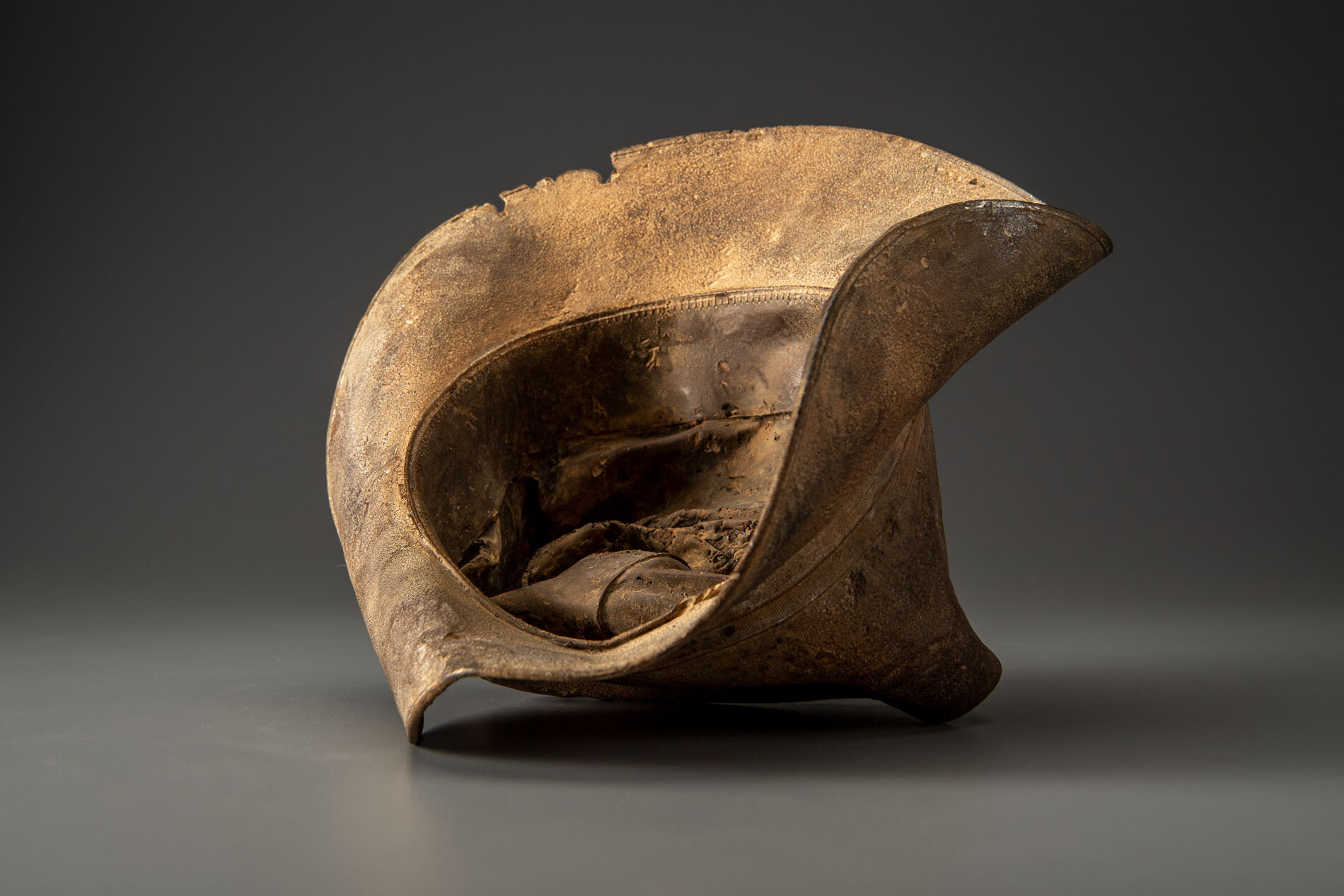
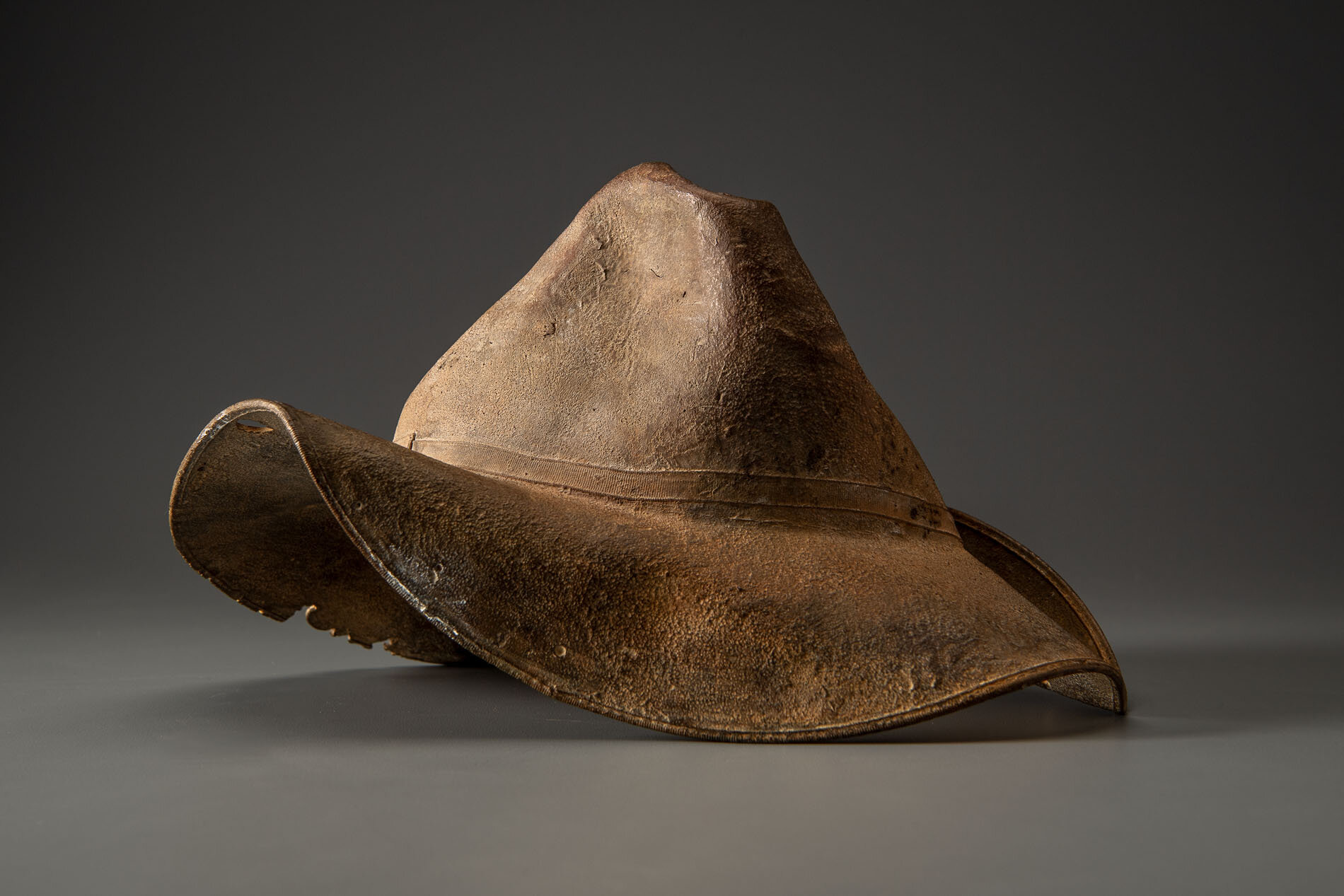
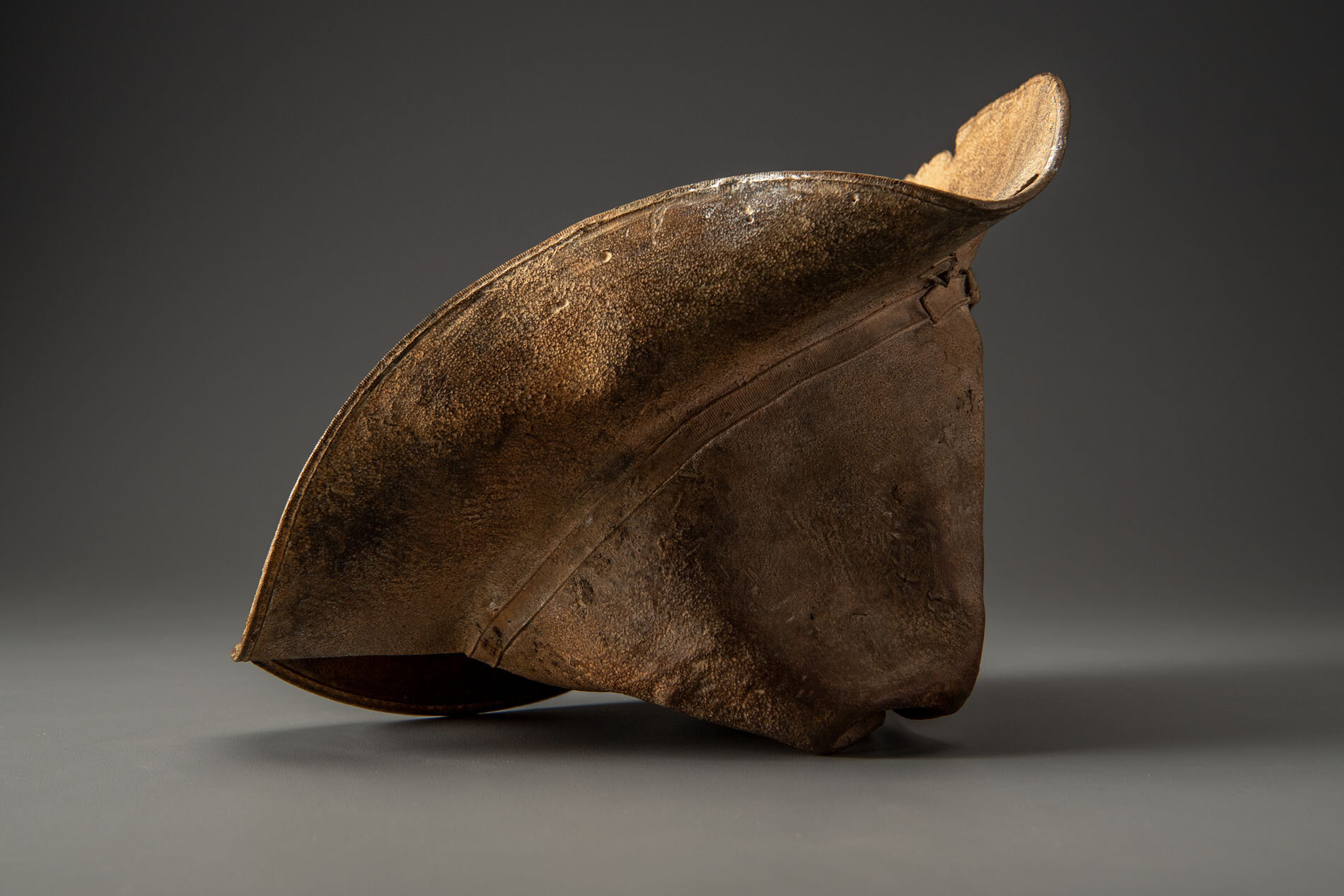
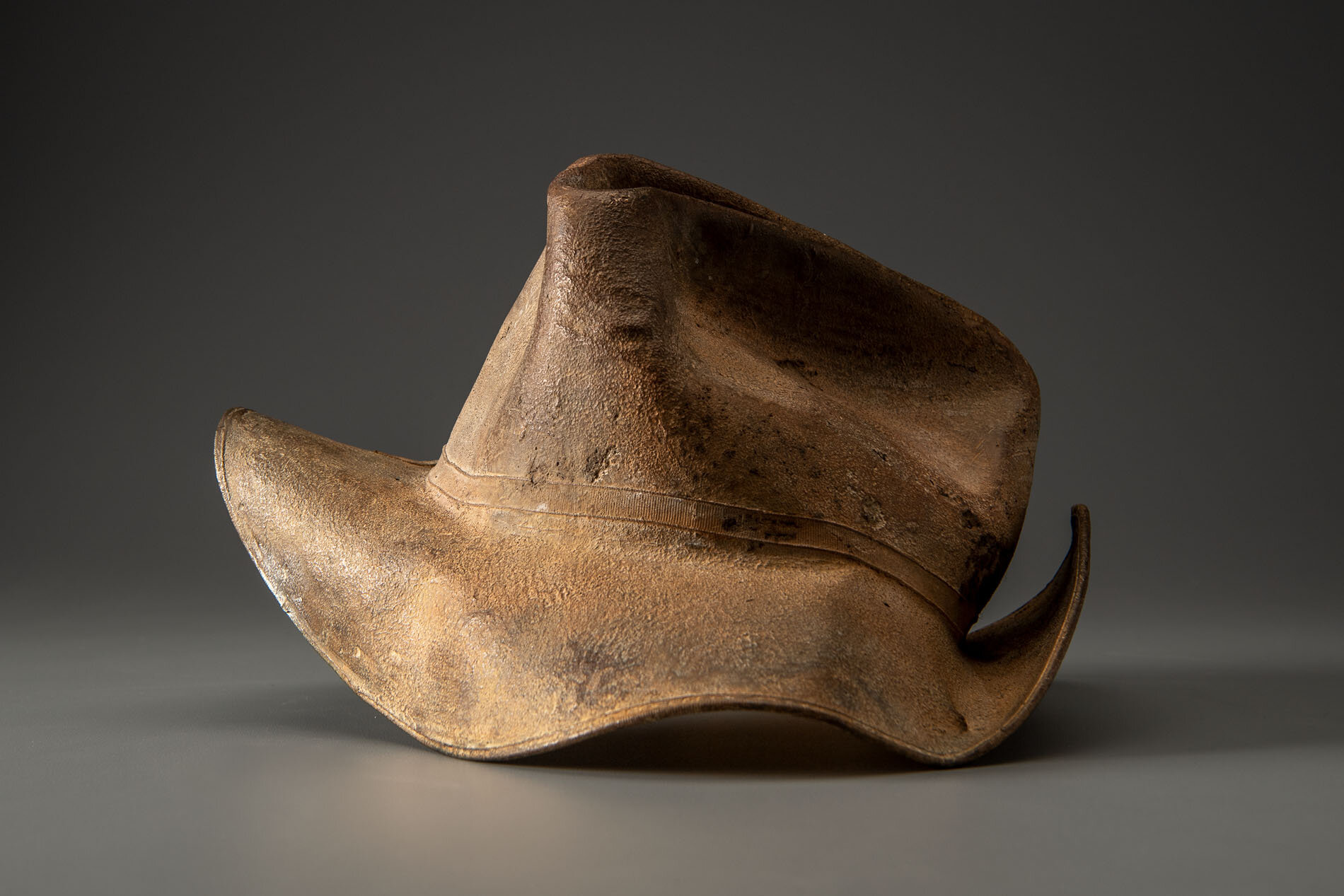
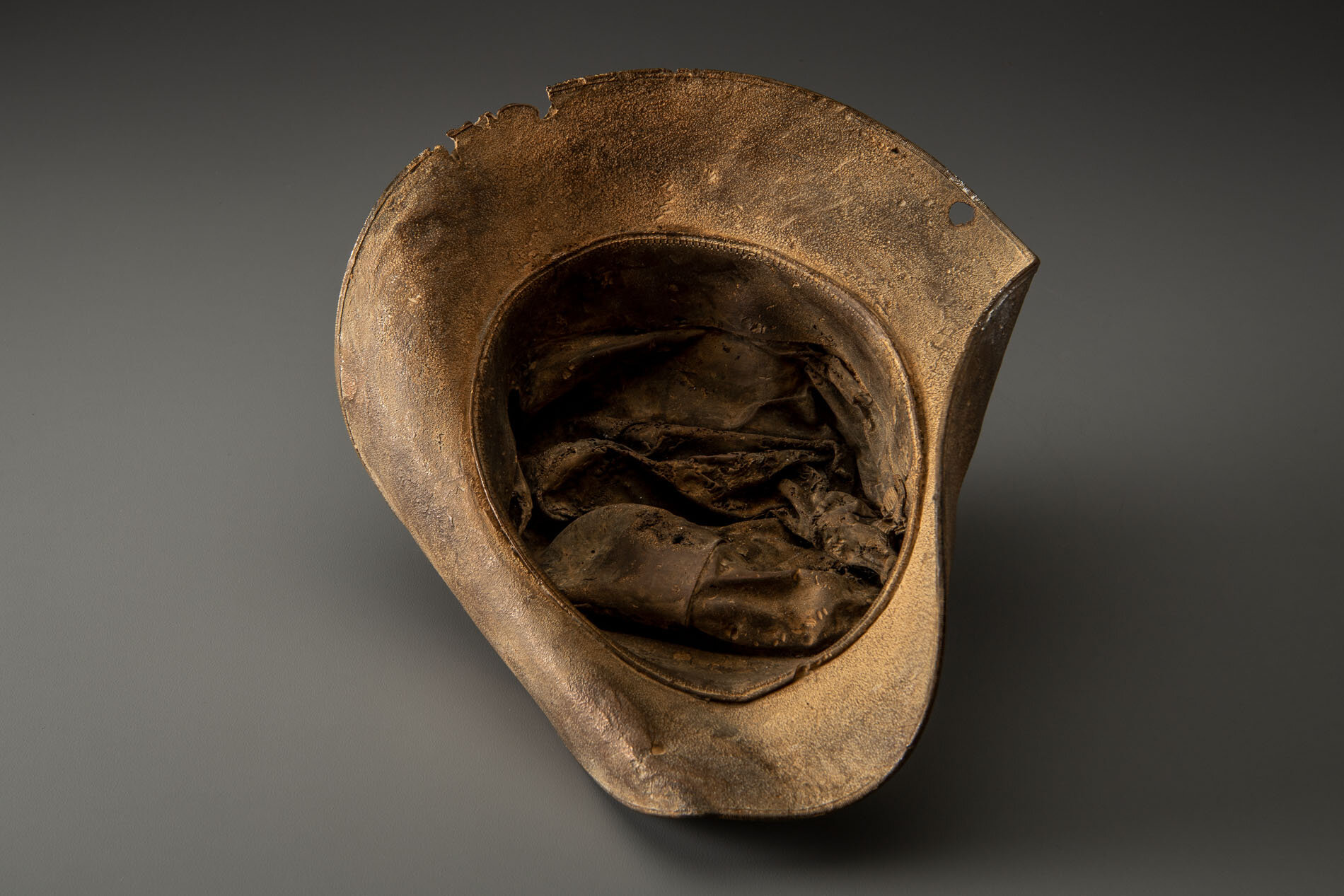
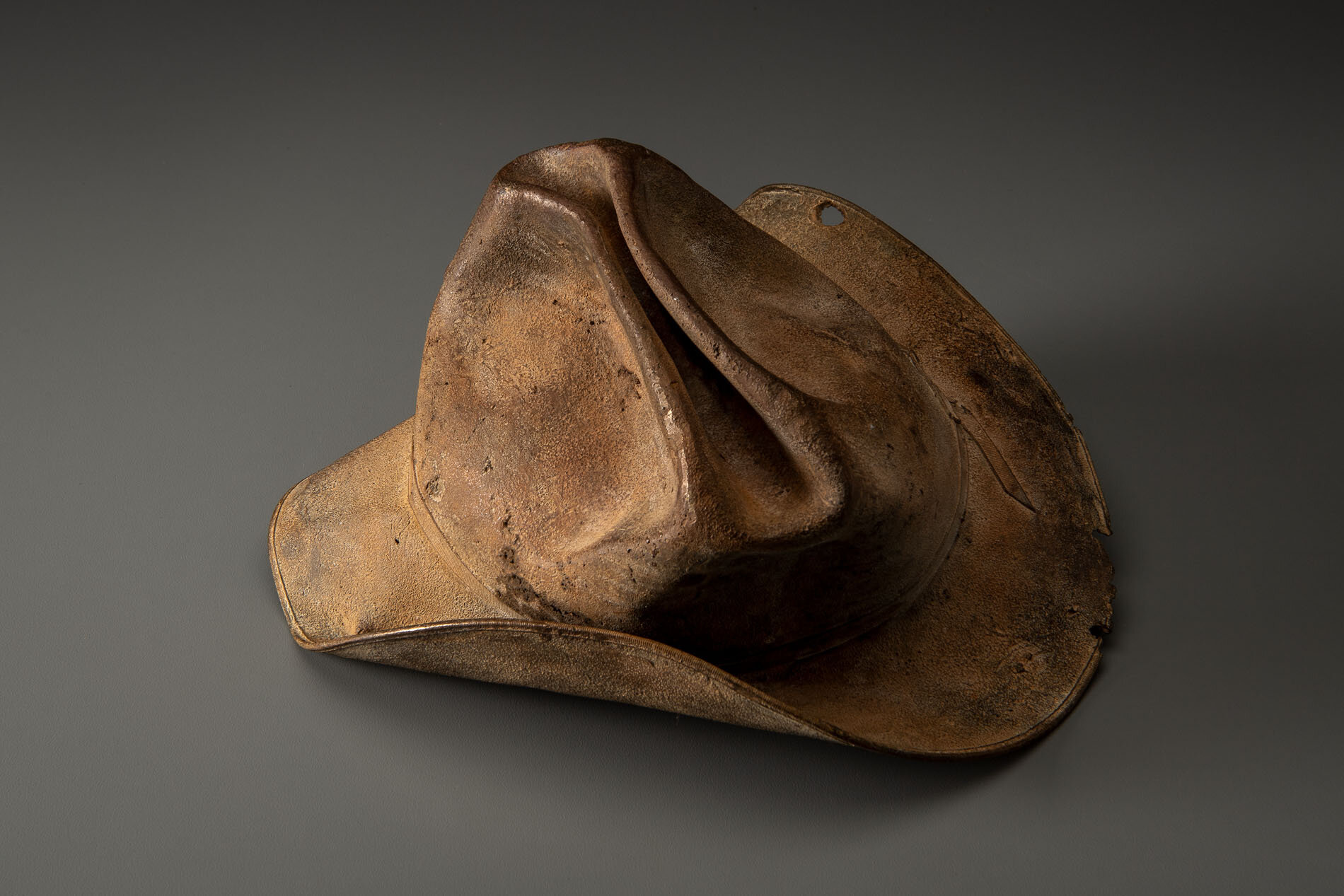
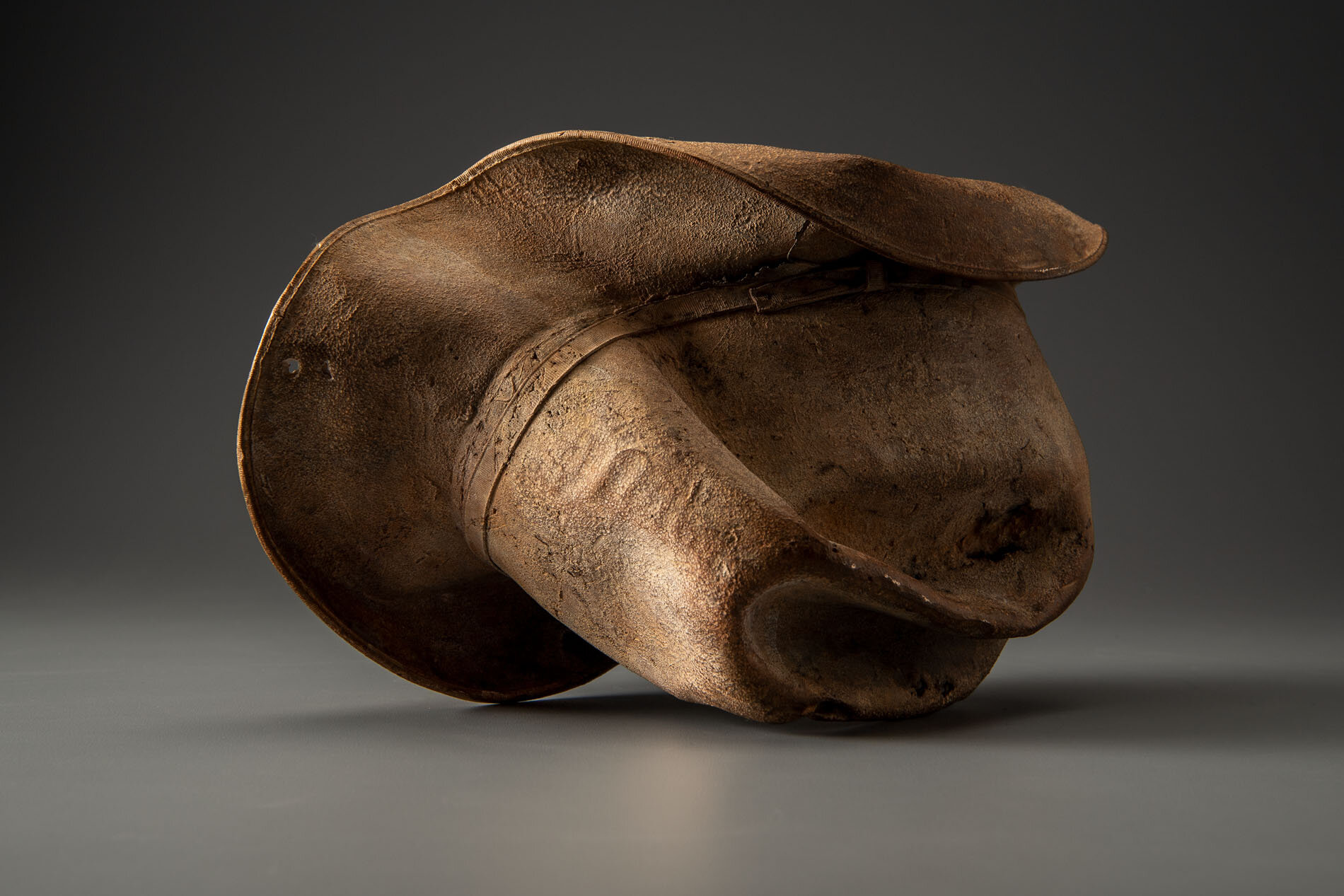
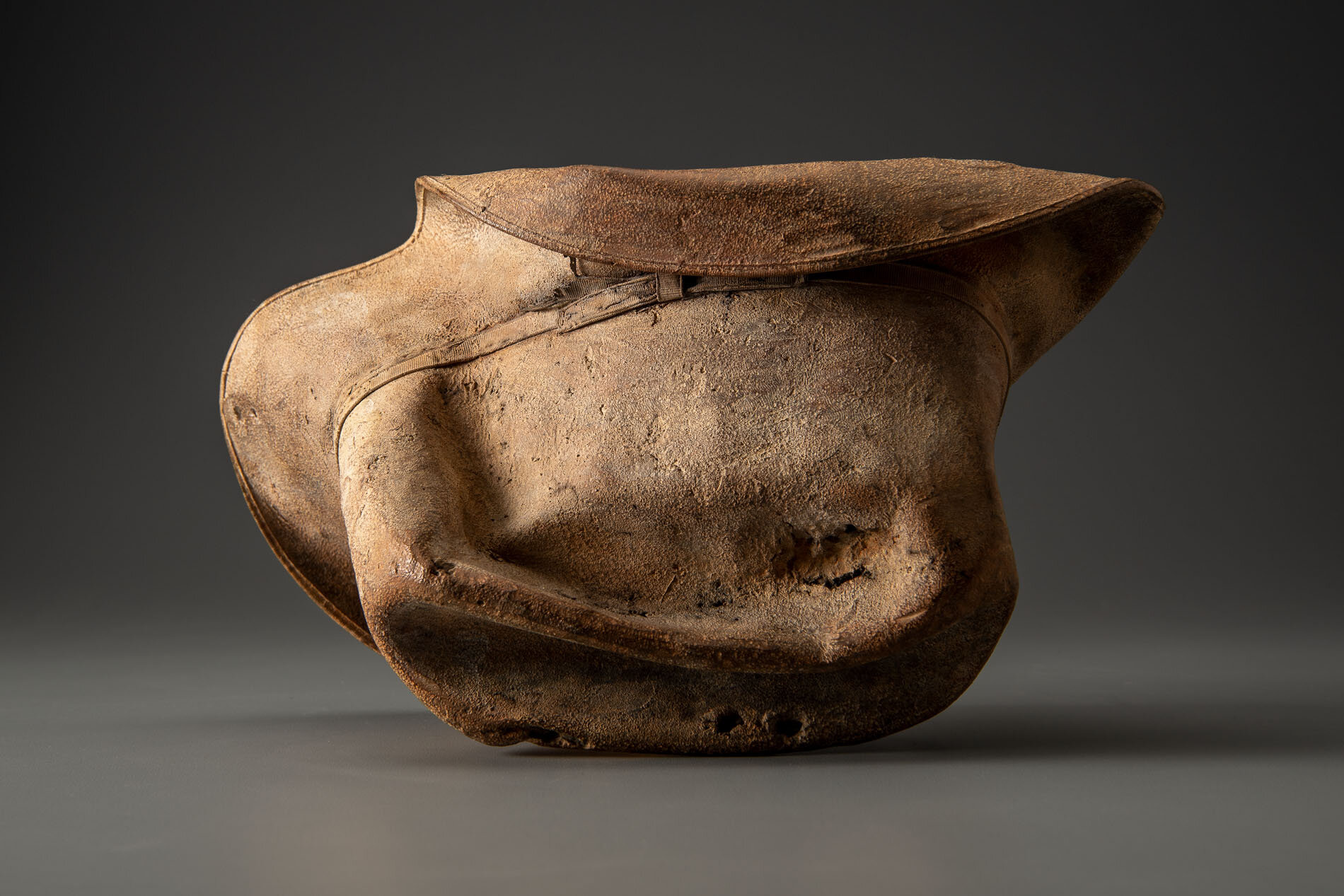
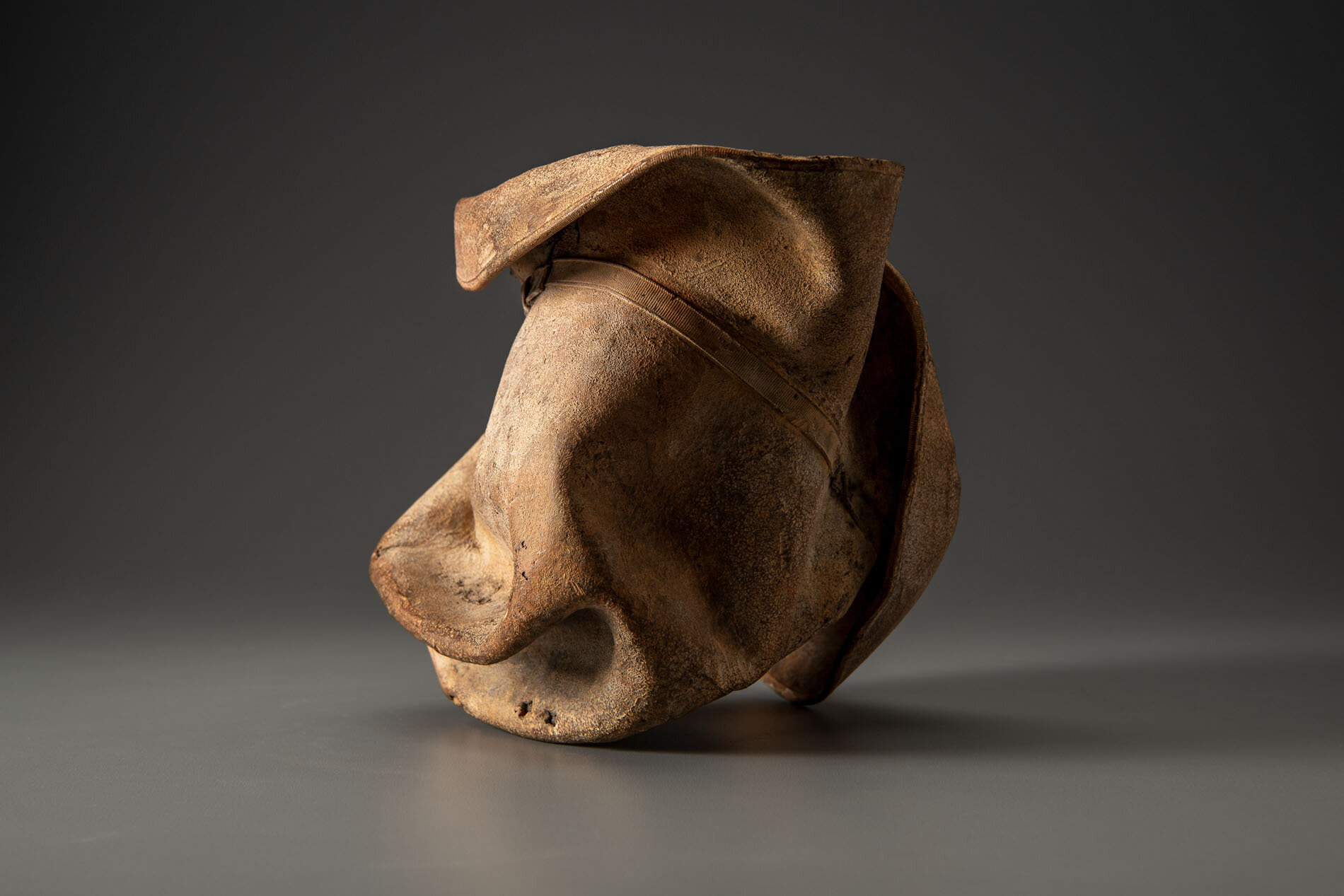
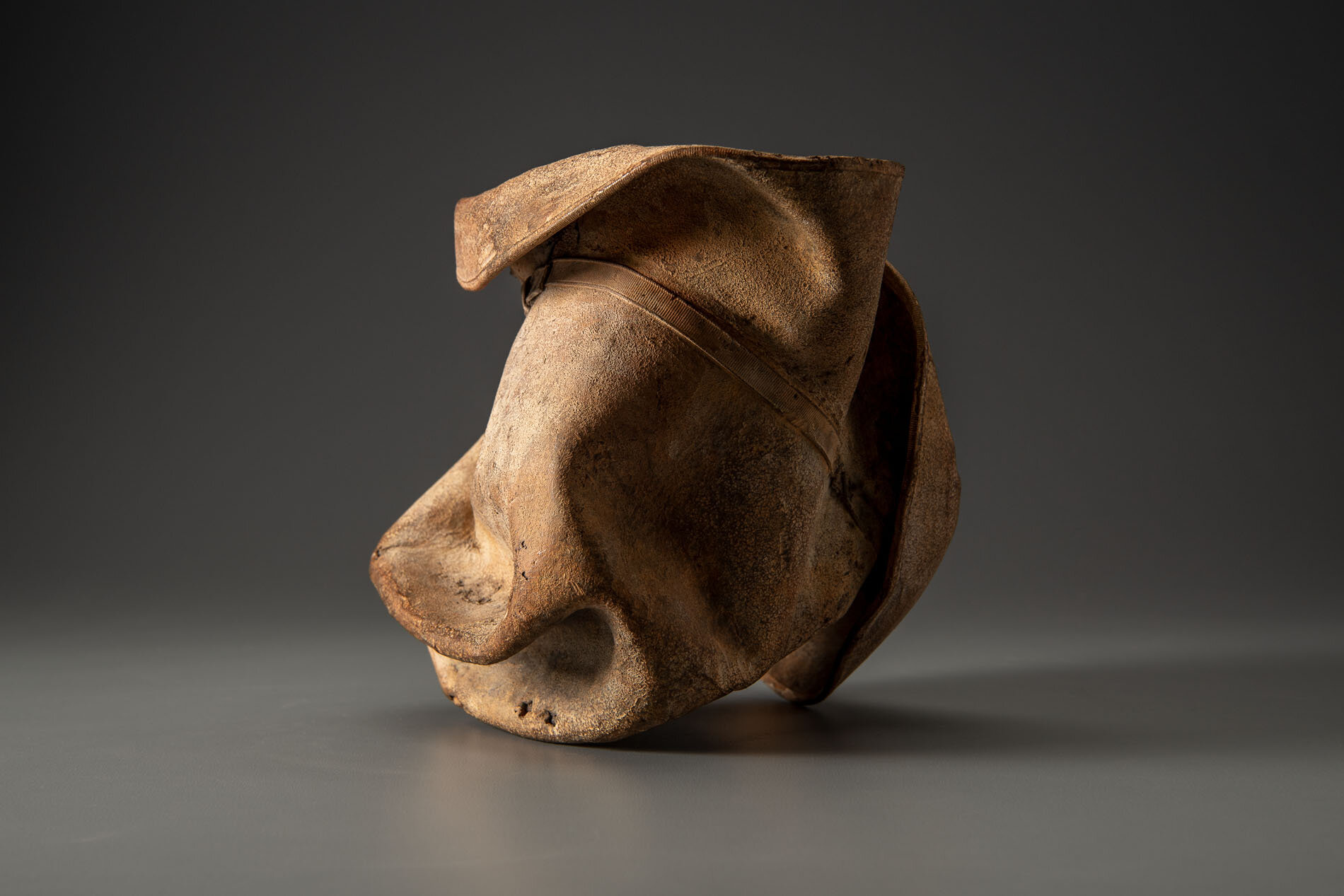
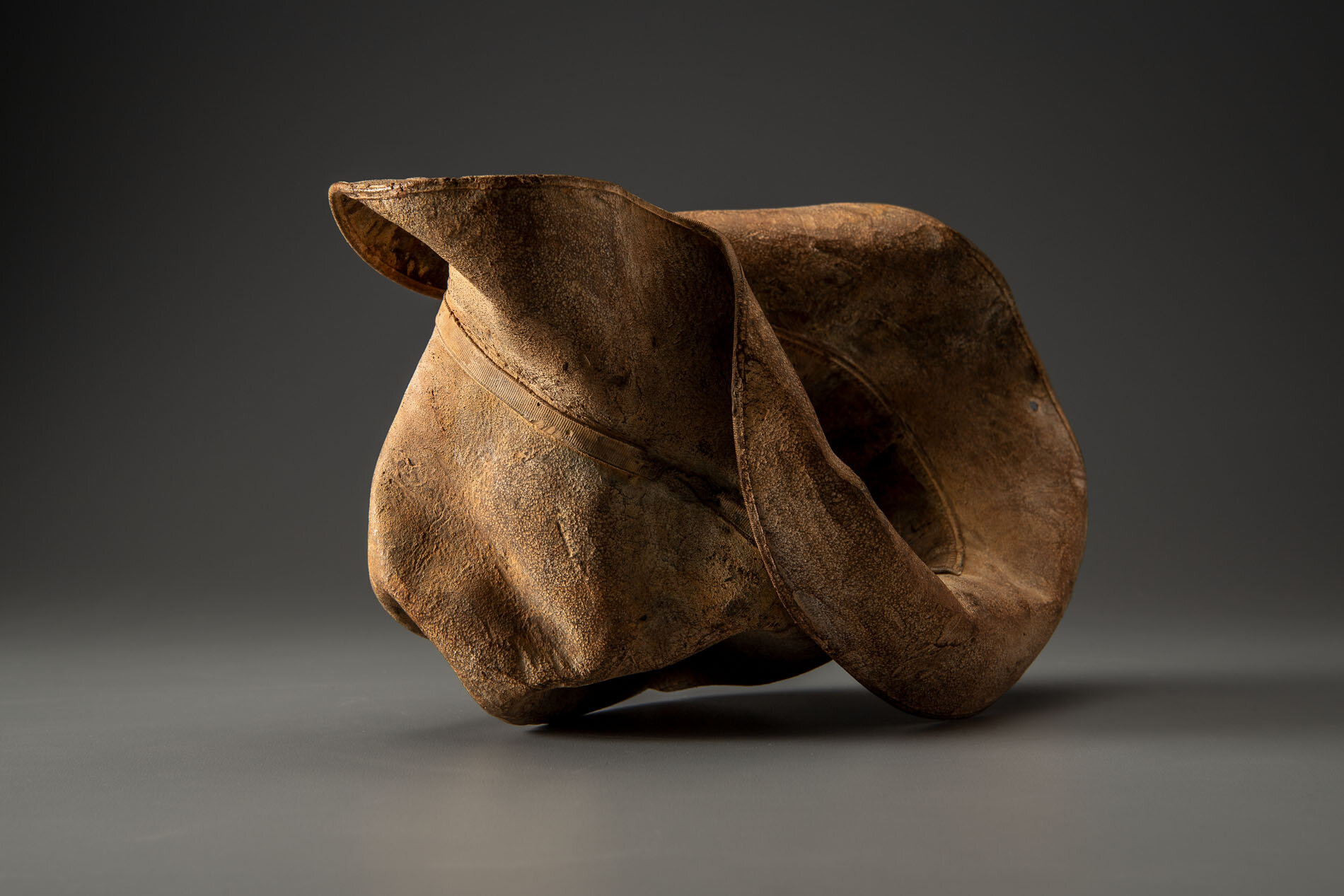
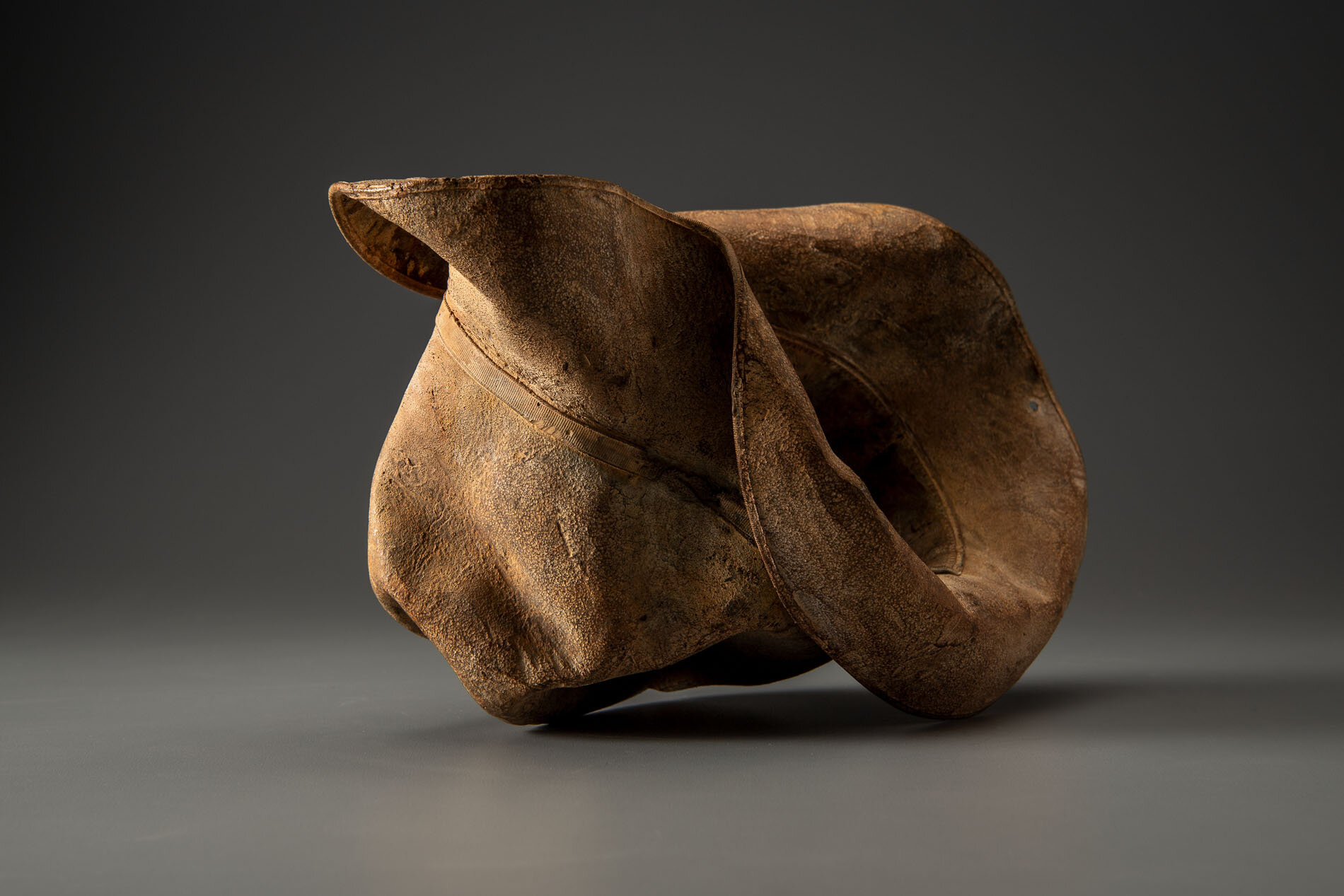
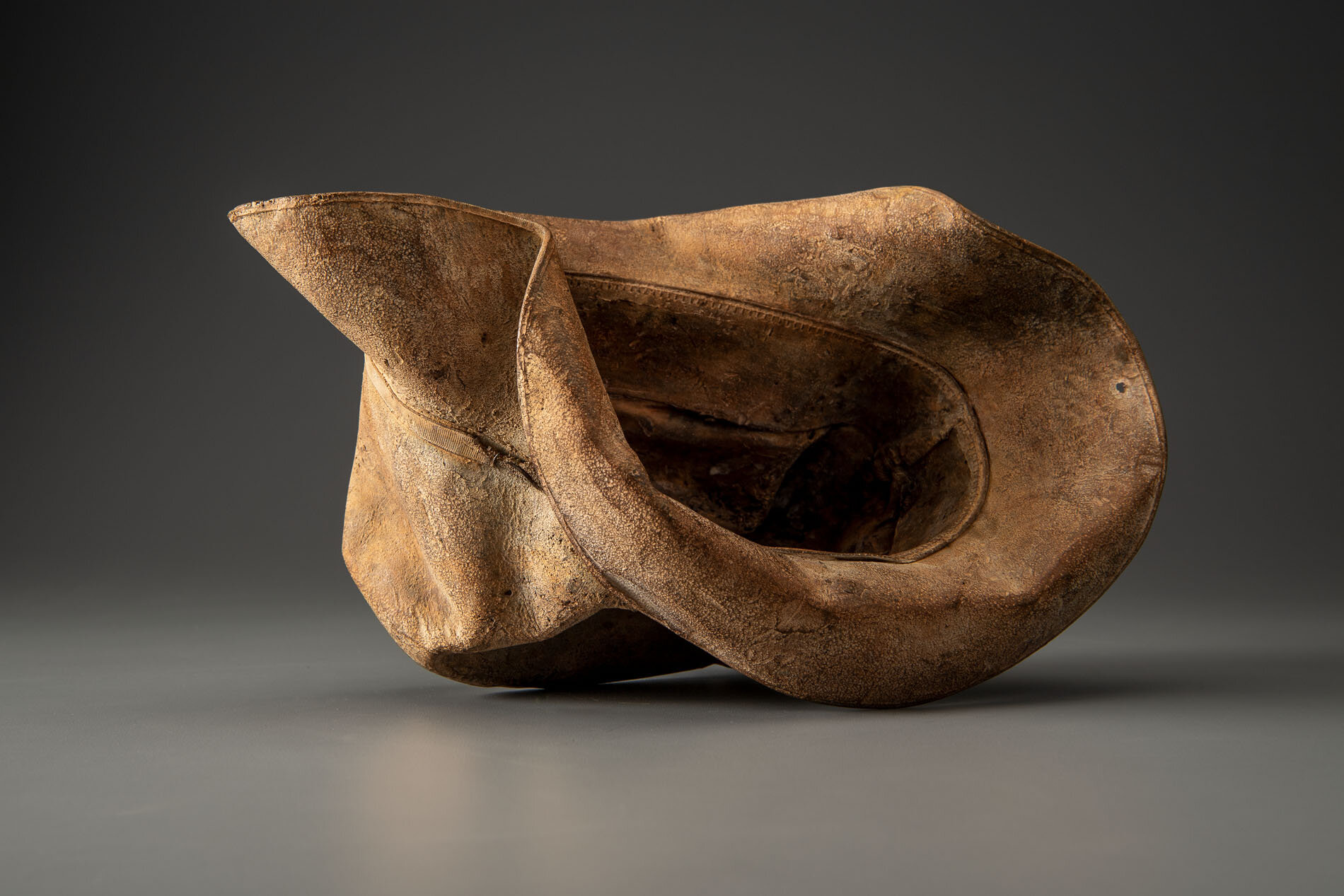
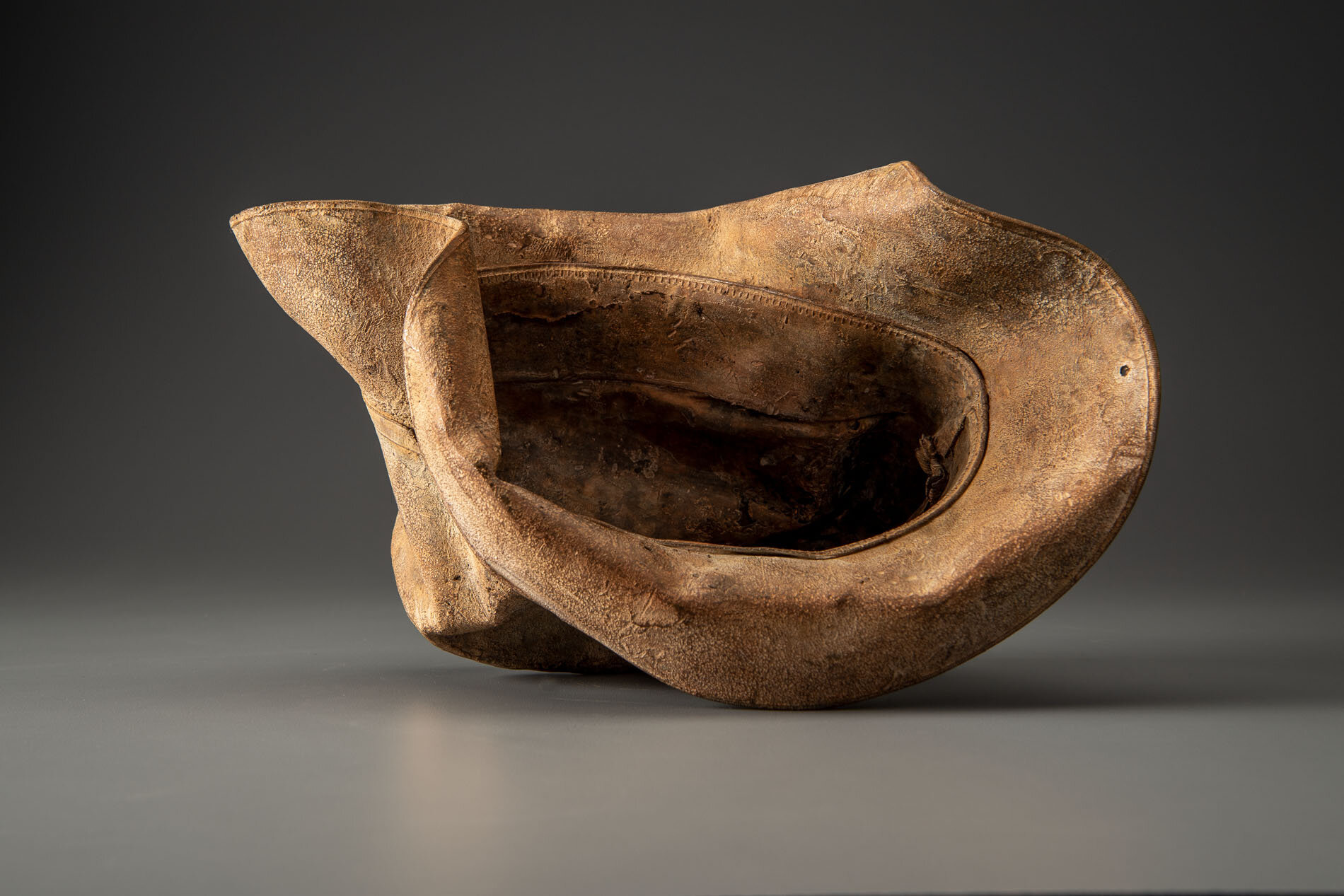
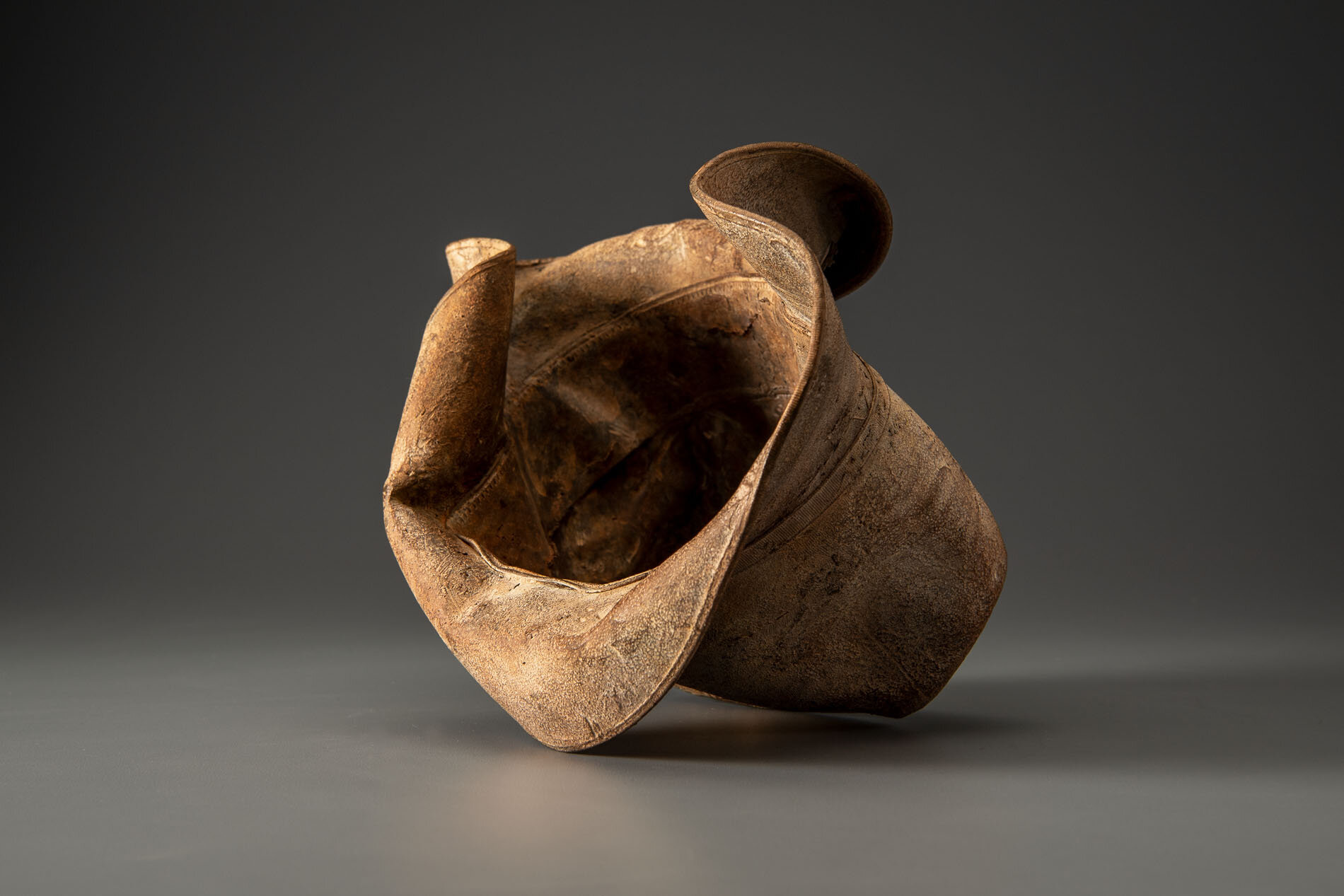
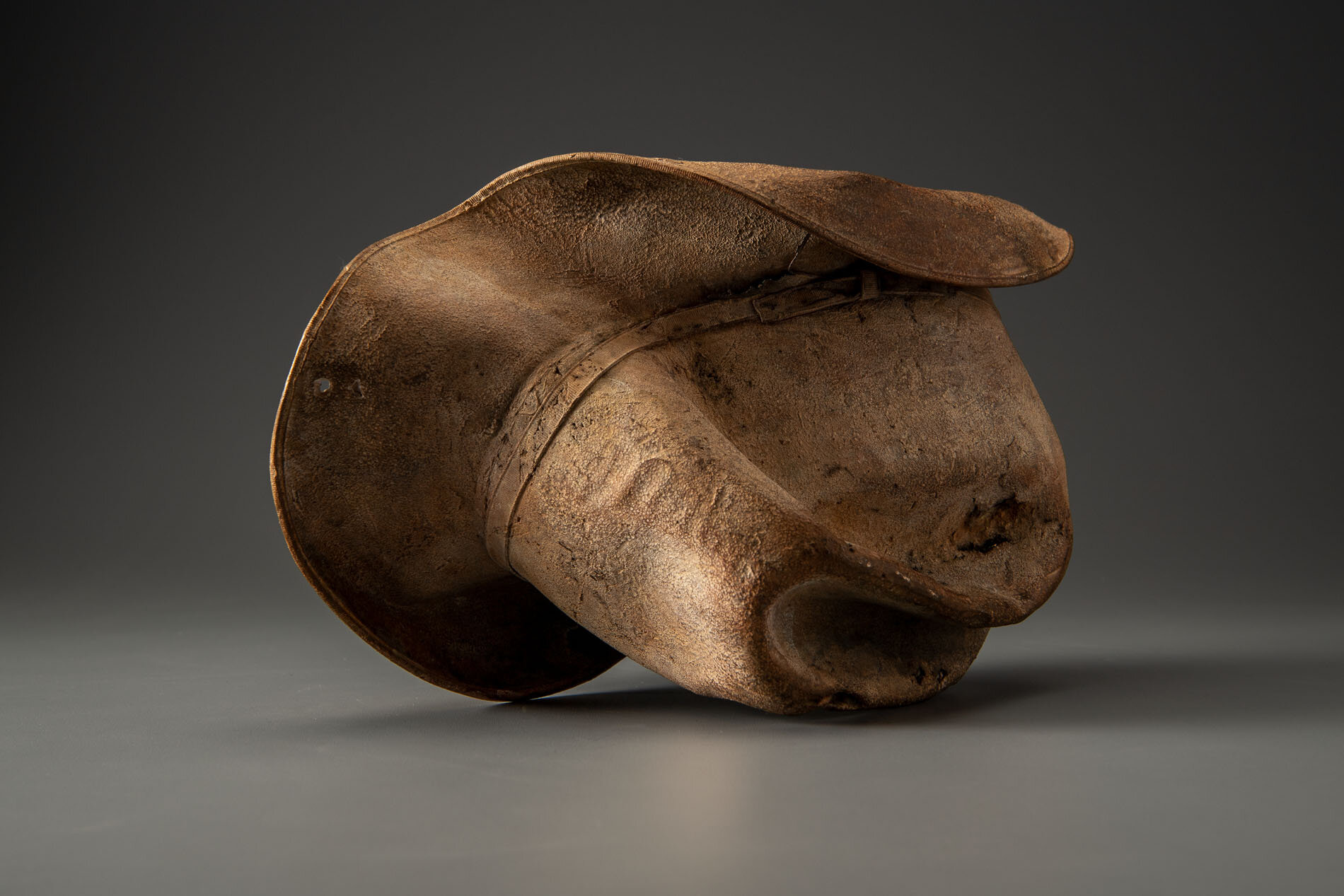
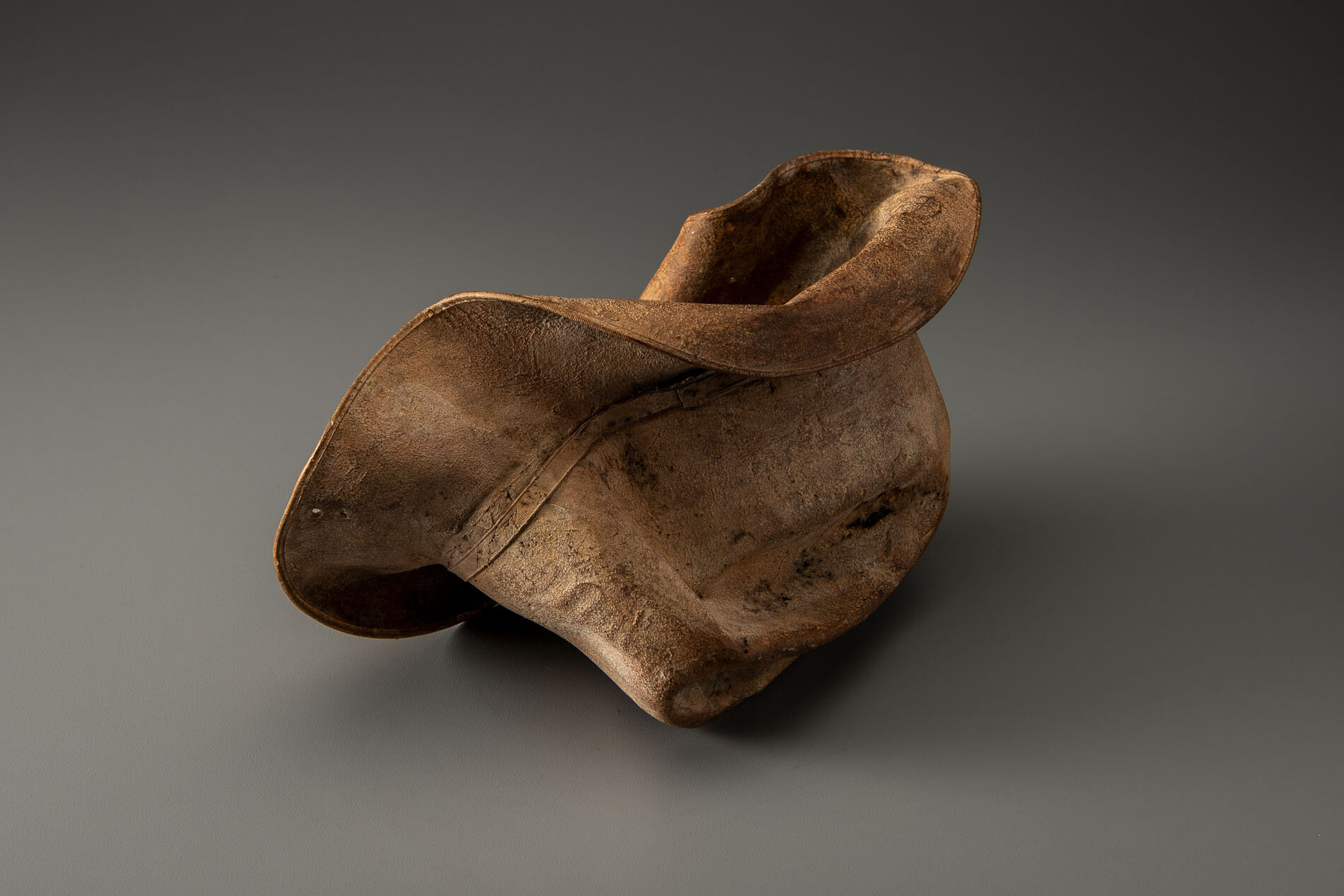
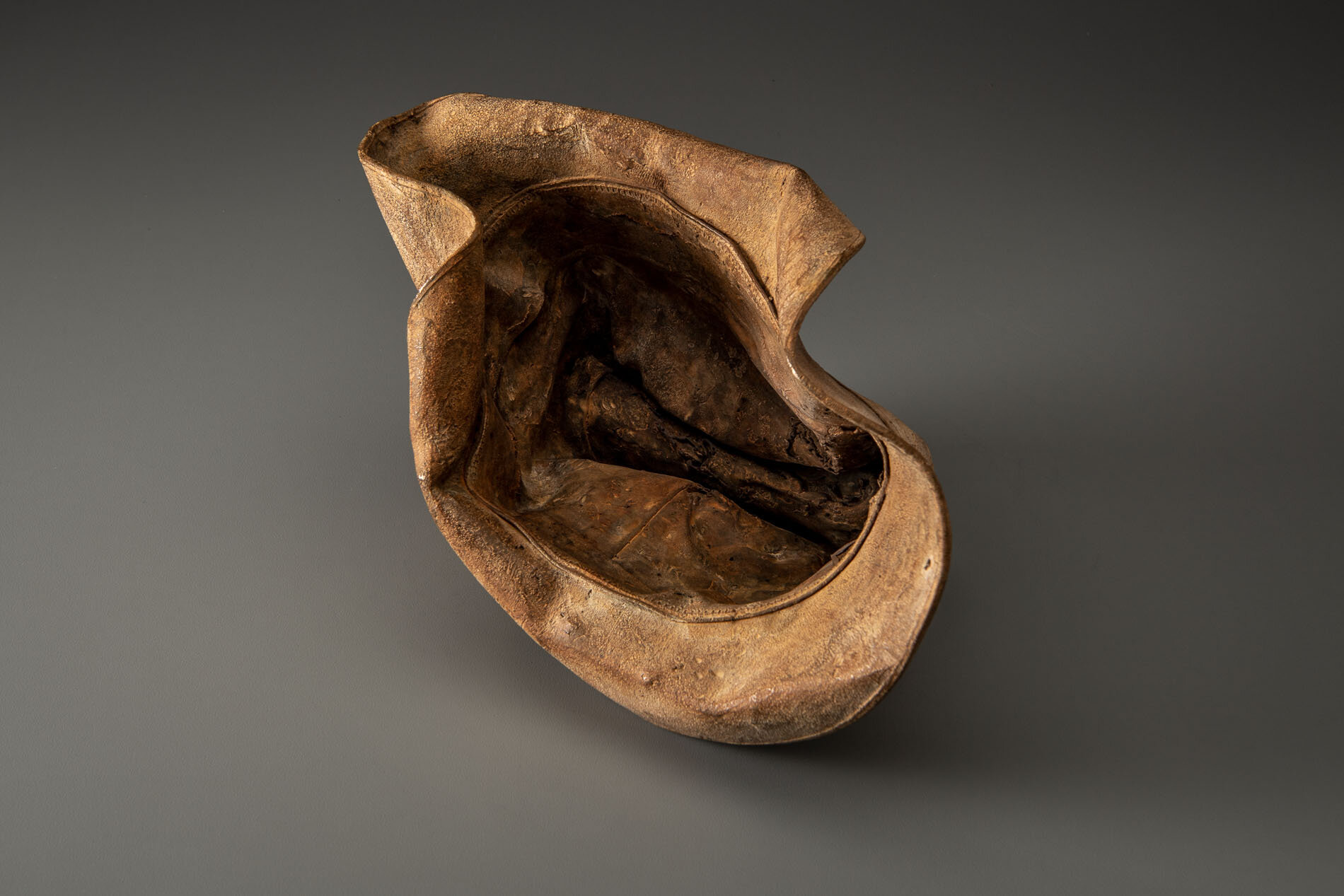
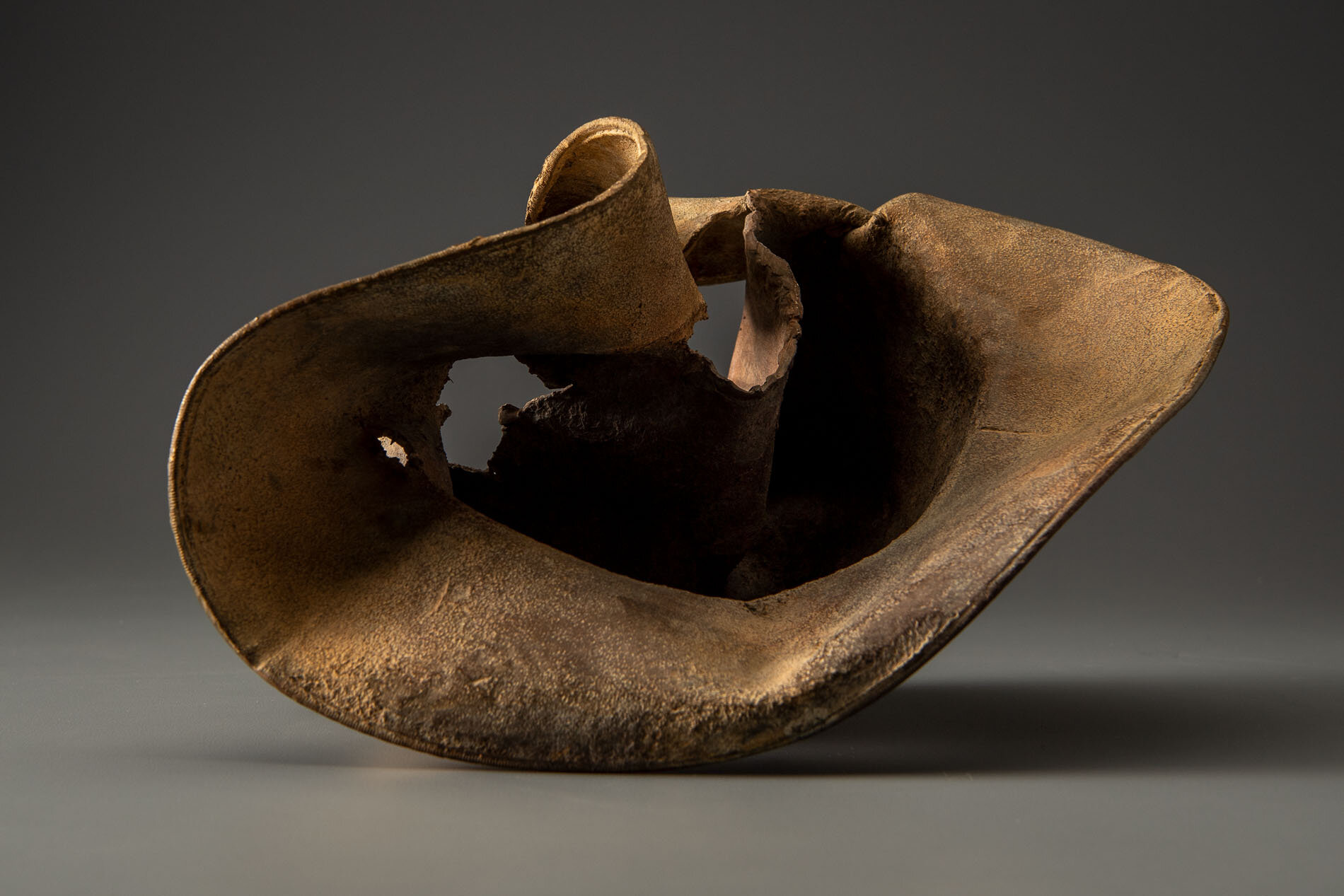
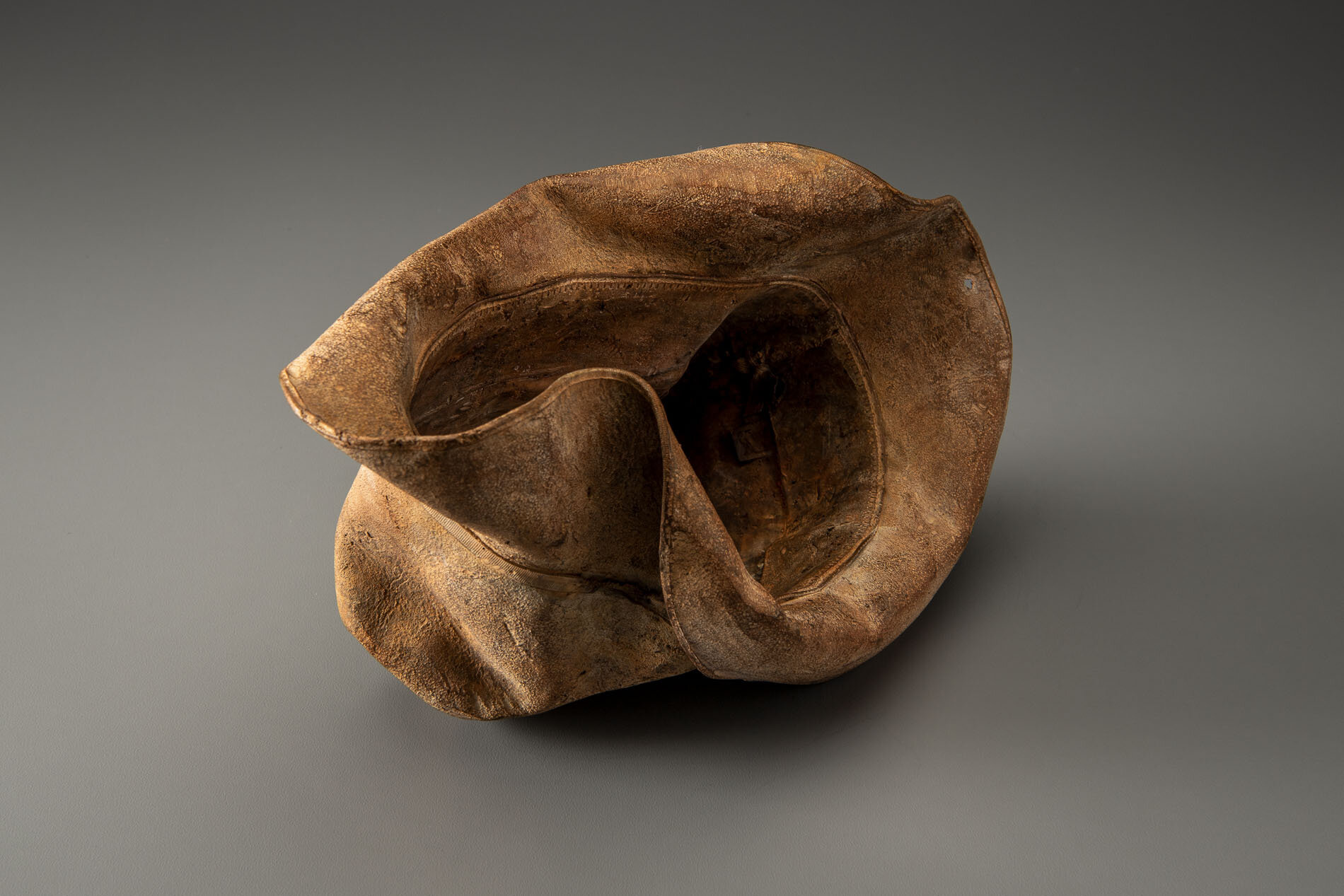
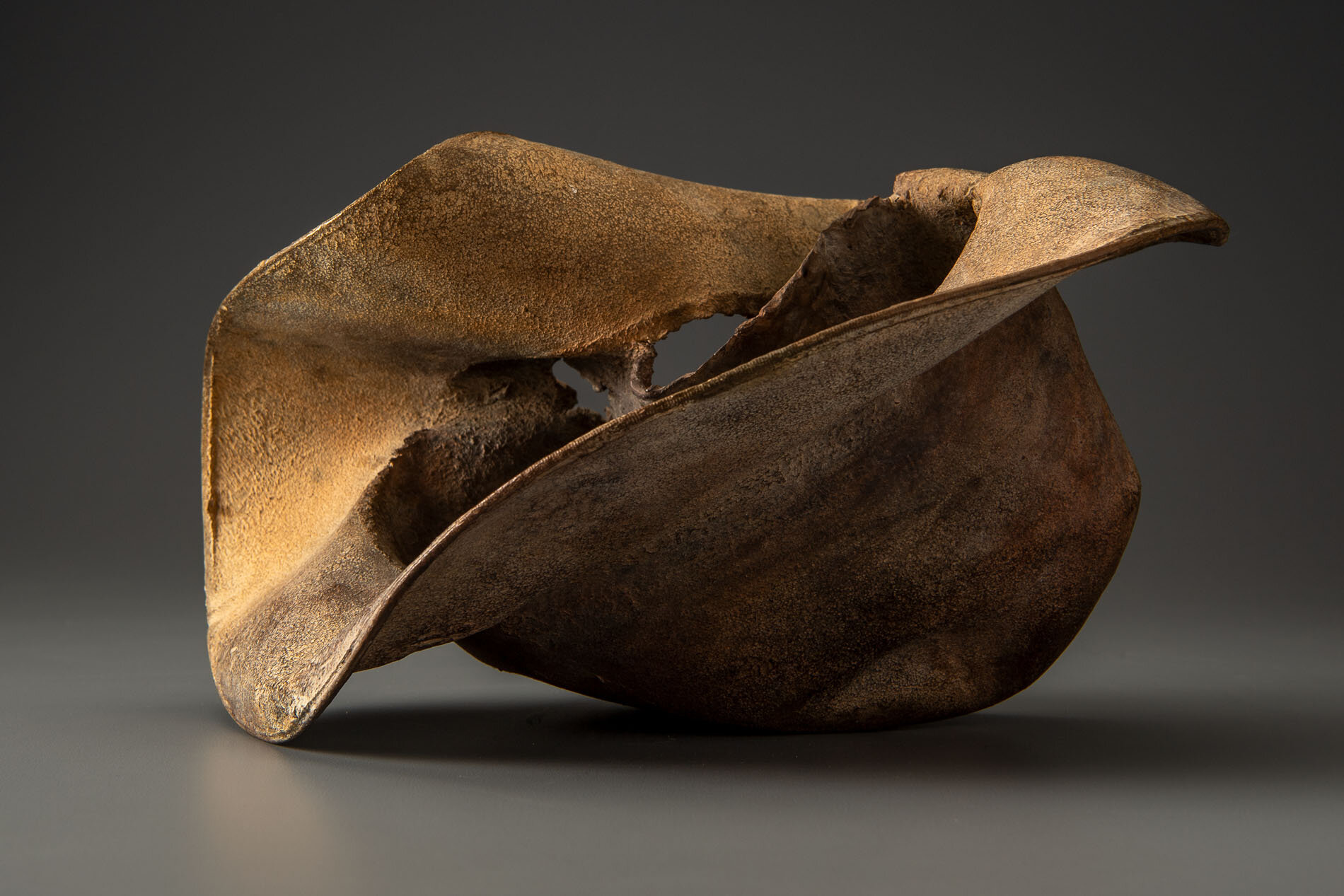
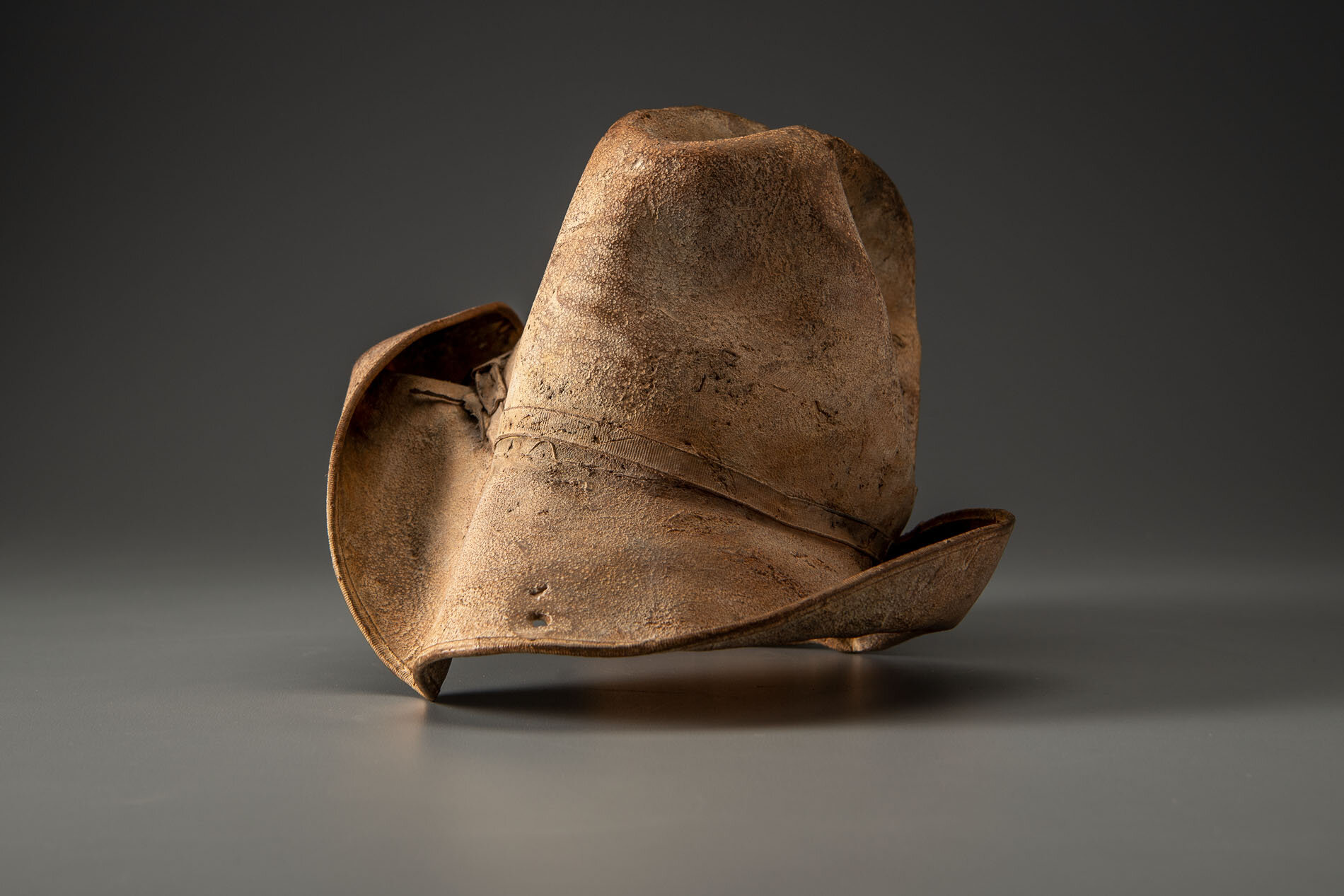
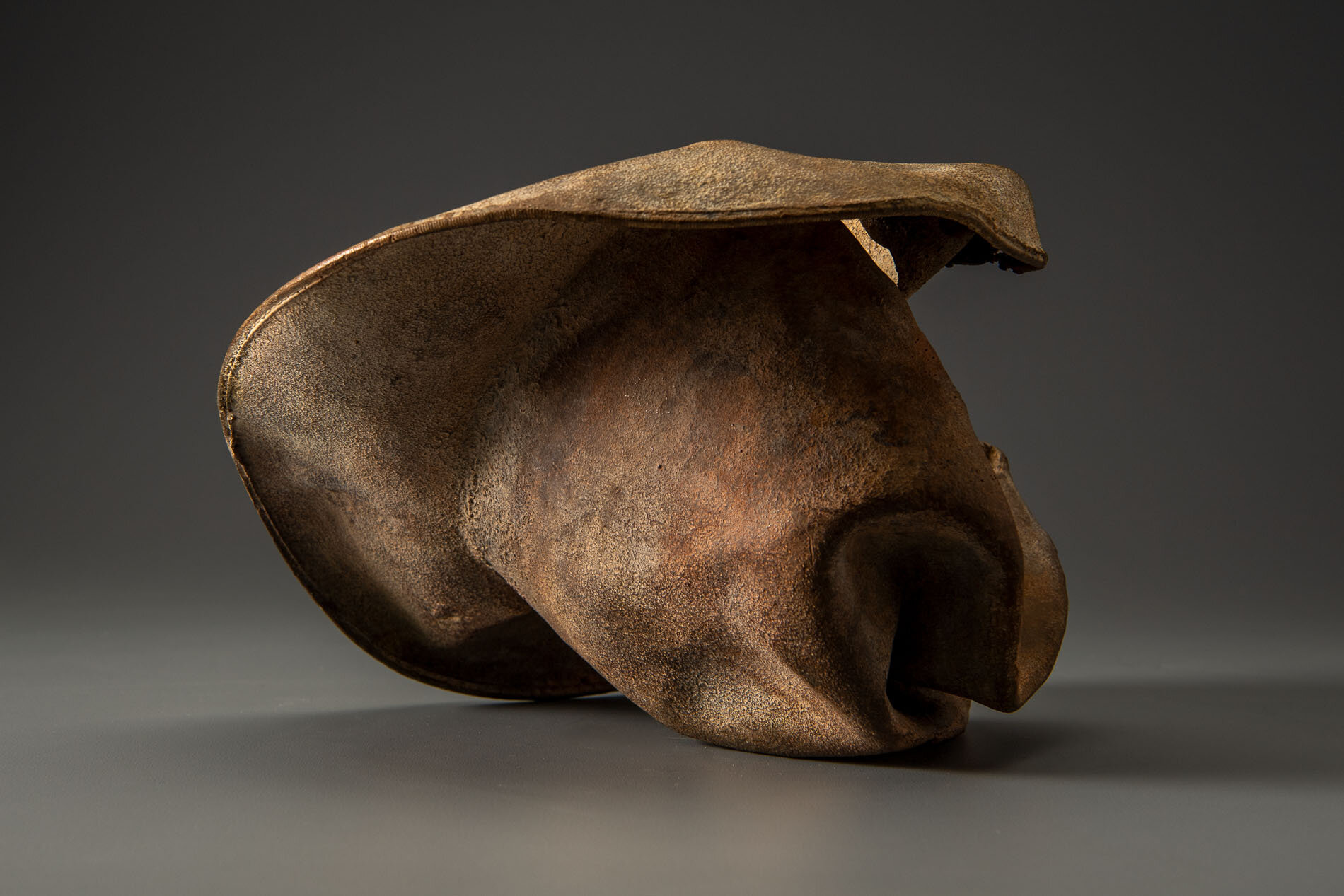
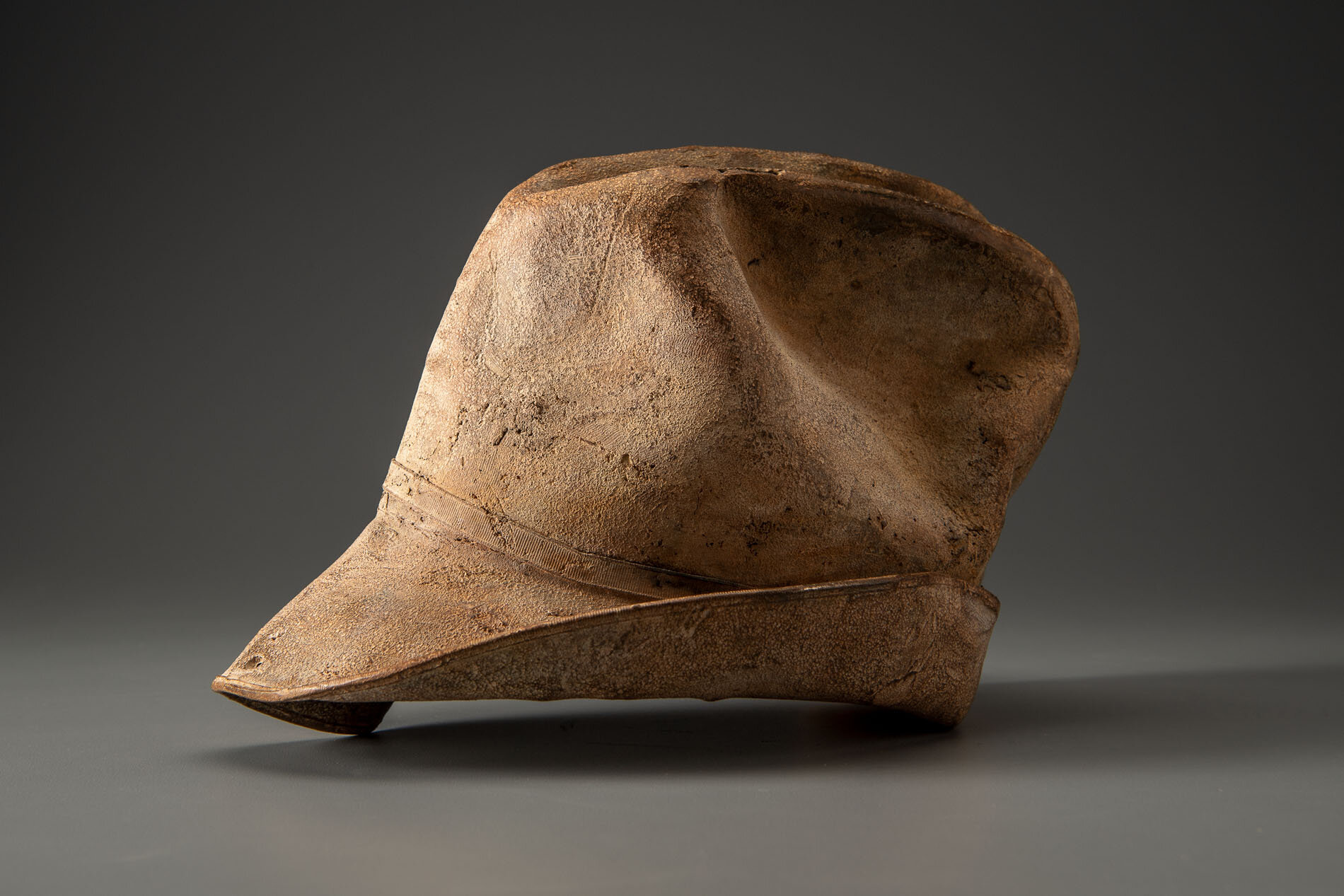
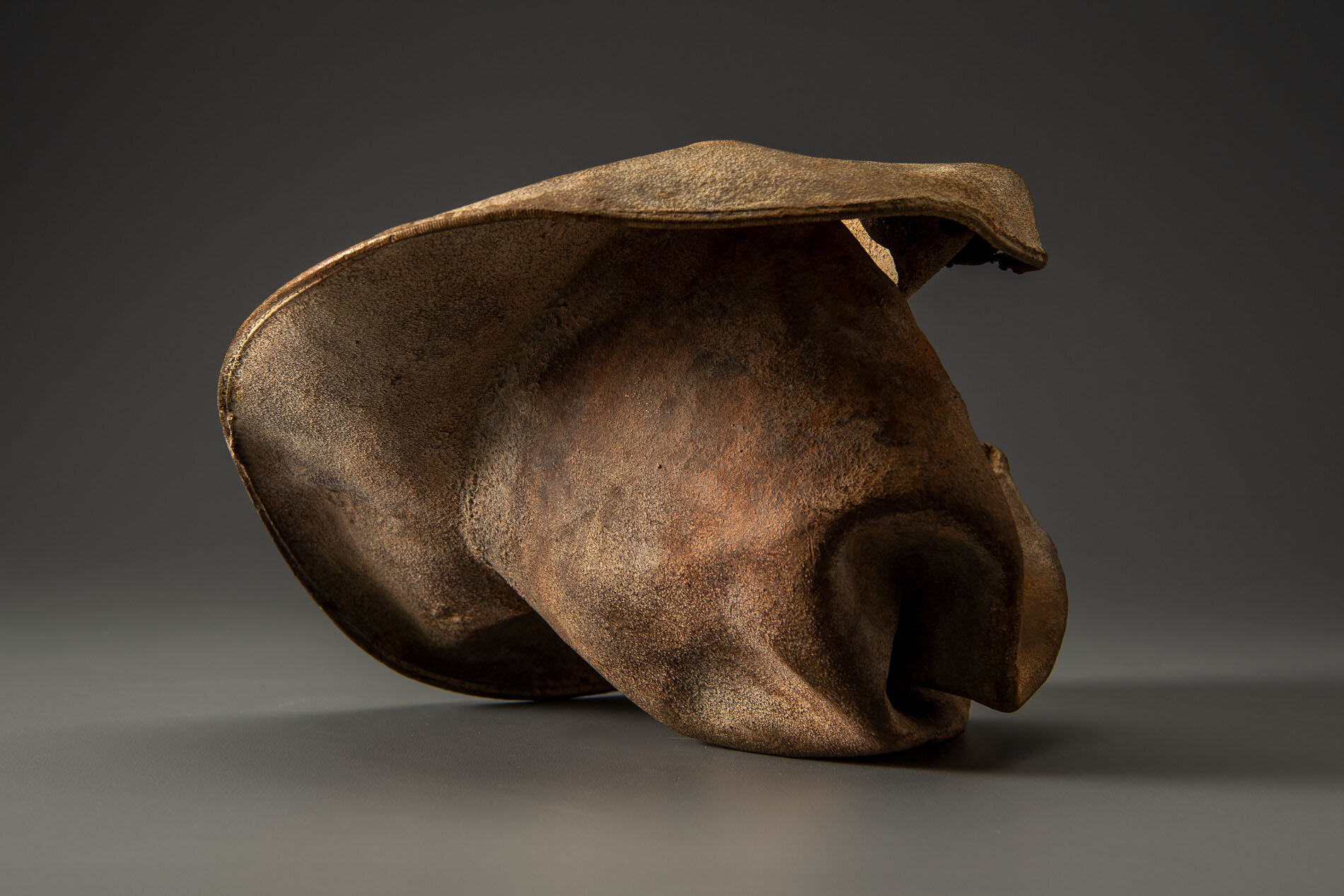
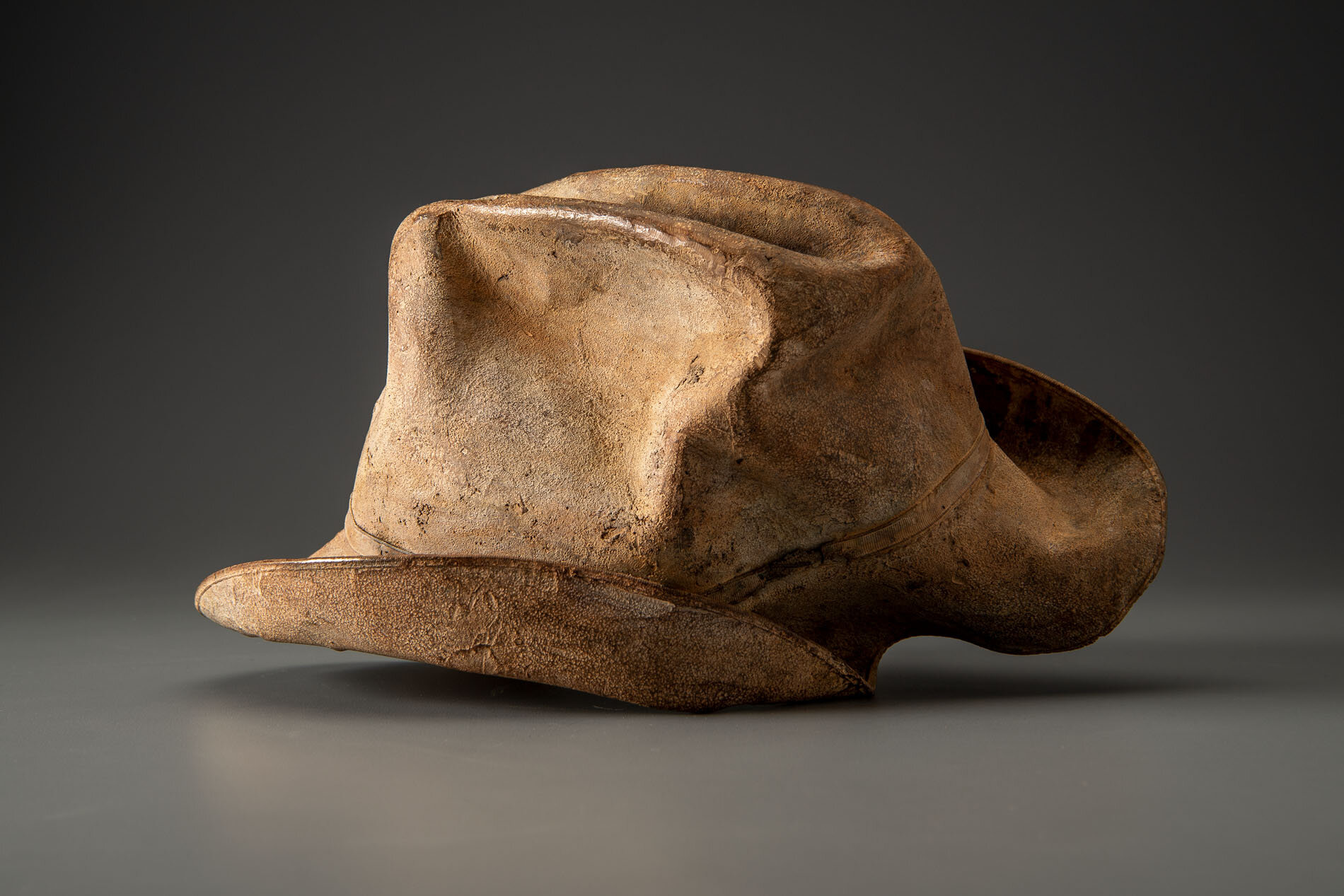
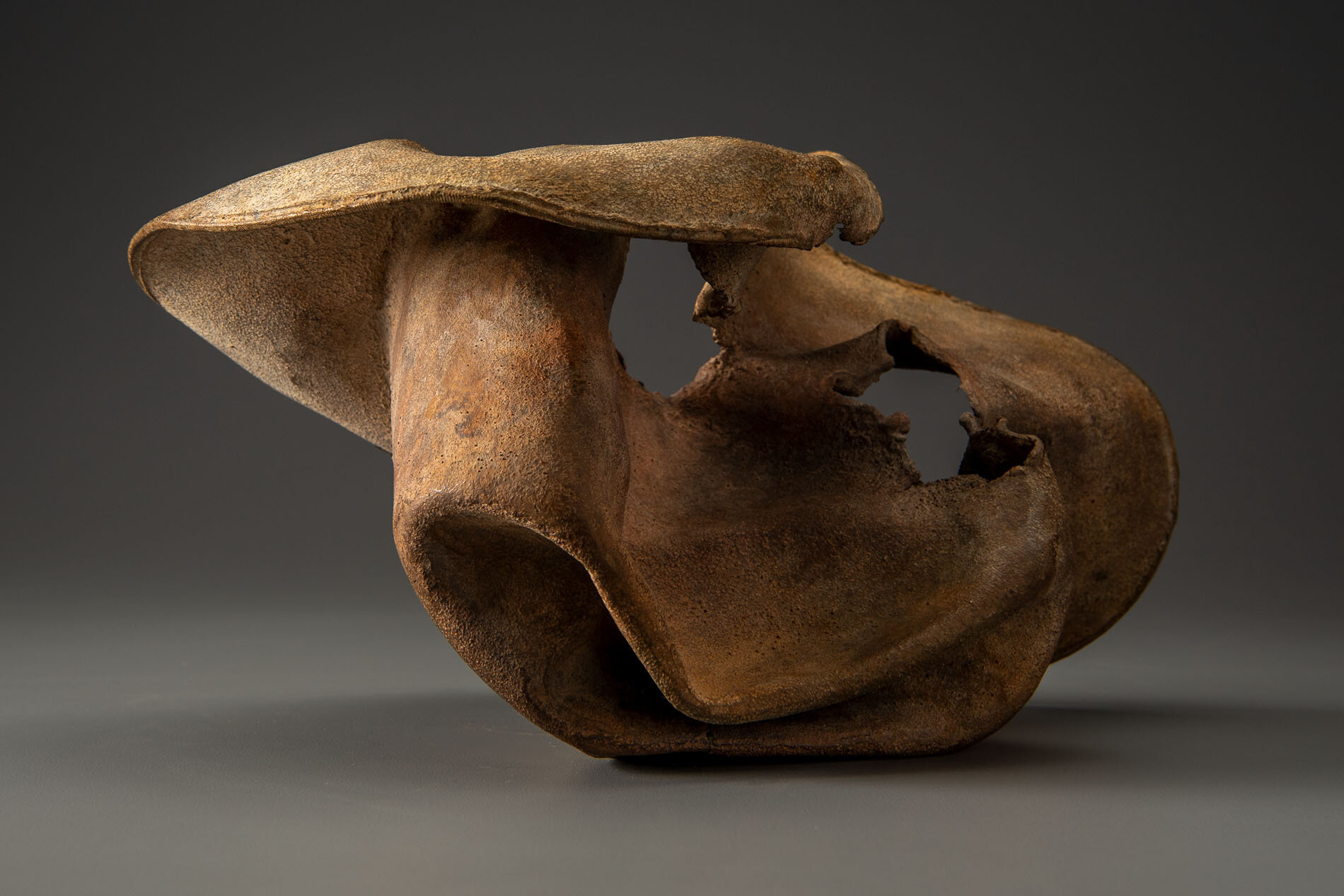
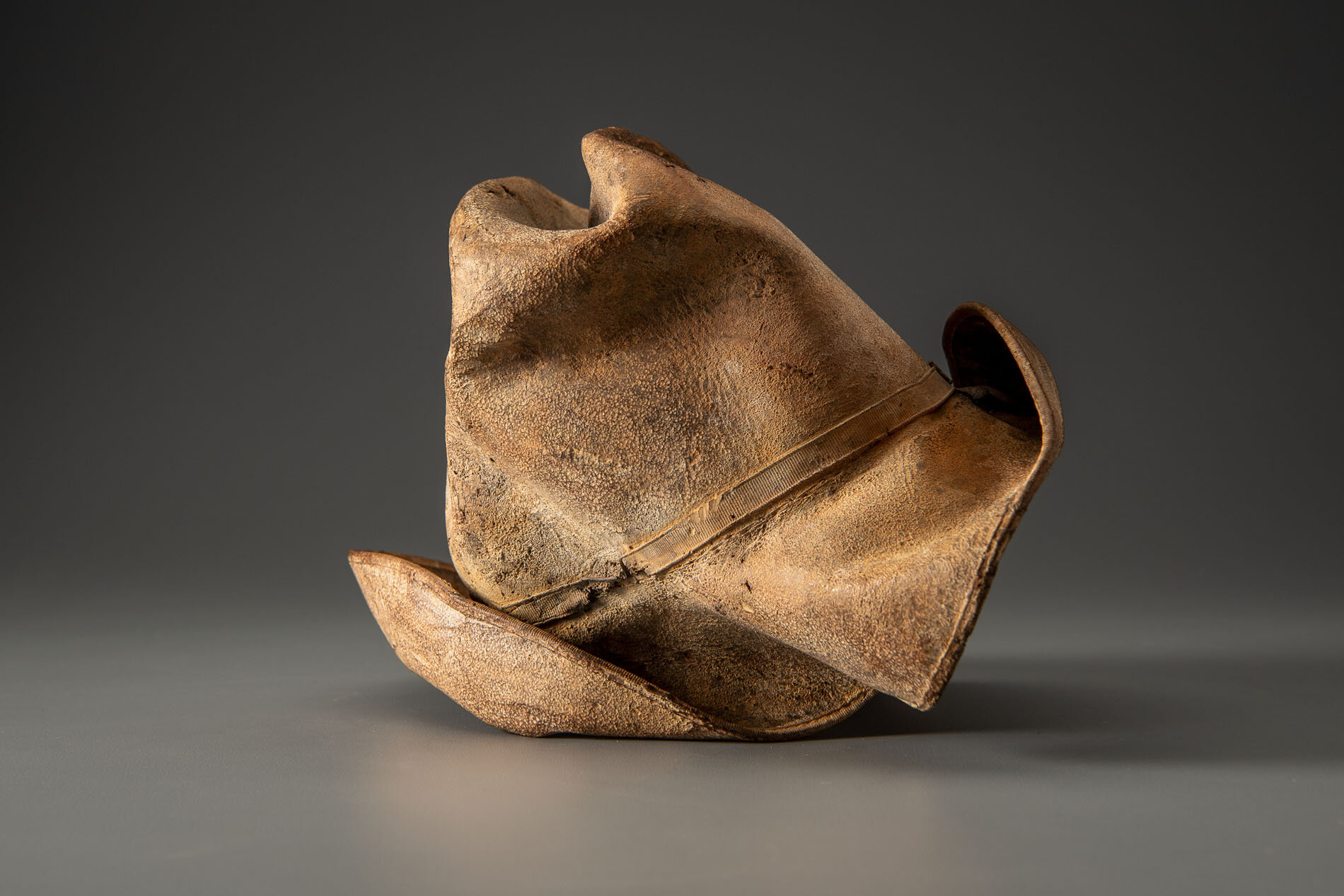
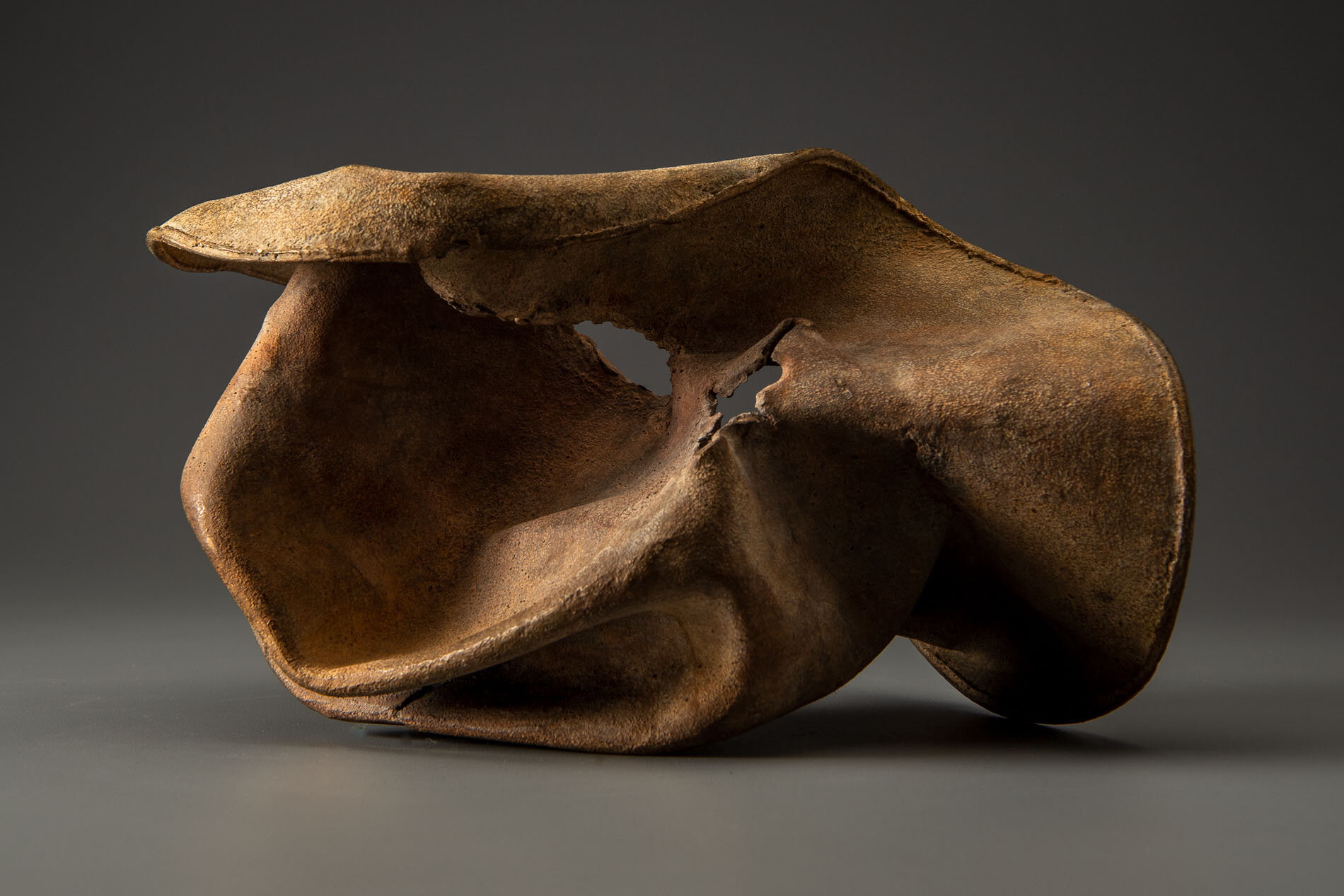
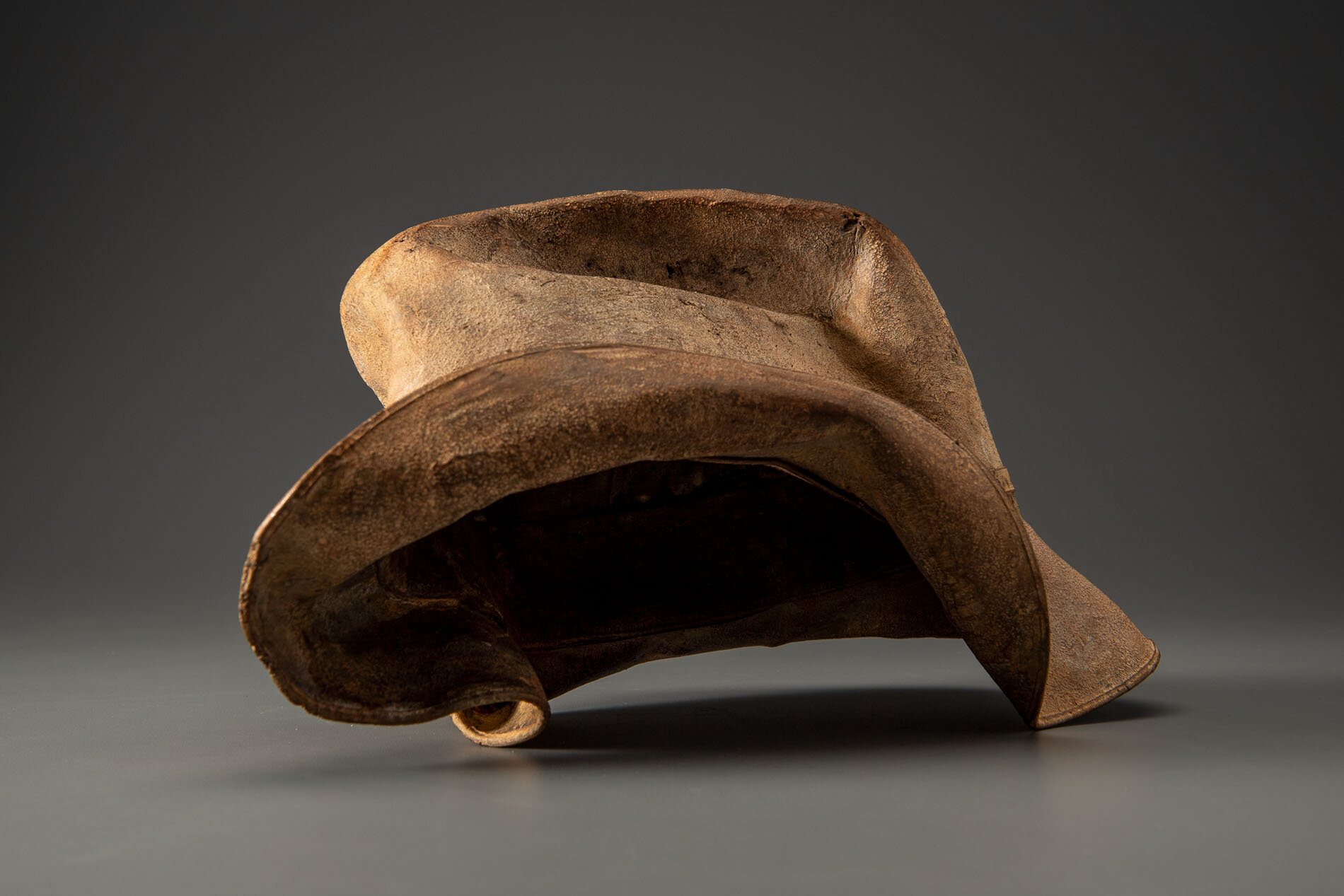
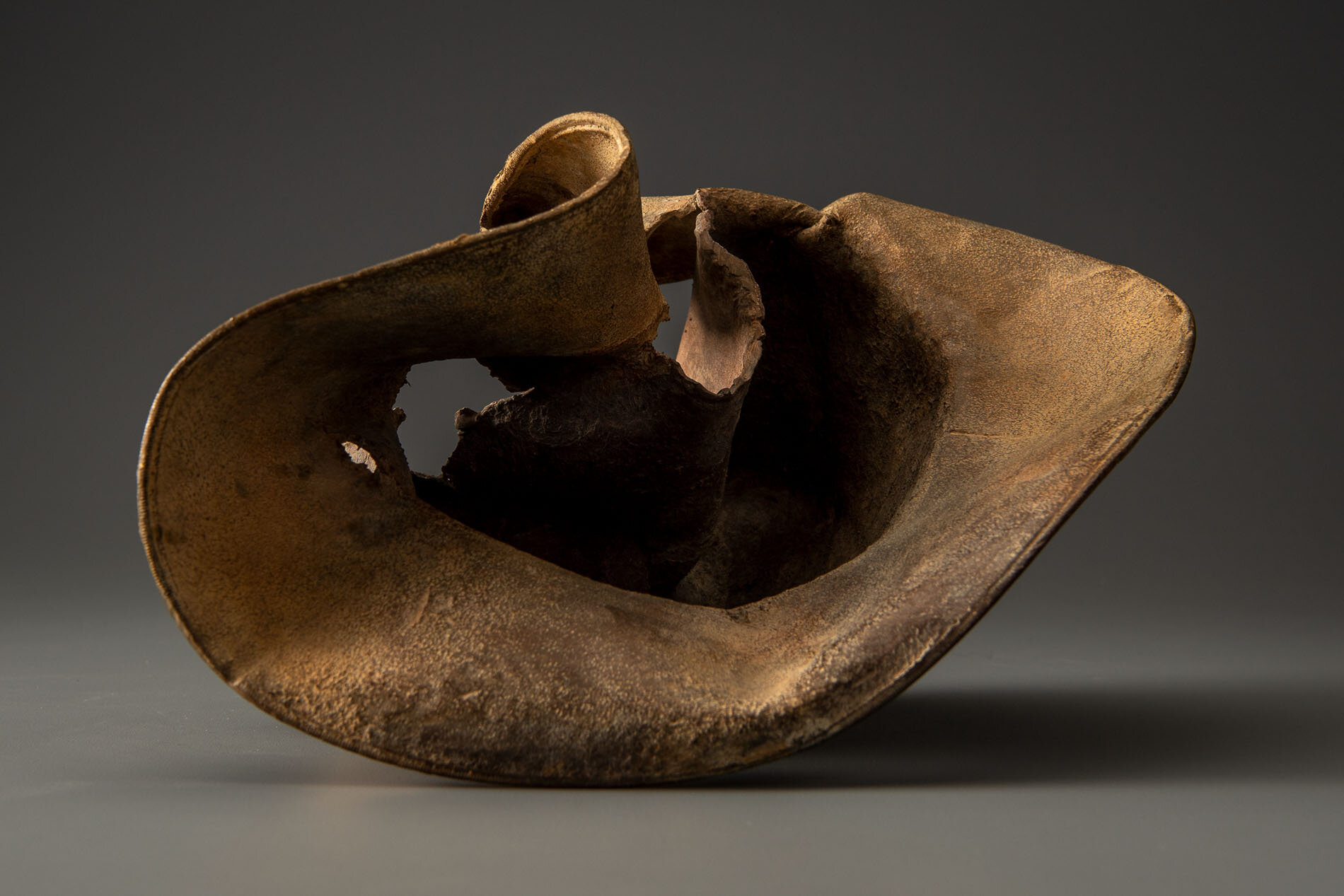
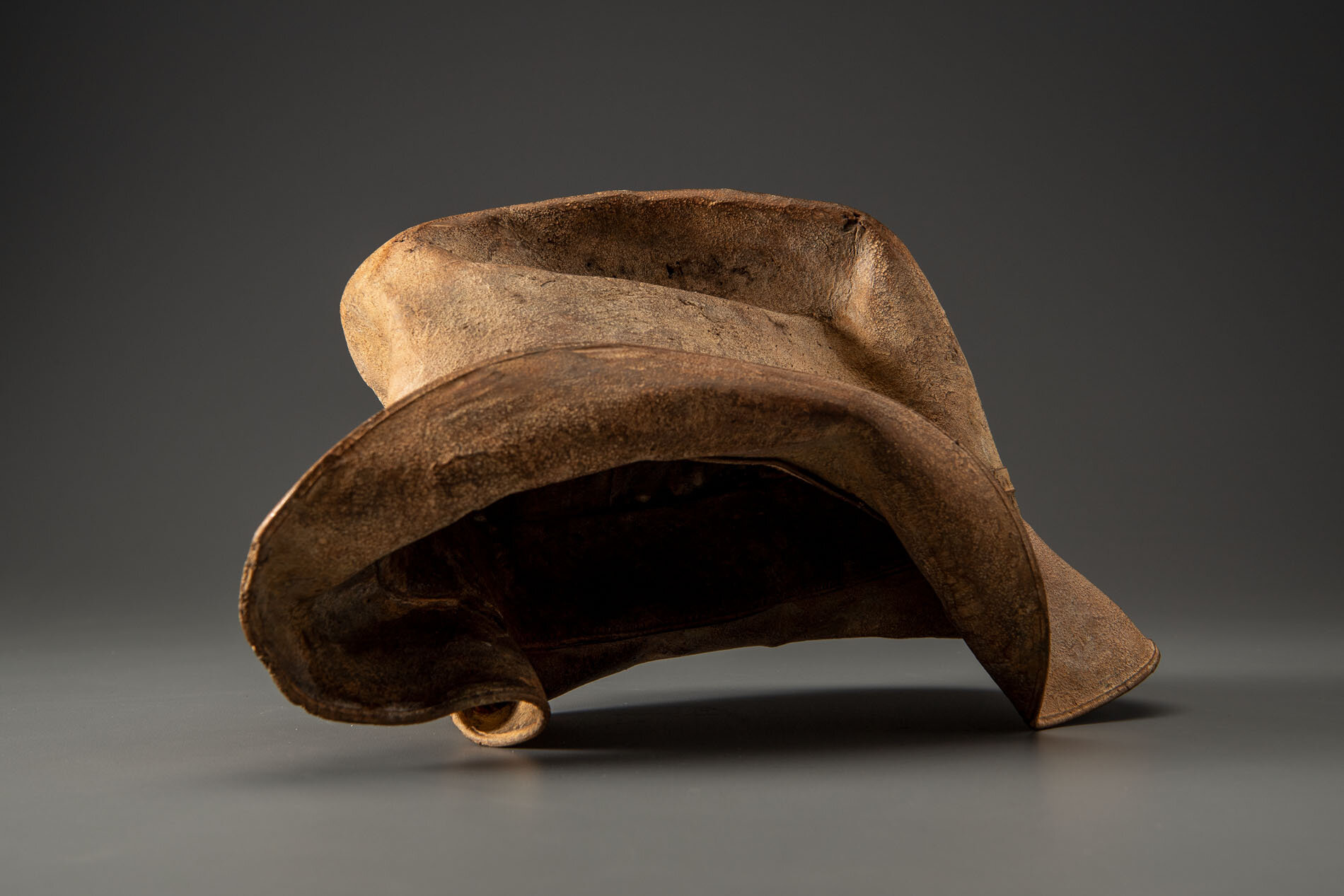
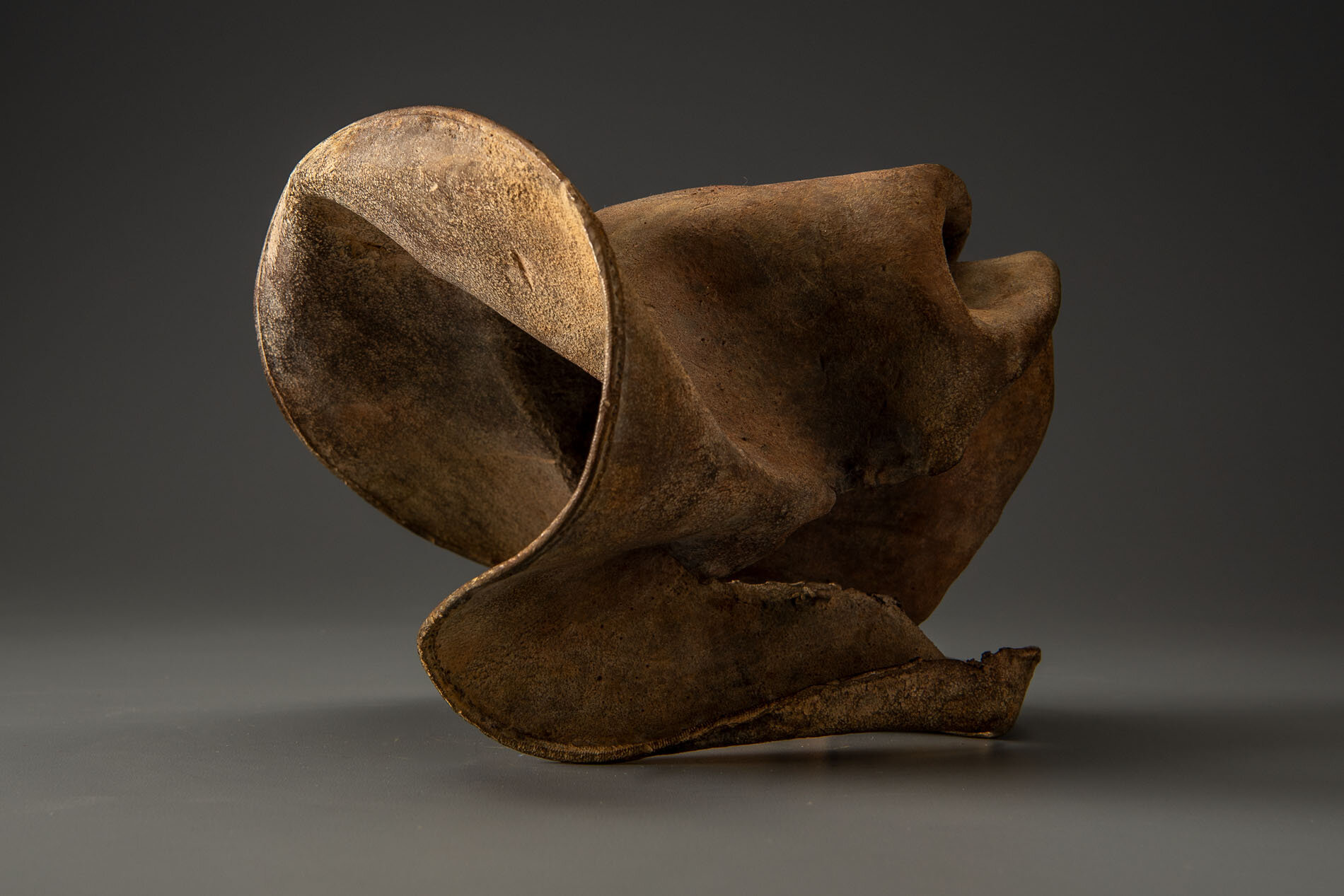
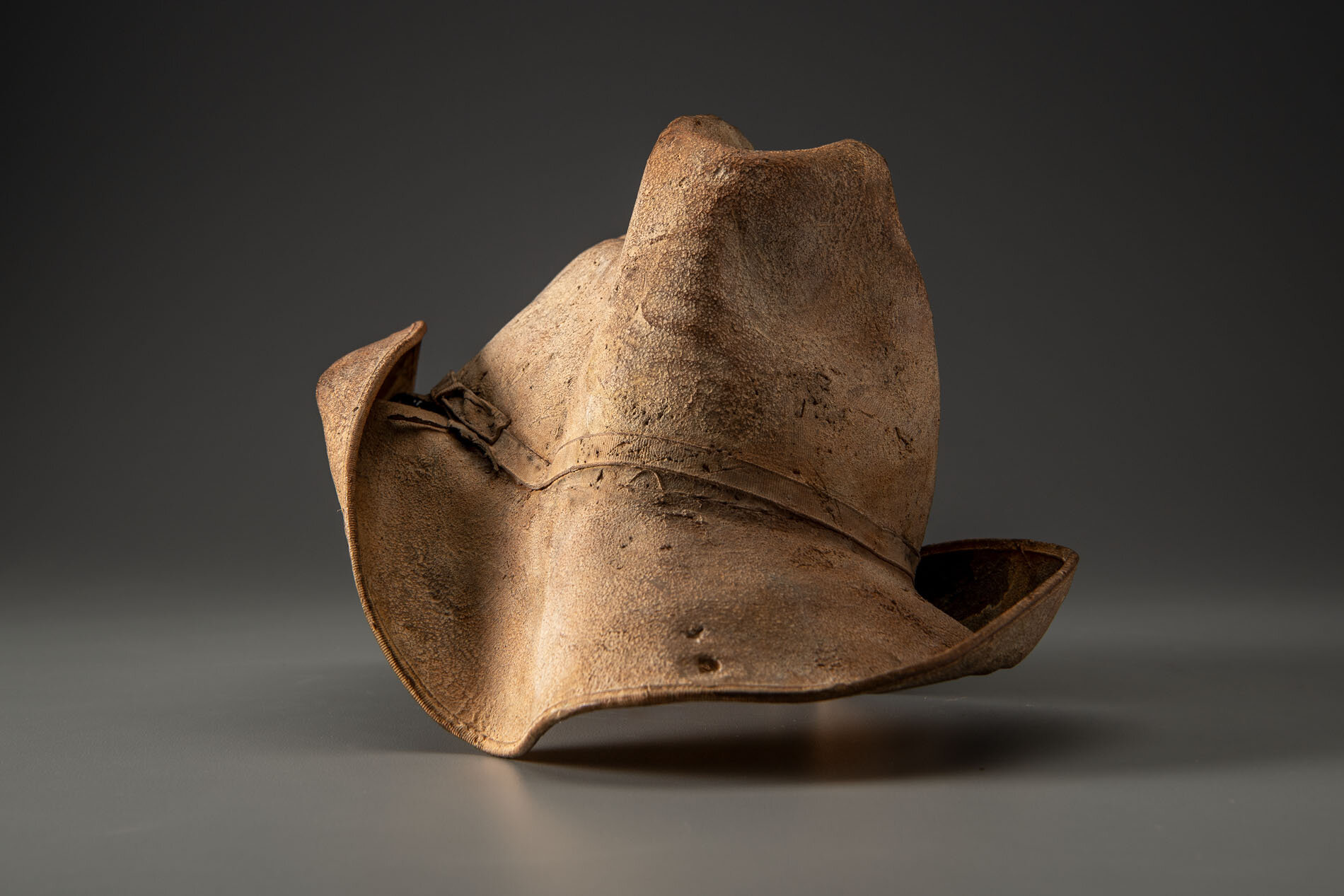
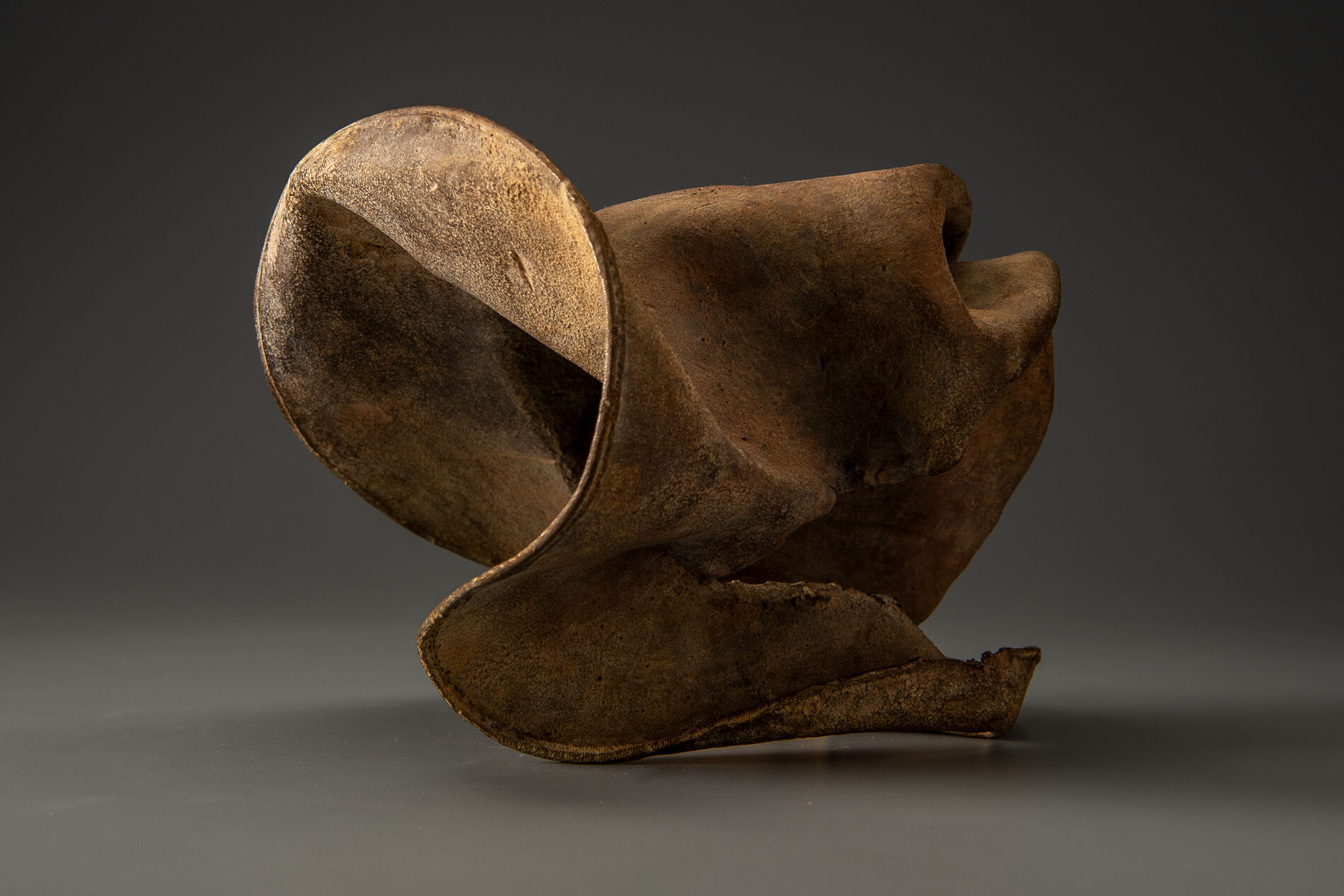
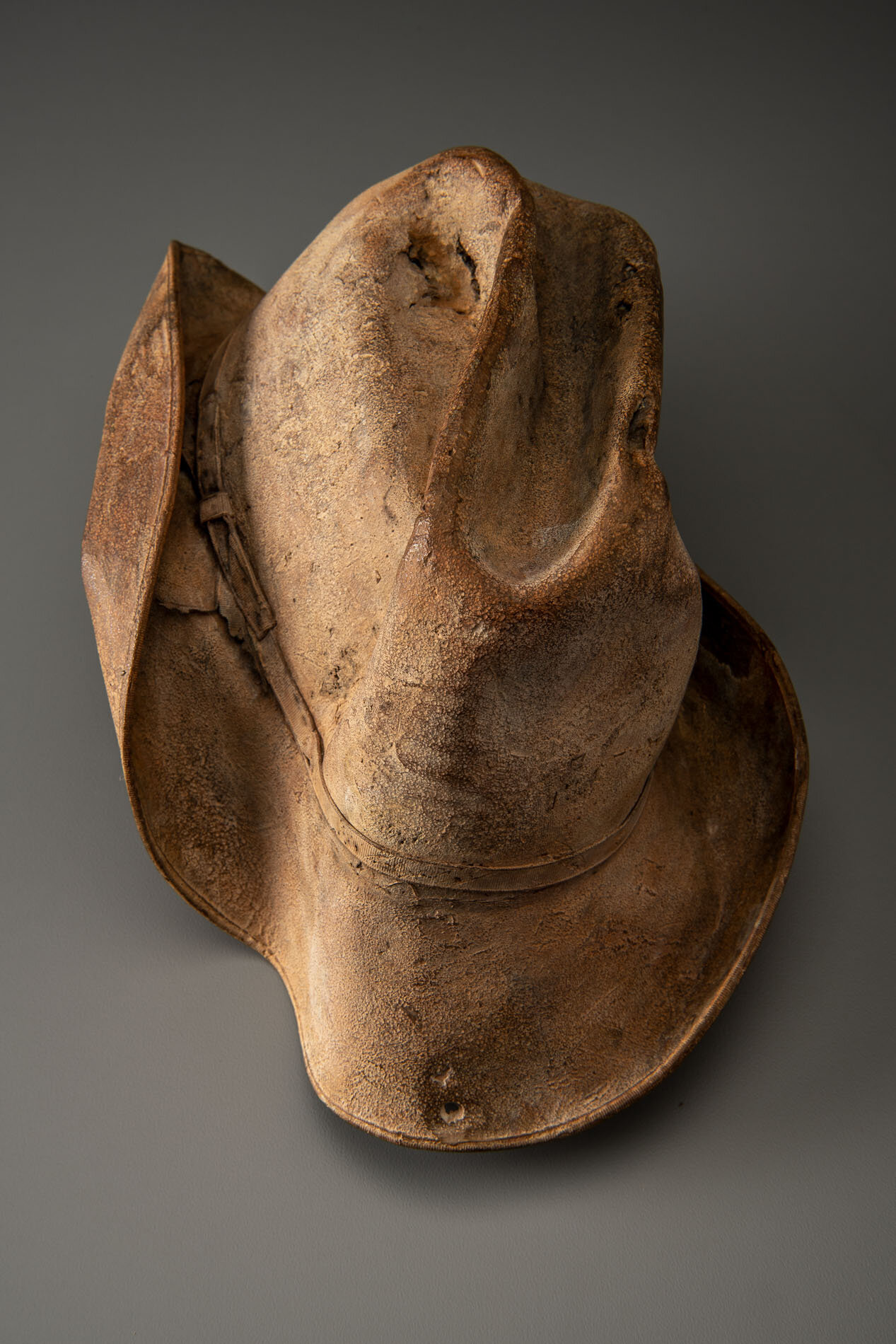
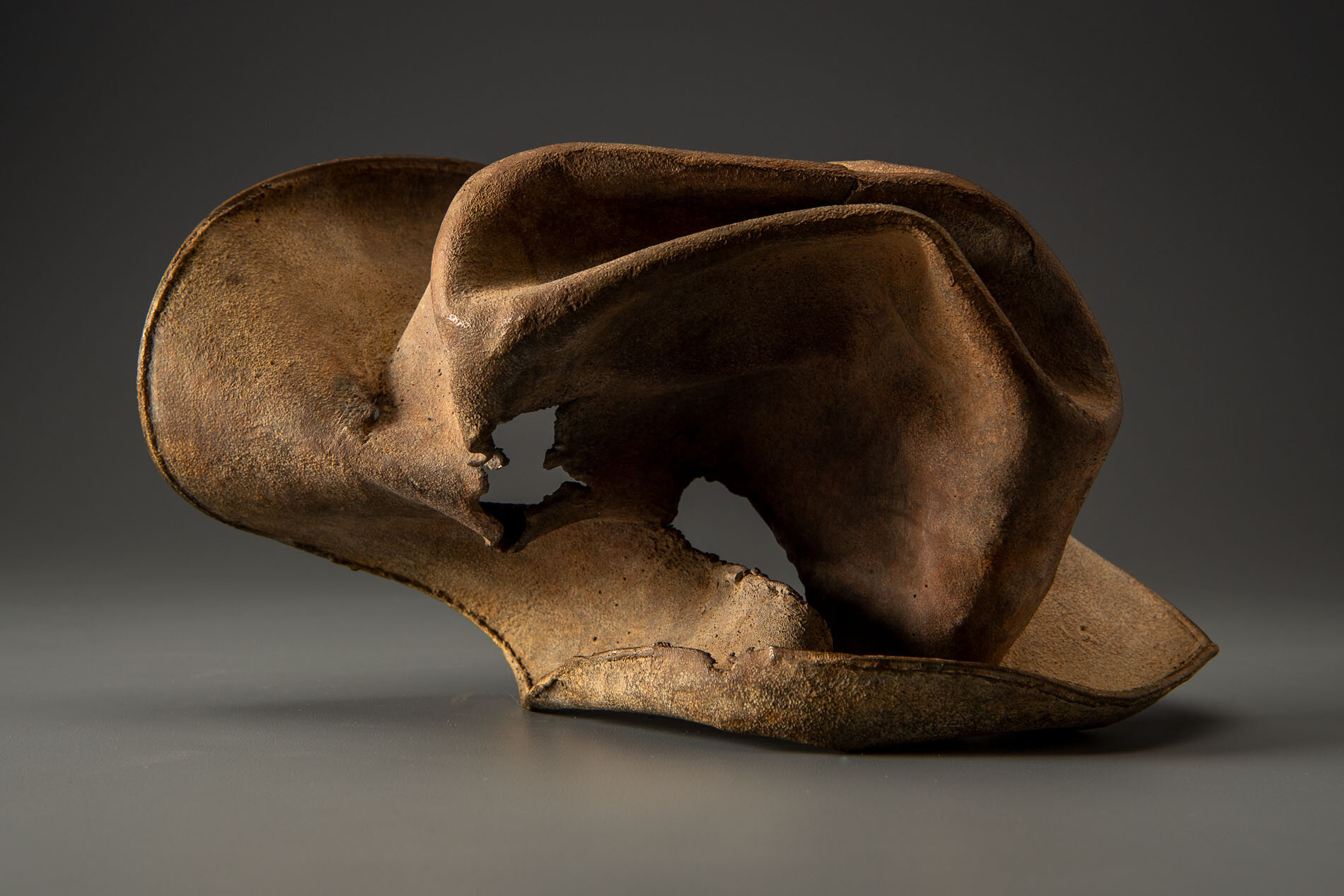
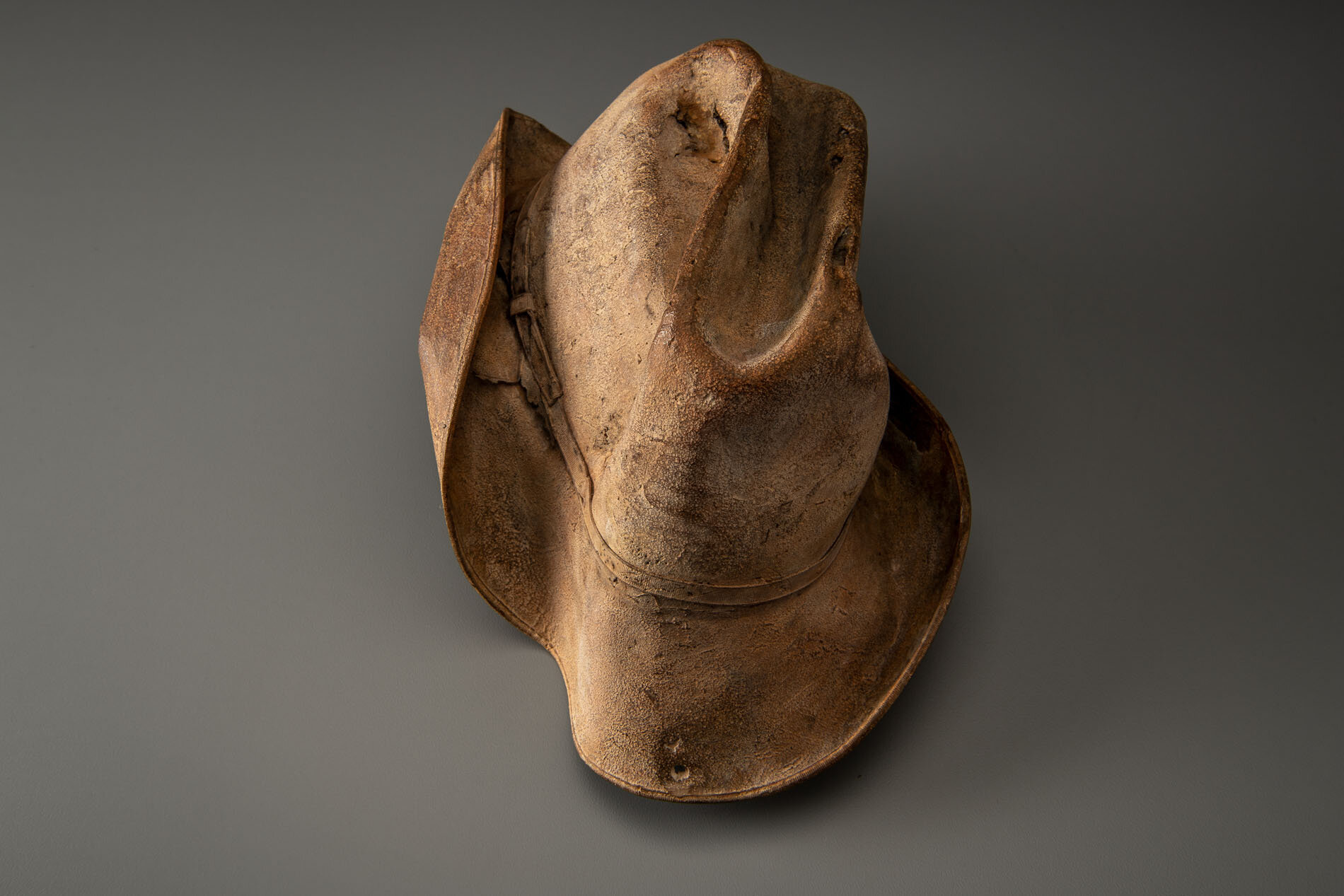
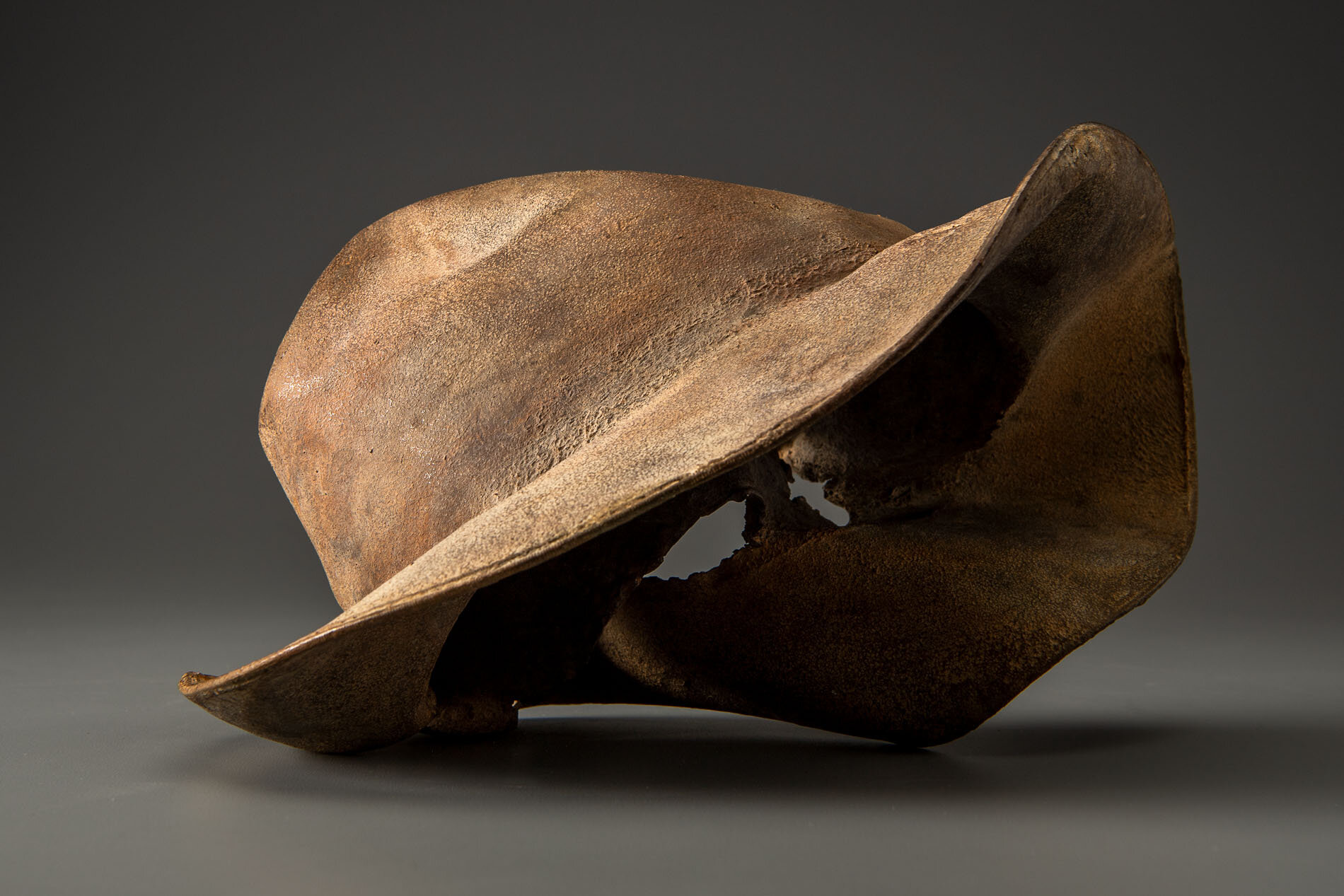
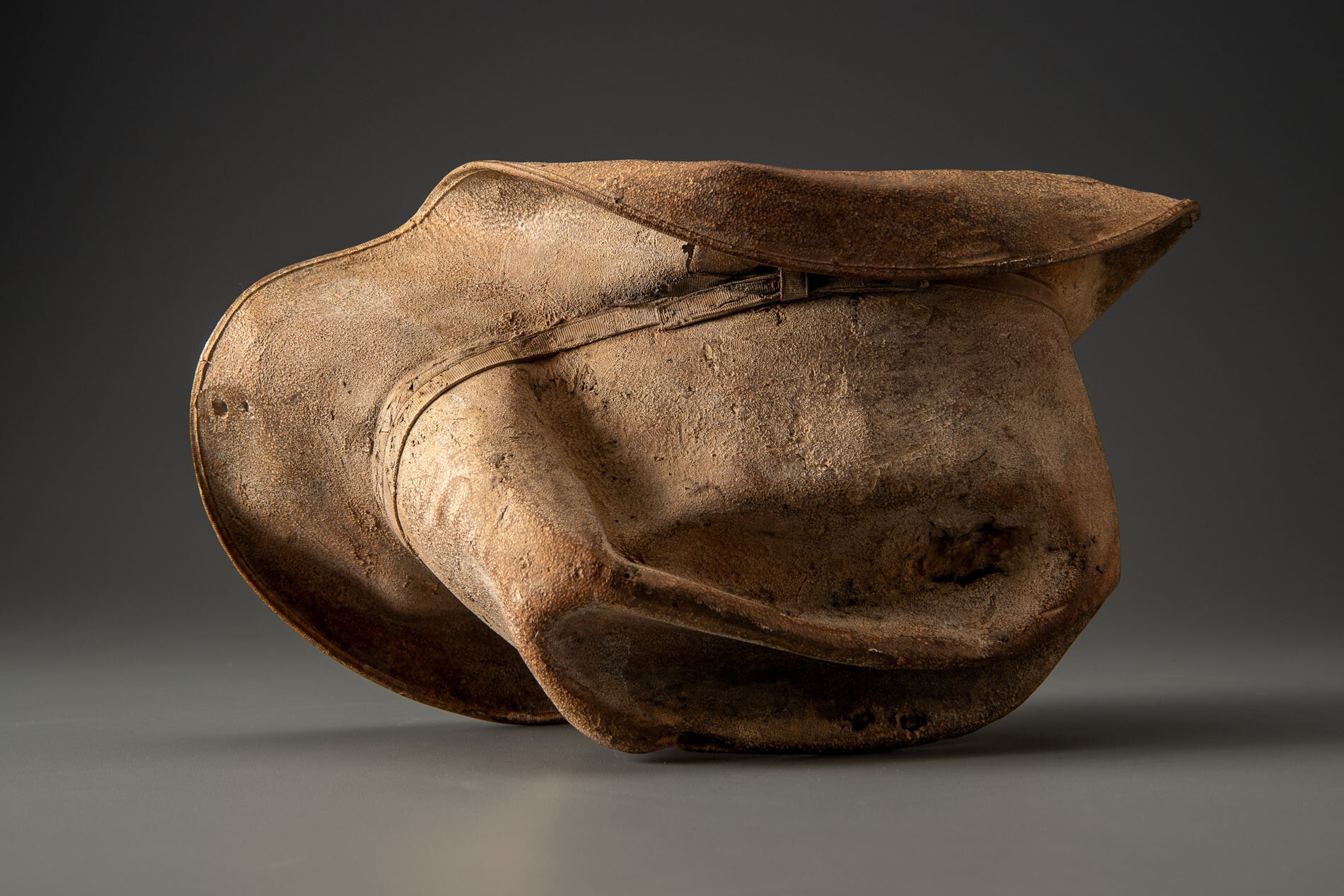
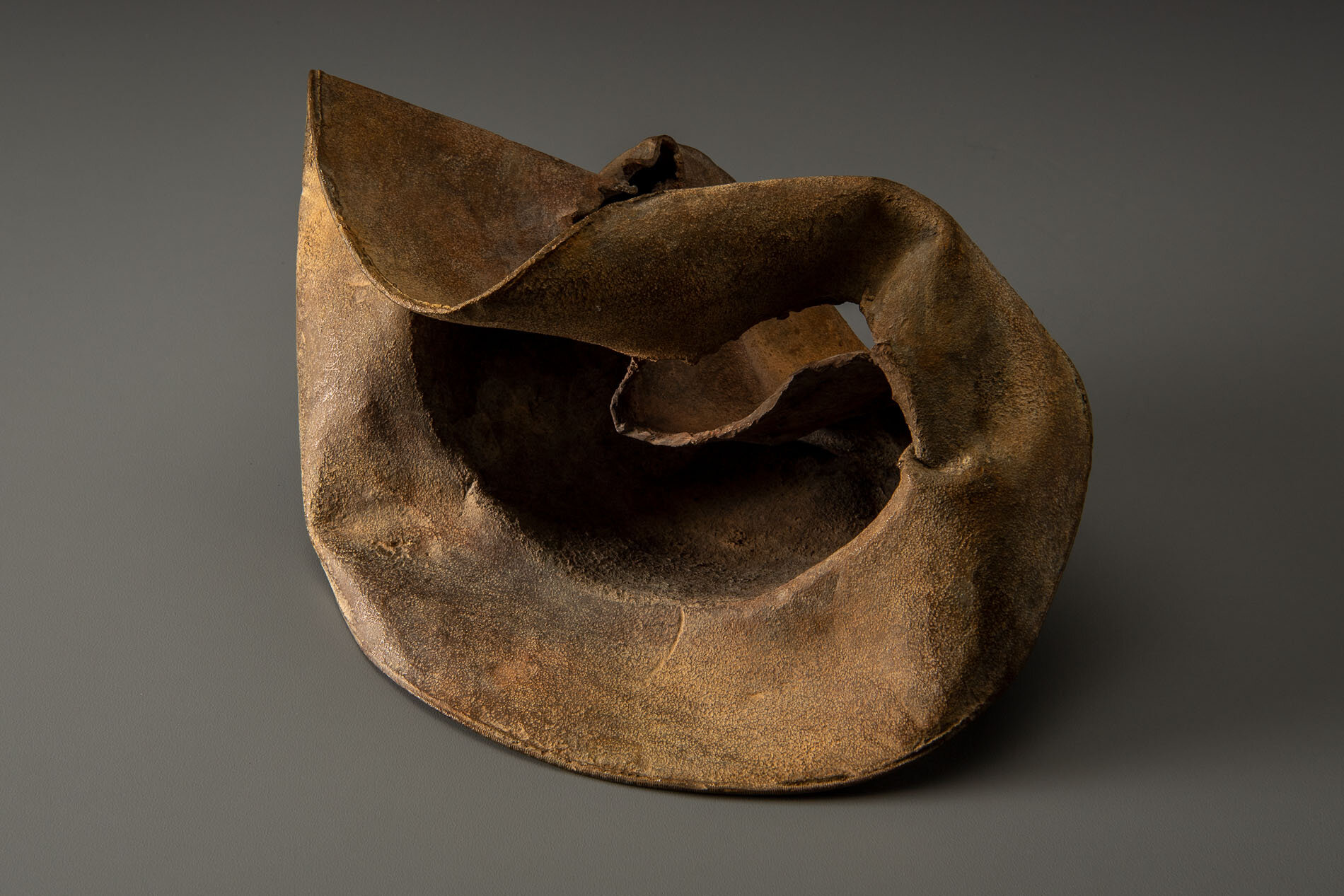
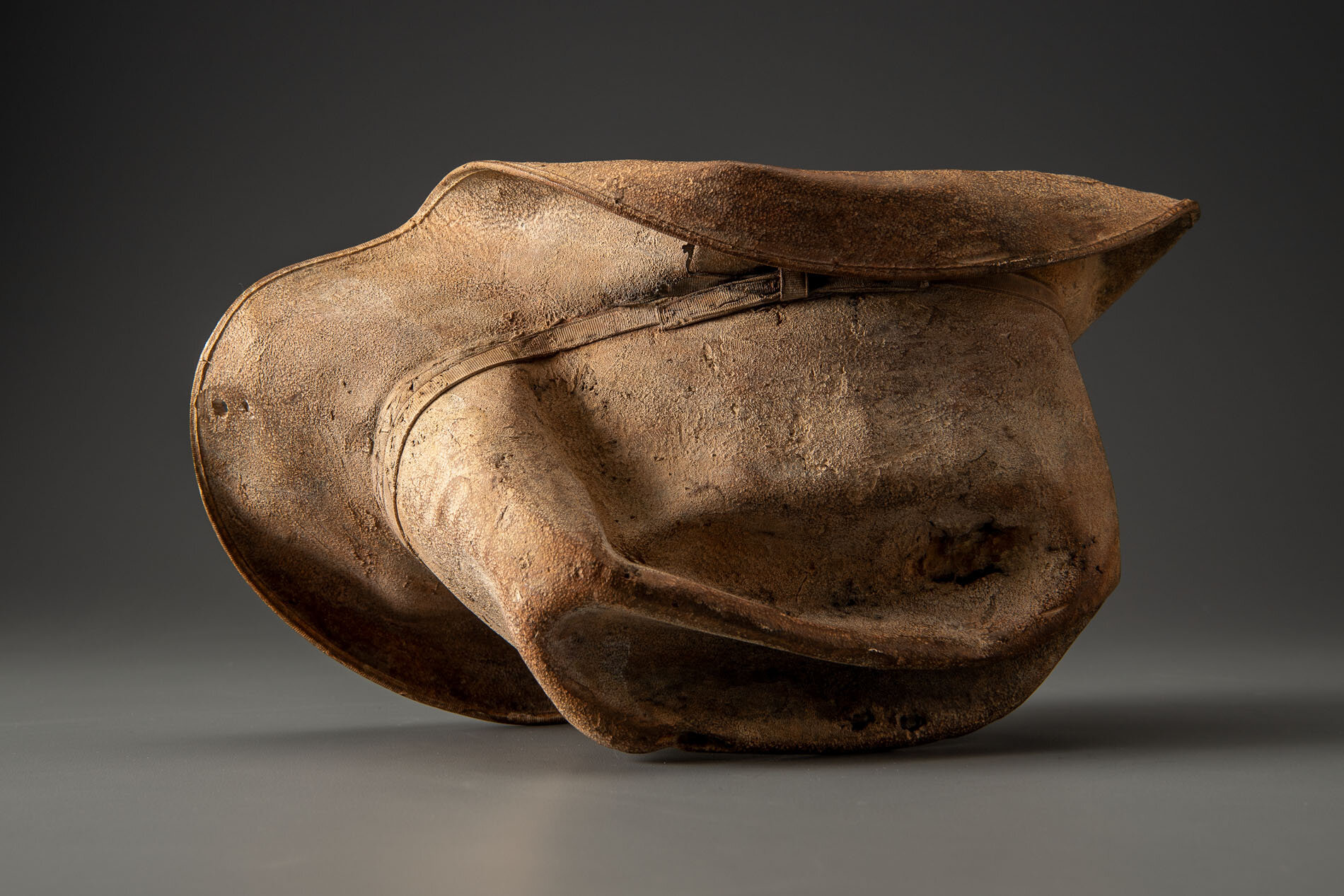
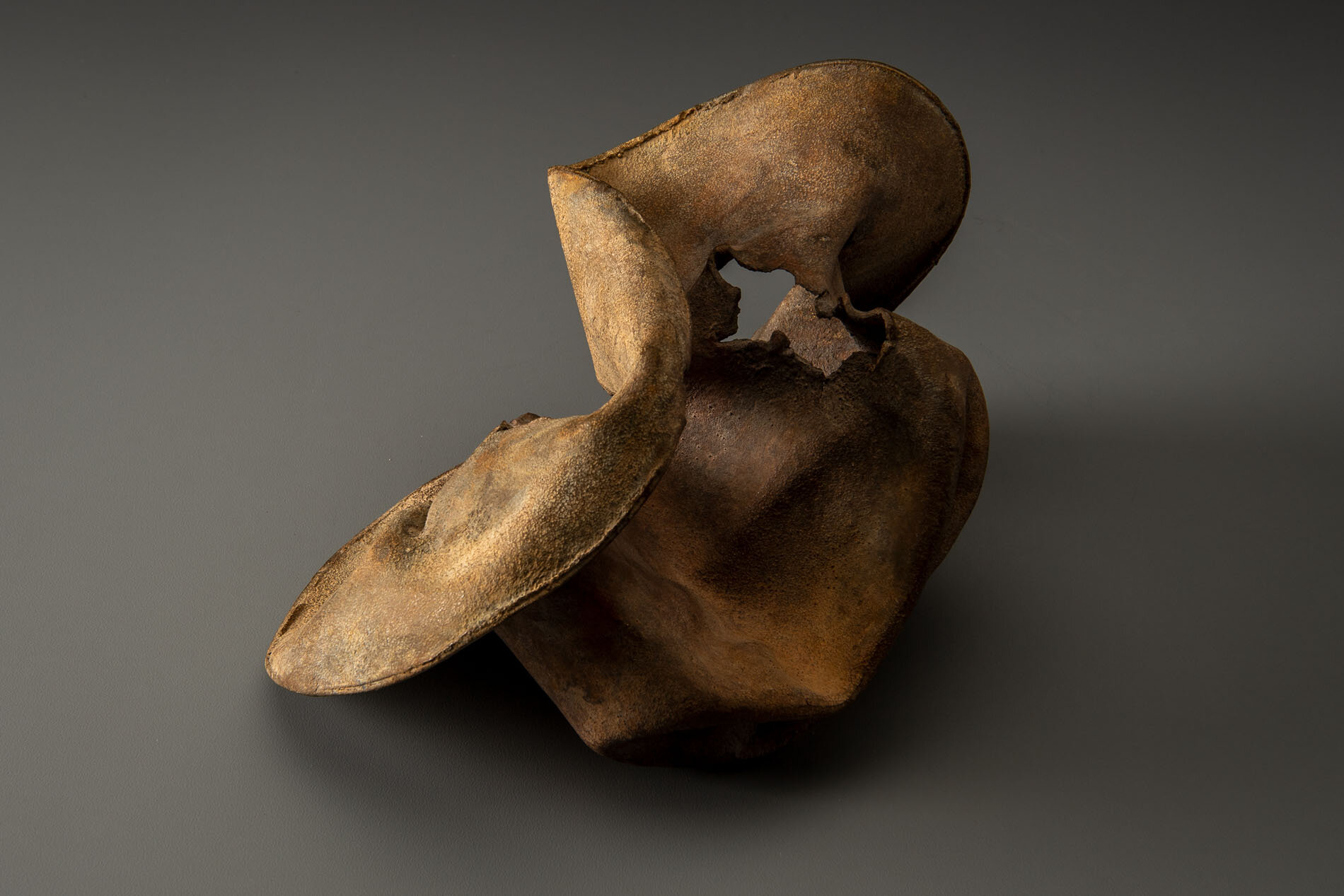
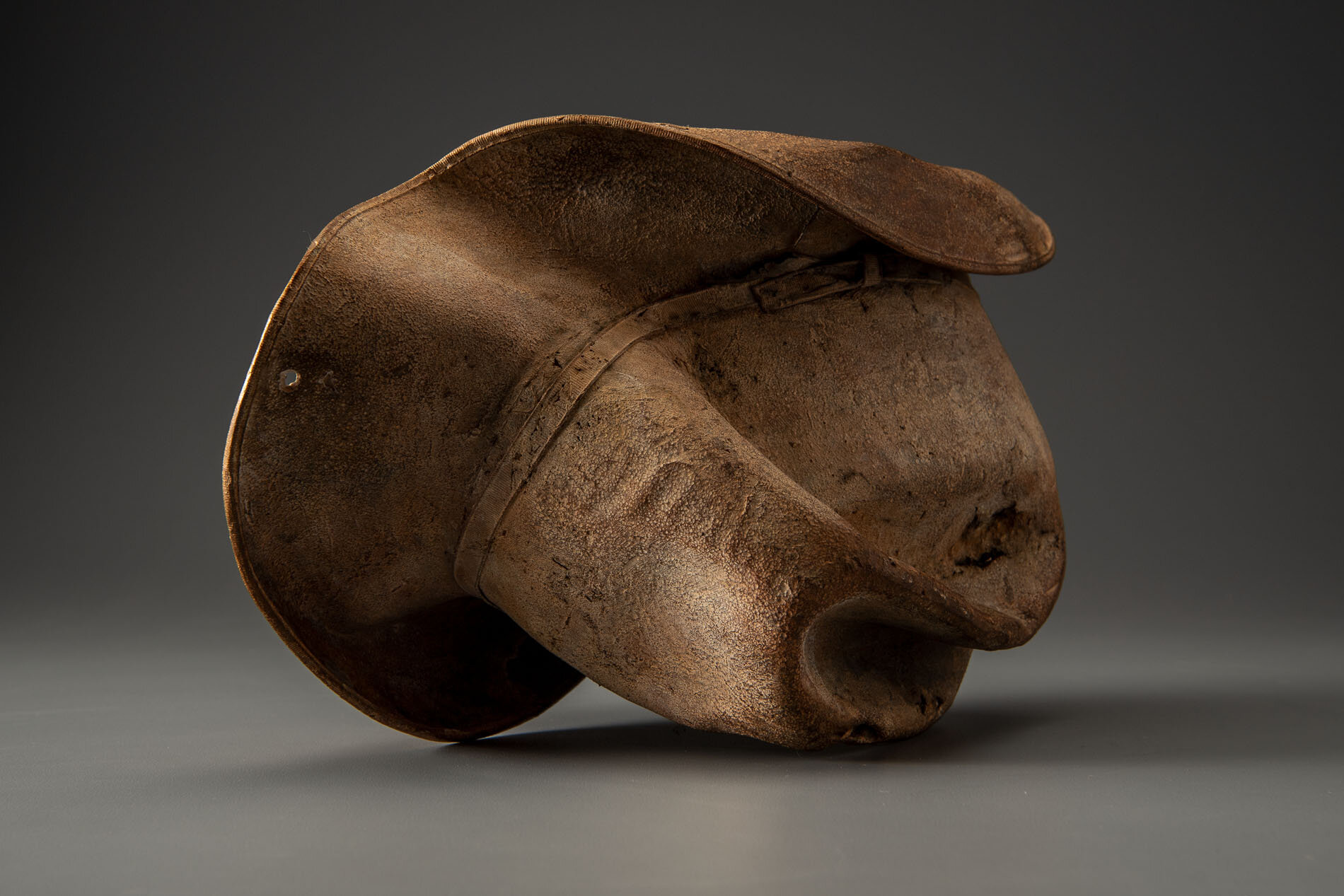
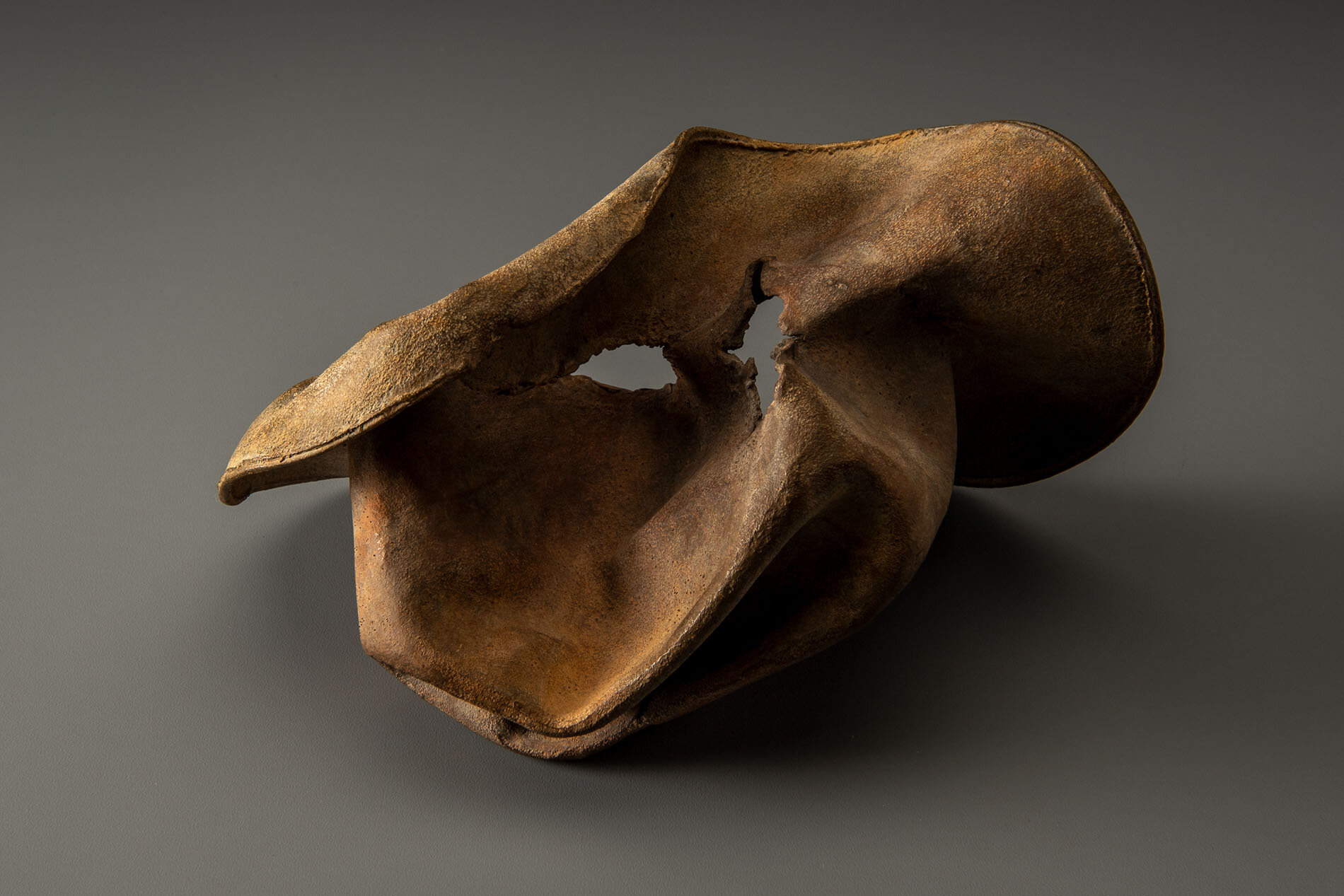
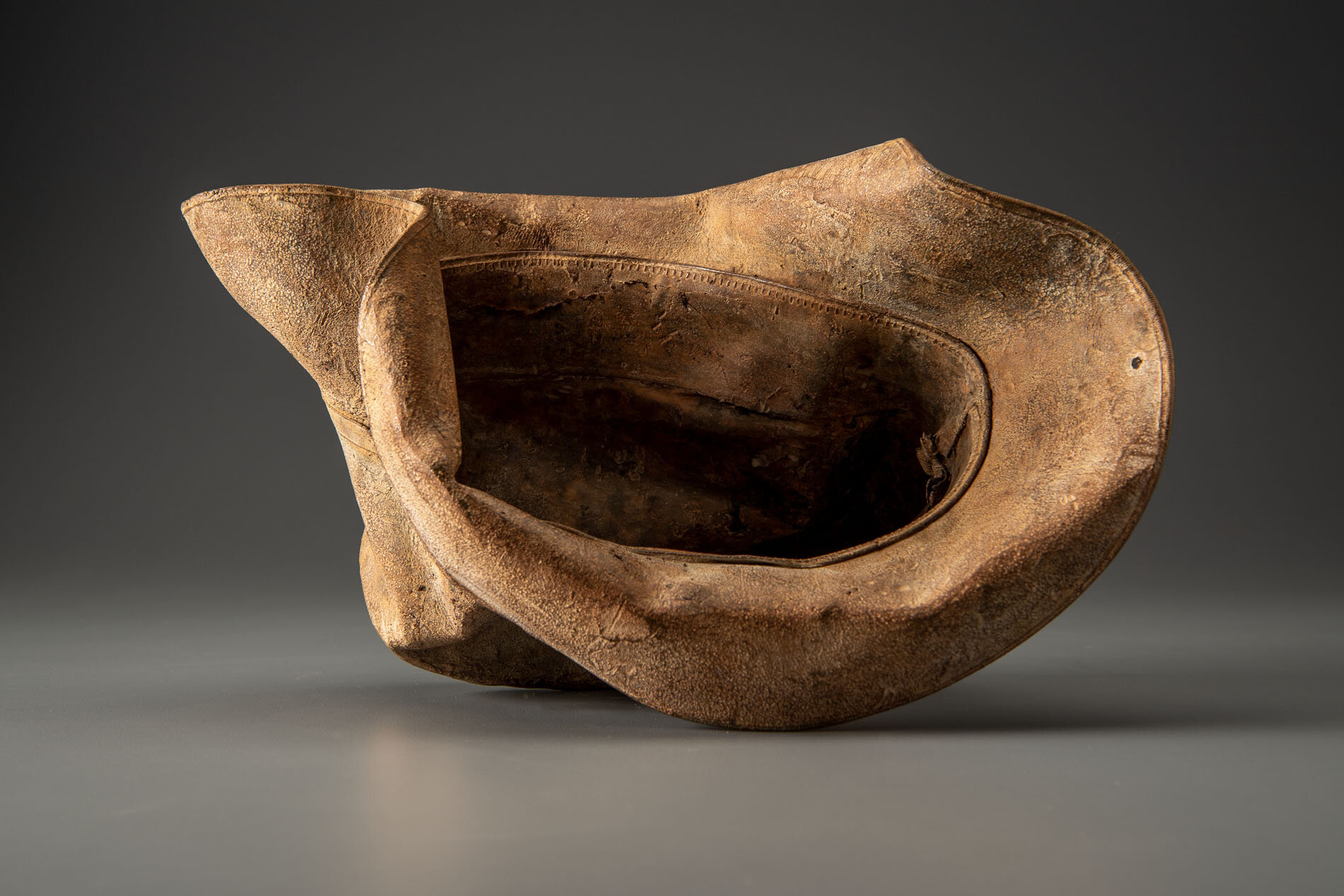
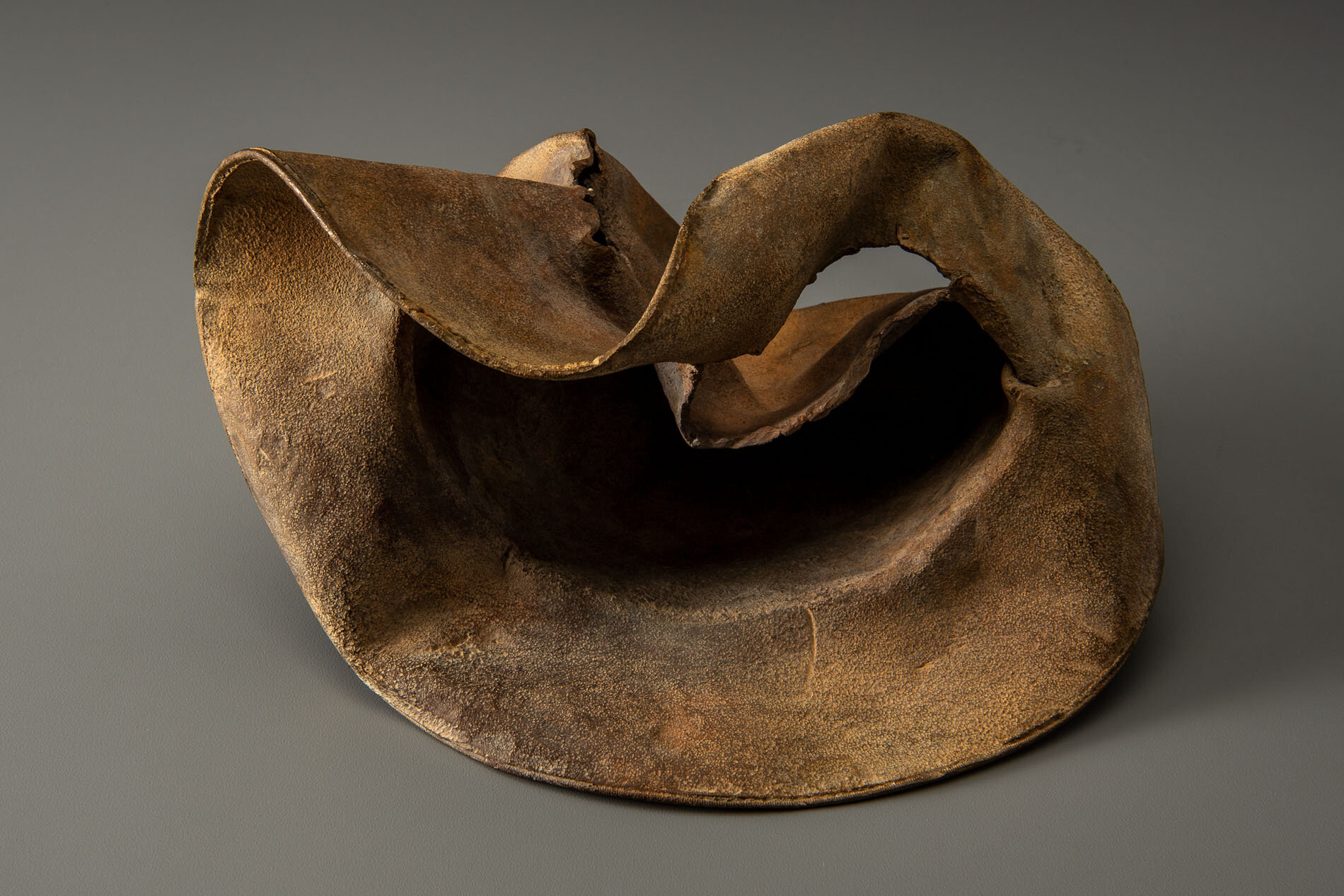
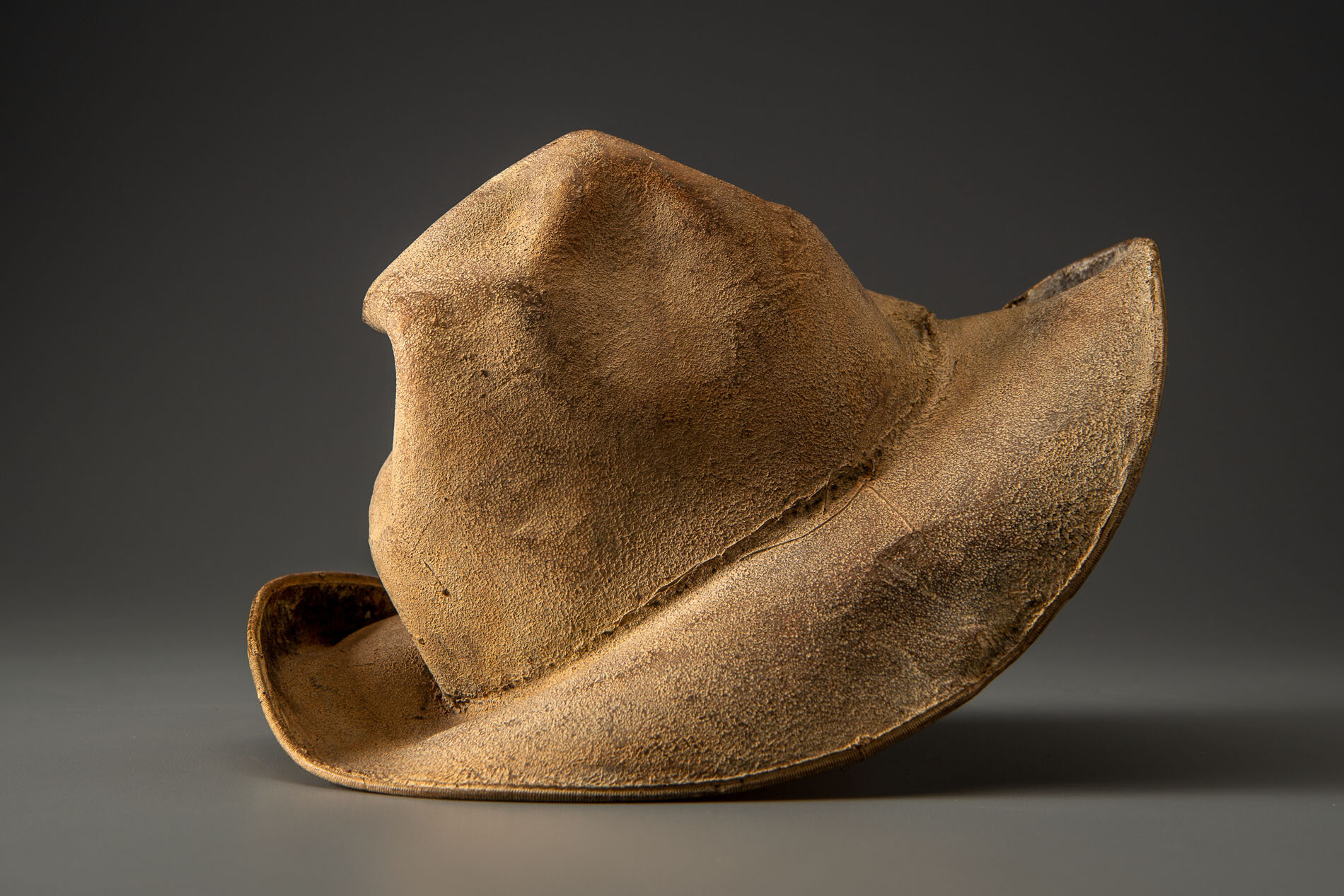
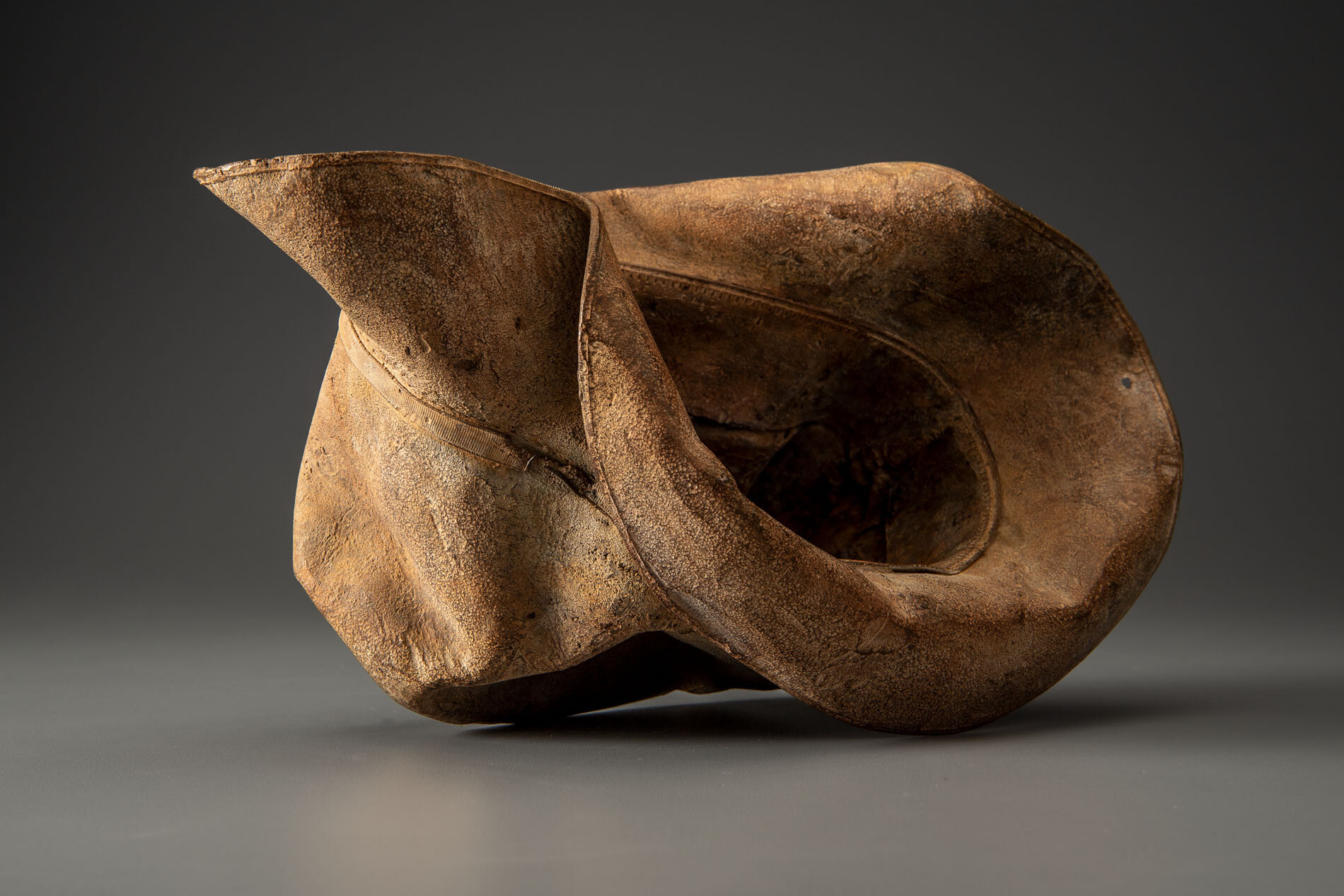
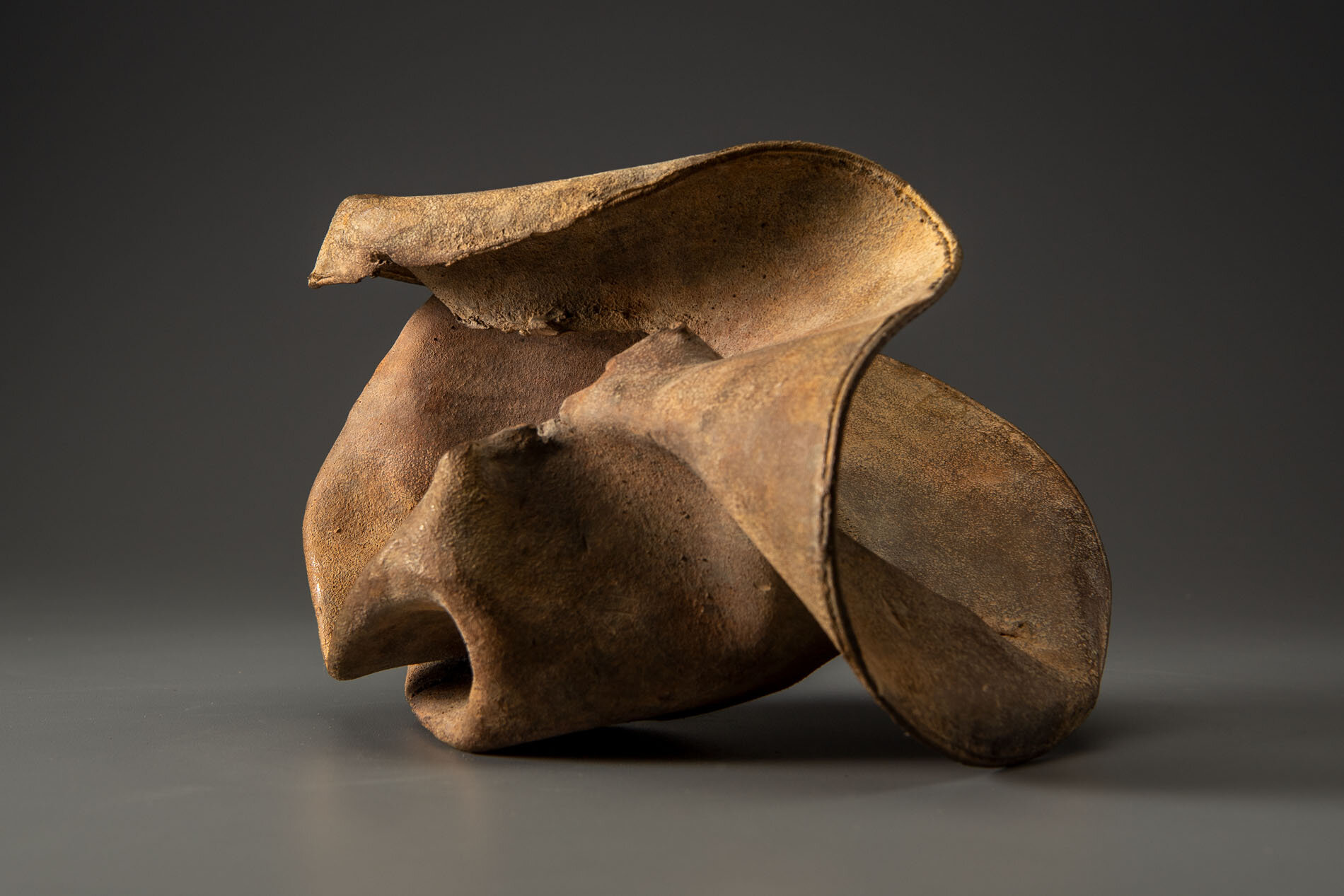
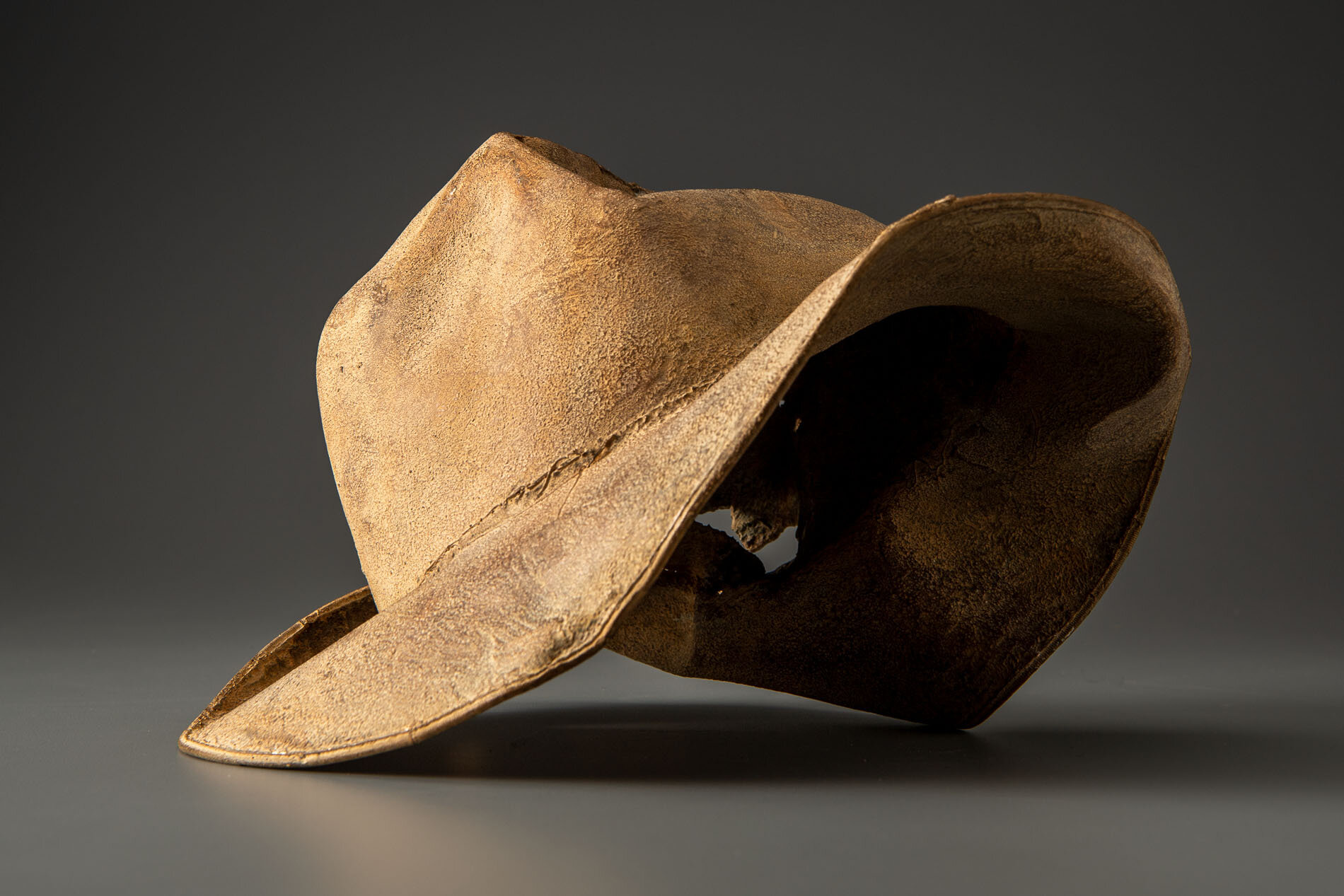
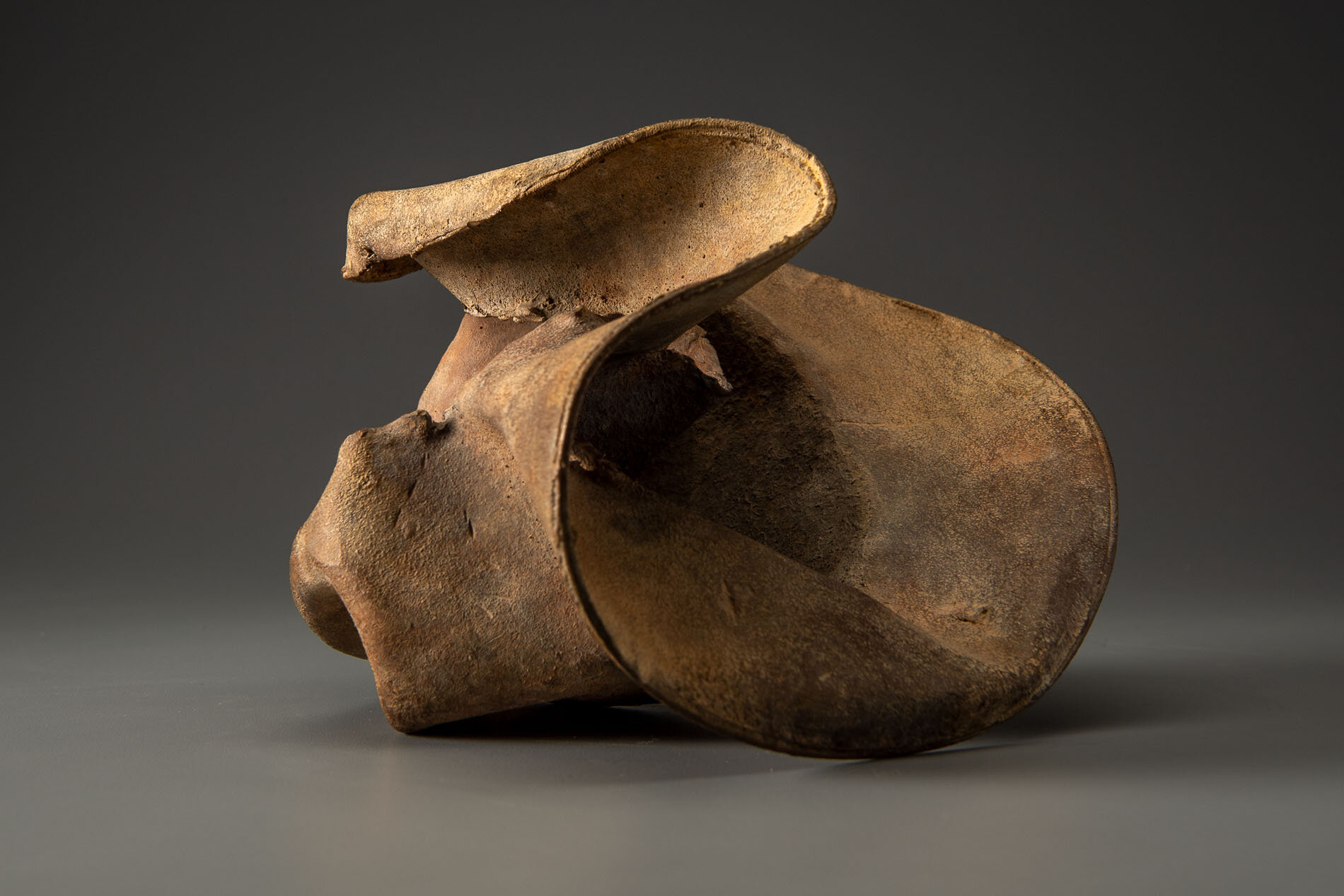
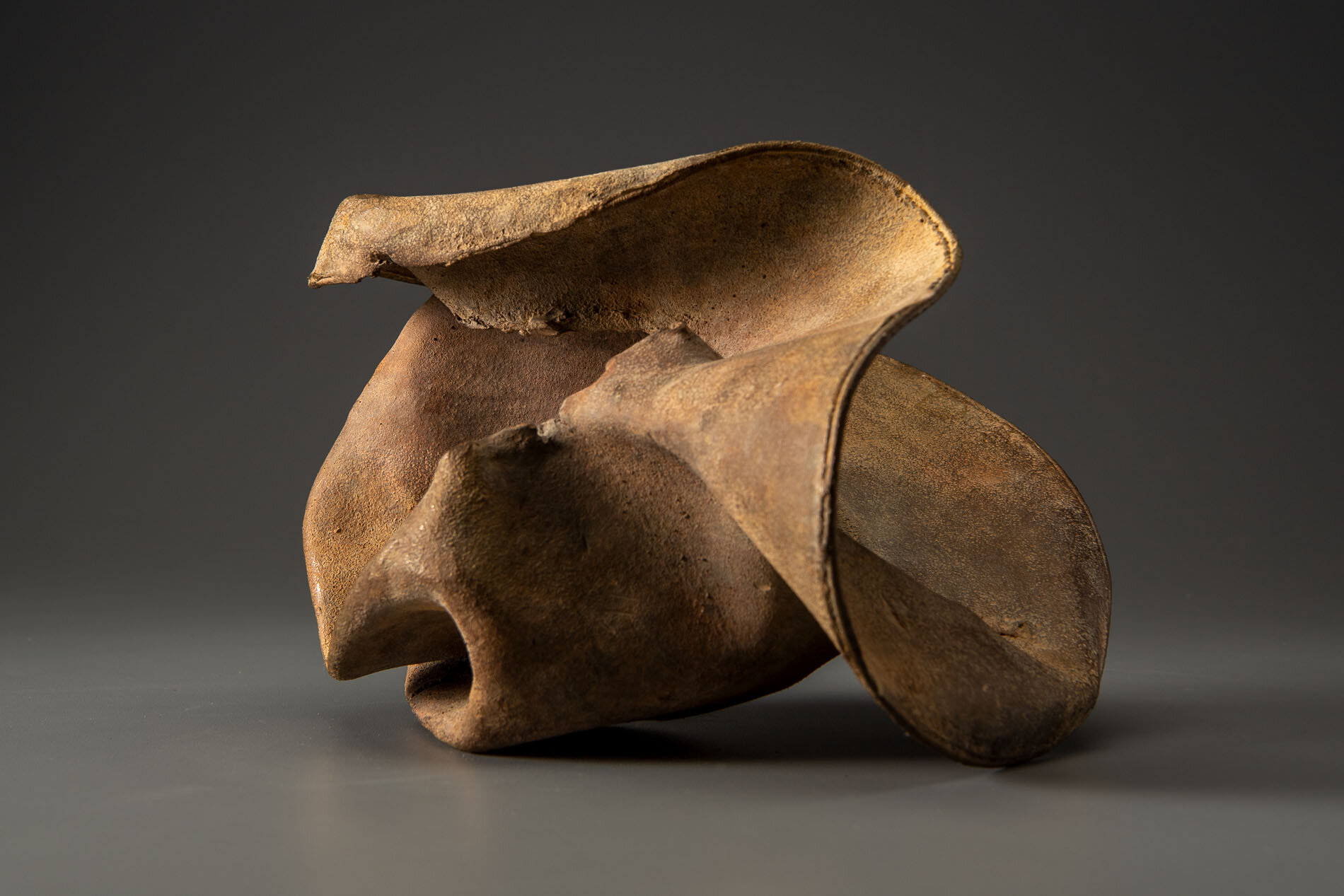
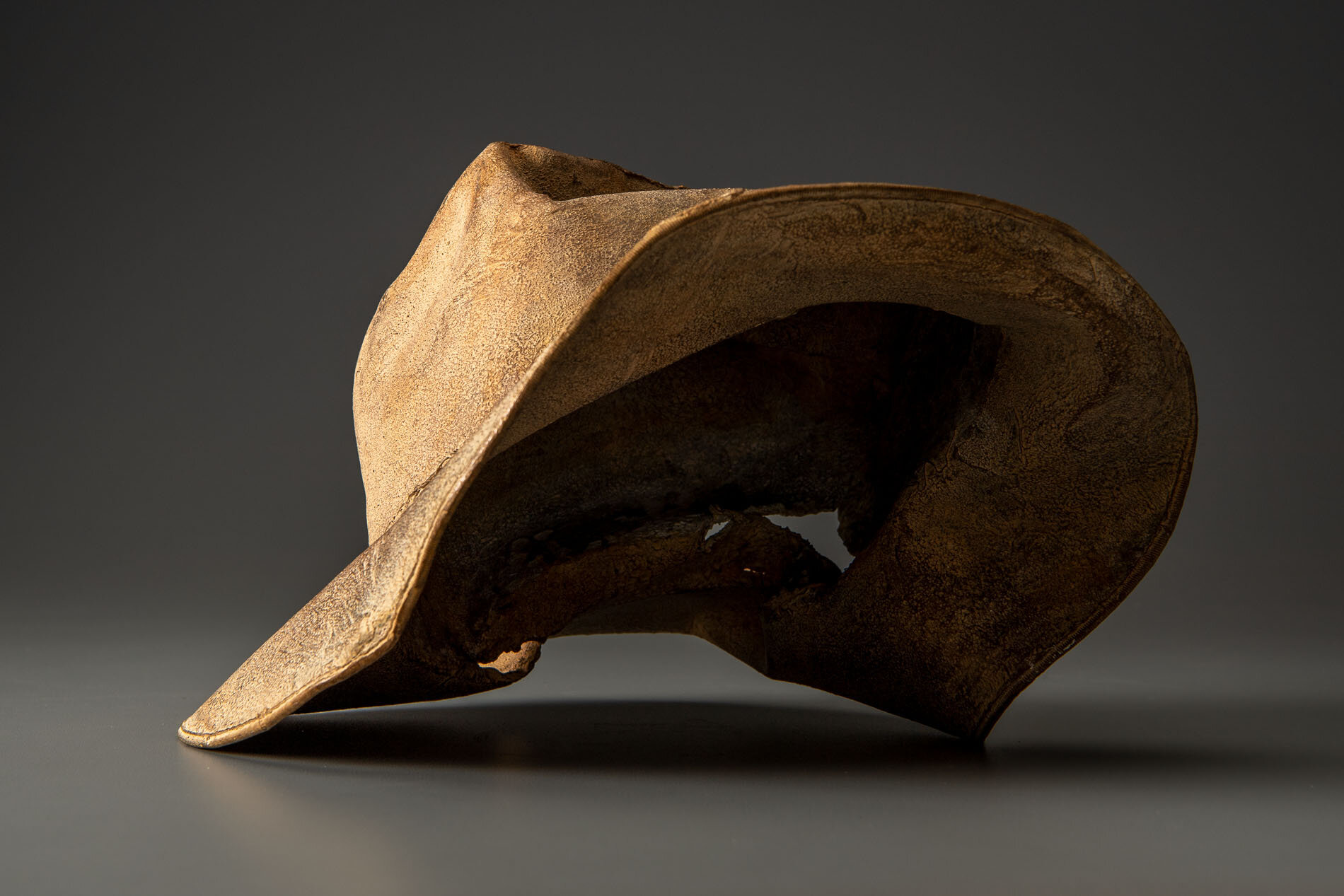
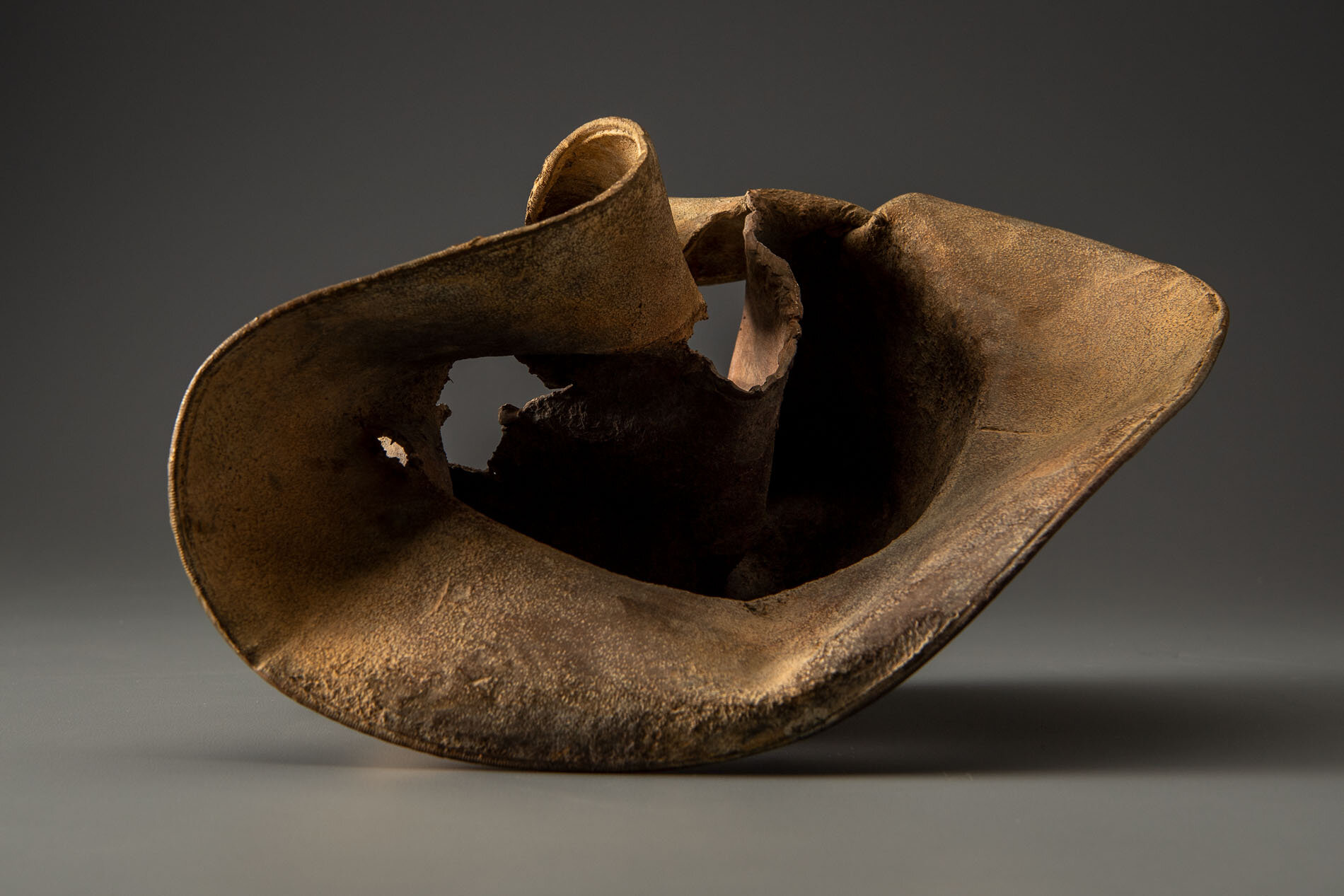
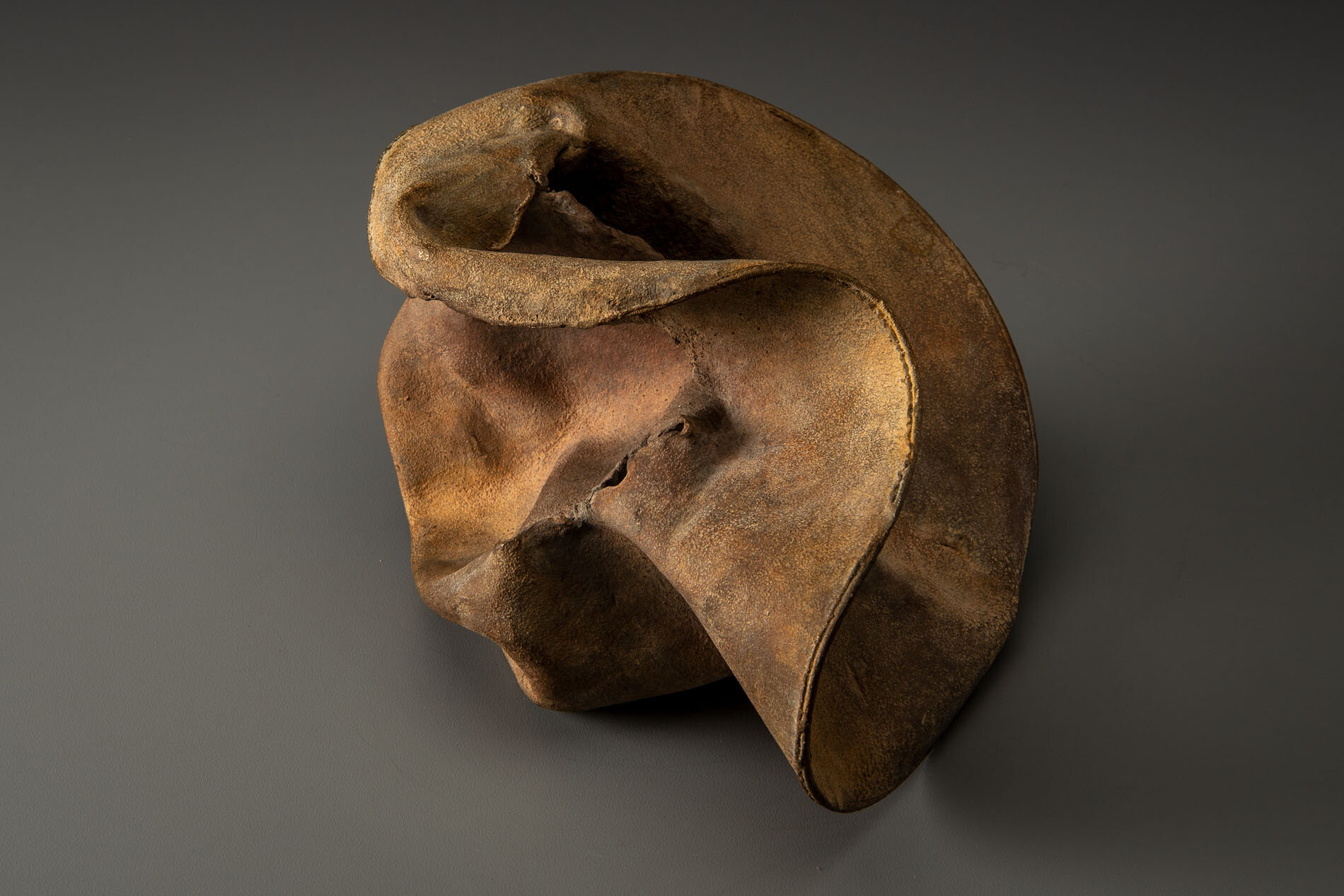
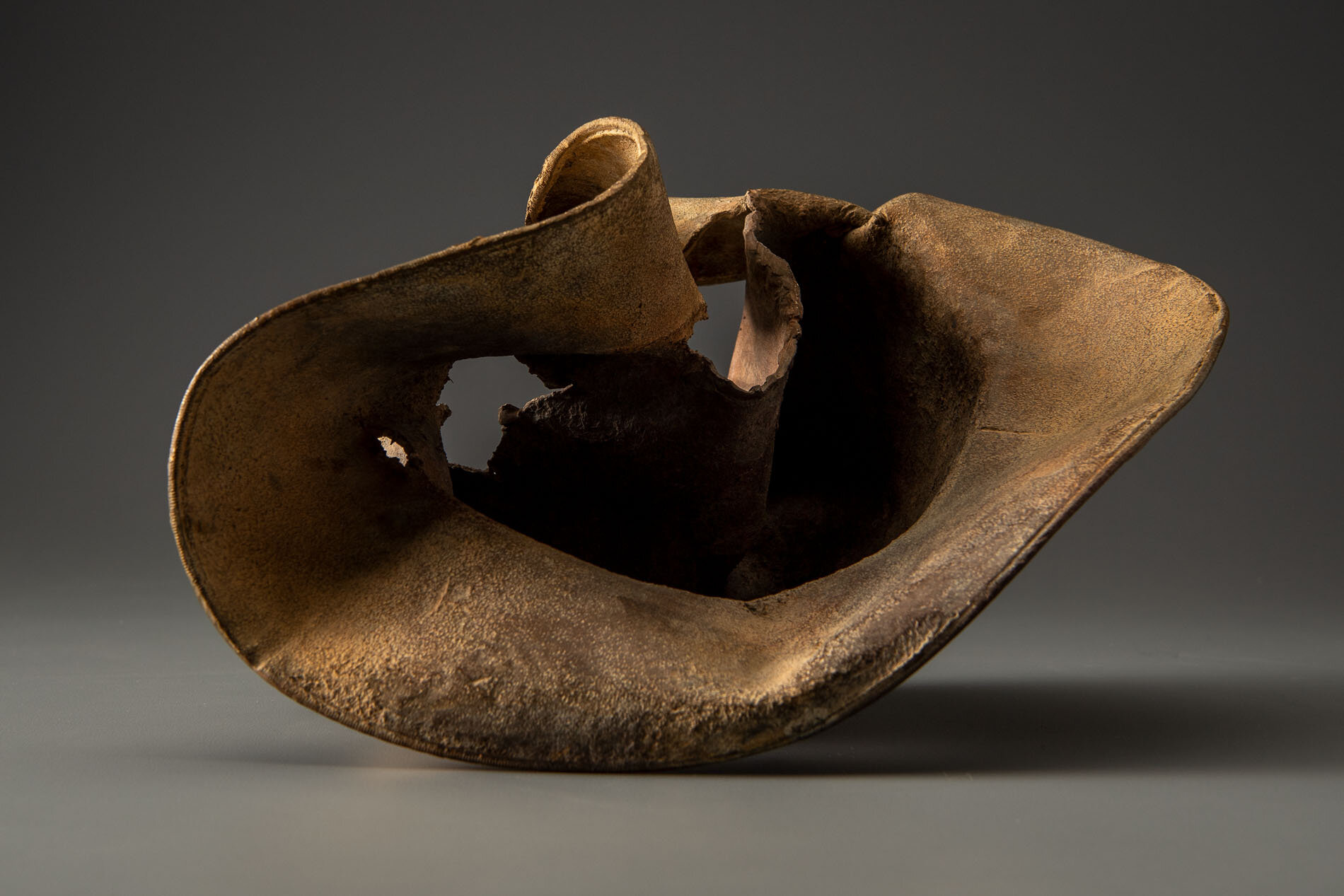
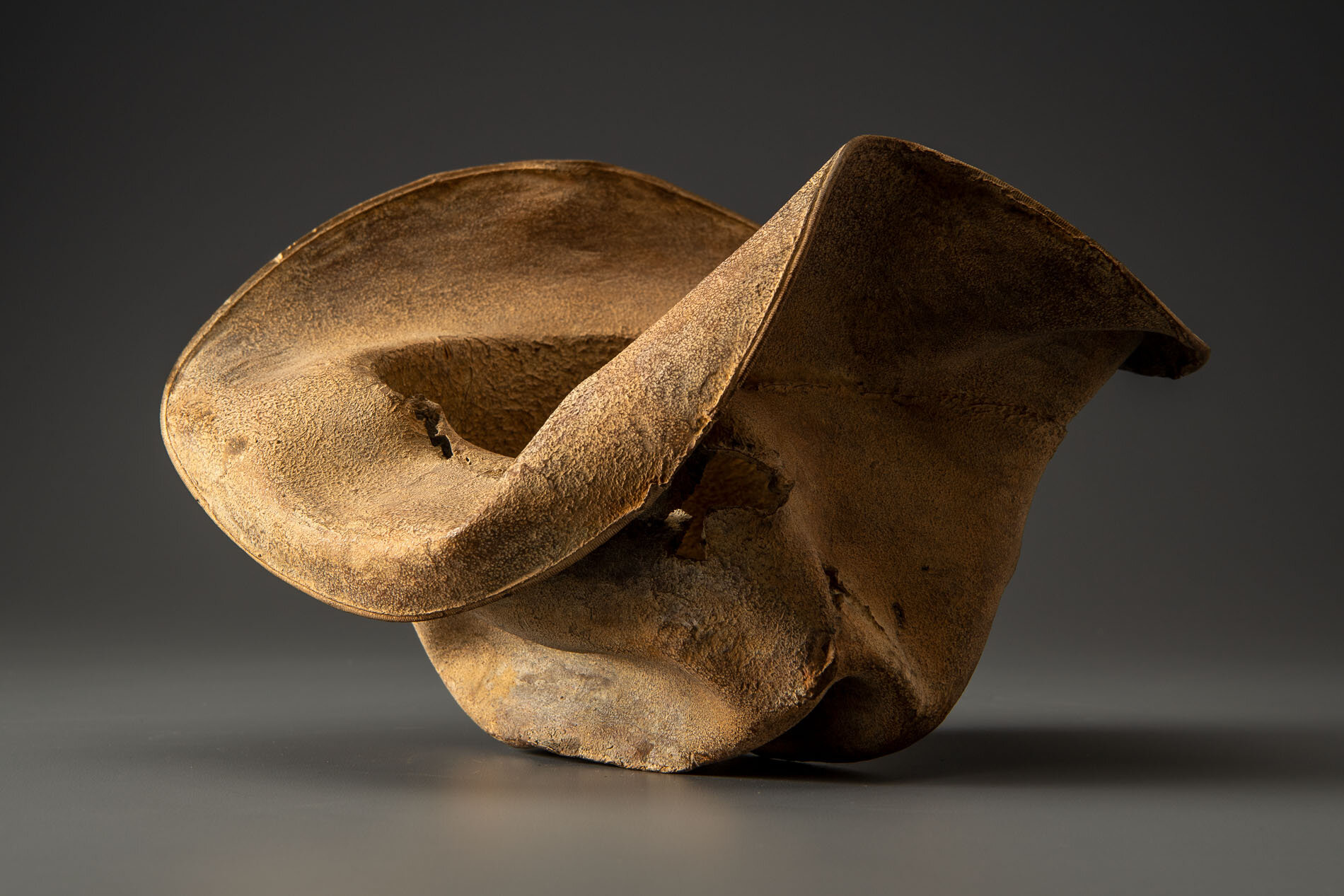
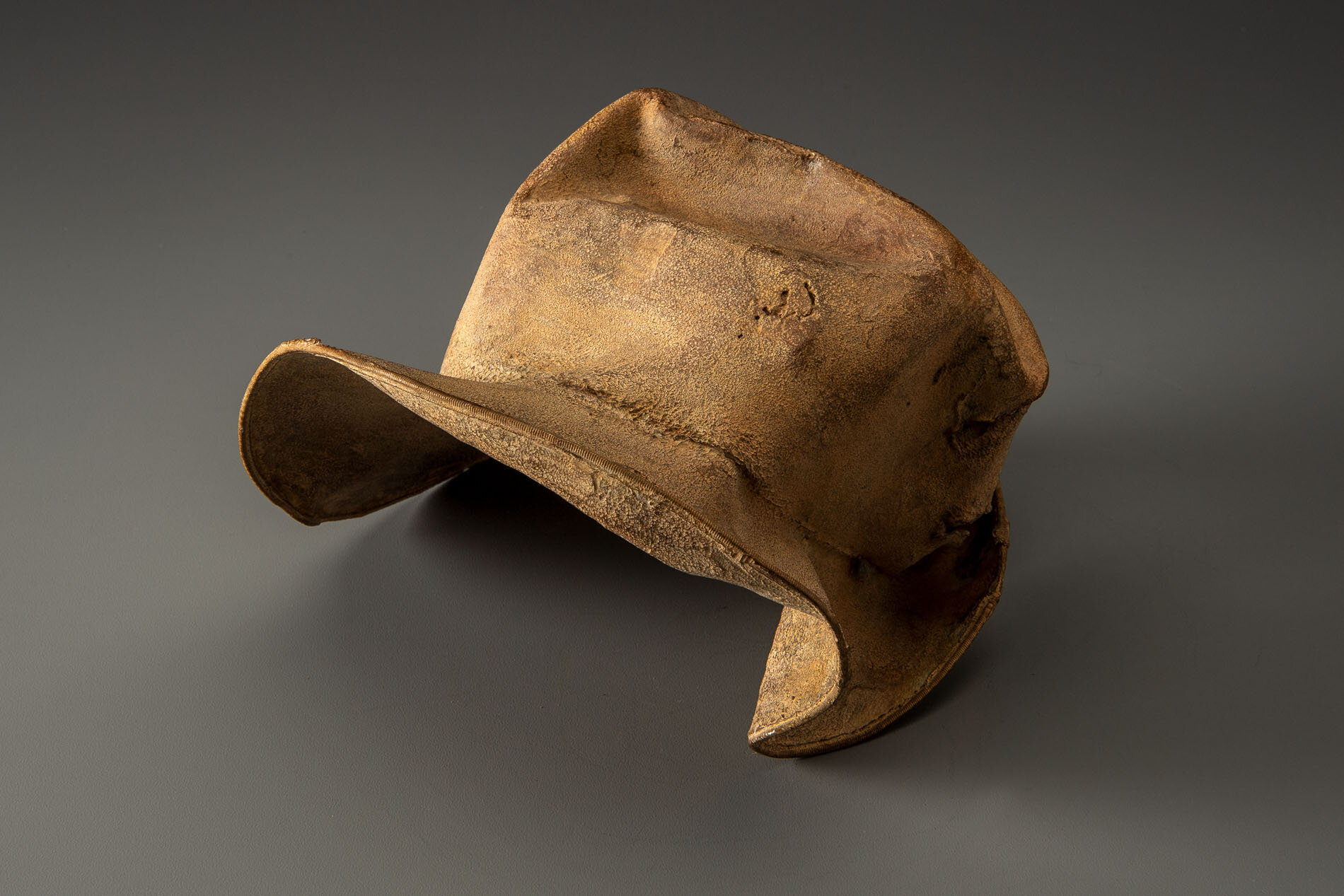
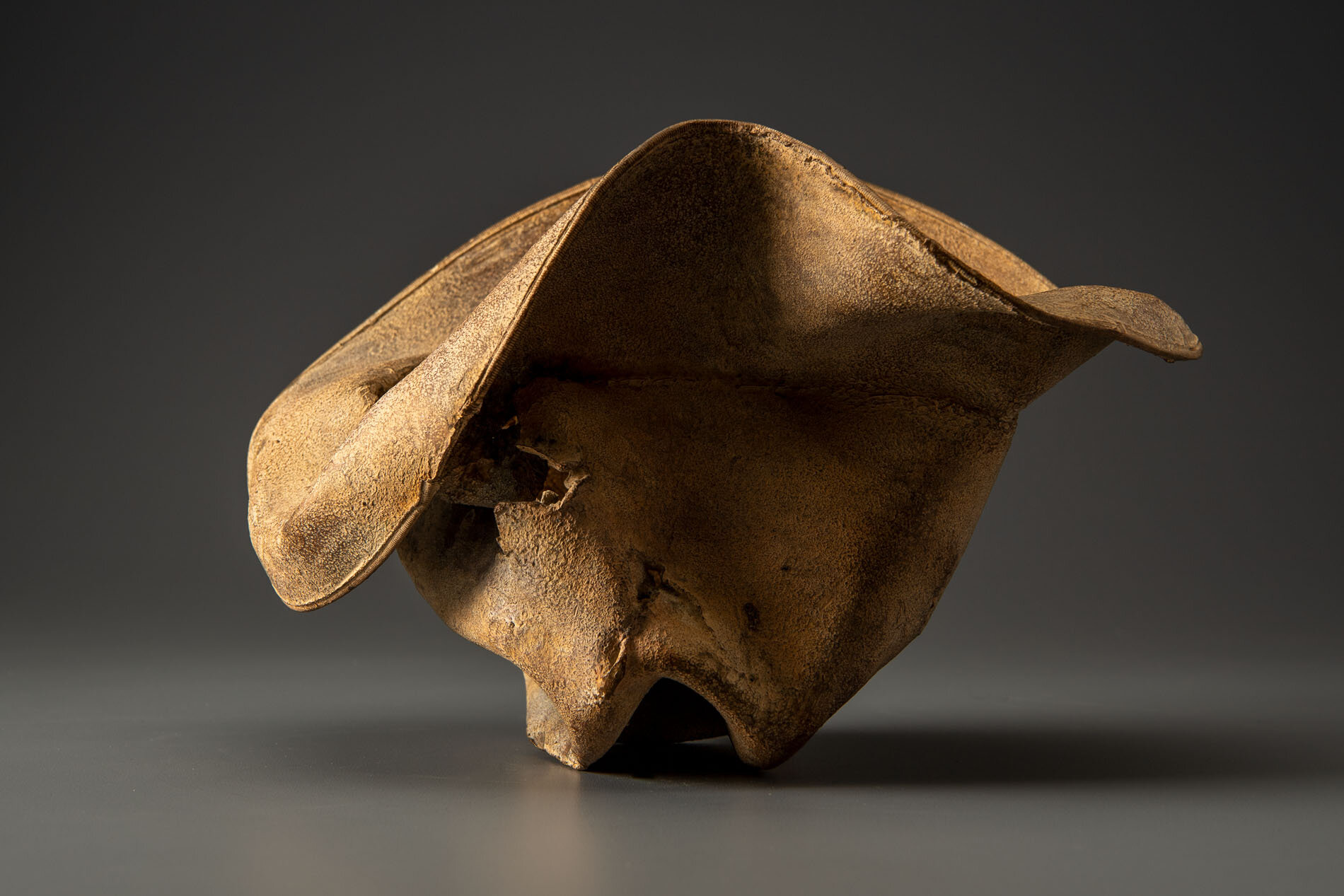
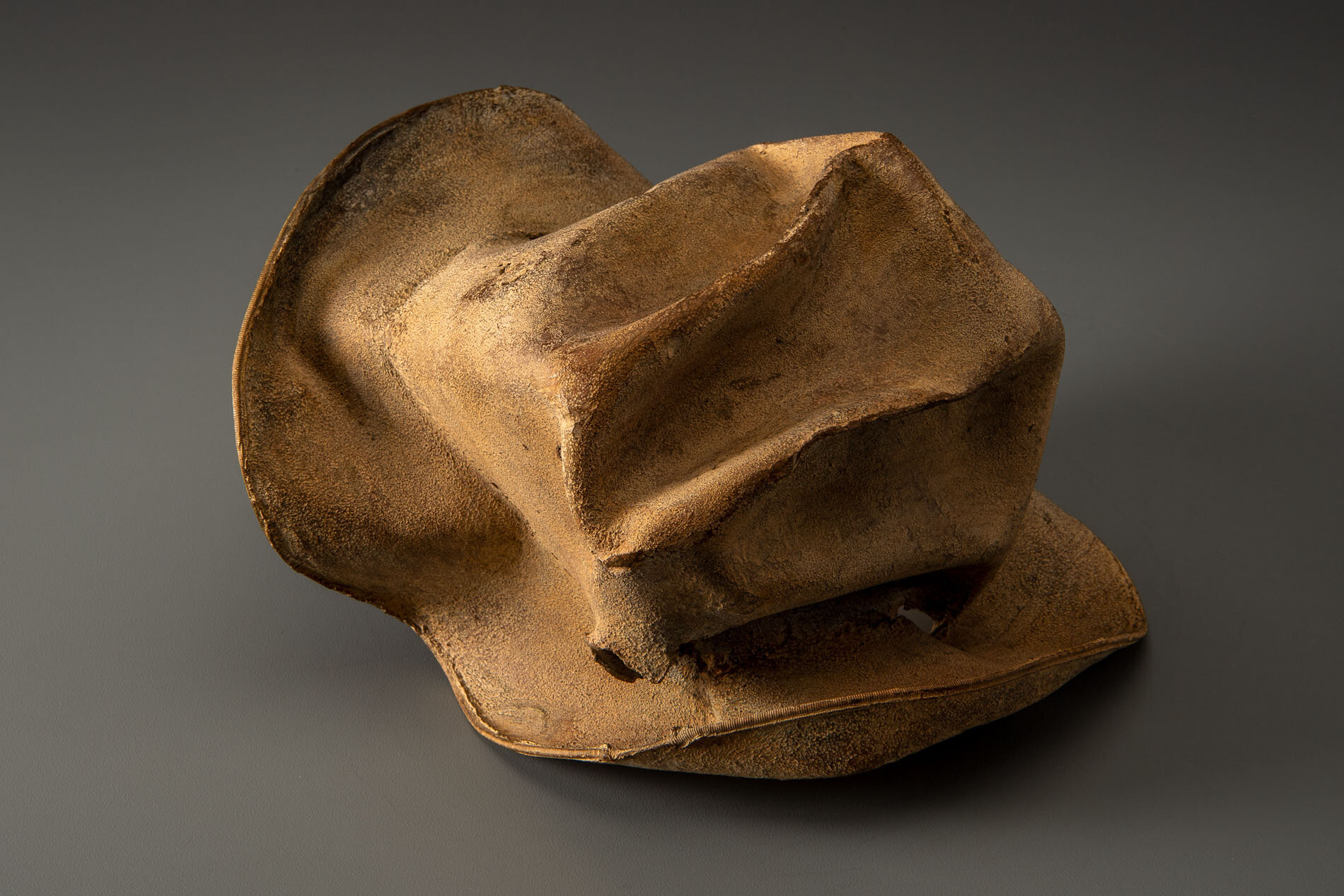
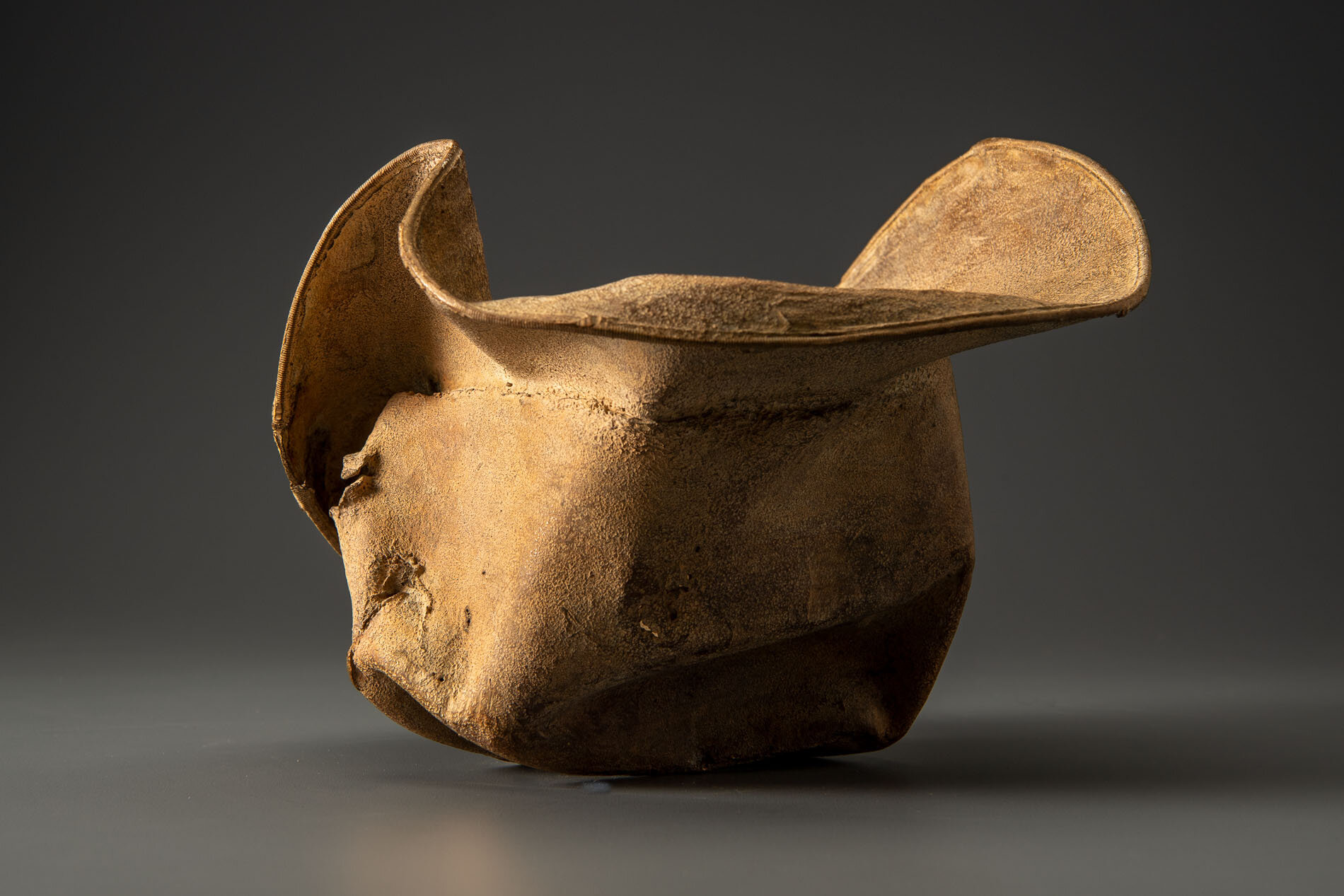
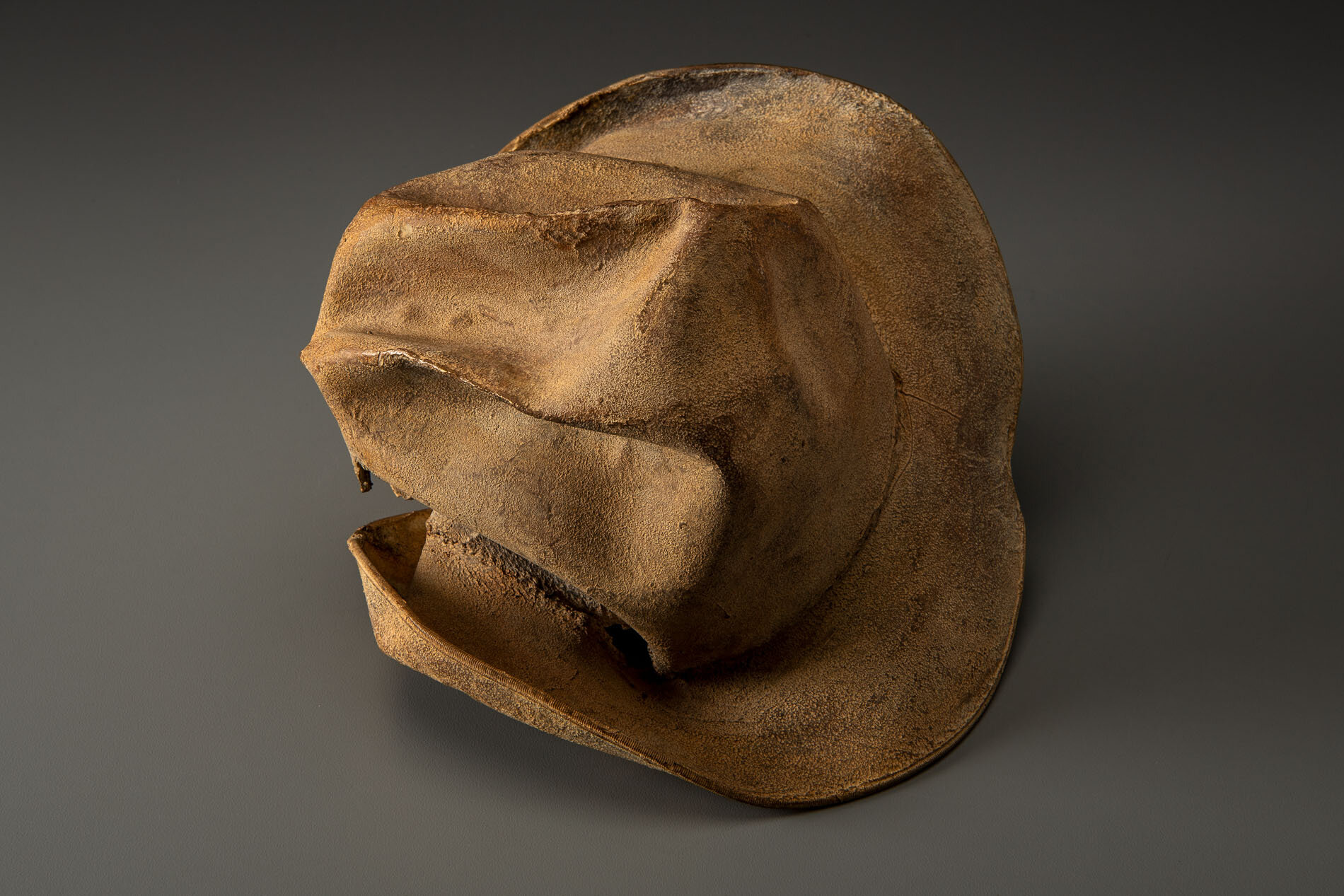
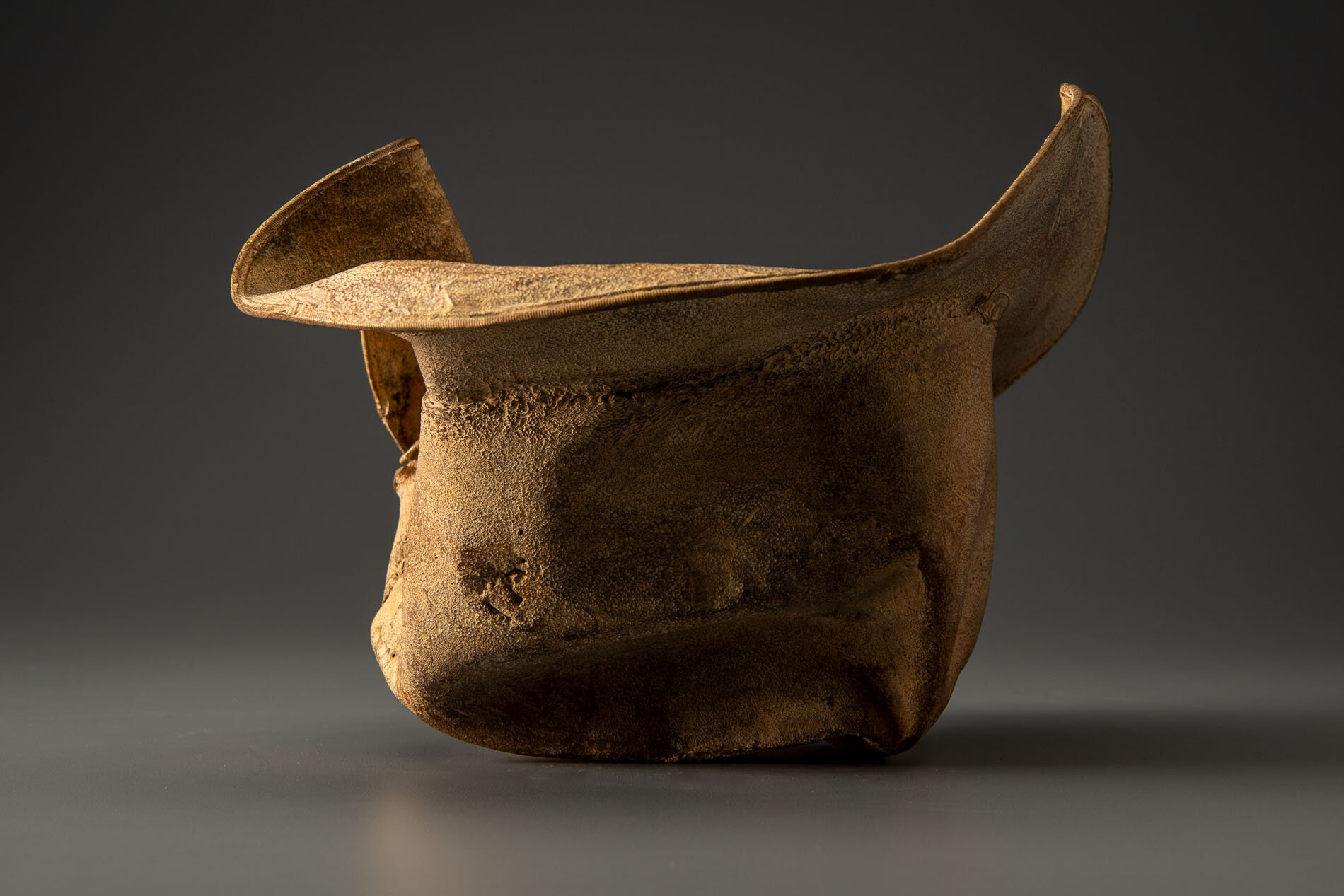
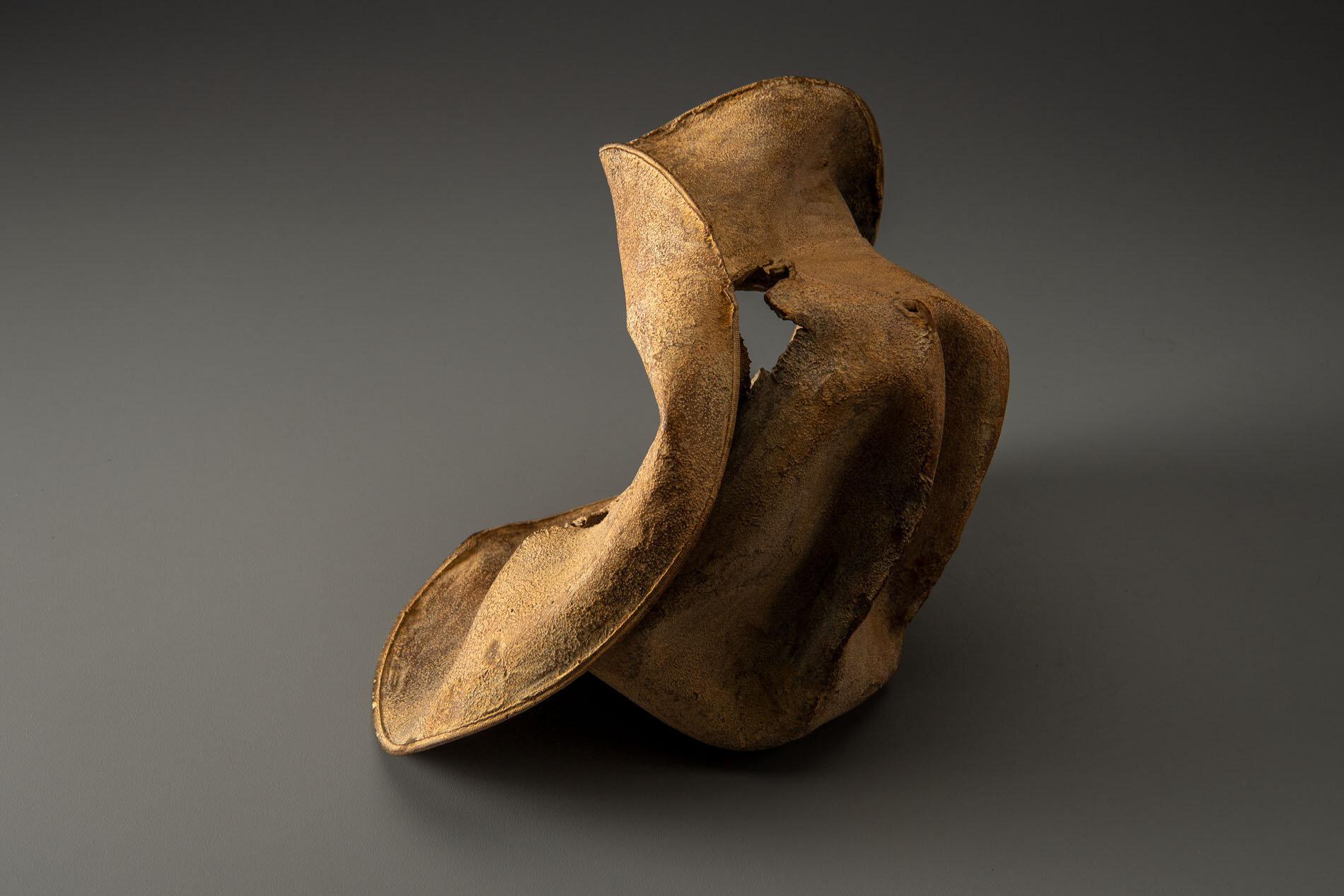
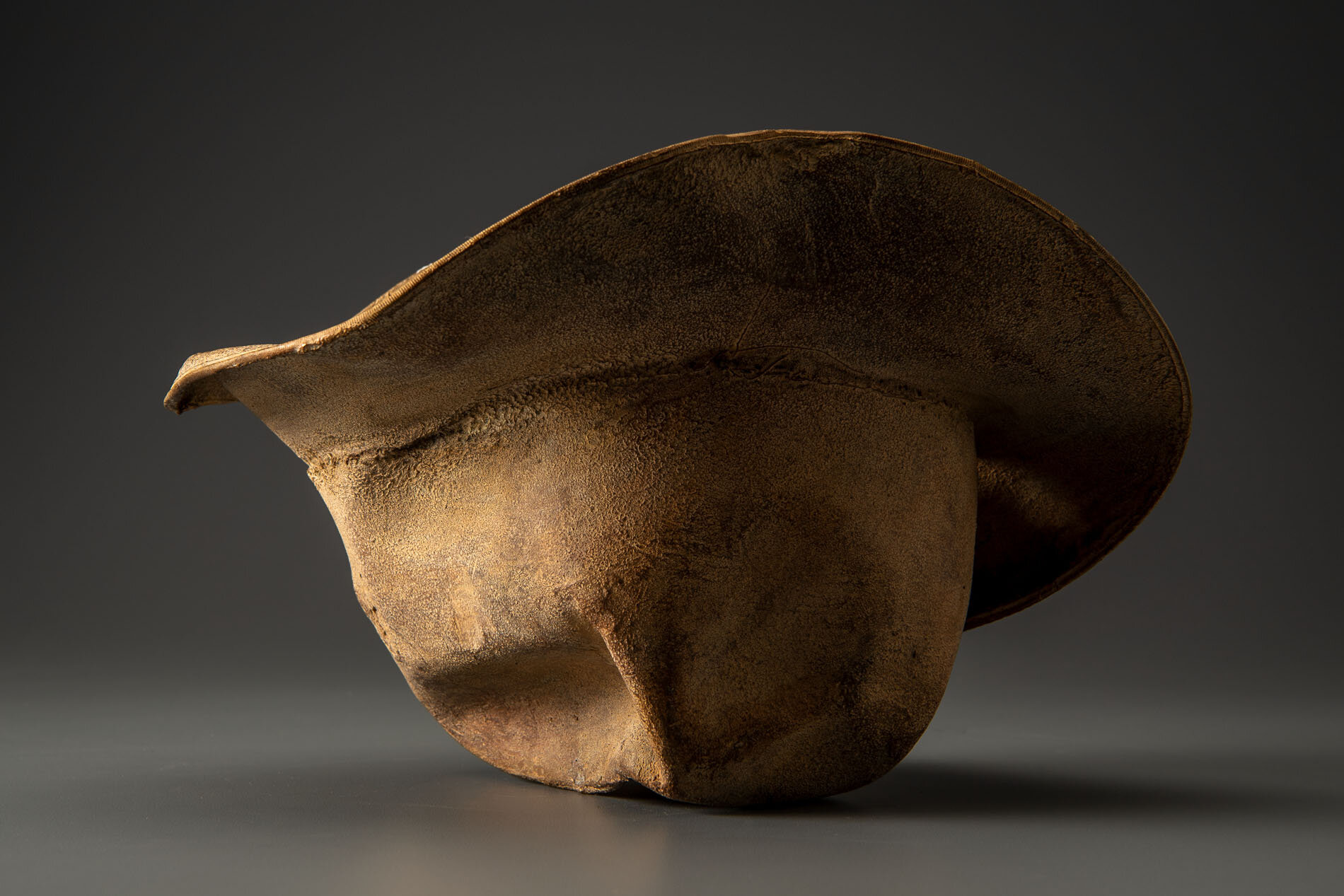
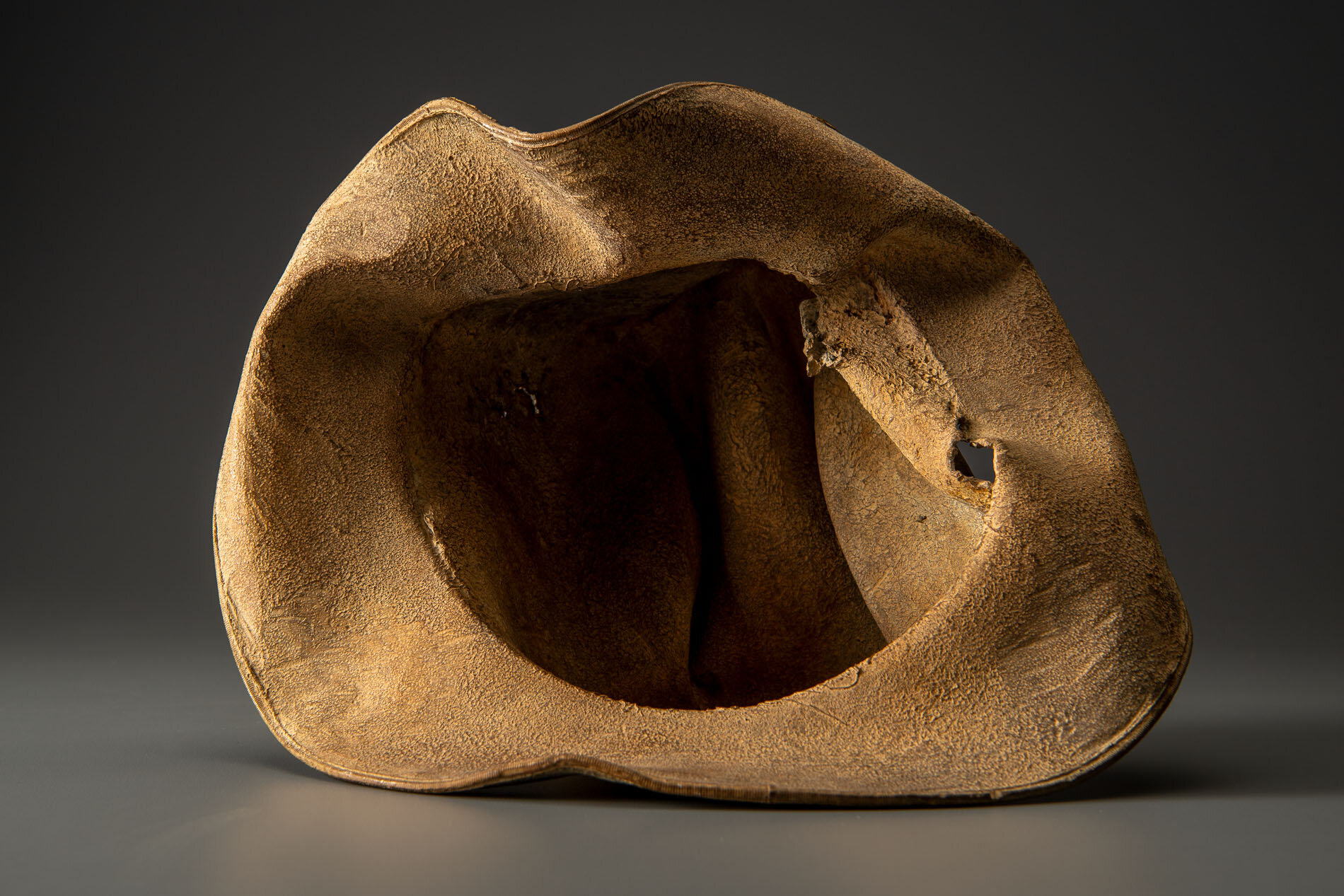
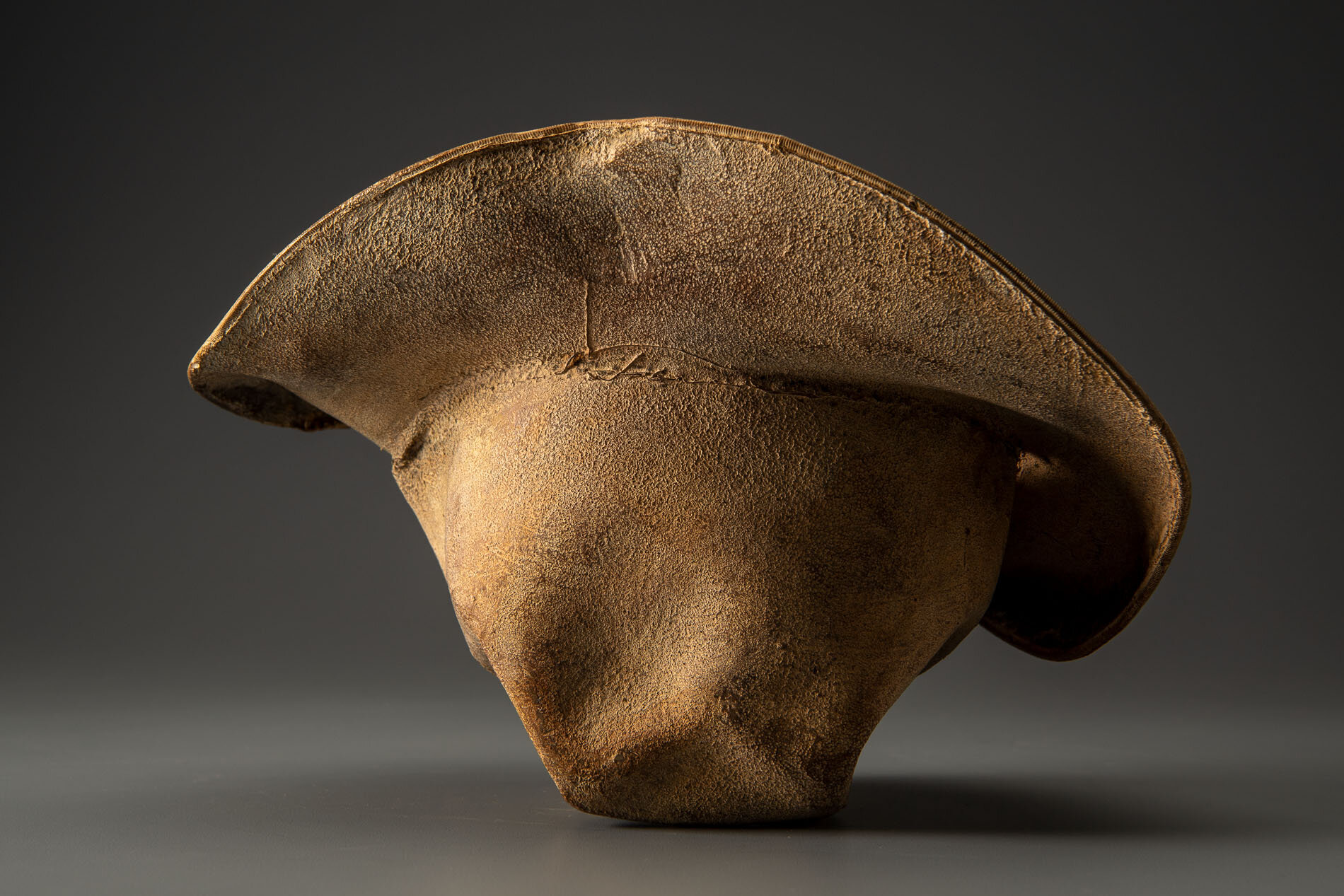
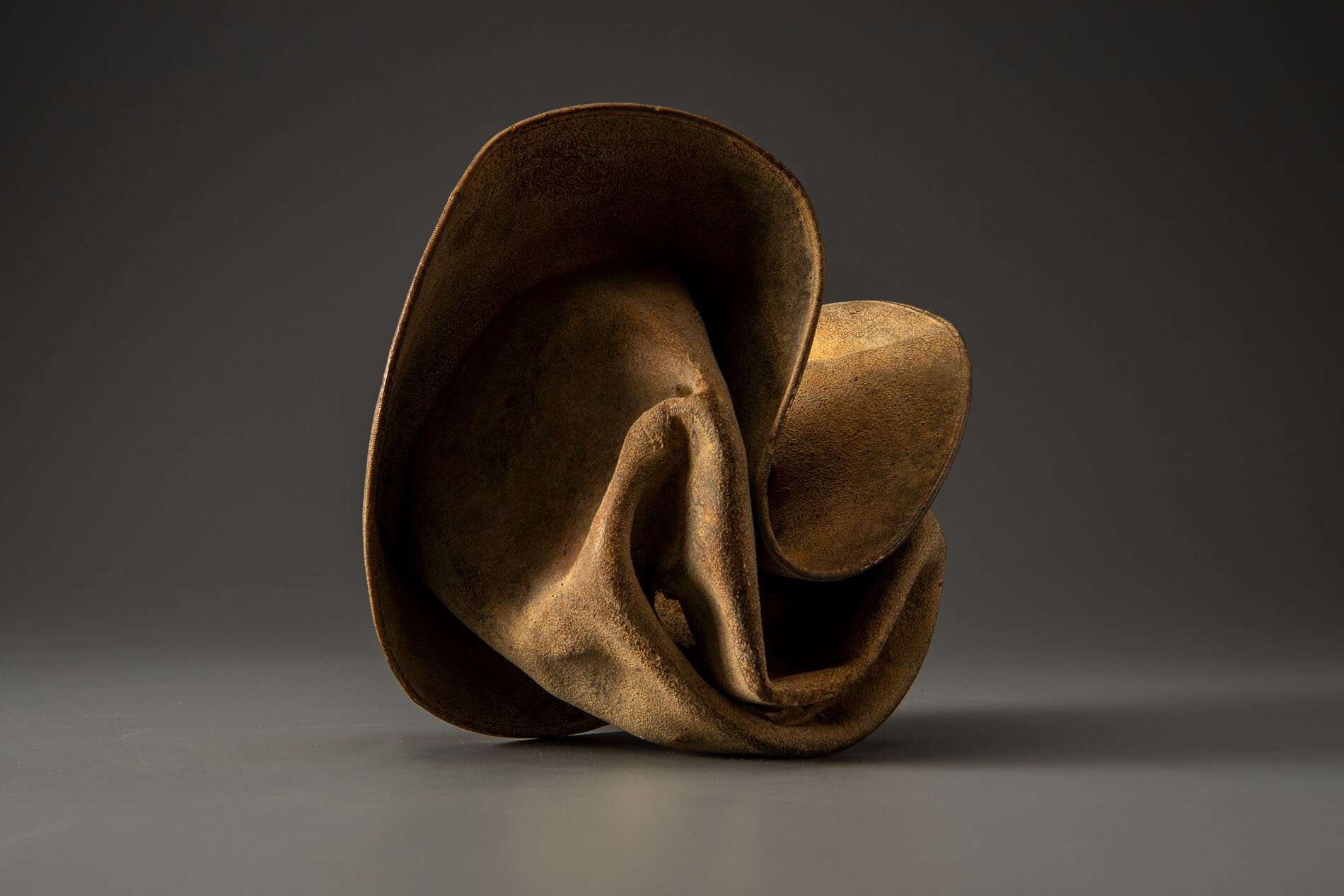
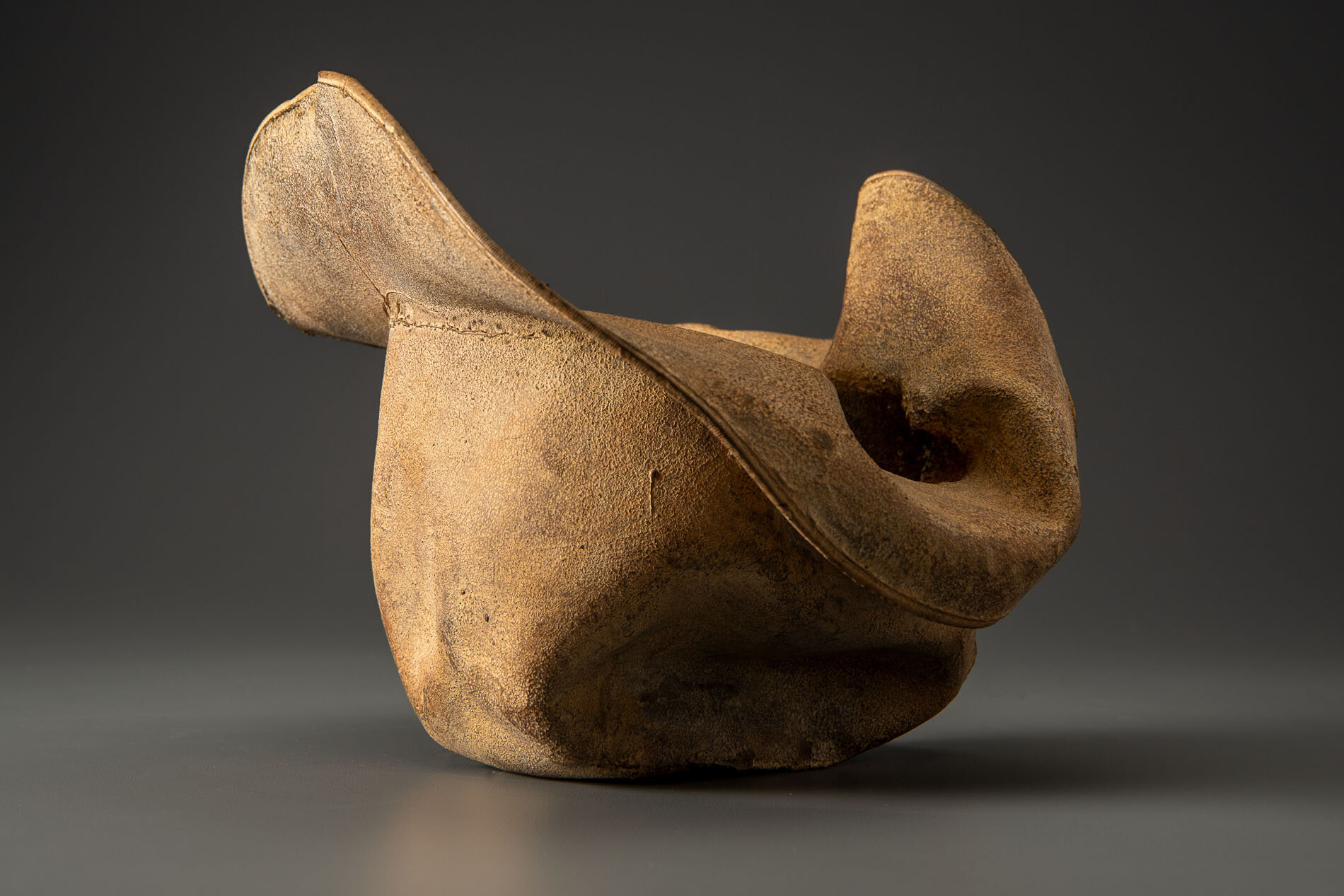
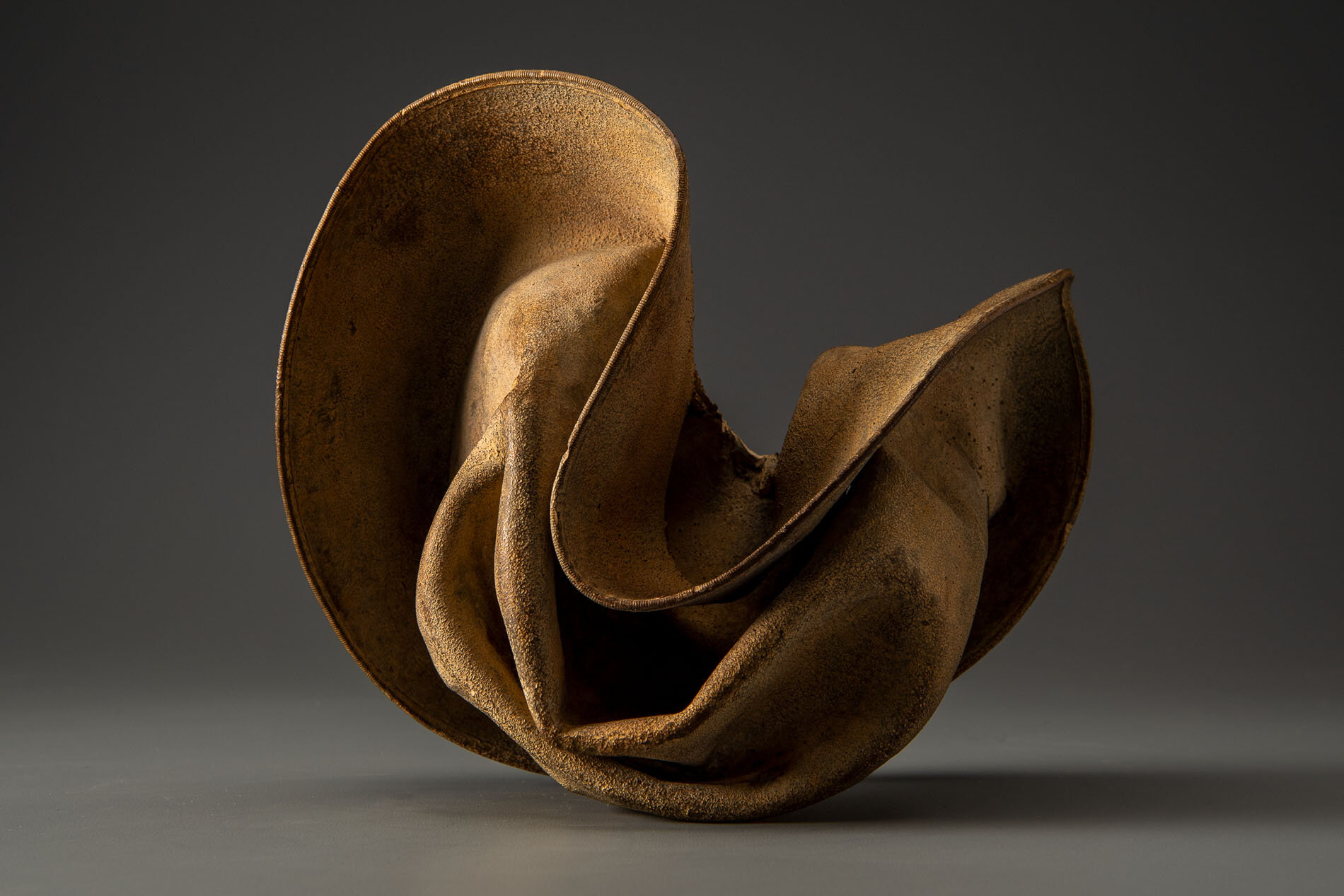
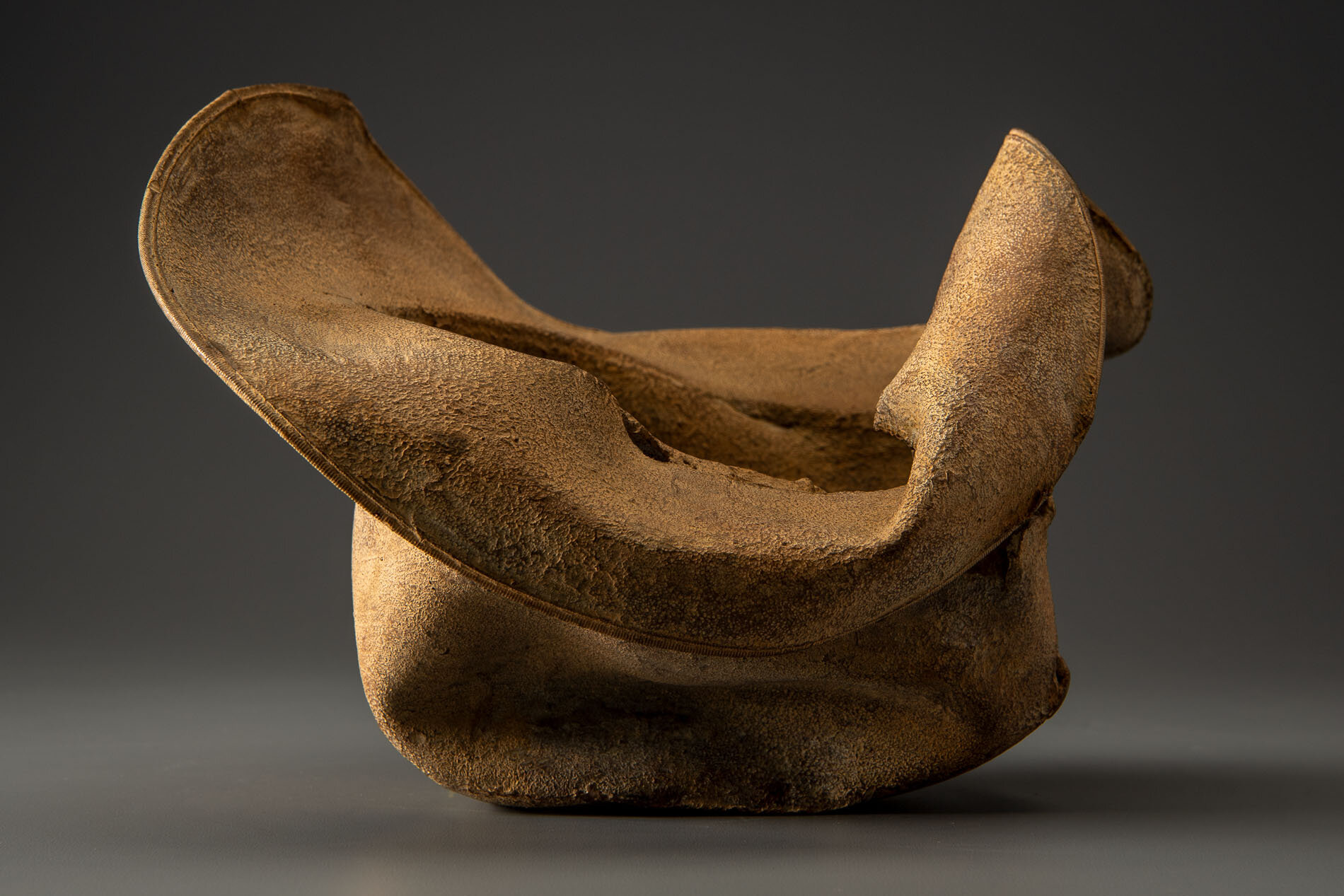
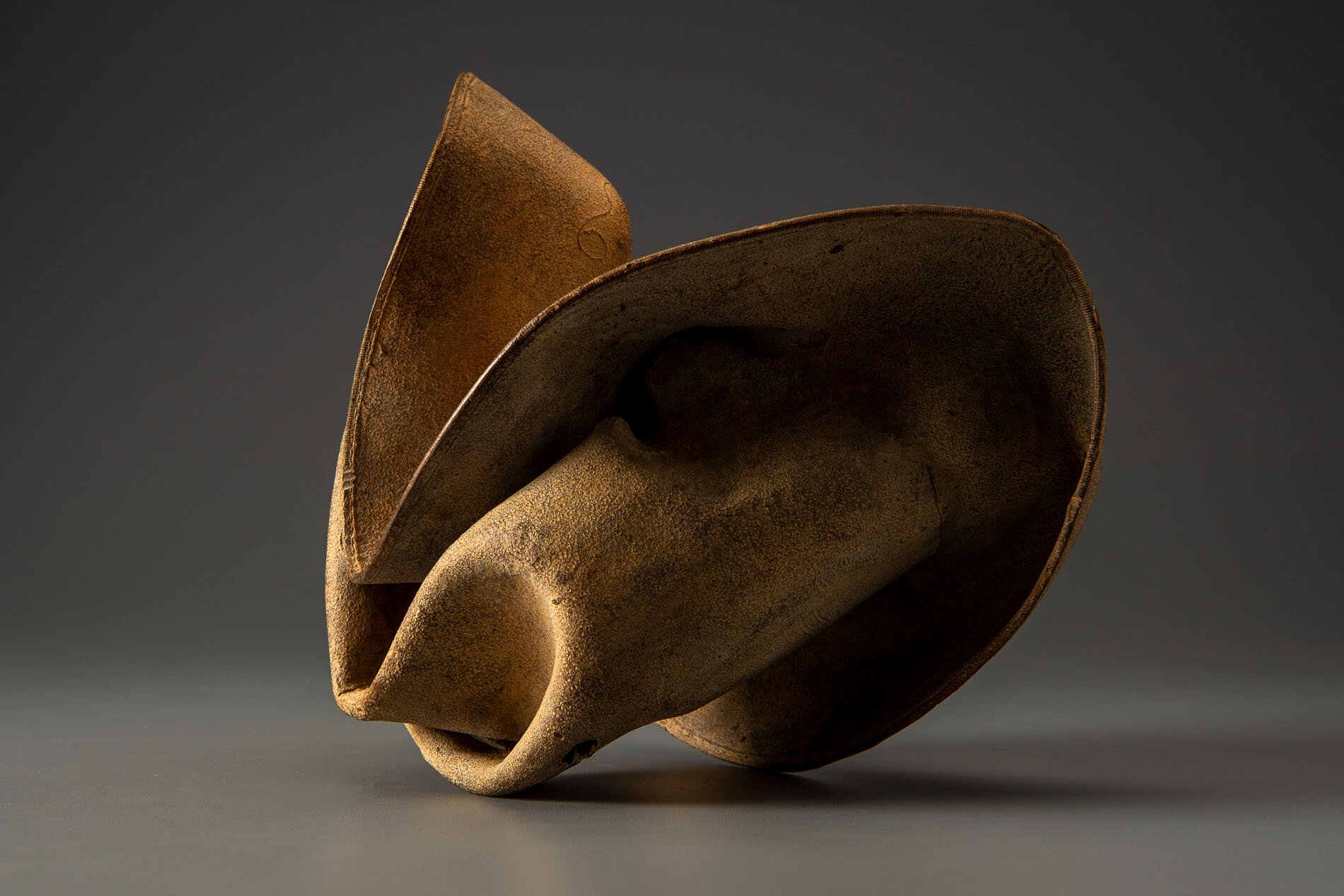
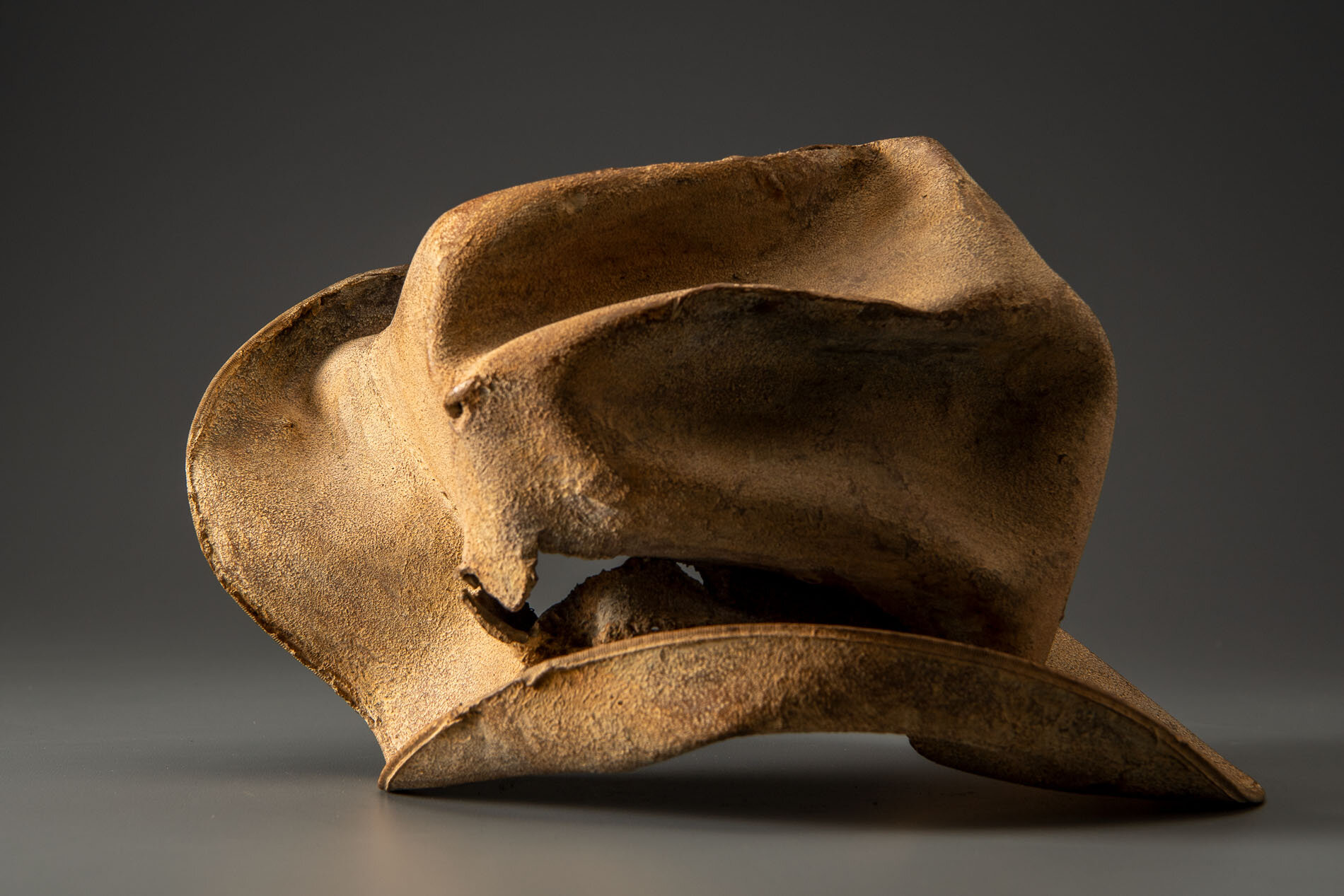
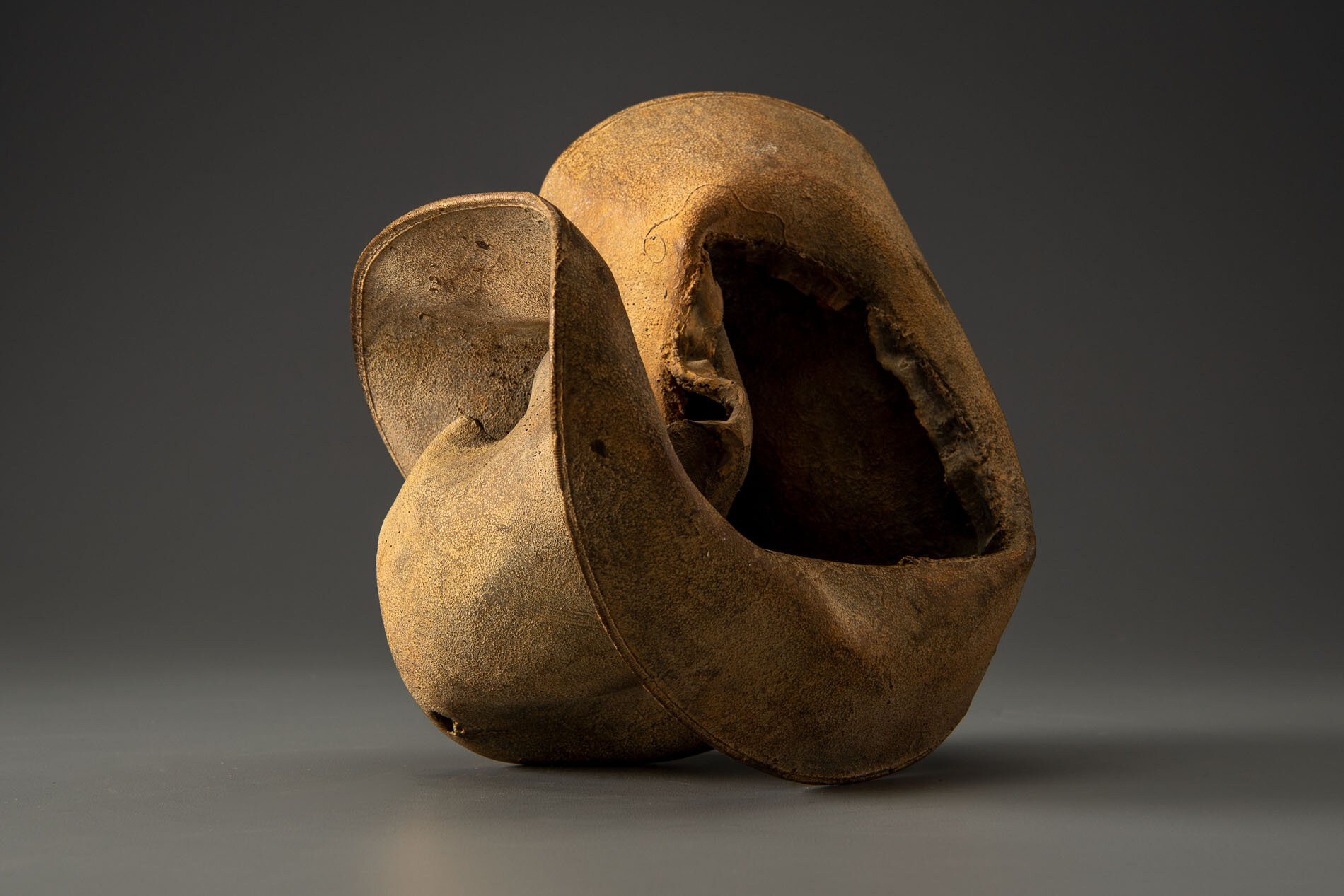
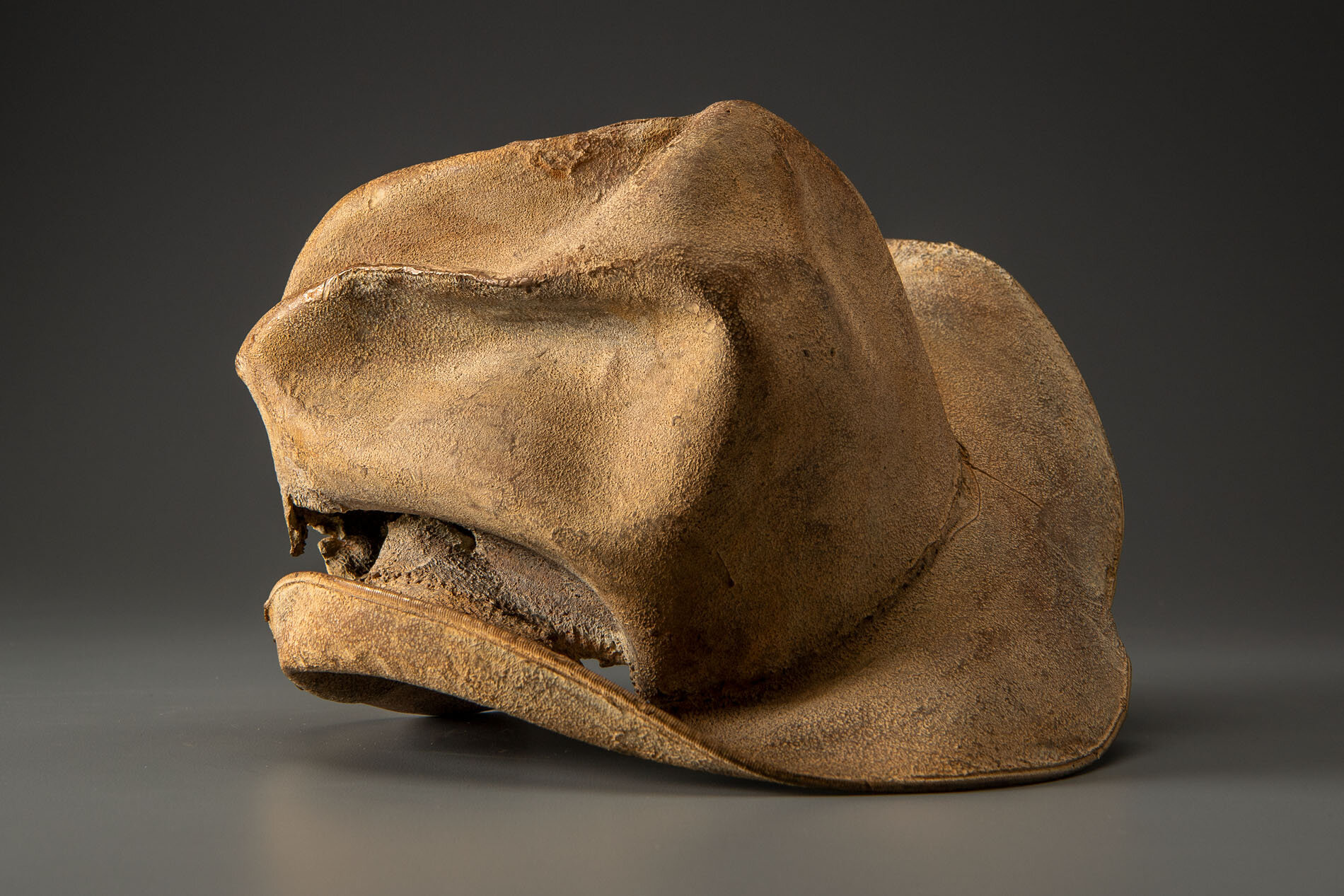
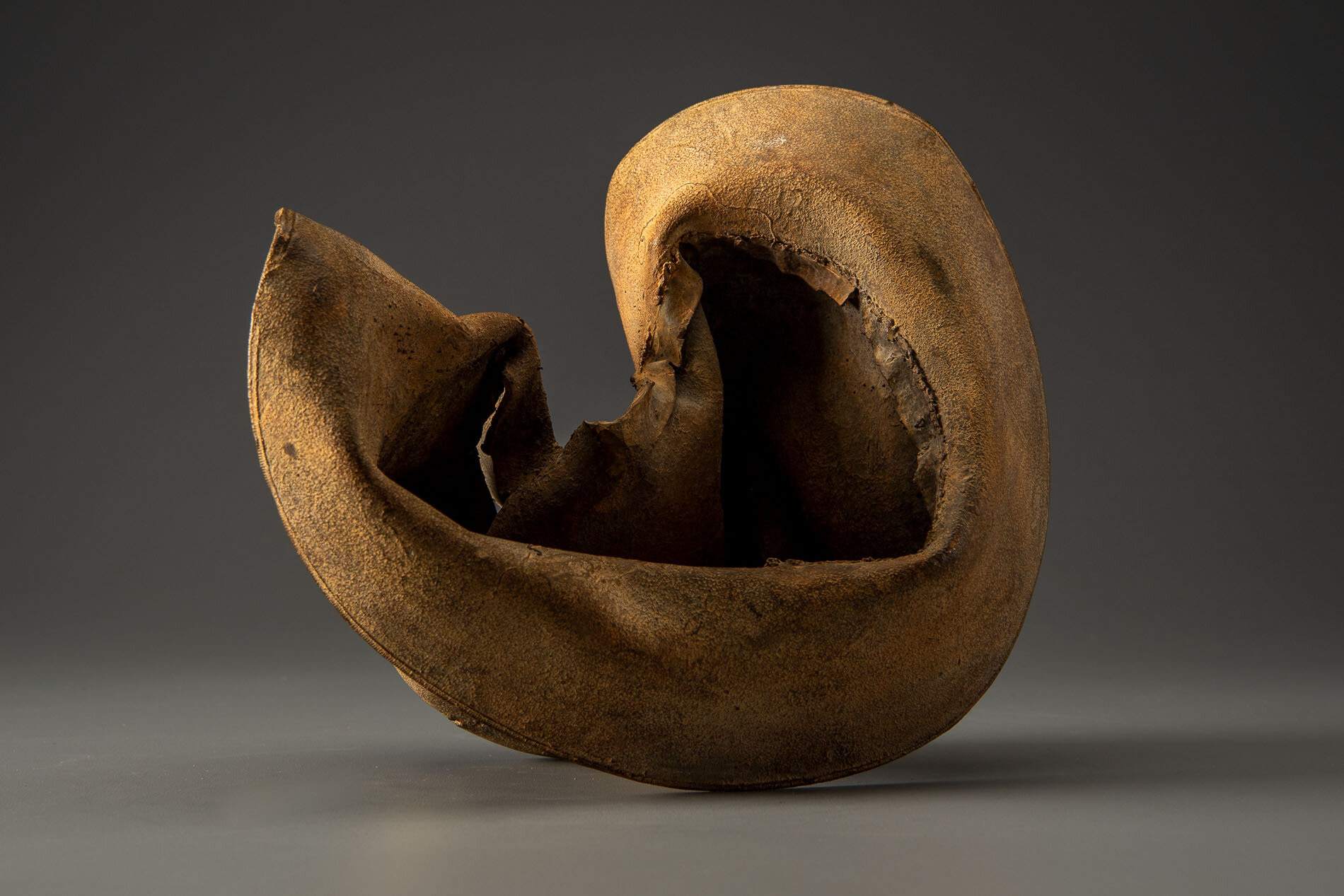
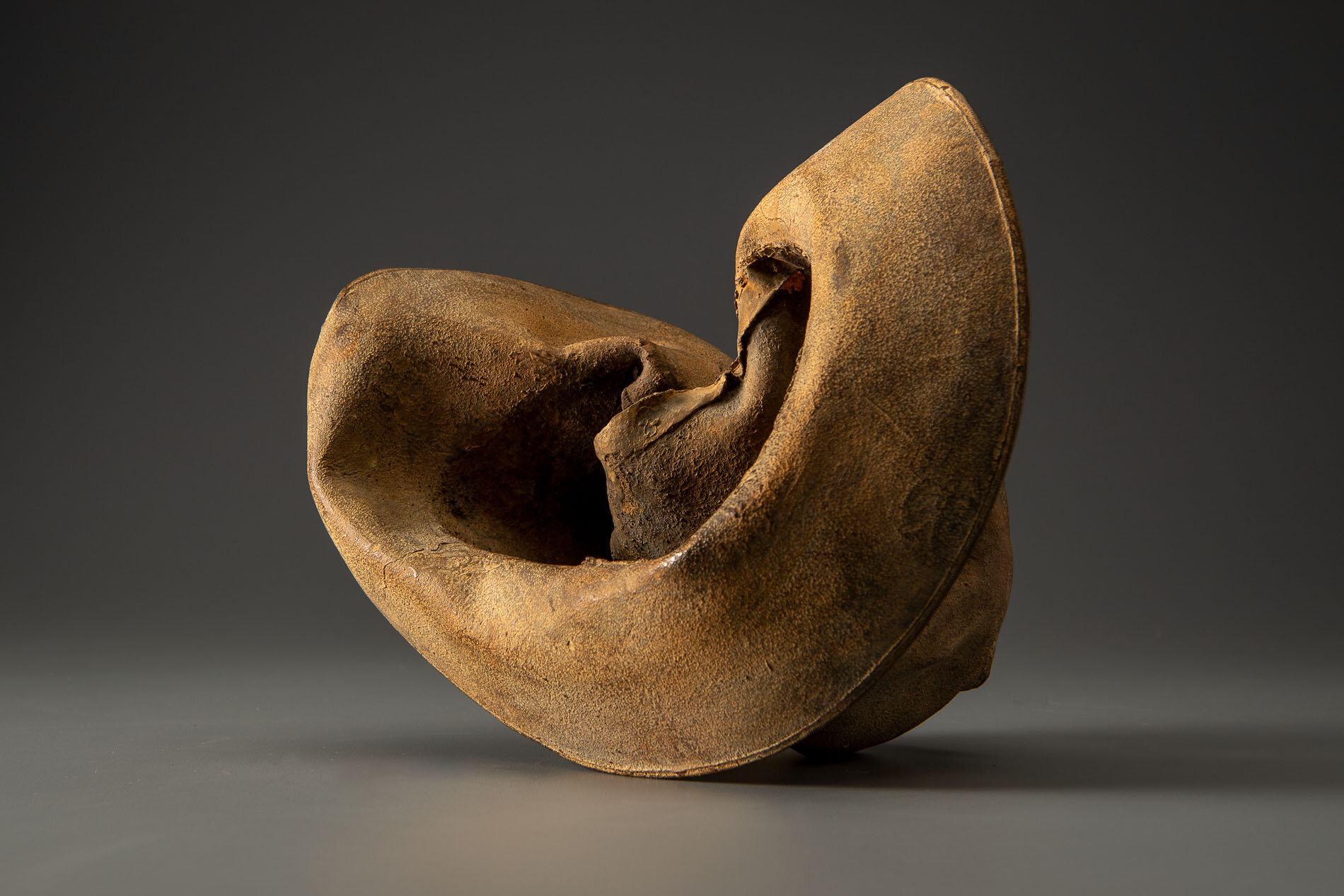
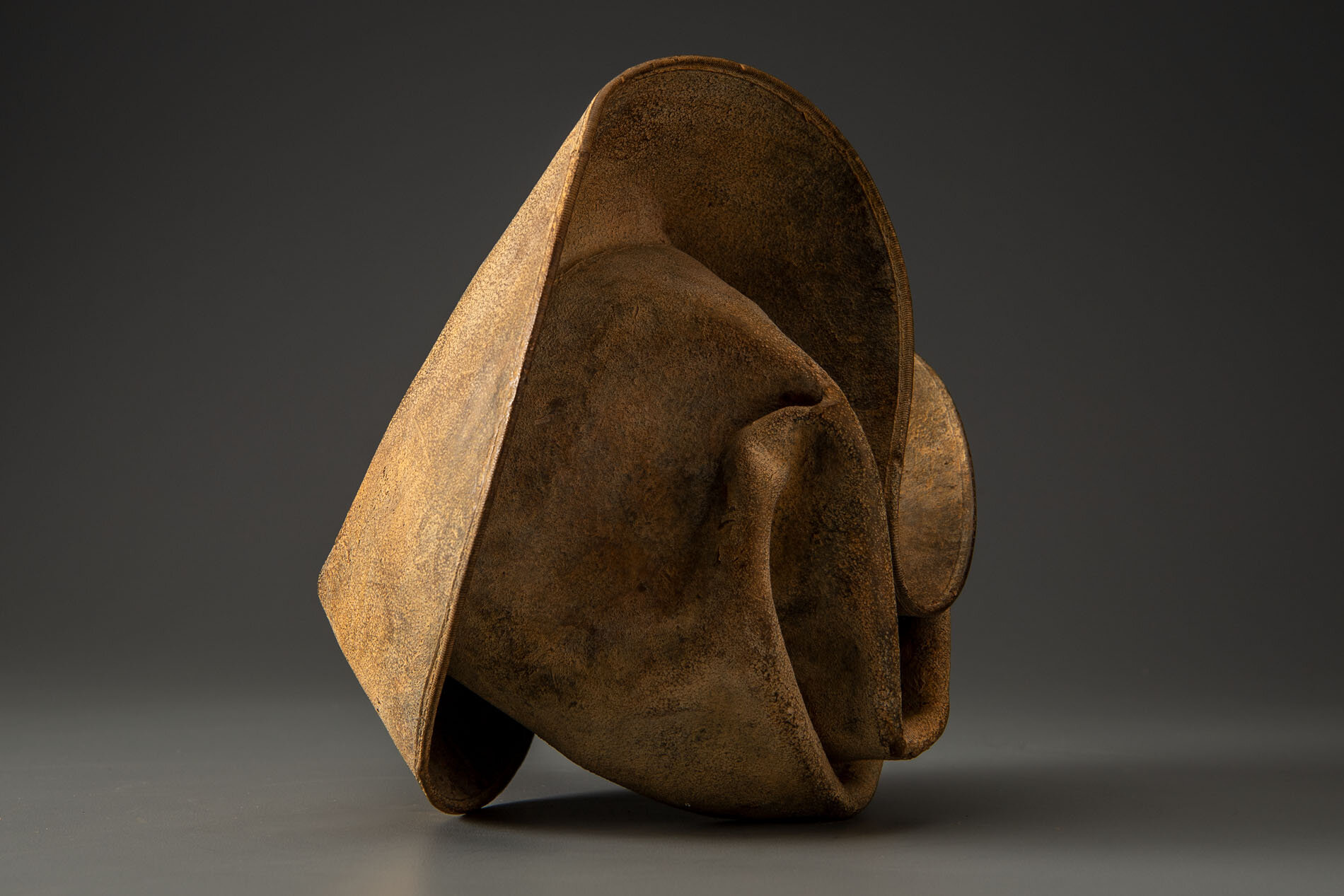
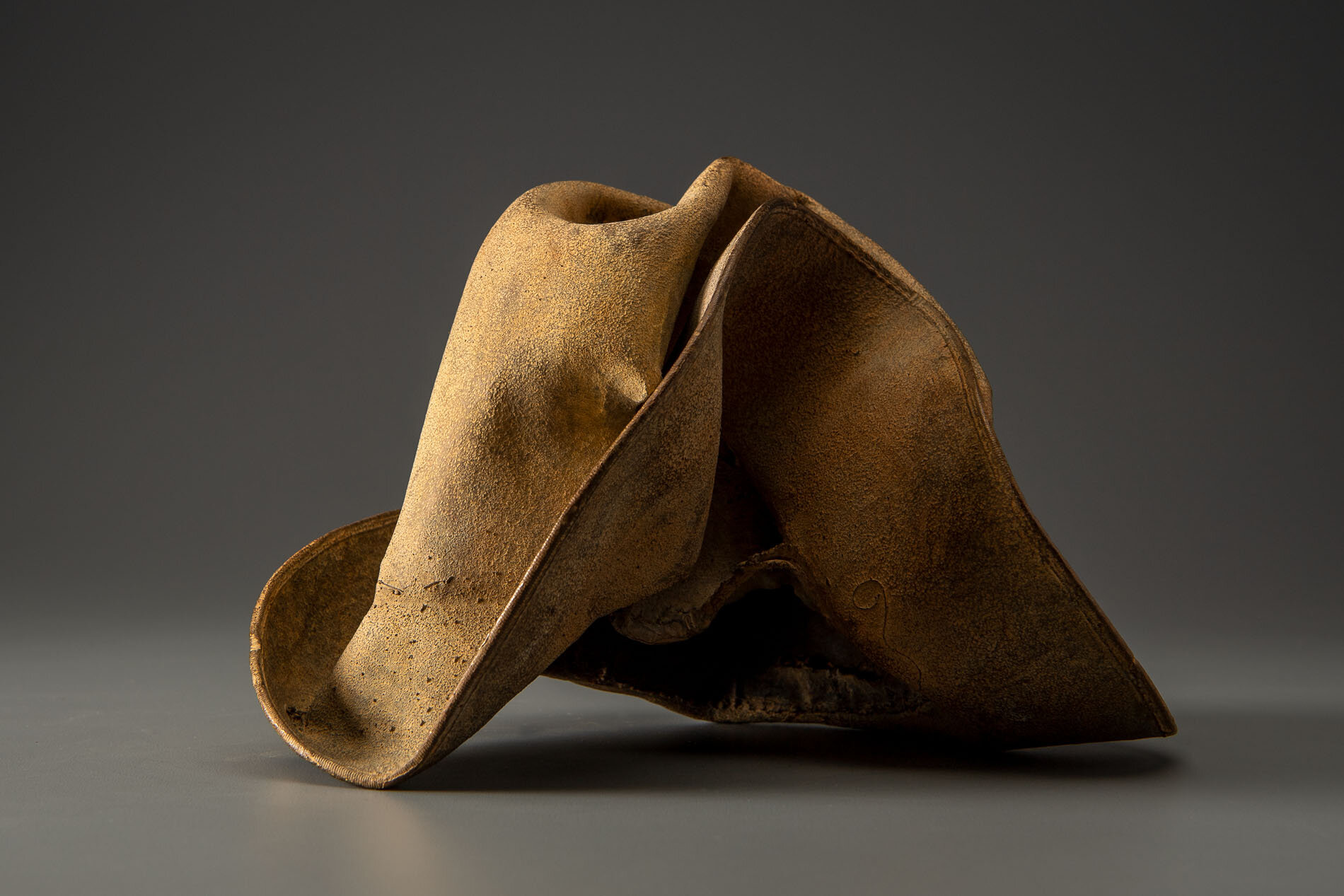
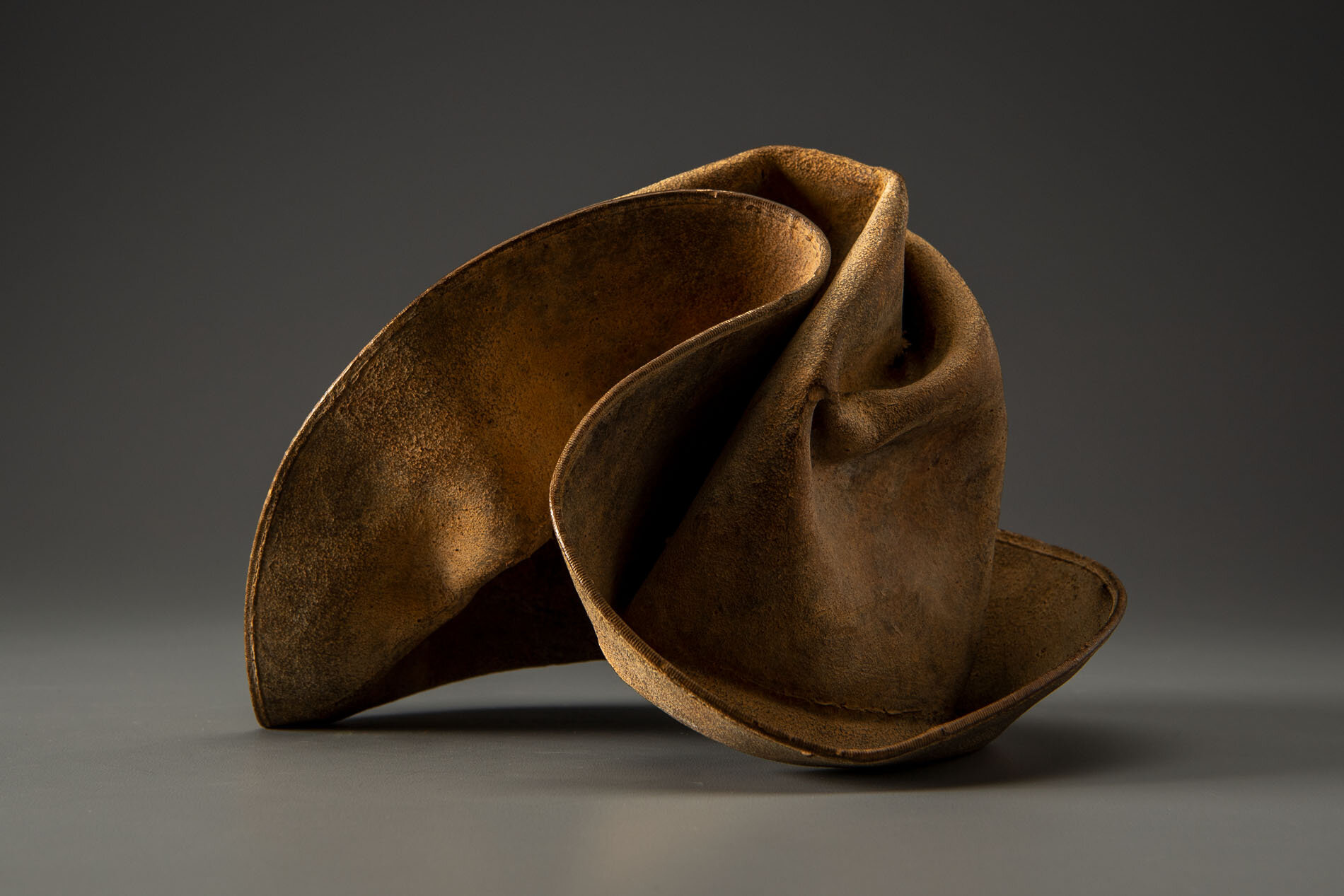
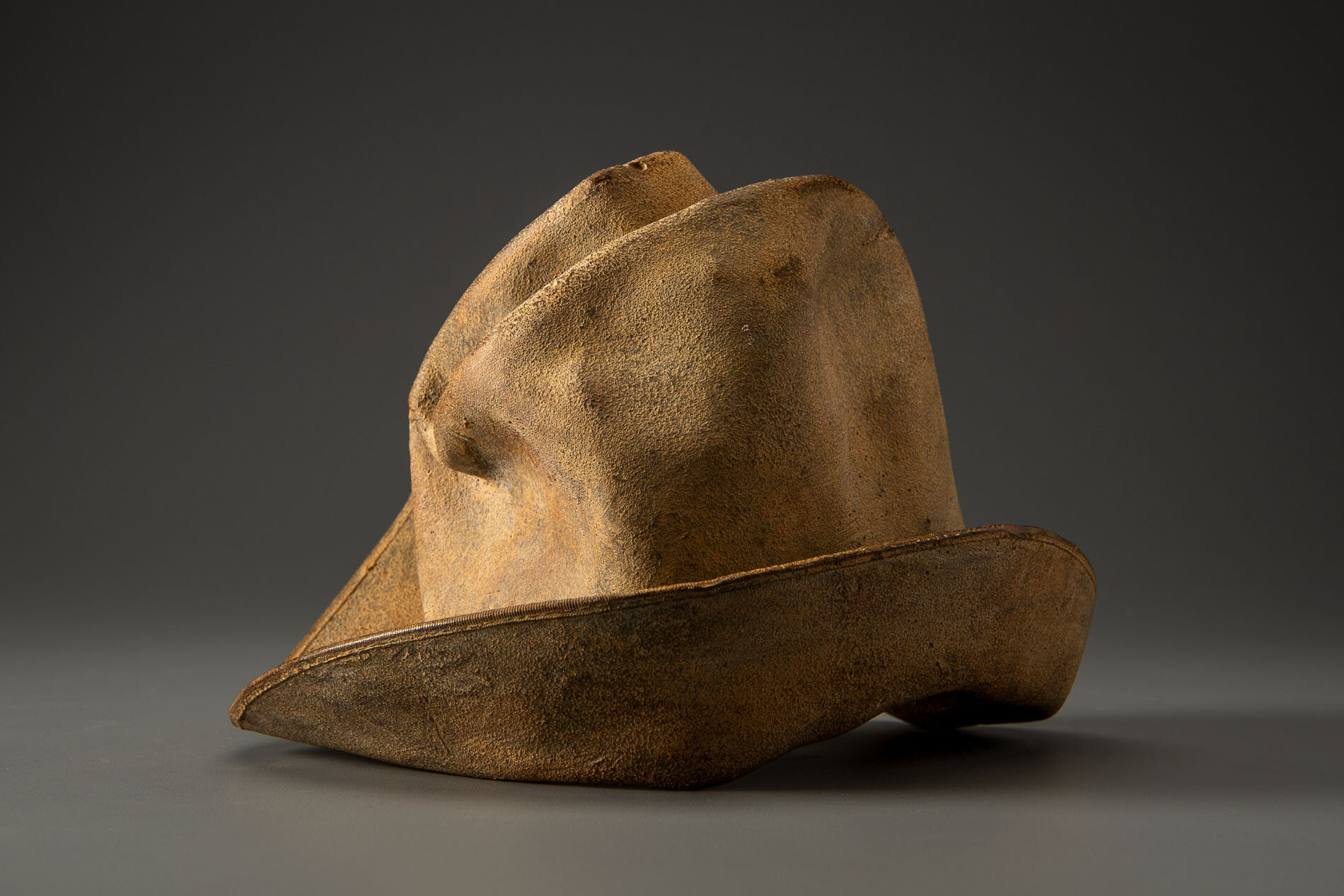
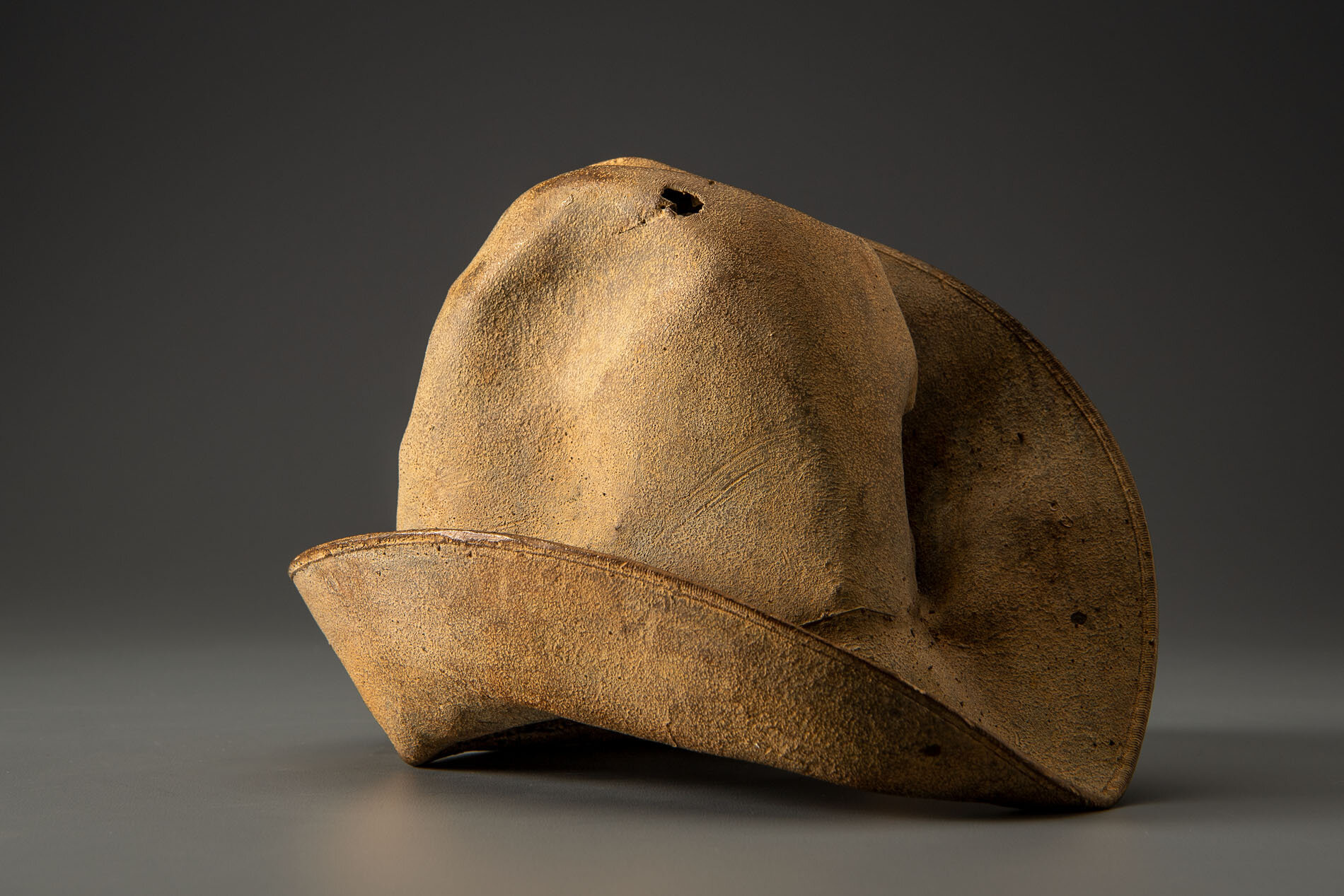
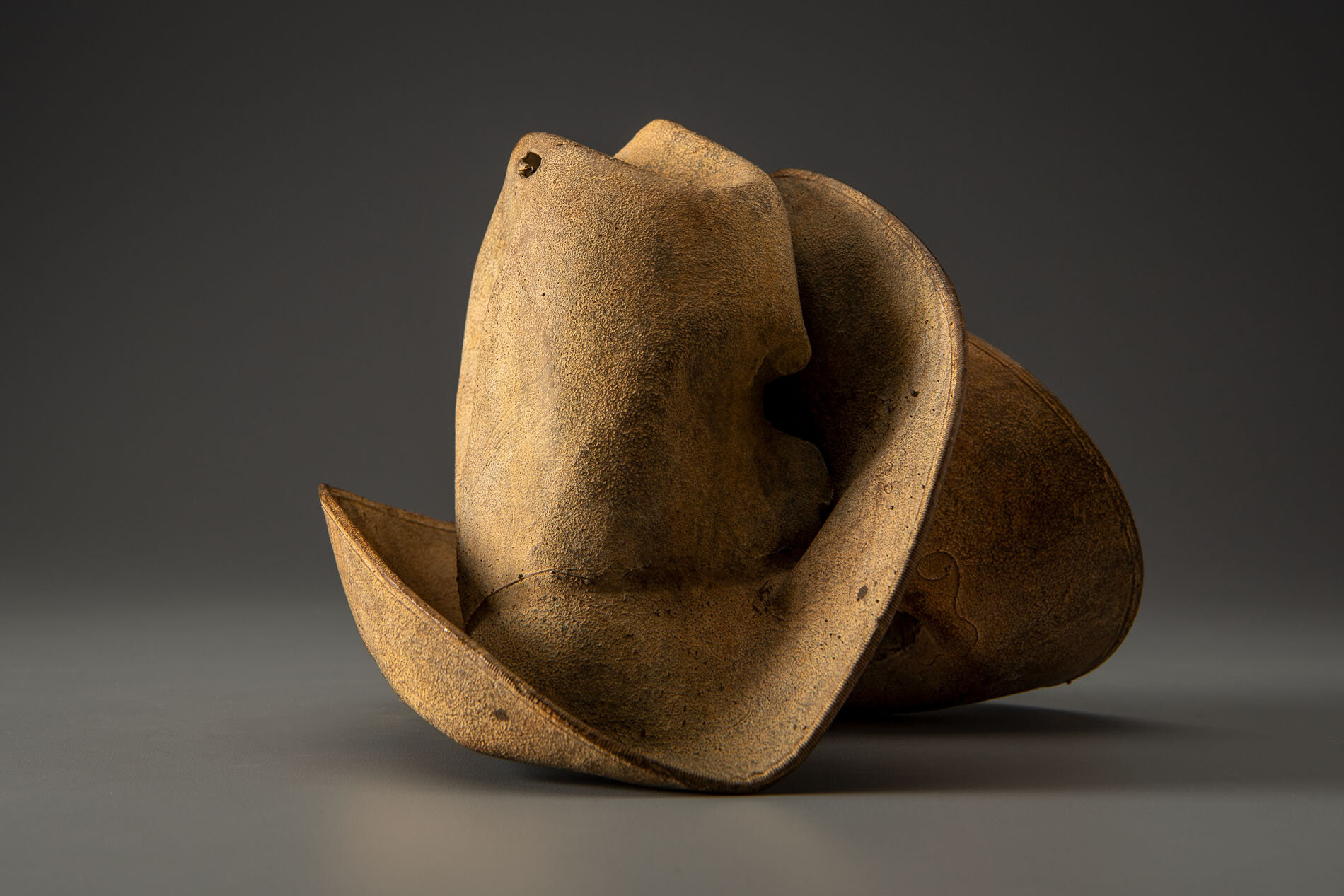
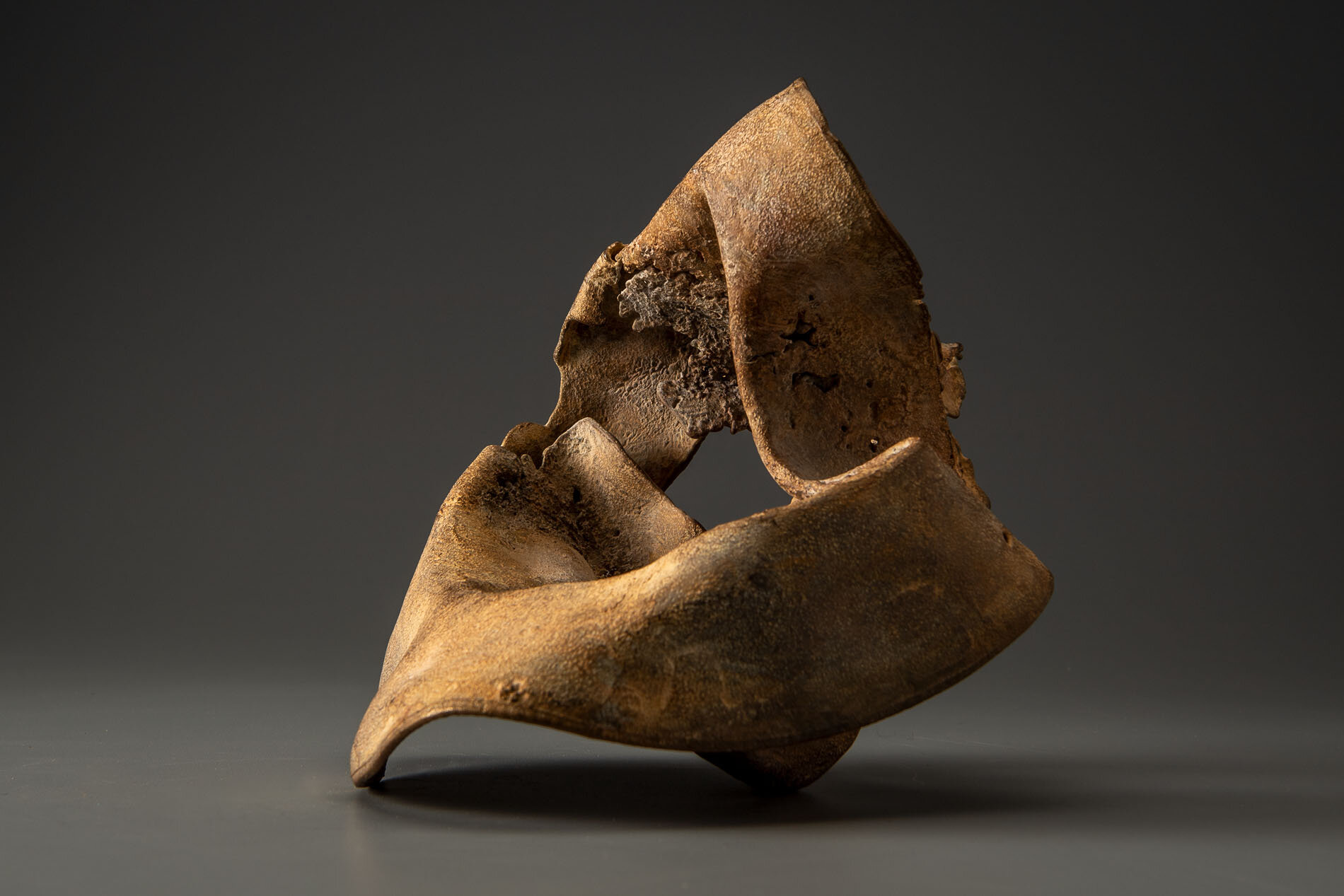
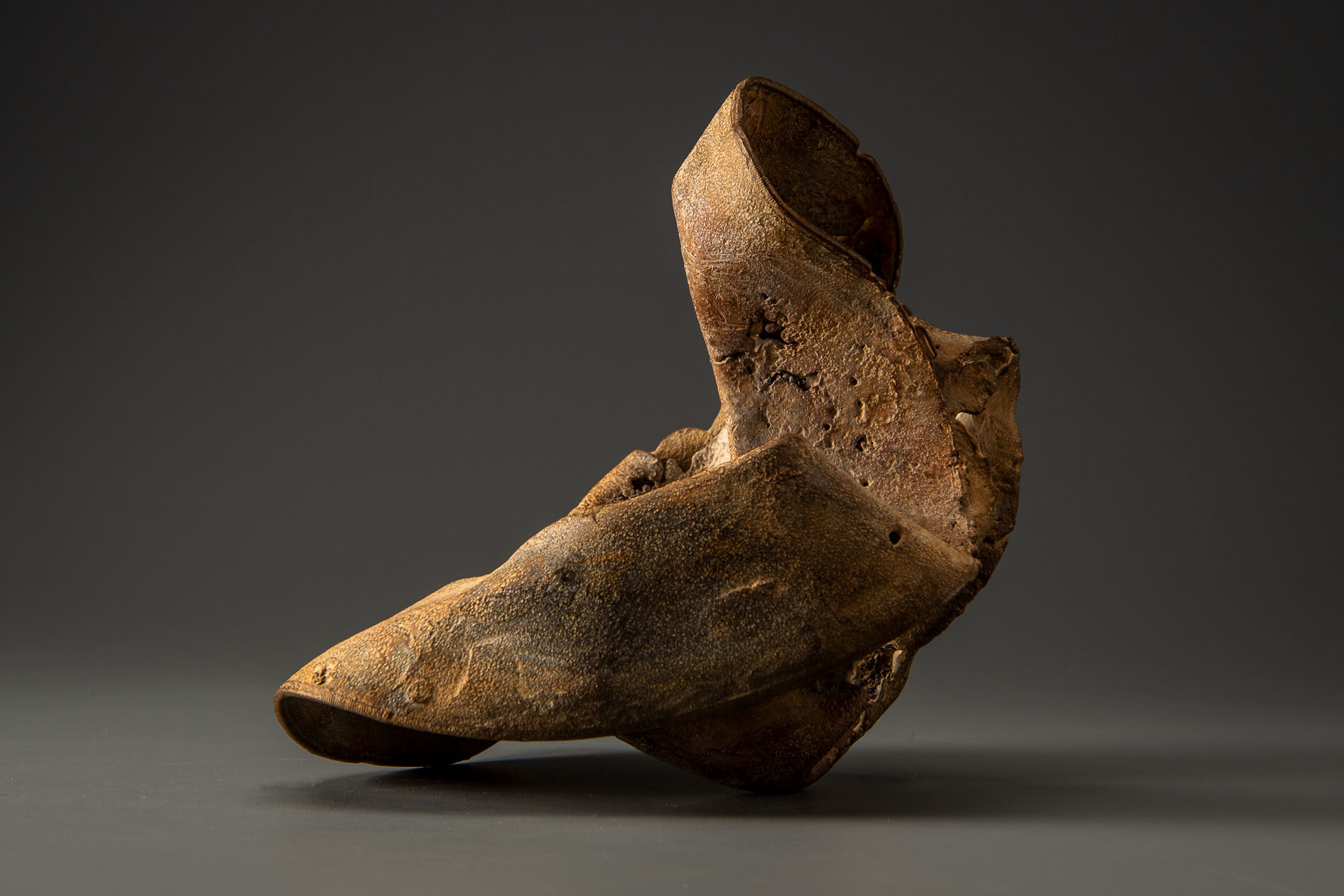
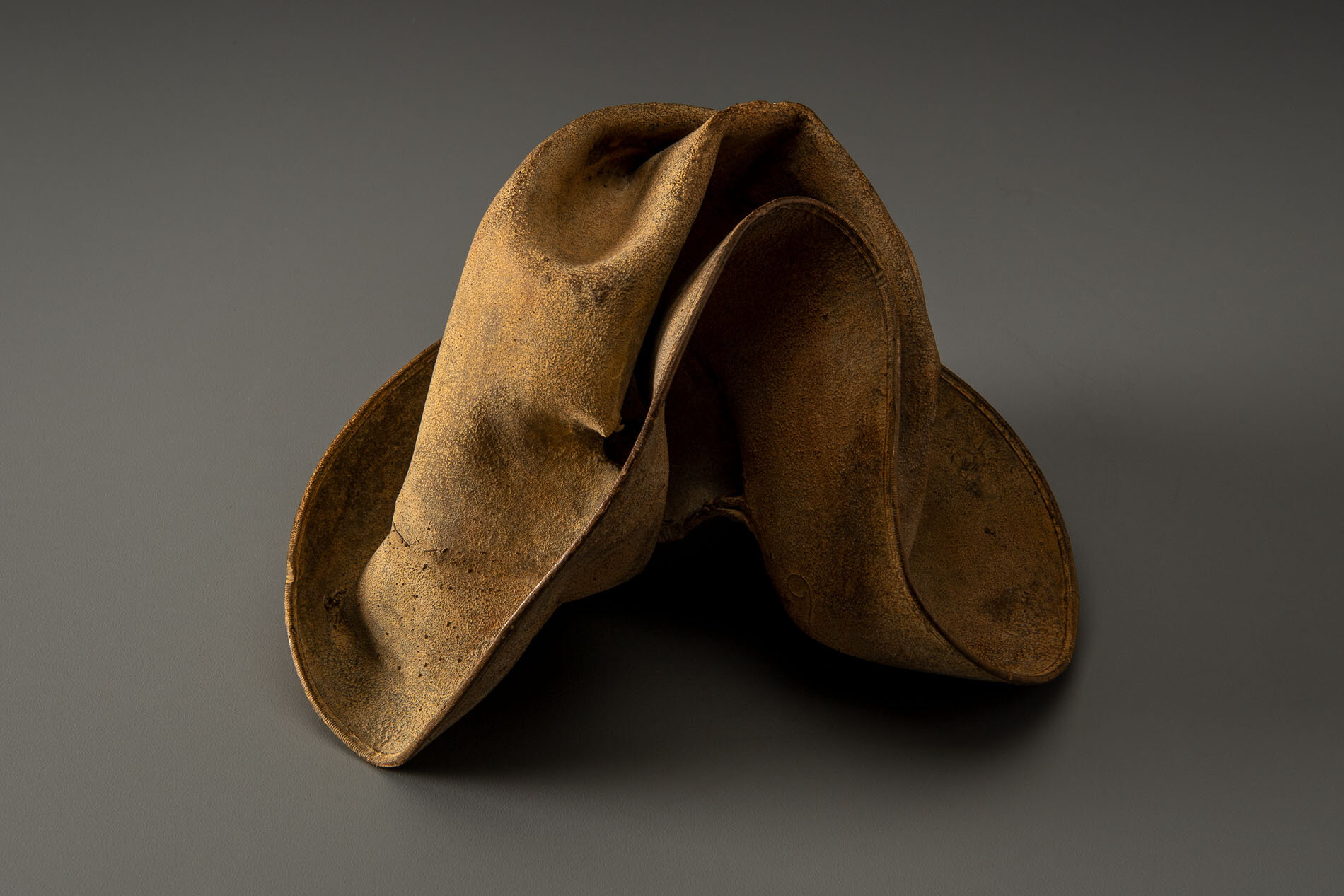
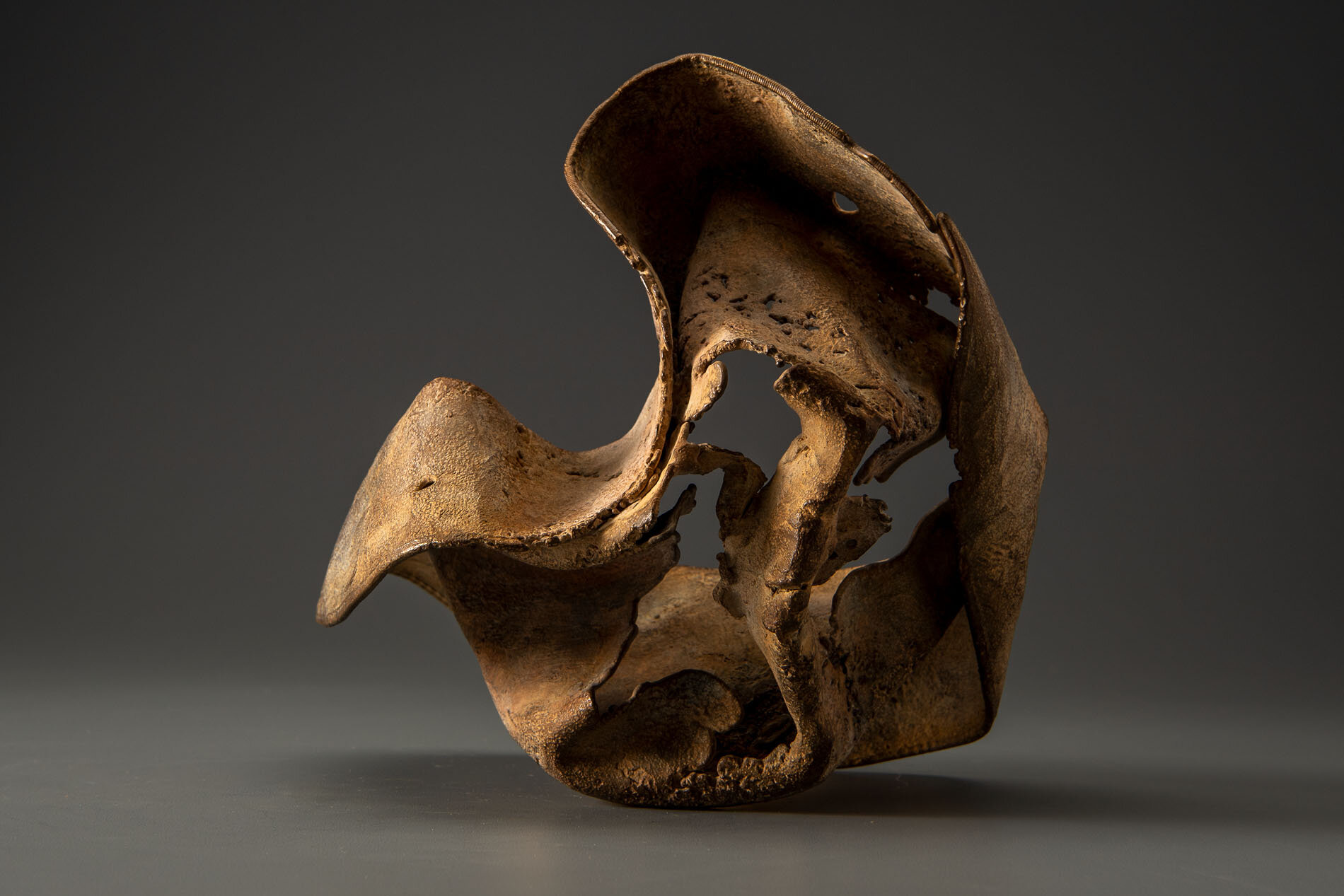
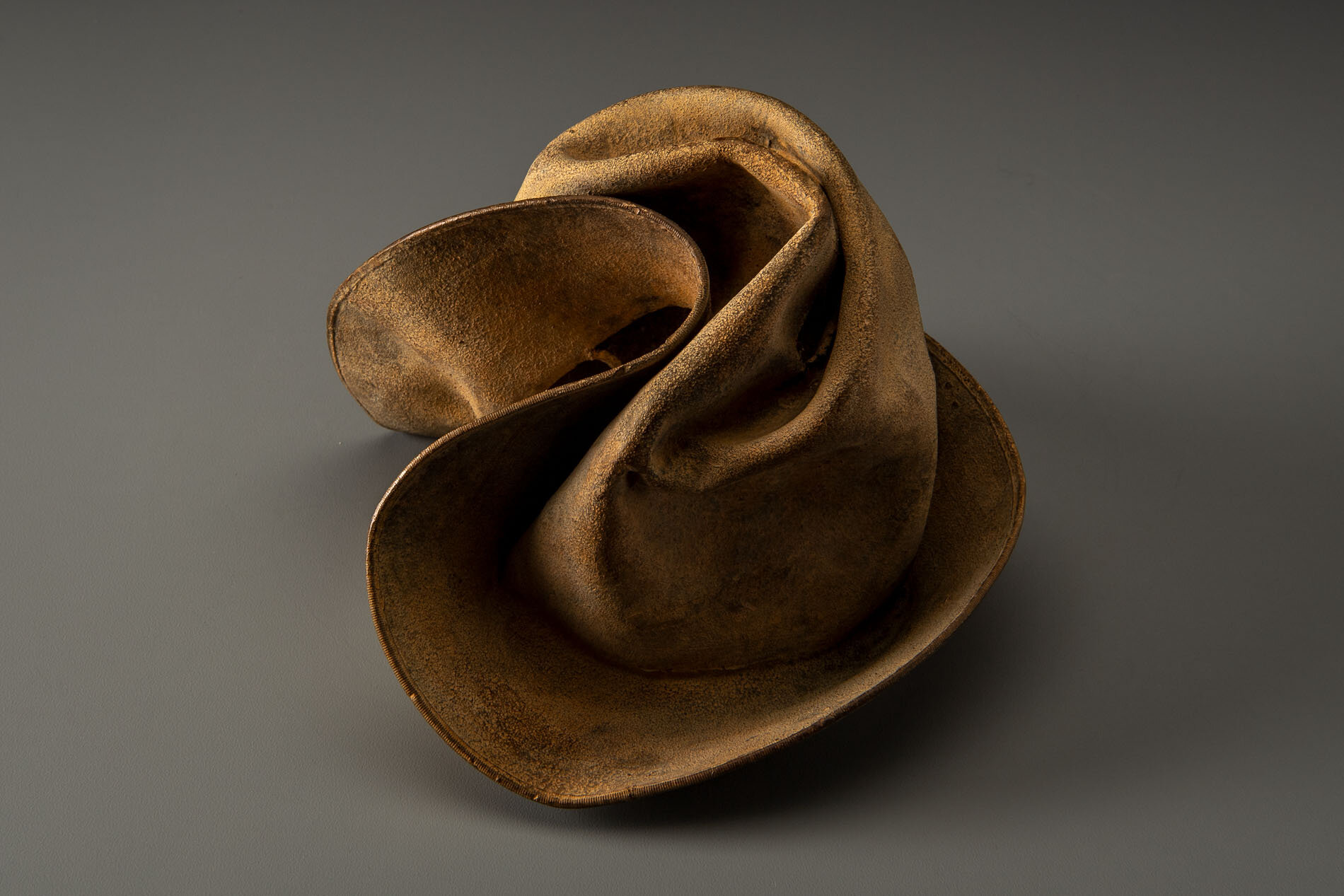
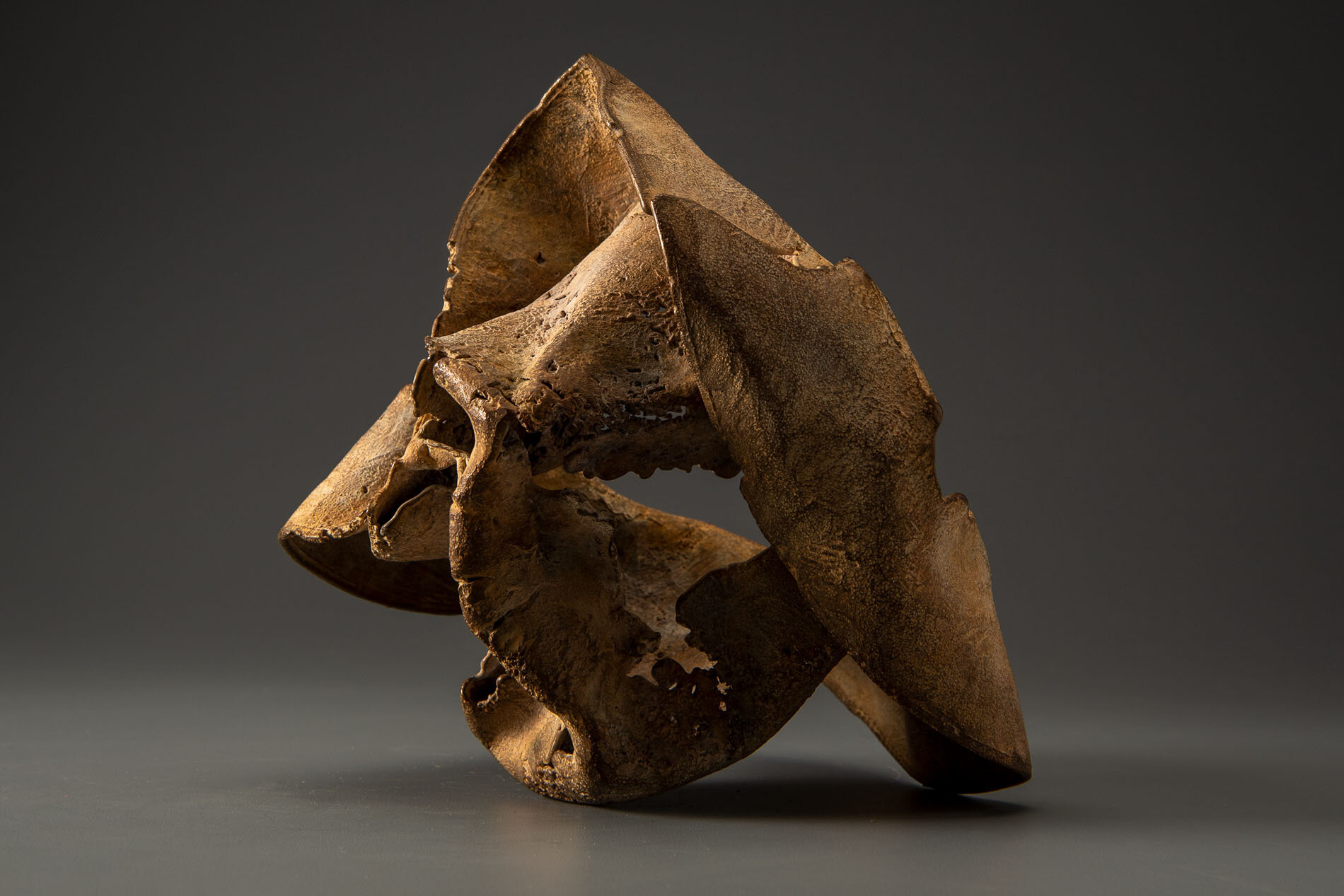
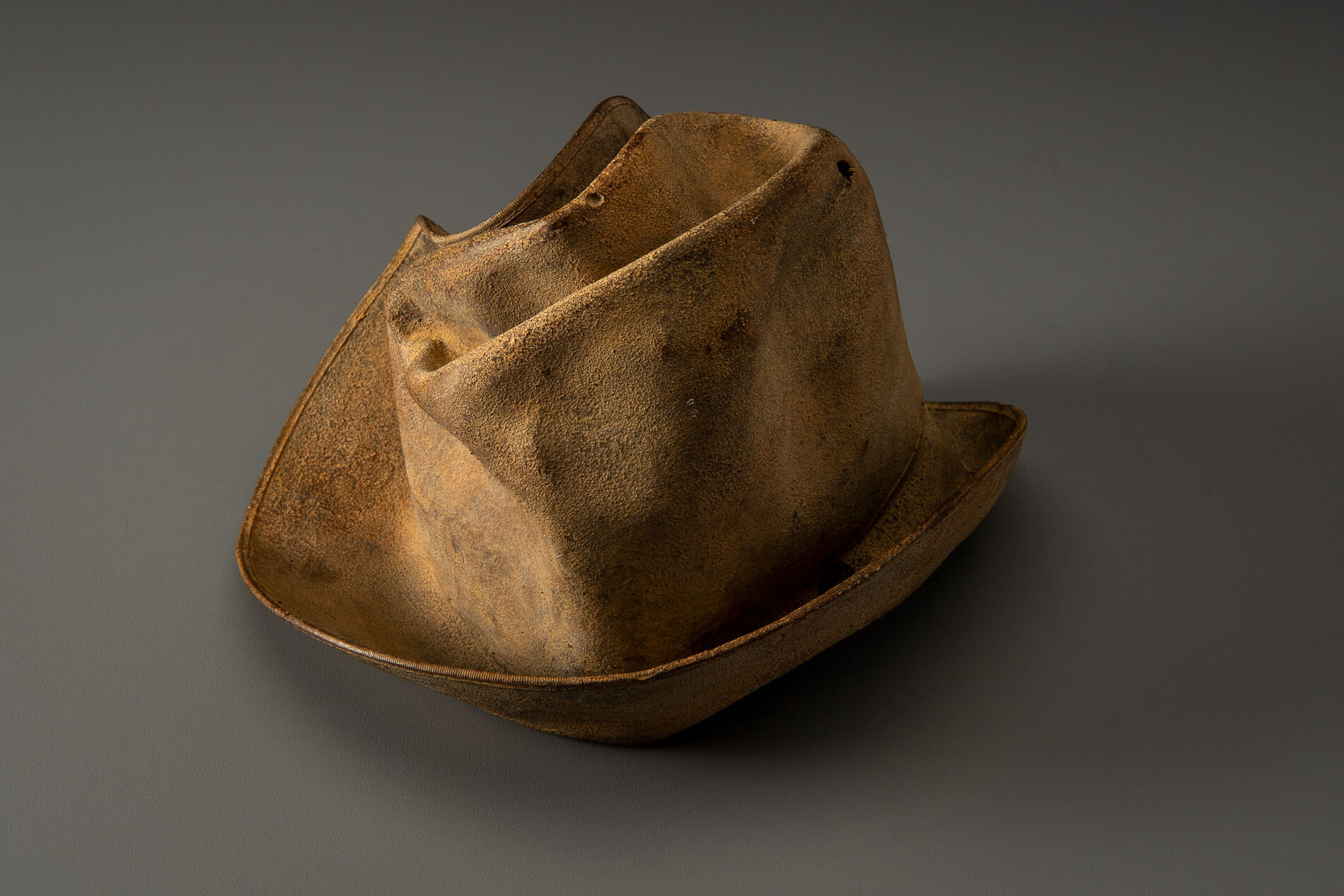
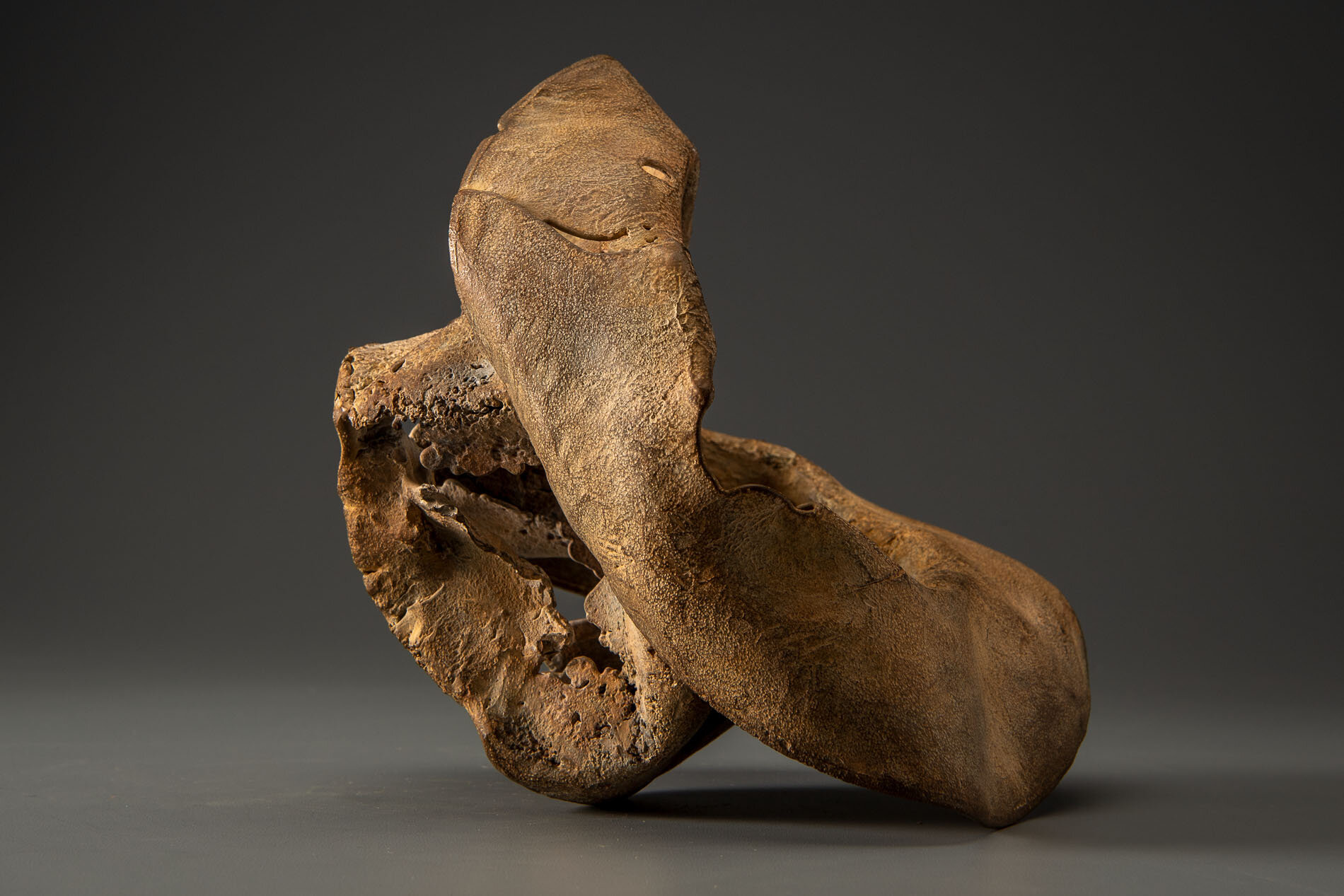
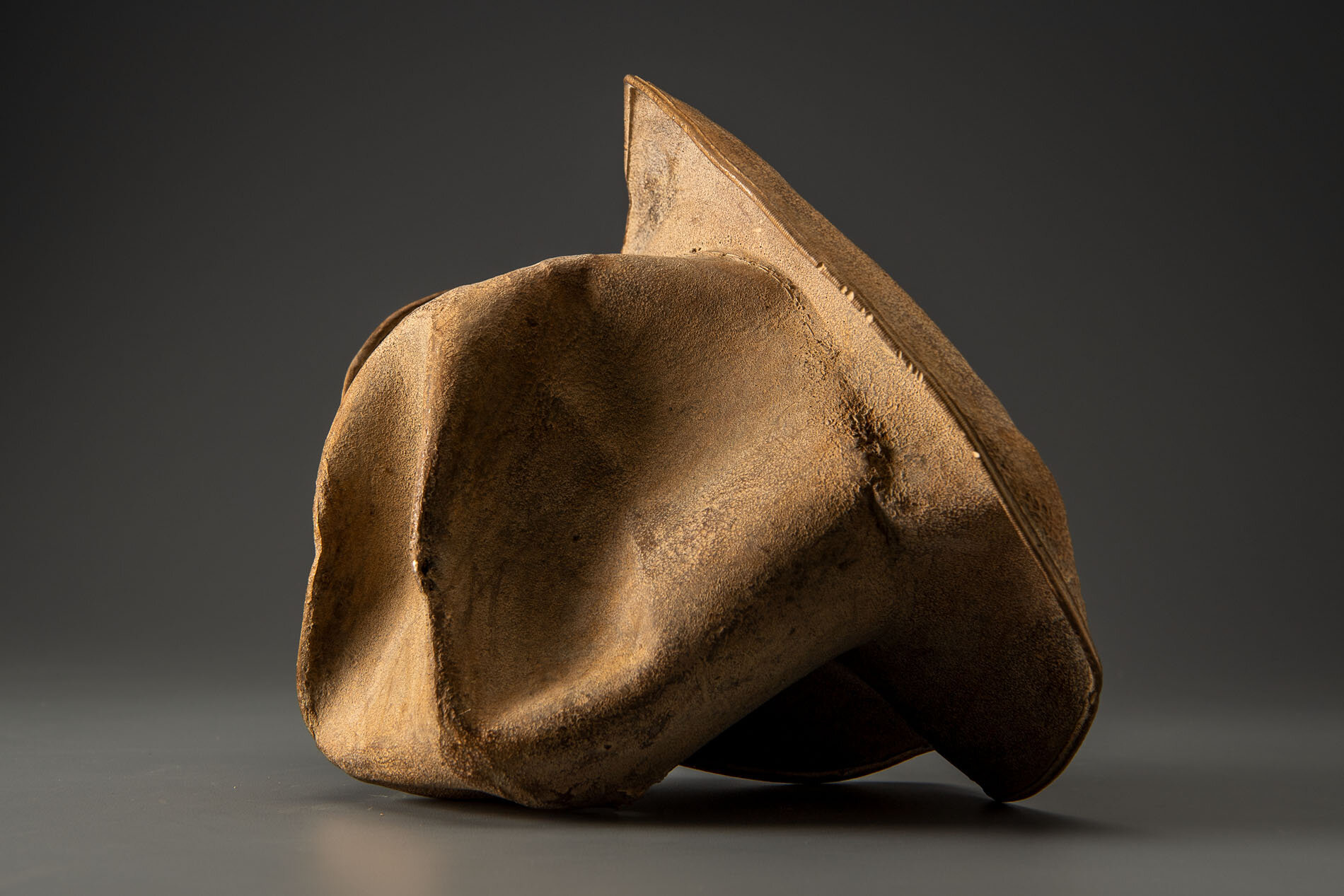
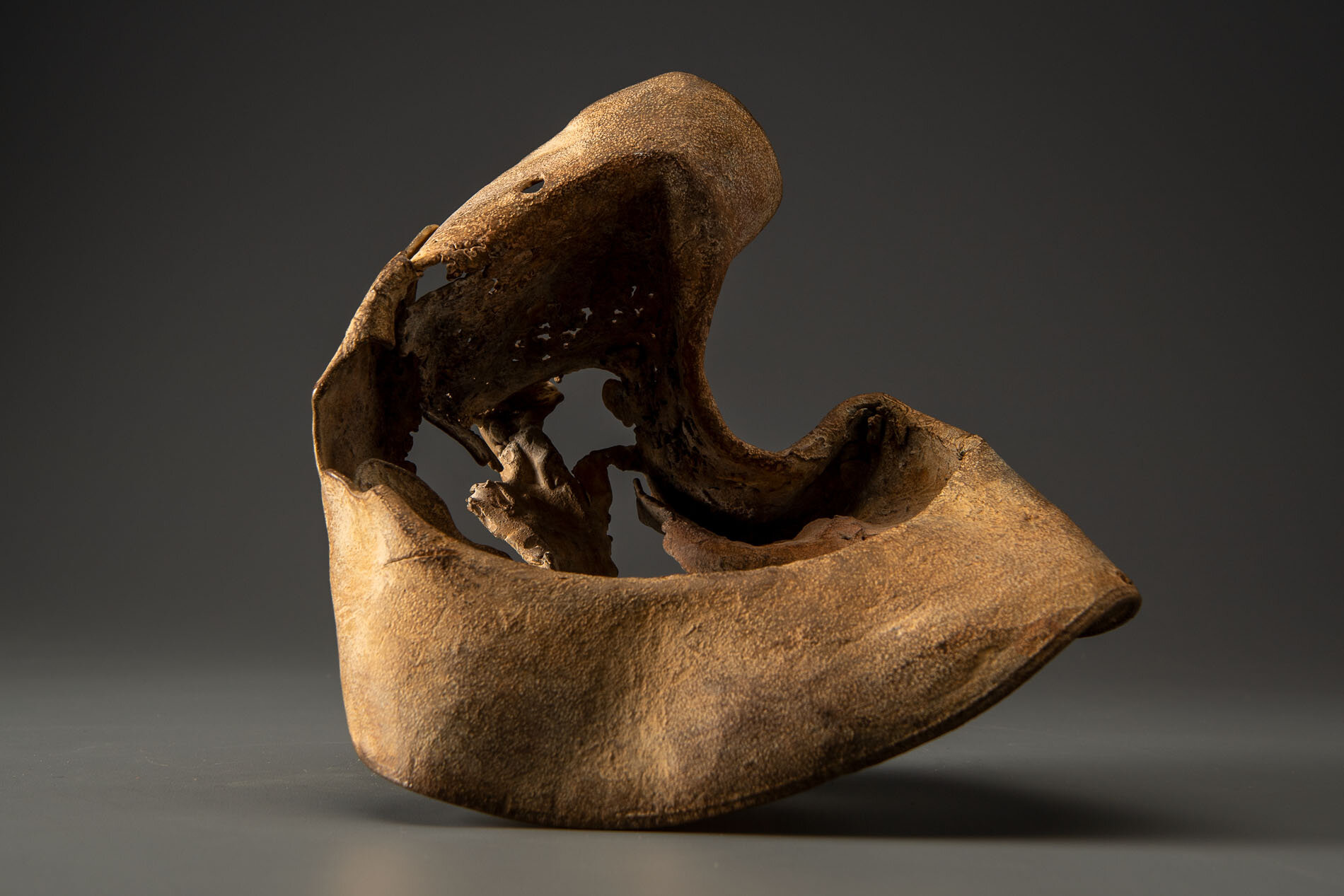
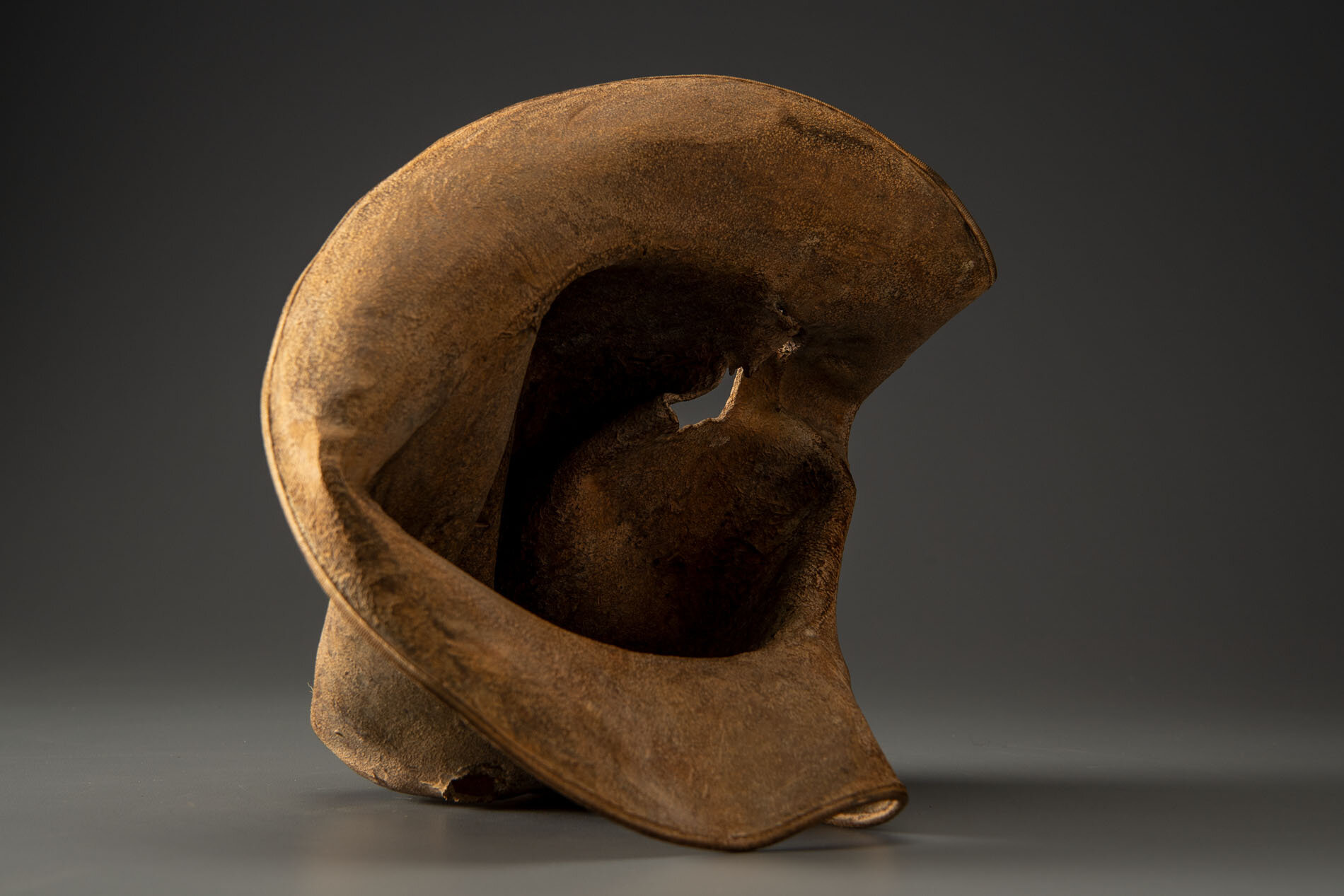
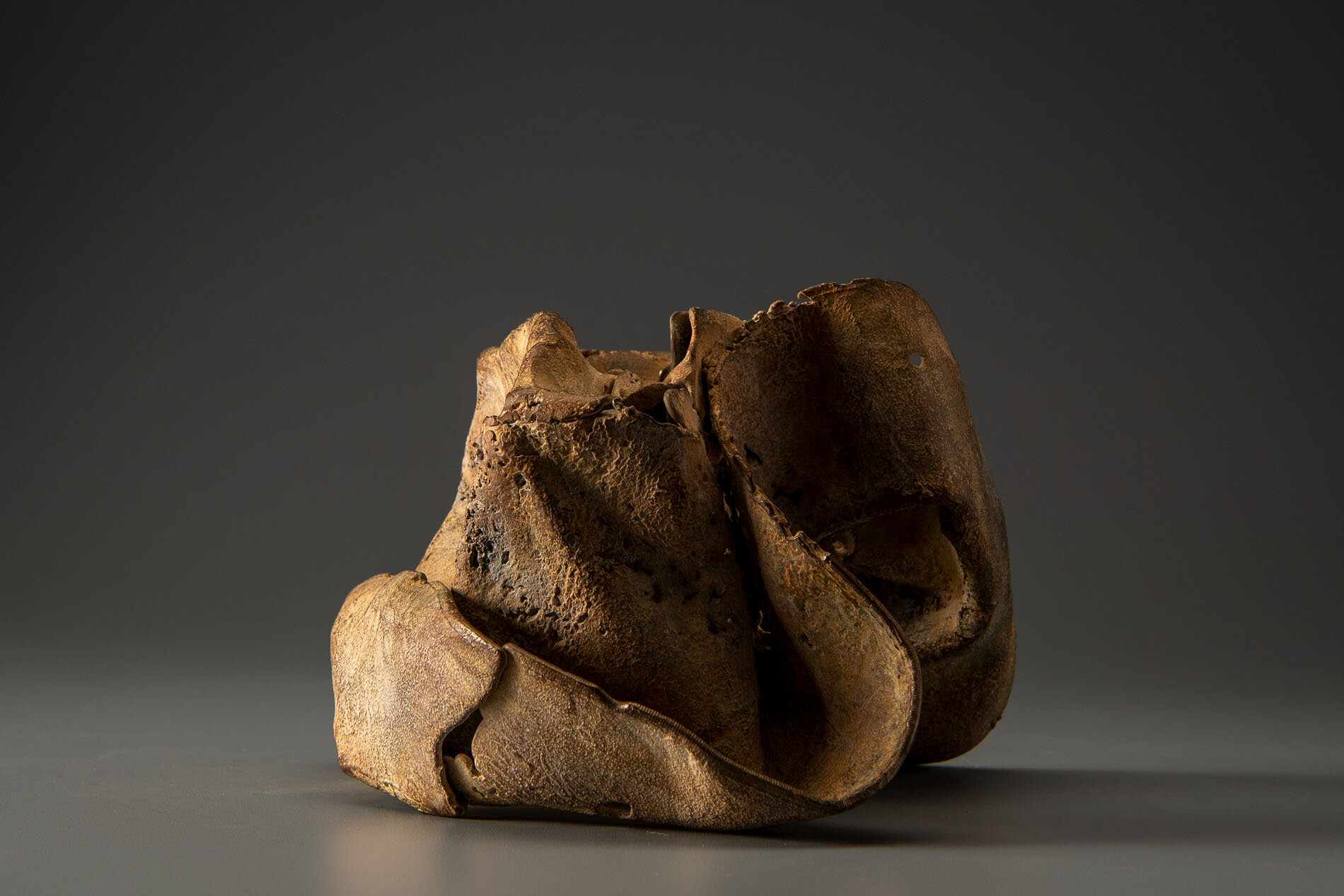
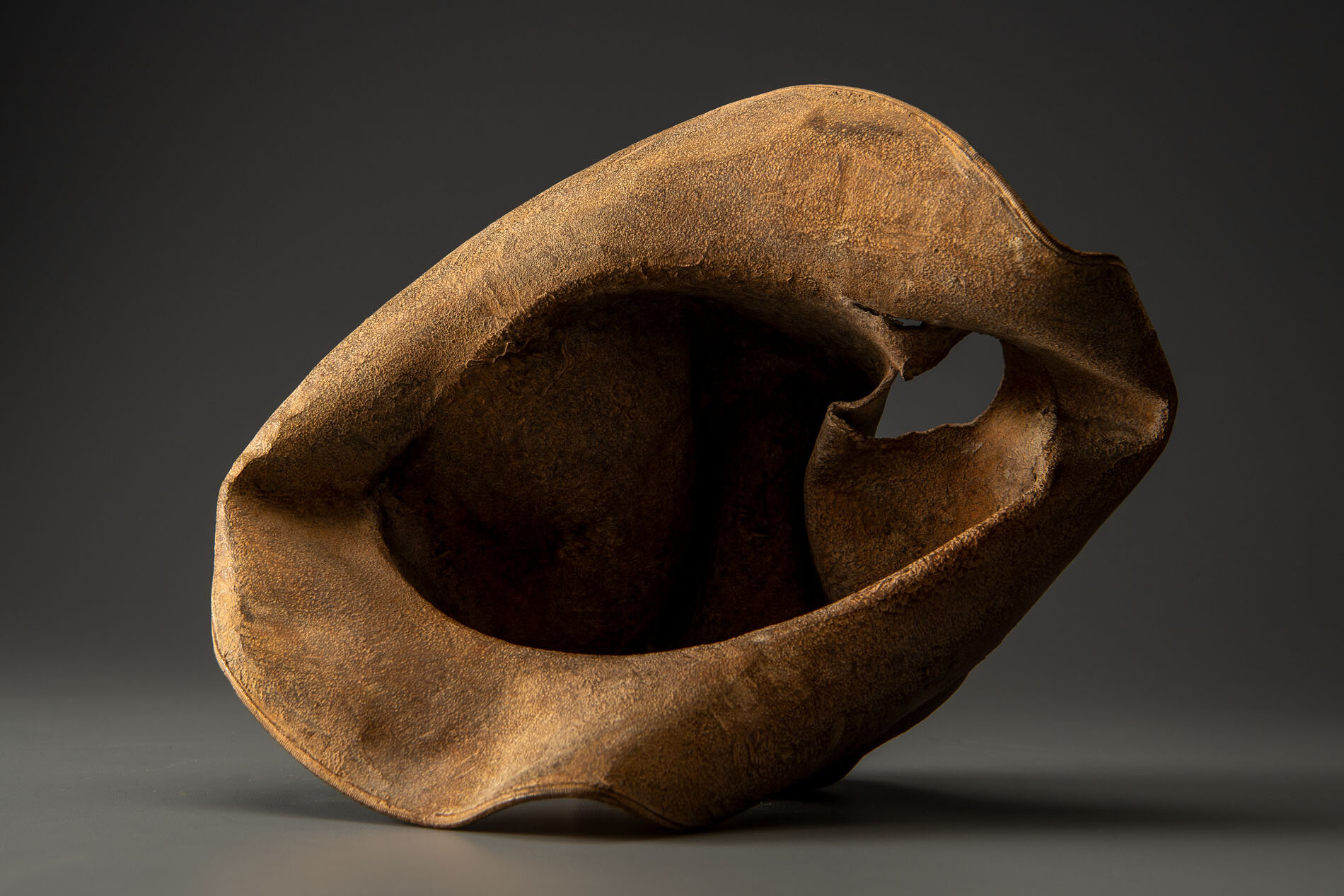
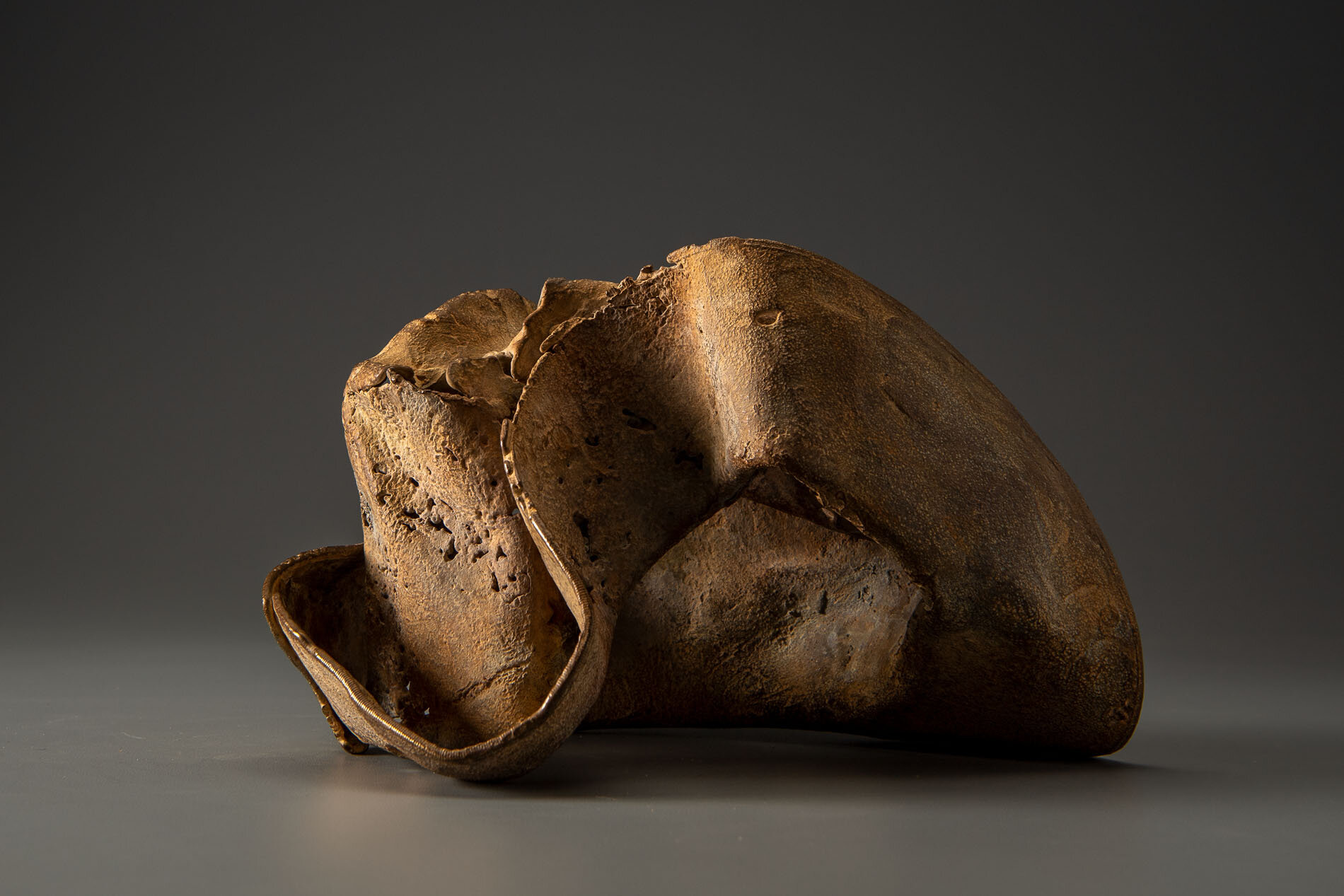
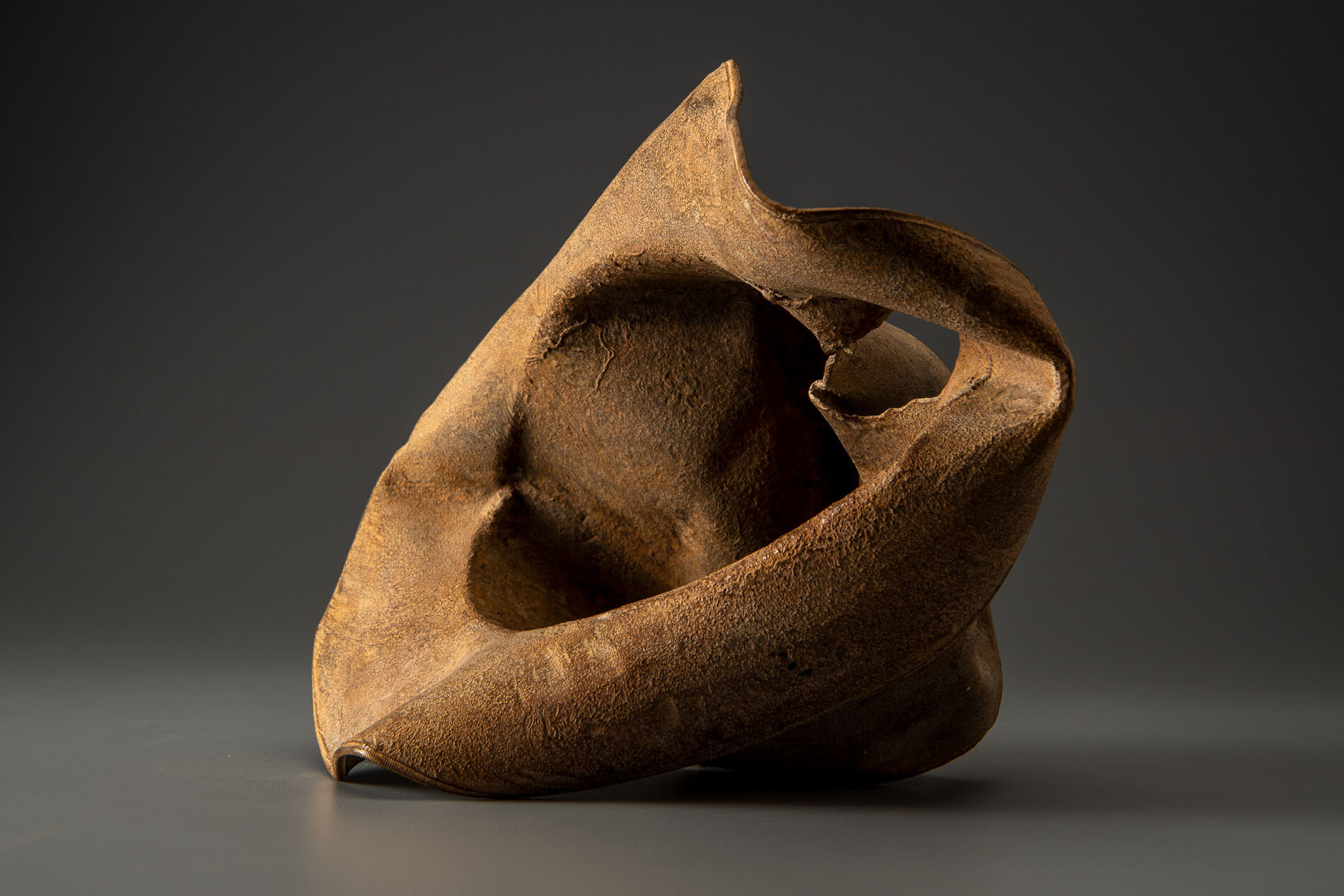
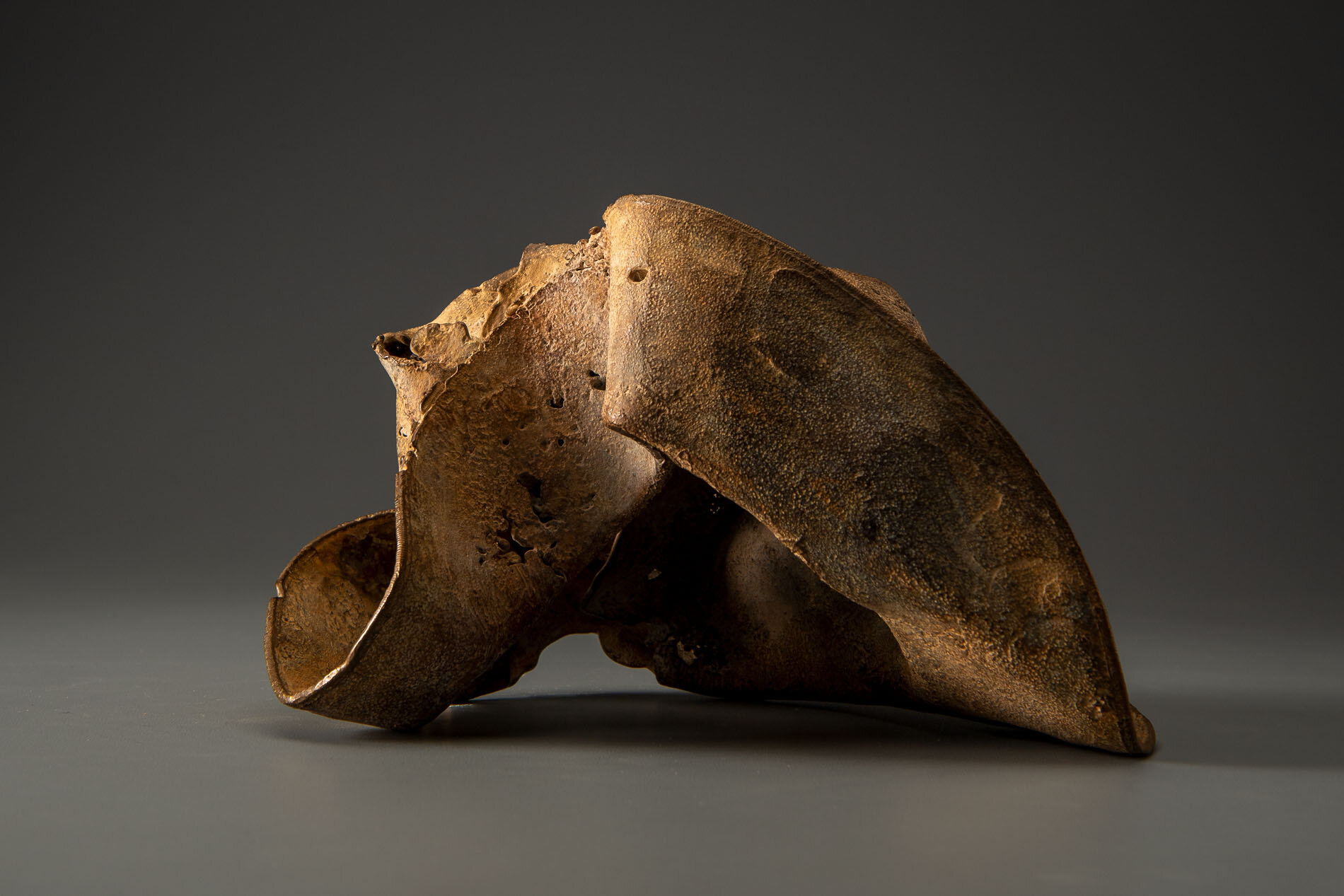
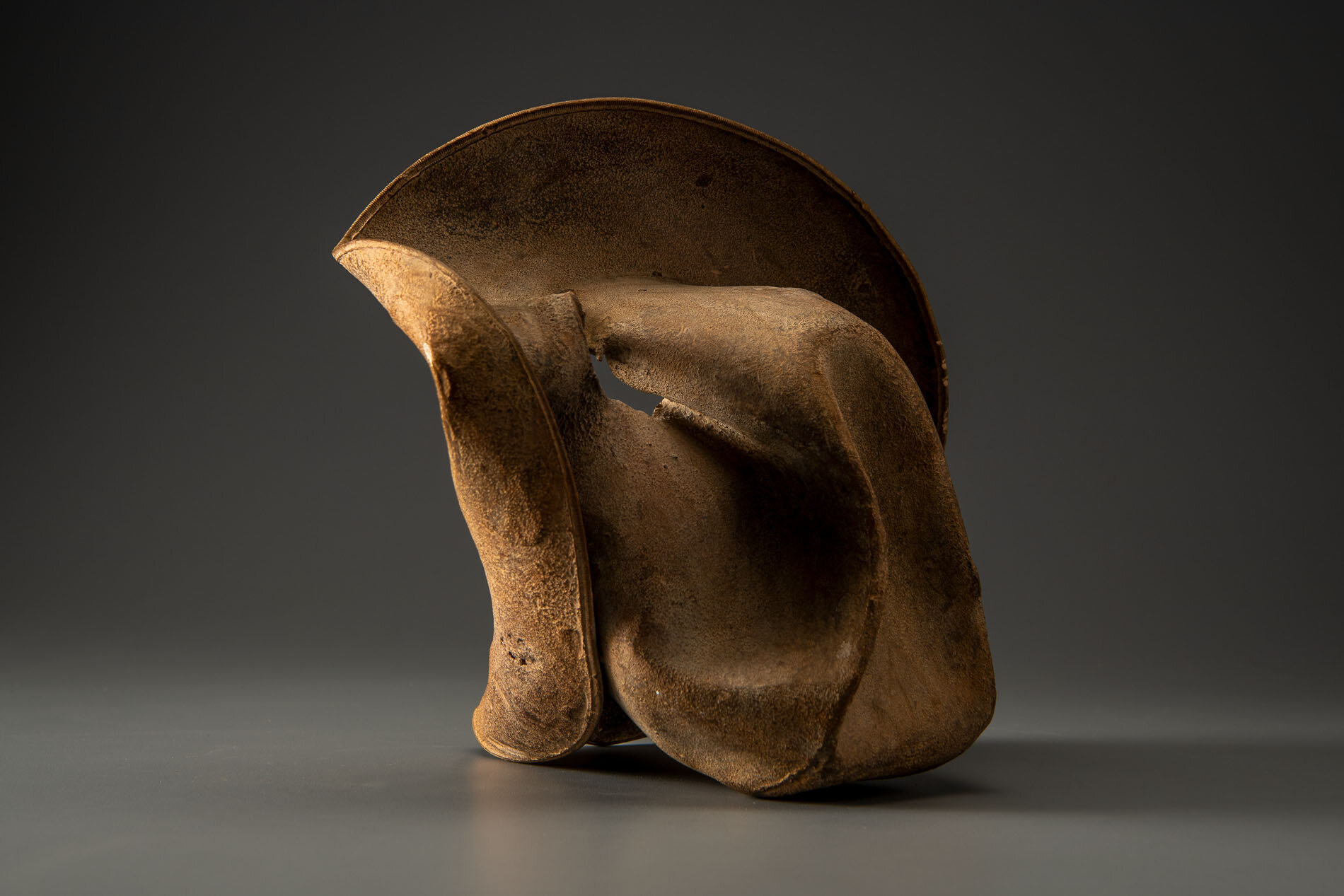
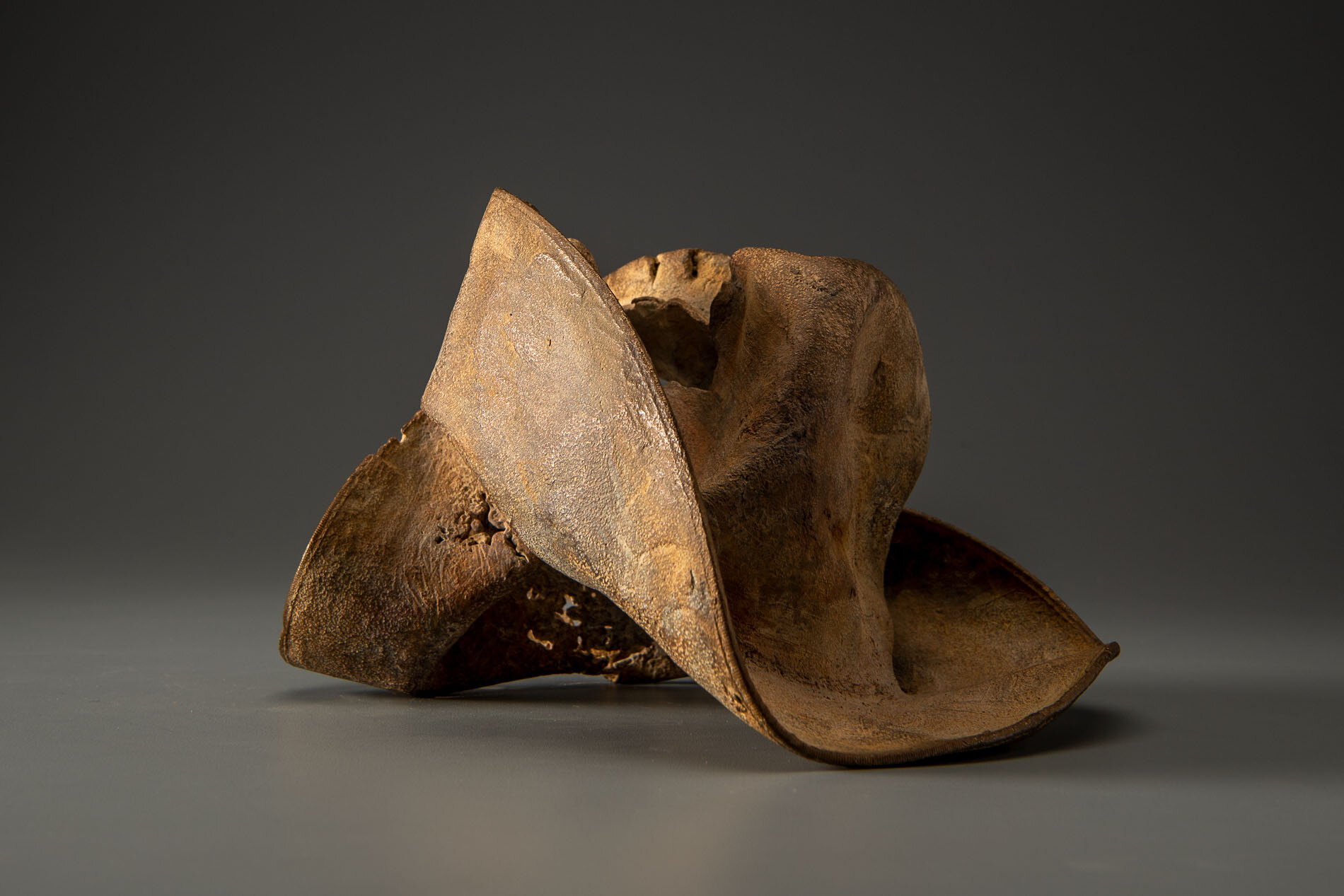
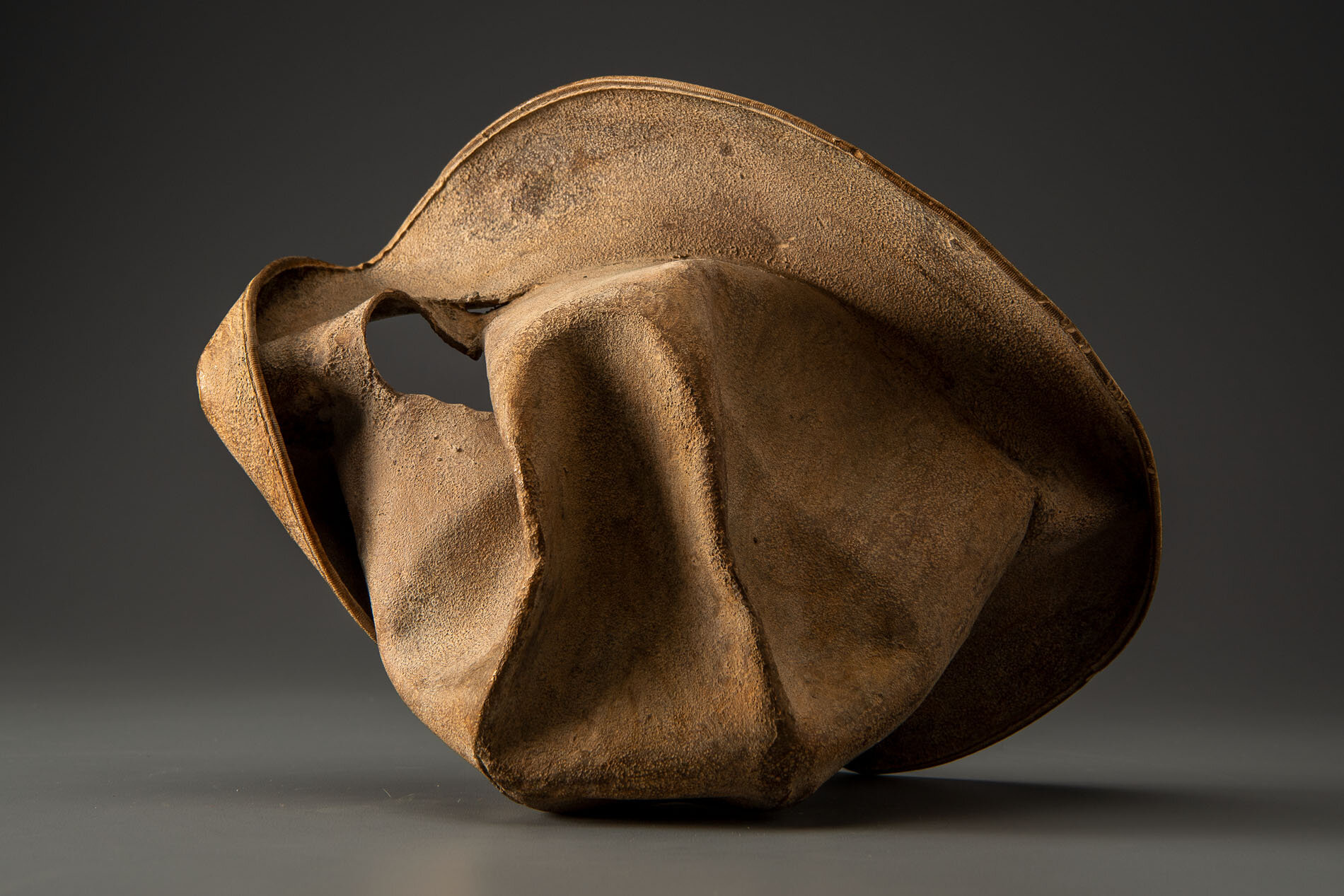
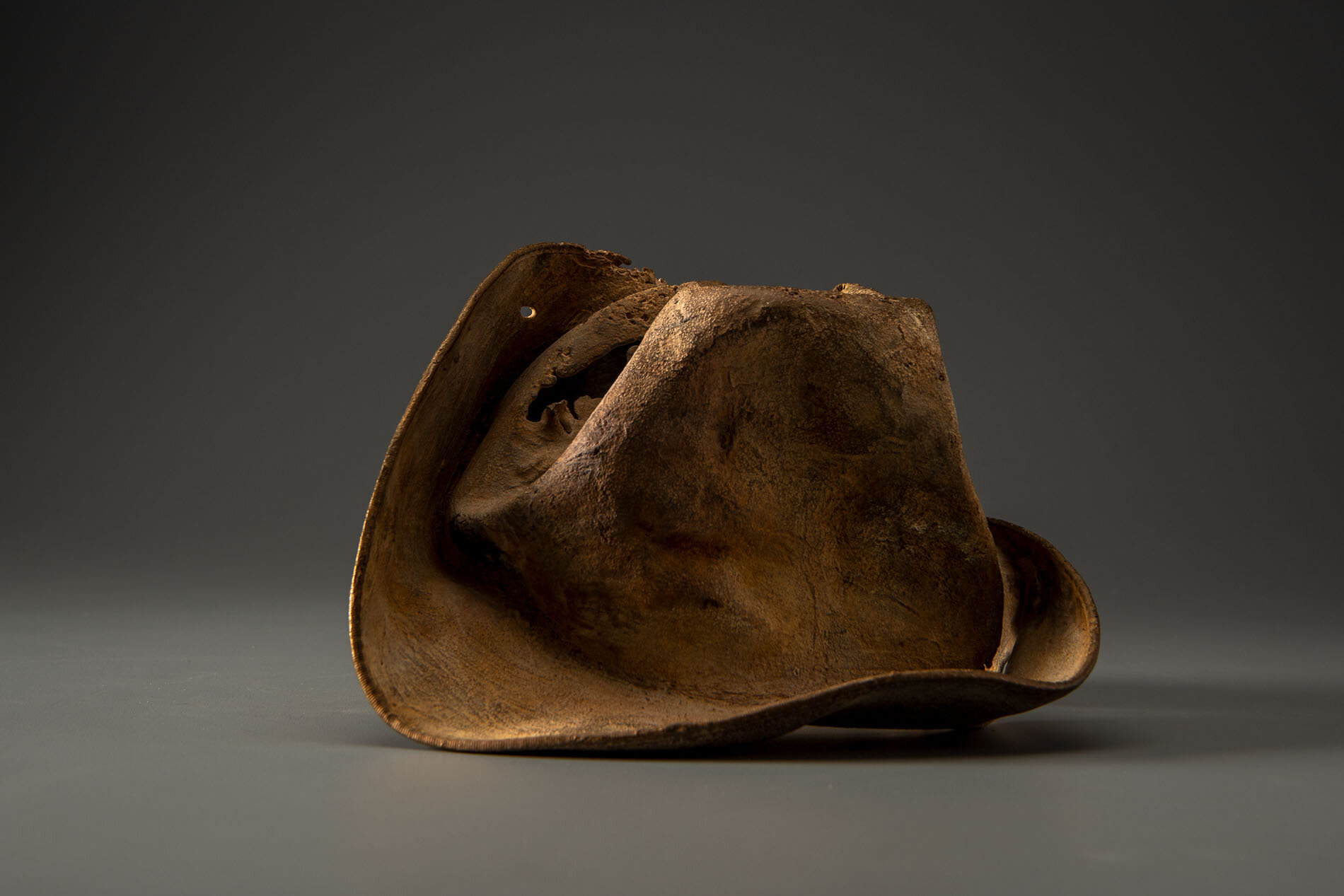
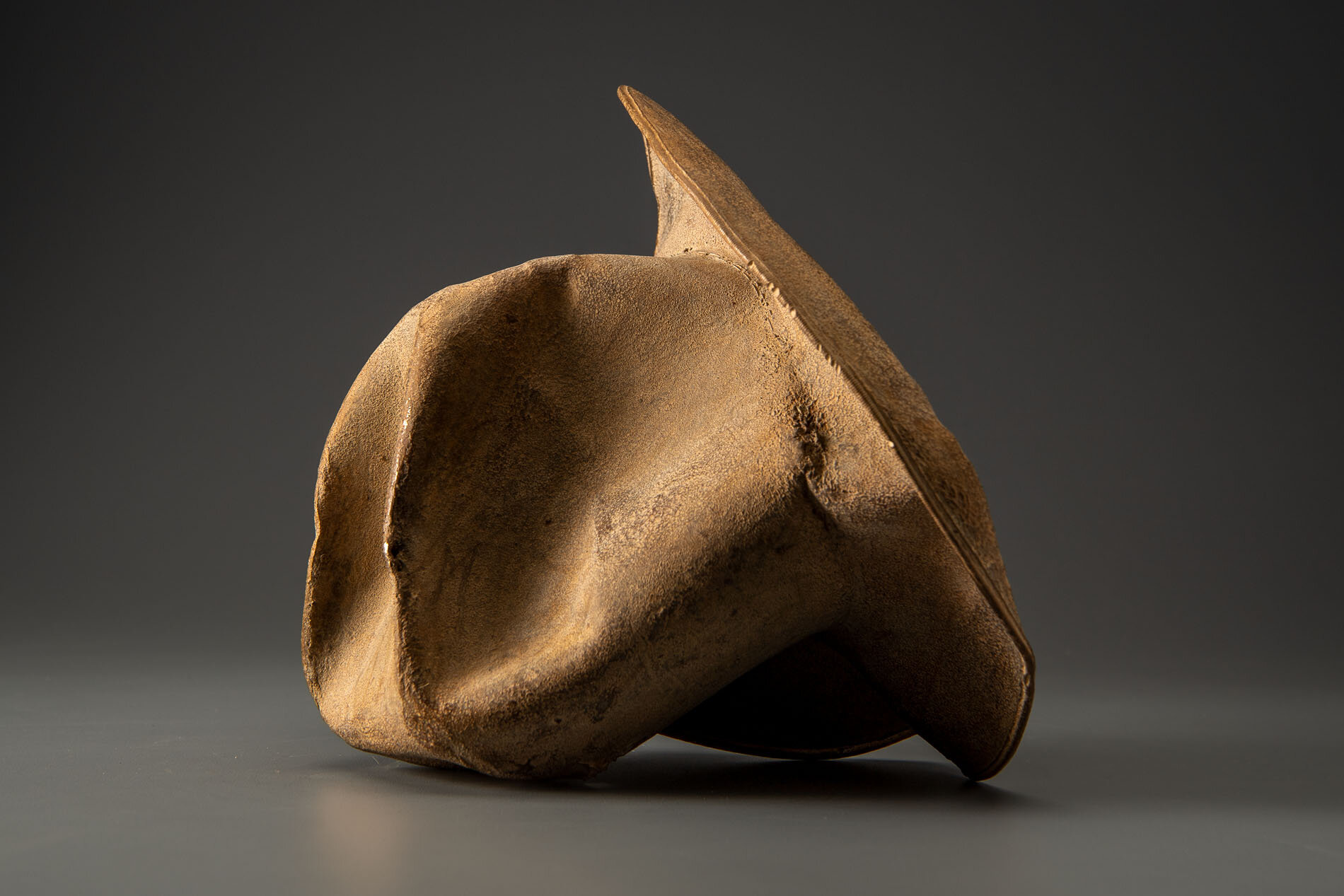
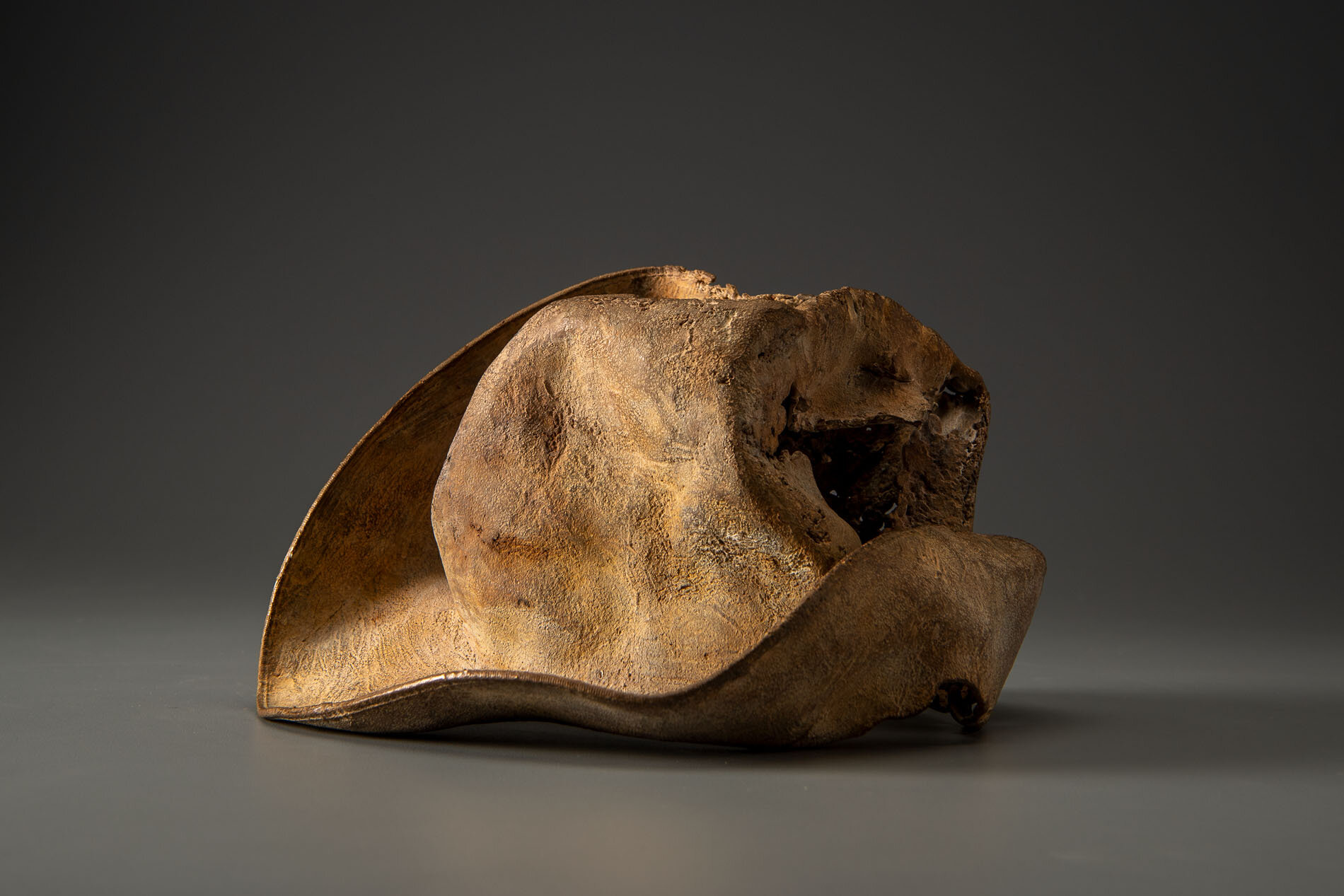
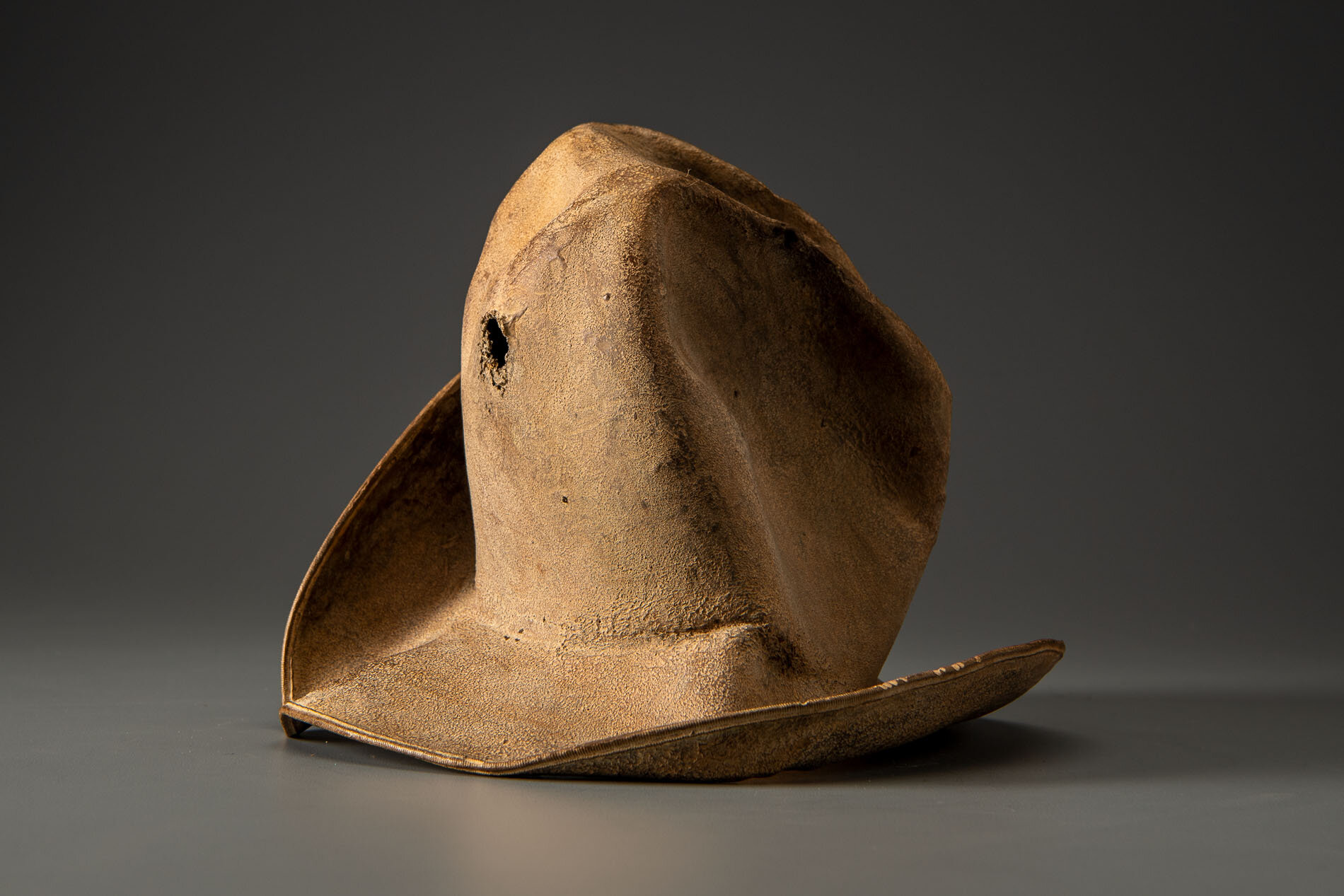
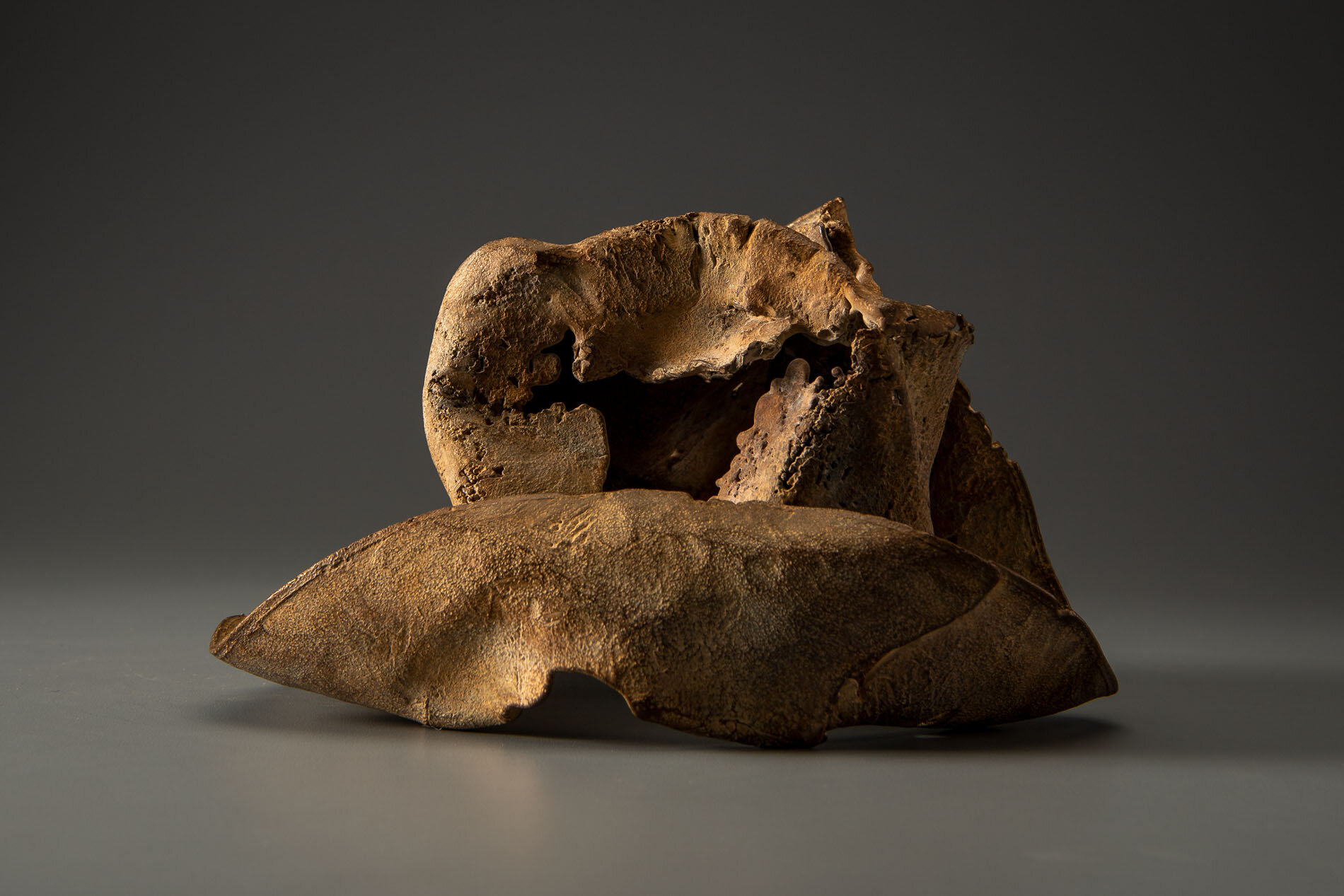
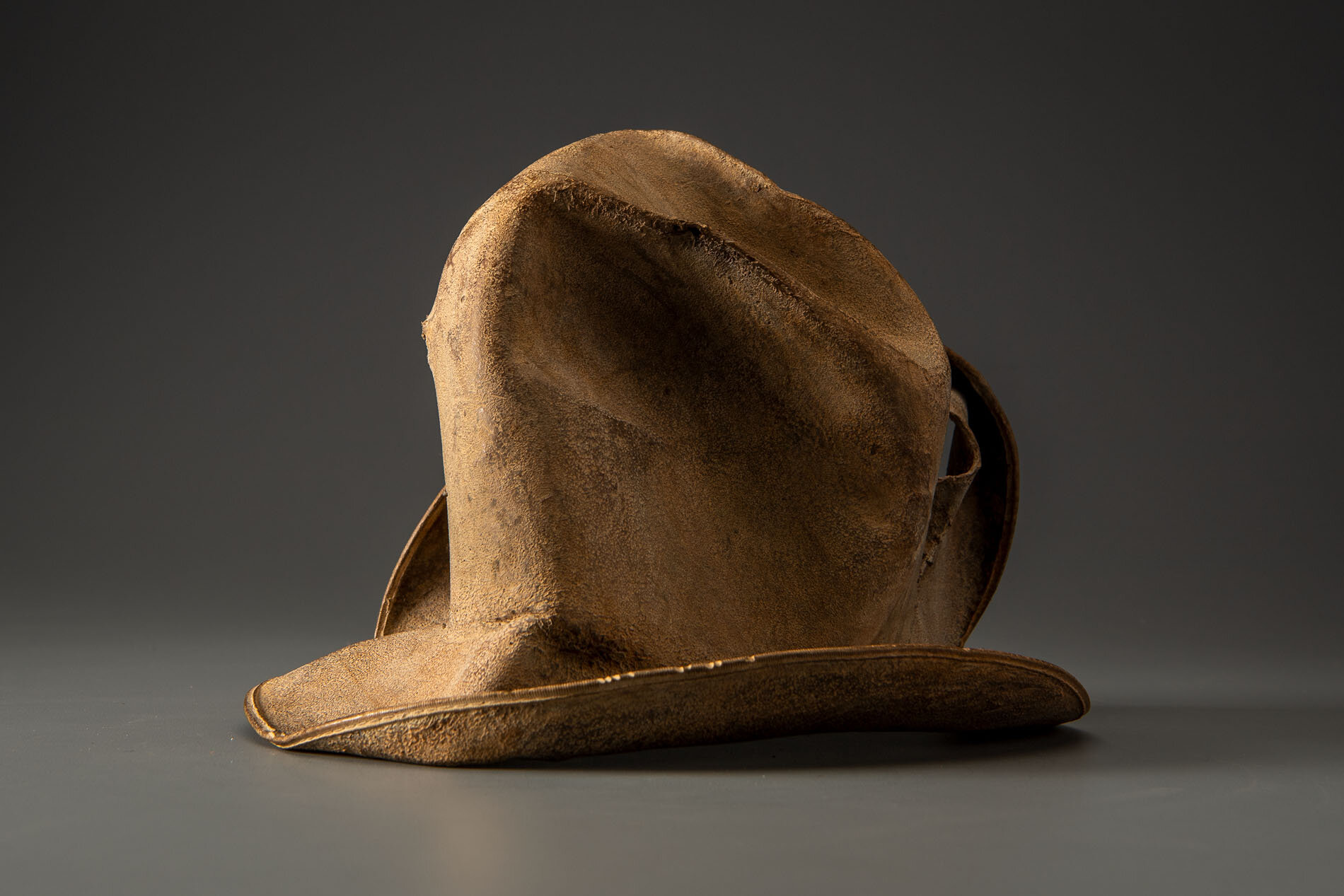
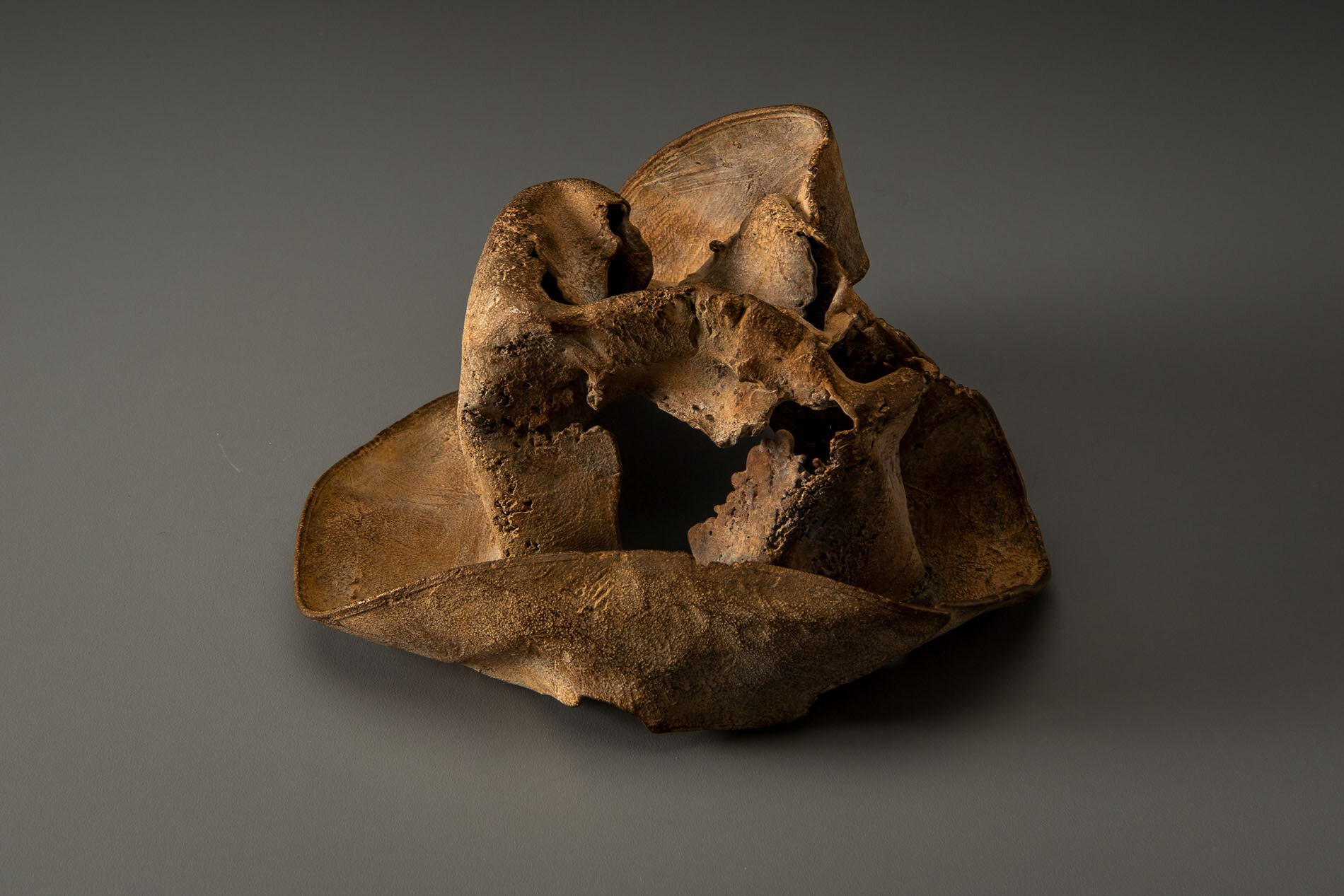
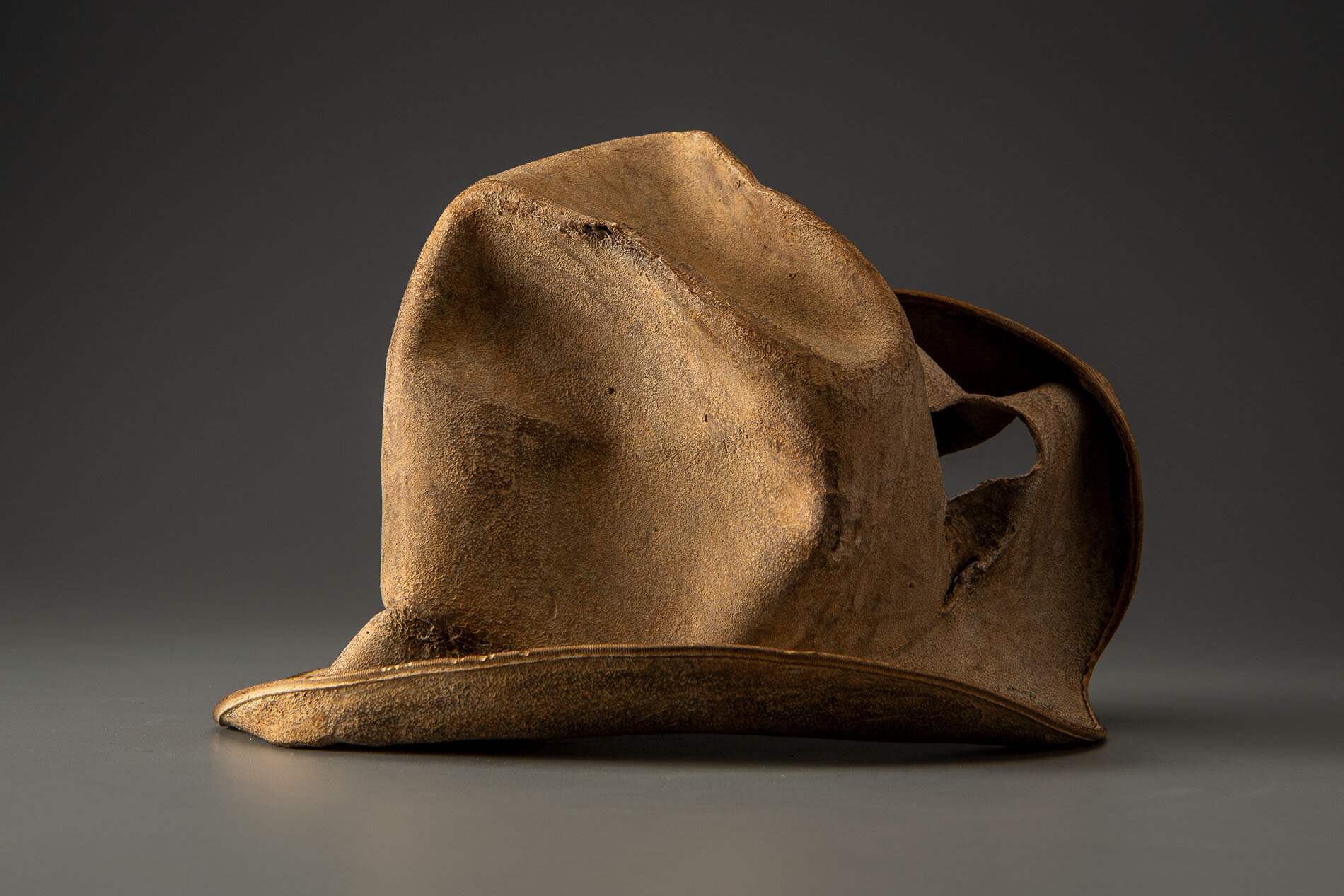
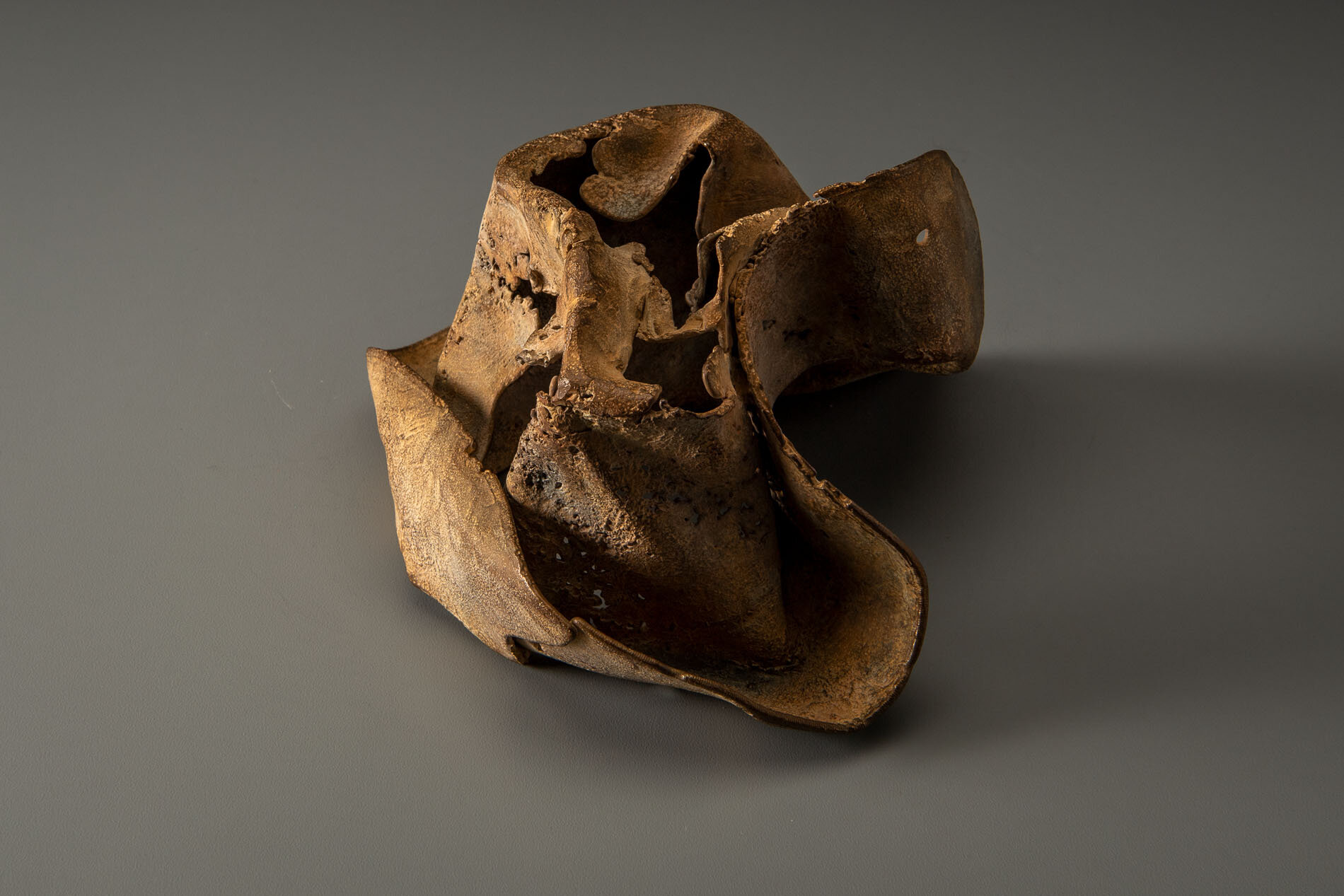
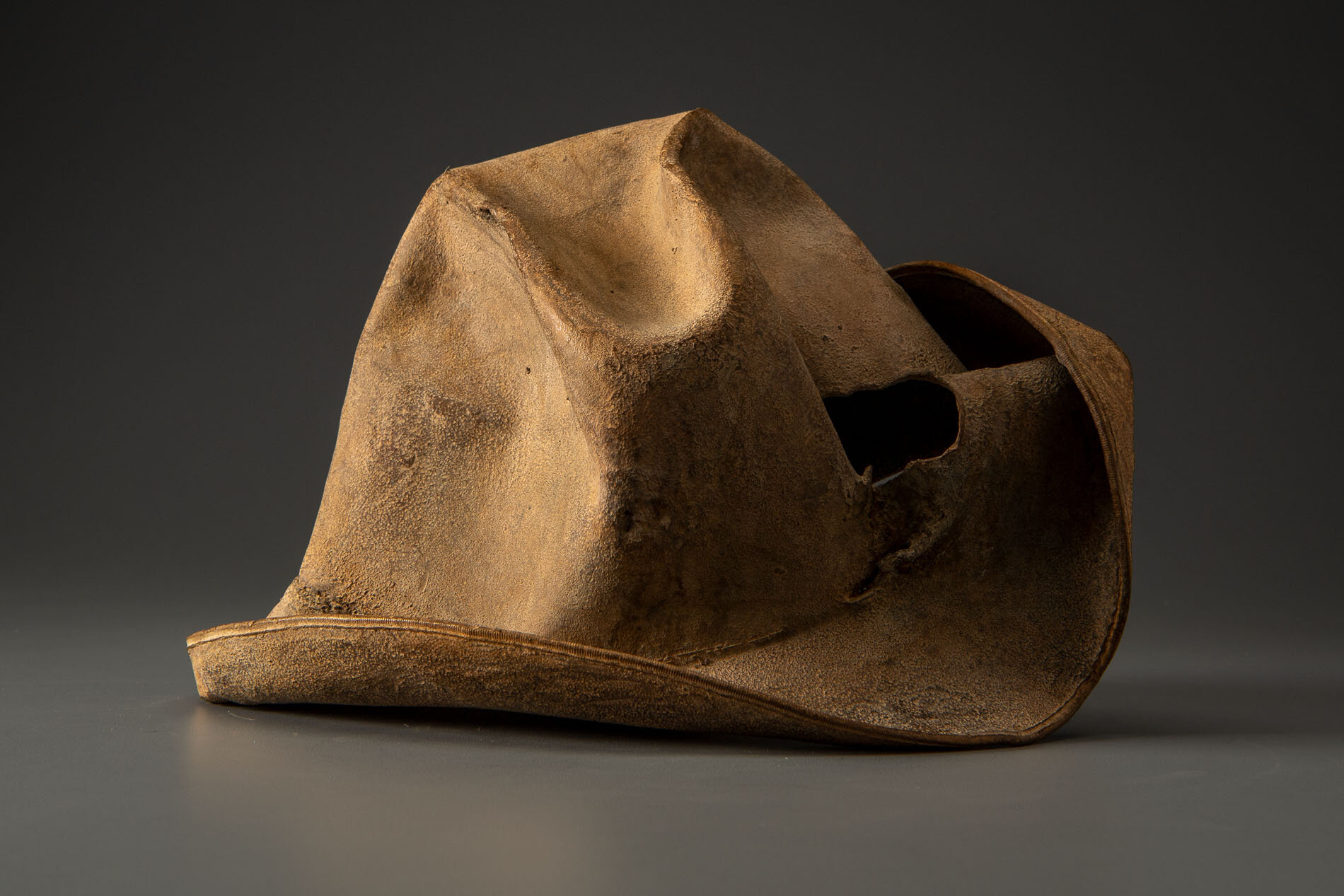
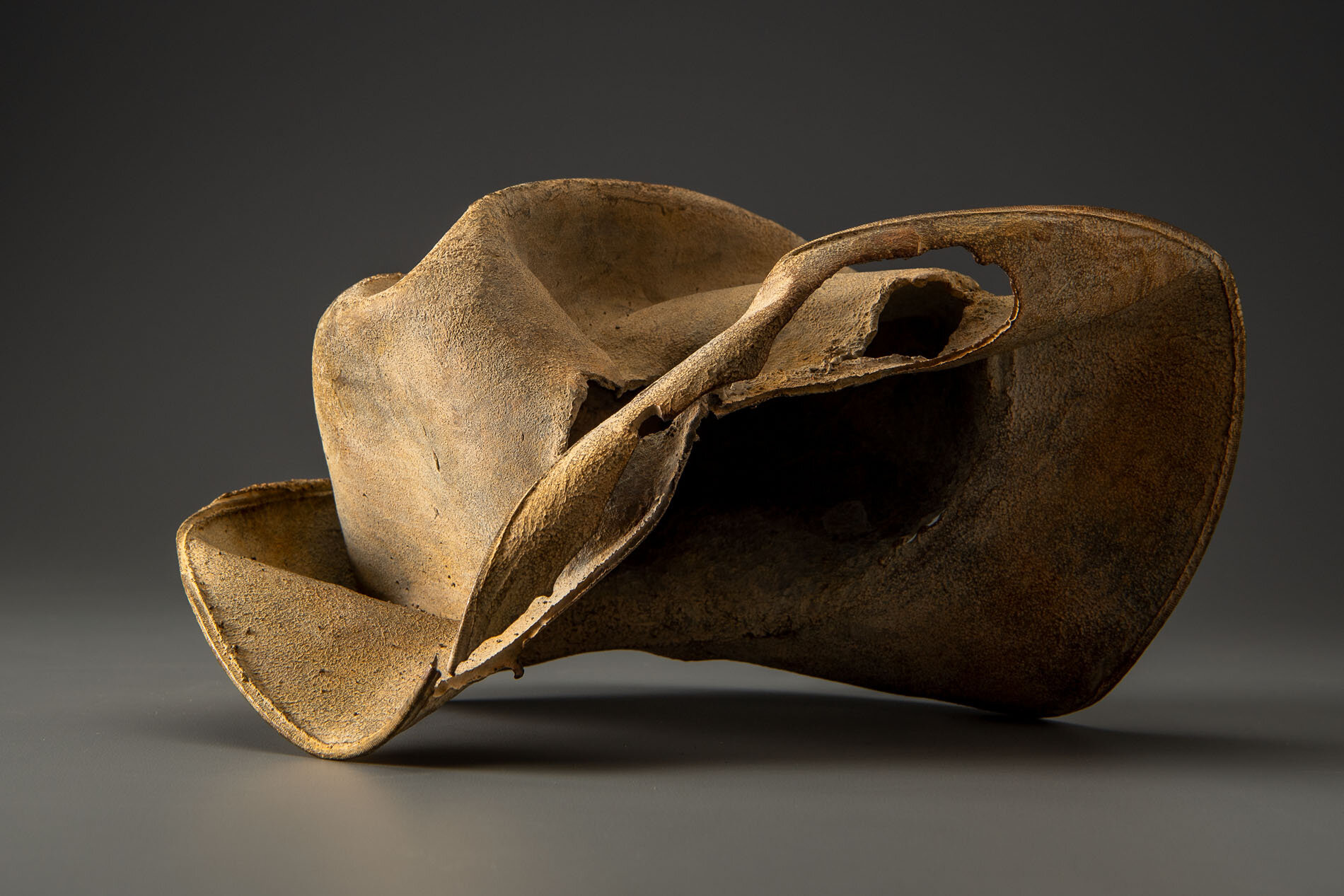
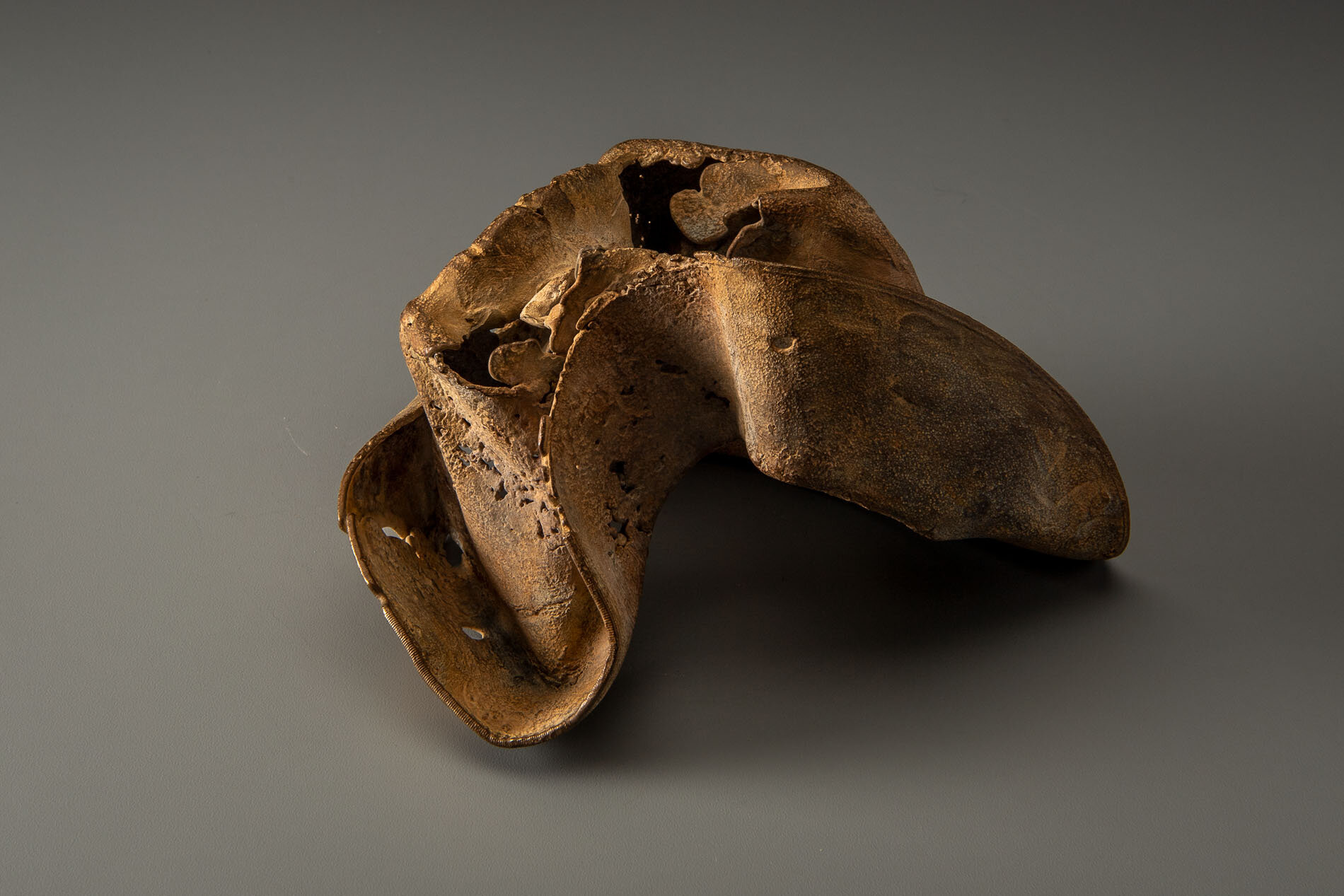
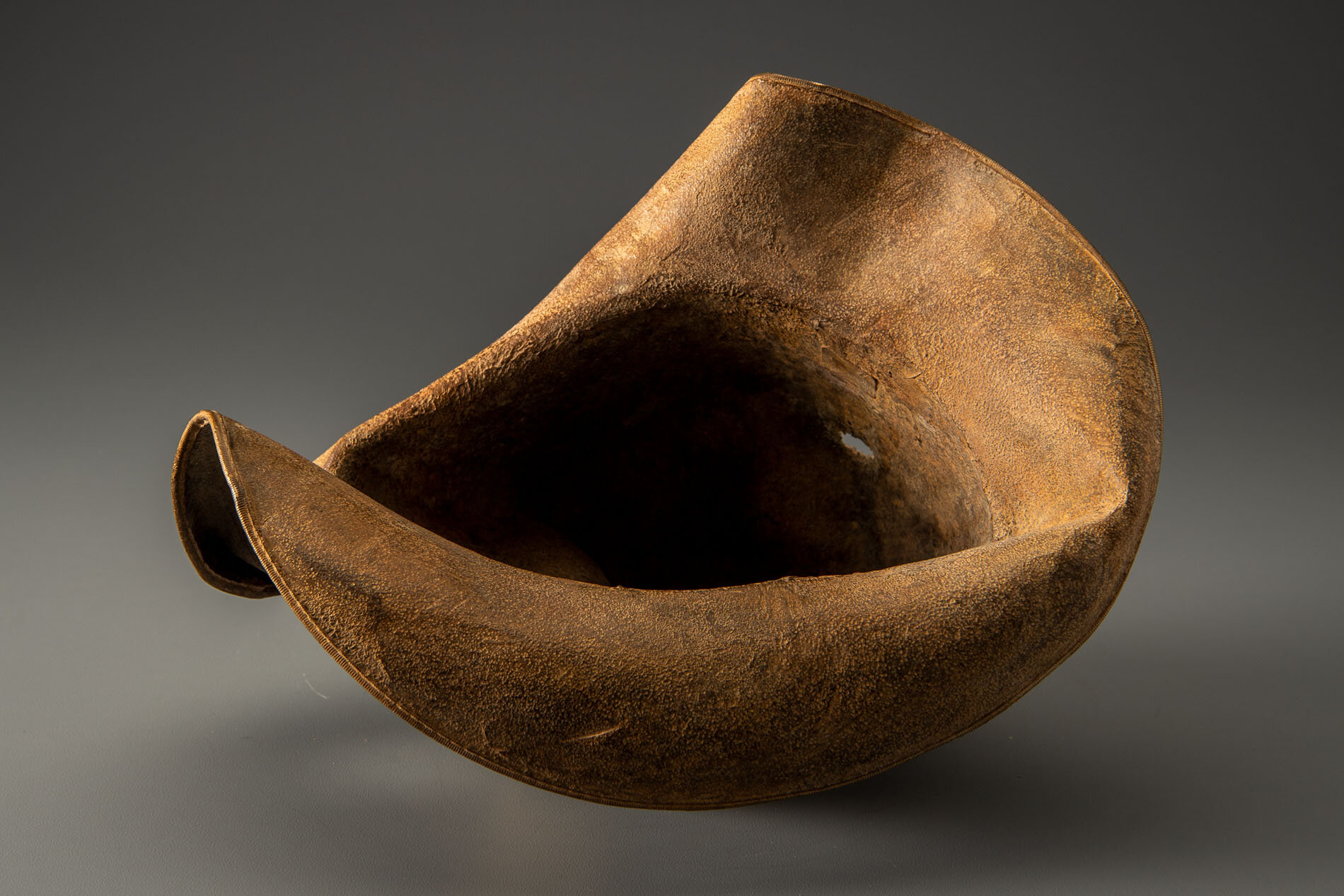
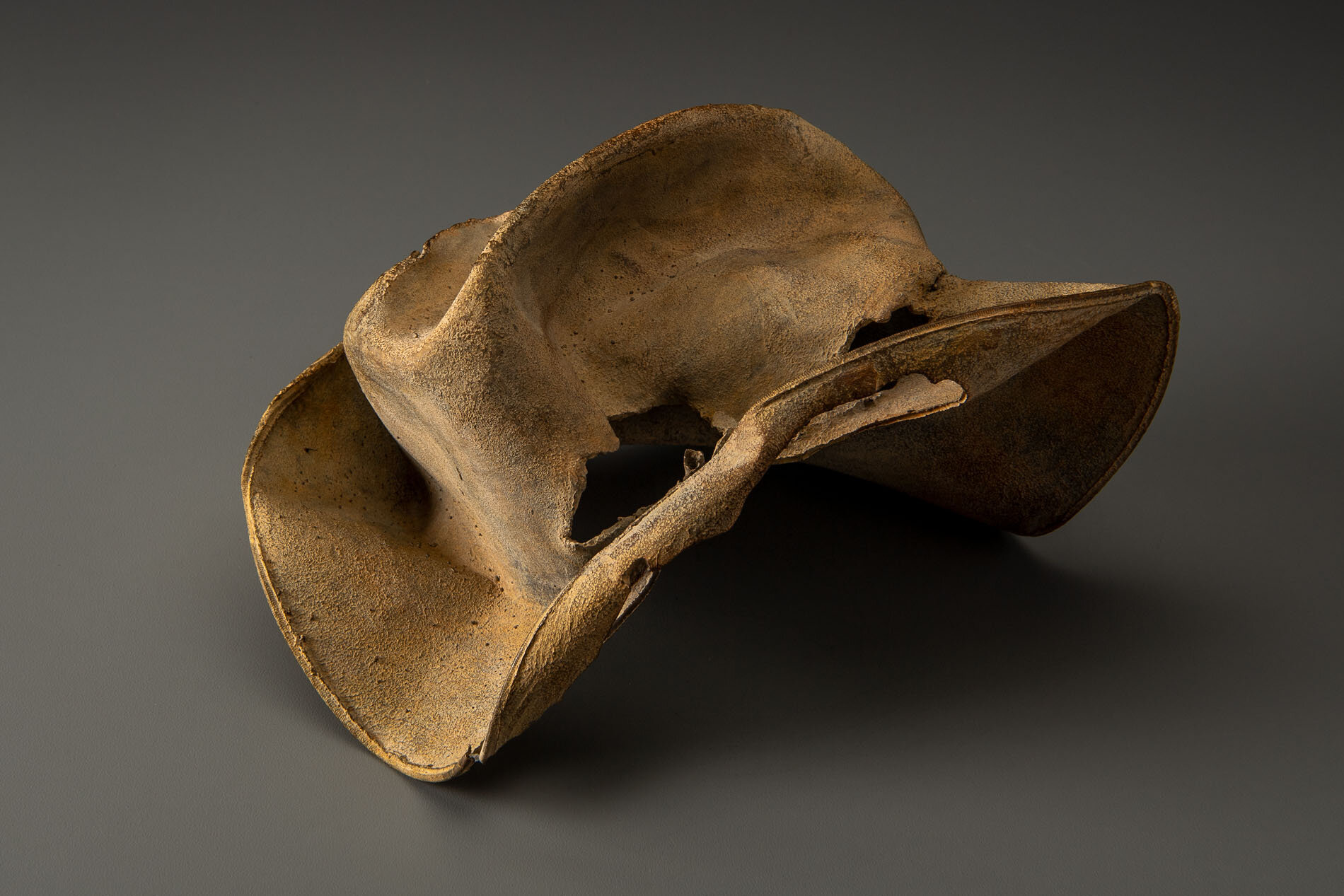
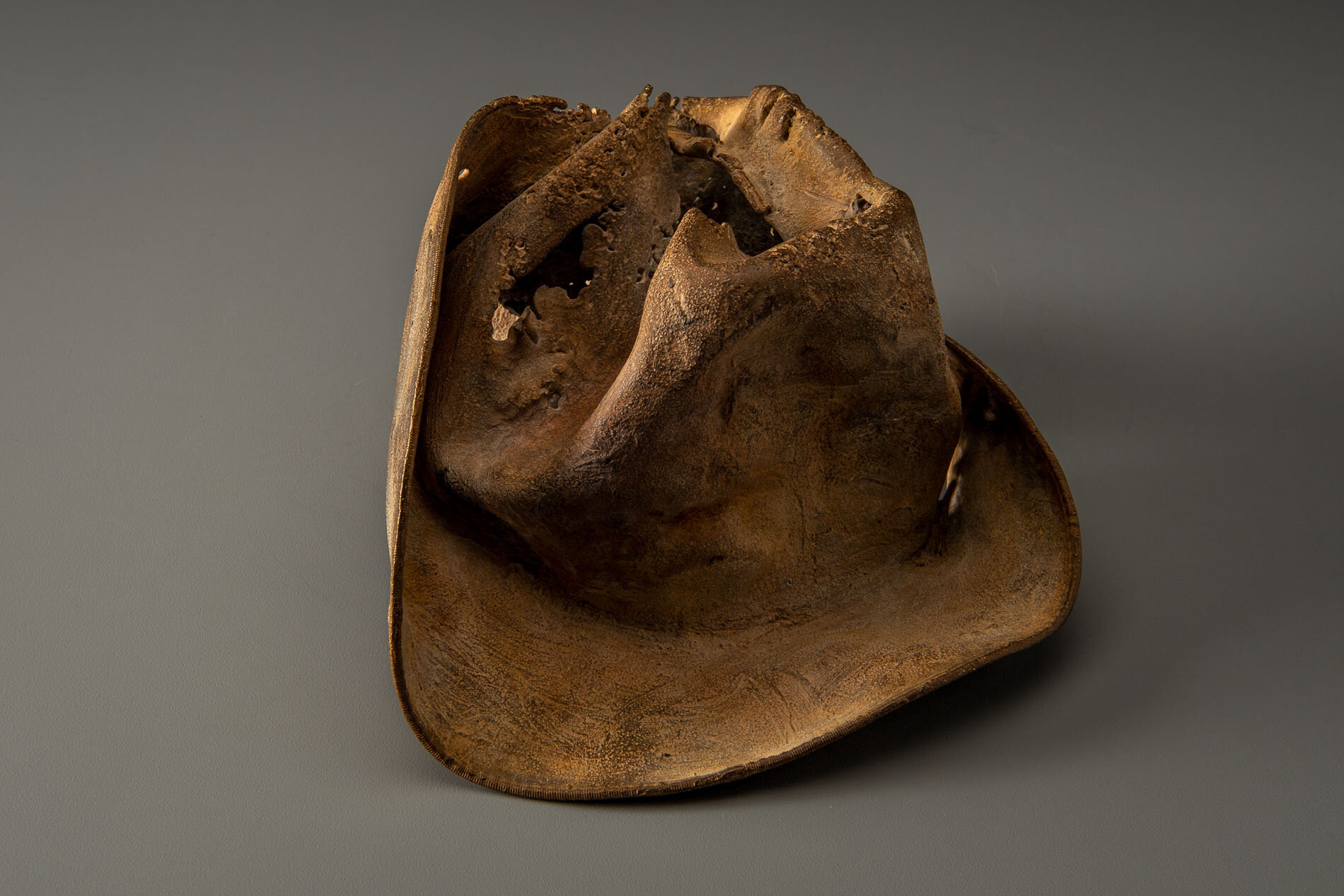
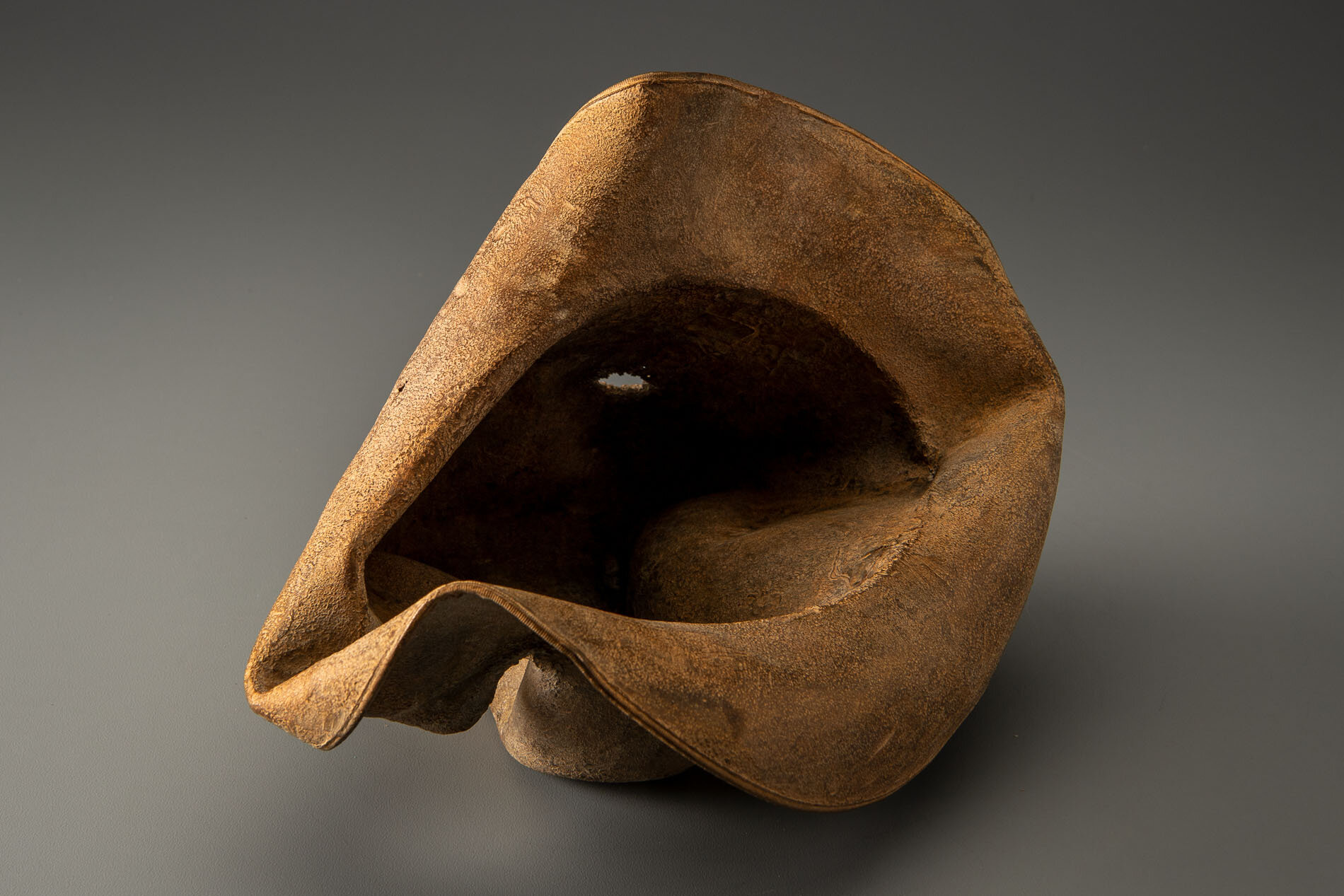
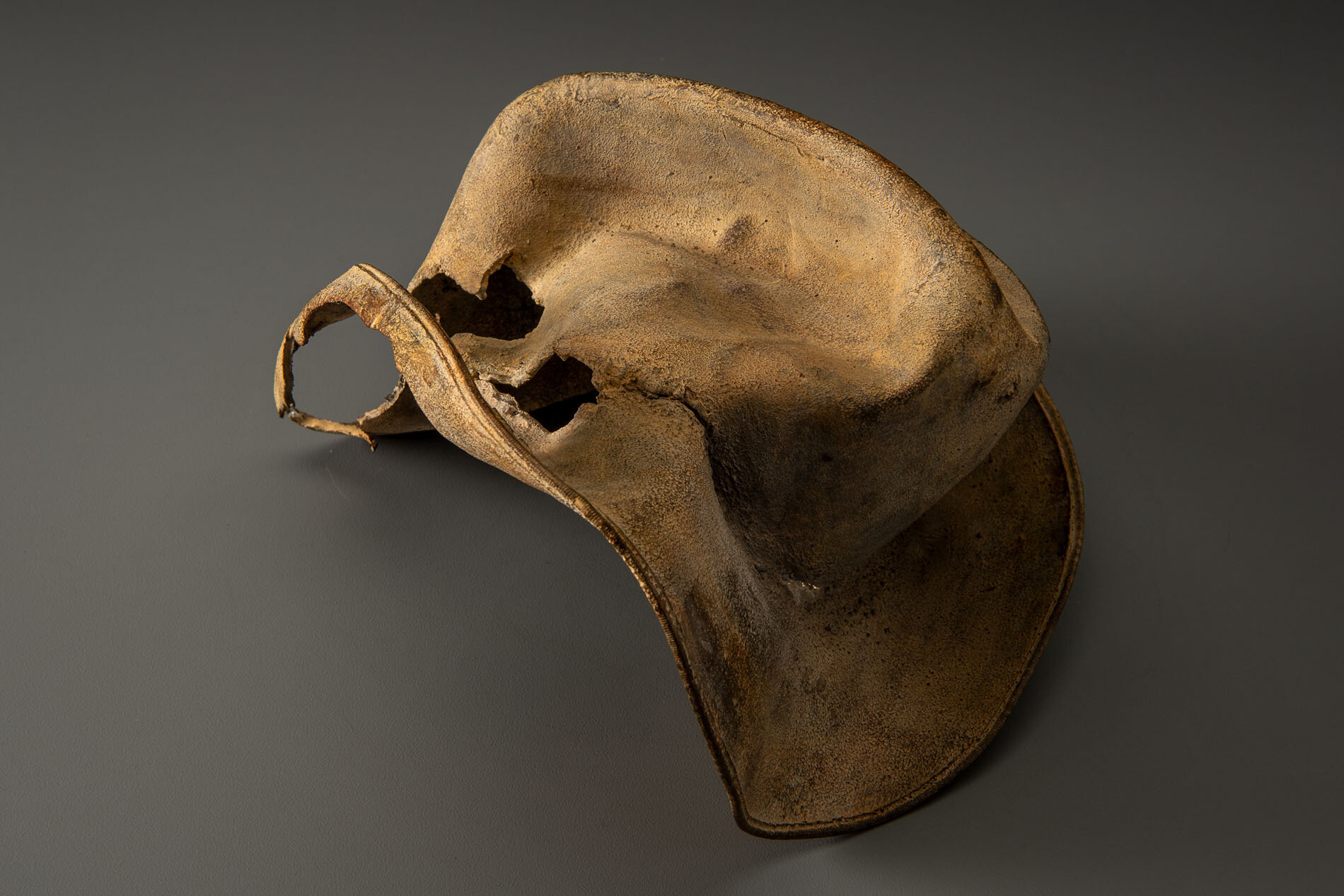
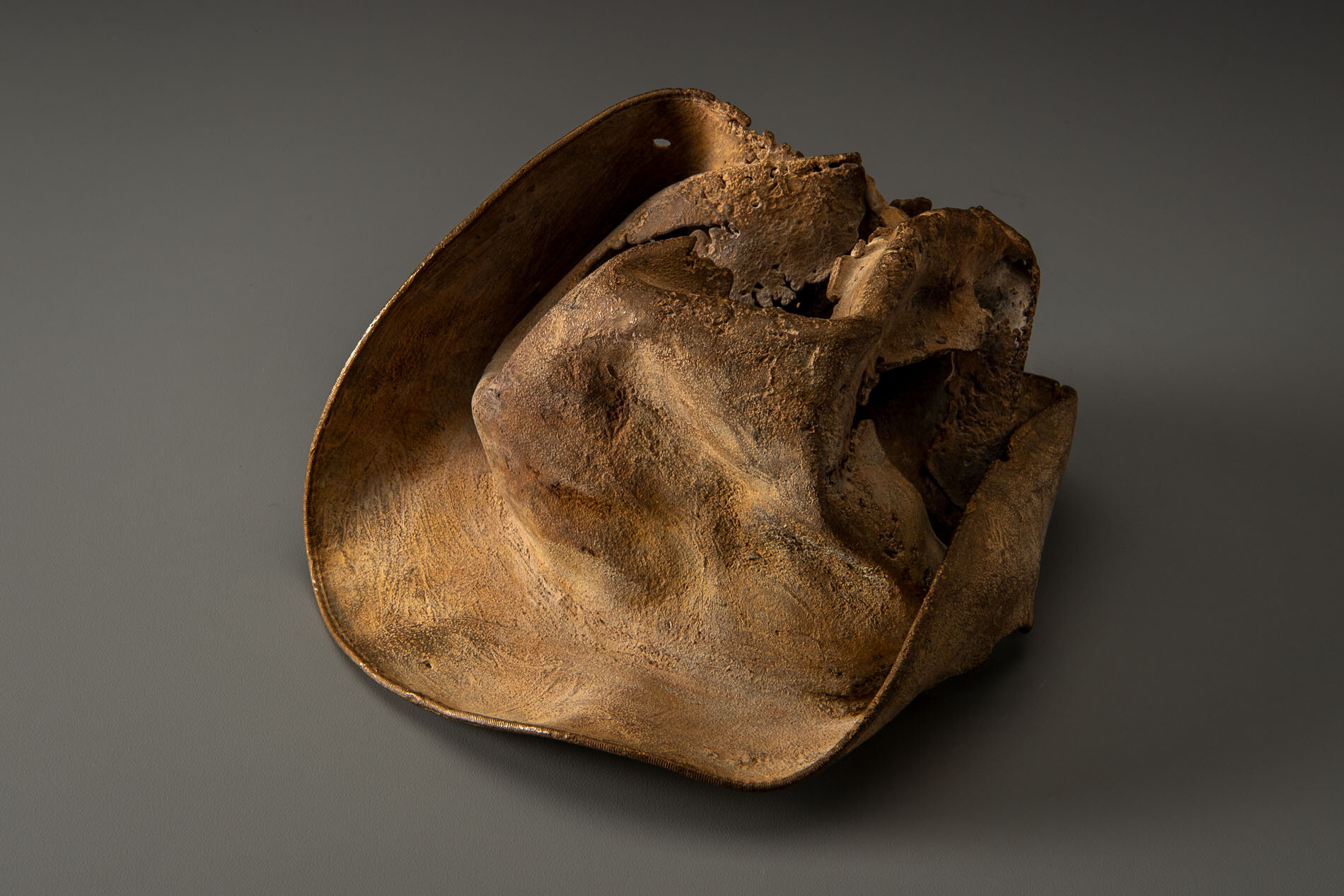
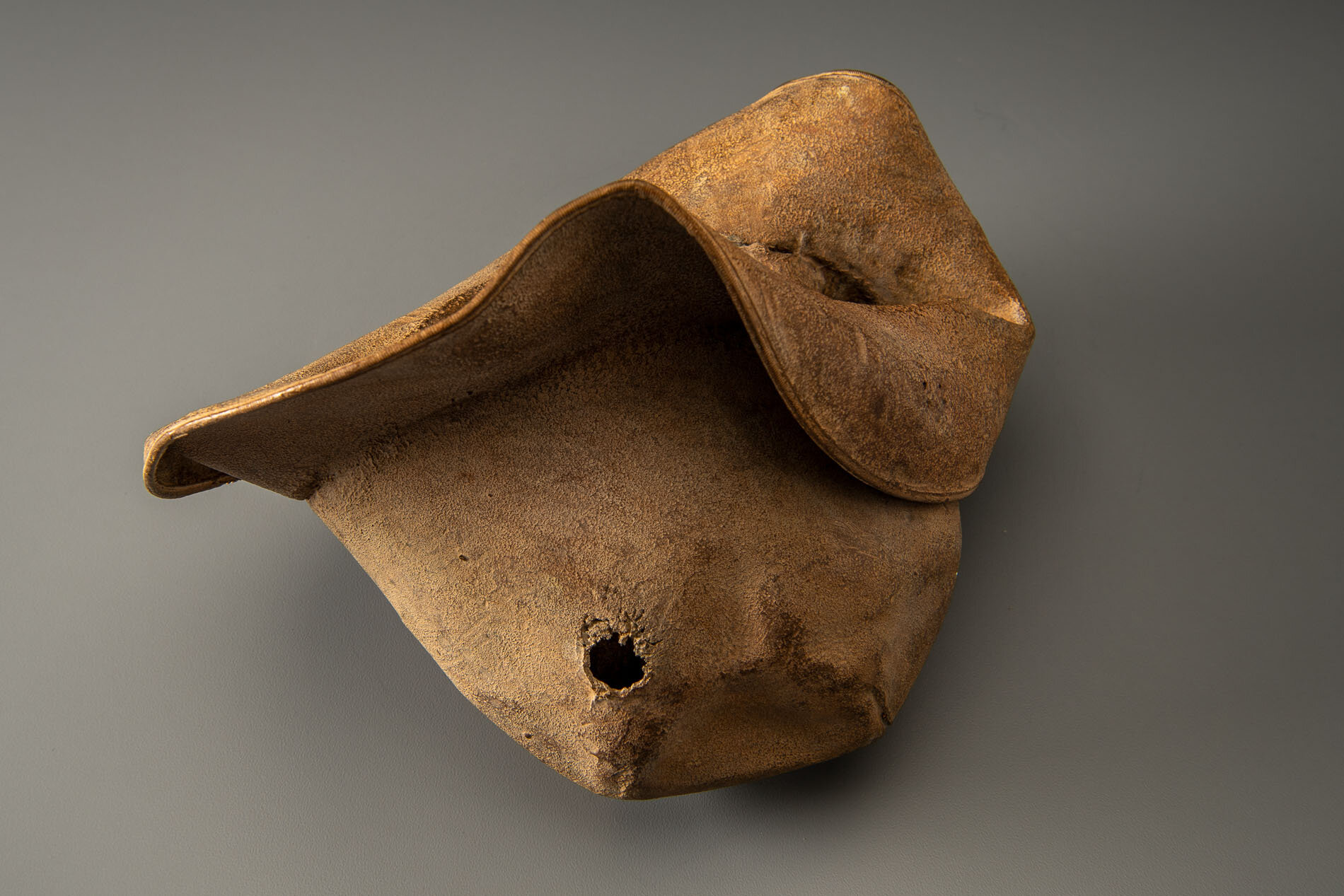
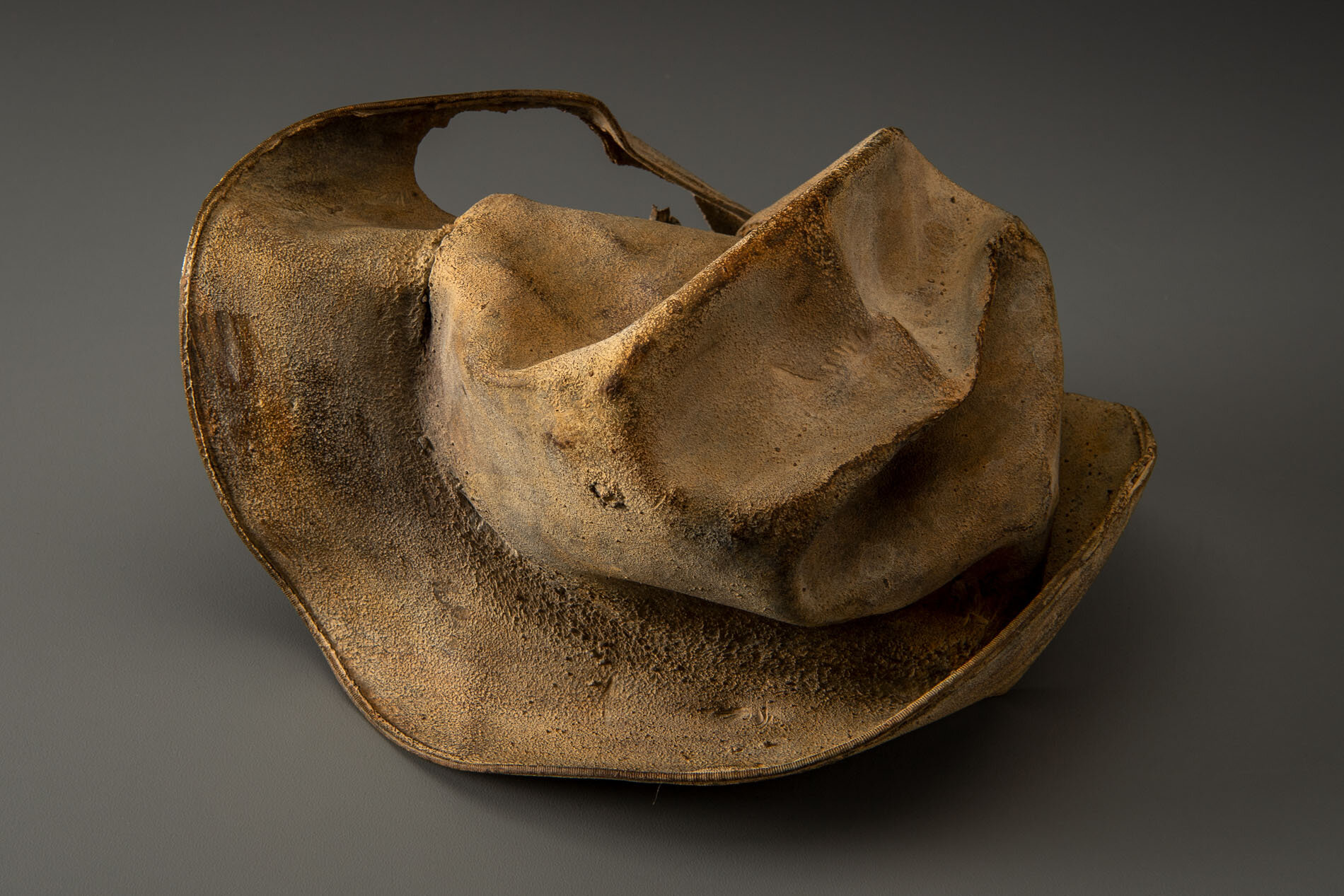
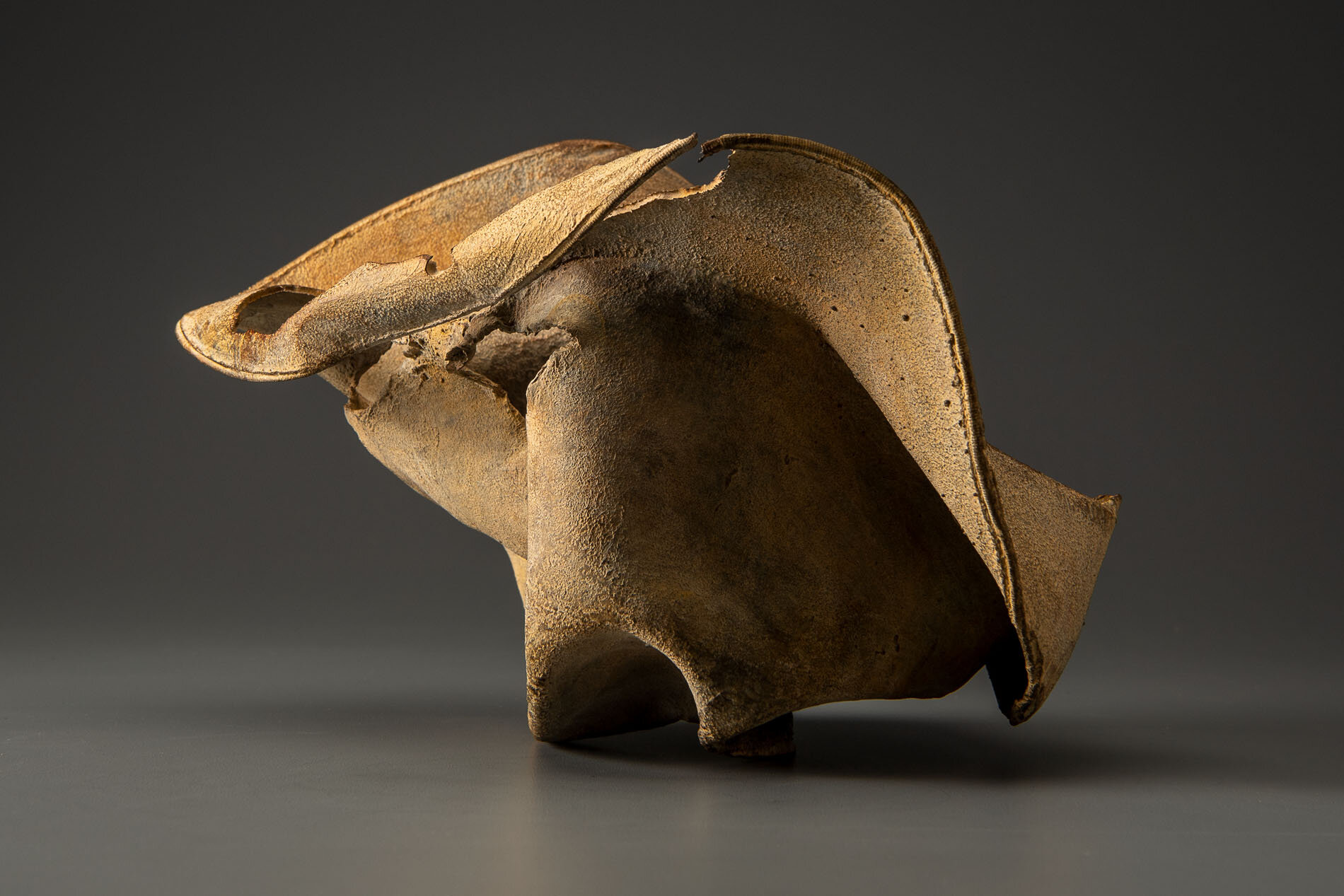
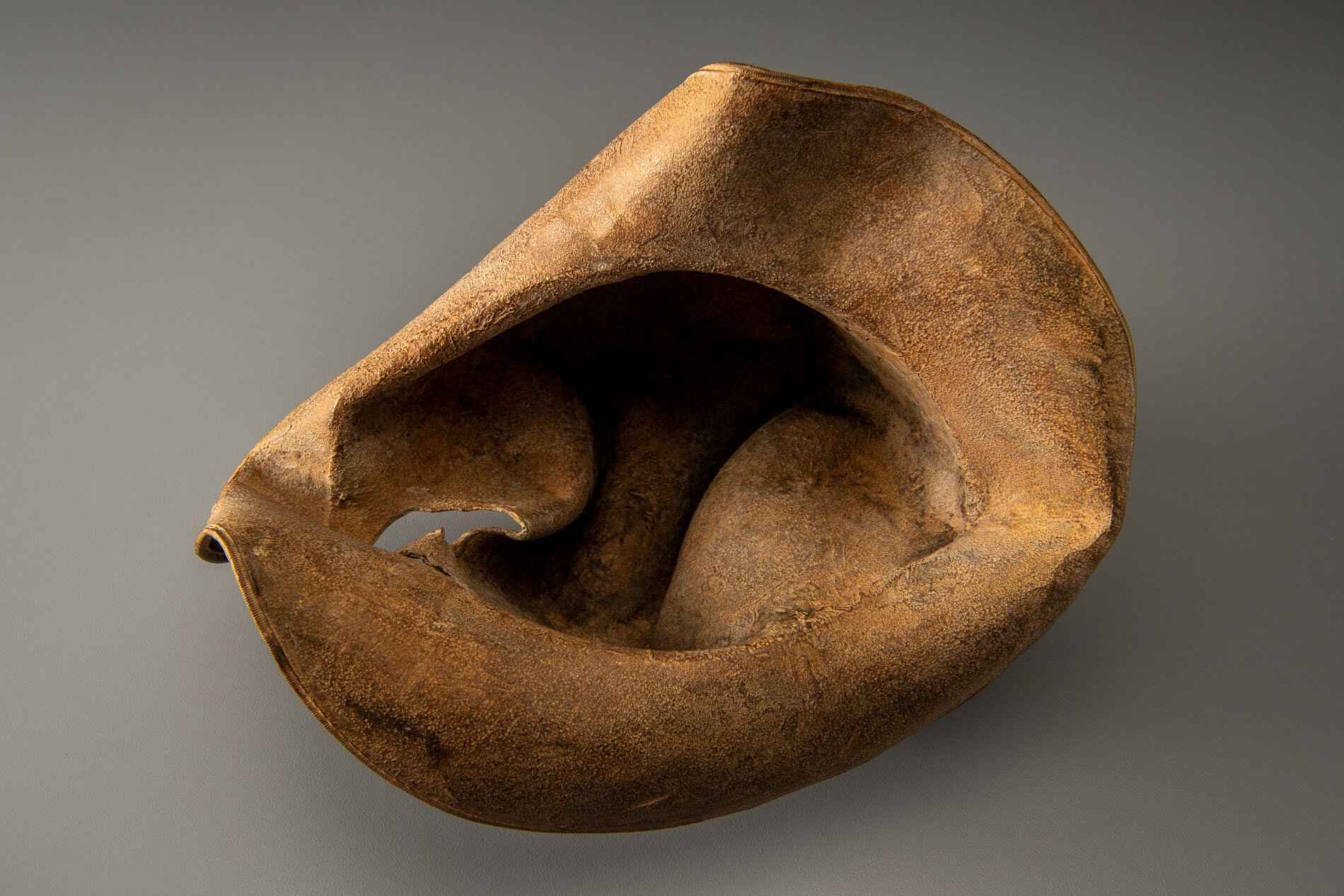
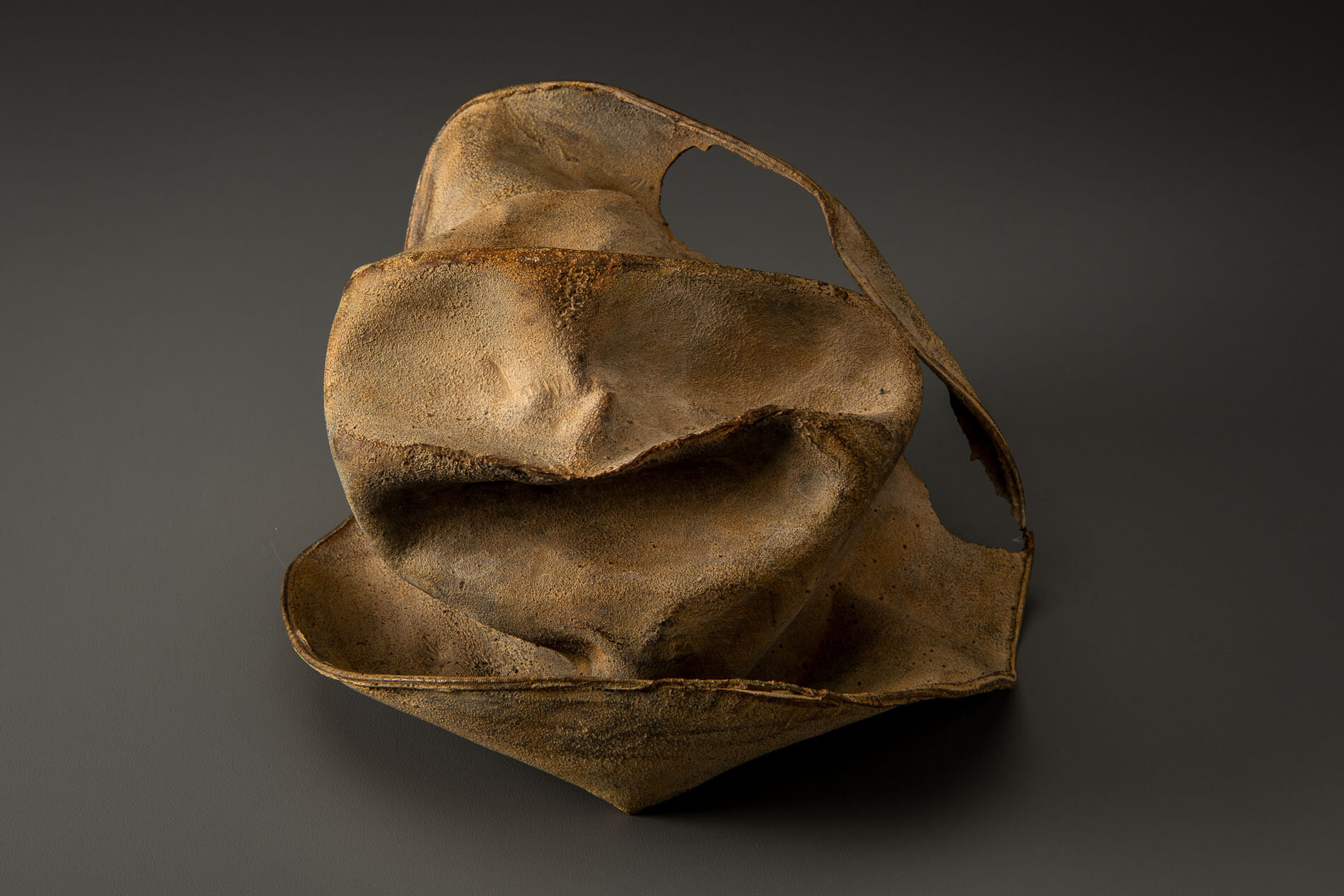
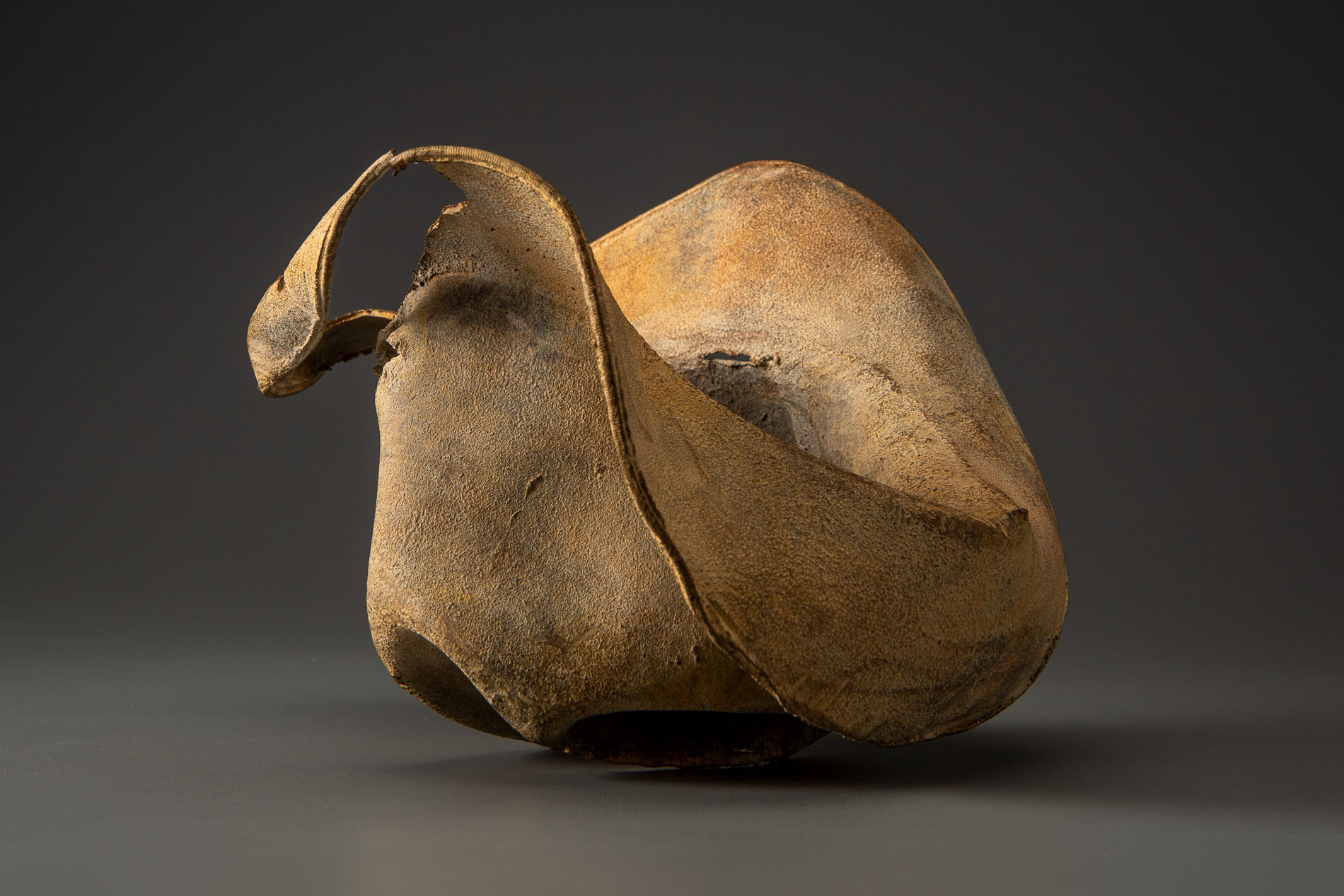
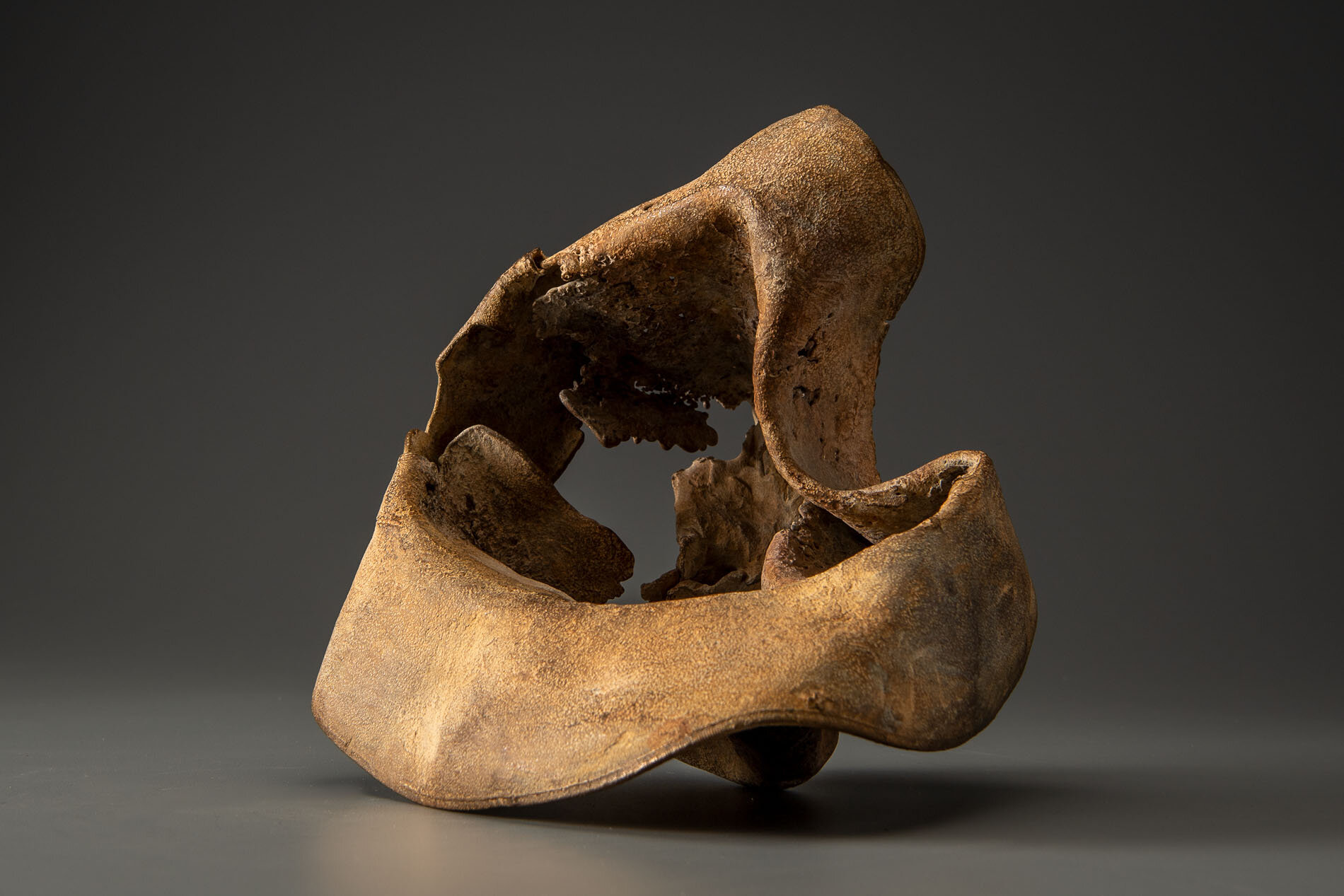
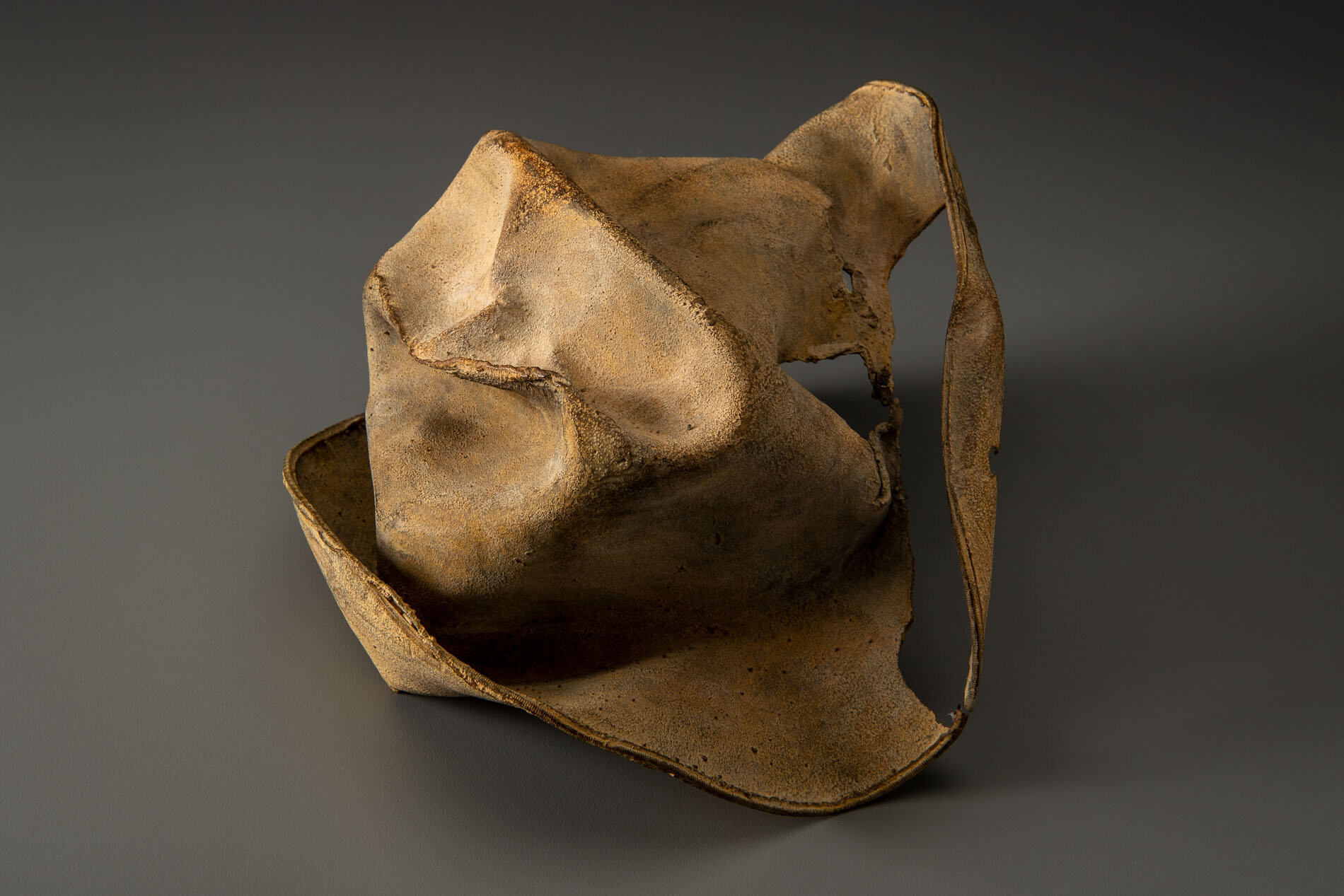
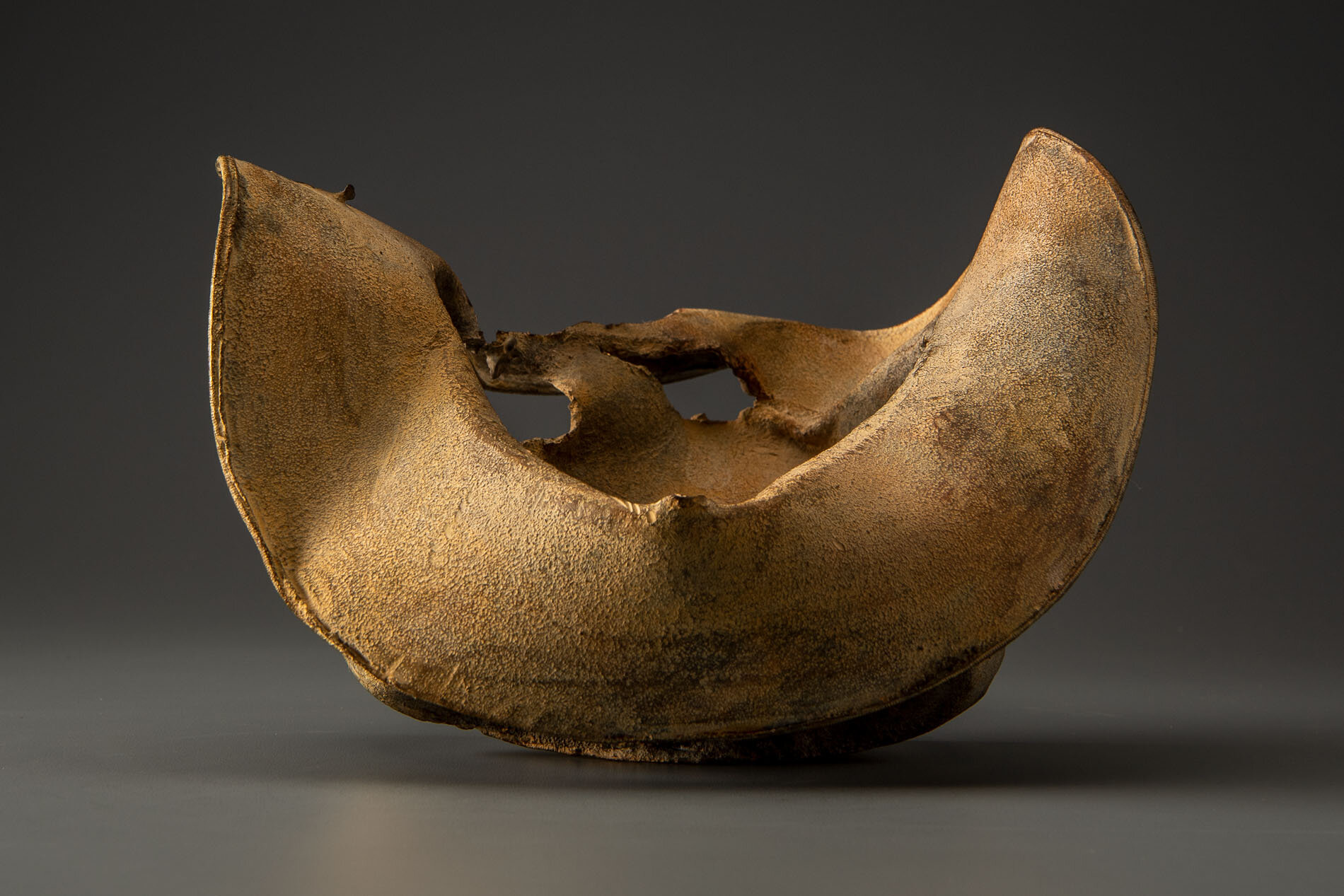
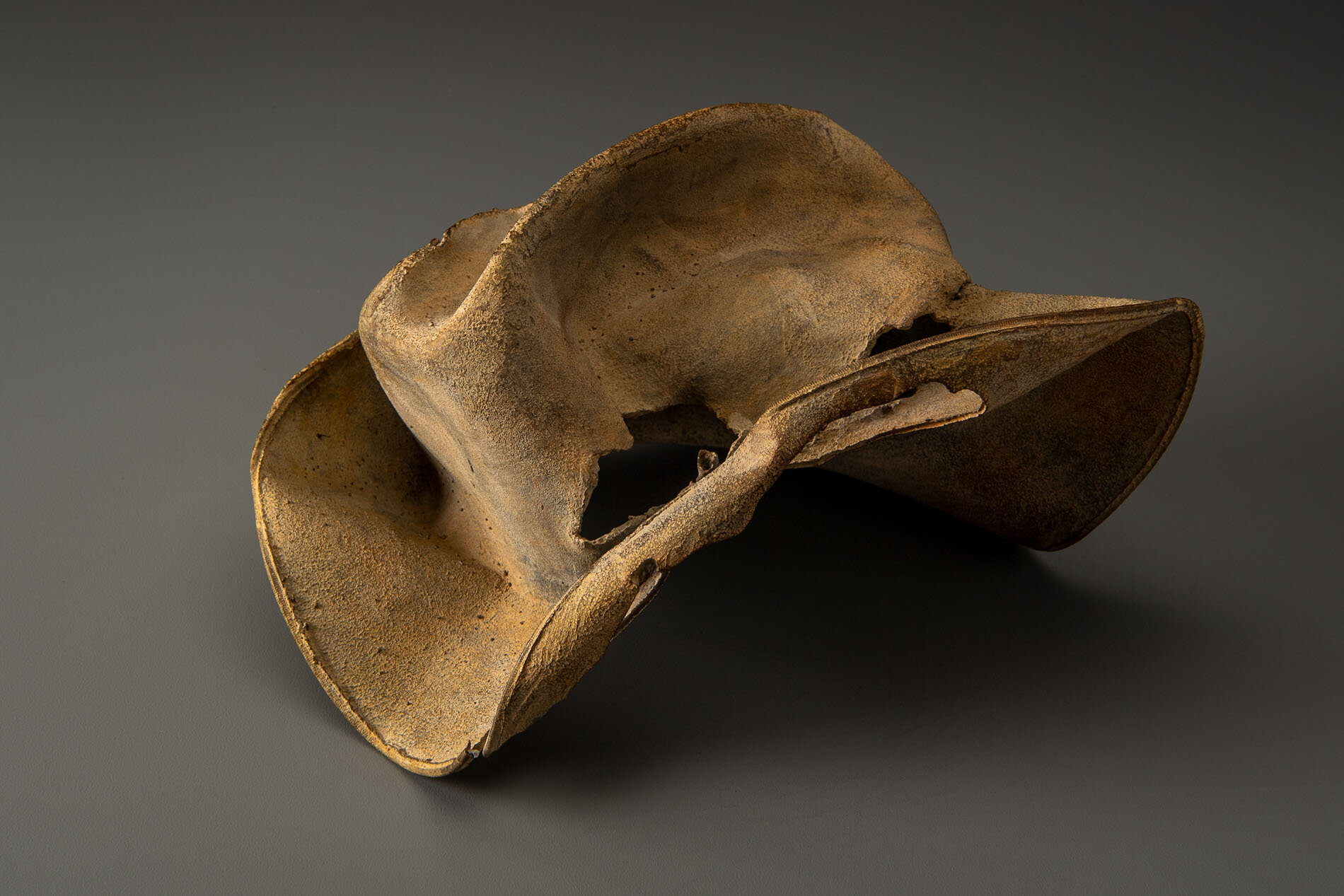
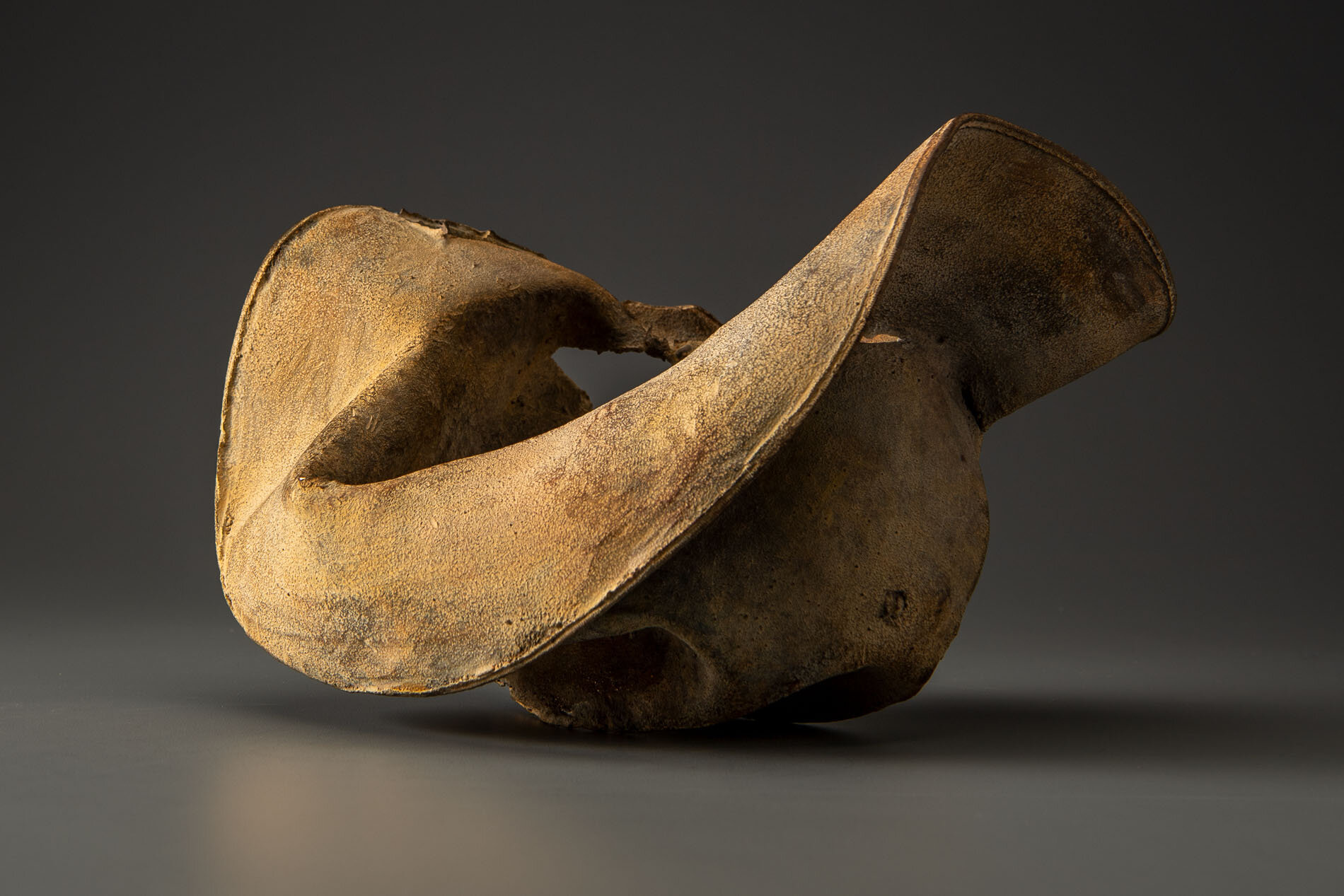
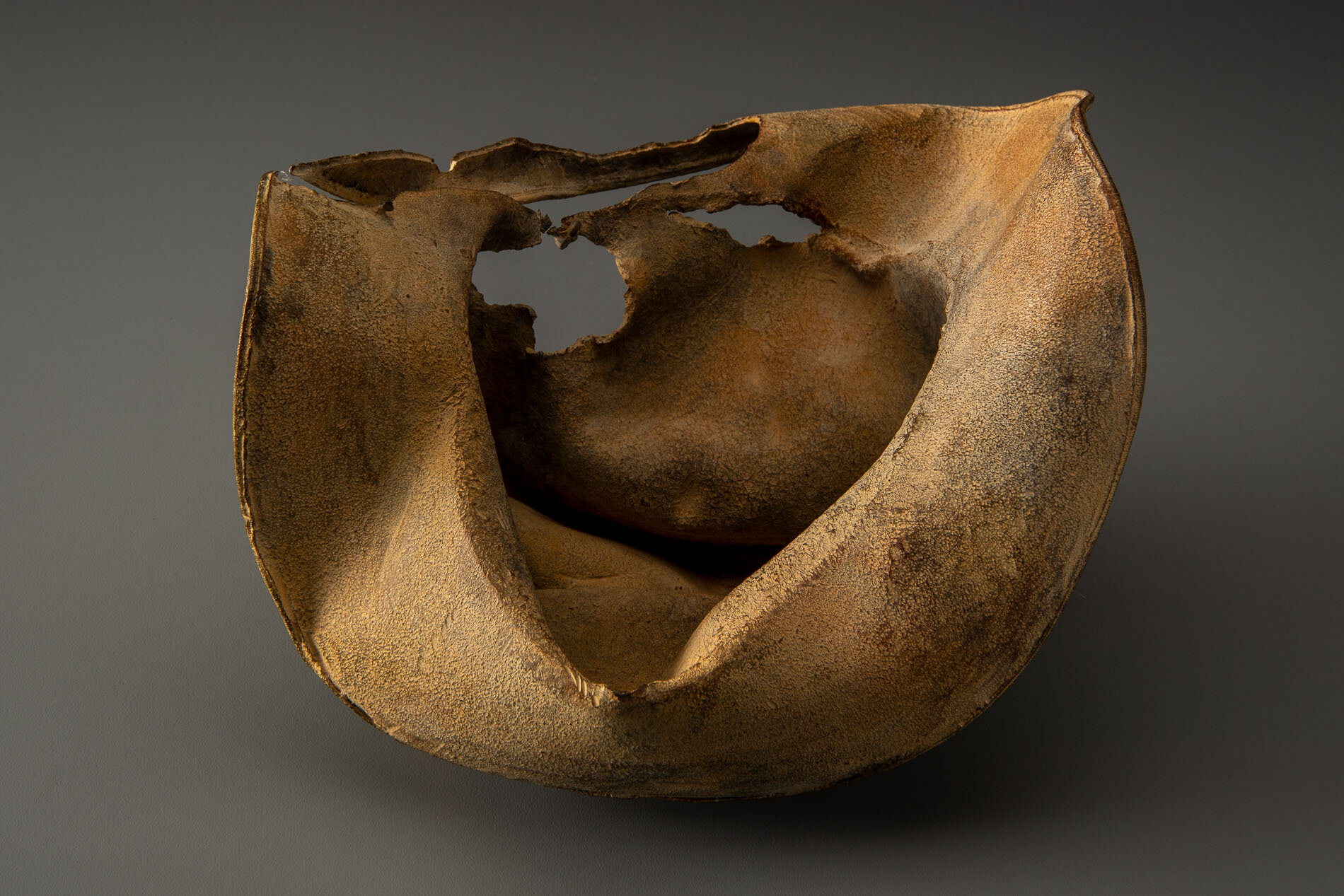
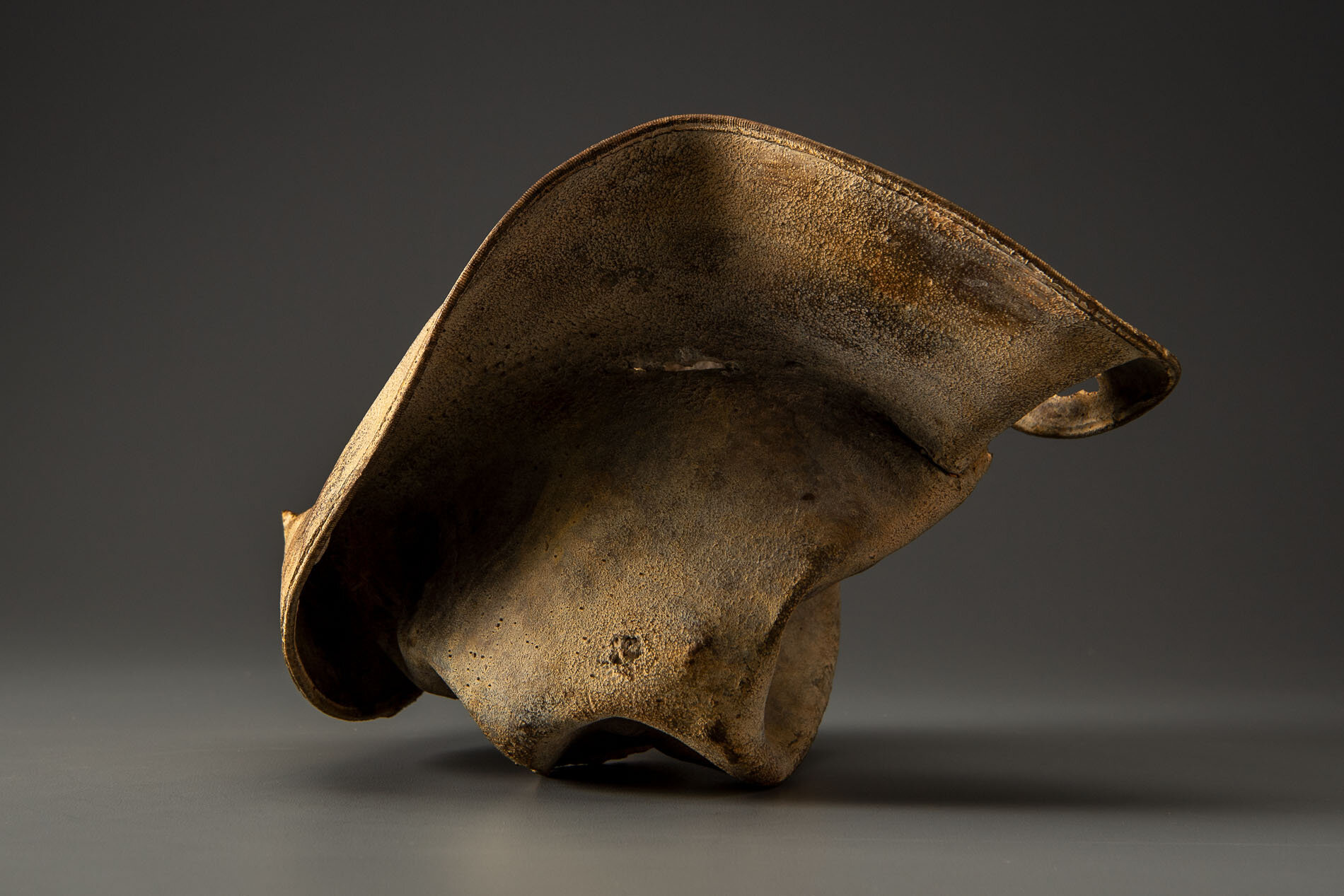
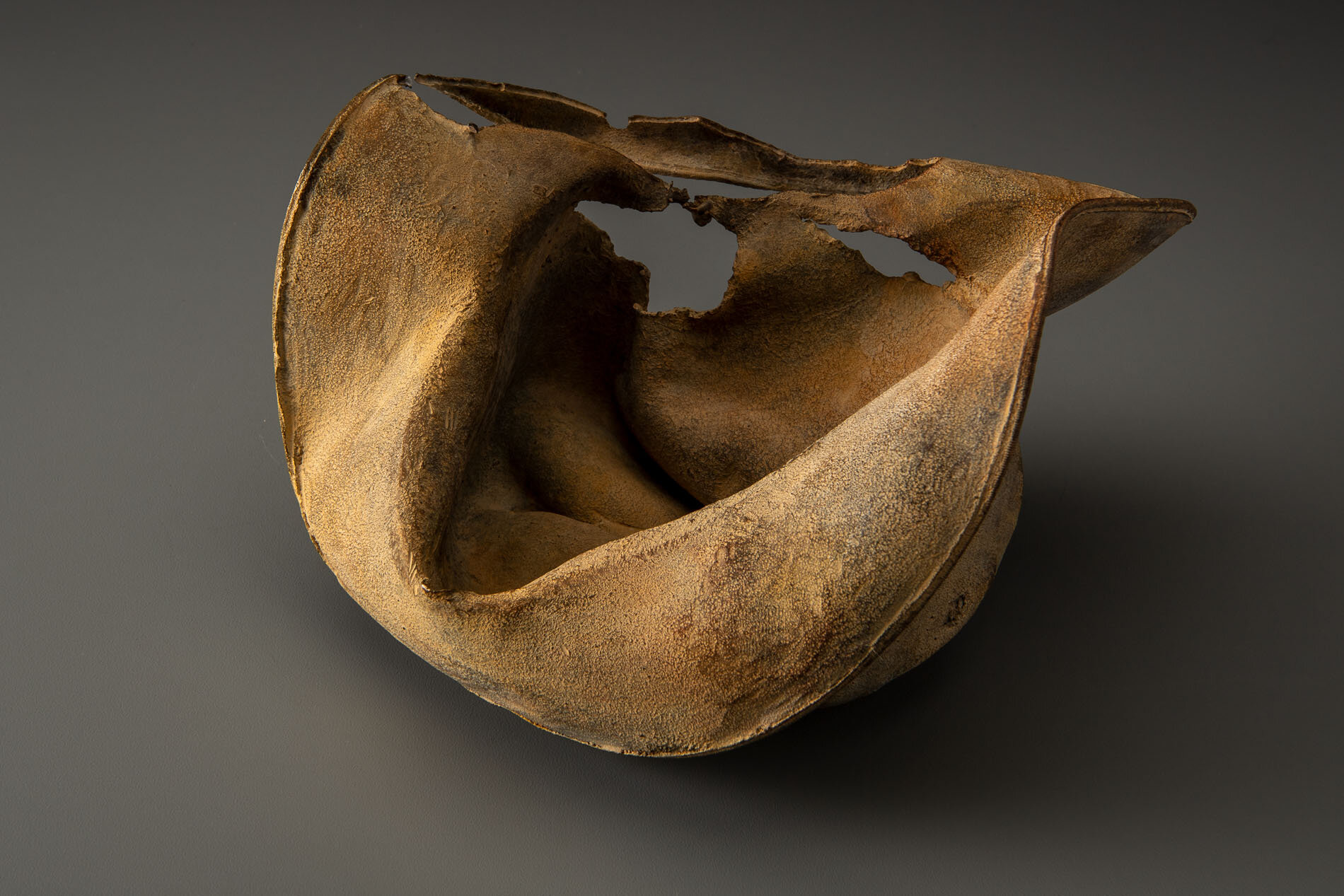
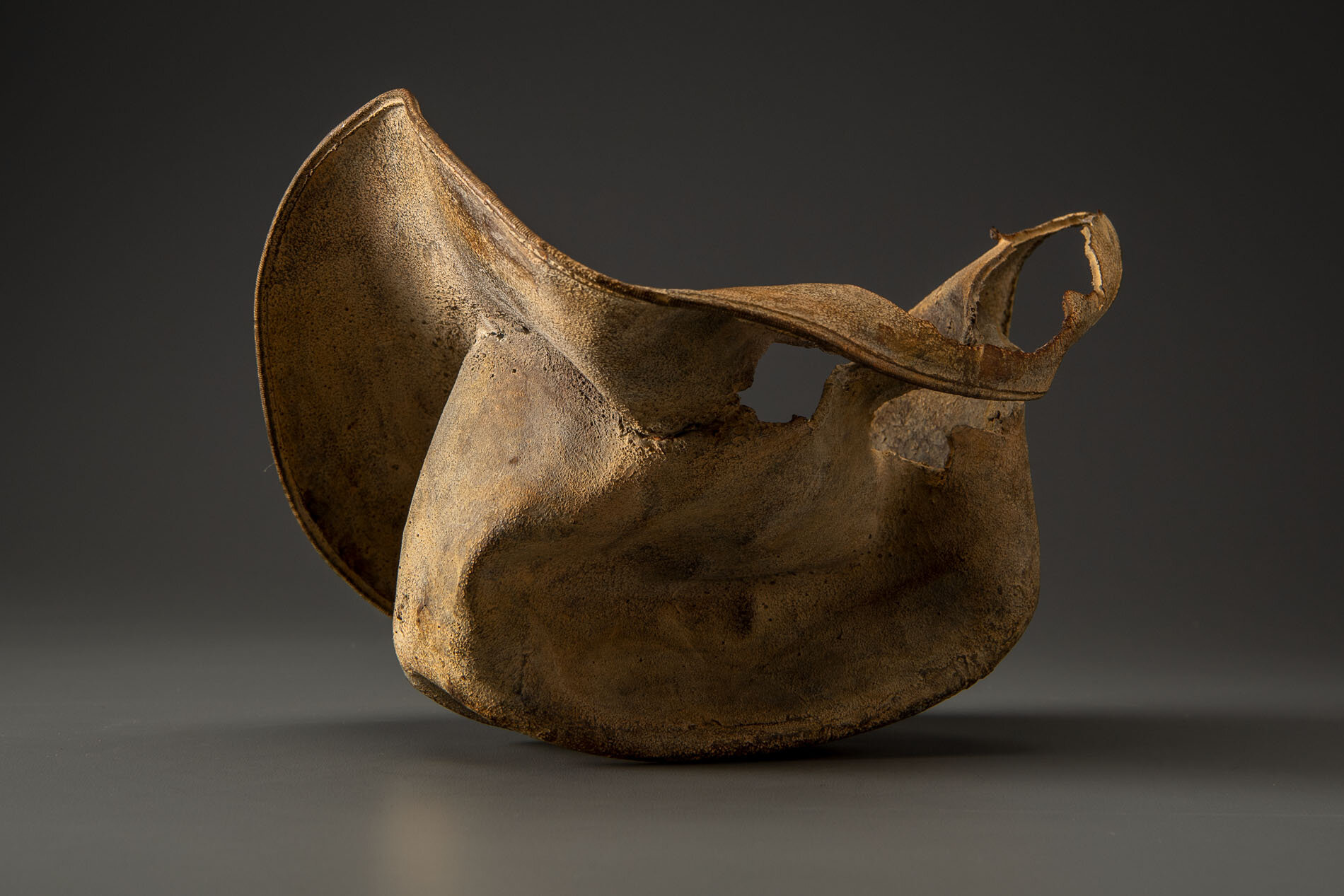
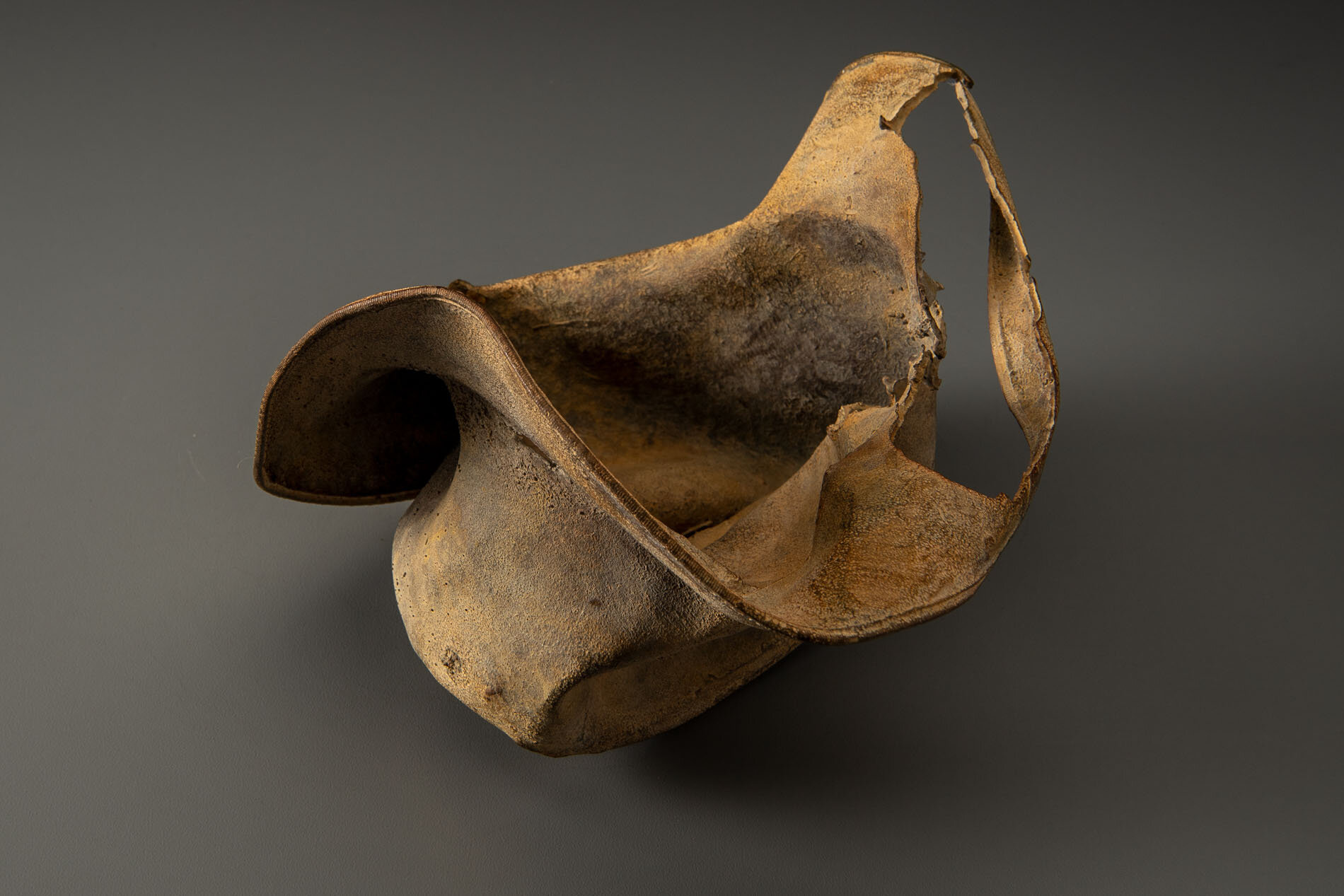
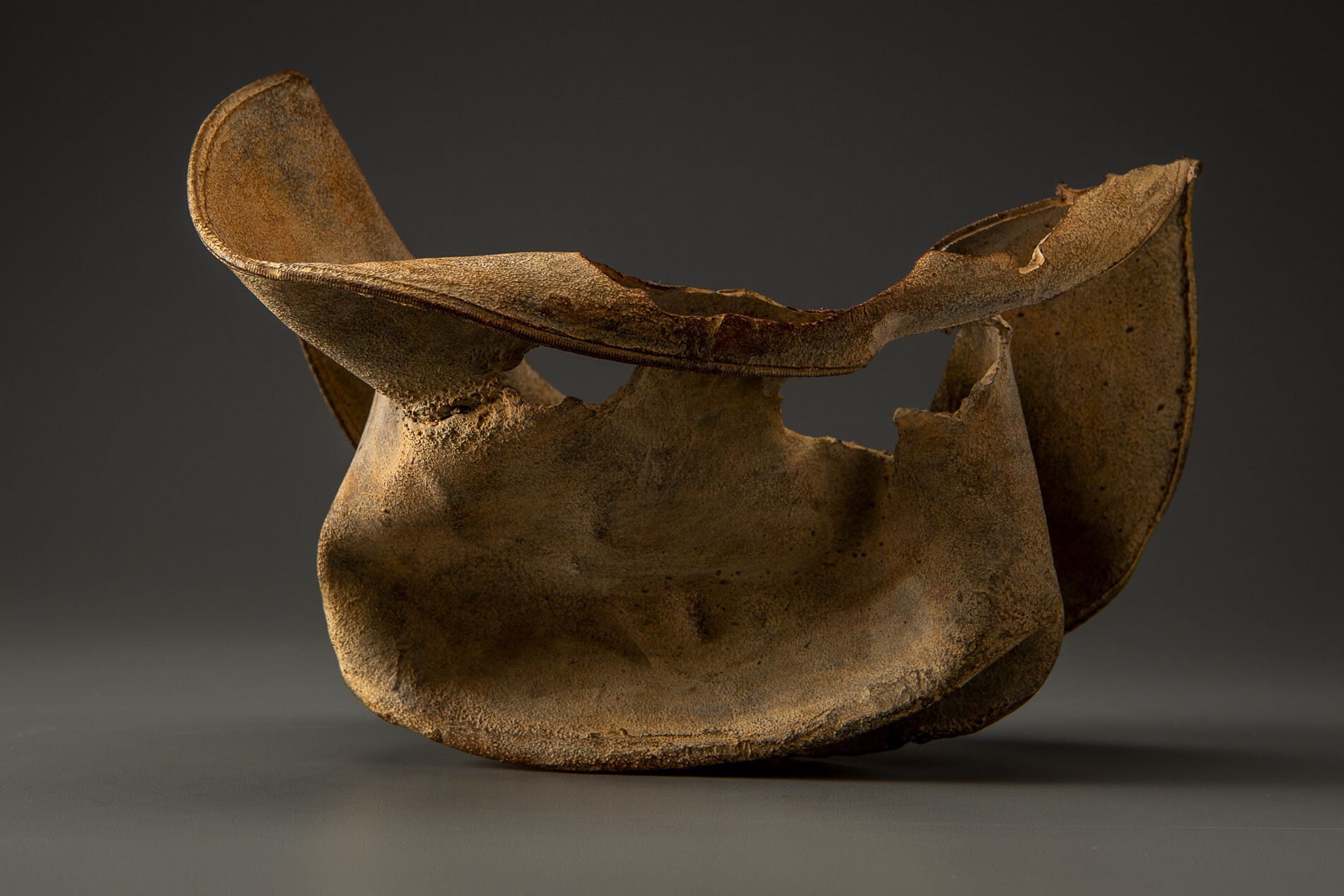
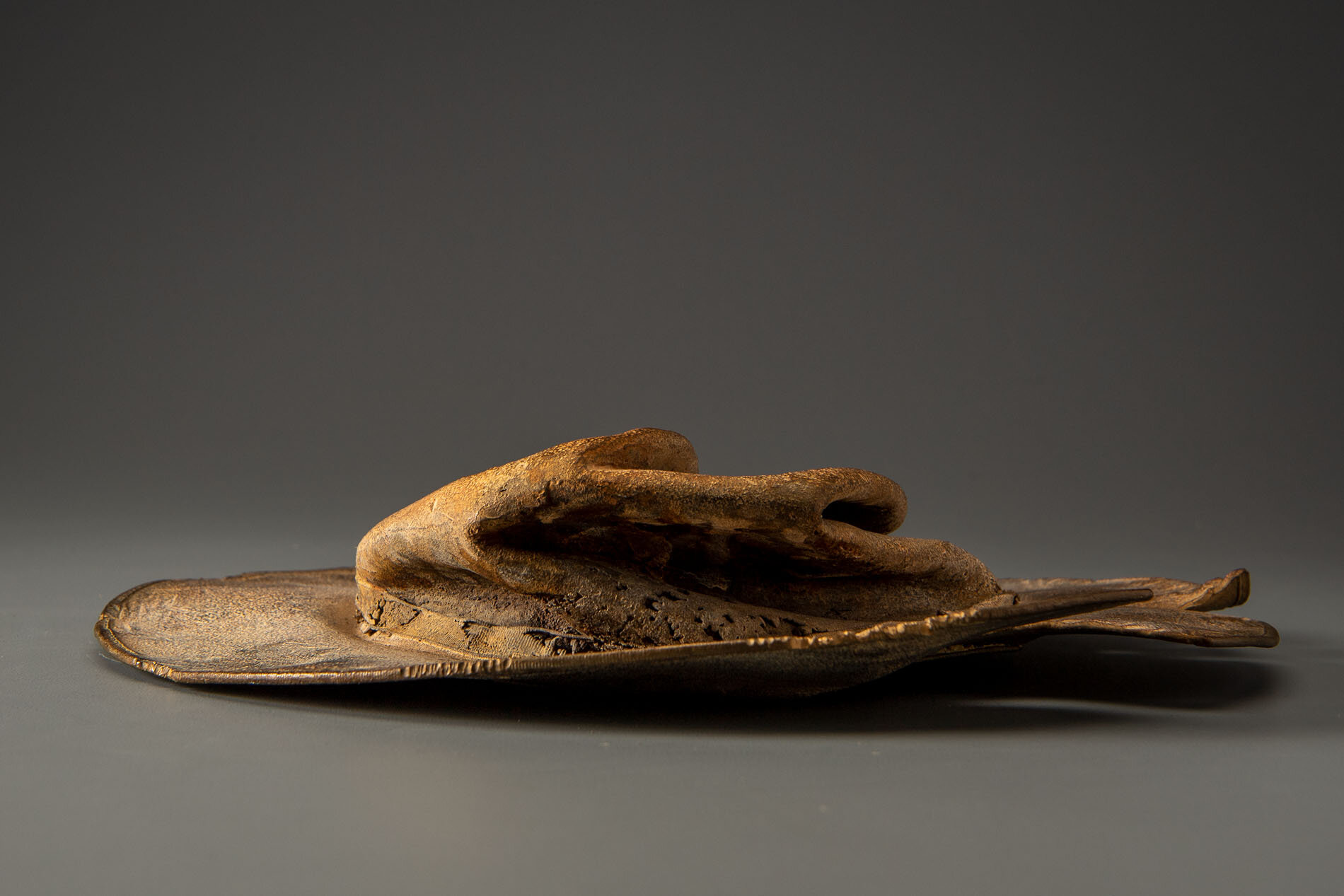
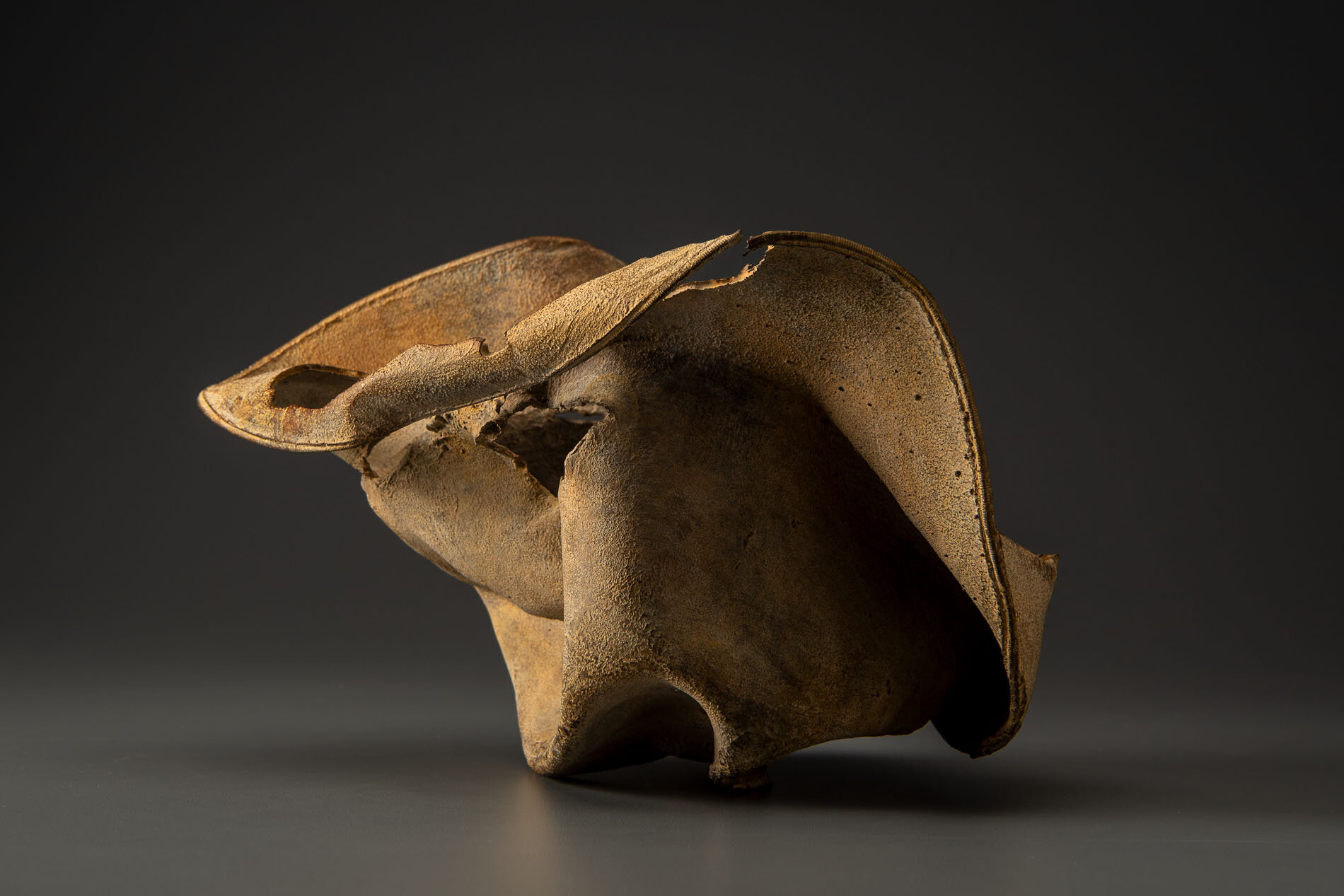
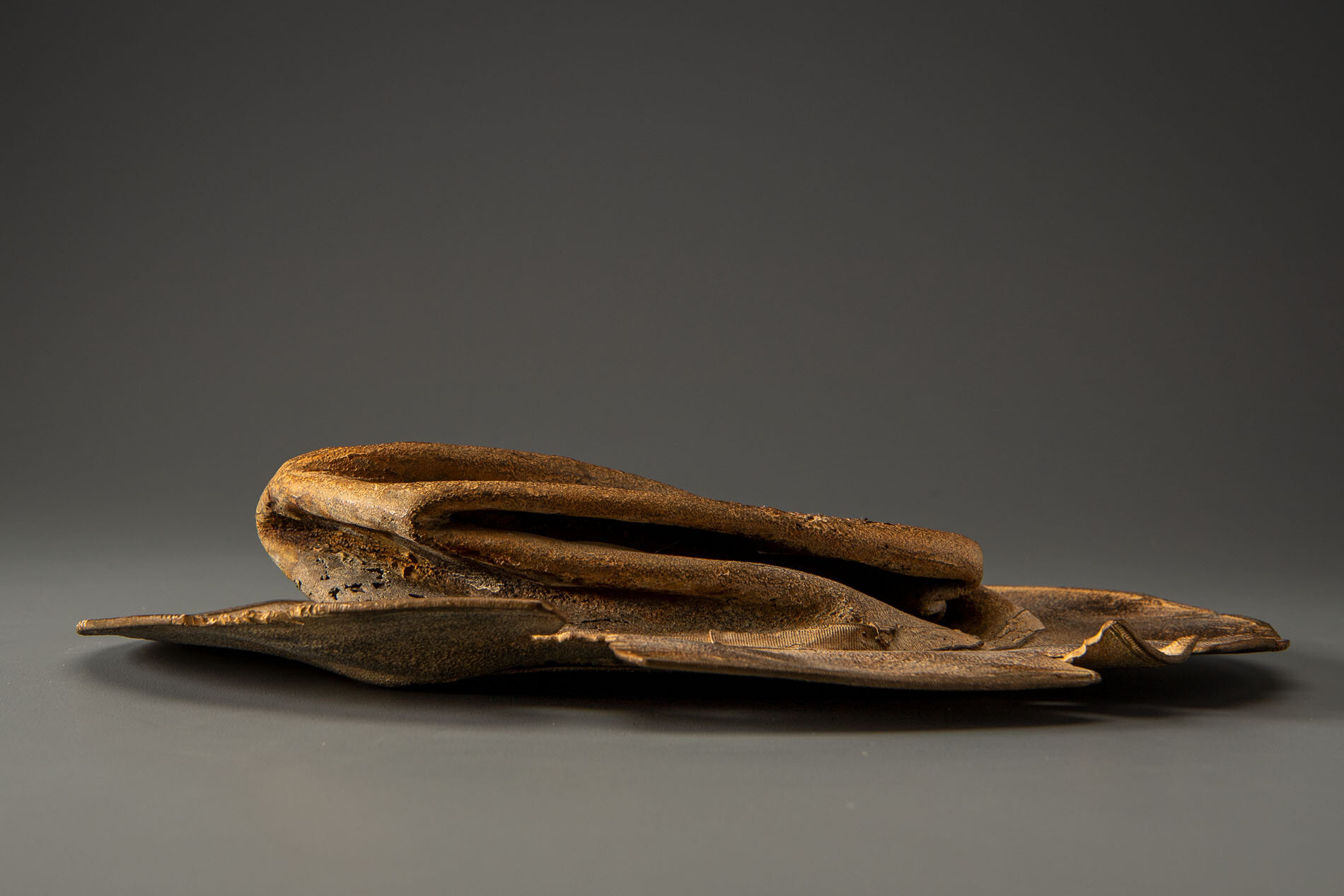
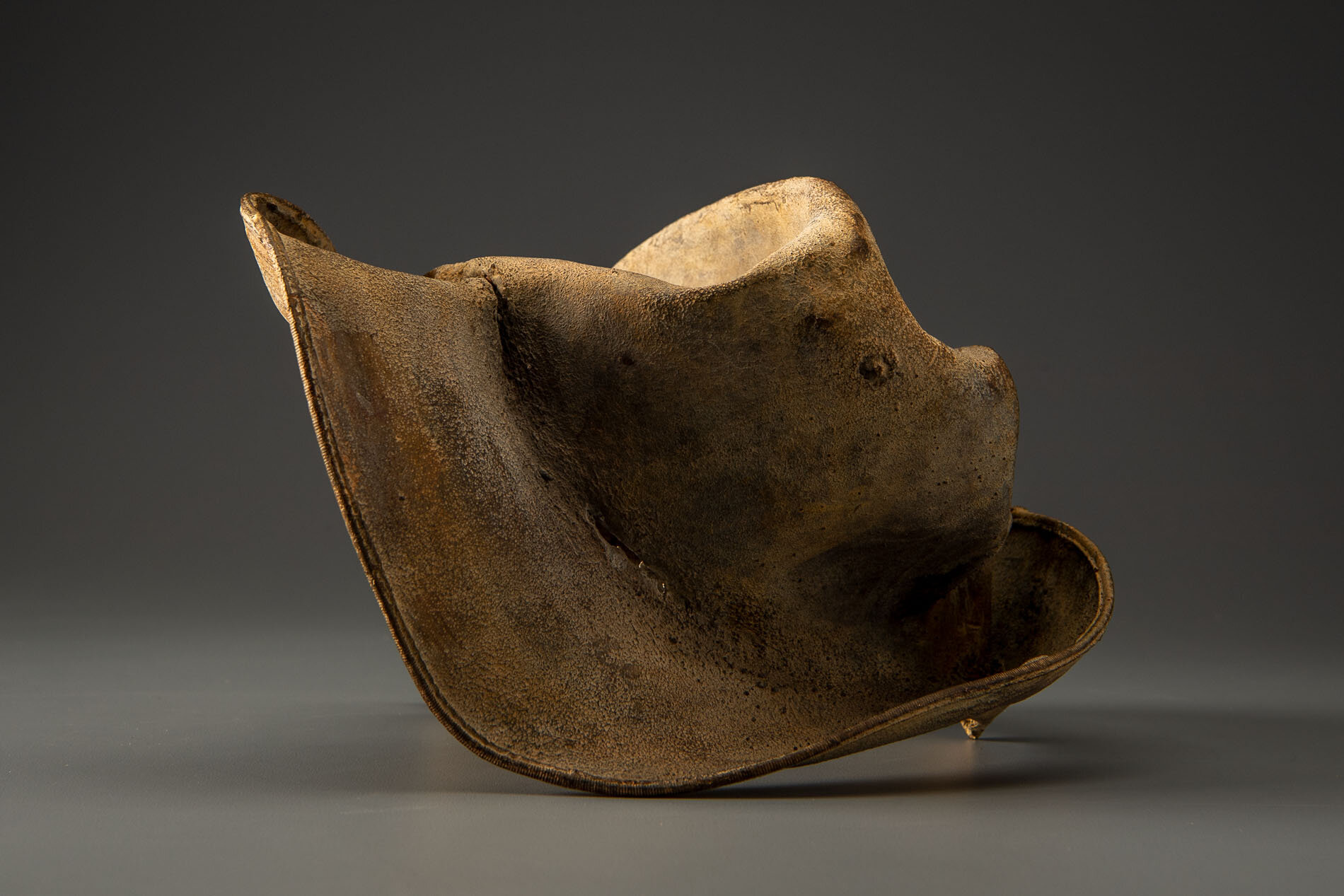
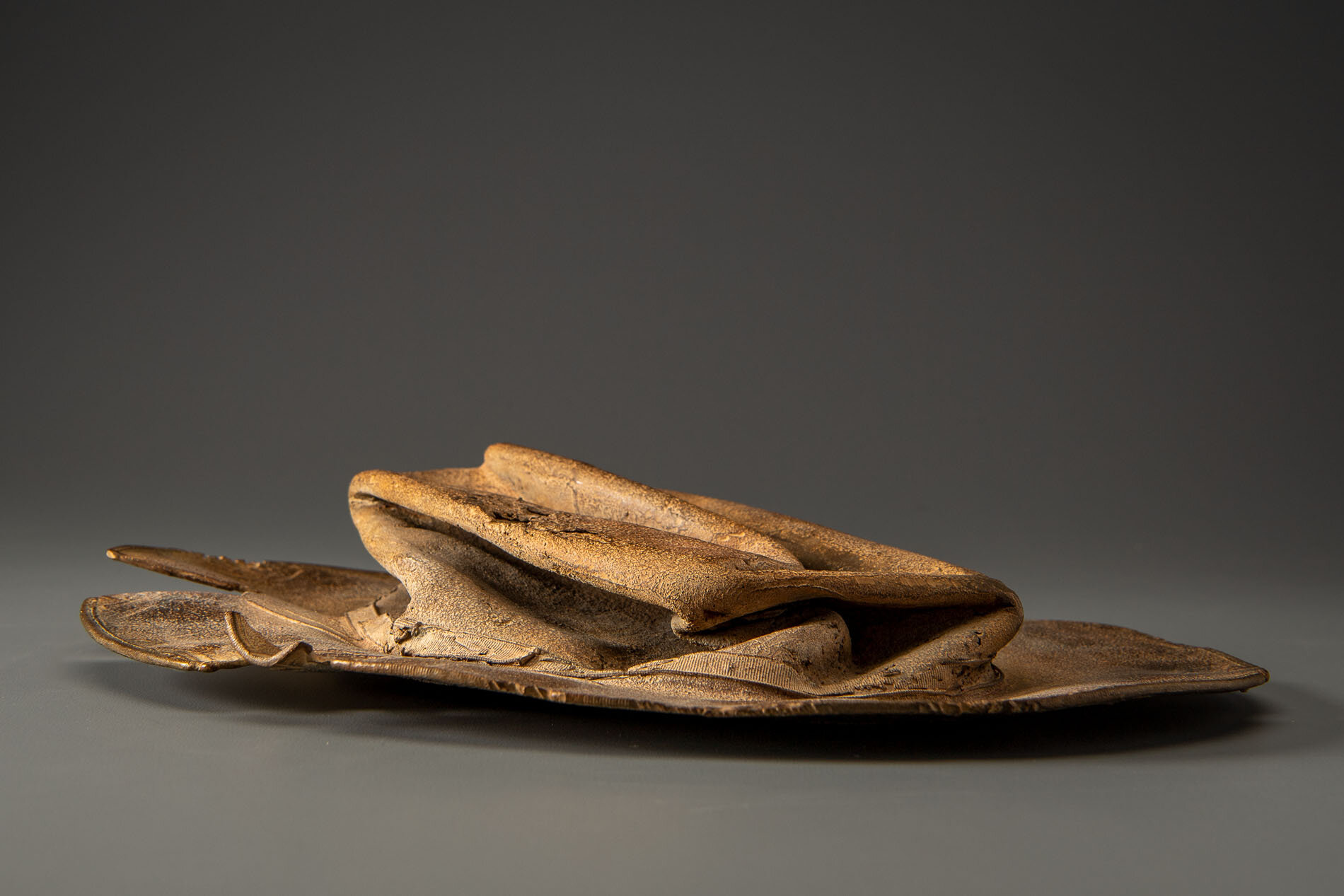
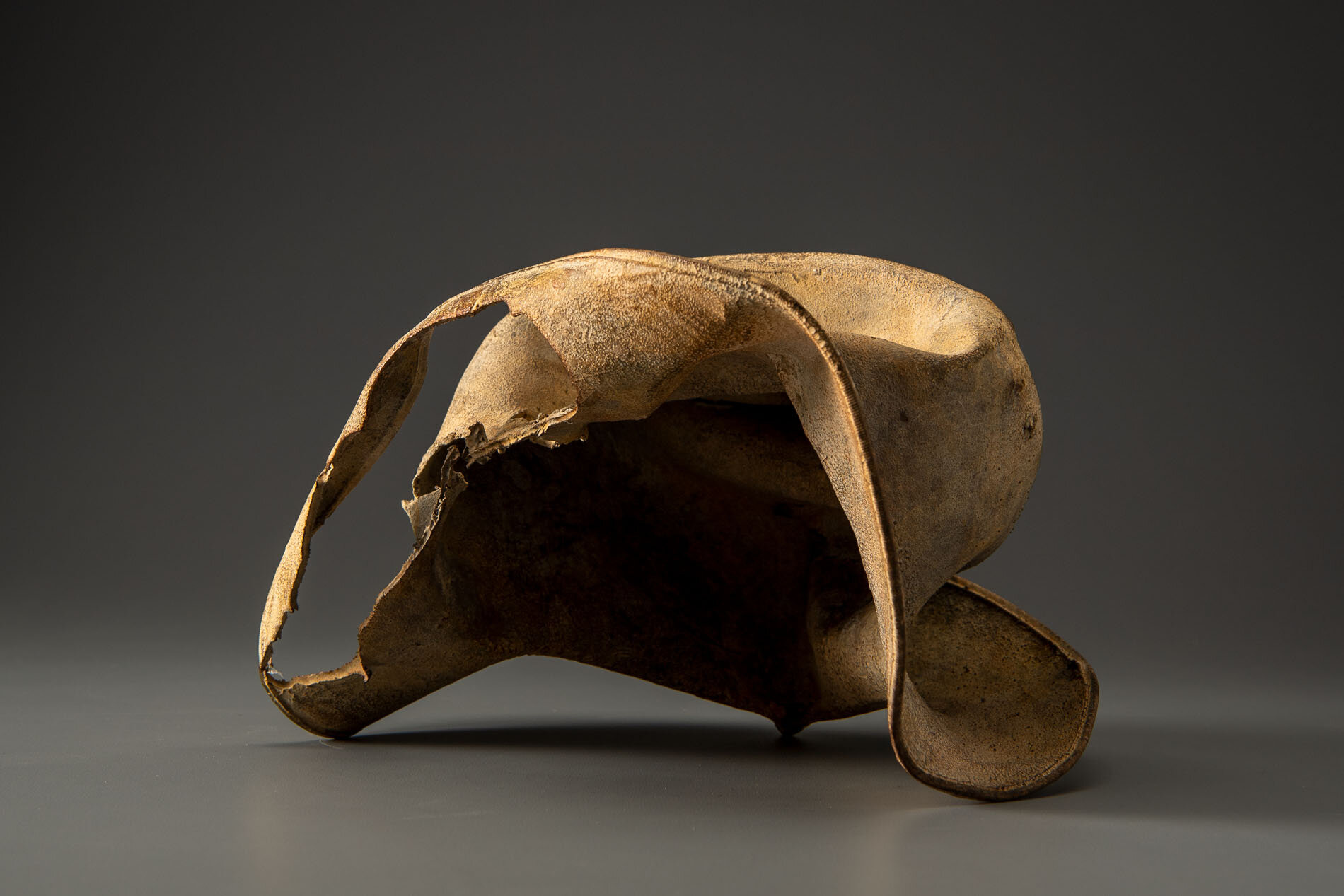
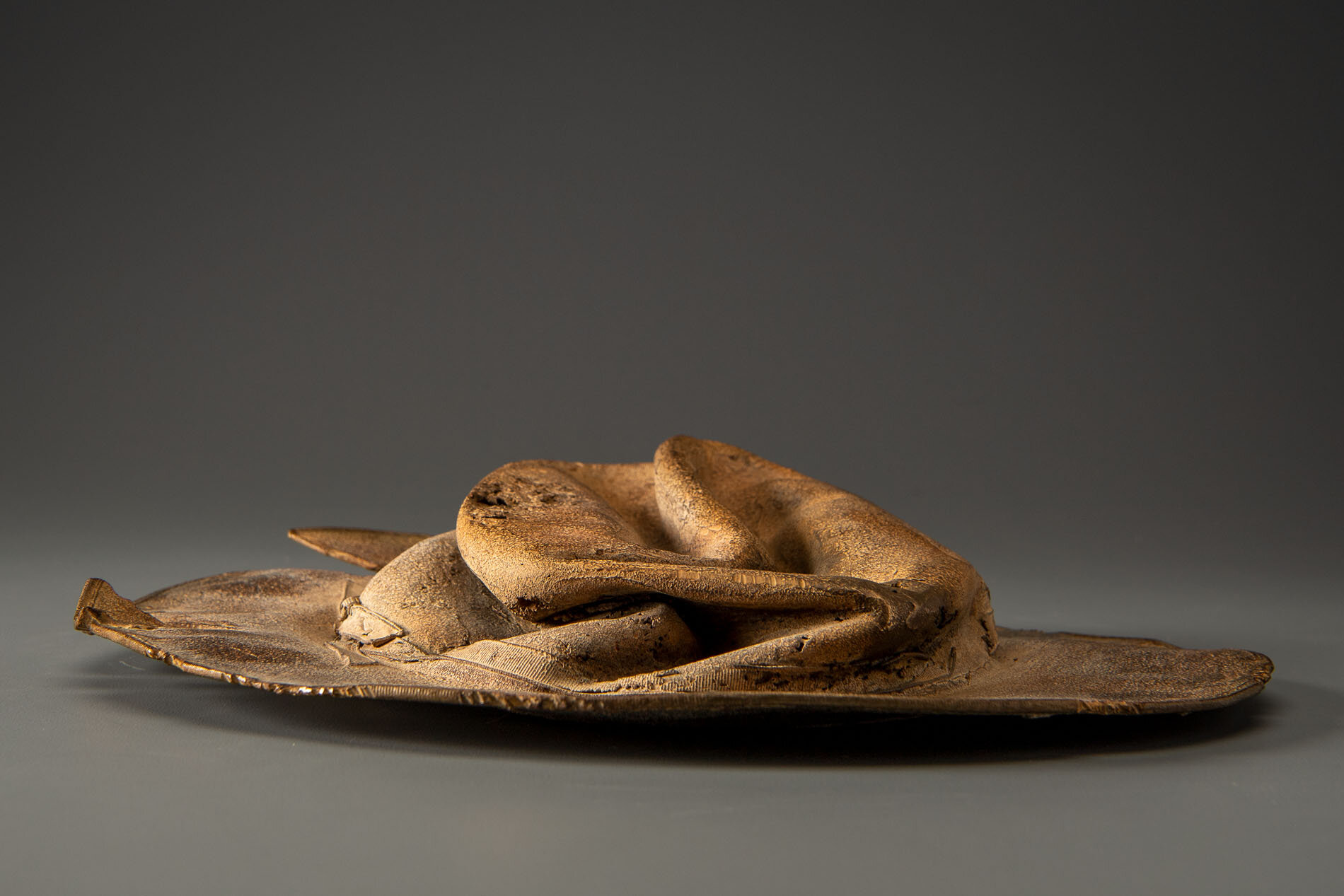
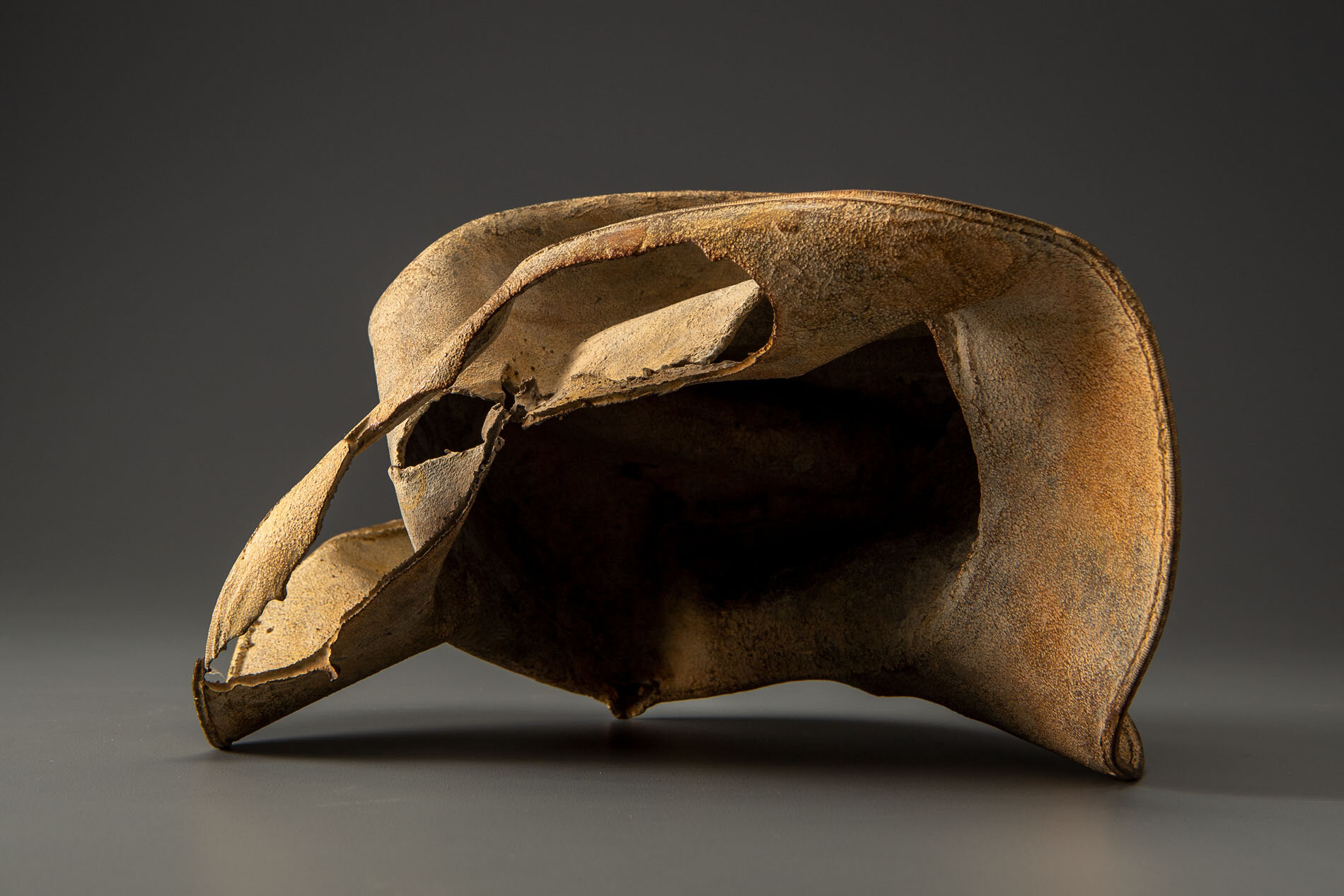
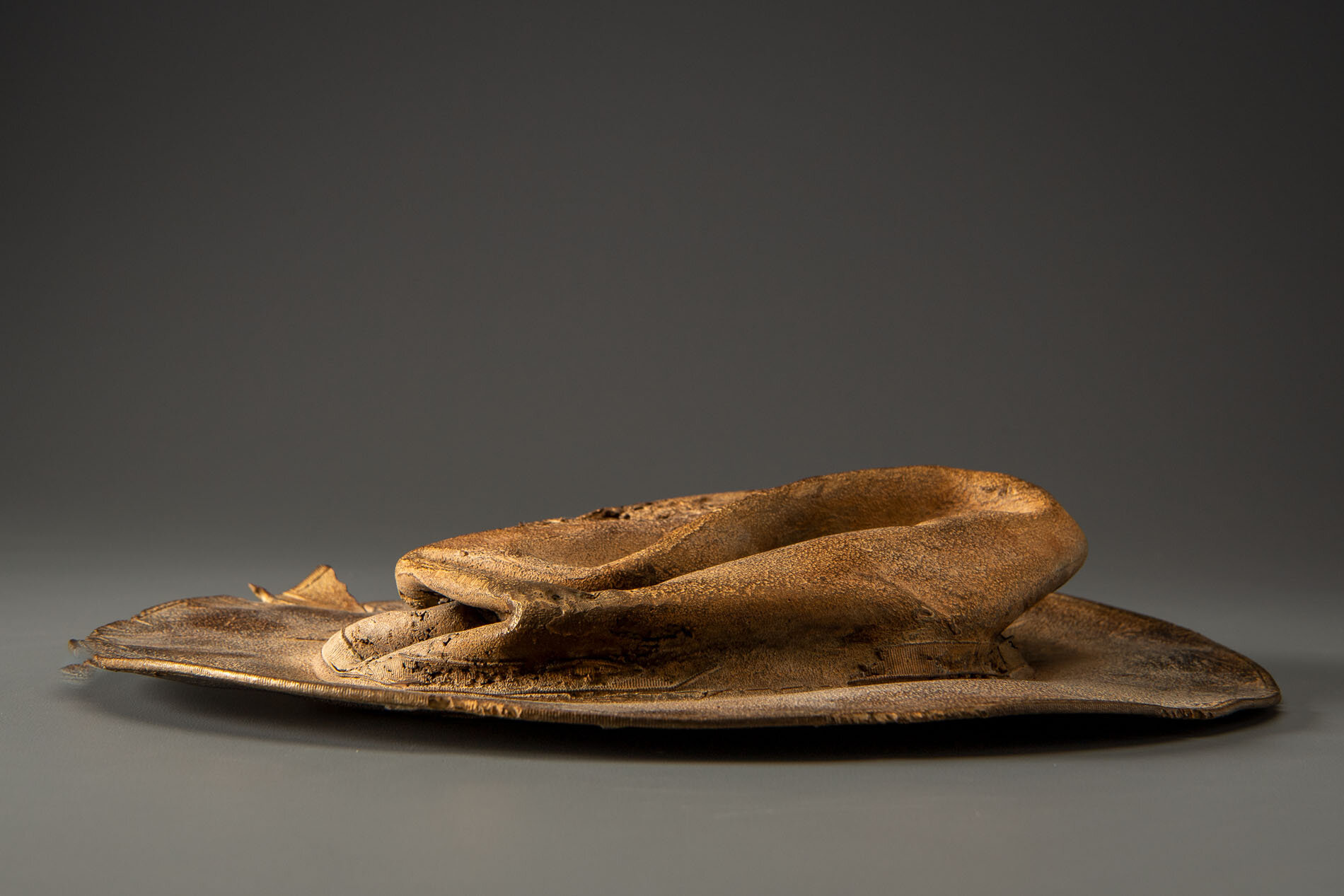
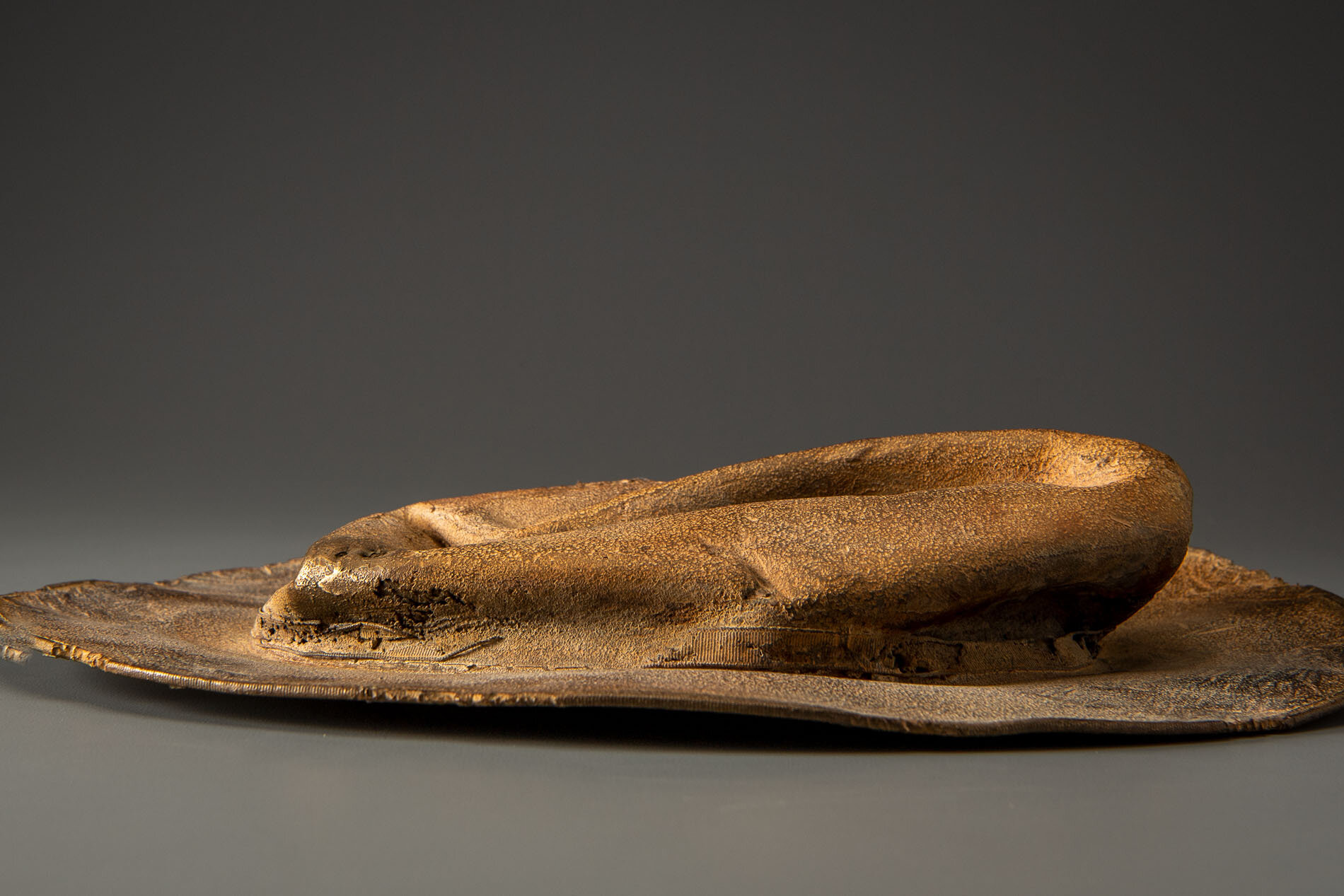
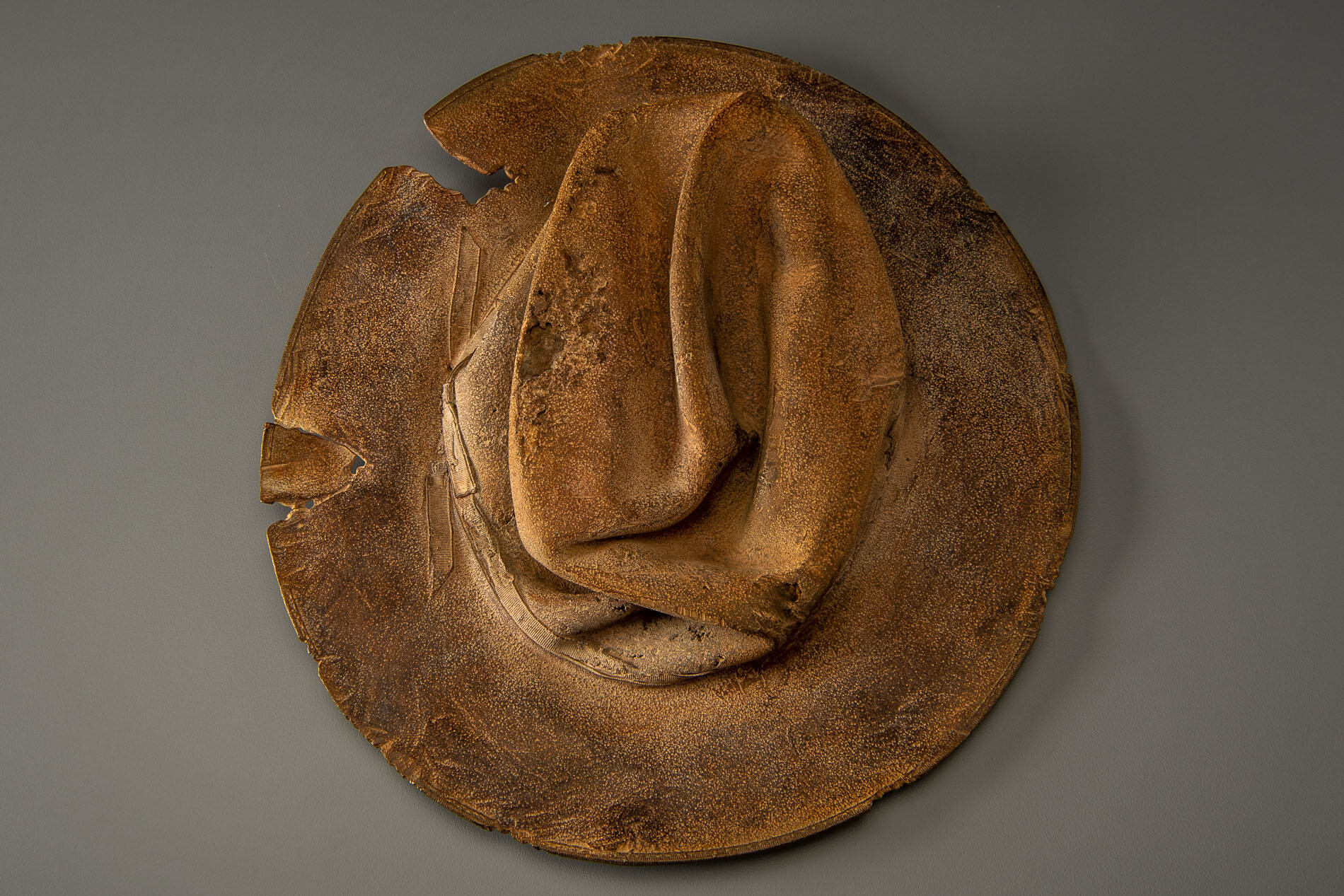
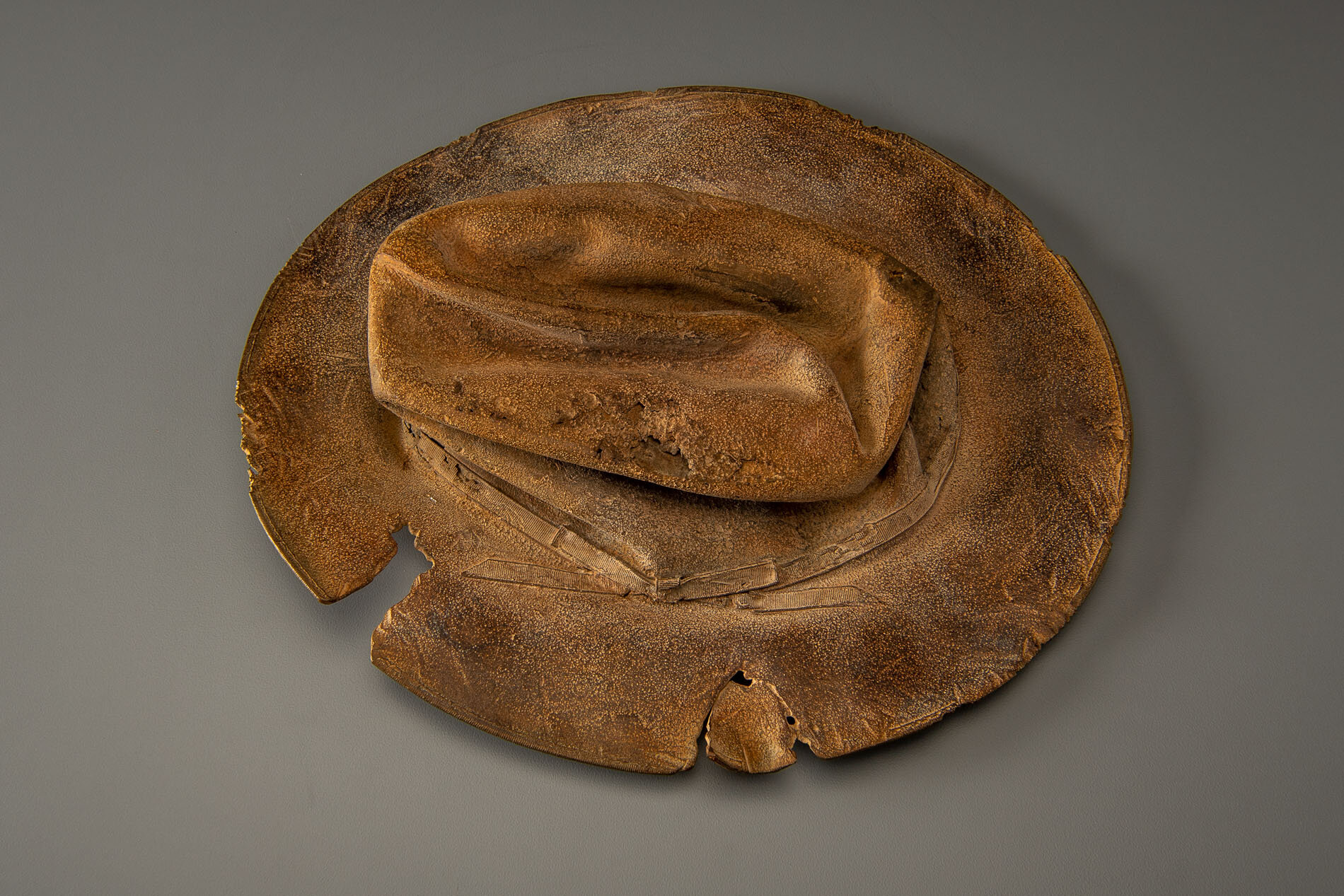
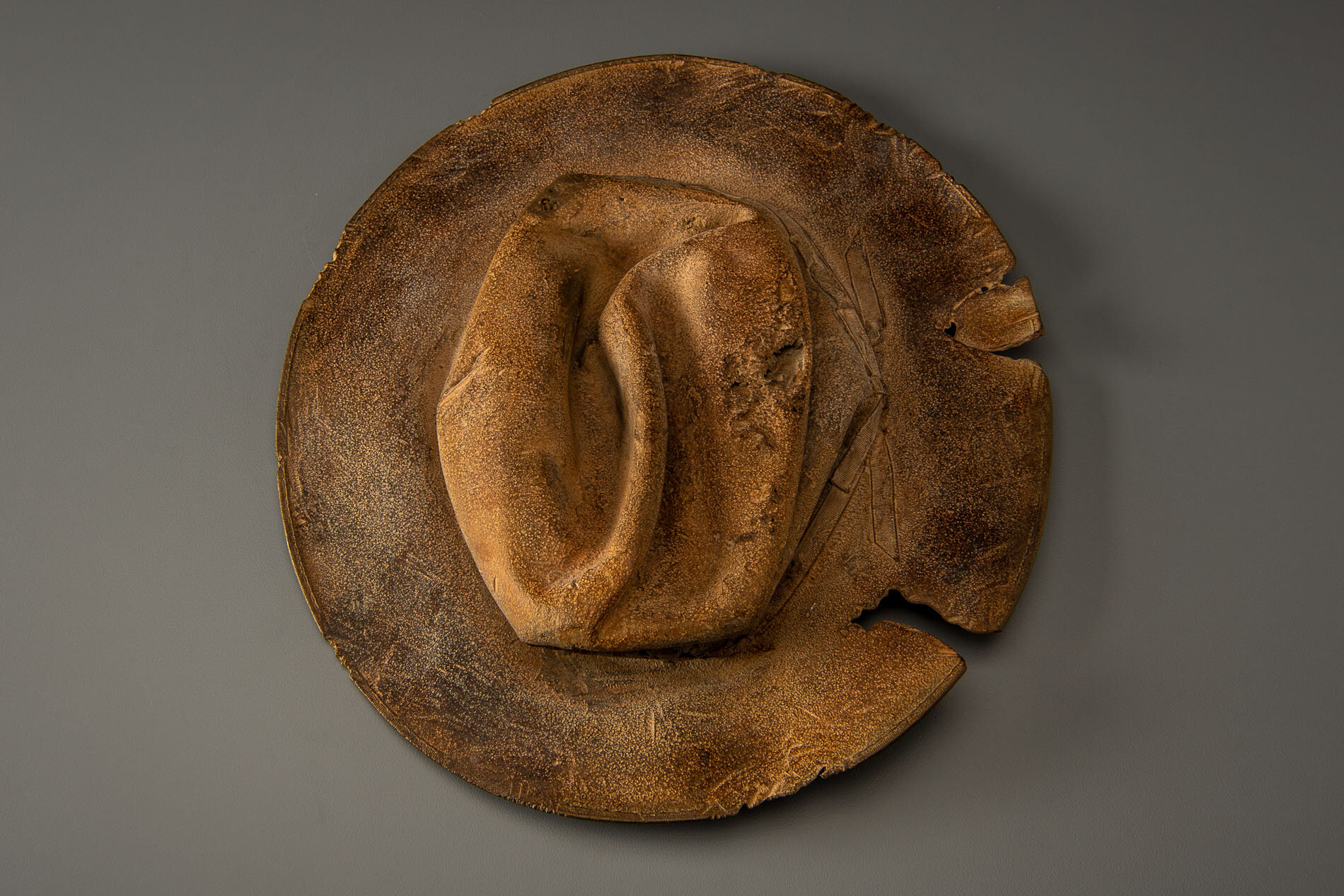
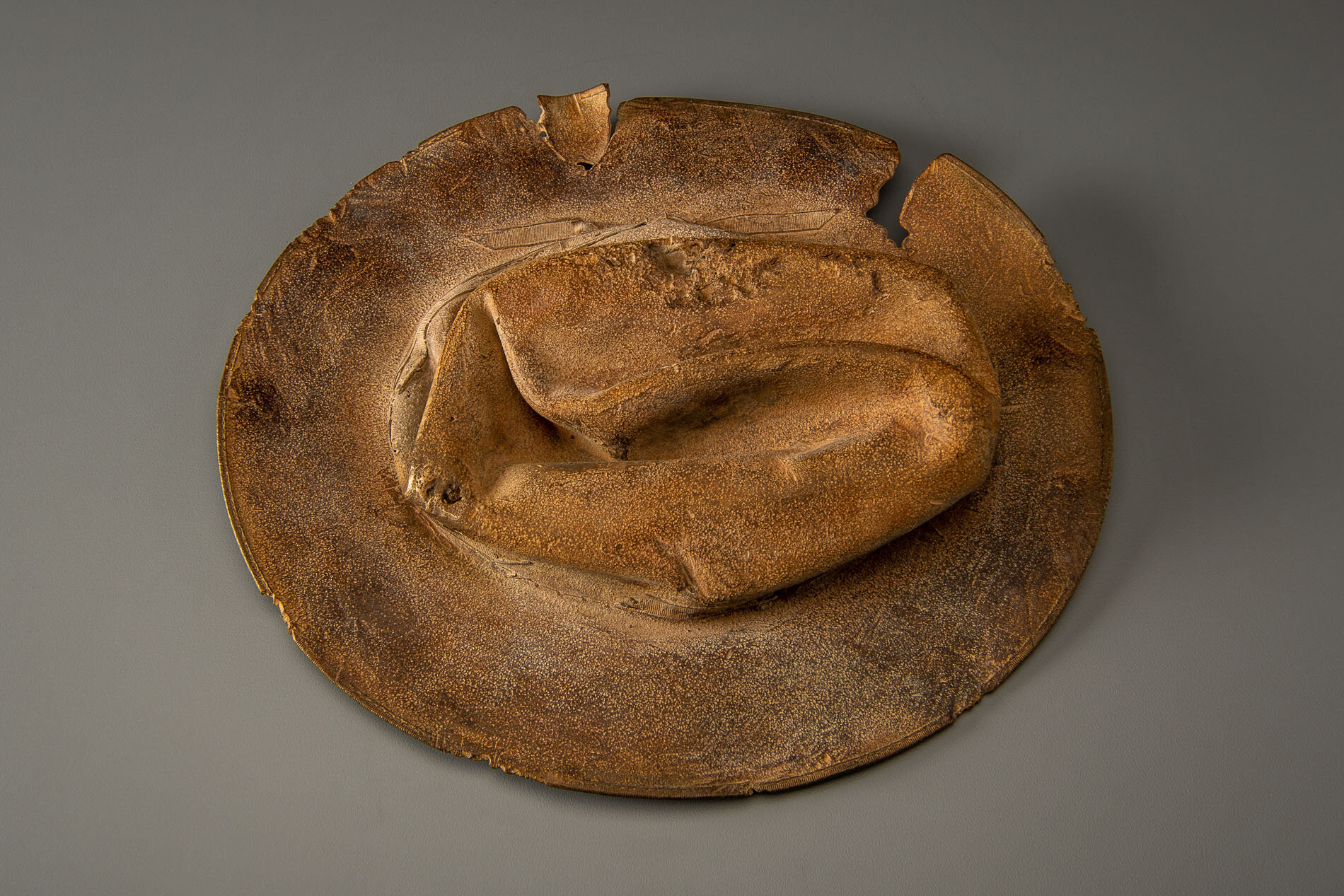
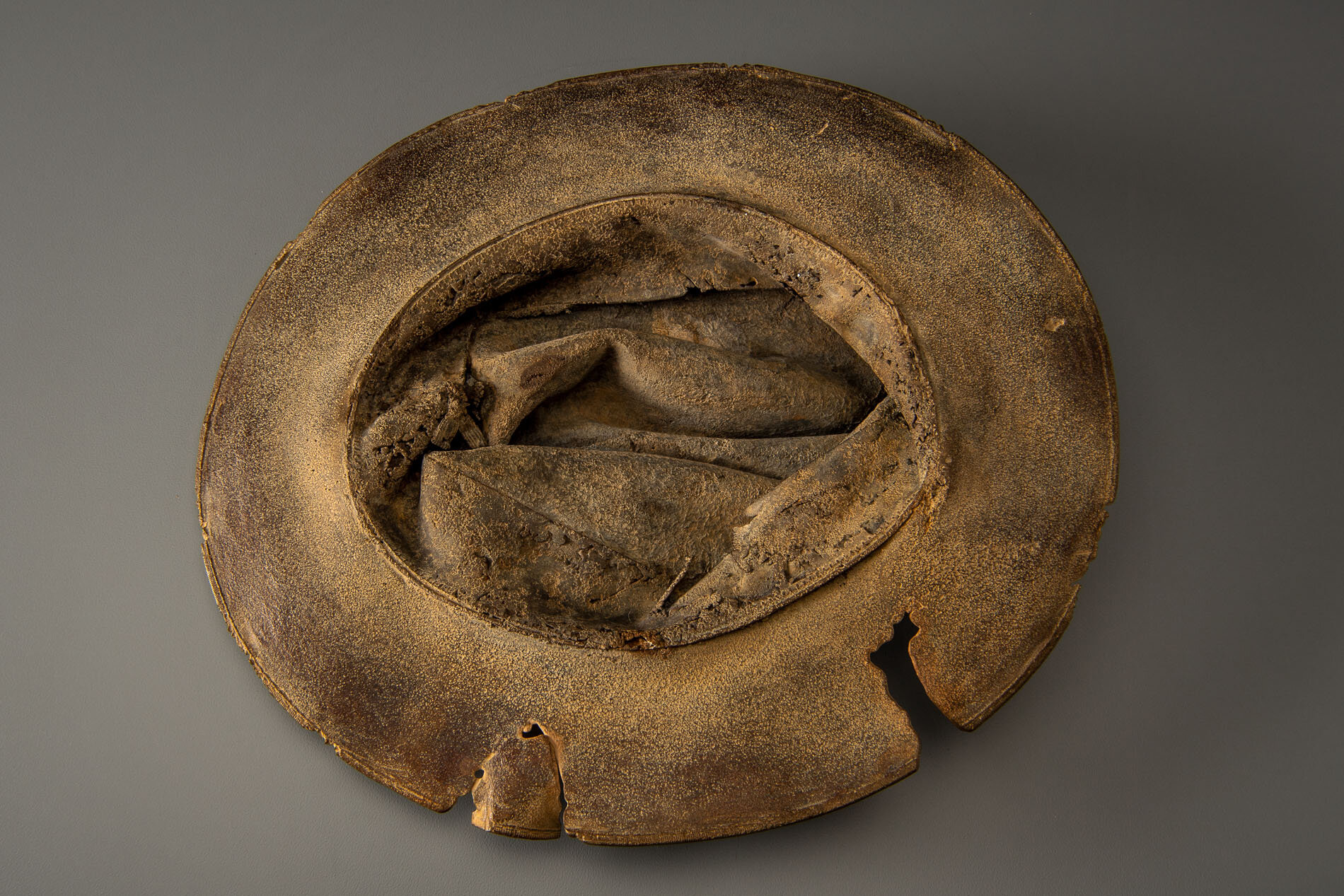
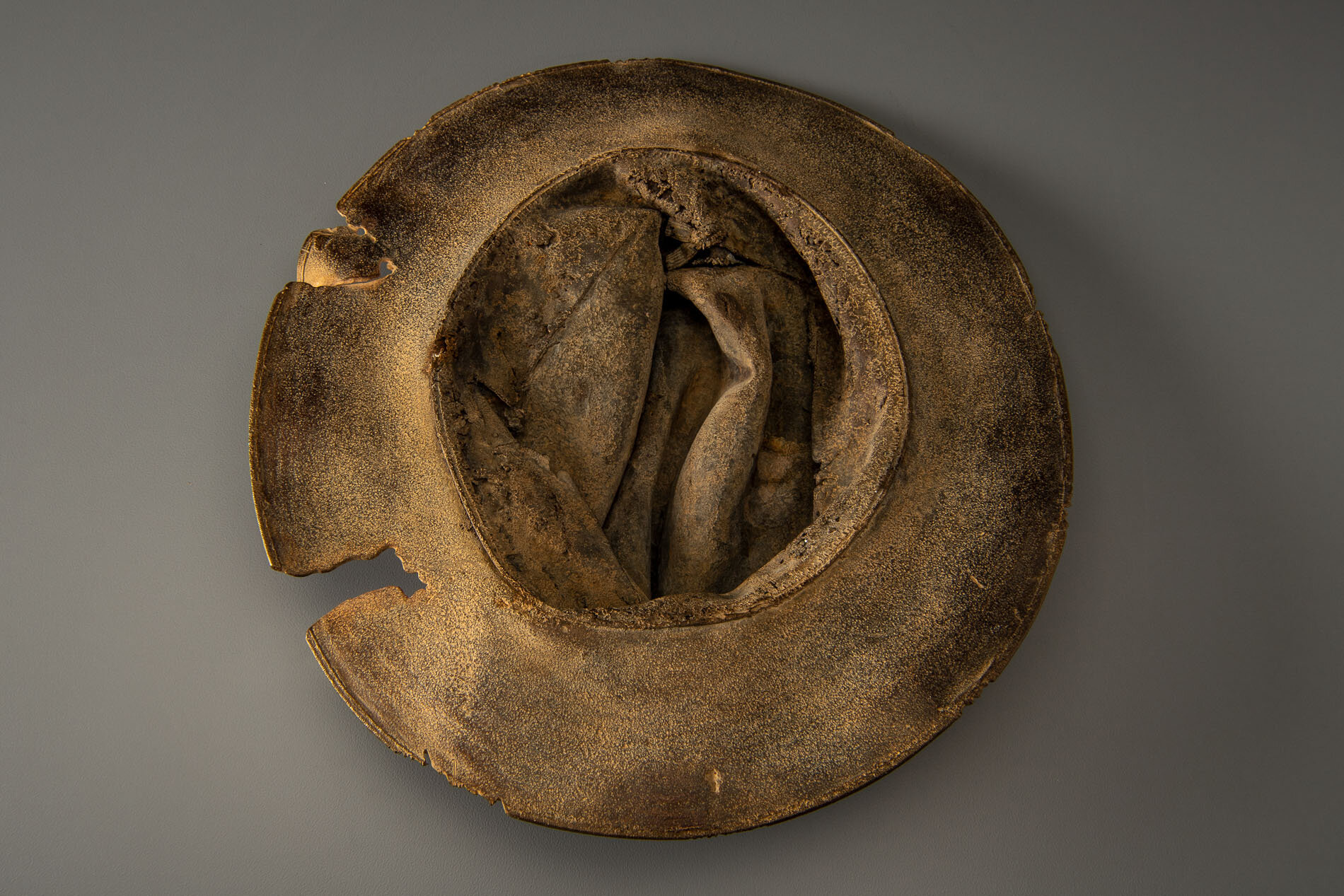
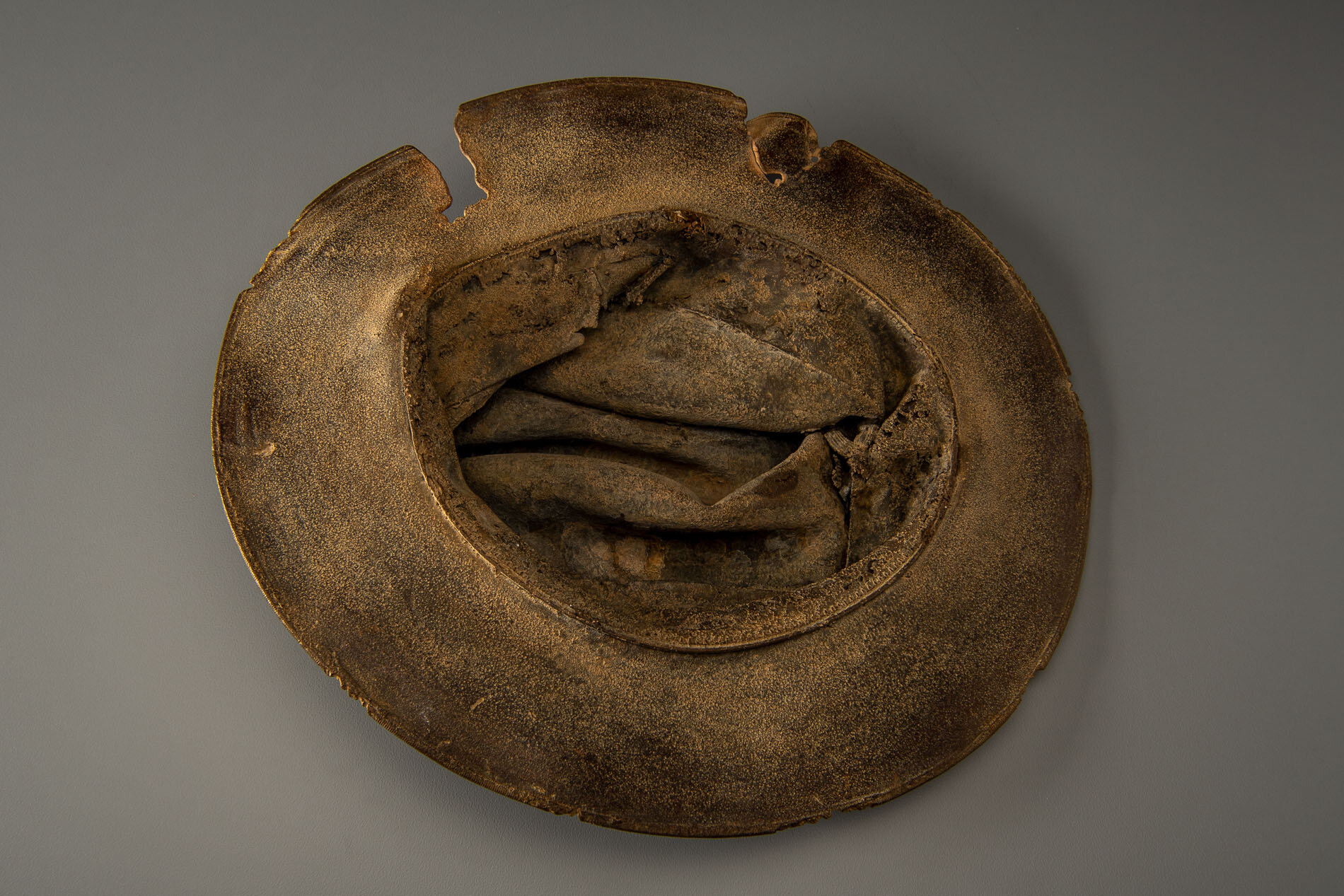
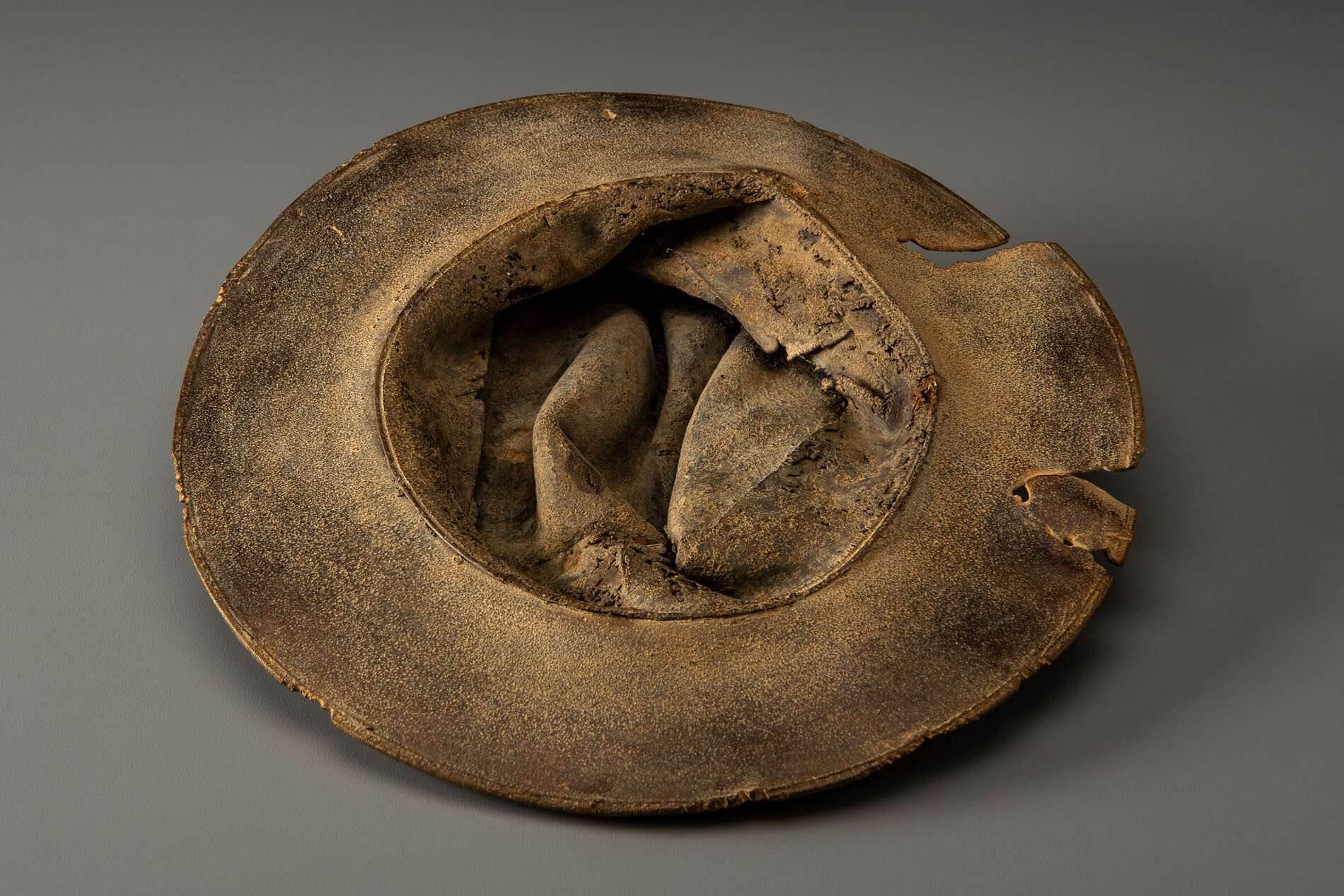
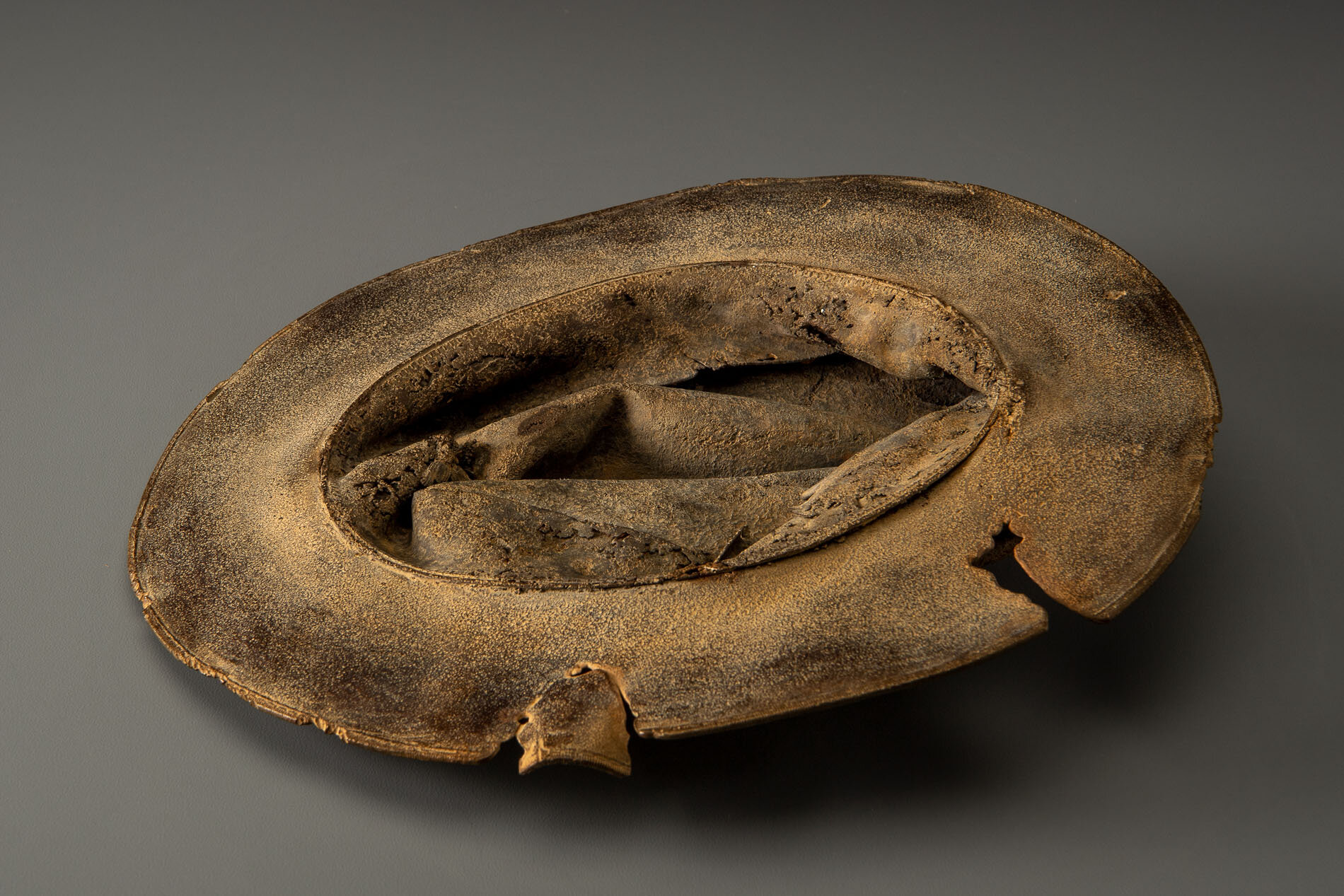
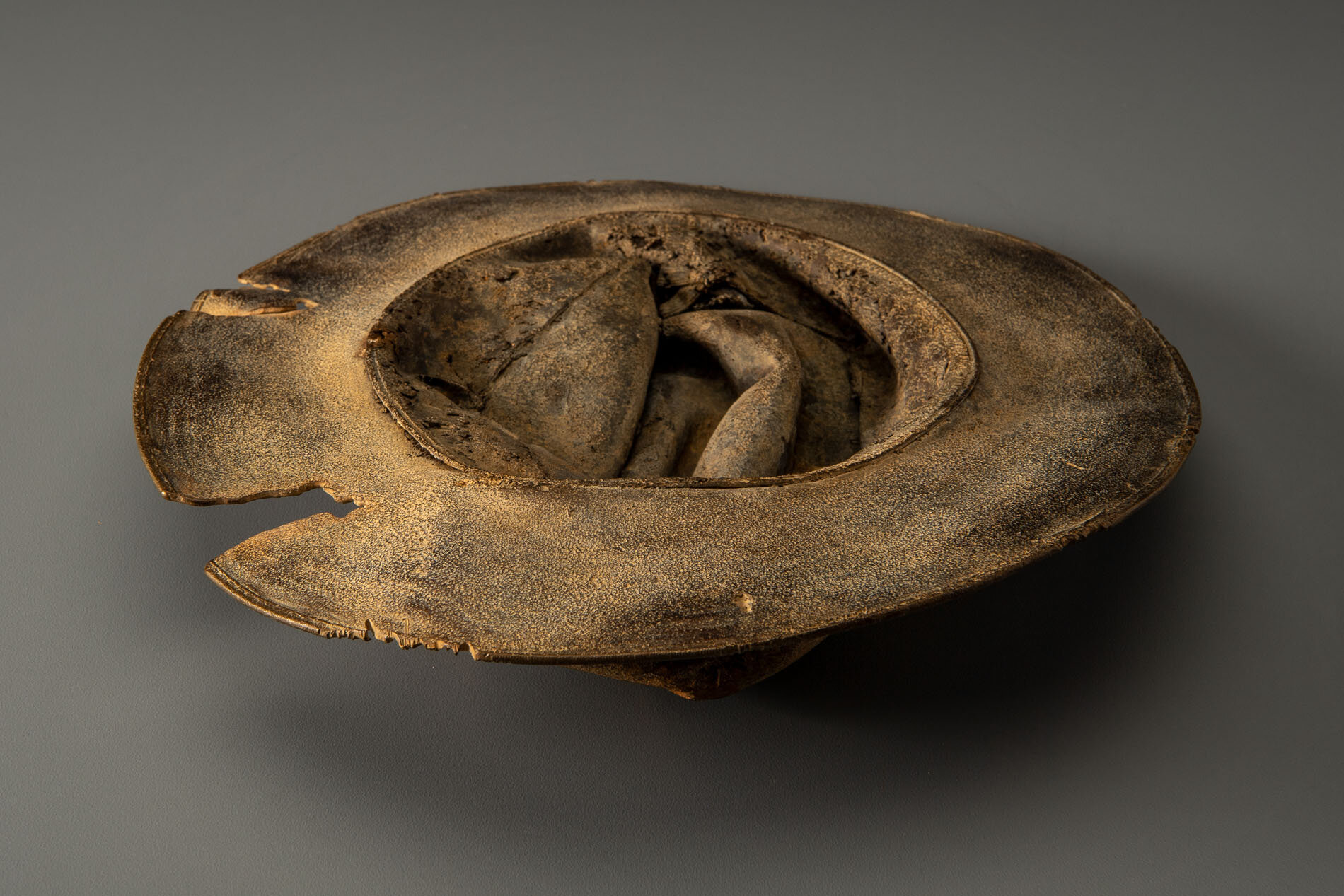
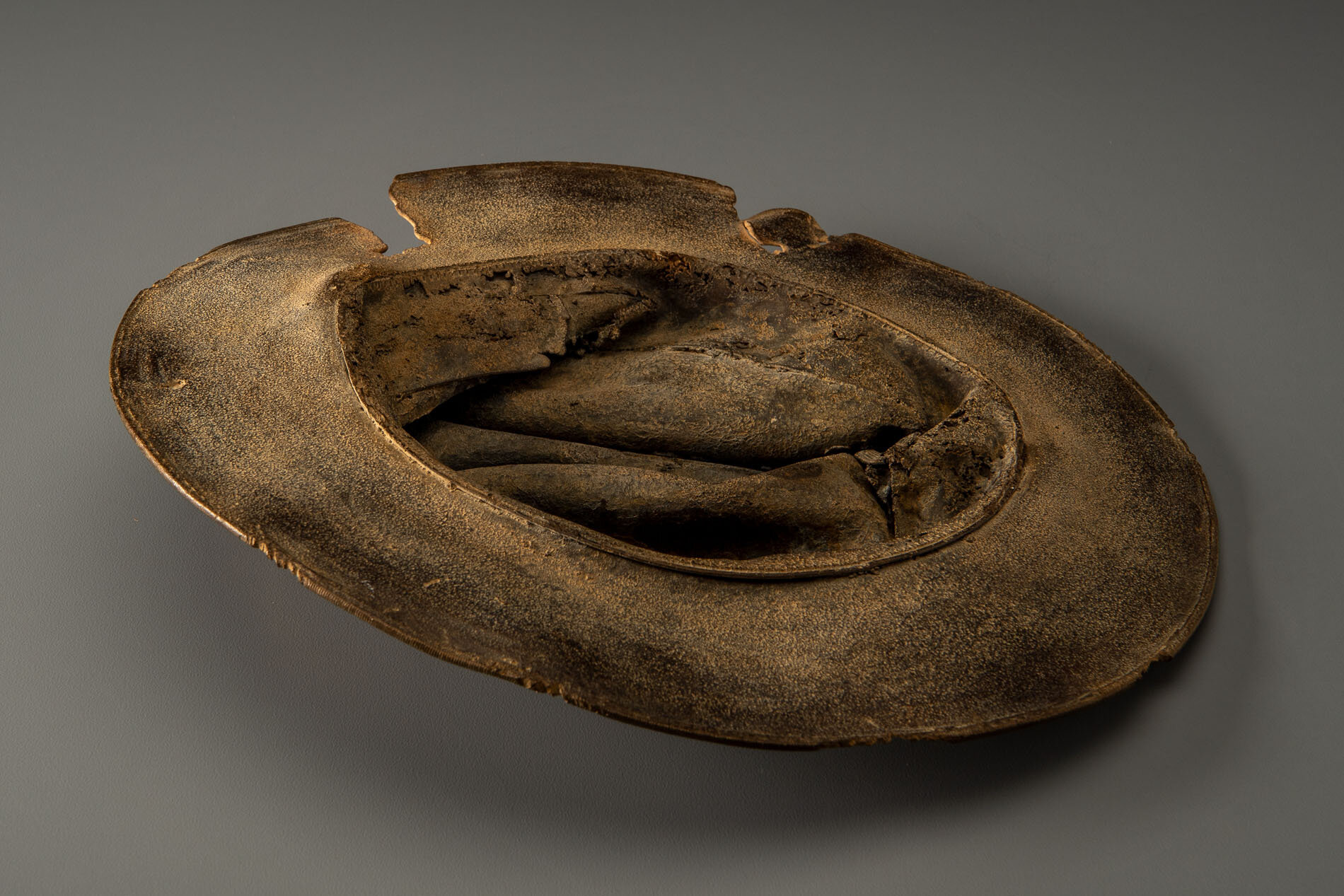
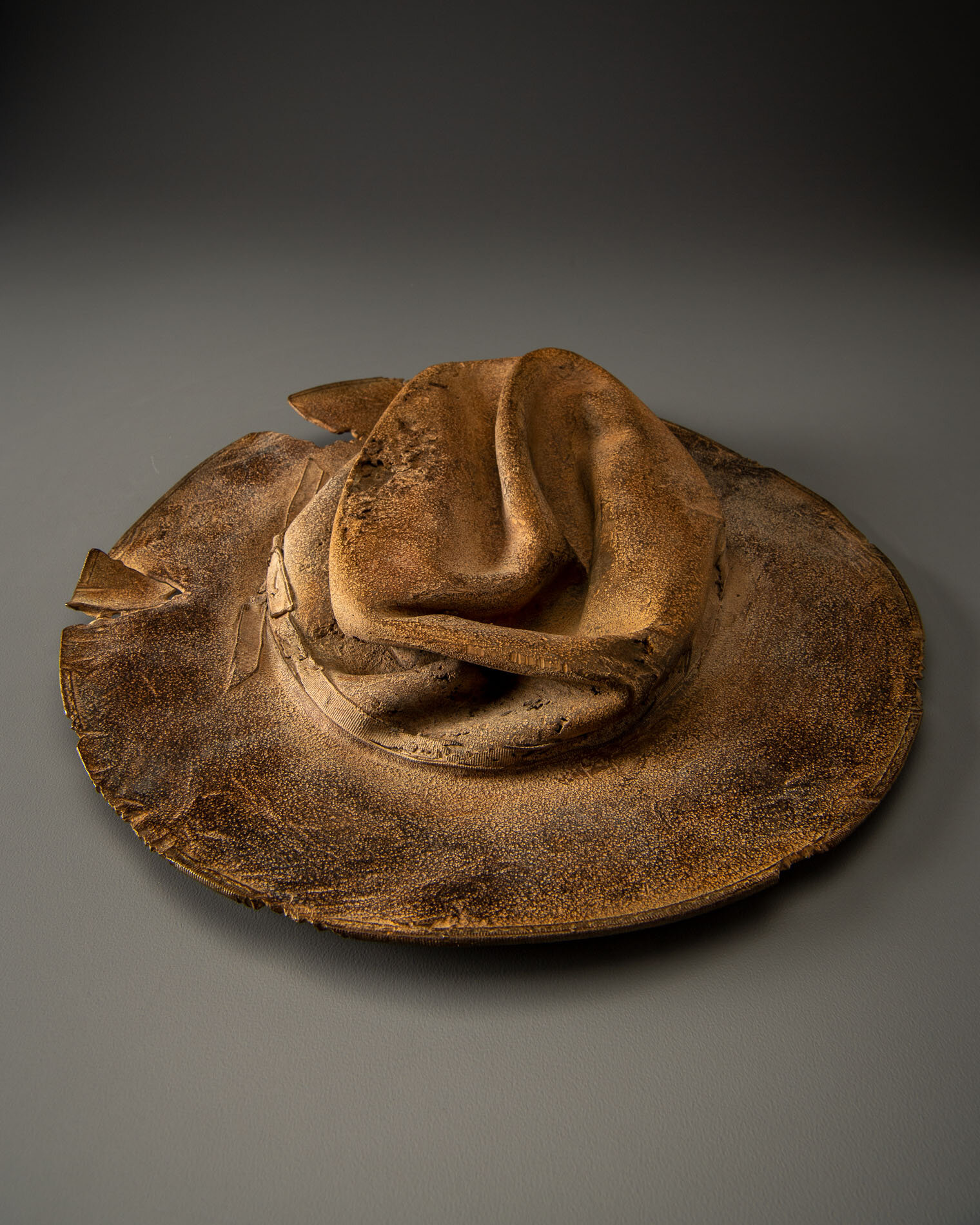
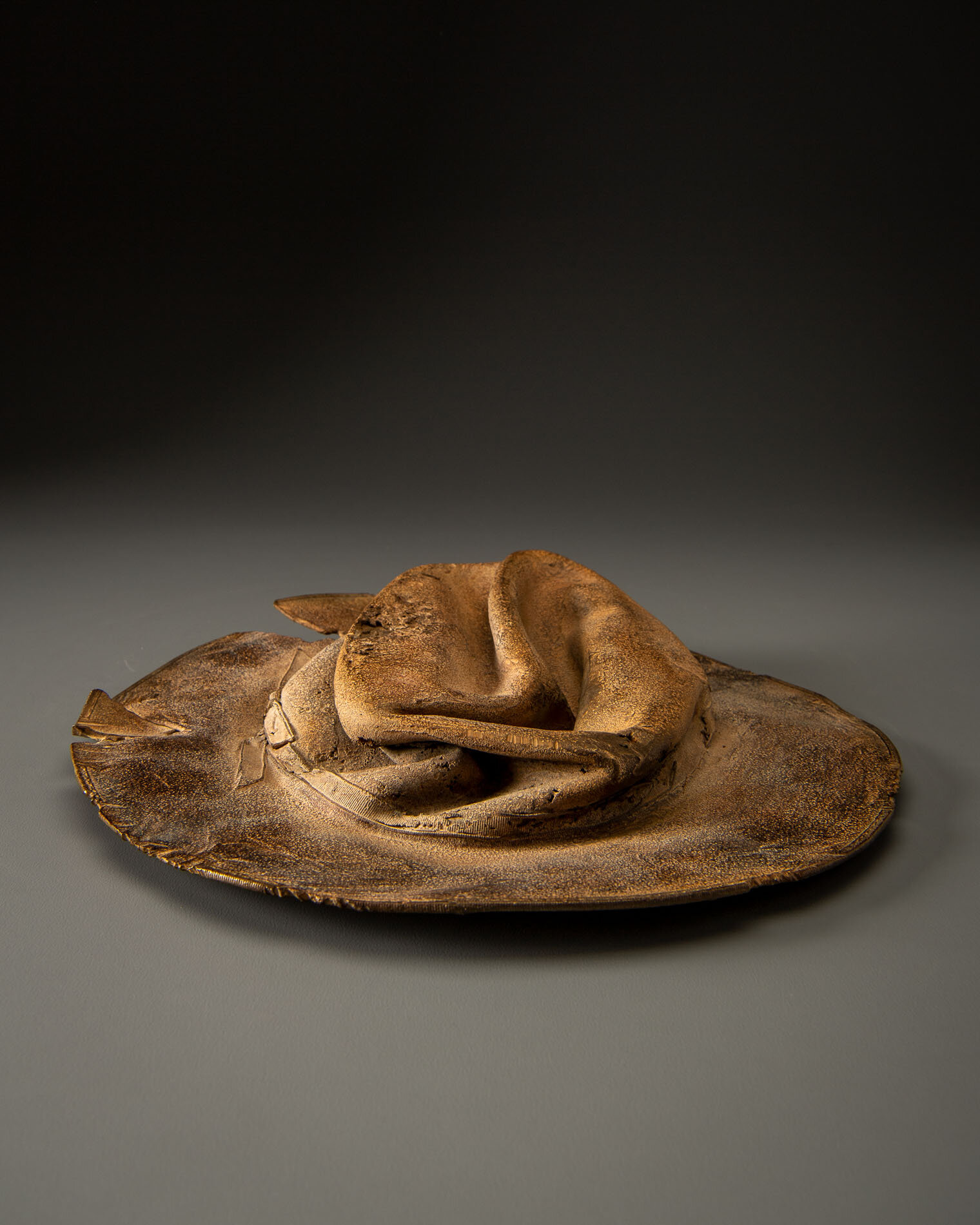
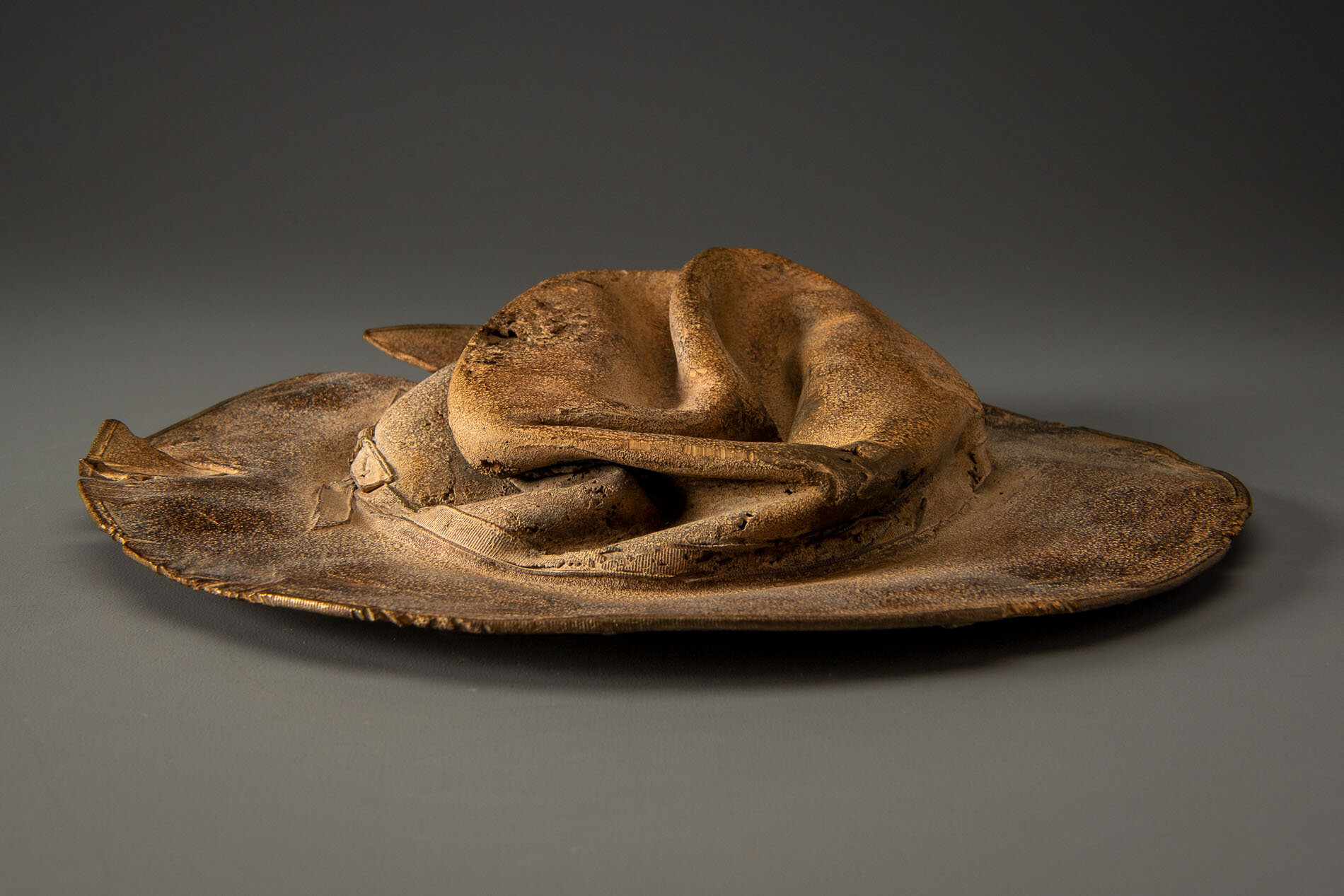
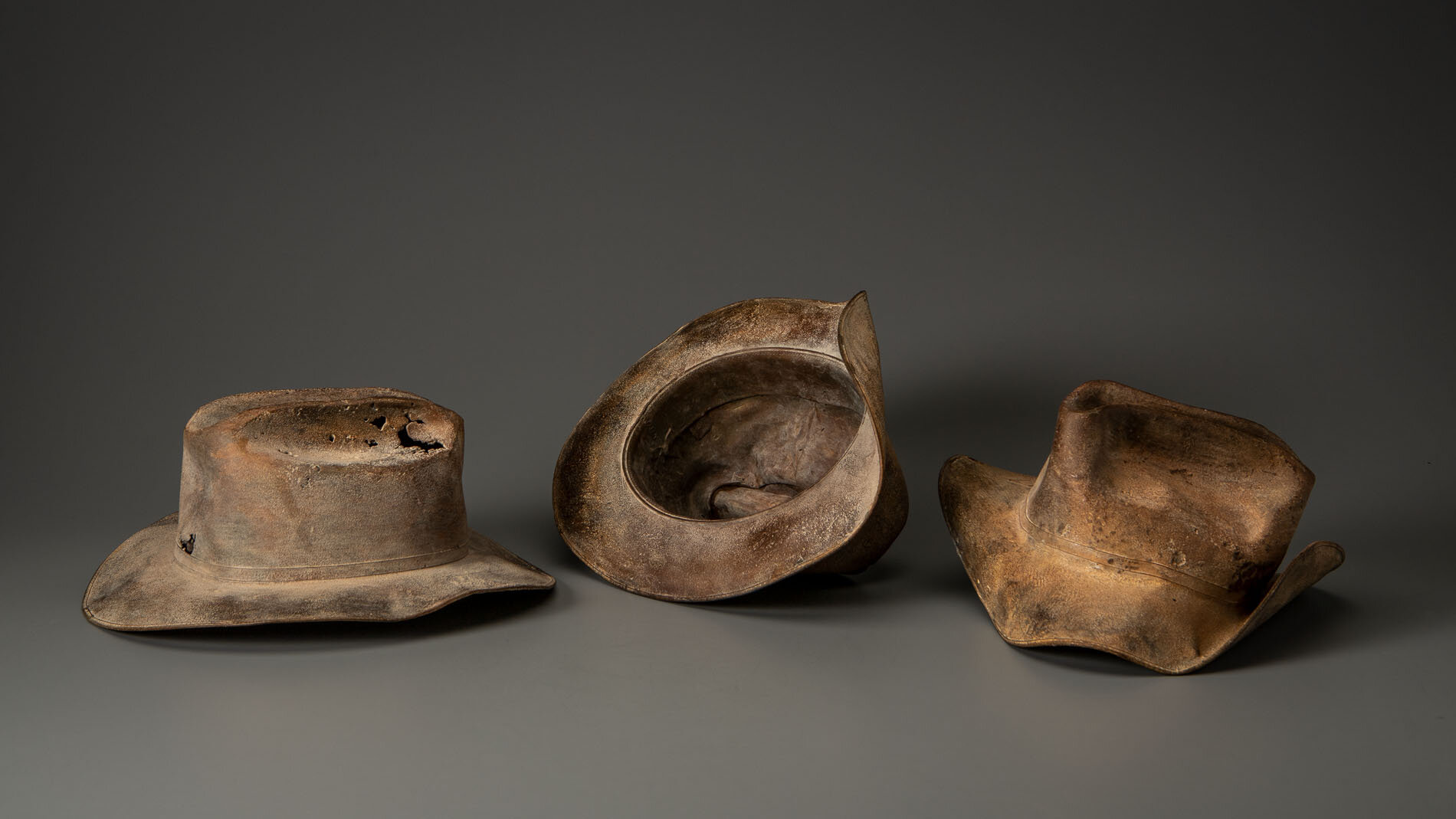
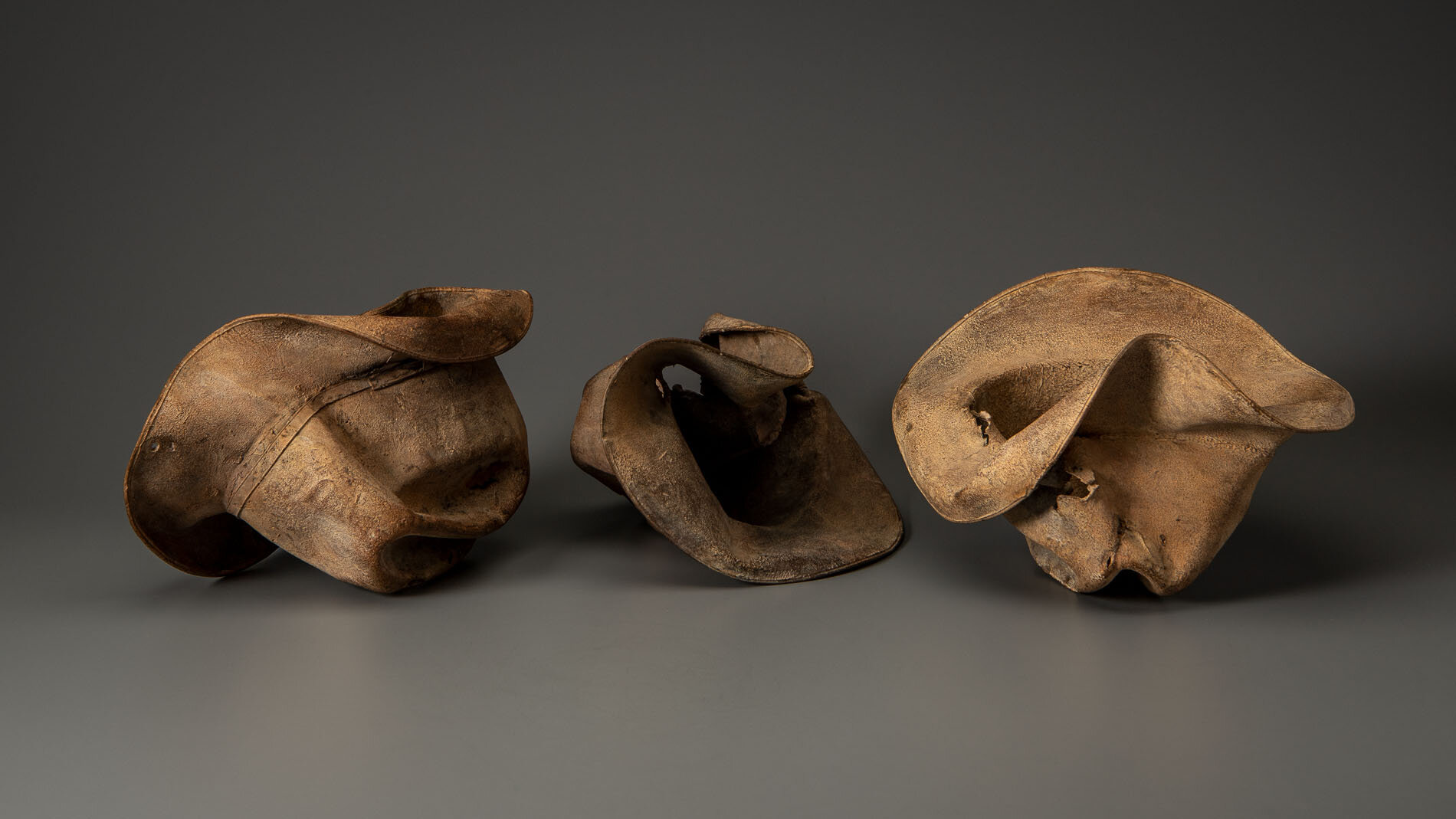
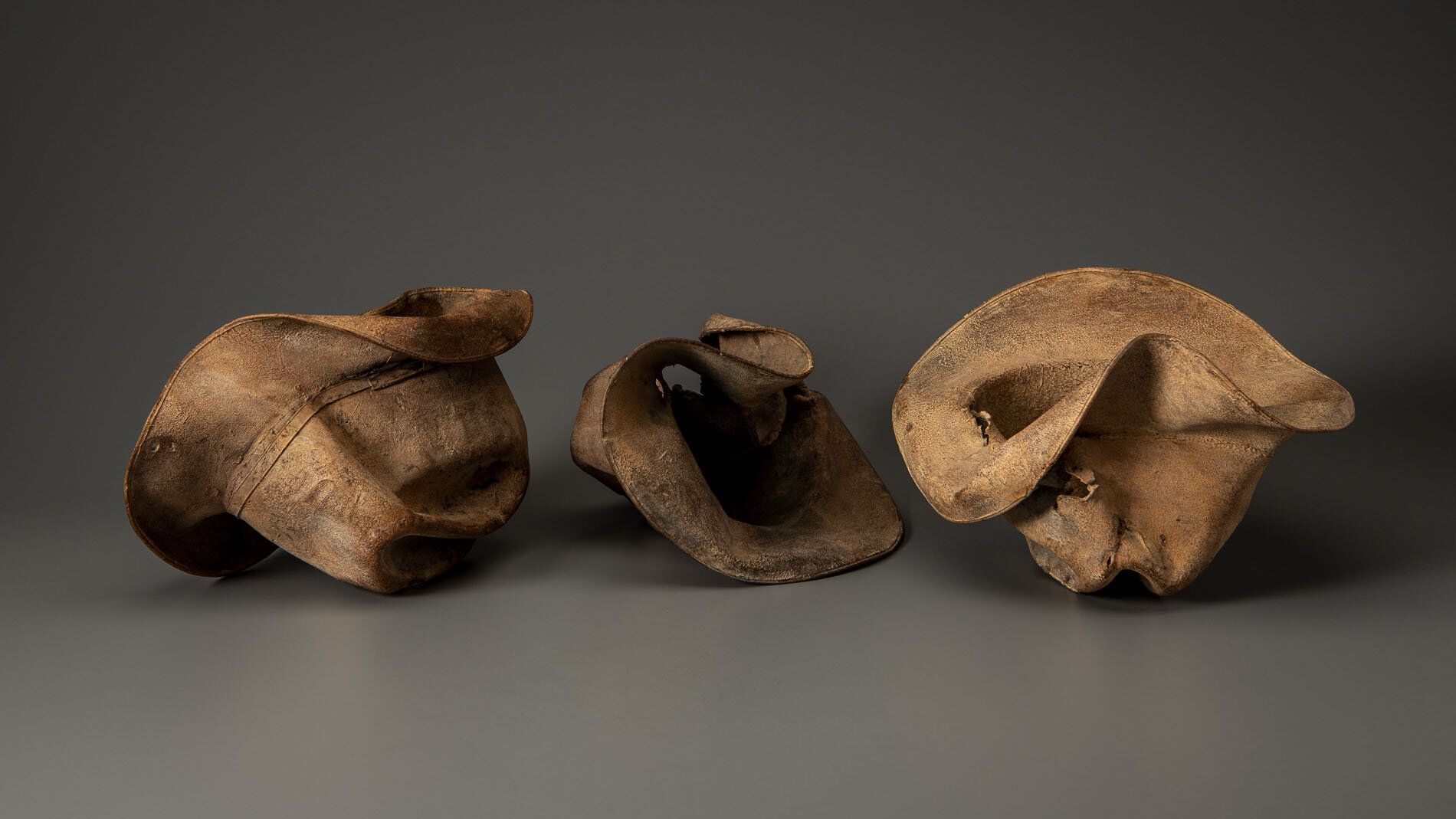
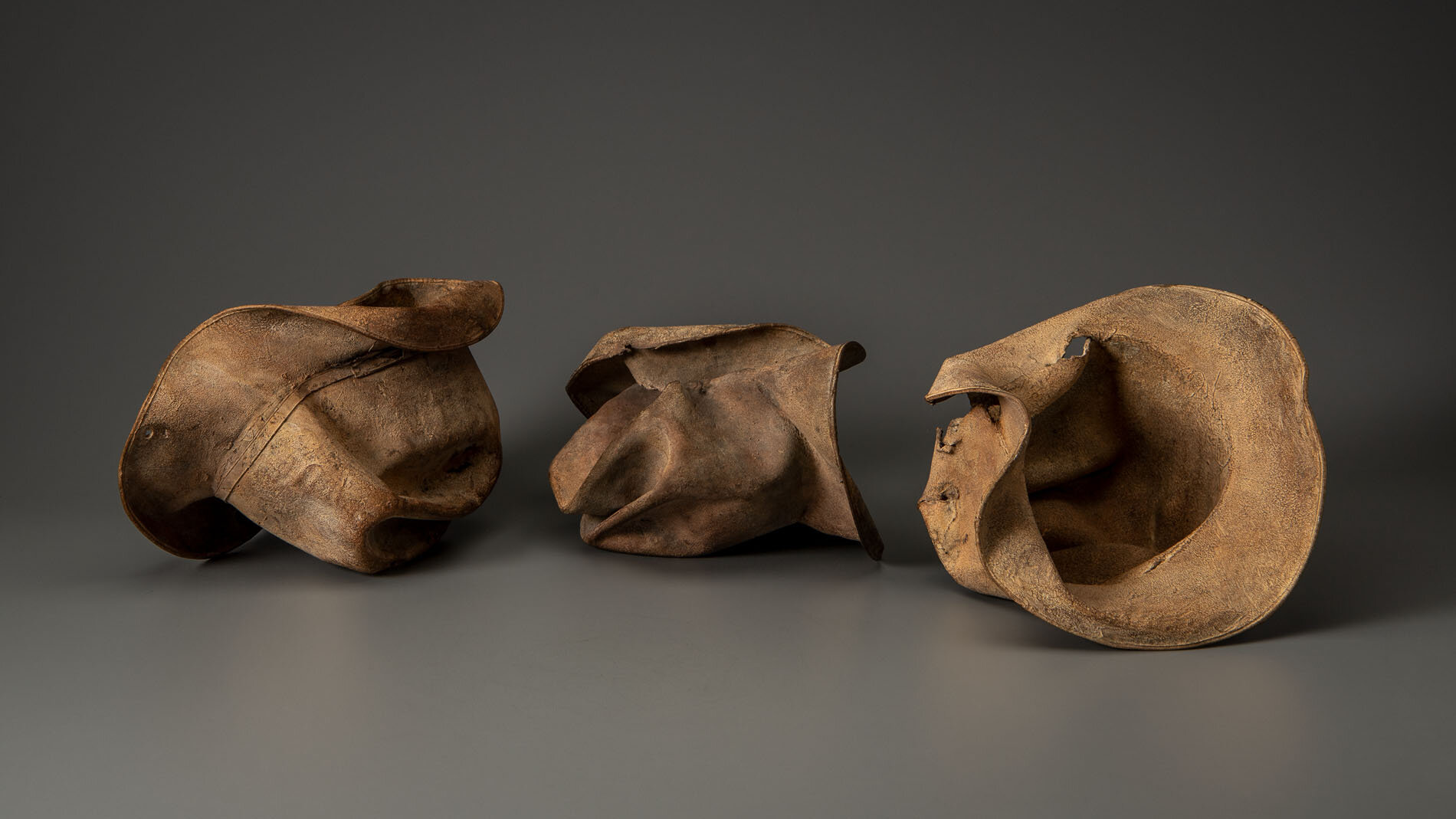
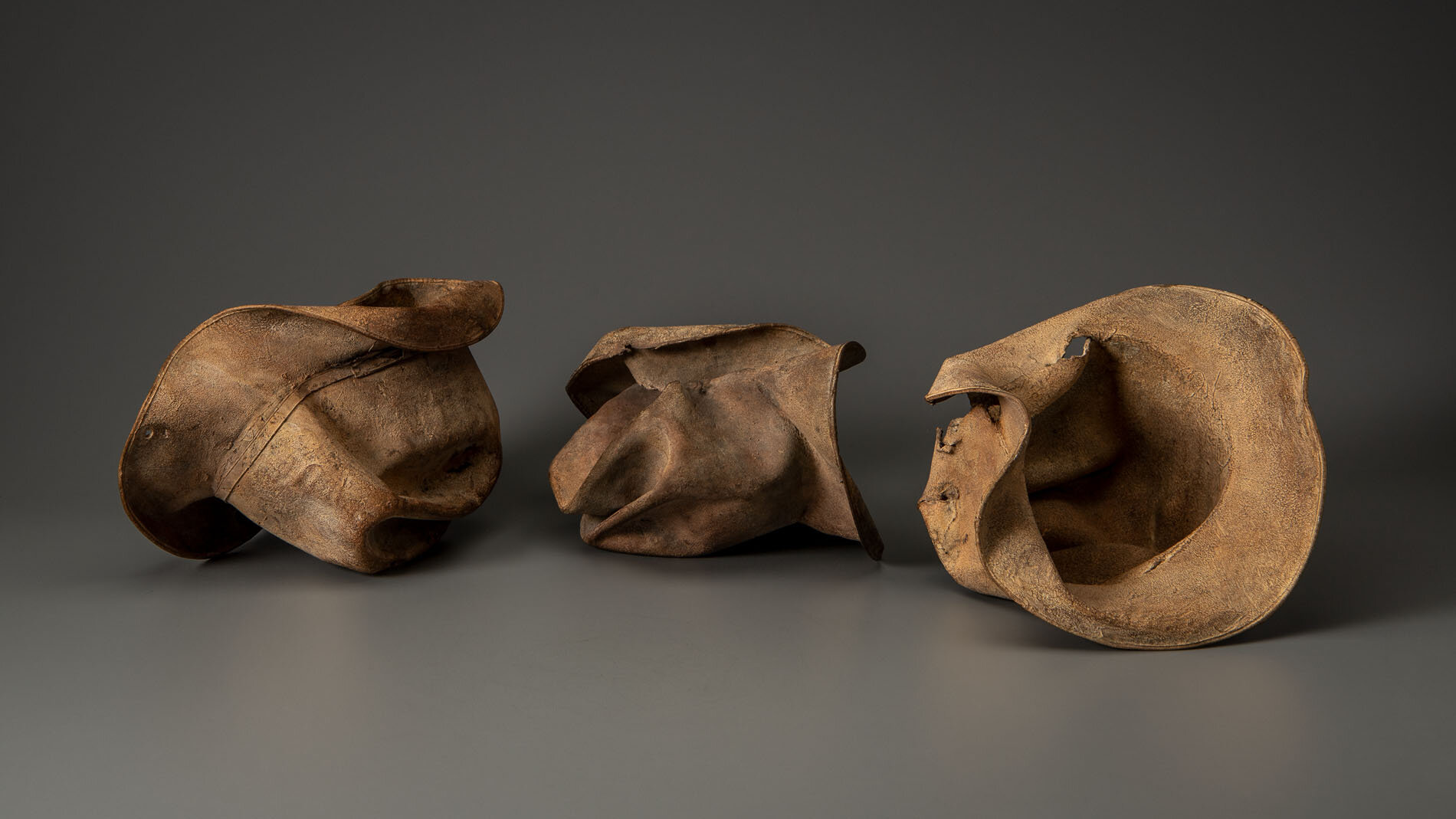
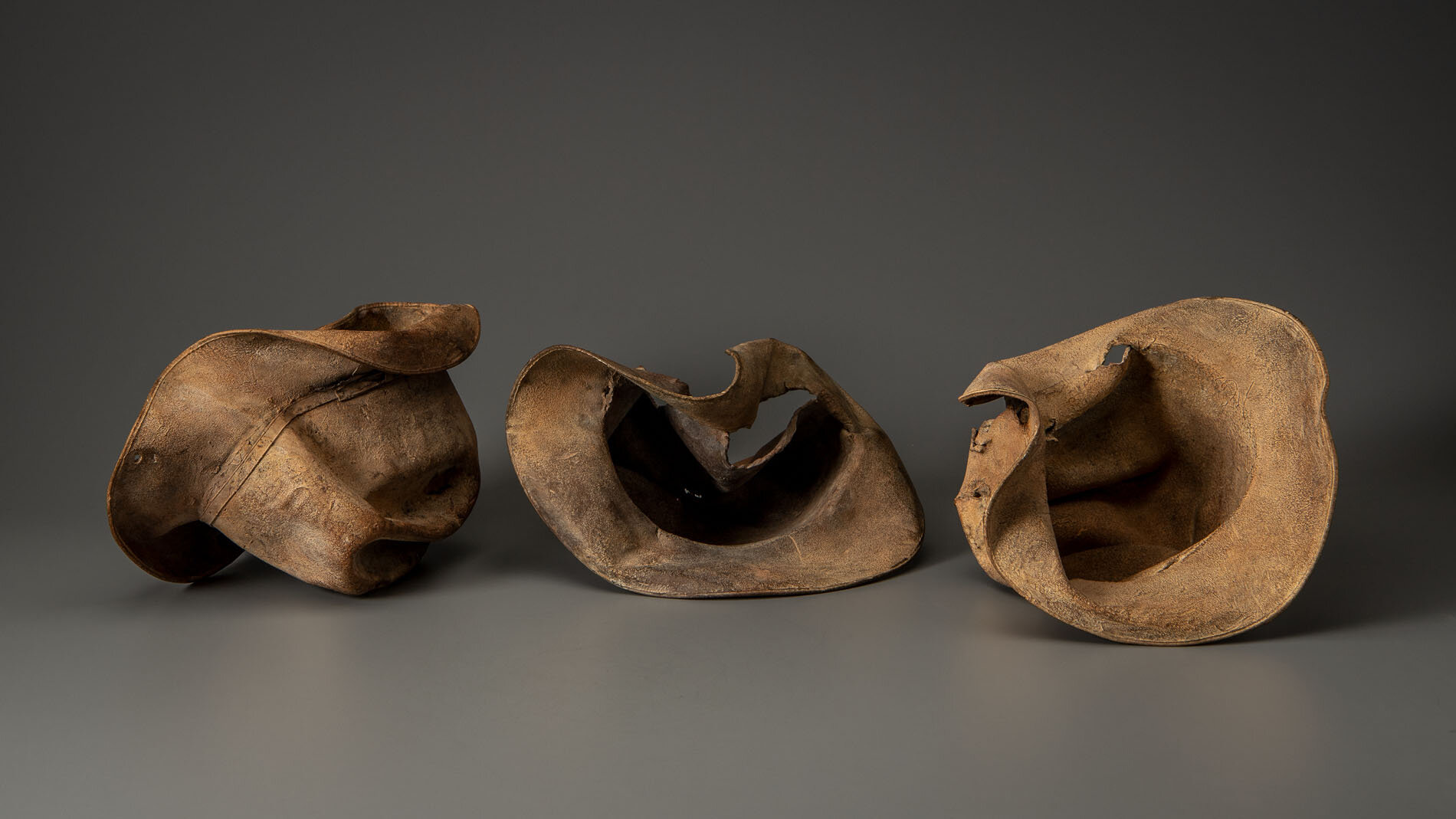
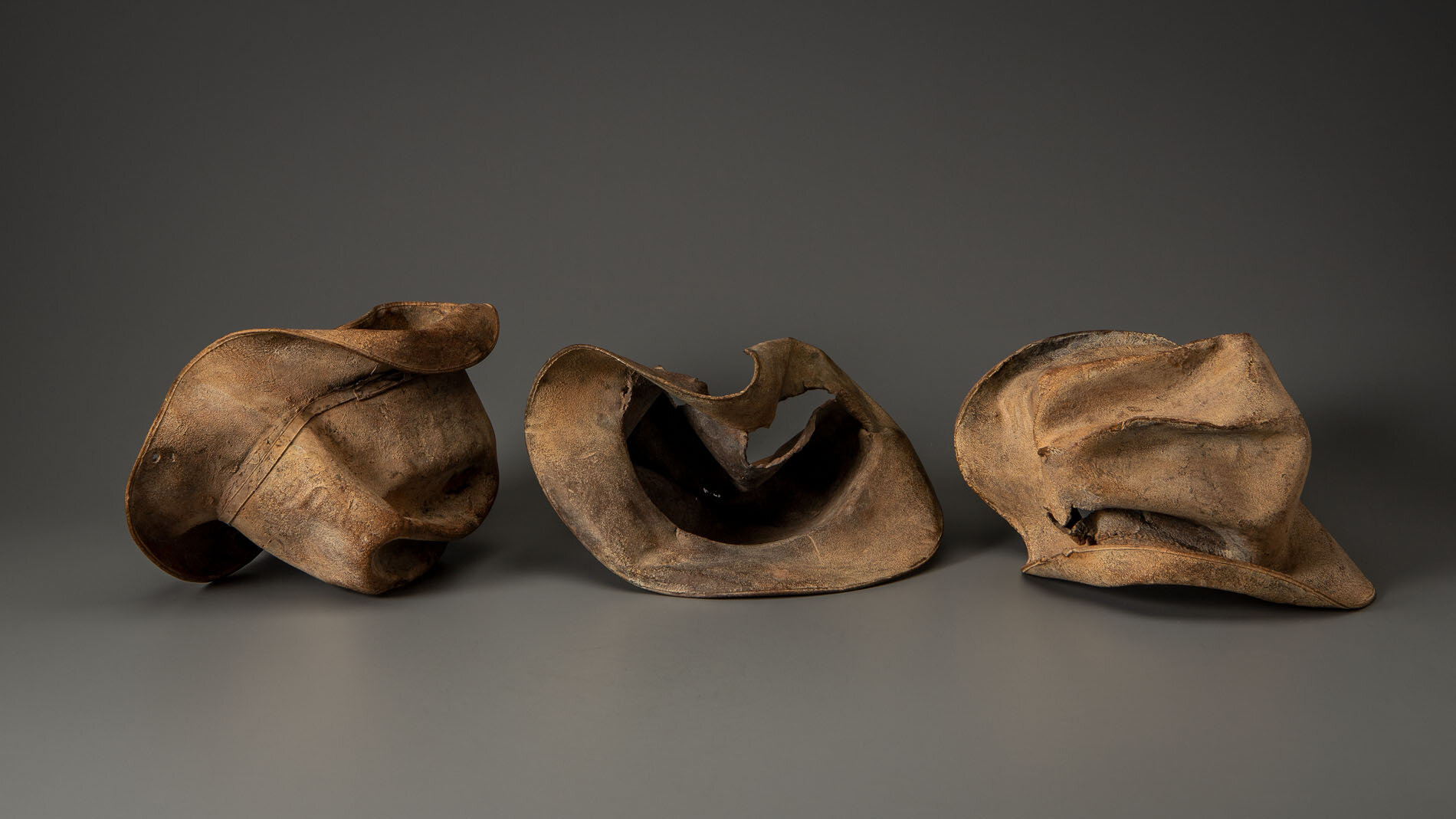
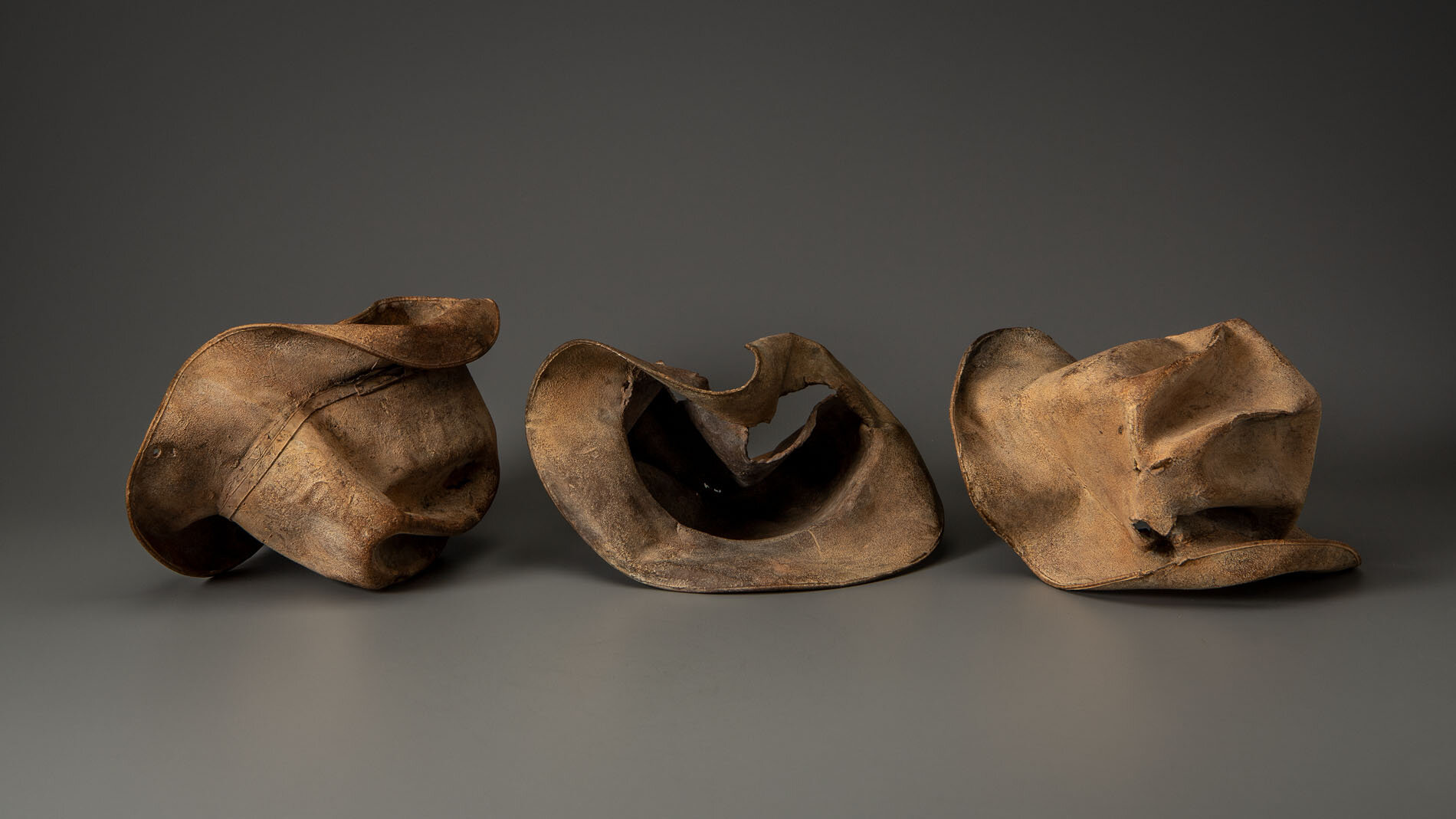
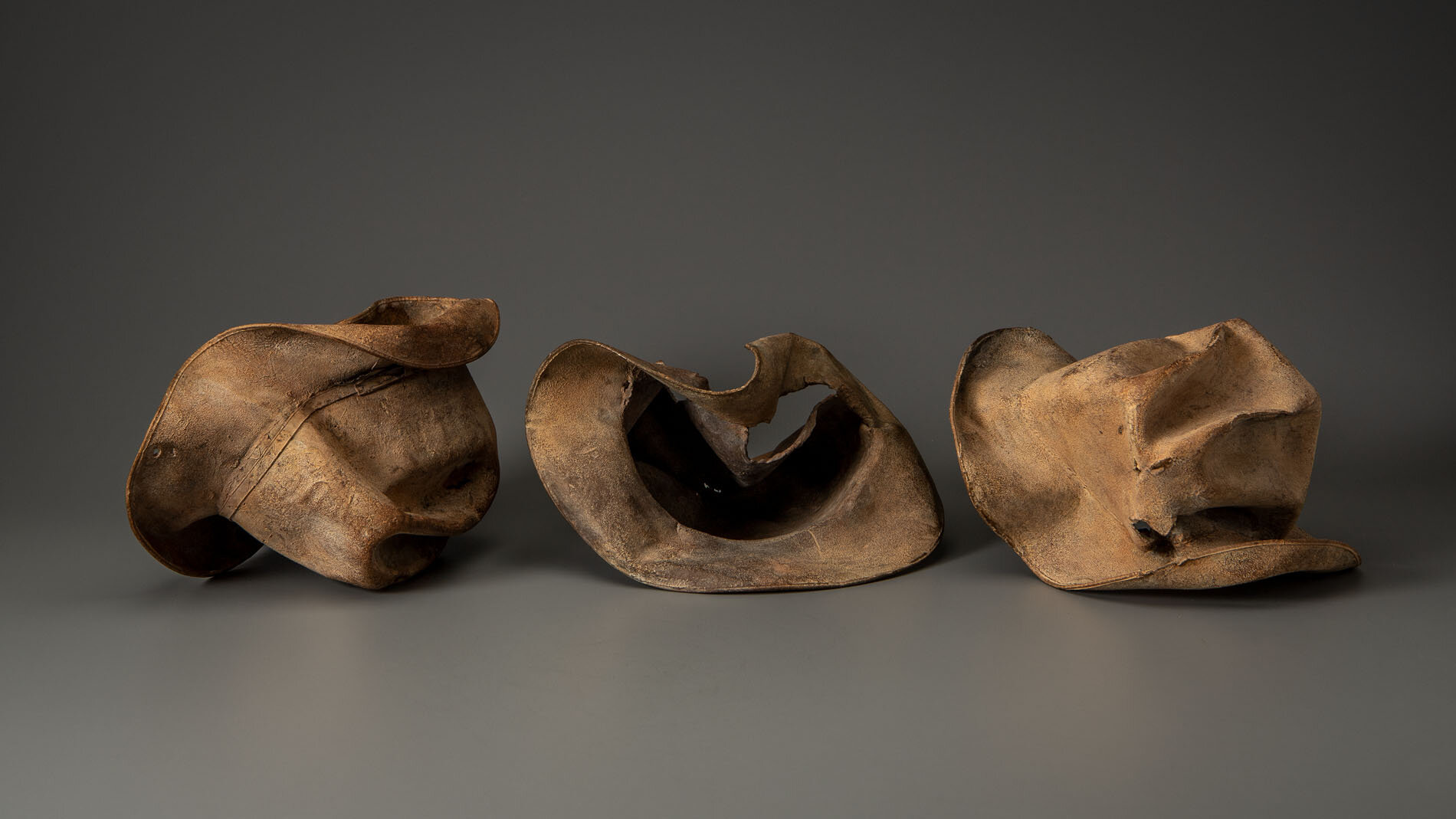
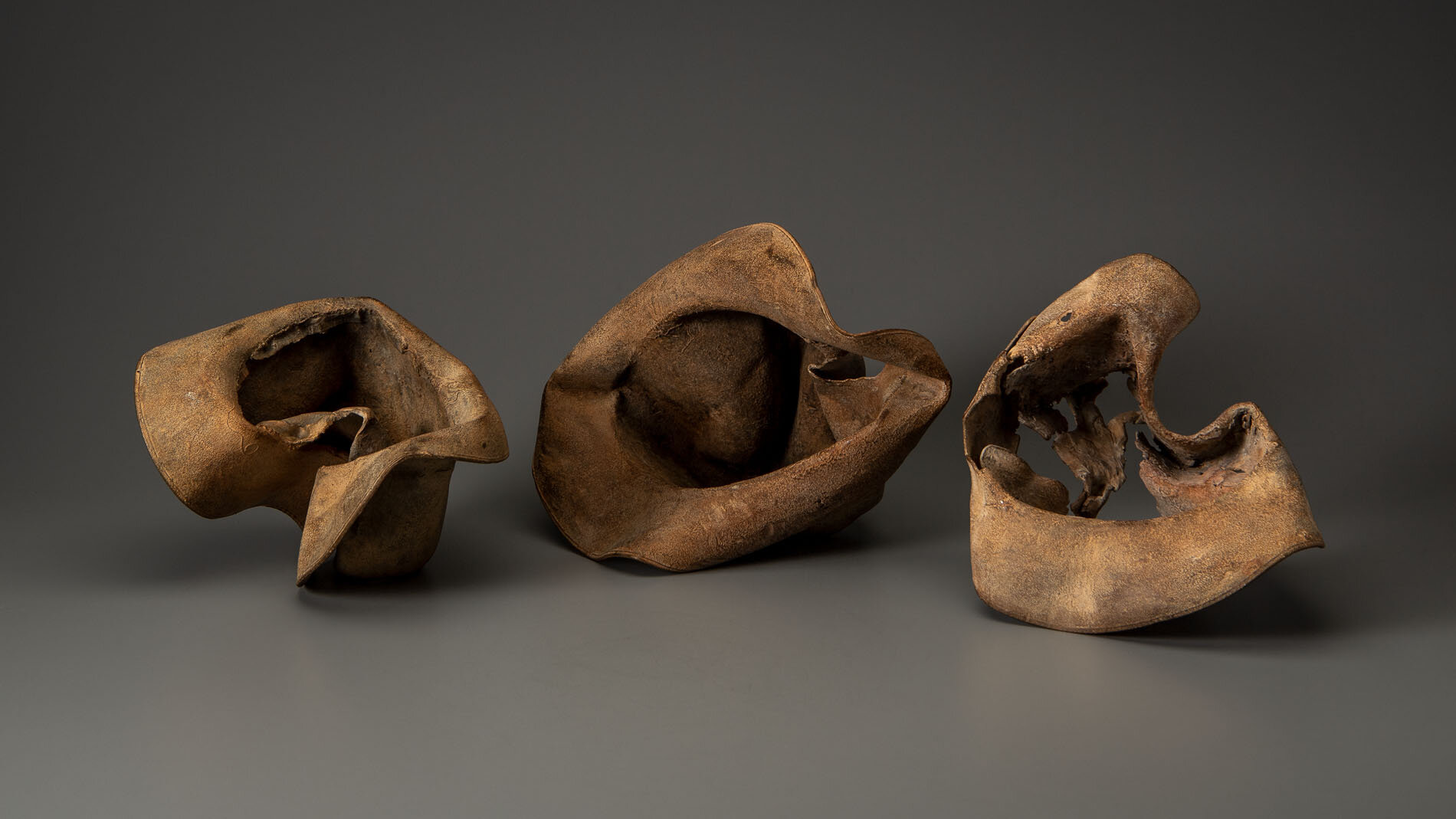
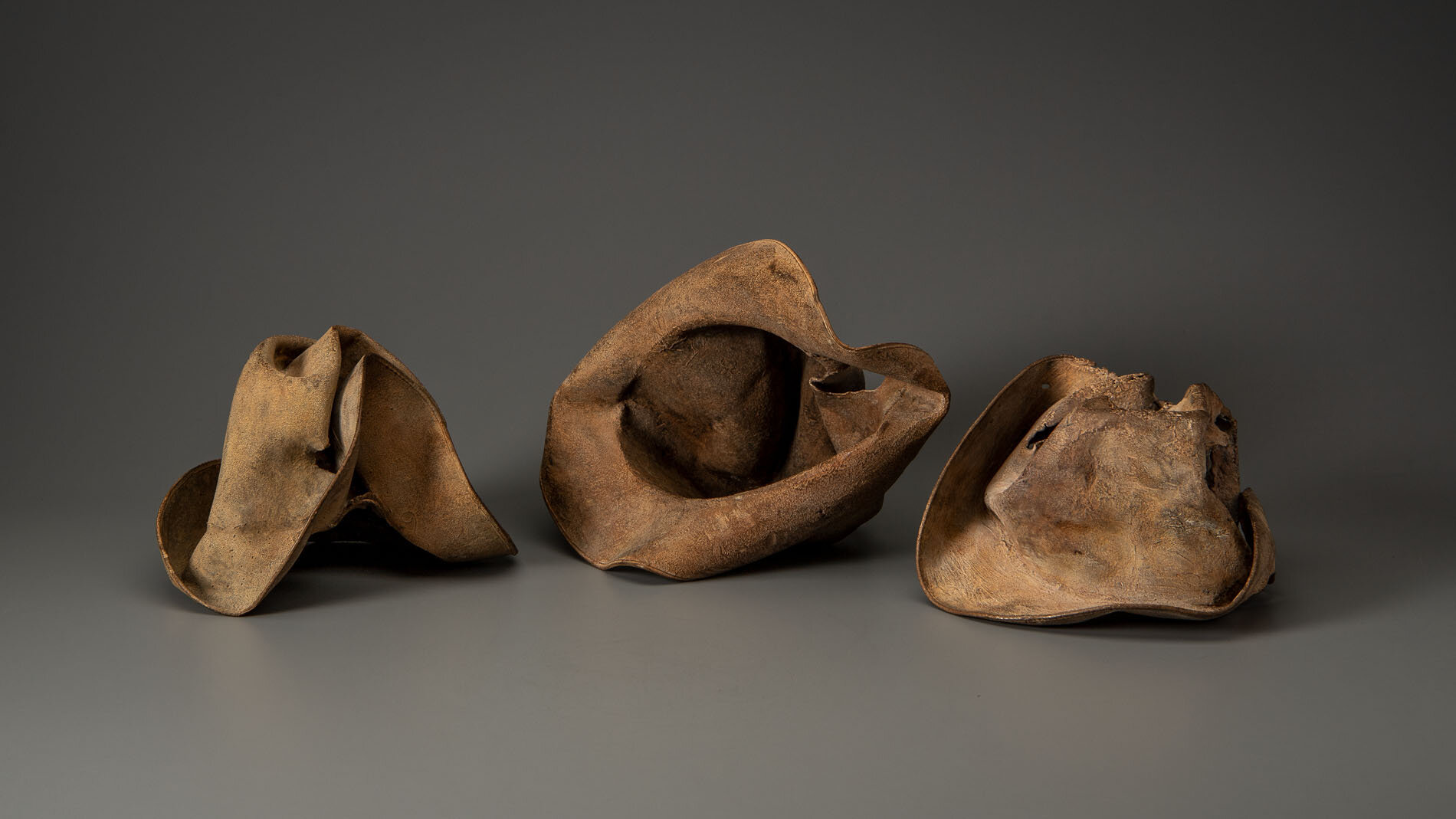
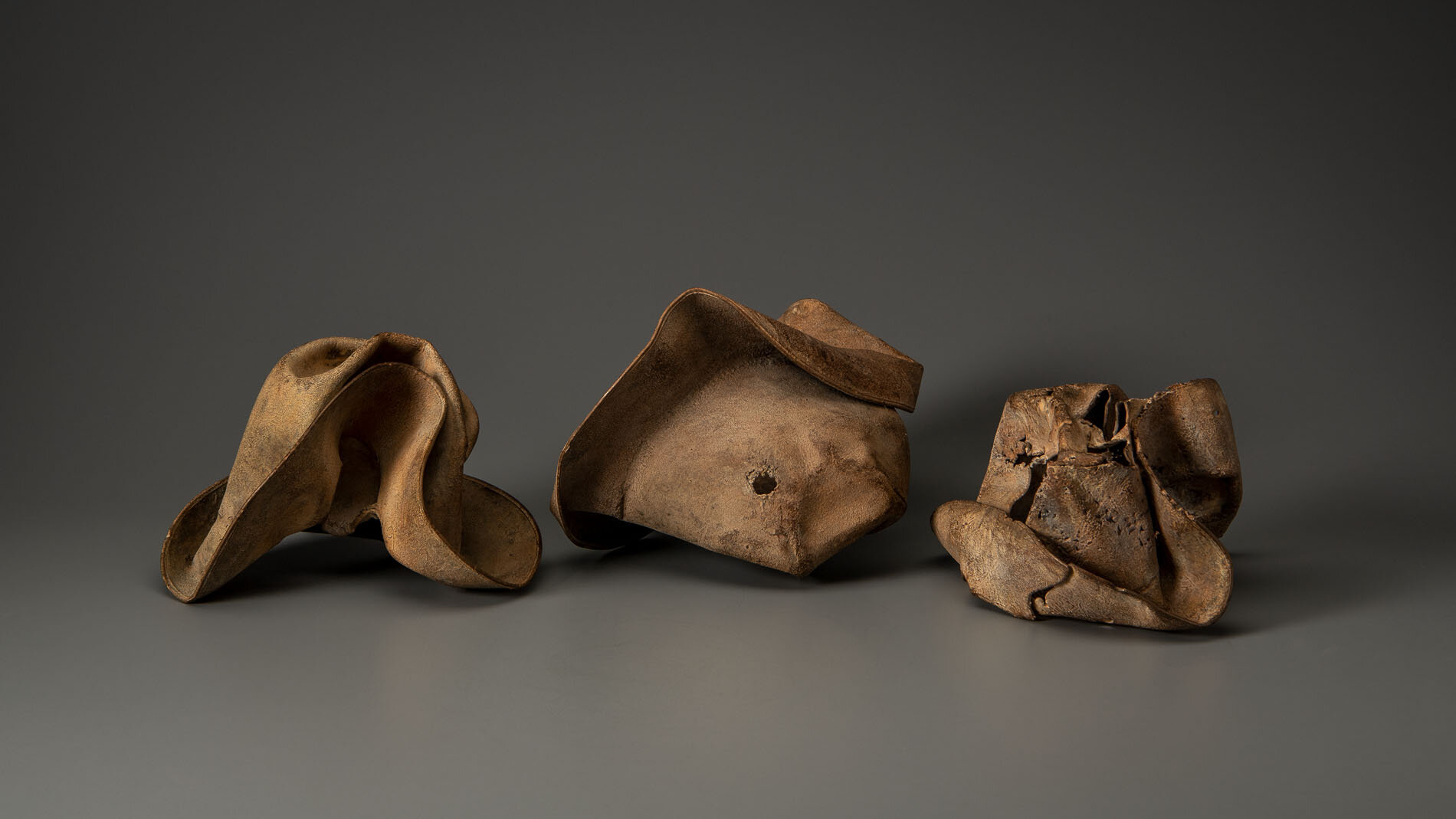
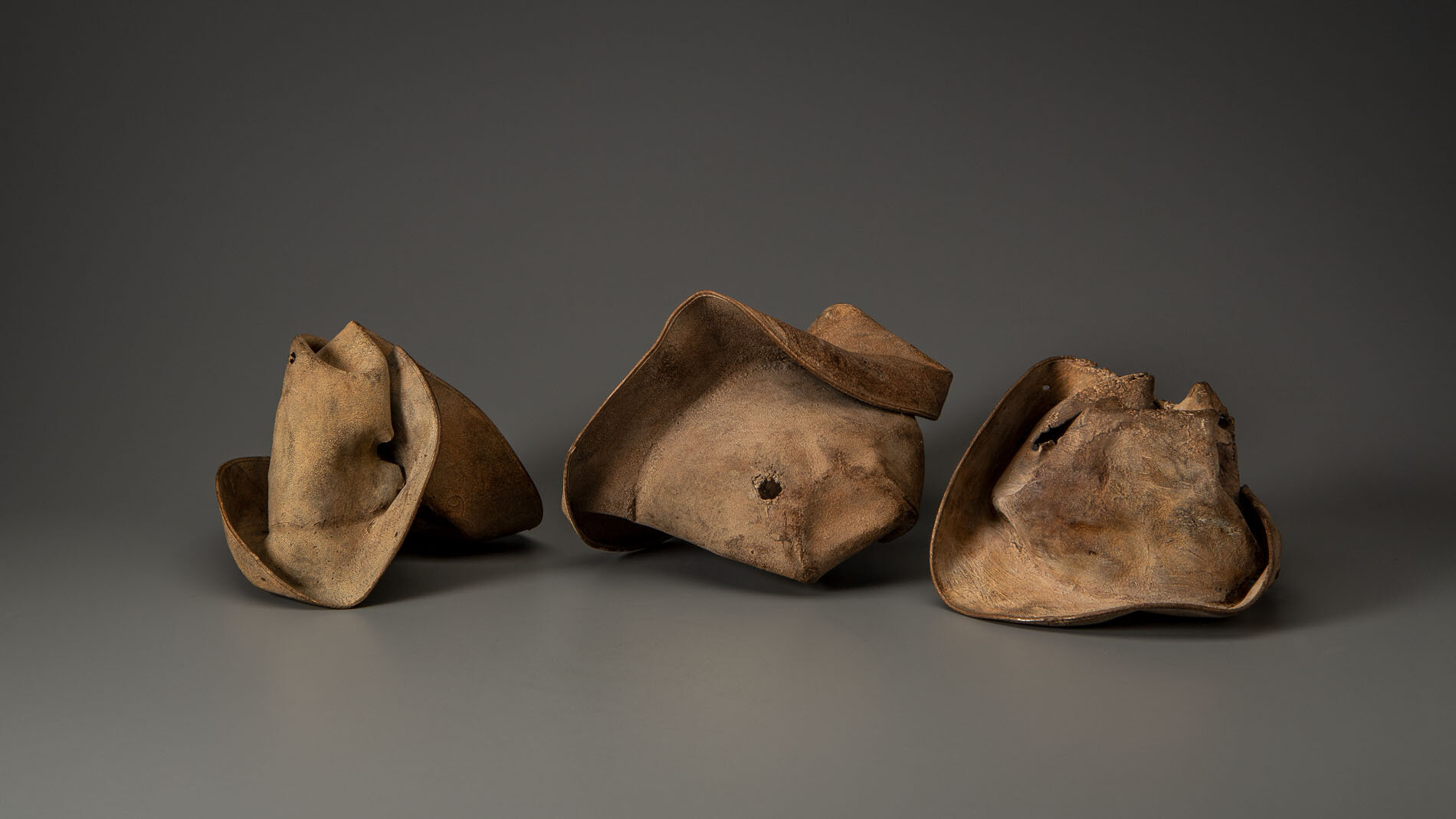
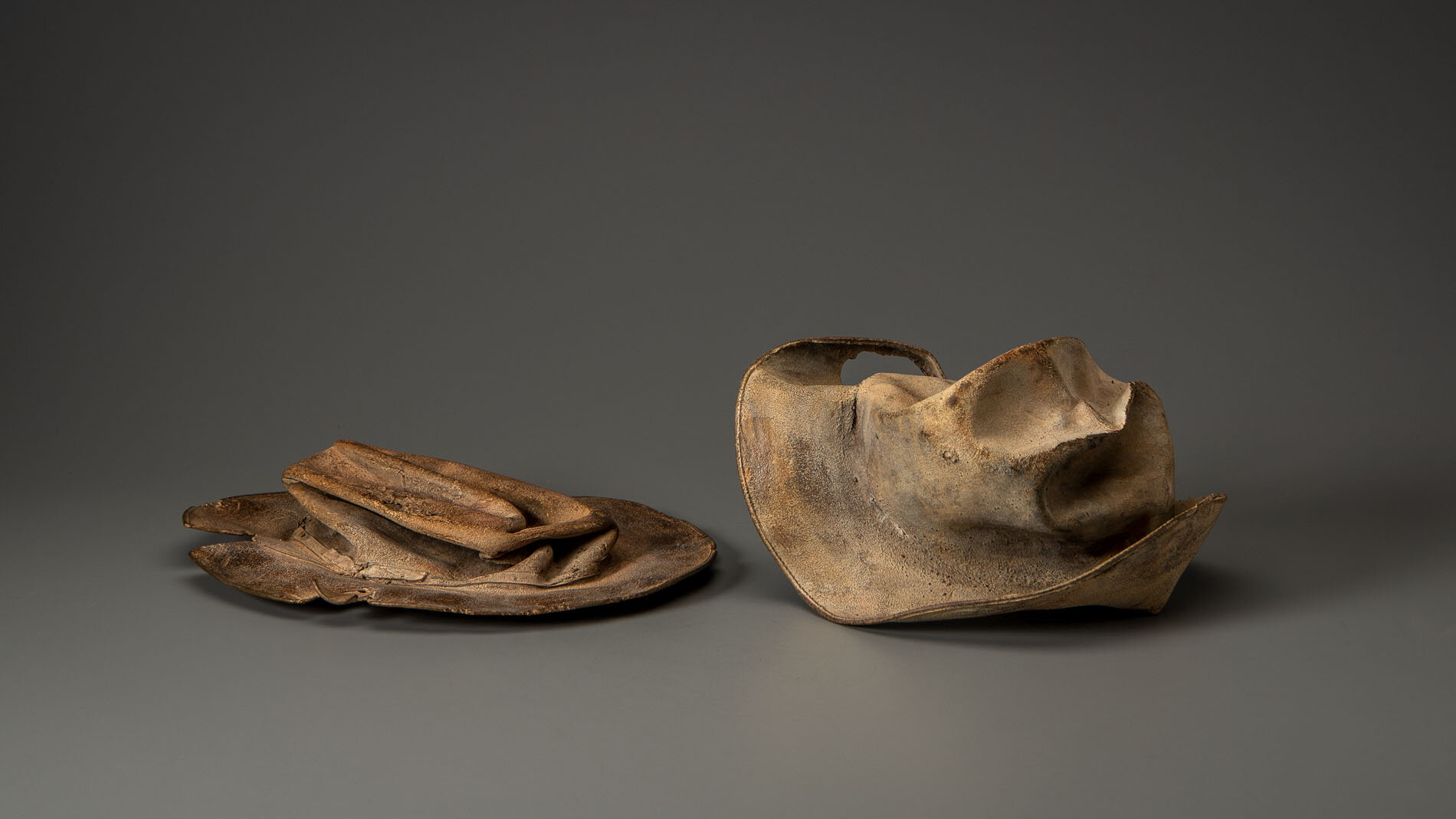
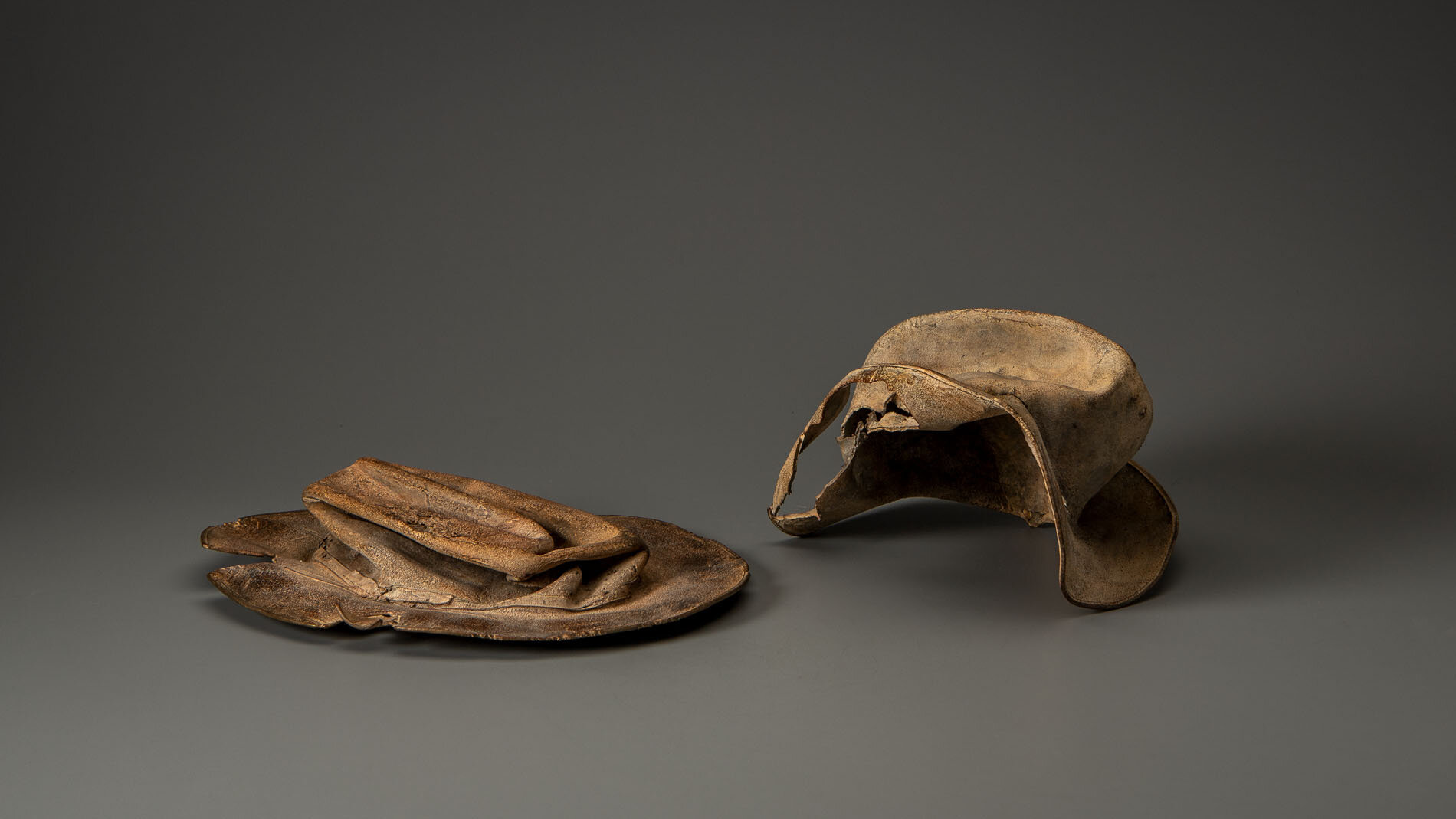
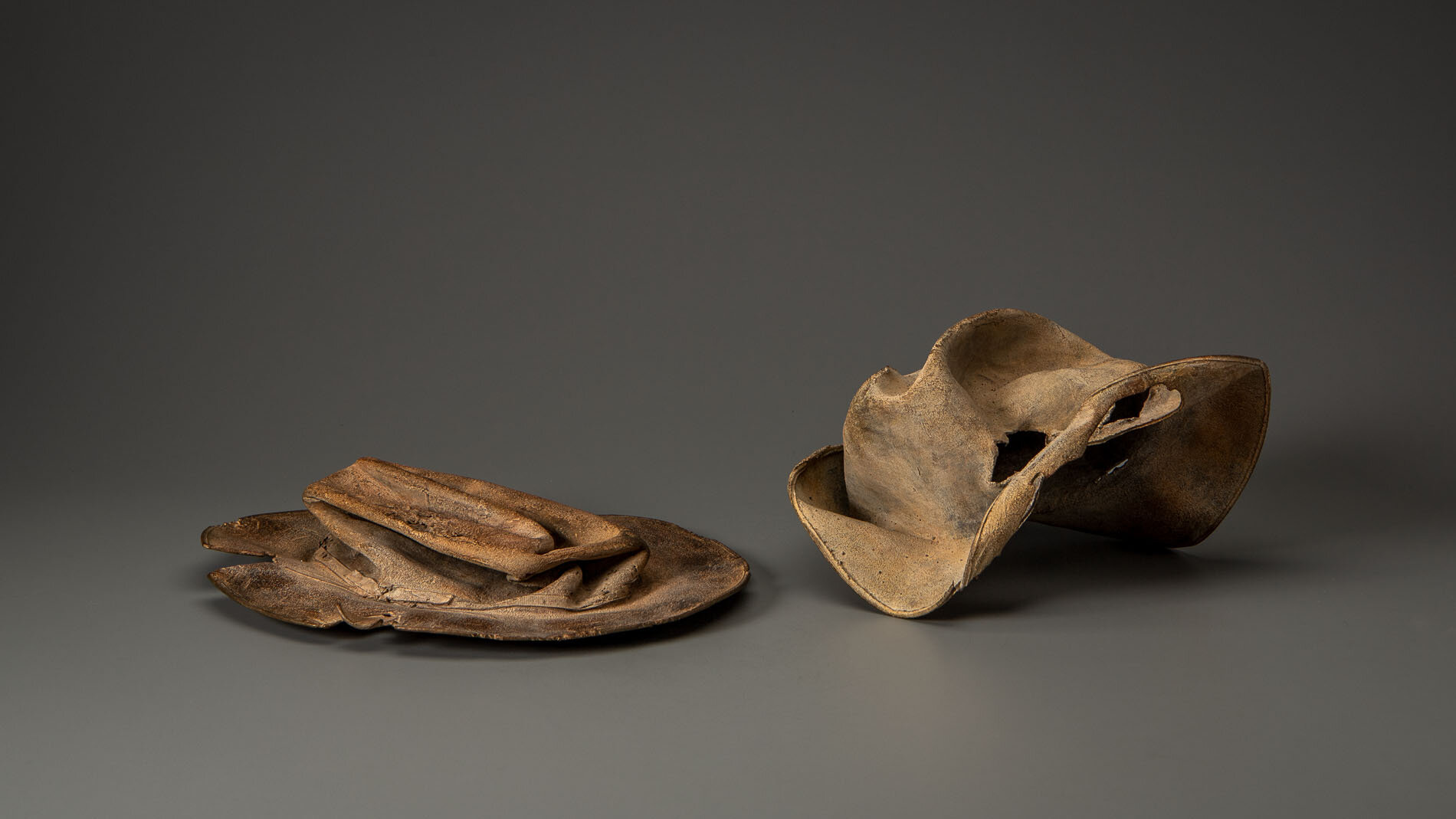
Gust (2020) is six cast bronze hats, each warped by a different pressure — the wind of memory, and the ill-conceived agricultural and regulatory decisions that have prioritized yield over soil, and soil over the people who depend on it. The six hats correspond to the six principles of regenerative agriculture: eliminate tillage, maximize crop diversity, keep soil covered, maintain living roots year-round, integrate livestock to rebuild microbial life, manage holistically.
Gust arose in a desert and now stands in Houston’s green — six witnesses, still catching wind, still recording what the land remembers and the record keeps forgetting.

GUST—integrating livestock to build soil microbes

GUST—holistic management

GUST—eliminating tillage

GUST—maintaining living roots year-round

GUST—maximizing crop biodiversity
The variations are endless.
Quisque iaculis facilisis lacinia. Mauris euismod pellentesque tellus sit amet mollis.