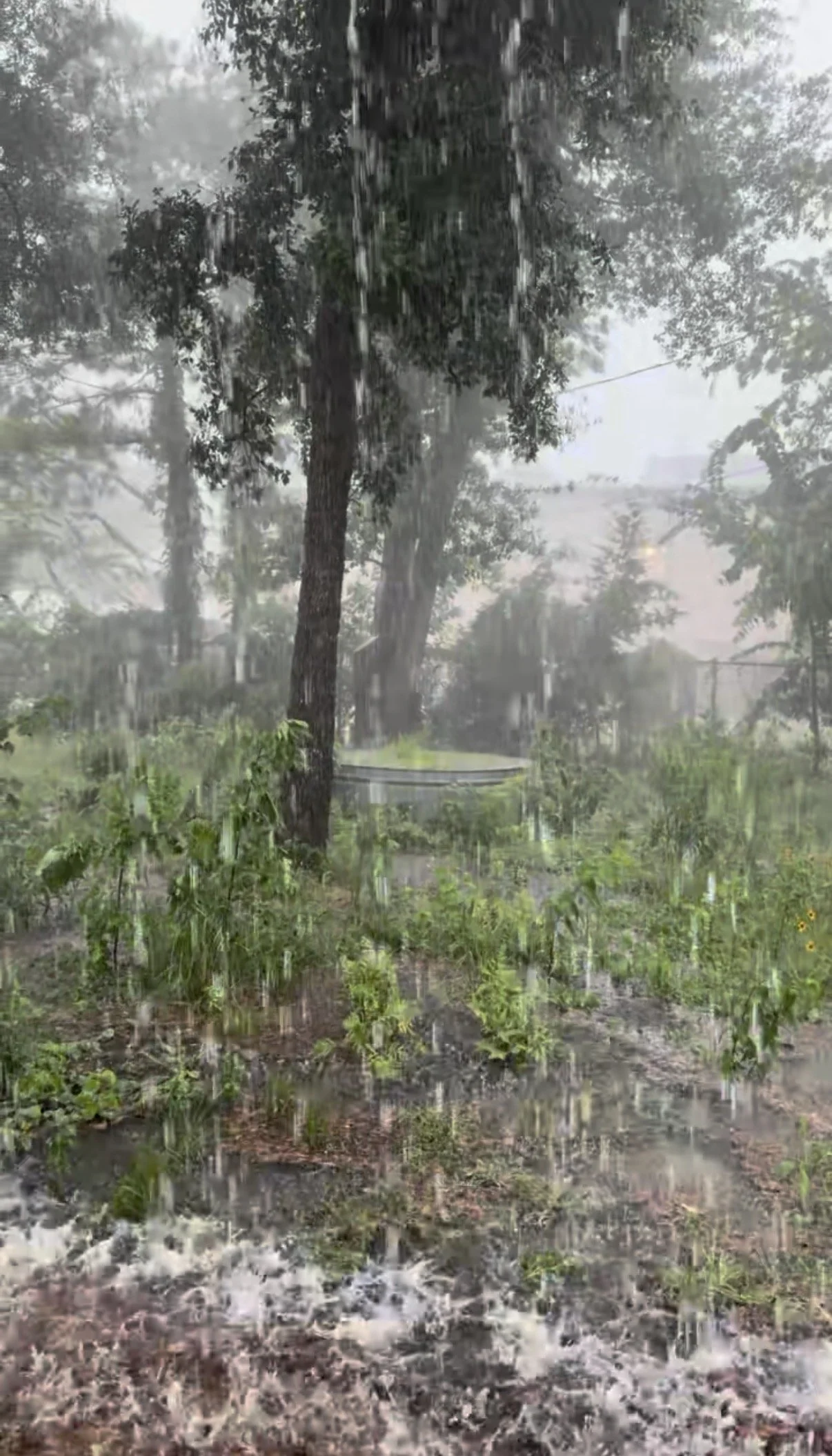
Rain on a roof is a specific sound — a few hundred small percussive events a second, no two exactly alike, because no two drops fall from the same height at the same angle onto the same surface. My studio has a metal roof. I have loved that sound my whole life. I grew up in the desert of West Texas, where rain is a rumor most of the year, and you learn to read it coming before you see it, if you see it: the smell first — petrichor, which is really geosmin, a compound made by soil bacteria and released into the air the moment a raindrop hits ground dry enough to have been waiting for it — rolling across miles of caliche ahead of the storm itself, then the thunder, then the excitement of it, then the run outside. Bare feet on hot concrete, then wet grass, then the first fat drops. The air cools — finally. My kids had it too. That specific joy has a name in every generation of my family before this one.
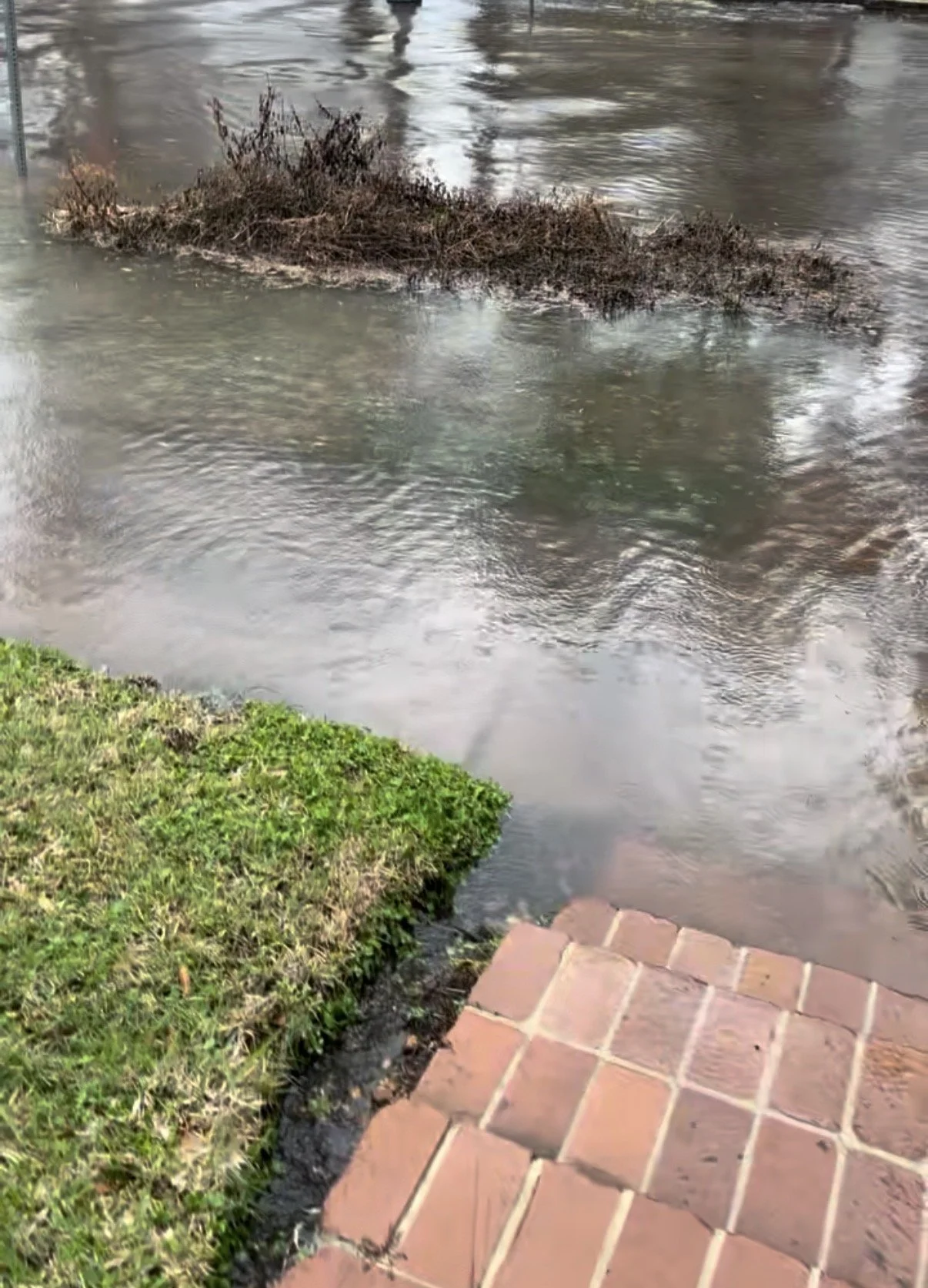
On July 4, 2025, the water we love came up through the floors of homes along the Guadalupe and took people with it. Camp Mystic. Families asleep in the low ground. Somewhere, this summer, a child heard thunder wand felt the old excitement turn into something else. A body that has learned rain can kill is doing exactly what a body is supposed to do, paying attention. The problem was never the fear. The problem is what caused it, and what we're offering instead of an answer.
Roughly 90 percent of the planet's cooling happens through water — evaporation, transpiration, the endless small phase-changes of a system moving heat off itself the way it always has. Water is not the threat in that sentence. Water doing what water has always done, in a landscape built to receive it, cools us. Water doing what water has always done, in a landscape we paved and channelized and stripped of anything that could slow it down, drowns us. The flood is not water's betrayal. It's the bill for a century of decisions about where water was and wasn't allowed to go.
I wrote an earlier draft of this and used the word violent to describe how we've treated water — the concrete ditches, the straightened channels, the reservoirs that hold it wrong. An editing tool suggested harsh instead, gentler, and I took the suggestion. I want to take it back. We are, culturally, extremely practiced at softening the language around our treatment of water and land the same way we are teaching children to flinch at the sky.
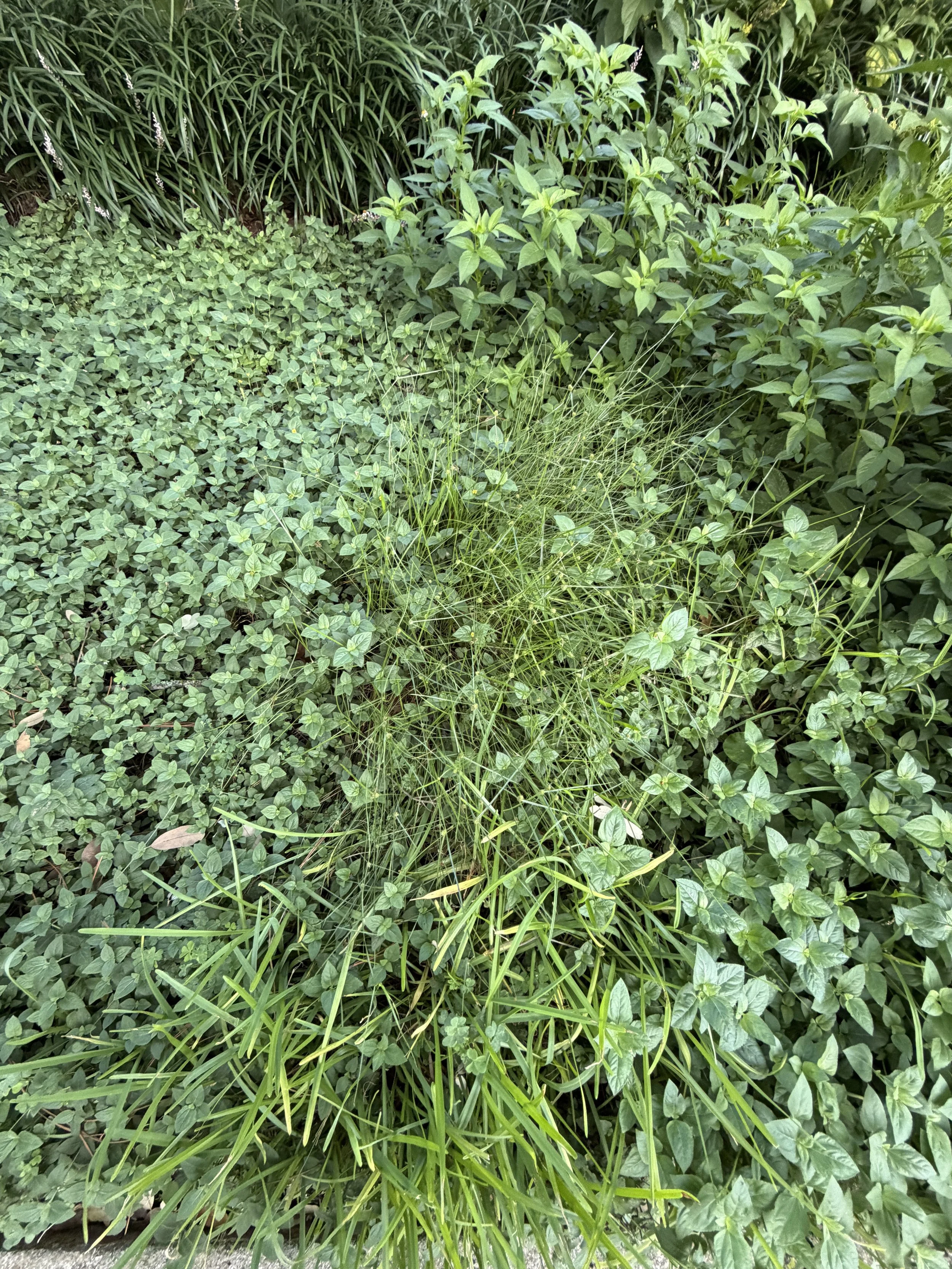
A child's fear of rain will not be cured by reassurance. It will be cured by a landscape that has earned back the right to be trusted — soil with enough organic matter to drink the storm instead of shedding it, a creek allowed to spread into the ground beside it instead of racing straight for the next bayou, prairie doing the underground work it did for ten thousand years before we decided grass should be short and water should be somewhere else. Not sandbags. Not another warning system.
I want my children's children to smell it coming, raise their faces to the sky, and run outside when it starts. I want that instinct to be correct again.
Re-greening a Dryland Watershed: usgs.gov/media/videos/re-greening-dryland-watershed
