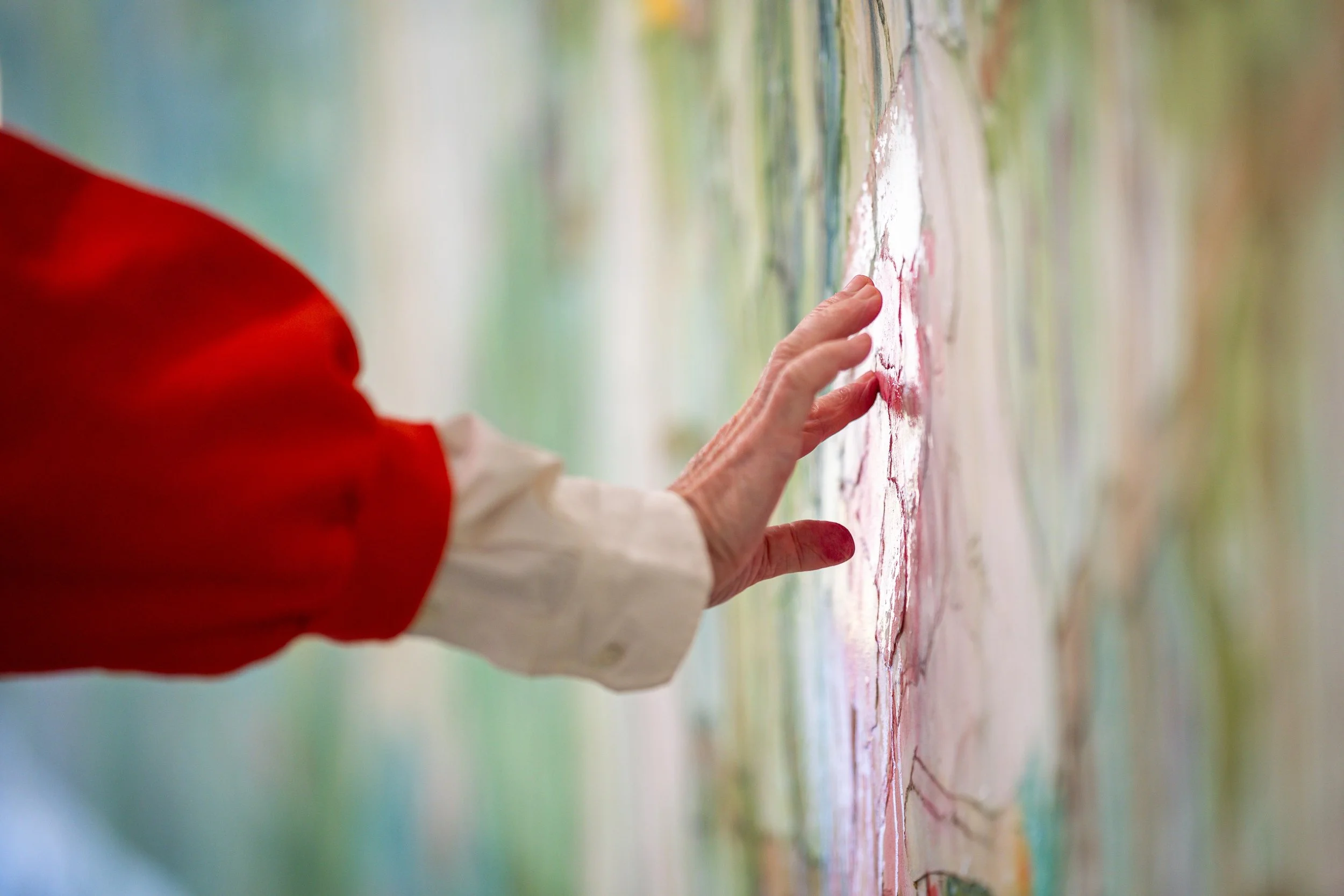
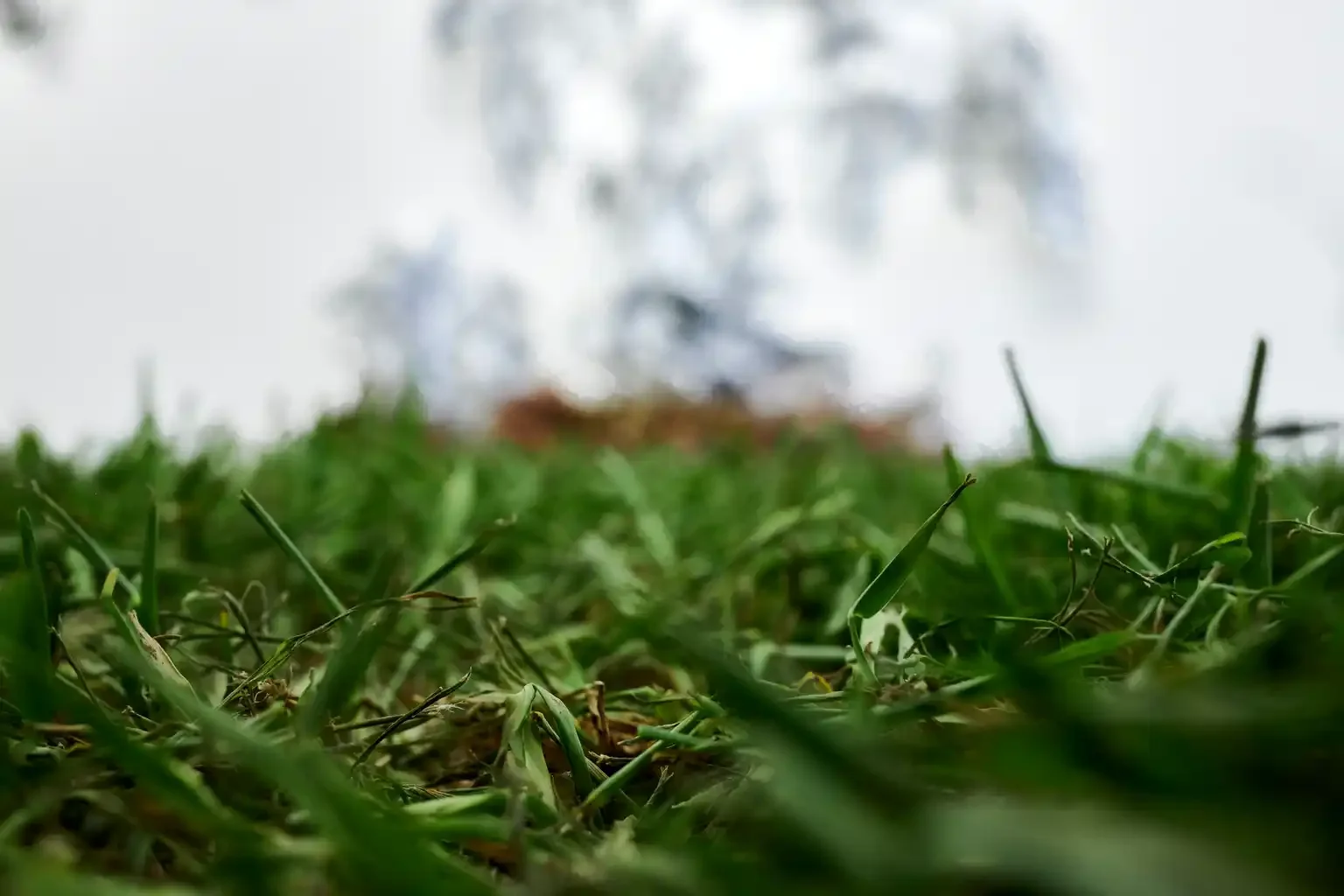
image by feast day studios
on underMINE
Walter de Maria brought 280,000 pounds of earth into a SoHo loft in 1977. He called it a minimal horizontal interior earth sculpture and refused to say more. The richness of The New York Earth Room has always lived in that refusal — in the gap between what the white cube insists you should be experiencing and what 280,000 pounds of soil actually is. De Maria imported wildness. Something alien. Something the gallery had no language for.
I imported the familiar.
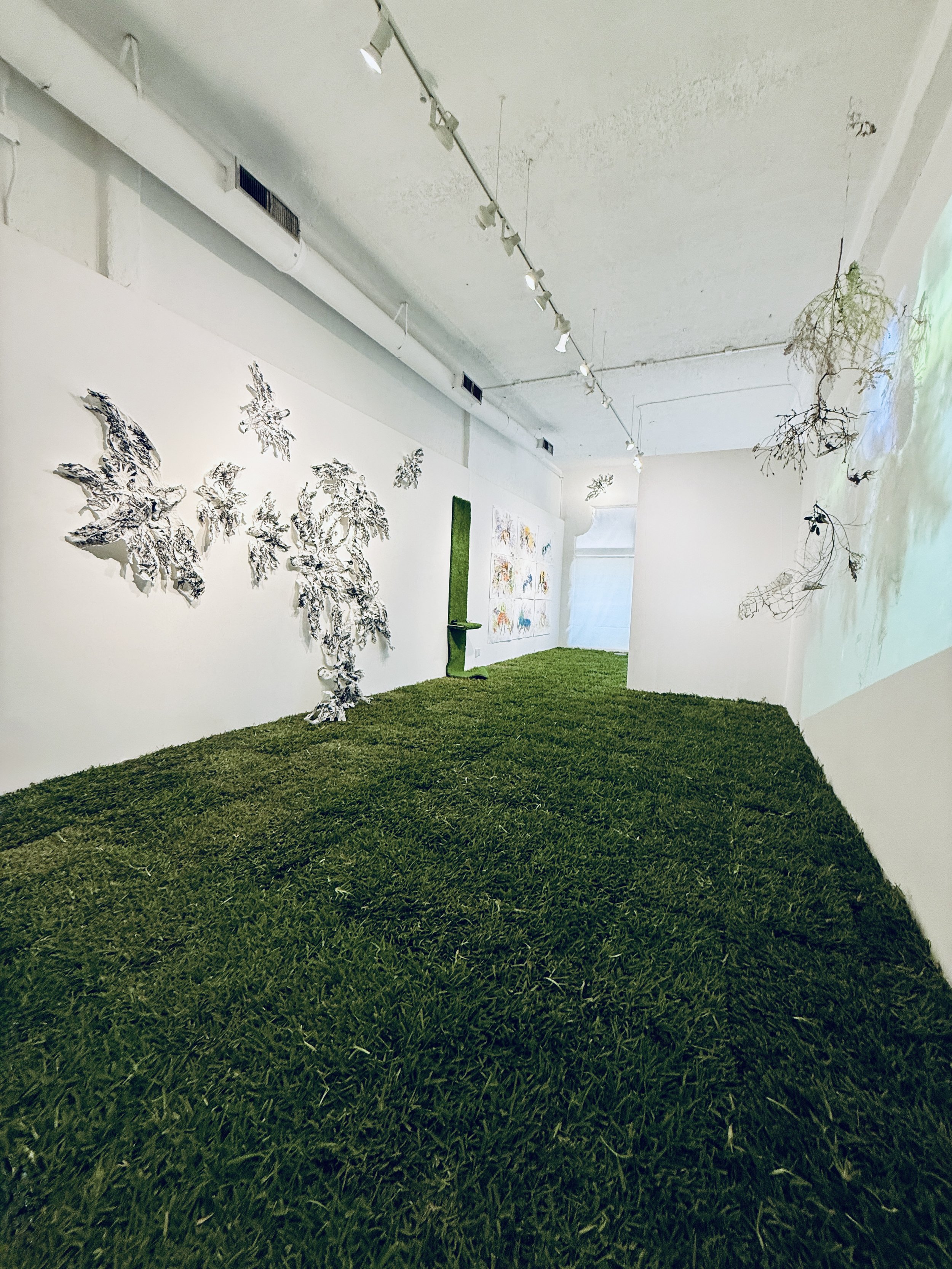
underMINE
600 square feet of sod
Six hundred square feet of sod. The thing you drive past every day without a second thought. The lawn.
That distinction matters. The Earth Room defamiliarized by bringing nature’s strangeness inside. underMINE brings nature’s domestication — the most managed, most normalized, most ideologically loaded surface in America — and asks people to look at it knowing what it costs. What it doesn’t do. The poverty of the manicured world. Estrangement is easy when the object is foreign. Doing it with the mundane takes something closer to surgery.
The numbers in the essay aren’t decoration. They’re a specific kind of vertigo. Forty million acres. Two trillion gallons of water a year. Seventeen million gallons spilled just refueling mowers — more than the Exxon Valdez. AI data centers consumed 17.5 billion gallons in 2023. The lawn uses one hundred times that. We are alarmed by AI. We mow on Saturdays. The numbers name the mechanism by which the object became invisible.
I borrowed the conceptual frame from China Miéville. In The City & The City, two cities occupy the same physical space. Through conditioning, citizens are trained to unsee one of them. The lawn is the same. The living system it replaced occupies the same ground. We have been trained to see one and not the other. The conditioning has a name. It is the American dream. And in the American dream the numbers don’t compute.
Agnes Denes is the more honest comparison — she planted wheat on Manhattan landfill in 1982 and refused to let the symbolic weight be vague. Land value. Hunger. Displacement. Denes had numbers too. Denes wanted you to feel the gap between what the land was doing and what it could do.
But my ground is Houston. That matters. De Maria worked in SoHo. Denes worked on a Manhattan landfill downtown. I work on the coastal prairie that Harvey exposed as a system that had forgotten how to absorb water. The lawn I’m indicting is the lawn that shed Harvey’s rain. I’ve never stood in the Earth Room. I’ve never walked Denes’s wheatfield. I found them the way most people find things now — on a screen. That matters less than I once thought. Houston is where I learned to see it. But the numbers are not Houston’s numbers. They are every city’s. Every suburb’s. Every corporate campus’s. The work isn’t mine alone. Returning managed land to living system — native plants, living soil, deep roots — is the American dream we have been conditioned not to see.
I thought about attending the opening barefoot. Then I thought about the chemicals required to grow that perfect monoculture. I won’t.
The most abundant surface on the planet — forty million acres of it. Something you cannot safely stand on without shoes. Something that poisons the people who maintain it.
The American dream.
One gallery floor. One front yard. One school ground. One corporate campus. Not grandiose. Sequential.
De Maria’s Earth Room has sat in that SoHo loft since 1977. Time, his caretaker says, is what grows there. My sod comes out when the show closes. It is not meant to accumulate time. It is meant to interrupt it.
Quisque iaculis facilisis lacinia. Mauris euismod pellentesque tellus sit amet mollis.