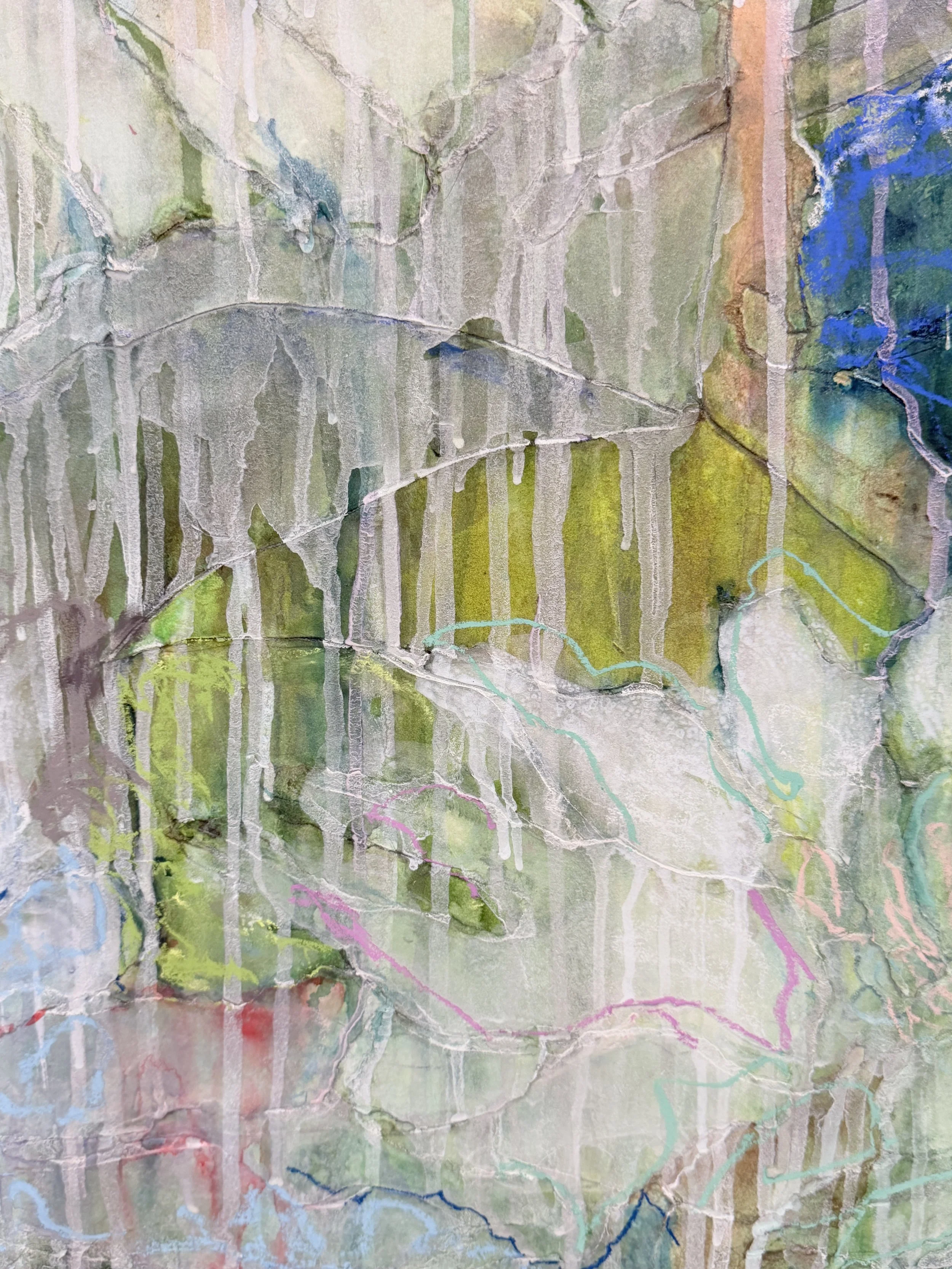
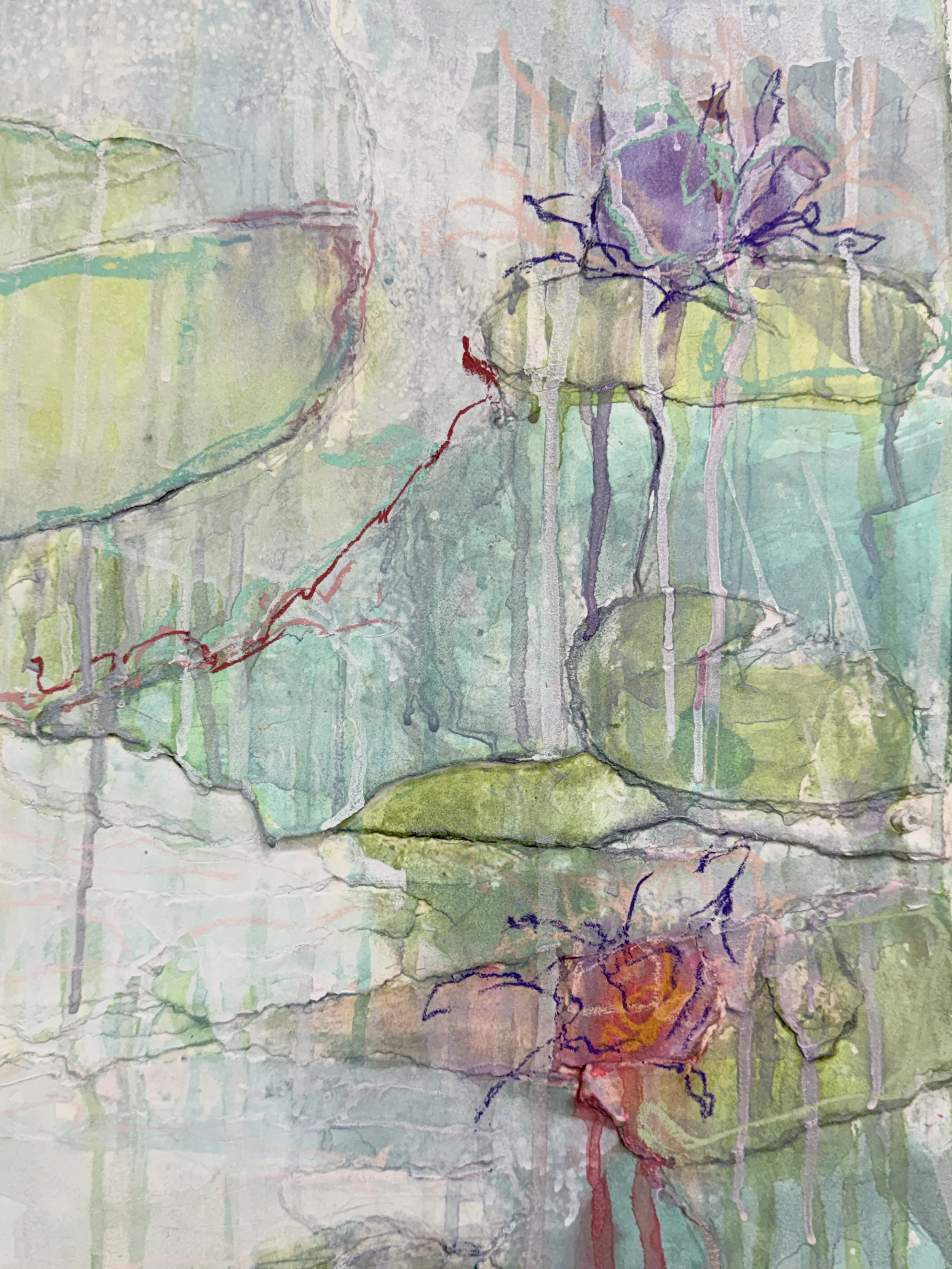
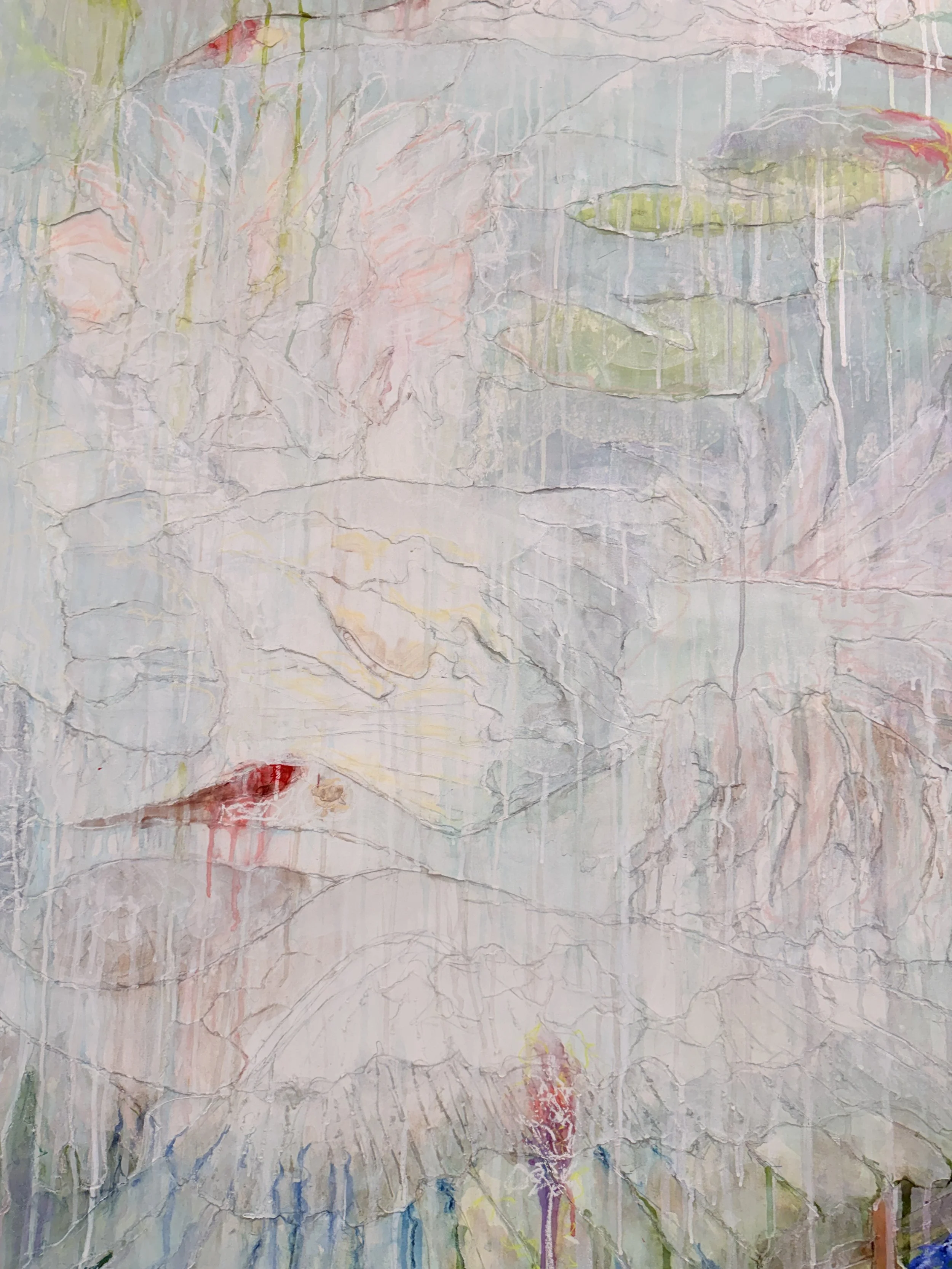
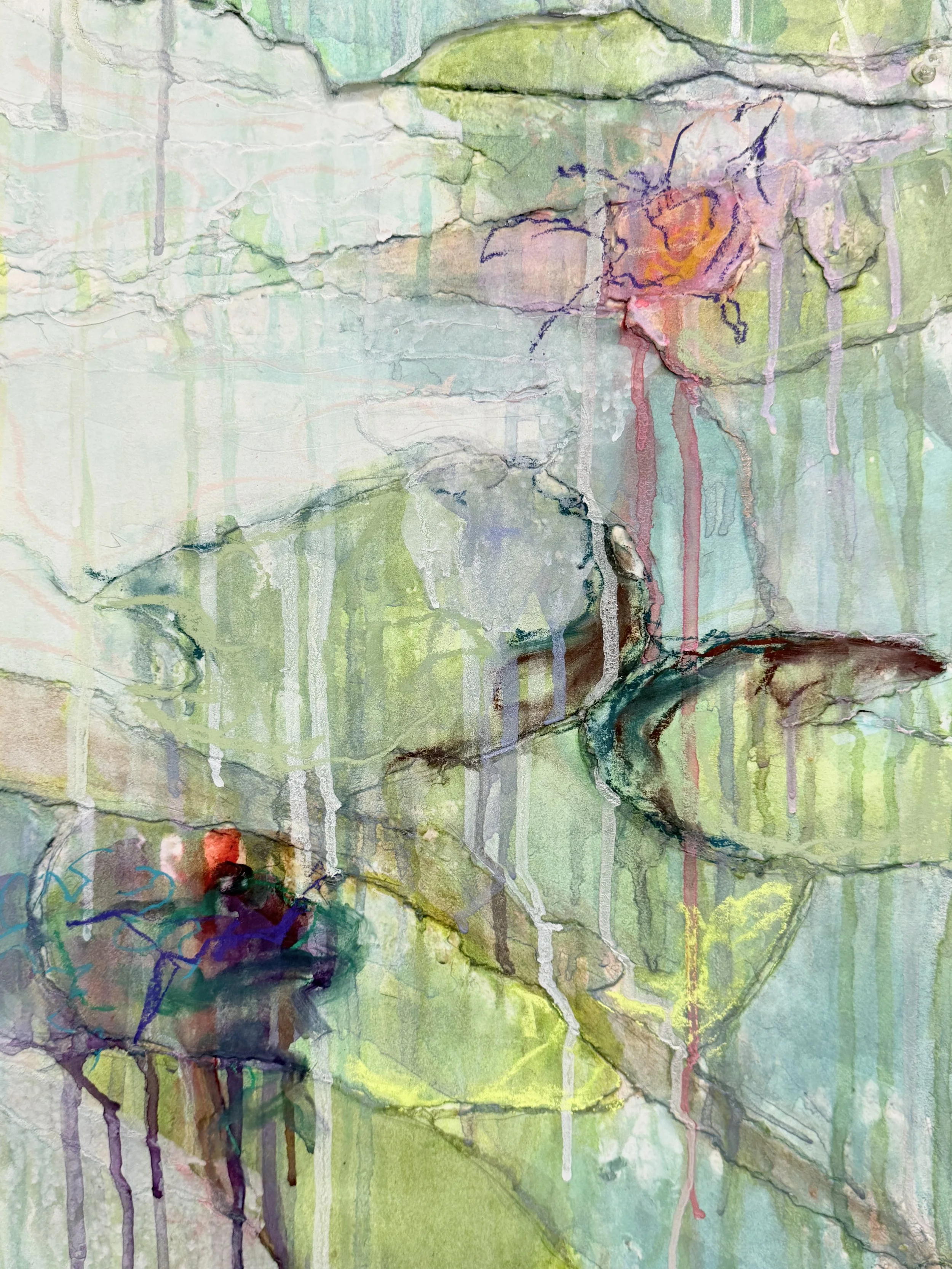
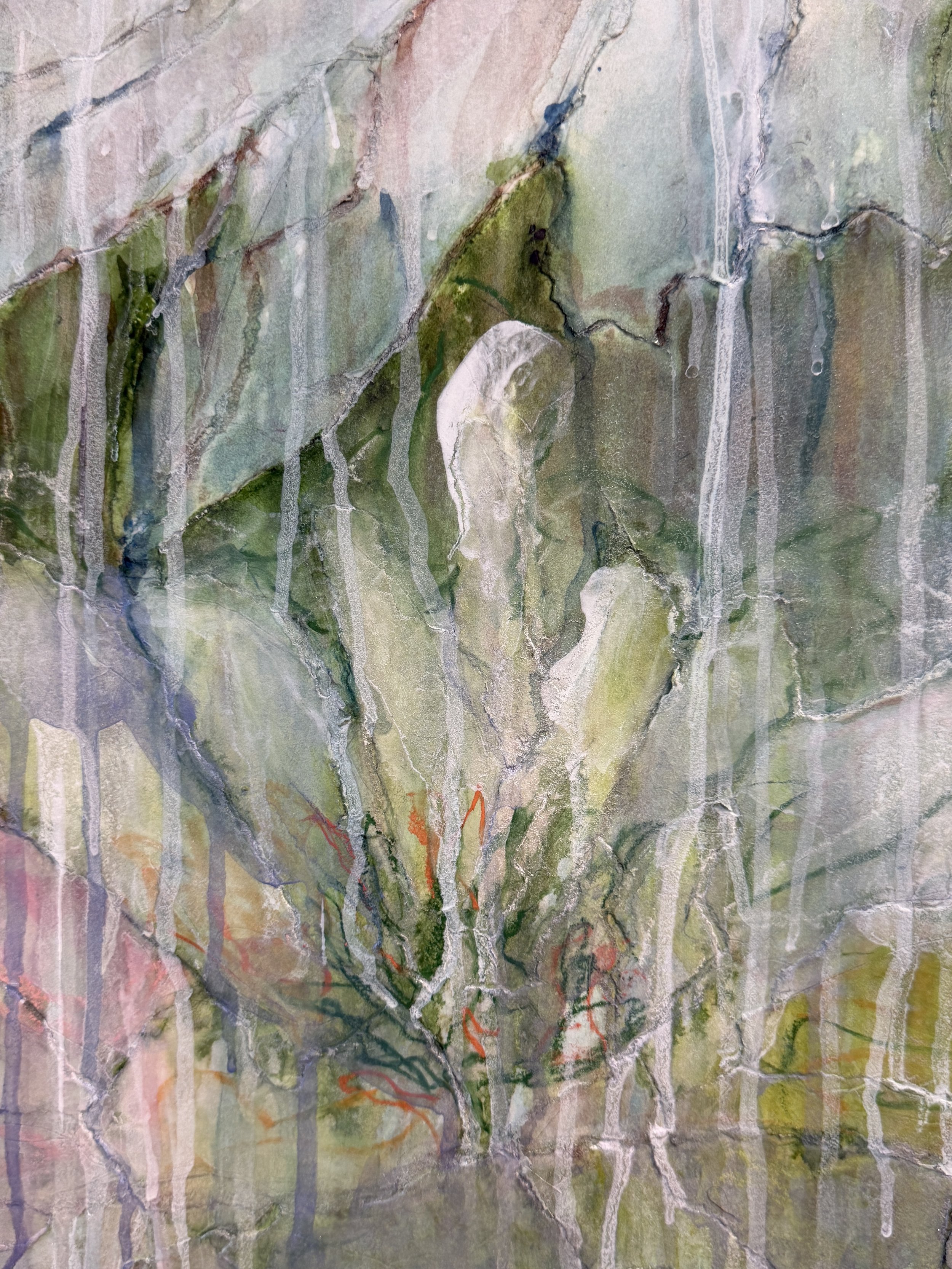
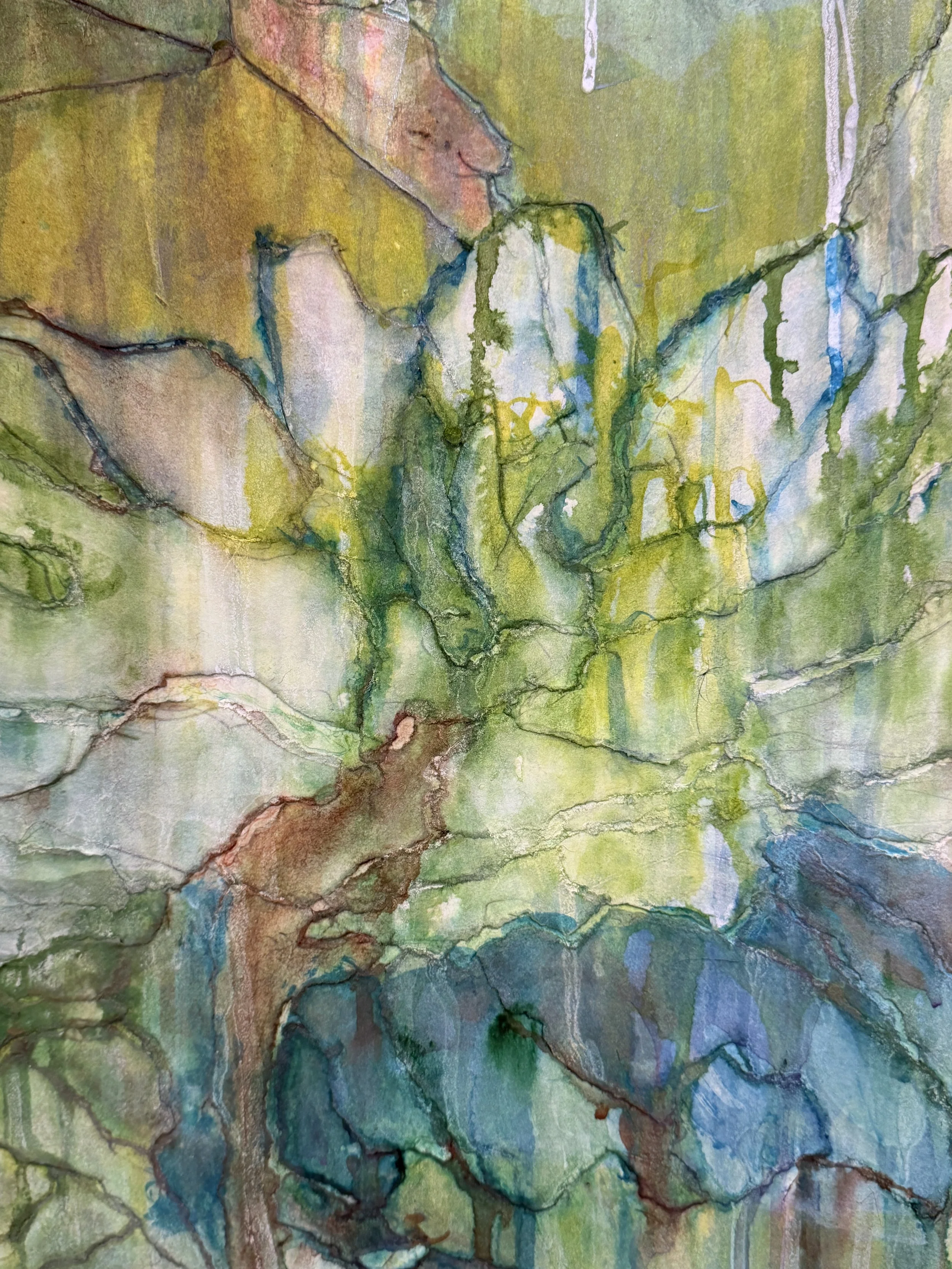
THE DAY THE WIND DREW

An Introduction

Some invitations arrive like weather — unexpected, and carrying something with them.

When Holly Josey reached out asking if I would curate her exhibition for FotoFest, I said yes before I fully understood why. That is, I think, the only honest way to say yes. You feel the pull of something before you can name it. You trust the tug.
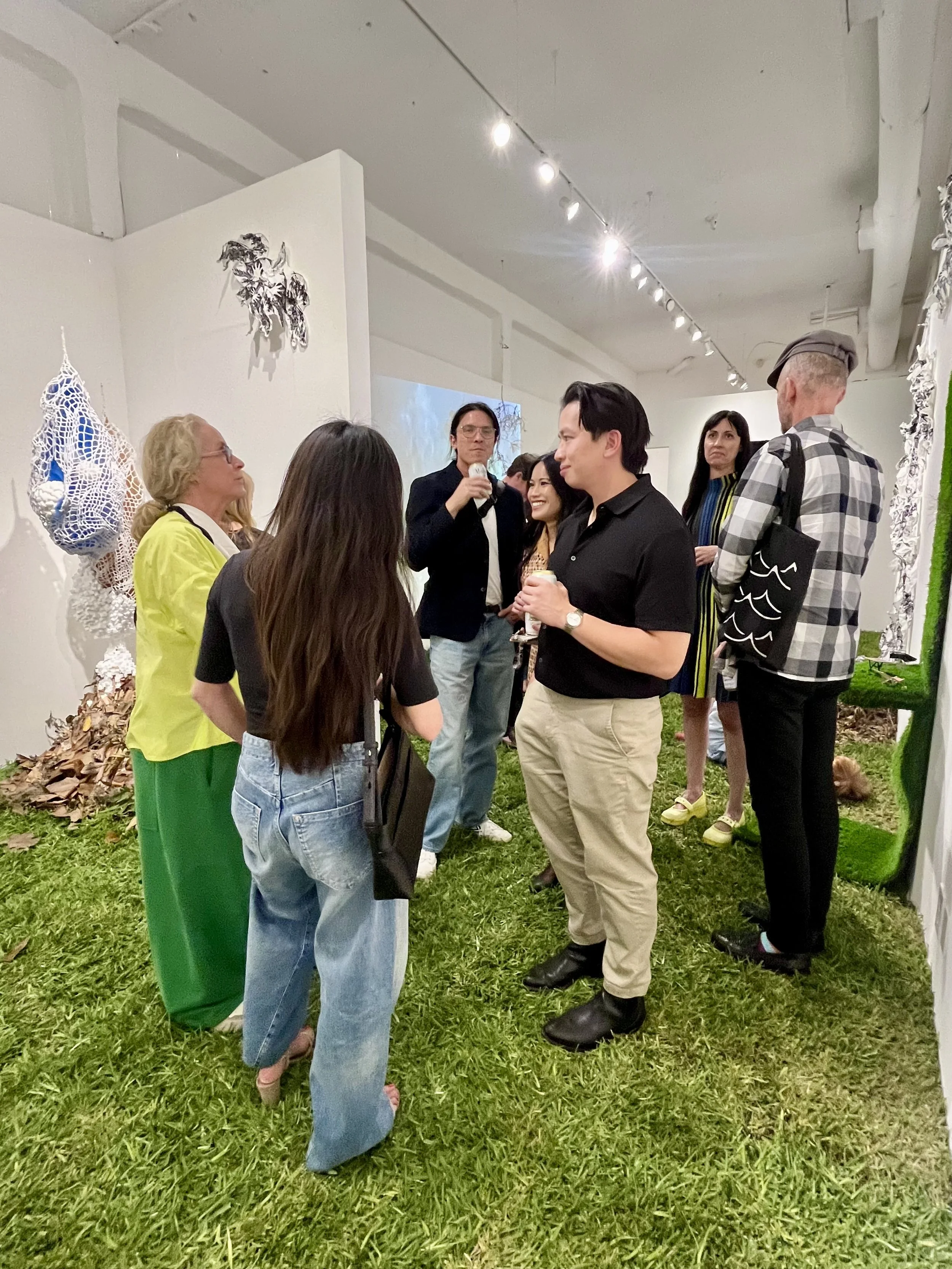
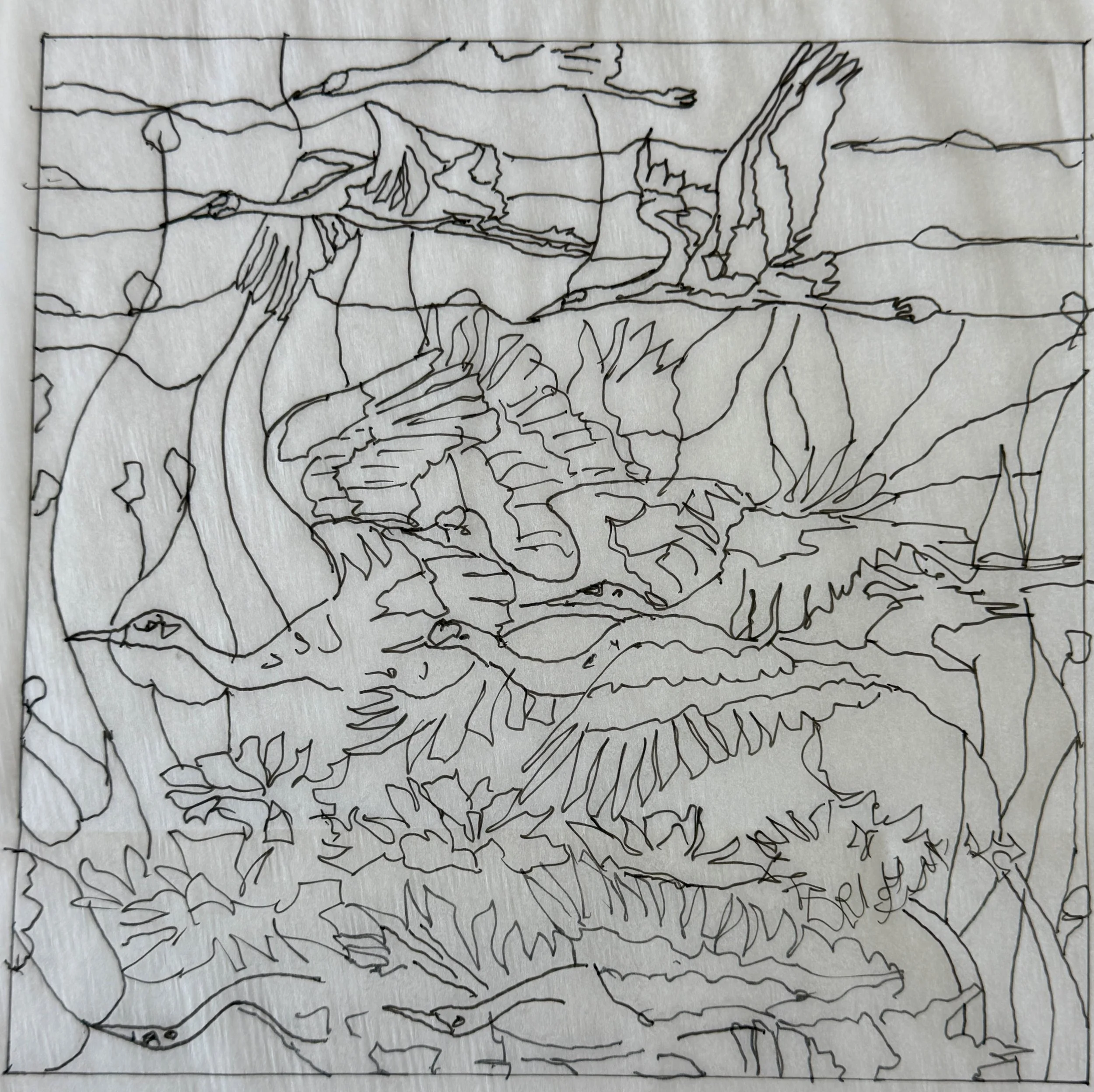
What I did know was this: my own work has long been in conversation with the natural world. Gust, a body of work I’ve been developing for years, is rooted in wind — in its invisibility, its insistence, the way it shapes everything it touches without ever being seen directly. So when Holly described pens suspended from tree branches, left to draw whatever the wind drew, something in me recognized it immediately. Not as a concept. As a kinship.

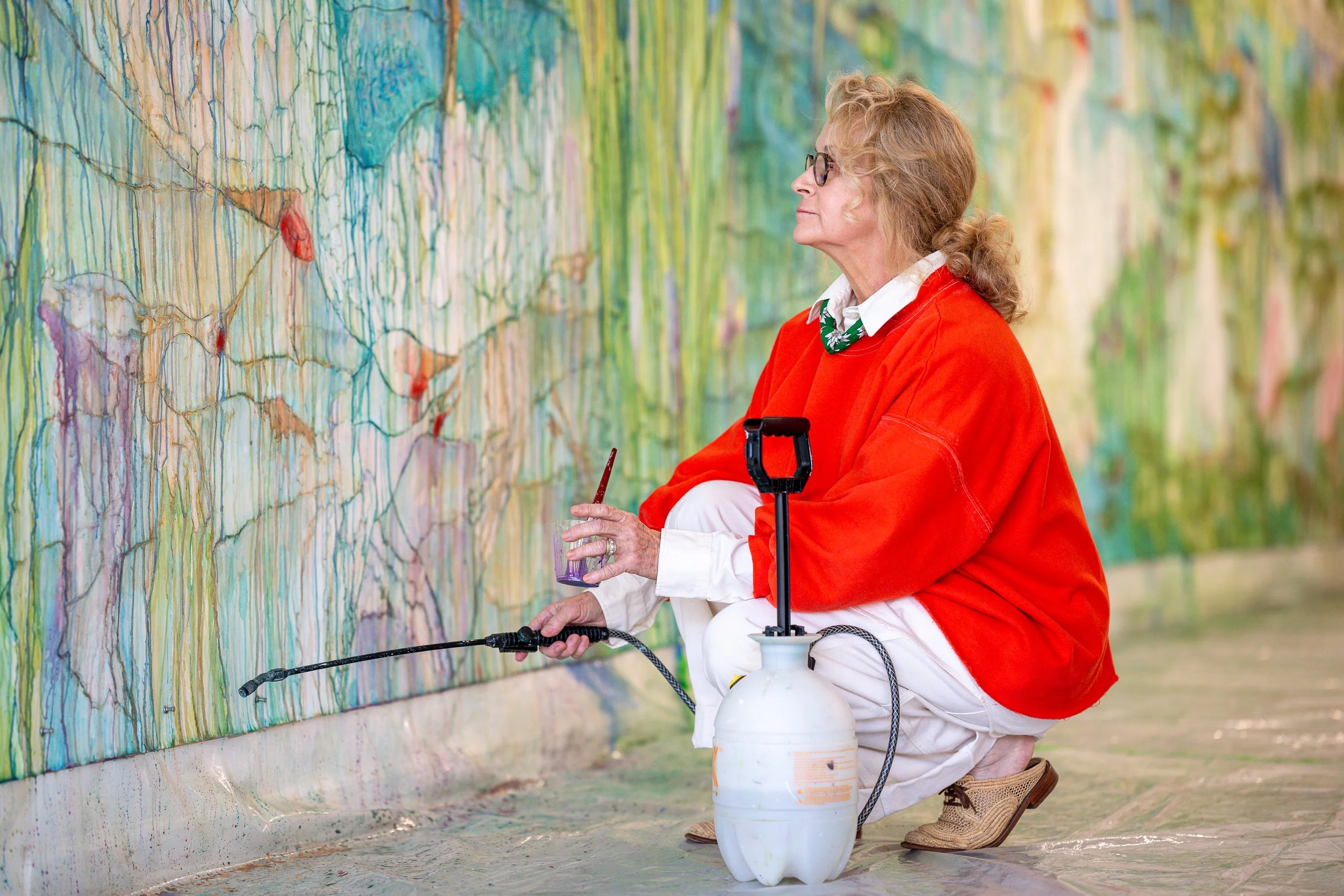
We began with a studio visit. She laid out everything — paintings, photographs, the tender evidence of a practice built on deep looking. What unfolded over those hours was something I’ve come to treasure in the work of curating: the slow revelation of an artist’s inner world. Holly’s relationship with the natural world isn’t borrowed or decorative. It is structural. It holds everything up.
Getting to know a new artist who listens this carefully to nature — who is willing to hand the pen to the wind and mean it — lifts something in me. It reminds me why I make work, why I say yes, why paying close attention is never wasted.

Saying yes, I’ve learned, is its own form of letting go.

THE DAY THE WIND DREW

Curator’s Statement

There are two questions underneath all of these works — what does it mean to let go? And what does nature already know? Holly Josey answers these questions with open hands.

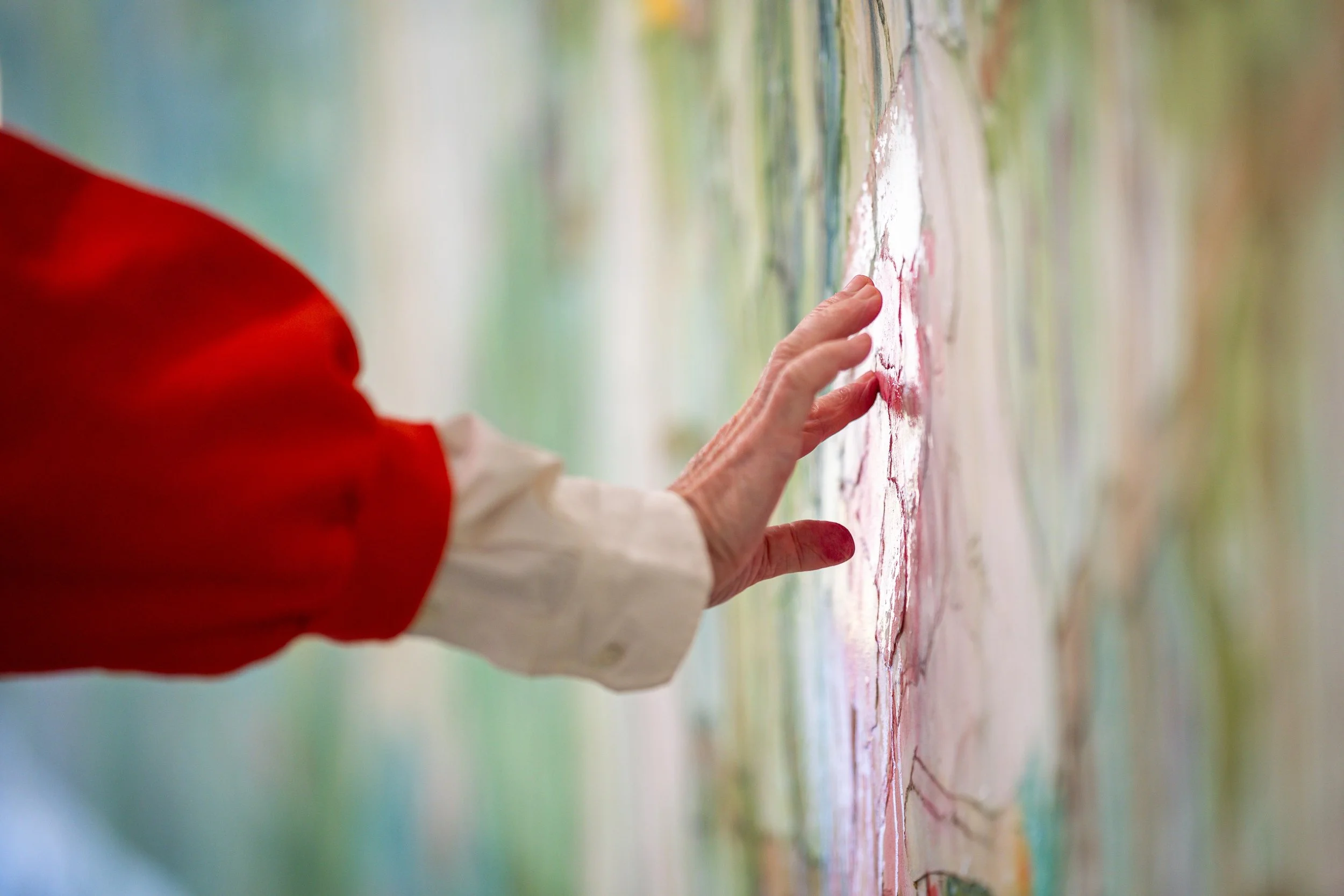
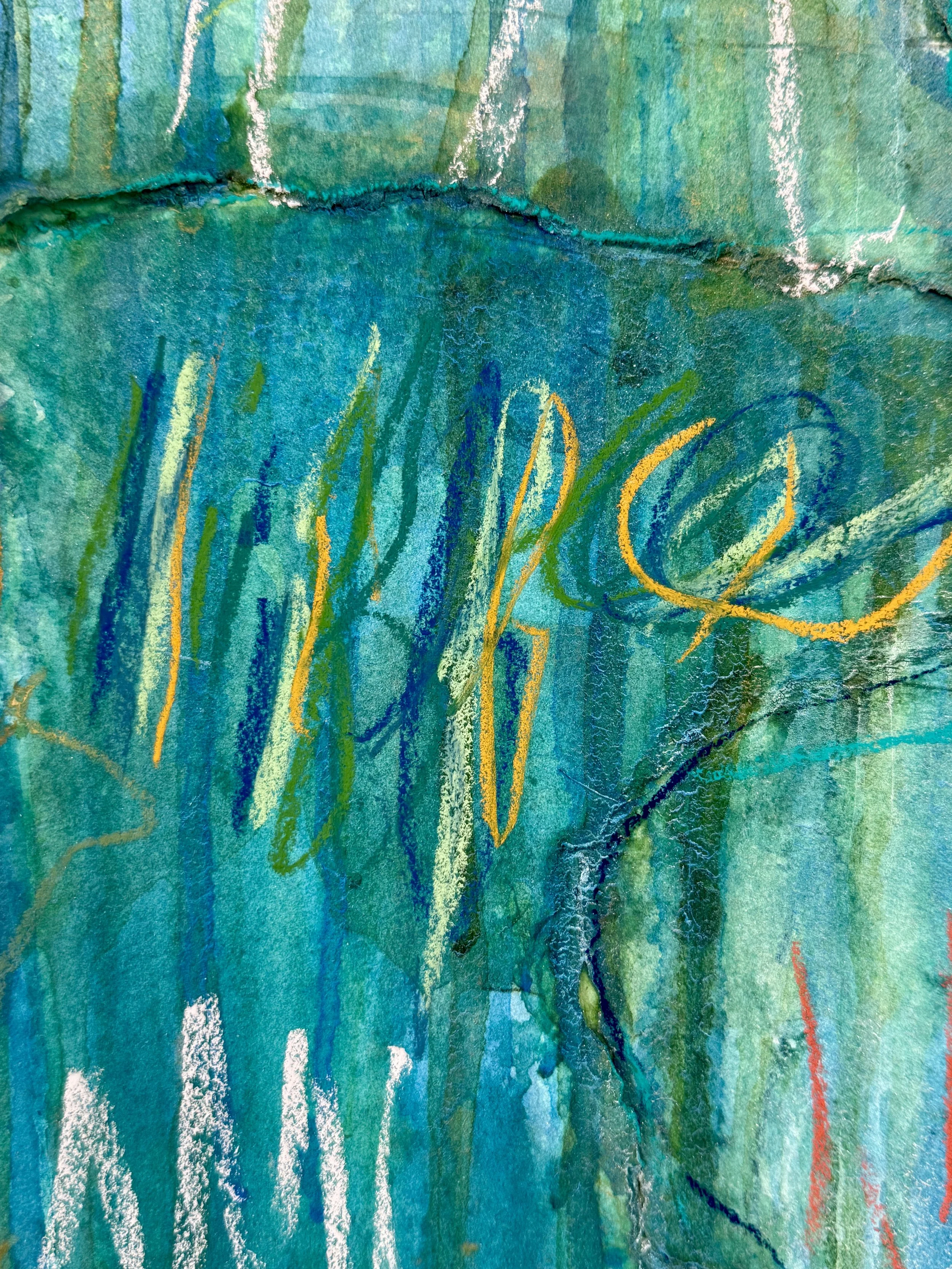
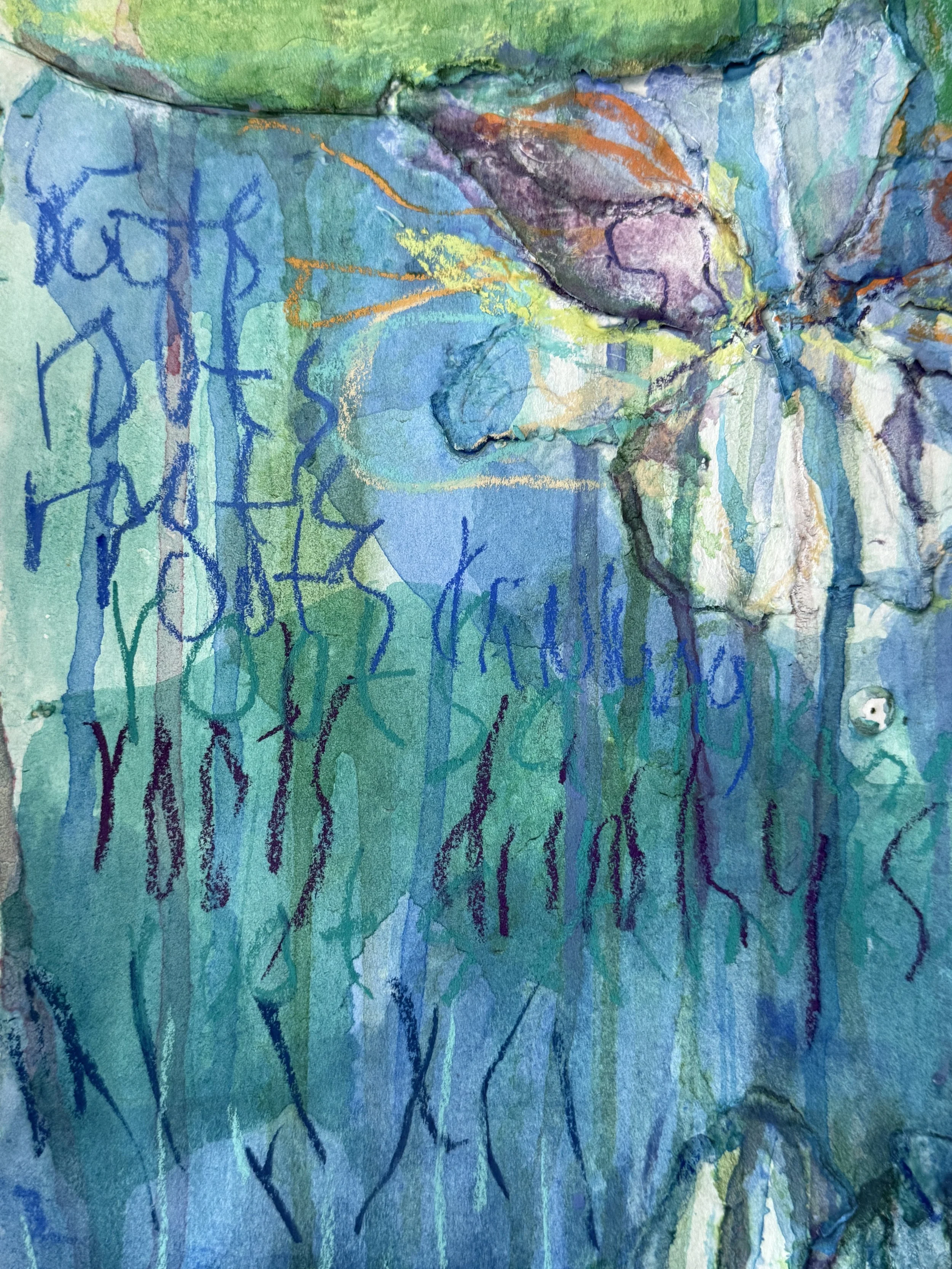
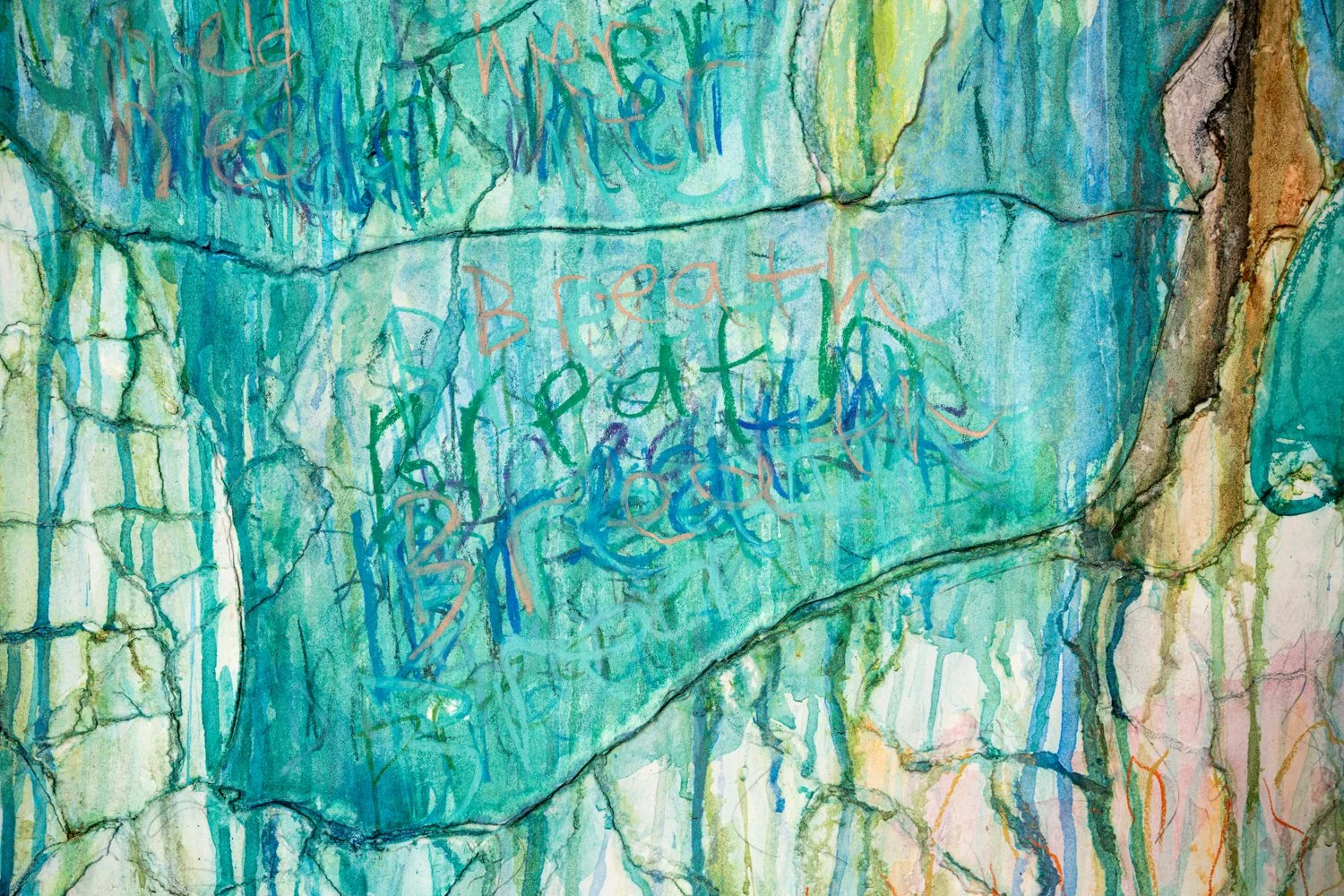
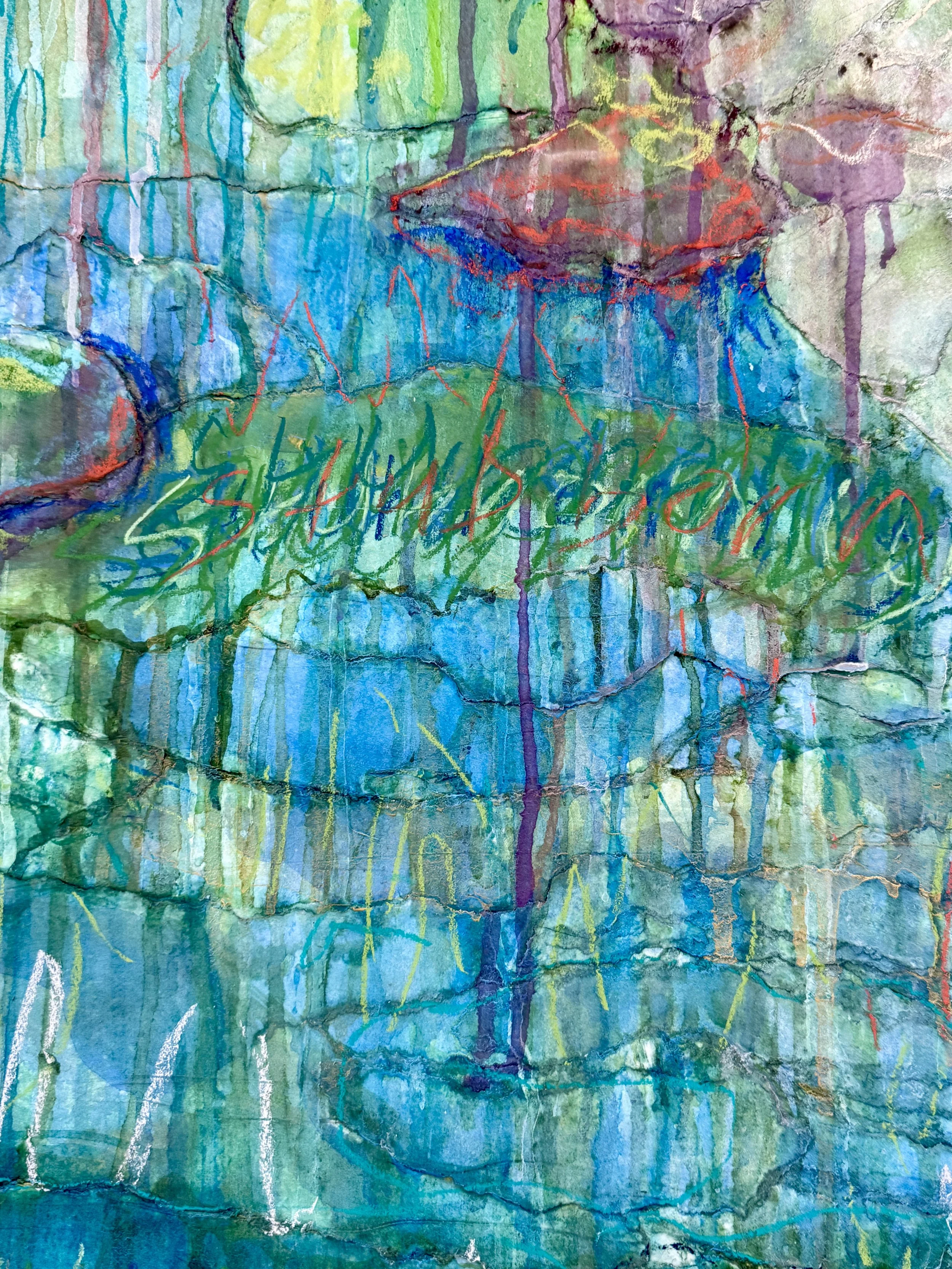
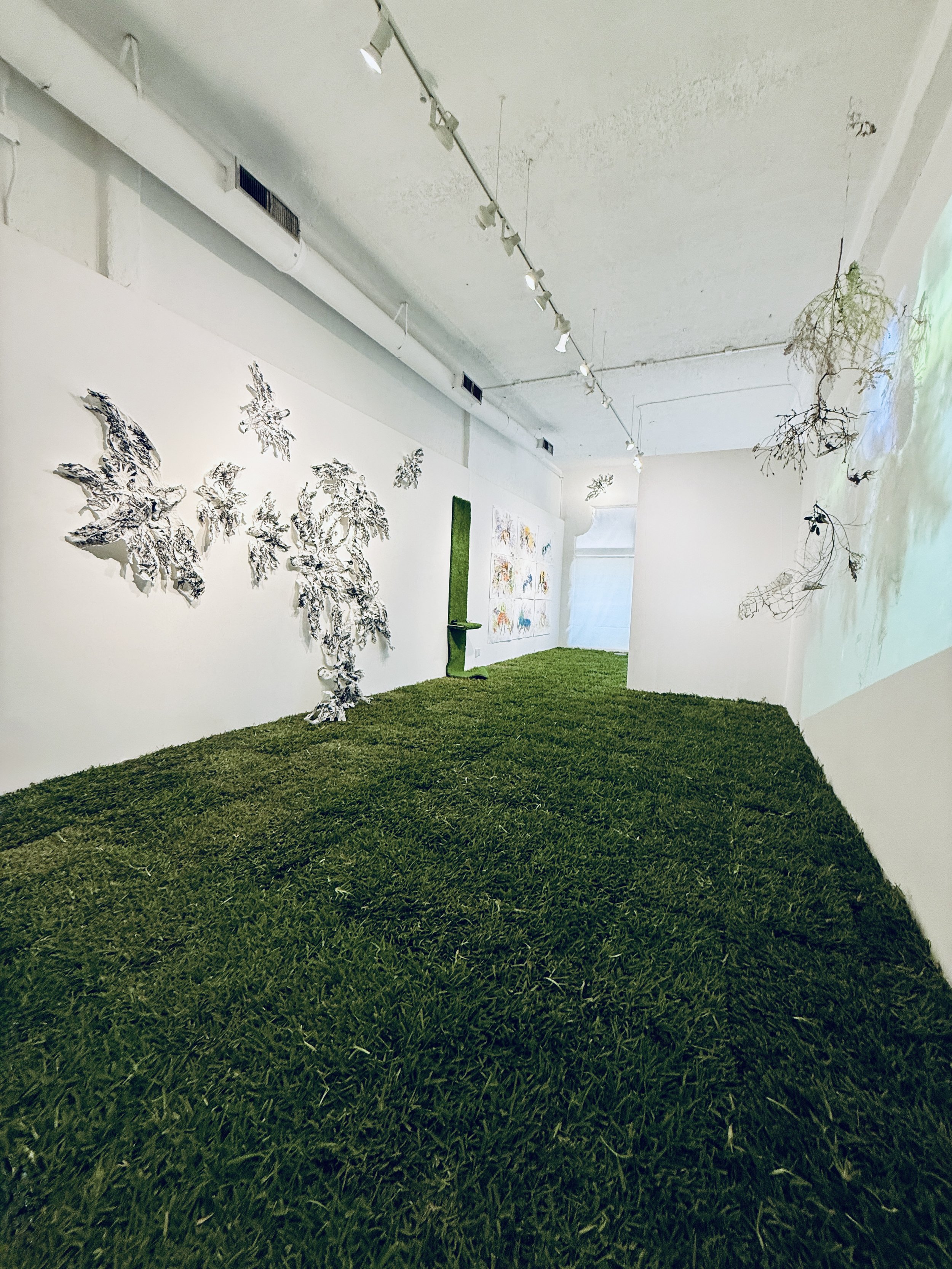
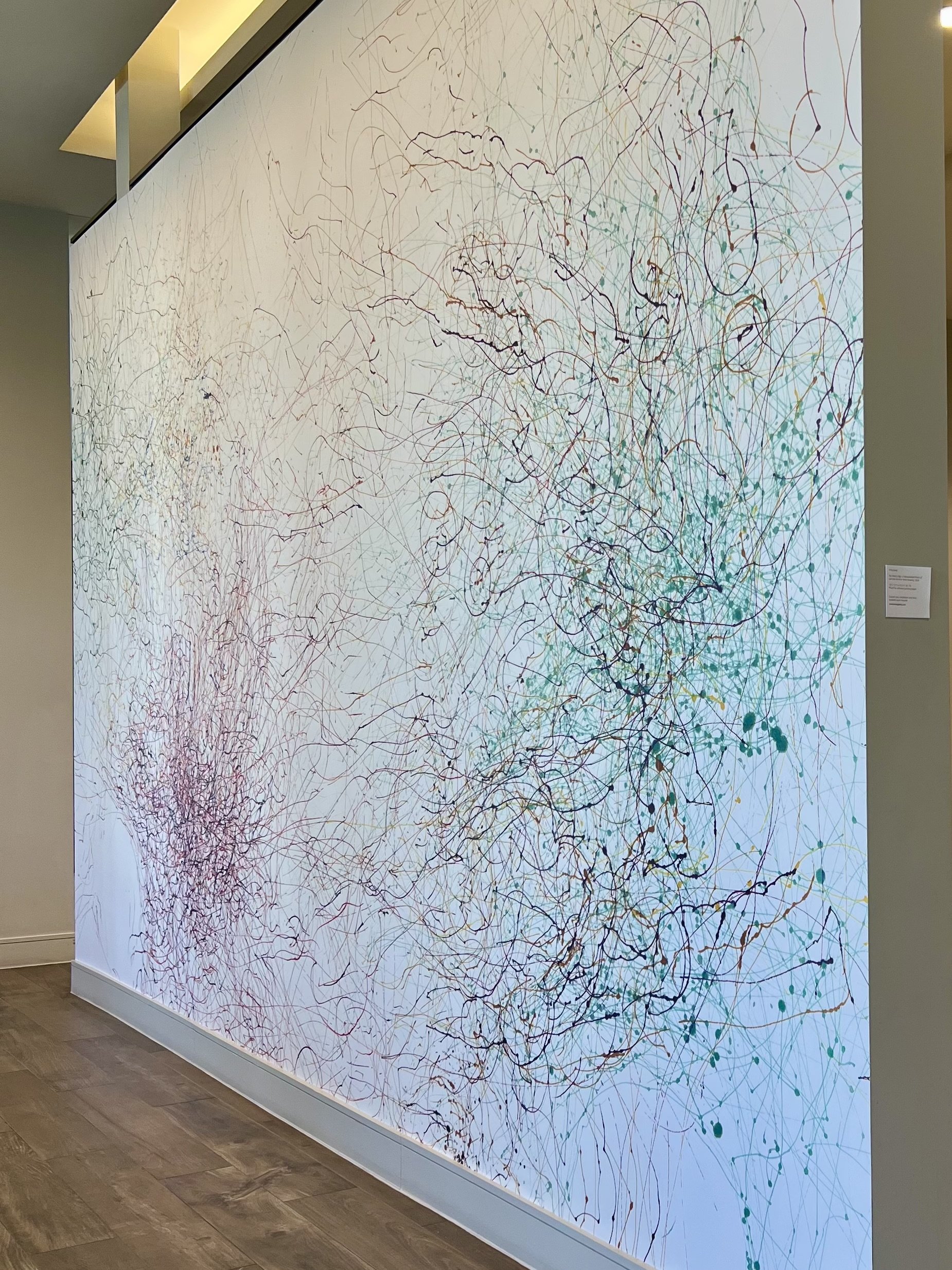
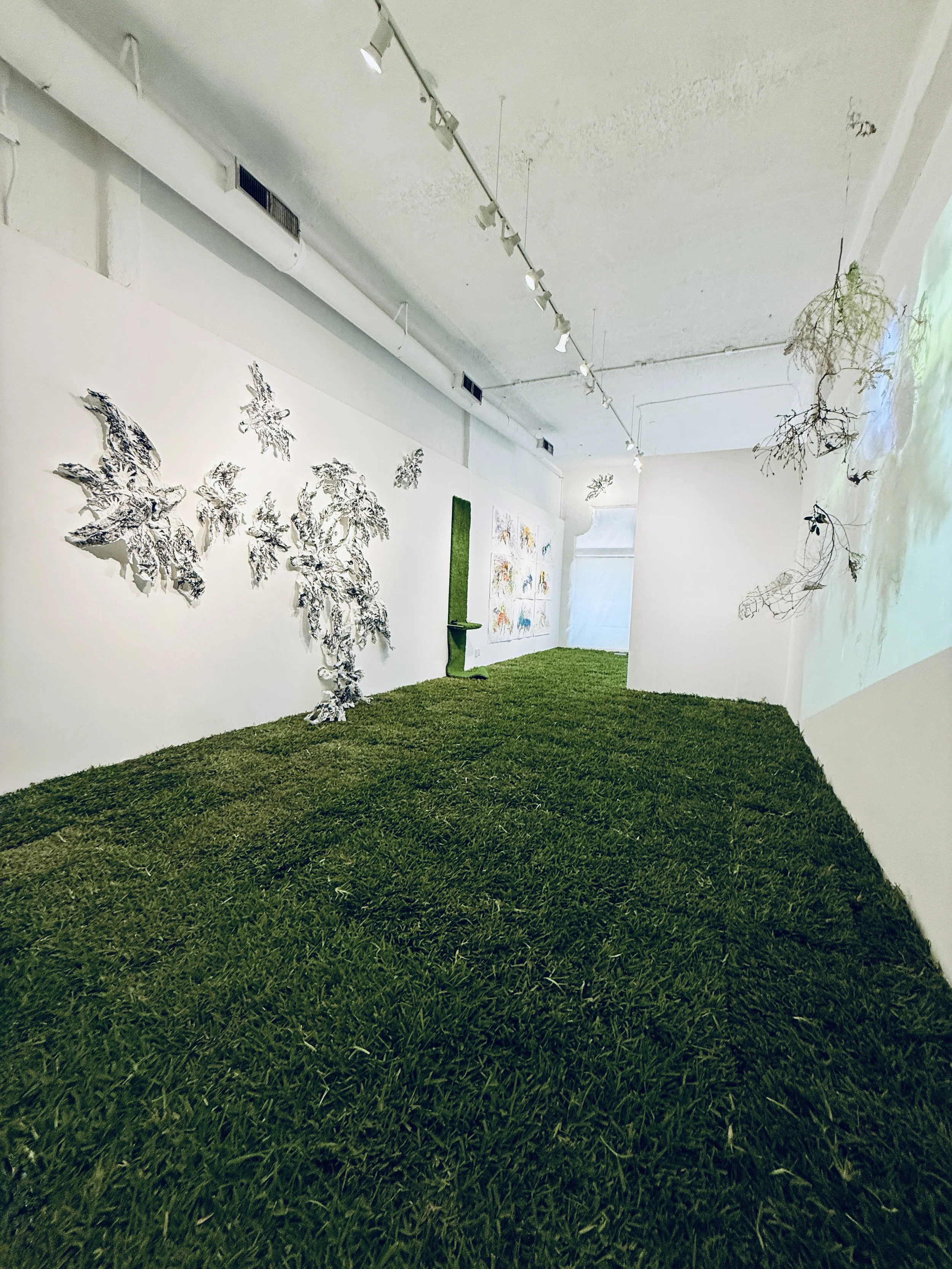
Holly Josey’s exhibition The Day the Wind Drew began with a simple act: pens suspended from tree branches, left to move however the wind moved them. Over hours and days, the marks accumulated — not chosen, not corrected, just received. The original work is intimate — 84 inches, on paper — but the wind is not intimate. It is vast, so the wind’s drawing was photographed and printed at monumental scale, filling a 10.5 by 18-foot wall. What remains is a kind of frozen breath, a single moment pulled from an endless series of compositions.

As a curator who works as both an eco-artist and a citizen scientist, I am drawn to what is happening in this work on a deeper level. We are living in a moment when it is dawning on us — slowly, and not without resistance — that the natural world’s intelligence has been unfolding since long before we arrived. The wind has its own logic. The tree has its own memory. Natural systems have been perceiving, connecting, and evolving for far longer than we have. To make art with them, rather than simply from or of them, feels urgent right now. It feels necessary.

It calls to mind something Marcel Duchamp understood a long time ago — that an artist does not have to be the one holding the brush at the final stroke. When his large glass work was damaged in transit, shattering into a web of cracks, Duchamp did not mourn it. He called it finally finished. The accident had completed it. Earlier still, he had let threads fall from a height and fixed their landing exactly as they landed — chance crystallized into form. He was making room for the world to collaborate.
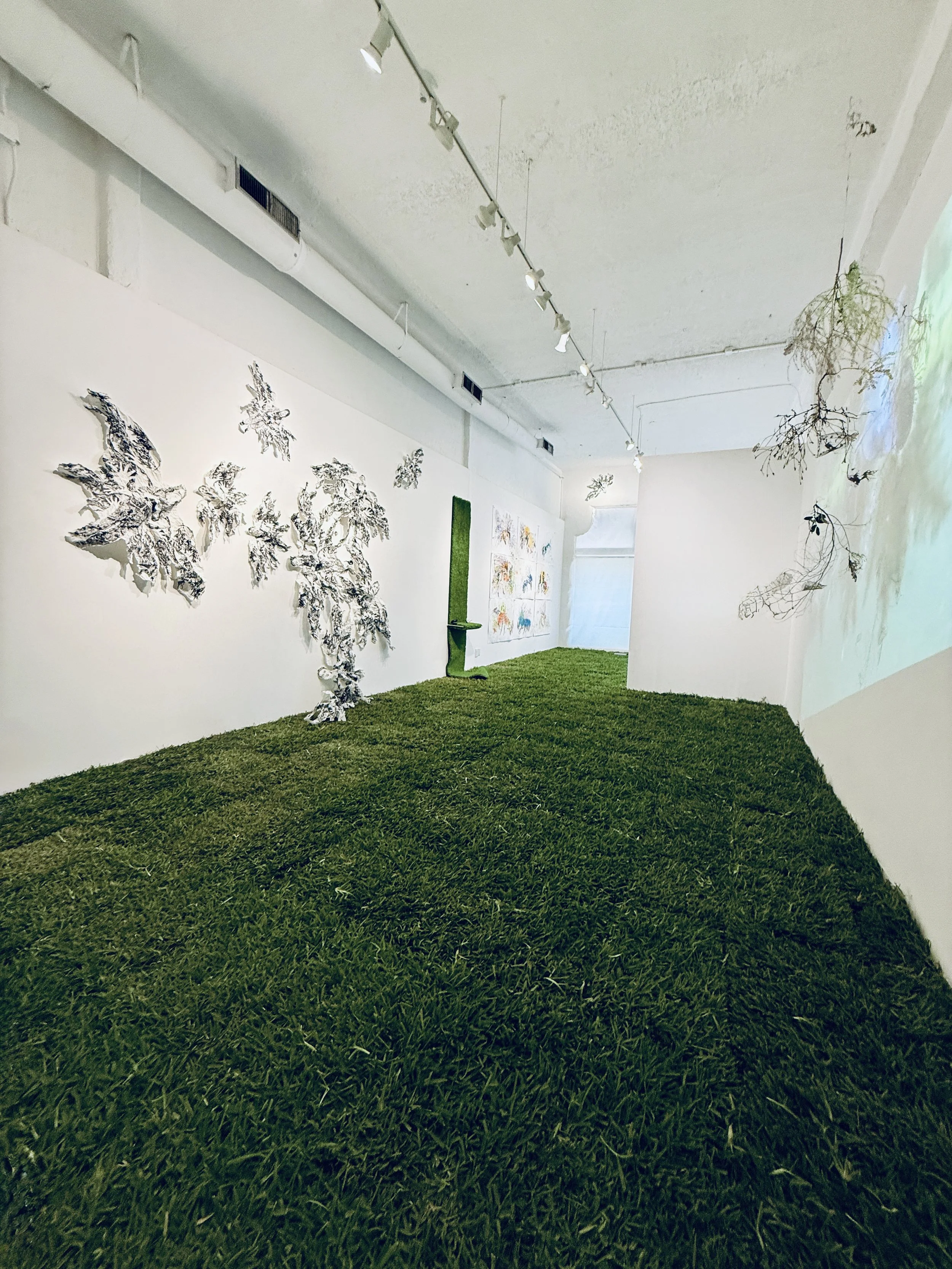
Josey does the same, only her collaborators are alive. The tree. The wind. Time itself. These are not abstractions — they are presences in the room with you as you look. The erratic lines on her paper are evidence of a relationship, a conversation carried on without words between the viewer and the elements. This is what any artist or citizen scientist recognizes: that watching carefully, without forcing a conclusion, is itself a form of knowledge. That the most beautiful things happen at the fringes, in the borders, in the unexpected moments when you let go.

This is what connects everything in this exhibition. Not a style, not a medium, but a willingness to not know exactly what will happen — and to begin anyway. To stay open to risk. To let the work breathe. To learn, as natural systems have always learned, by paying close attention to what the world is already doing.

Cindee Travis Klement

www.cindeeklement.com

The Tyranny of Tidy

In Defense of the Uninvited — Part II

There is a particular kind of anxiety that lives at the edge of an unmowed lawn. You can feel it from the sidewalk — the low-grade disapproval radiating off a neighbor’s glance, the HOA letter with its careful language about community standards and property values. We all know this pressure. Many of us have bent to it.

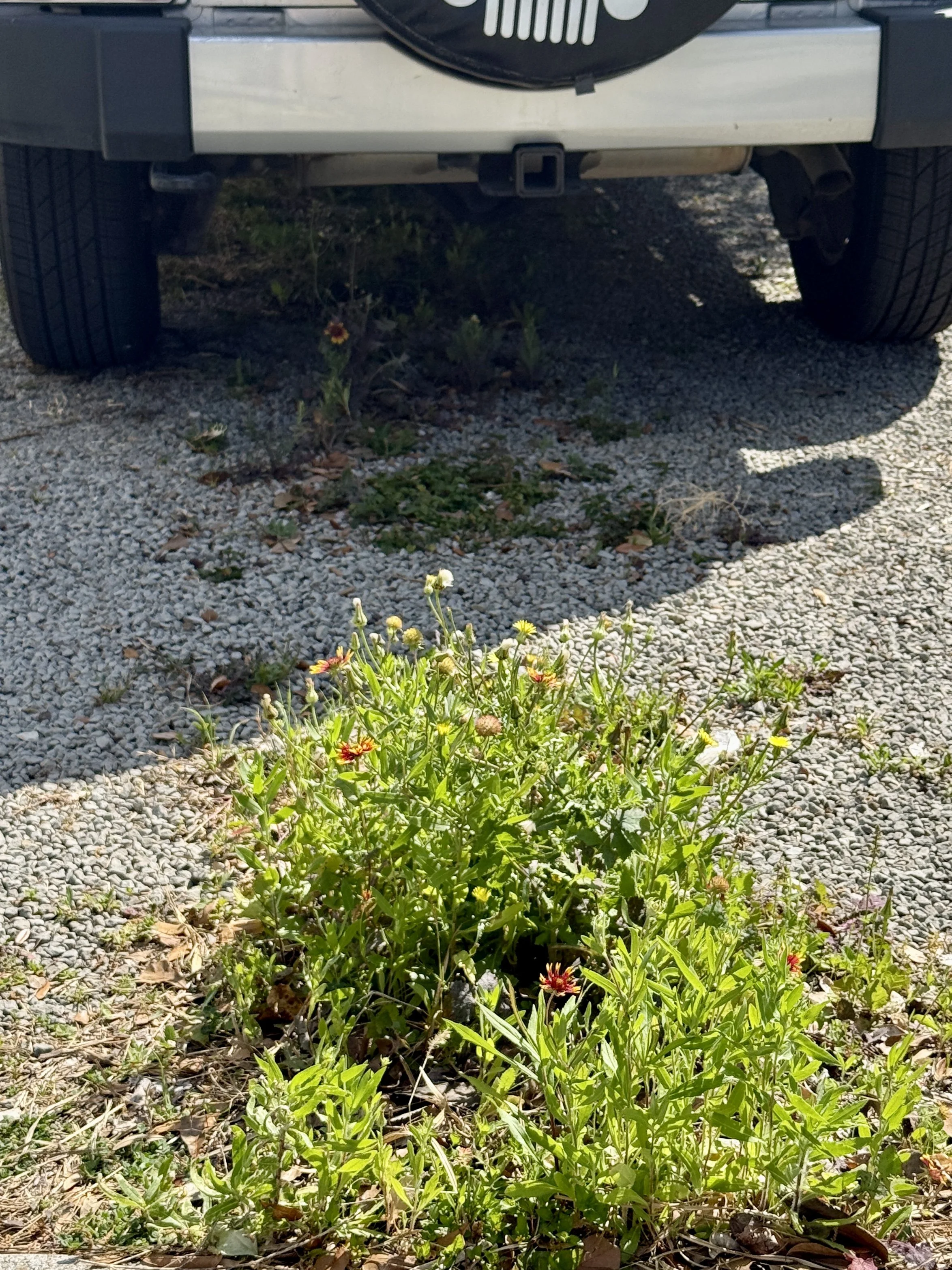
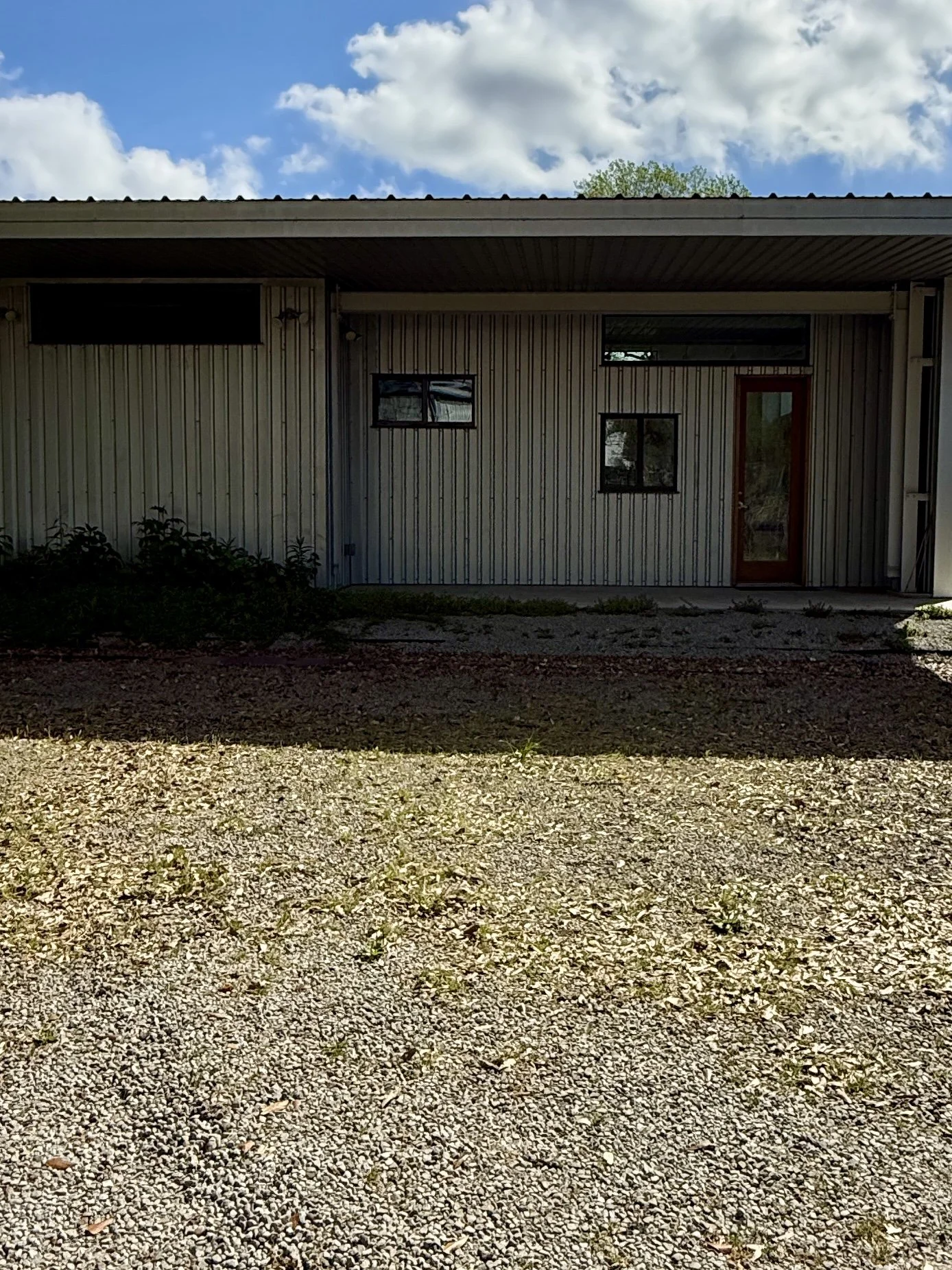
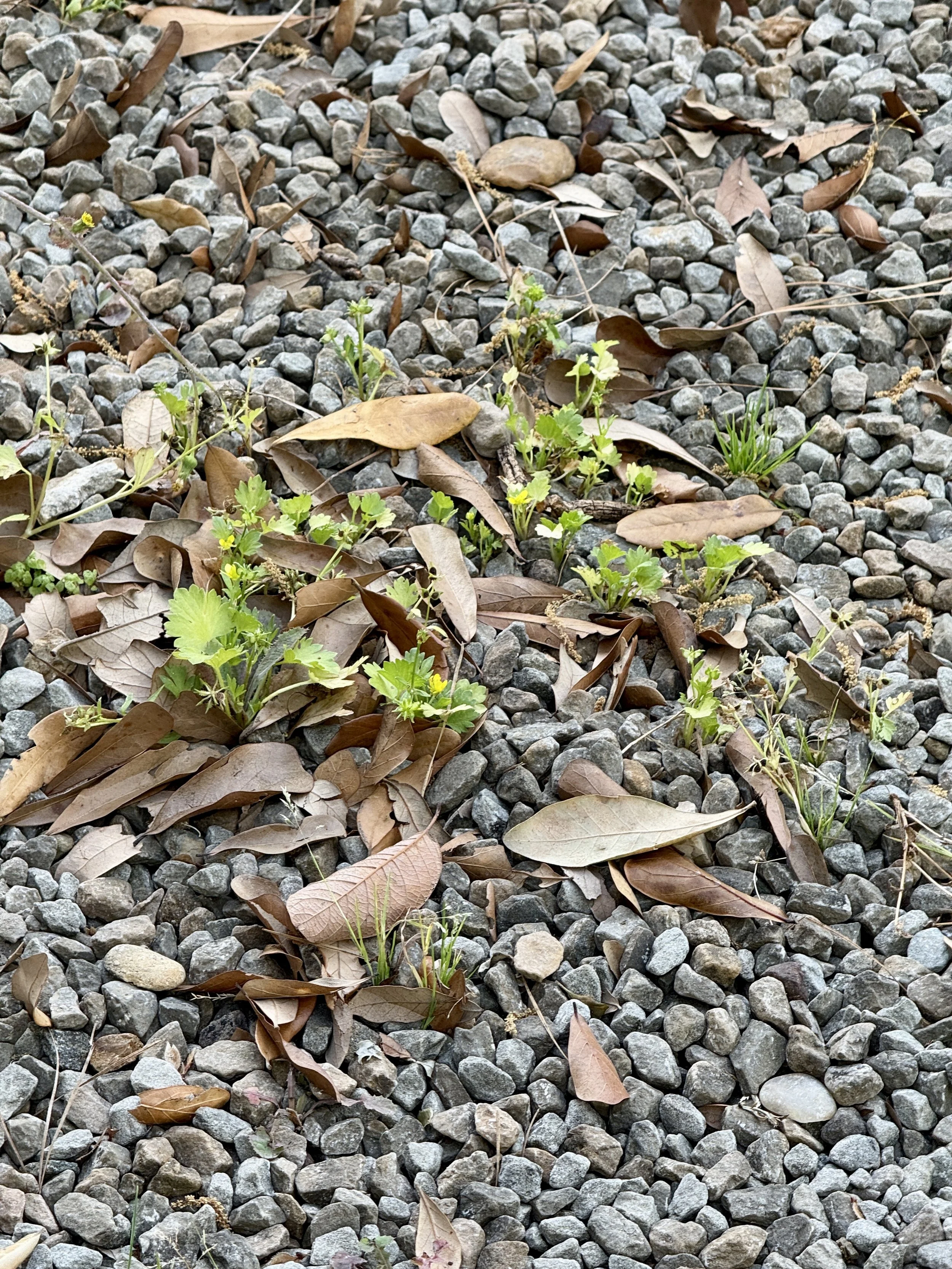
I feel it too. At my own eco-art studio, mid-restoration, volunteer plants have started pushing up through the gravel parking lot this spring. In modern aesthetic terms, it looks unkempt. Do I groom the lot because that is what looks cared for to the human eye, or do I do what I preach? First, what I preach is holistic, meaning every situation is different and I have to look at the bigger picture. And if I did want to clean it up — how? I won’t use pesticides. Pulling them is more work than I can manage. I could burn them with a torch, which releases carbon — leaving the lot neat, but barren. I know this option well. It’s what I did all last summer. I feel the pull of that option still. If the entrance looks controlled, does that make visitors more willing to accept the wildness in the garden beyond? That question — how much tidiness do we owe society before we’re allowed to let something live — is exactly what this essay is about.

But where does that feeling actually come from? Why does an unruly patch of goldenrod or a volunteer elderberry pushing up through the fence line produce something closer to alarm than curiosity?

The ancient part of your brain that kept your ancestors alive is genuinely afraid of the tall grass. It is scanning for the snake, the bobcat, the thing with teeth. It wants visibility. It needs control.

That instinct is old. It is wired in. The impulse to clear, to see, to know what’s out there — it kept people alive across tens of thousands of years. We are not wrong to have it.

But we are living in a different world now, and that old circuitry is misfiring. The danger is no longer the rattlesnake in the grass. The danger is the bare ground. The landscape stripped of everything living in the name of control, safety, and the appearance of order.

Consider what that reflex, scaled up across millions of properties and across vast stretches of agricultural land, is actually producing. The fires in Colorado. The fires in California. The flood on the Guadalupe on the Fourth of July. Hurricane Harvey. To name a few. The heat domes that park over cities for days — fed not just by hot pavement and bare urban lots, but by the barren heat radiating off monoculture fields left fallow between seasons. We call these natural disasters — as if nature did this to us, unprovoked.

Extreme weather is increasingly weather that gets stuck. When large amounts of dark surfaces and bare ground absorb and radiate heat, they create heat domes — and the pressure those domes generate is what prevents weather from moving across the landscape. Living plant systems — their moisture, their transpiration, their cooling and breathing — help move weather across the landscape. Strip those systems out and replace them with hot pavement and monoculture lawn, and you remove the very mechanisms that keep weather moving.

What would it take to shift not just individual behavior but the aesthetic itself — to make living, layered, uninvited-welcoming landscapes look like what they actually are: acts of intelligence? Acts of care?

The weeds already know what to do. The seeds are in the soil, waiting. Life is not asking permission. It is ready to come back the moment we stop yanking it out.

The question isn’t whether the land can recover. The question is whether we can — from this idea that control is the same thing as care. That bare is the same thing as clean.

The greatest threat humanity faces isn’t what’s hiding in the weeds.

It’s that we cut them all down.

What a Purple Black-Eyed Susan in Sequel Taught Me About Resilience.

What a Purple Black-Eyed Susan in Sequel Taught Me About Resilience

I was walking through Sequel — my living sculpture — when I noticed it. A cluster of Black-eyed Susans with leaves gone deep, moody purple. My first instinct was something’s wrong. But the more I looked, the more I wanted to understand what was actually happening.

So I went down the rabbit hole.

Turns out, that purple color isn’t a disease. It’s not dying. It’s responding. When a Black-eyed Susan experiences stress — cold nights, too much rain, soil that can’t deliver the phosphorus it needs — it produces something called anthocyanin. A pigment. A protective chemical the plant makes just to cope.

The same pigment that colors blueberries. Red cabbage. Autumn maples.

The plant doesn’t collapse under pressure. It changes color.

I’ve been sitting with that ever since.

So much of what we call “damage” in nature is actually adaptation. The purple leaf isn’t broken — it’s communicating. It’s shifting its internal chemistry in response to its environment, doing what it needs to survive. And the wild thing is, once the soil warms up, once the water drains, once the nutrients find their way through — it can return to green. It was never permanently altered. Just temporarily transformed.

This is exactly why I built Sequel. Not to display nature at its most polished, but to live inside its full cycle — the struggle, the adaptation, the quiet recovery. Sequel keeps showing me things I didn’t plan for, didn’t design, couldn’t have predicted. A purple leaf on an ordinary Tuesday is its own kind of gift.

As an eco-artist, I want my work to carry this story. Not the version of nature that’s always blooming, always golden-hour perfect. But the version that goes purple when it’s cold. That shows the struggle on the outside. That adapts without pretending.

There’s a honesty in that I deeply respect.

If you ever spot a Black-eyed Susan going purple, give it a moment before you panic. Check the drainage. Watch the temperature. Maybe add a little bone meal if the soil’s been wet and cold. But also — just notice it. Let it remind you that stress responses aren’t failures. Sometimes they’re exactly what survival looks like.

Sequel keeps teaching me that. One plant at a time.

— 🌿

In Defense of the Uninvited

I think about weeds.

Not in an anxious, what-do-I-do-about-them way. More in a — wait, who decided these don’t belong here? — kind of way.

I look at these plants. Really look at them. They showed up, figured it out, and started doing the work. Nobody planted them. Nobody watered them. They just arrived, broke through whatever burning hot surface was available, and got on with it. You have to admire their spirit and determination.

We call them invasive. We call them a problem. And sometimes, they are. I am a die hard native plant enthusiast — however I have been uncomfortable with this reflex to yank out anything that wasn’t there before — particularly in cities, especially on abandoned lots and cracked pavement and post-industrial nowhere — as if those places had some pristine original state worth protecting.

They don’t. And these plants seem to know it.

Here’s what I’ve come to believe: weeds are Earth’s first responders. When the ground is left bare, tilled, stripped, burned, flooded, or just forgotten — Mother Earth sends them in. They are biologically programmed for the site’s specific conditions, temperature, moisture, daylight — speed healers. They lower soil temperatures, protect the earth’s surface, feed what lives below ground, slow rainwater, reduce erosion, sequester carbon. They show up precisely when and where they are needed most. They do not waste energy or resources.

Here’s what I’ve also noticed: the spots where something is growing — even the stuff we’re not supposed to want — are almost always healthier than the spots where we’ve cleared everything out in the name of keeping it native or neatly manicured. Bare ground isn’t neutral. It’s just… empty. It’s dead. And dead empty doesn’t really serve life.

So I’ve changed how I work. When a volunteer appears somewhere I wasn’t expecting it, I no longer yank it out in a knee-jerk response. I stop — look — think. Why was it sent in? What is it doing? Is it holding soil? Feeding something? Offering shade, cover, a landing pad? I weigh what it’s providing before I decide what to do about it.

The real question isn’t where did this come from? It’s what is it doing now that it’s here?

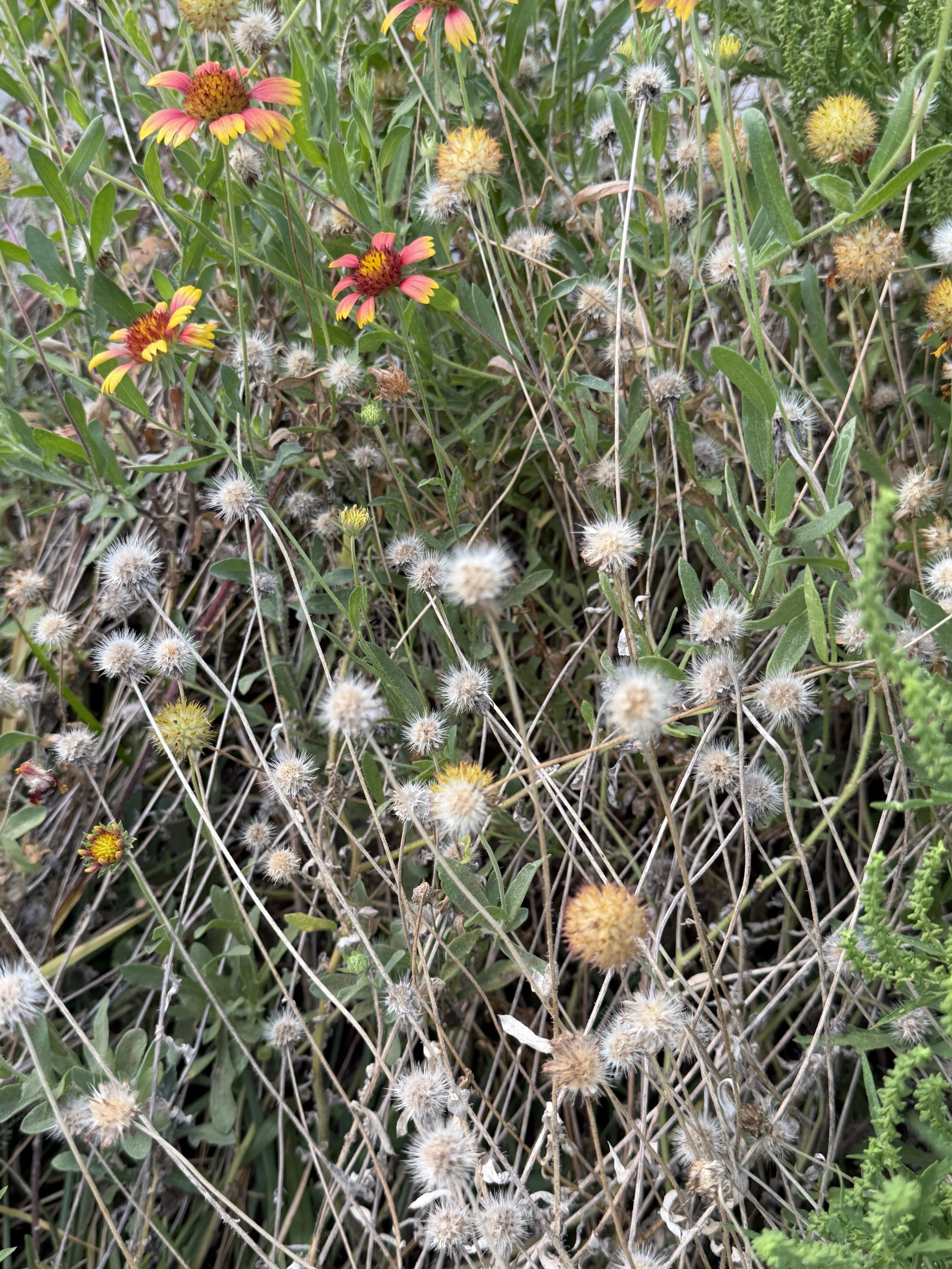
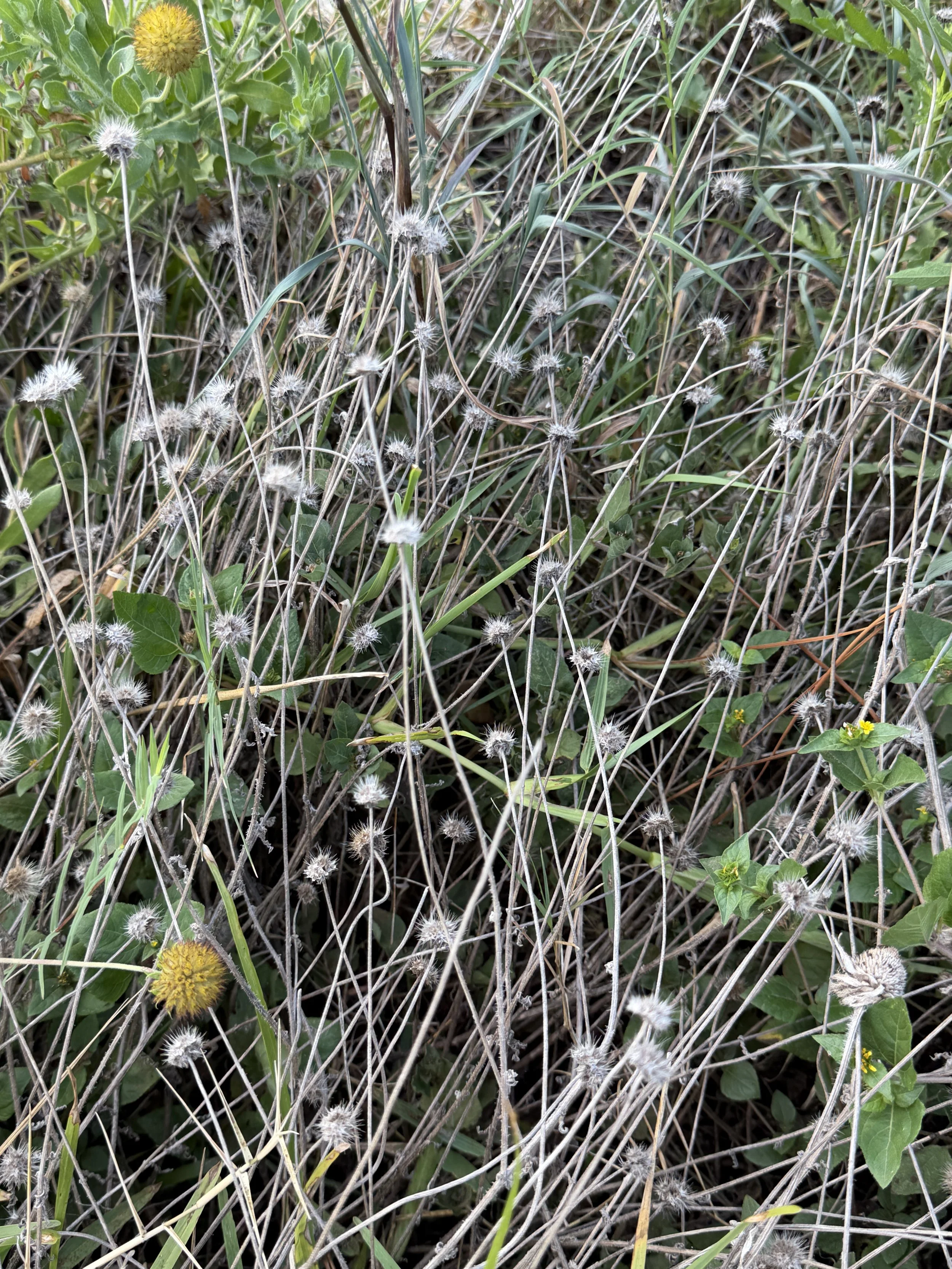
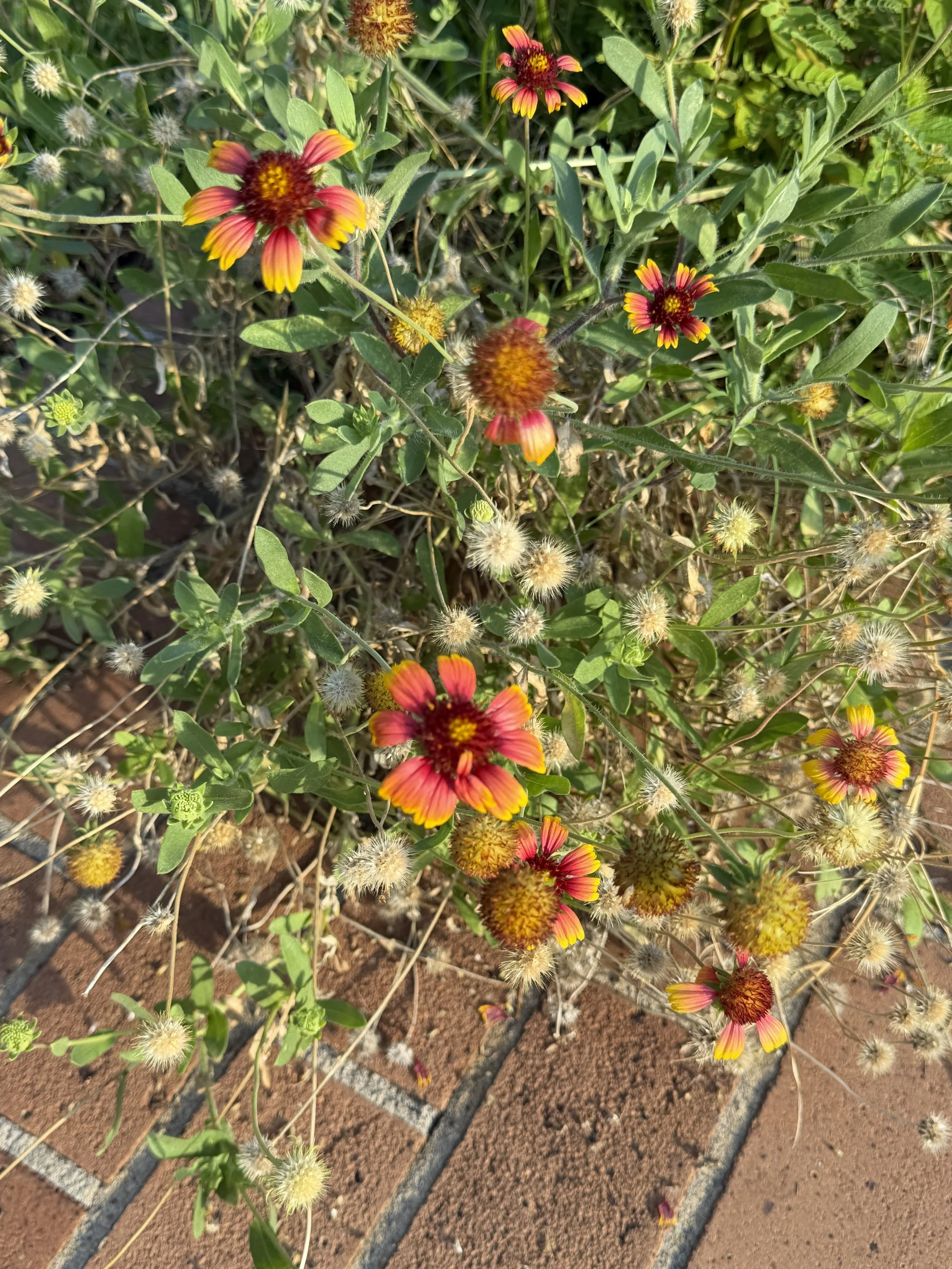
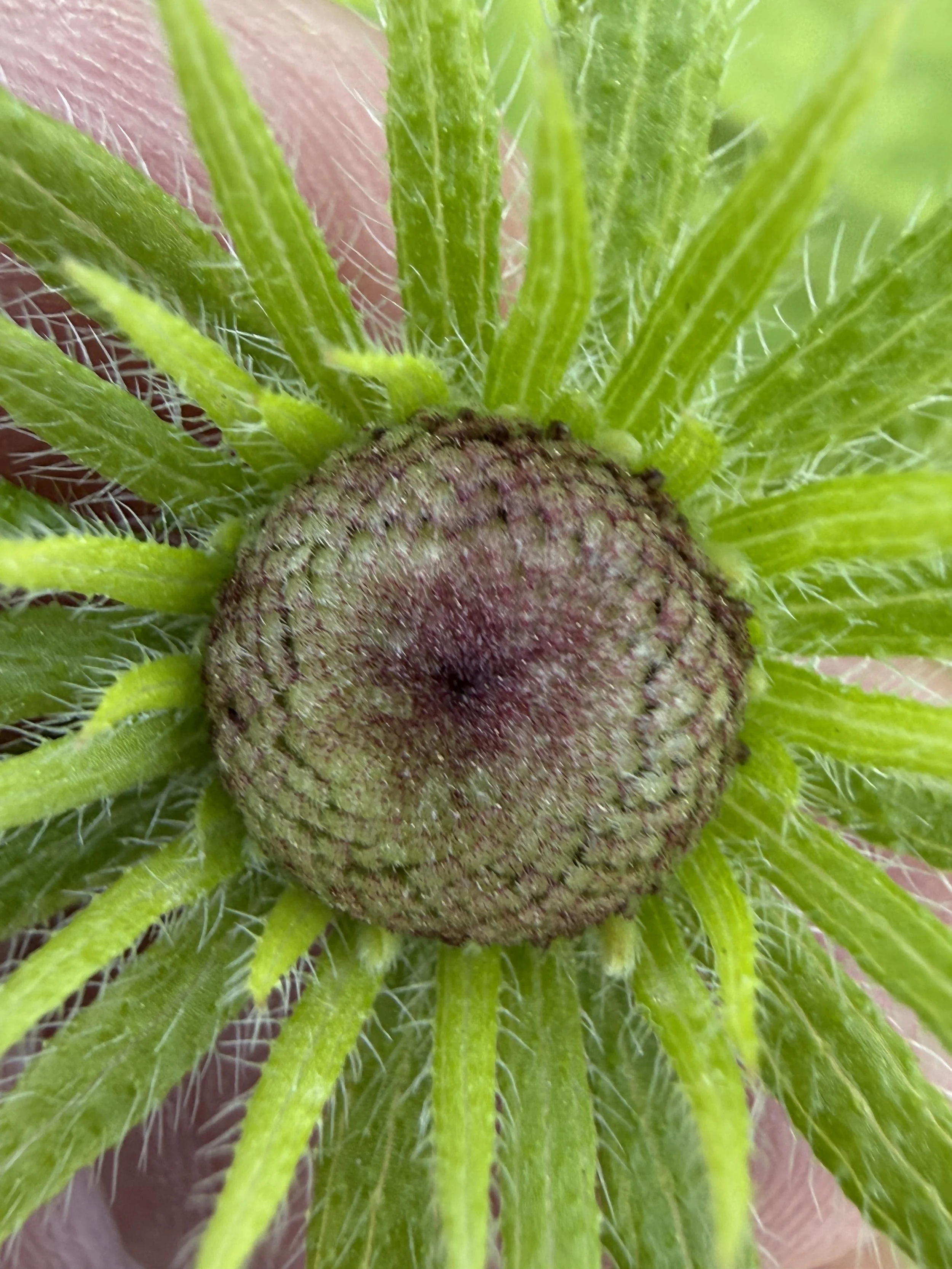
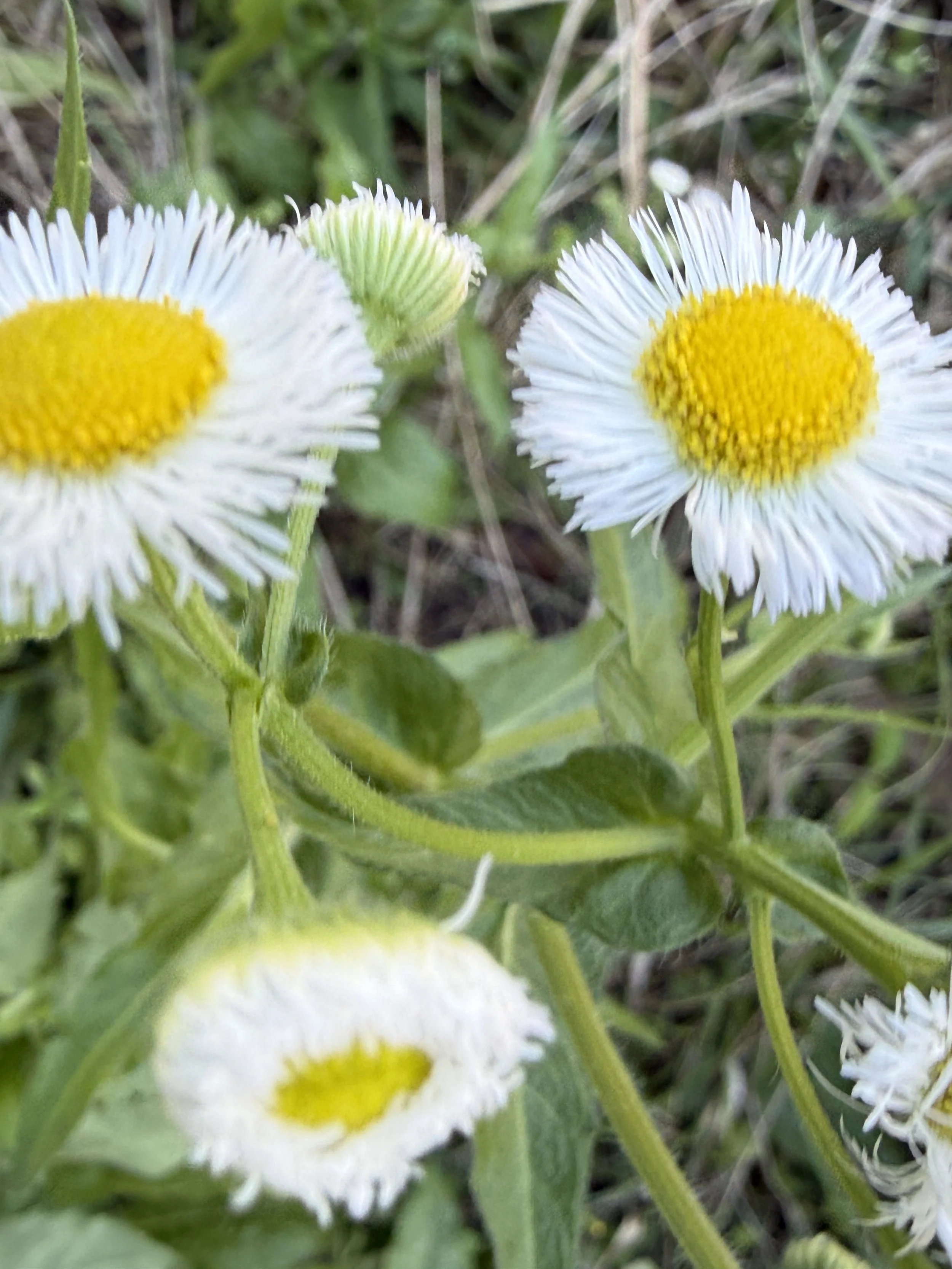
I’m not saying throw out the whole idea of caring about native ecosystems. I am still a die hard native plant enthusiast. I’m saying the city lot behind a parking garage is probably not the hill to die on. And the plants that moved in there — the ones in these photos — they’re working with what exists, not what existed.

There’s something I respect about that.

Just maybe they know what they are doing.

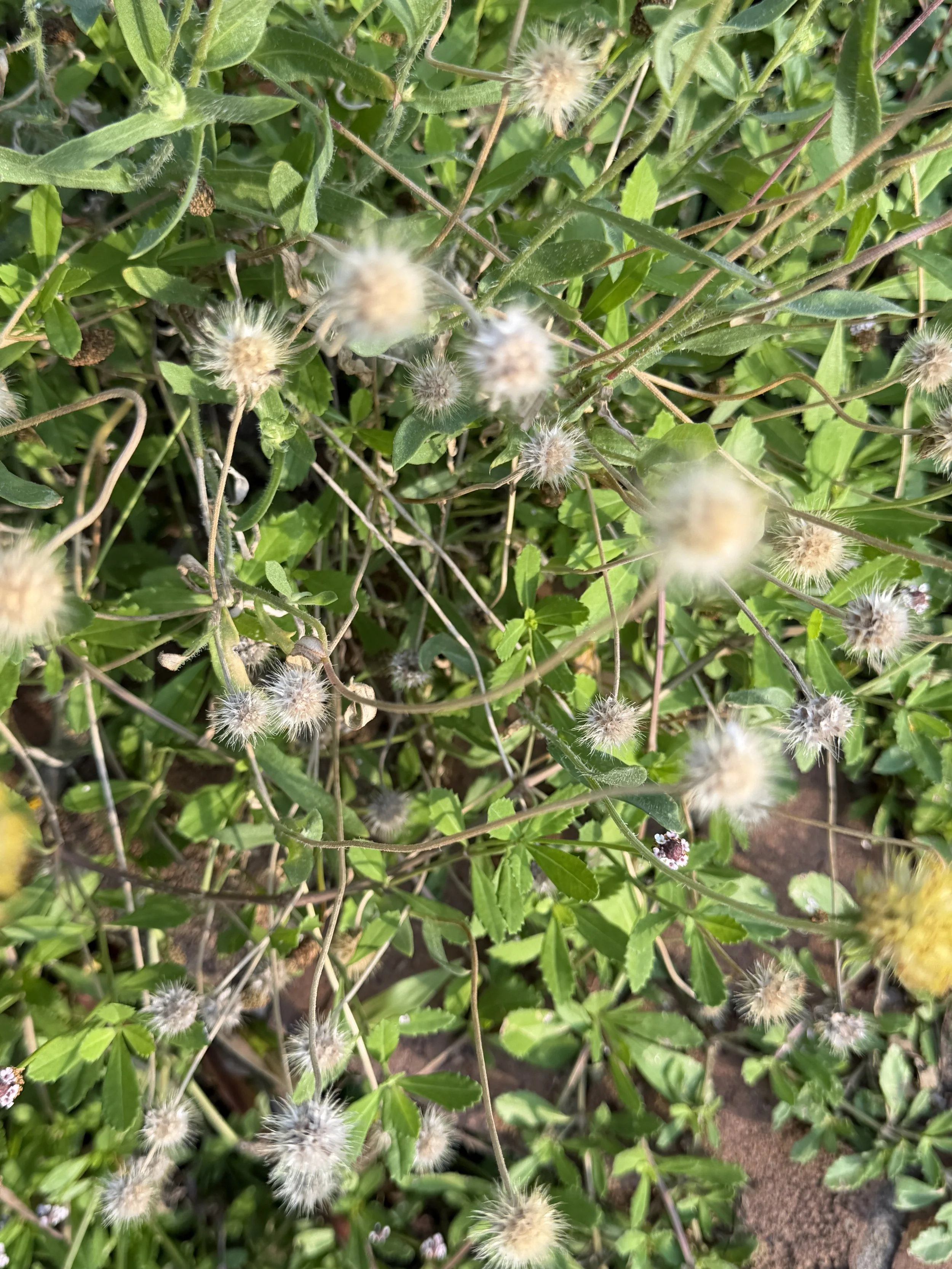
Take daisy fleabane. Erigeron annuus. Dainty and a little scraggly when alone but stunning in a bunch, shows up in places nobody planted anything intentionally. Easy to walk past. Easy to dismiss.

Here is what it’s actually doing.

It’s a pioneer species — which means it arrives first, on bare and broken ground, before almost anything else is willing to try. Disturbed soil, compacted soil, the forgotten strip between a parking lot and a fence. Fleabane doesn’t care. It moves in, stabilizes the surface, and starts feeding things. Bees, wasps, flies, small butterflies. The Lynx Flower Moth uses it as a host plant. Goldfinches pick through the seeds come fall like they’ve been waiting all season.

Nobody sent it an invitation. It just knew where it was needed.

That’s the plant in this photo. Doing exactly what I described. Showing up, figuring it out, getting on with it.

Easy to pull. I say — easy to love.

Passionate for Pre-K

This post will serve as a journal for the work.

 “My four-year-old daughter saw her first butterfly and was terrified." – Lawndale Art Center patron, 2022.

This remark, shared during one of my Symbiosis artist talks at the Lawndale Art Center, sparked Passionate for Pre–K. Imagining a generation untouched by the gentleness and fragility of wings—this is a sorrow too heavy to bear—and do nothing.

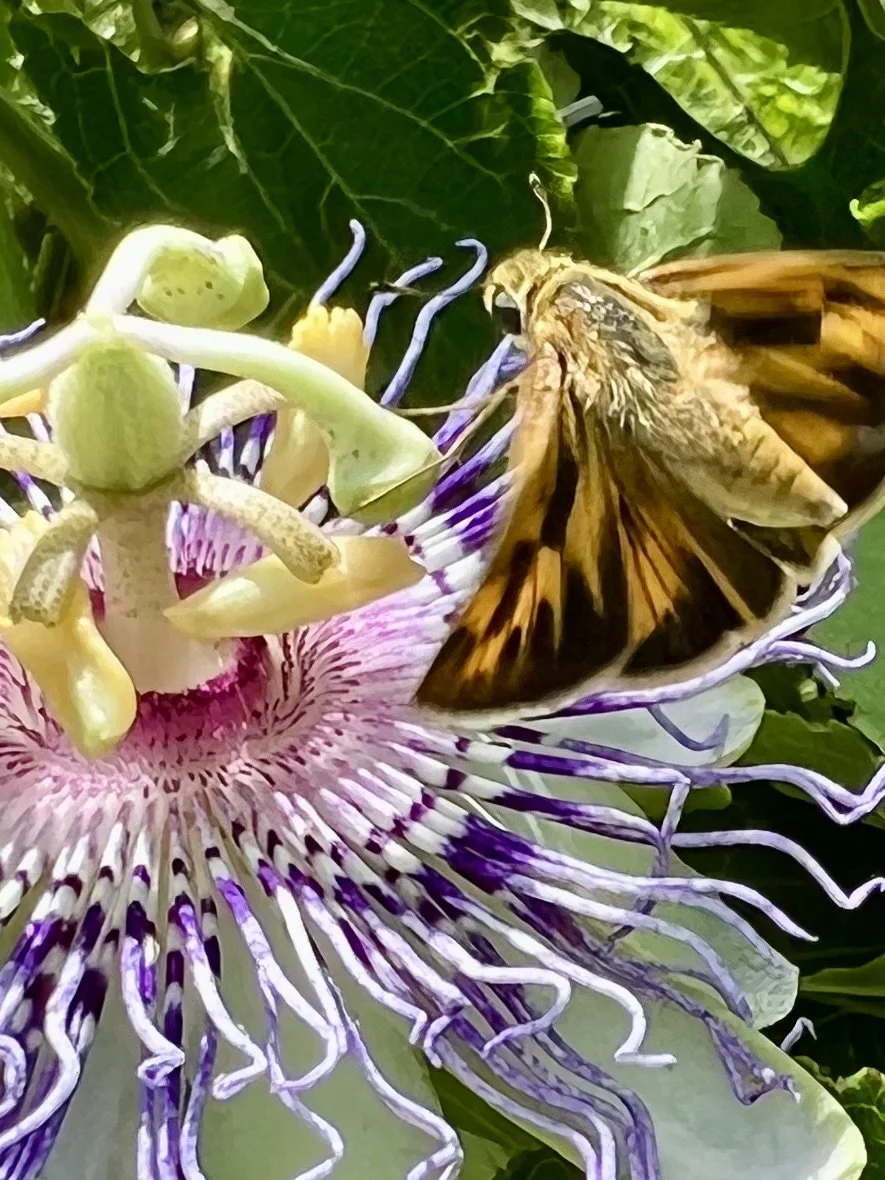
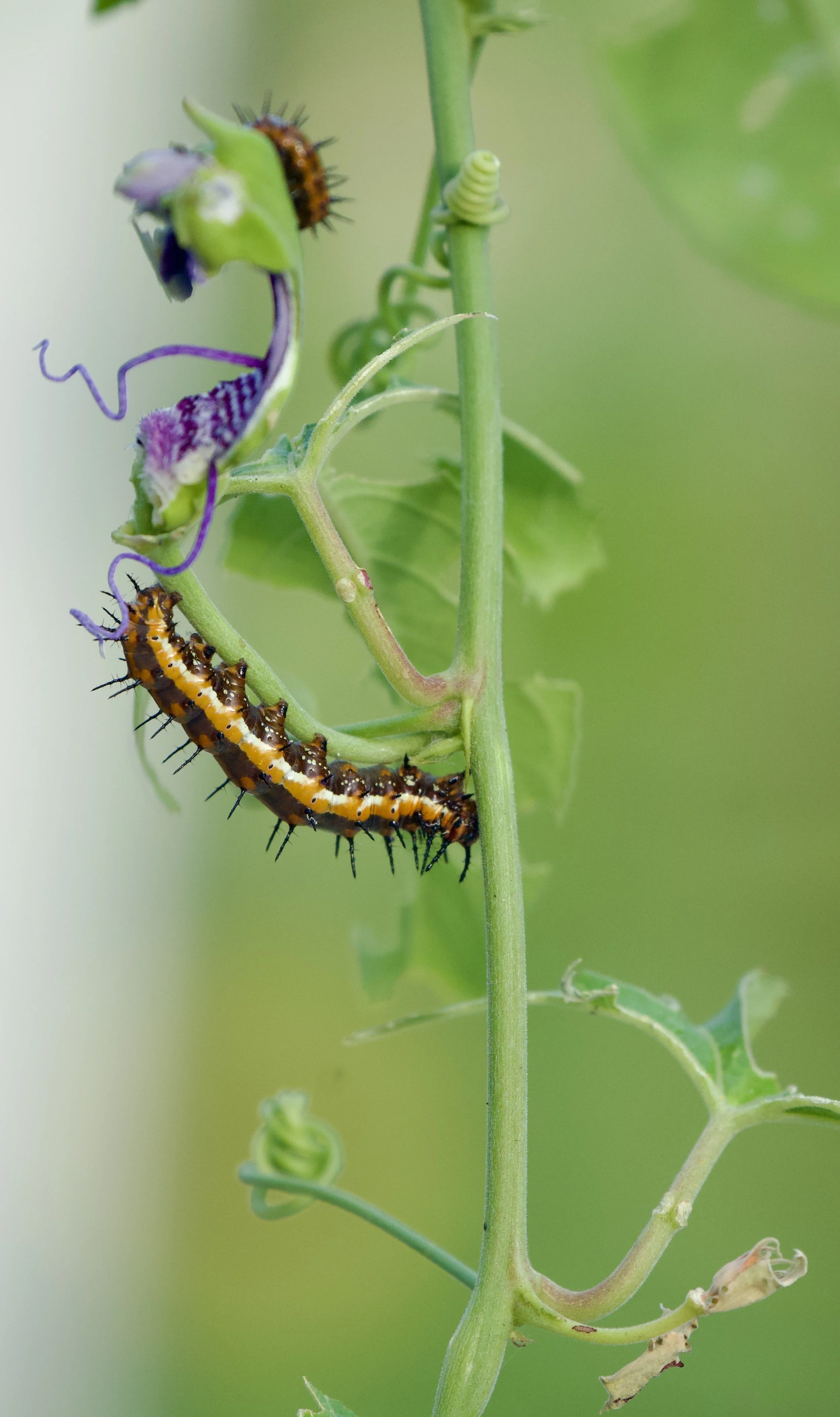
Wildlife plays a vital role in early childhood brain development.  At the very least, let each school day begin with a procession past living poetry: vines sculpted in fragrant blossoms of lemon honey, trembling with the promise of caterpillars, alive with the fragile ballet of butterflies. Each child develops in the company of nature’s intelligence.

With small acts of passion, this is within reach.

DESCRIPTION

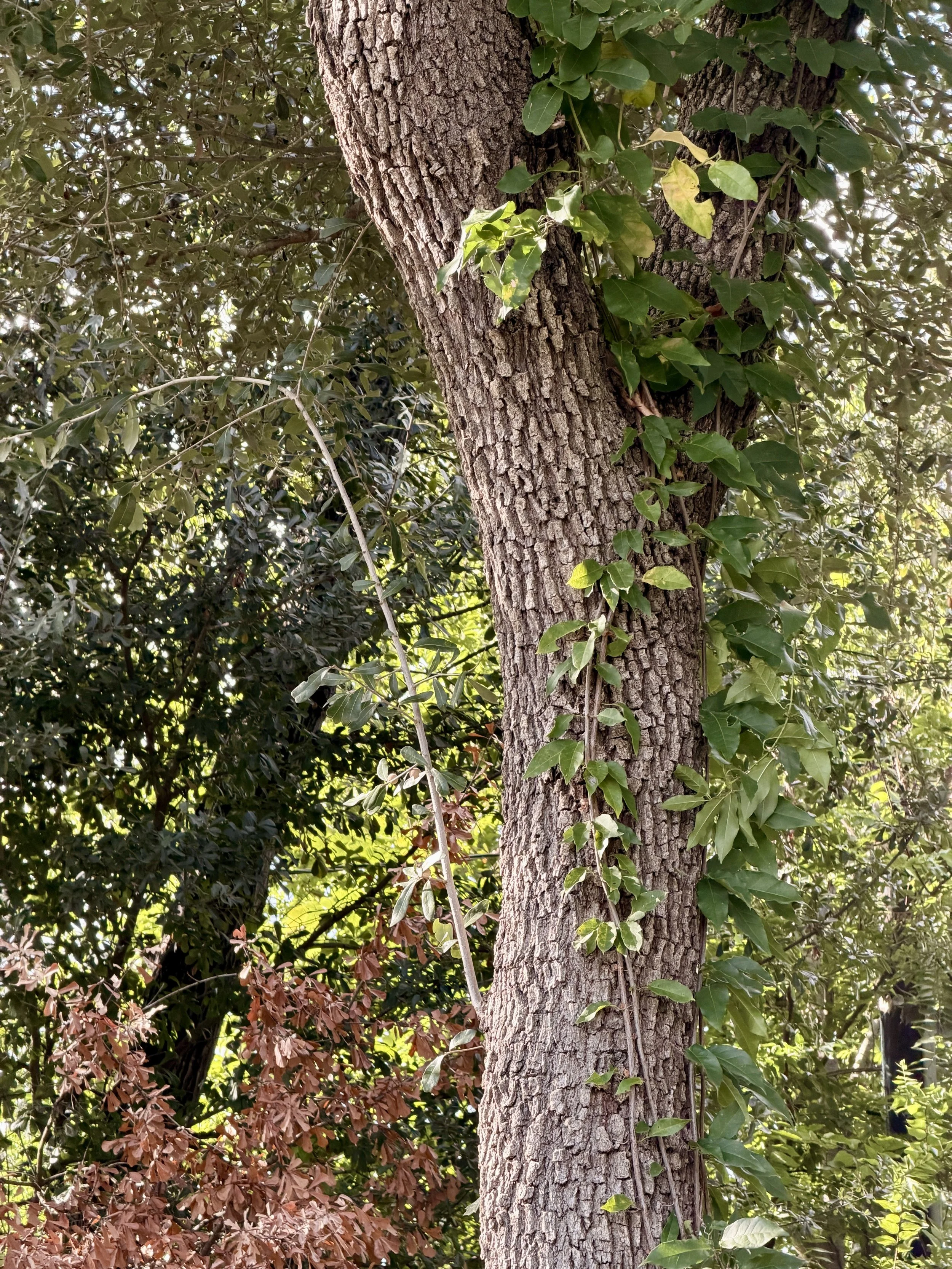
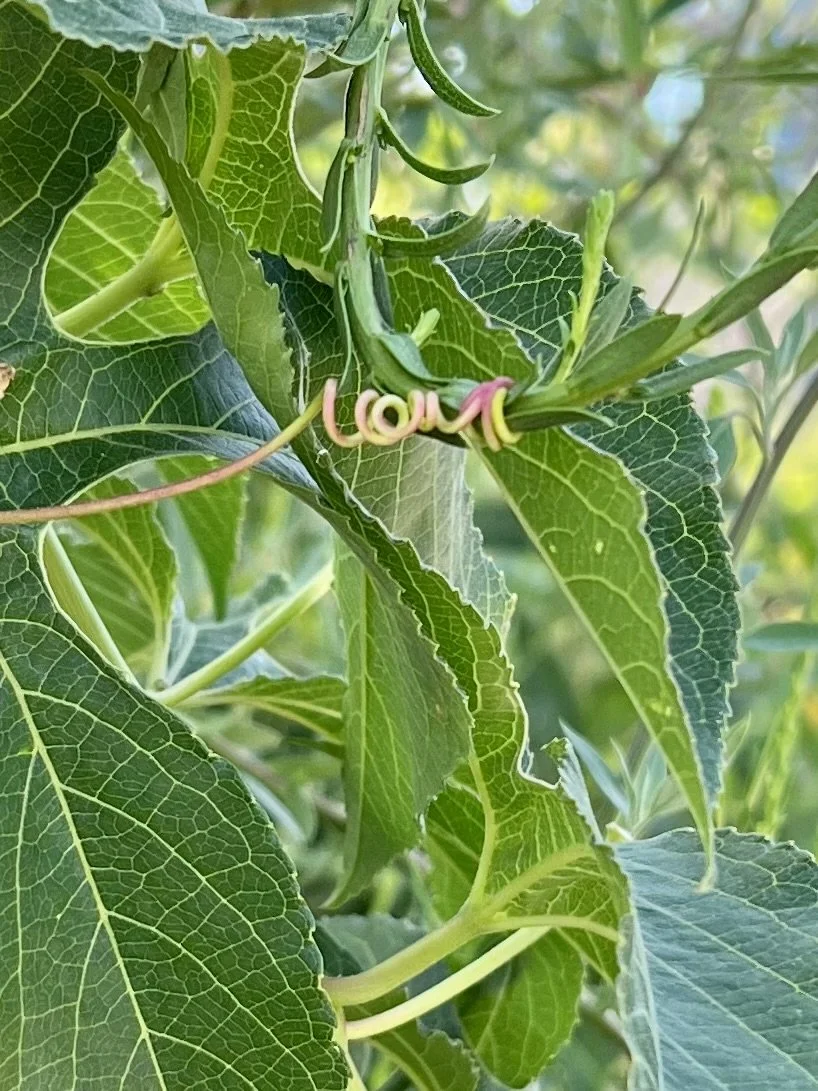
Passionate for Pre–K is a living social sculpture installed in the fall of 2025 on the chain-link fences surrounding the playground at Clemente Martinez Elementary School in Houston, Texas. I sourced 90ish Texas native vines from my three living sculptures: Symbiosis at the Lawndale Art Center, Deeper Than That at a private residence, and Sequel, located next to my art studio in Acres Homes. Passion vines are highlighted in the mix. Sourcing from multiple locations supports the DNA diversity of the ecosystem. Hope Stone and landscape architect Caroline Craddock are coordinating this installation with the school administration.

THE PROCESS

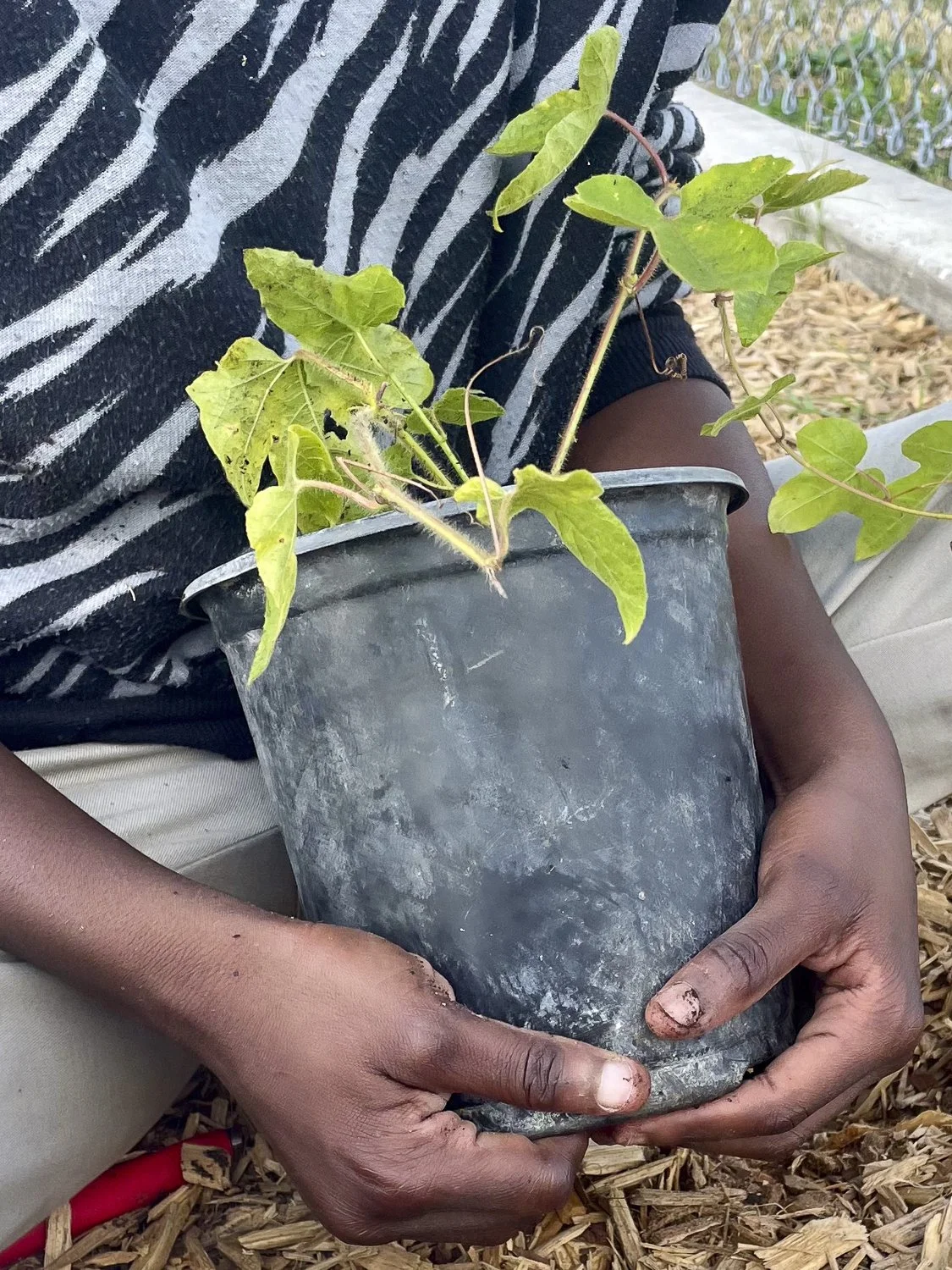
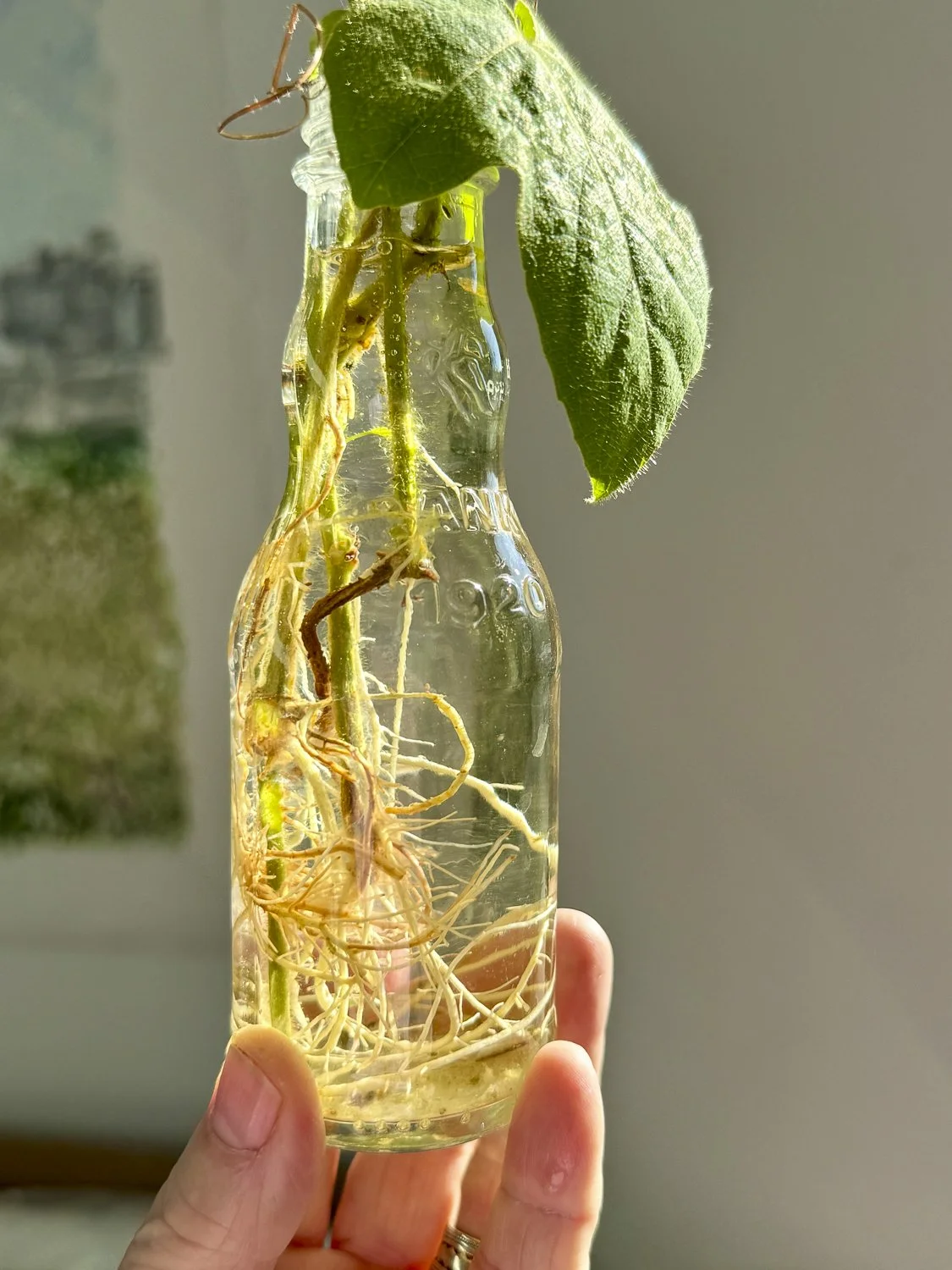
Taking tender 10-inch vine cuttings, using root stimulator and native leaf mold to propagate the plants. I am selecting 90 plants of different species to support a variety of wildlife and accommodate different growing seasons. The school community assisted with the planting in early October.

LONG-TERM GOAL

As ecological knowledge from Symbiosis has taken root in Deeper Than That, which has grown into Sequel, the hope is that Passionate for Pre-K will act as a catalyst. Annually, new tendrils—carefully propagated—will be gifted from Clemente Martinez Elementary School to neighboring schools, allowing the spirit of regeneration to spread from playground to playground, blossoming into a living legacy of wonder and natural intelligence.

PLANT LIST

May pop, Passiflora Incarnata

Stinking Passion vine  Passiflora foetida 

Various proven Passion vine hybrids.

Trumpet honeysuckle,  Lonicera sempervirens

Hairy clustervine, Jacquemontia tamnifolia

Muscadine grape, Vitis rotundifolia

American wisteria, Wisteria frutescens

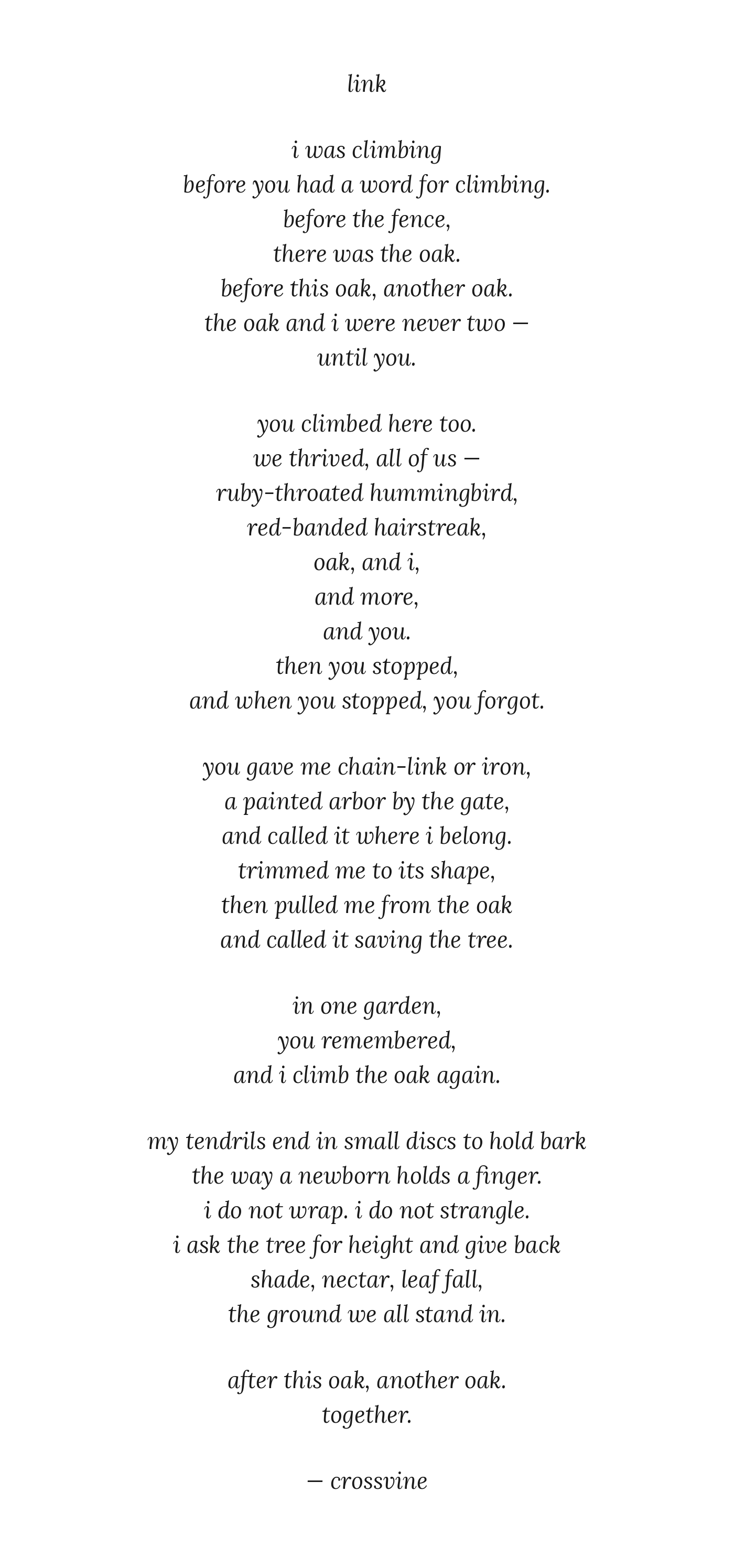
Crossvine, Bignonia capreolata

Carolina jessamine, Gelsemium sempervirens

COLLABORATION

Passionate for Pre-K is a collaboration with Hope Stone, Caroline Craddock and the Clemente Martinez Elementary School community.

I am extremely thankful for this opportunity, which wouldn't exist without Hope Stone, Caroline Craddock and the incredible volunteers.

NOVEMBER 2025 UPDATE

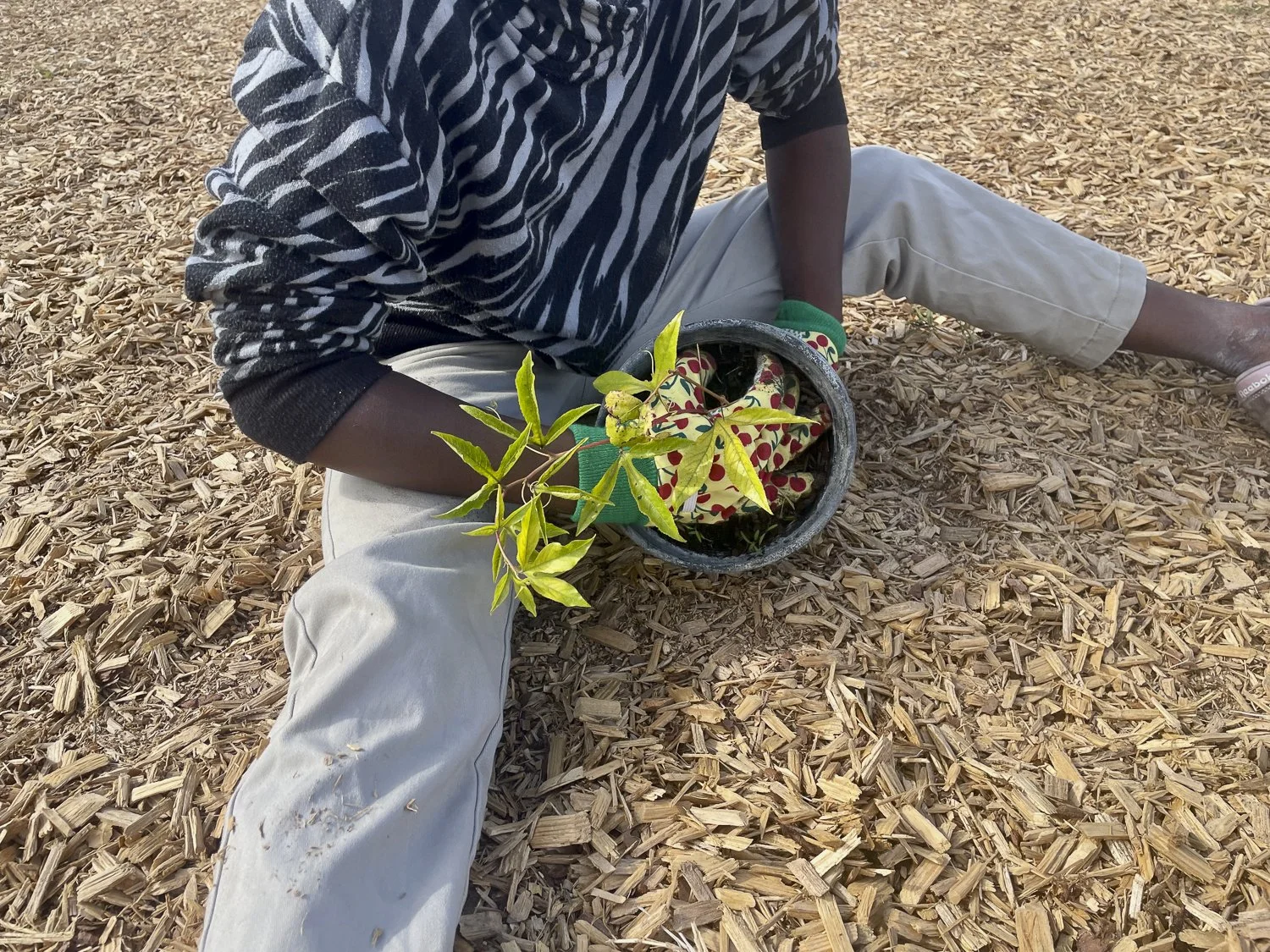
During phase two of Passionate for Pre-K, a fifth-grade class carefully planted the remaining plants for the installation. The following week, the eager students returned to check on their plantings, only to find a scene of destruction. Unfortunately, a child left unattended in the play area pulled up several plants, leaving only 7 of the original 90 still alive. This act of vandalism is heartbreaking and frustrating, but it highlights how important this project is. The lessons a garden can teach about social responsibility, care, and wonder are fundamental. I will not let one act derail the project. Every child has the right to be inspired by nature. I am propagating new cuttings in preparation for planting again in the spring.

—special thanks to Caroline Craddick for capturing these moments in photos.

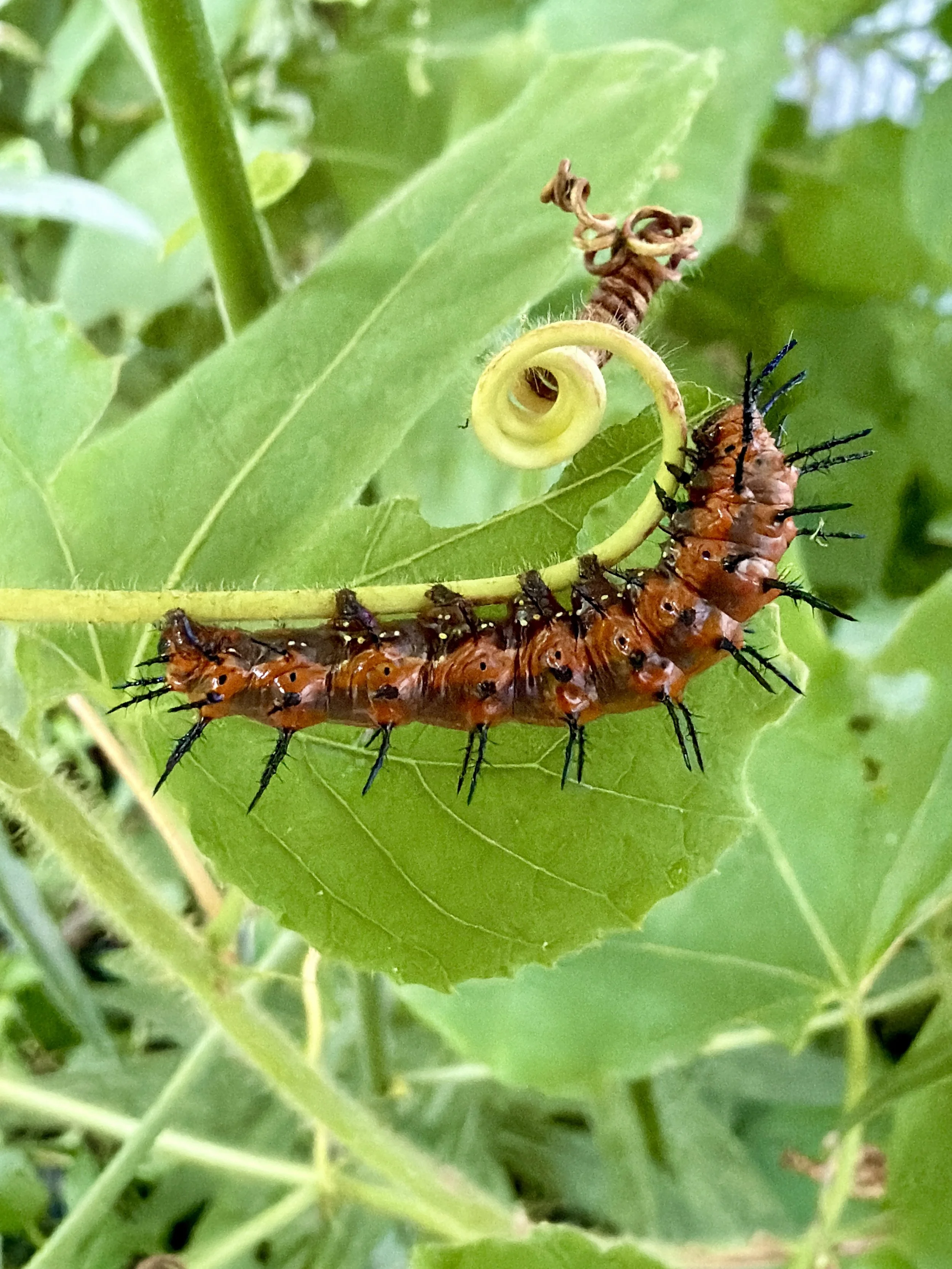
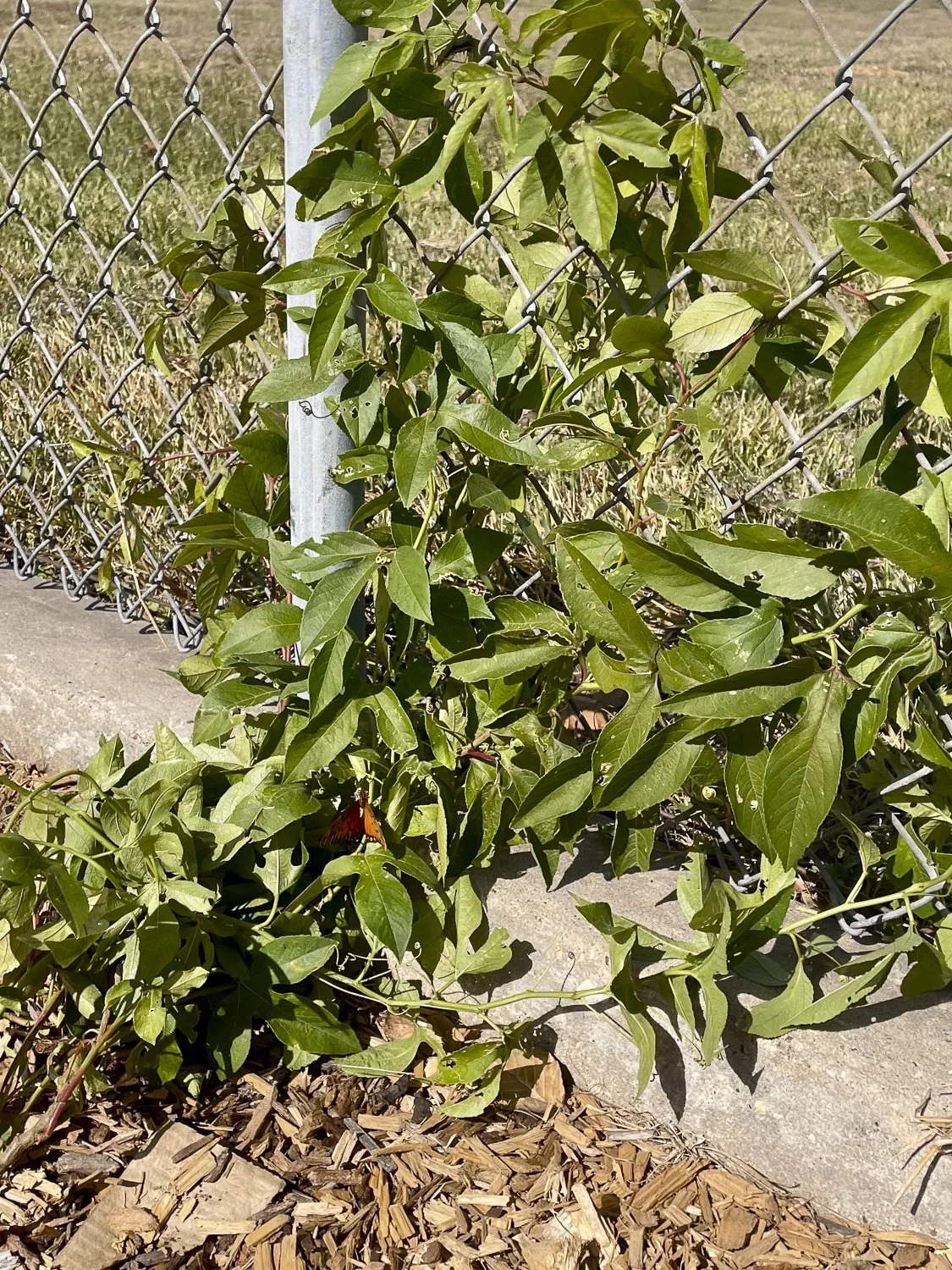
One of the plants from the previous planting that was part of the vandalism. Notice the gulf Fritillary butterfly hiding in the shadow.

propagating a passion vine in water.

The Stinky Passion flower’s scientific name is Passiflora foetida. It is also known as Fetid Passion Flower, Love-in-a-mist, Wild Maracuja, and running pop.

It has sticky, feathery, leafy bracts that surround the flower and fruit. When an insect tries to eat the fruit, it gets caught in the sticky bracts and dies. The plant then secretes a digestive enzyme and absorbs the nutrients.

Echoes of Existence-how to engage the students

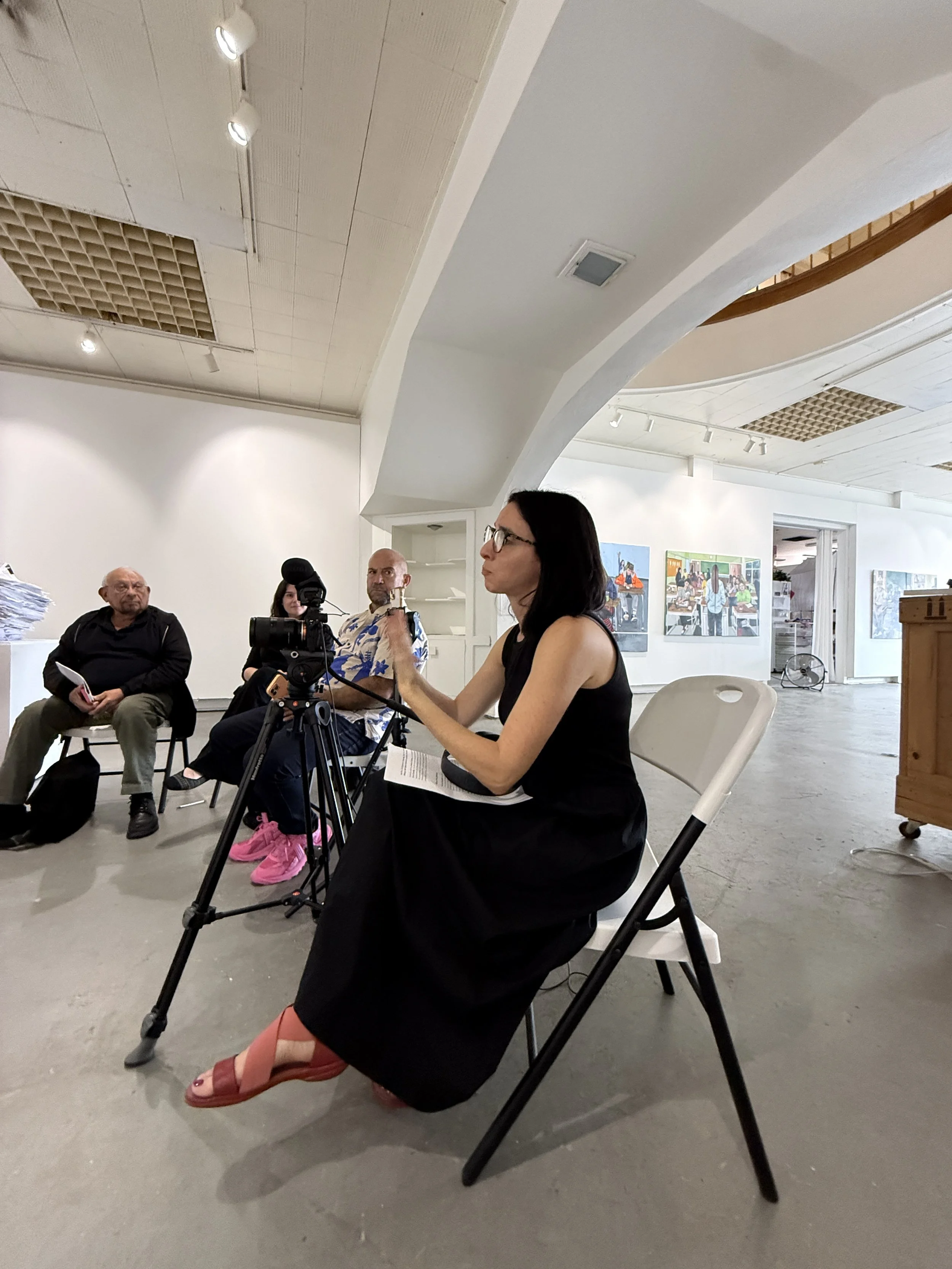
I am slowly working to find solutions to the problems that will arise when the students implement the installation.

First, how to get students that are not comfortable with nature to want tobe involved. What will draw them in?

Second, a big problem is how to control a group of college kids in a field and have them complete a detailed installation.

Bloomington is a walking city. Every day as I would walk about town and the campus I worried about how I was going to solve these two problem. And like on most college campuses everyone is in their own audio visual world contained between the ear pieces of a headset. And I was the same. The difference was I still wanted to connect to those passing by me with a “good morning” or hi. I found the IU students were very focused on the sounds in their headsets they did not need to make eye contact or say hello.

In a discussion with an English professor, Shannon Gayk, who also teaches a walking class, I learned that a novel idea for students is silent walking. The idea of walking without a headset without sound — silent.

Thinking of headsets and silent - my mind went straight to silent raves then to a silent installation.

Would the concept of a silent installation draw the students in. Could this commitment to headsets be a possible tool for crowd control during the installation?

I love the idea. But that leads to another hurdle. How do I design a silent installation? What technology makes this possible?

With a quick Google search, I found several companies that provide everything you need for a silent event.

Bombus melanopygus - Black tailed bumble bee.

How the bumble bee got its stripes https://www.eurekalert.org/news-releases/600078

Bombus melanopygu, a captivating bumblebee species that I recently began studying for my body of work, “Rumblings”. As an artist, my process begins with thorough research, delving into the intriguing world of each unique species. Despite the limited information available, I find myself captivated by Bombus melanopygus and its enchanting research qualities.

Incredible breakthroughs have been made by researchers in understanding the color differences within bumblebee species. A recent study, conducted by experts at Penn State, has revealed the presence of a specific gene that drives these variations in color patterns. This discovery not only sheds light on the astonishing diversity among bumblebees, but also provides insights into the evolution of mimicry, where individuals adopt similar color patterns within a given area. The gene resides in a highly conserved region of the genome, which serves as the blueprint for segmentation. This groundbreaking research was published in the renowned journal Proceedings of the National Academy of Sciences on April 29, 2019. -

Heat Dome

“What I propose, therefore, is very simple: it is nothing more than to think what we are doing.”

-Hannah Arendt, The Human Condition

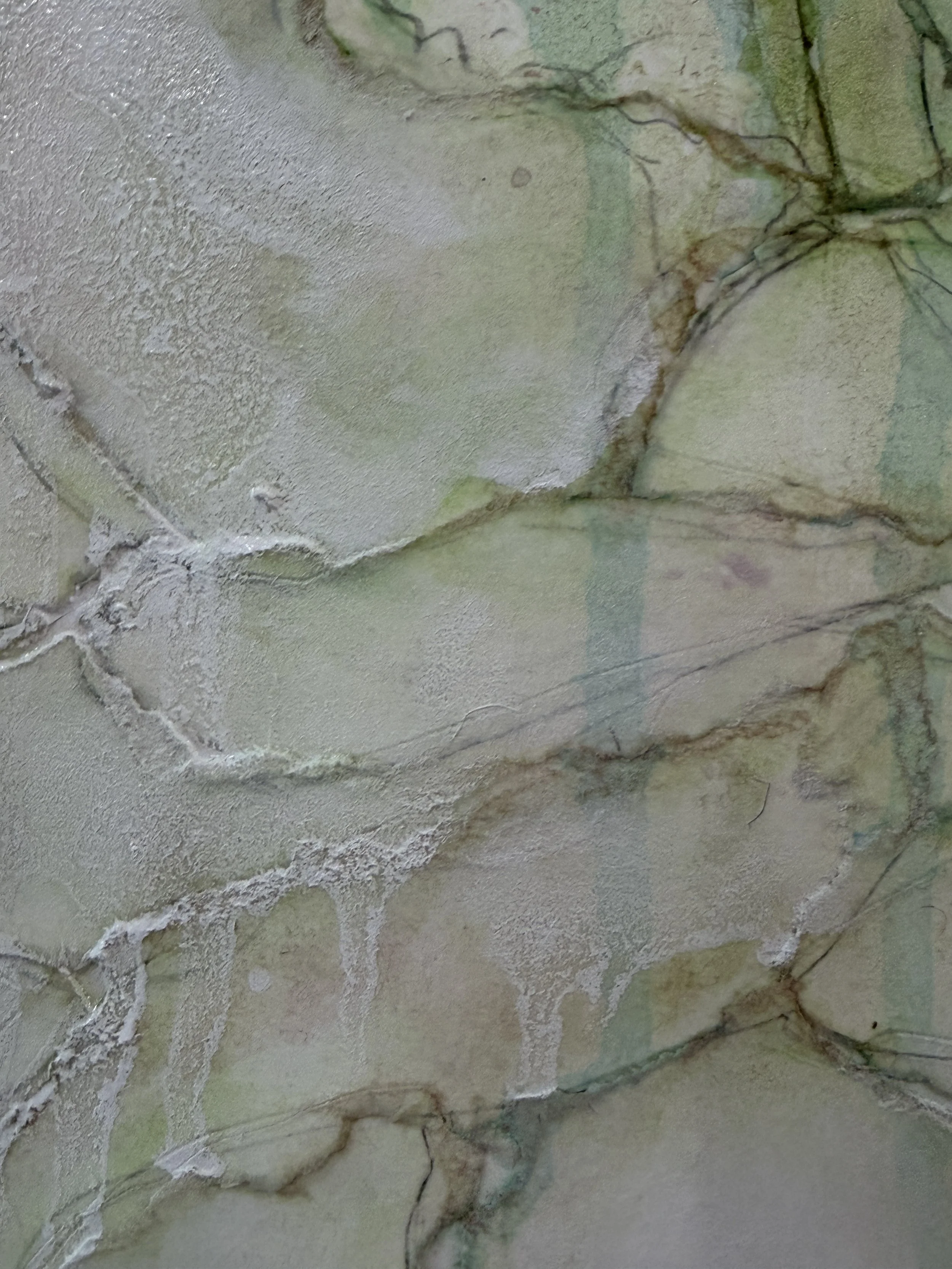
Heat Dome

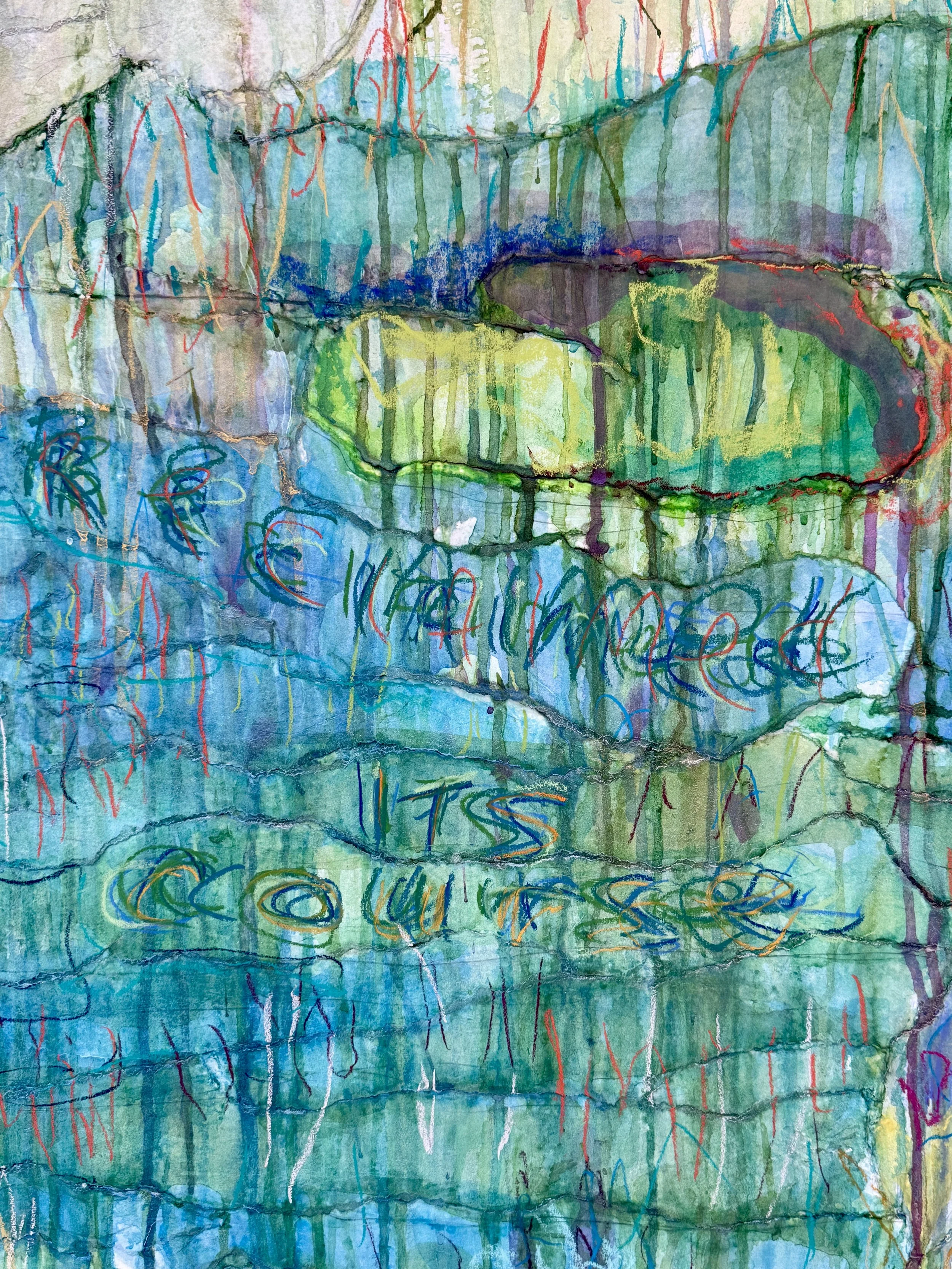
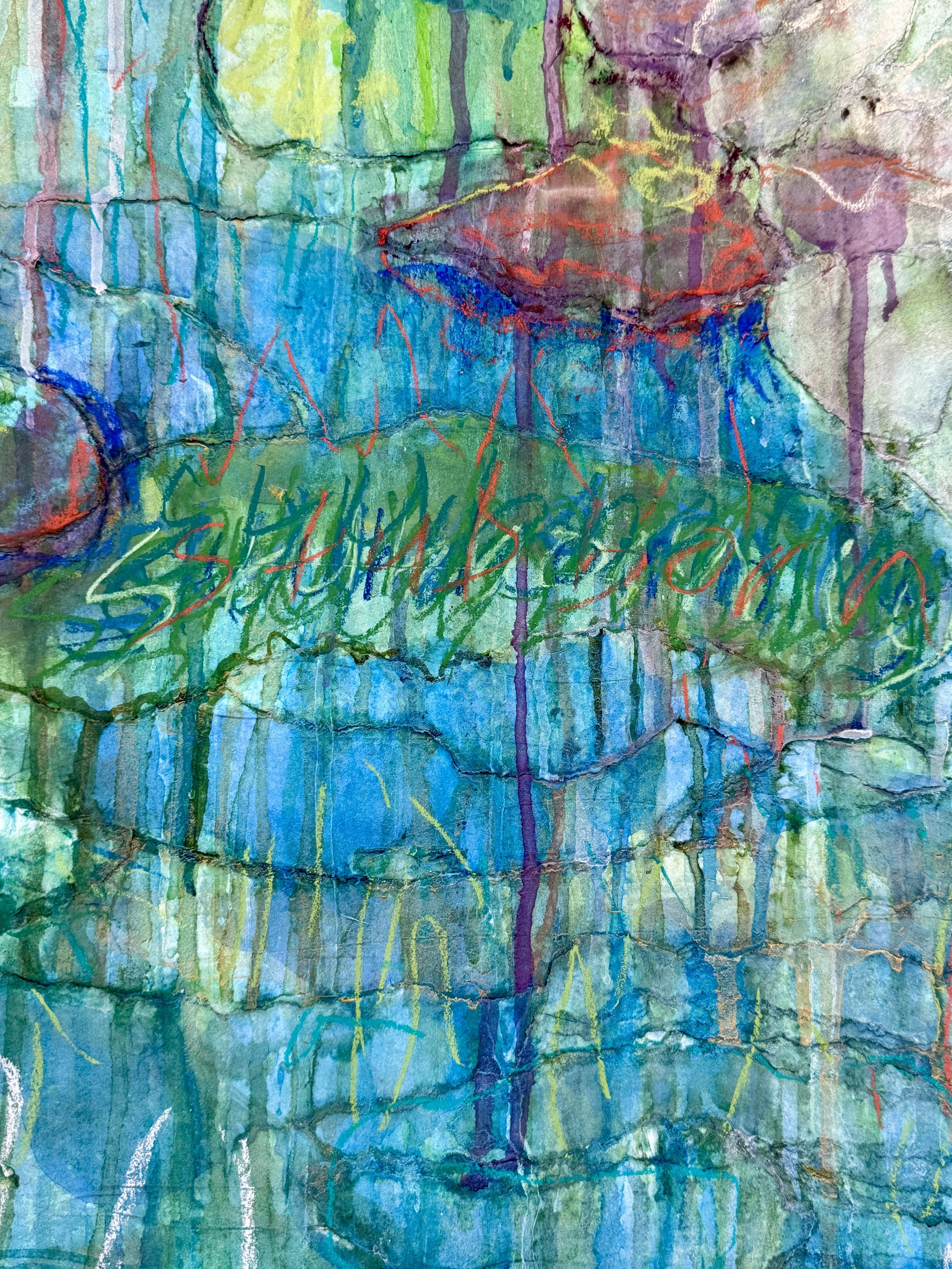
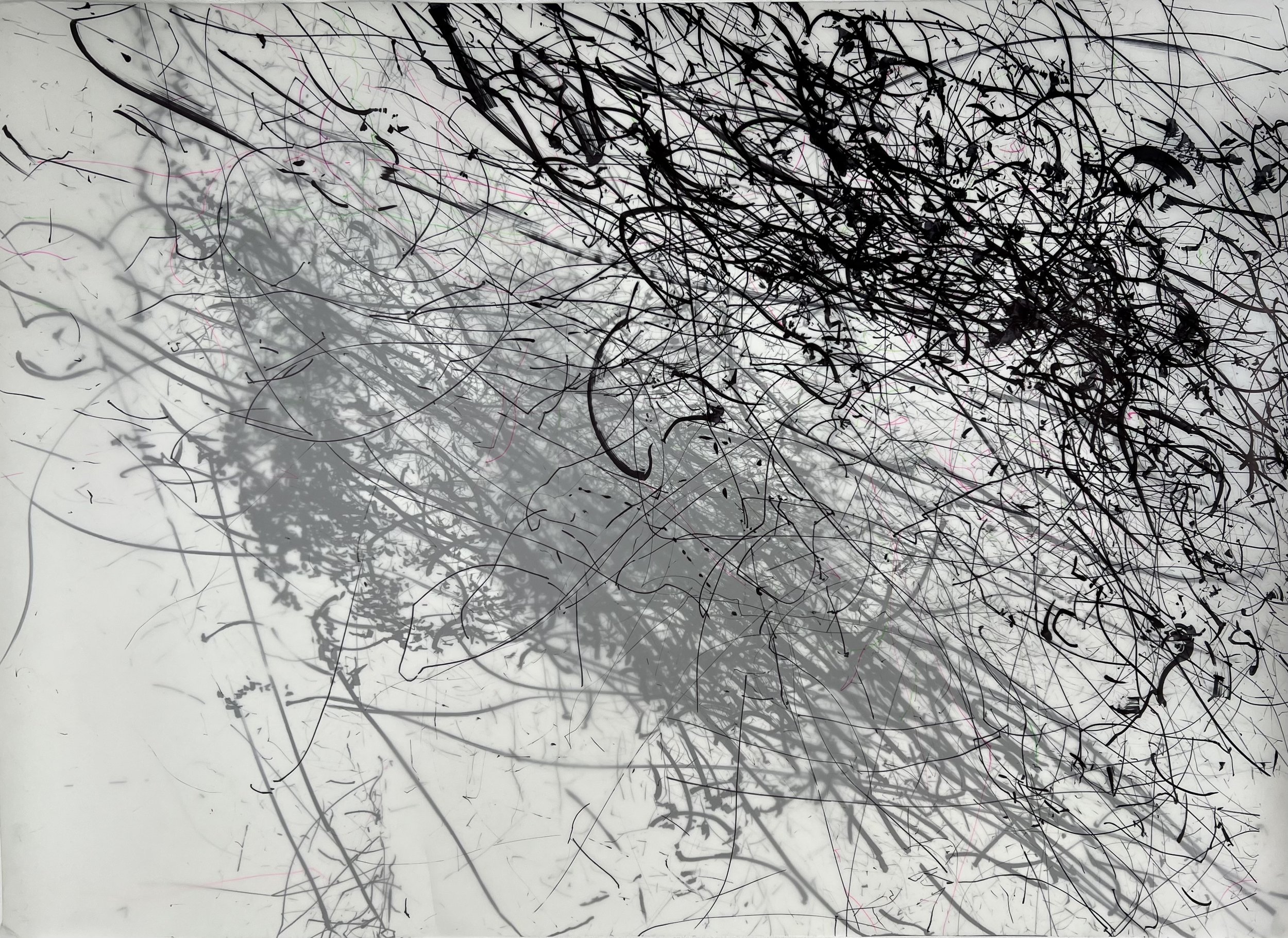
Watercolor monotype

30" X44"

Bare ground, concrete, asphalt, and astroturf emit 4X radiant heat. Great masses of radiant heat create heat domes. Heat domes prohibit weather from moving across the land. In contrast, surfaces covered in thick layers of plants indigenous to the region store water in the soil. When the day warms, the plants transpire, releasing bacteria with the moisture to form clouds that provide shade and then rain. We each need to carry our ecological weight. We can start by considering new ways to surface our city scapes to cool the planet.

Heat Dome ghost