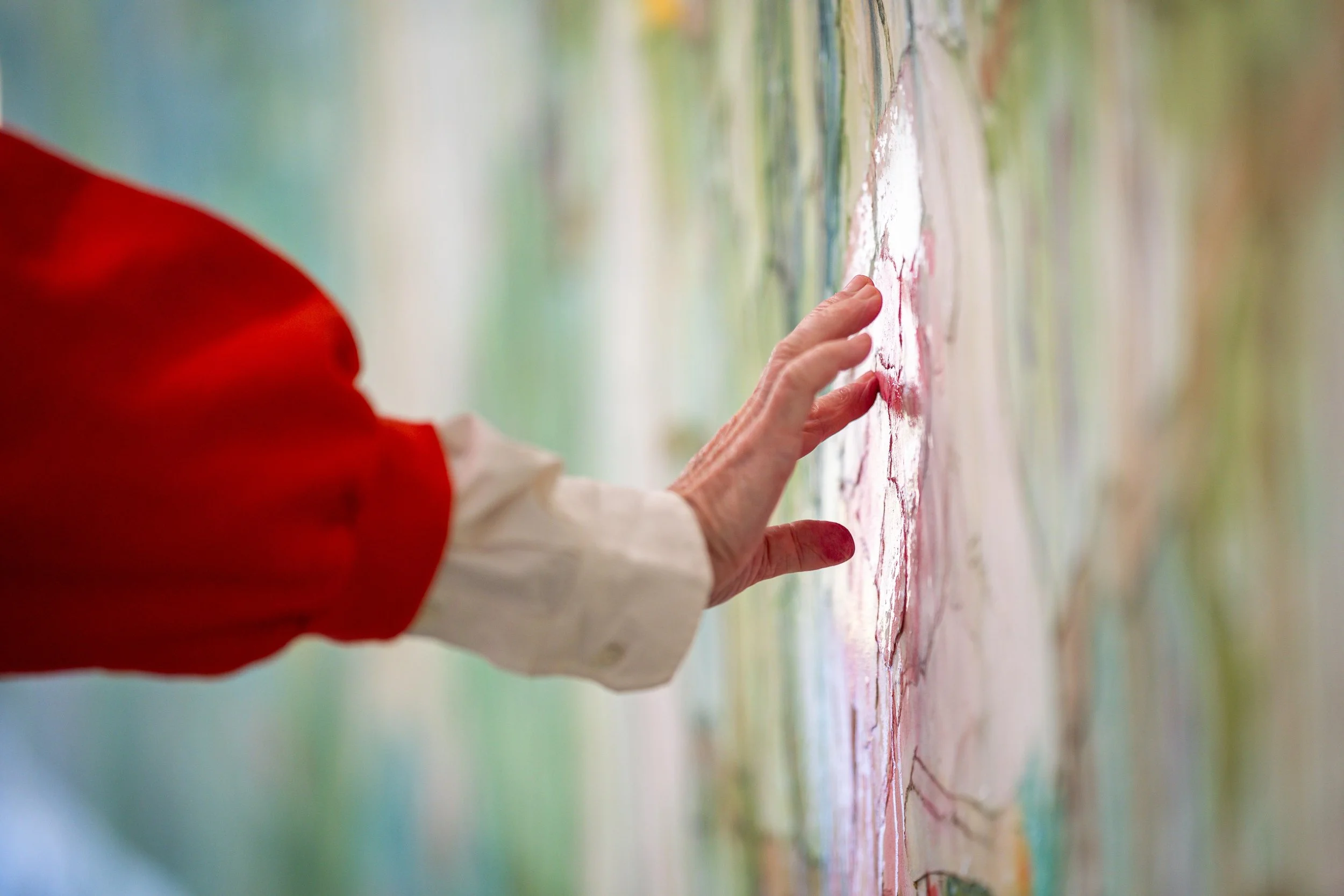
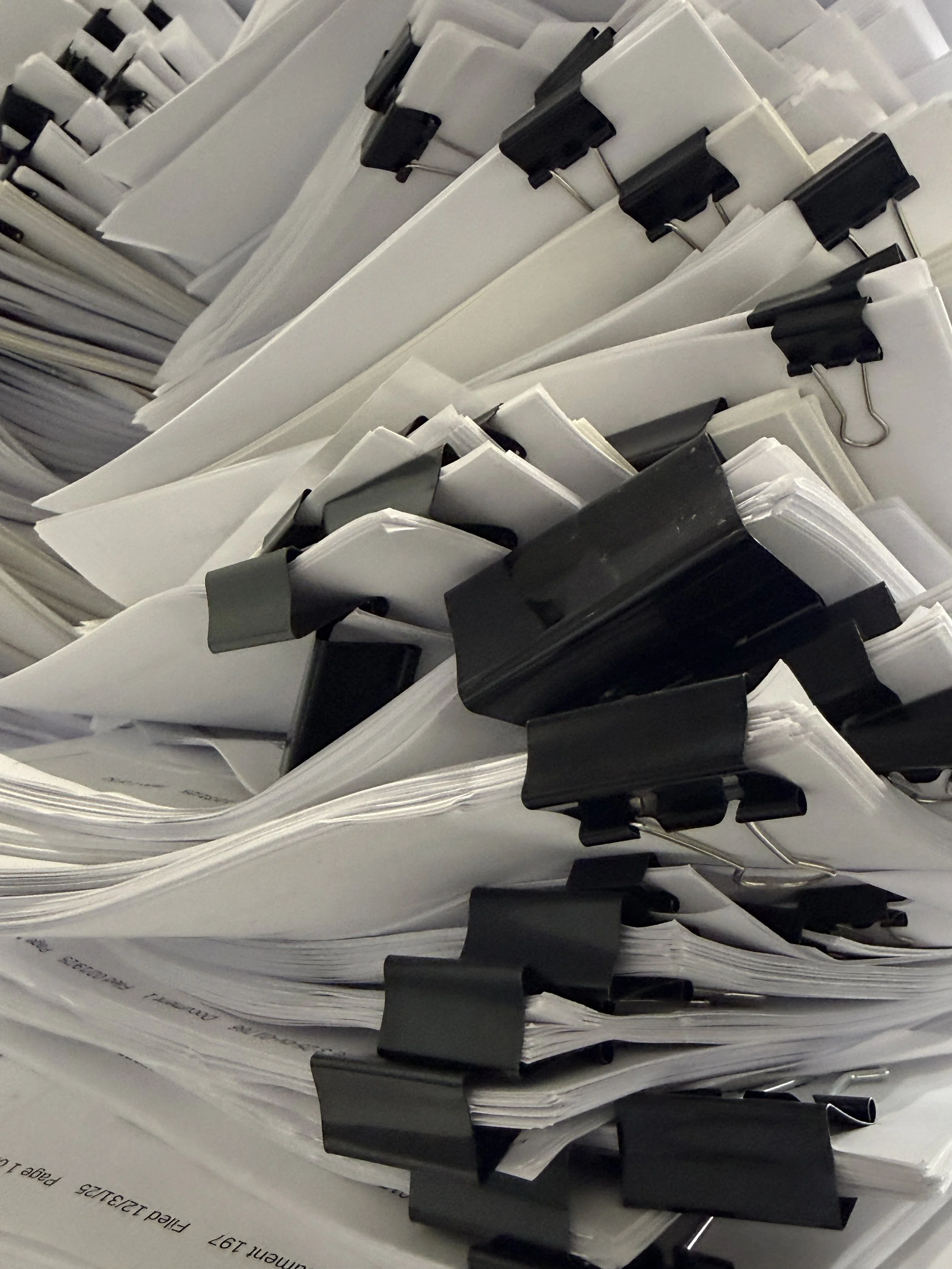
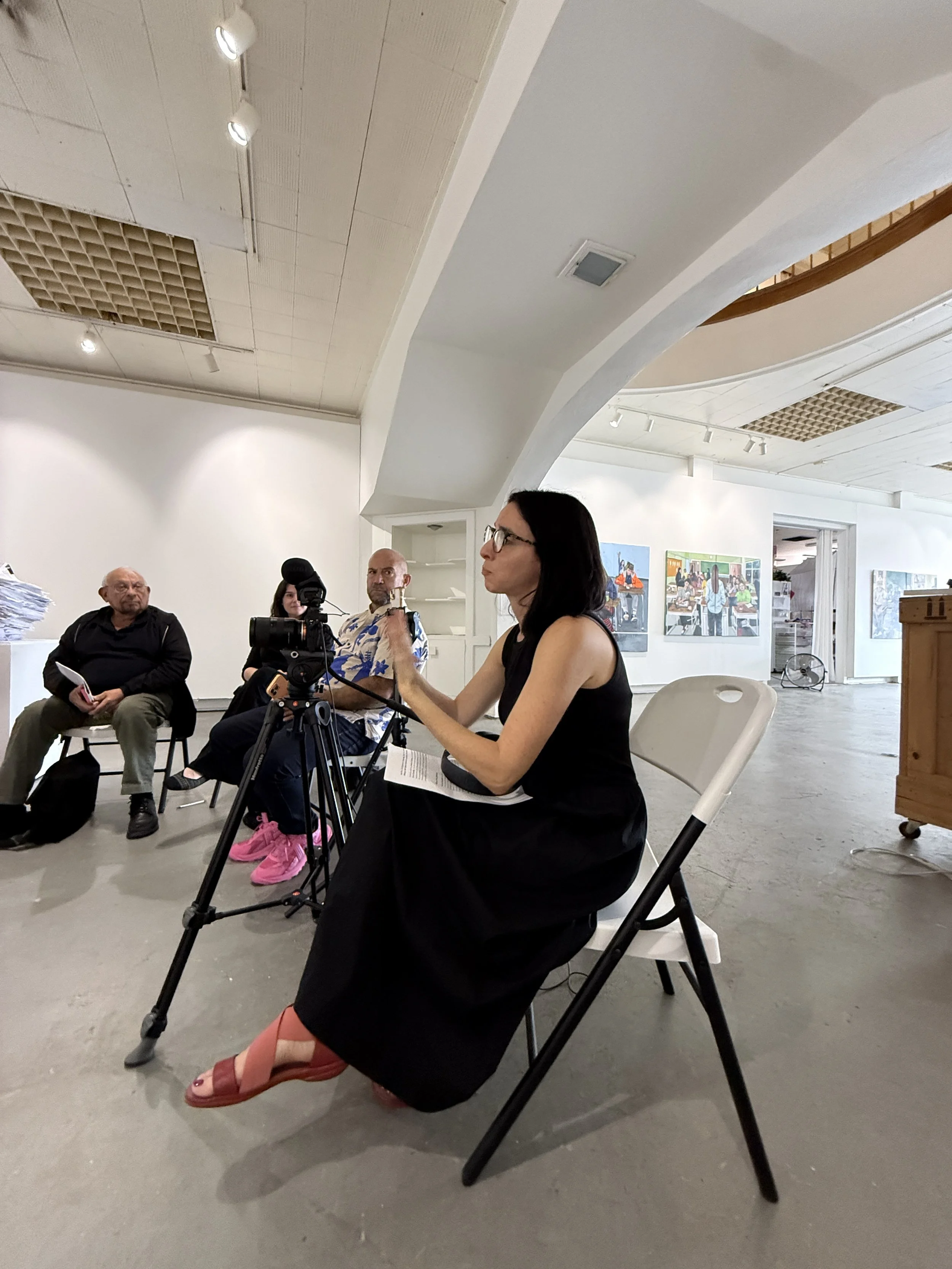
Last weekend I attended De-documenting, an exhibition by artist Beatriz Bellorin at Box 13 — a body of work exploring immigration law and process that stayed with me long after I left. The work is timely in the obvious ways. But it surfaced something I didn’t expect: a connection I’ve been trying to articulate for some time, between how we relate to land and how we relate to one another.
That thread runs through a work-in-progress—my manifesto. What follows is one part of it.
The Same Root
There is a connection between how we treat land and how we treat each other that is not metaphorical. It is psychological. It is moral.
The impulse that produces the sterile lawn — the need for control, for legibility, for the elimination of what does not belong — is the same impulse that produces exclusionary politics, that walls off complexity, that treats diversity as threat rather than abundance.
Someone who has learned to build a living ecosystem understands viscerally that diversity is resilience. That the system is stronger for its complexity, not despite it. That what looks like chaos is intricate interdependence. That the thing you might want to remove is probably doing something essential you have not yet understood.
This is not a metaphor for immigration policy. It is the same cognitive and moral framework — the same quality of perception — applied to human communities.
Learning to tend a living garden does not automatically make someone a more compassionate citizen. But it trains the eye and the mind and perhaps the heart in ways that make compassion more available. It builds the capacity to sit with complexity without resolving it into something simpler and cleaner and less true.
This is an excerpt from my manifesto, Seeing in Systems. Read the full piece here. https://www.cindeeklement.com/new-page-2
Quisque iaculis facilisis lacinia. Mauris euismod pellentesque tellus sit amet mollis.