The Tyranny of Tidy

In Defense of the Uninvited — Part II

There is a particular kind of anxiety that lives at the edge of an unmowed lawn. You can feel it from the sidewalk — the low-grade disapproval radiating off a neighbor’s glance, the HOA letter with its careful language about community standards and property values. We all know this pressure. Many of us have bent to it.

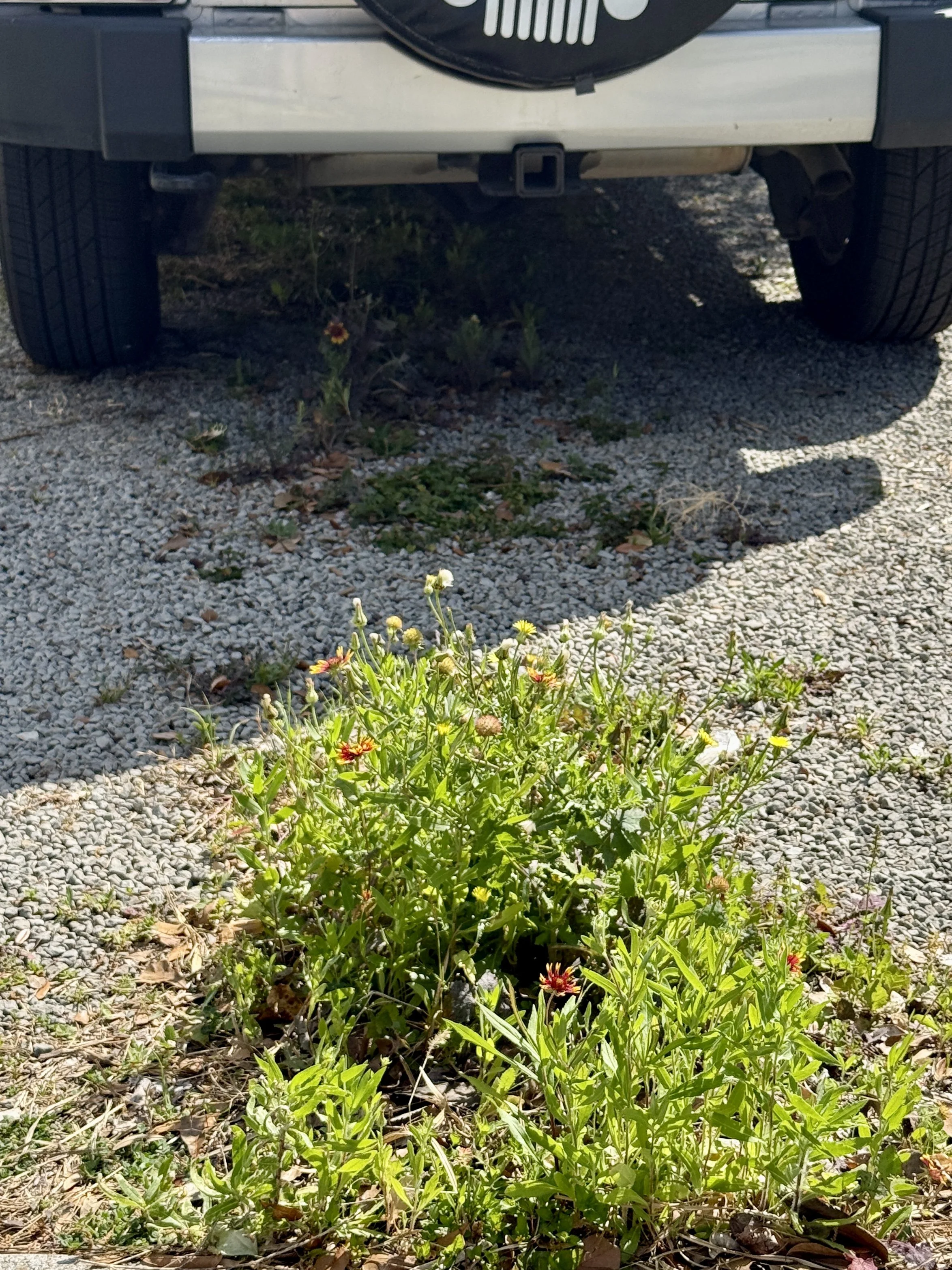
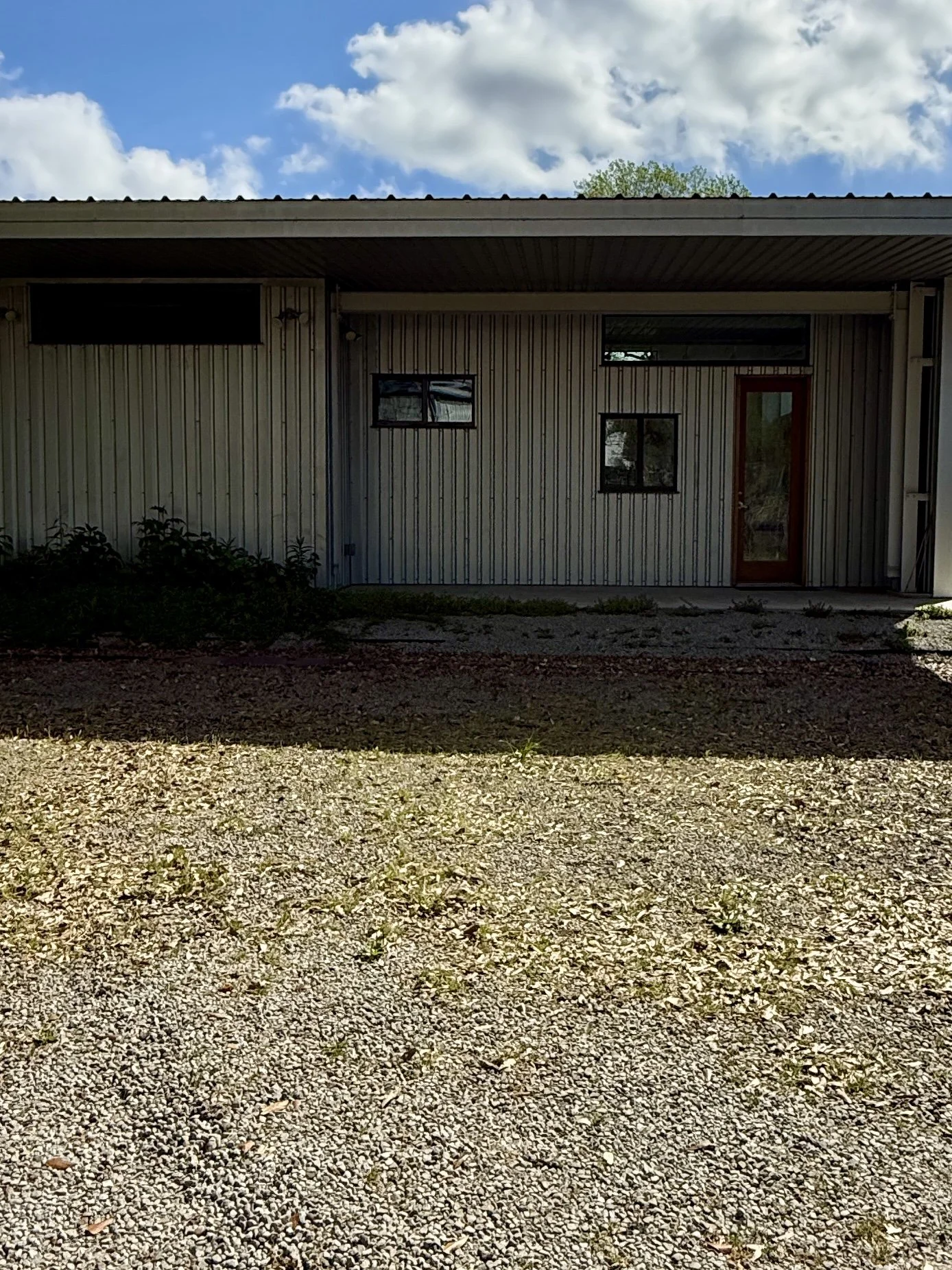
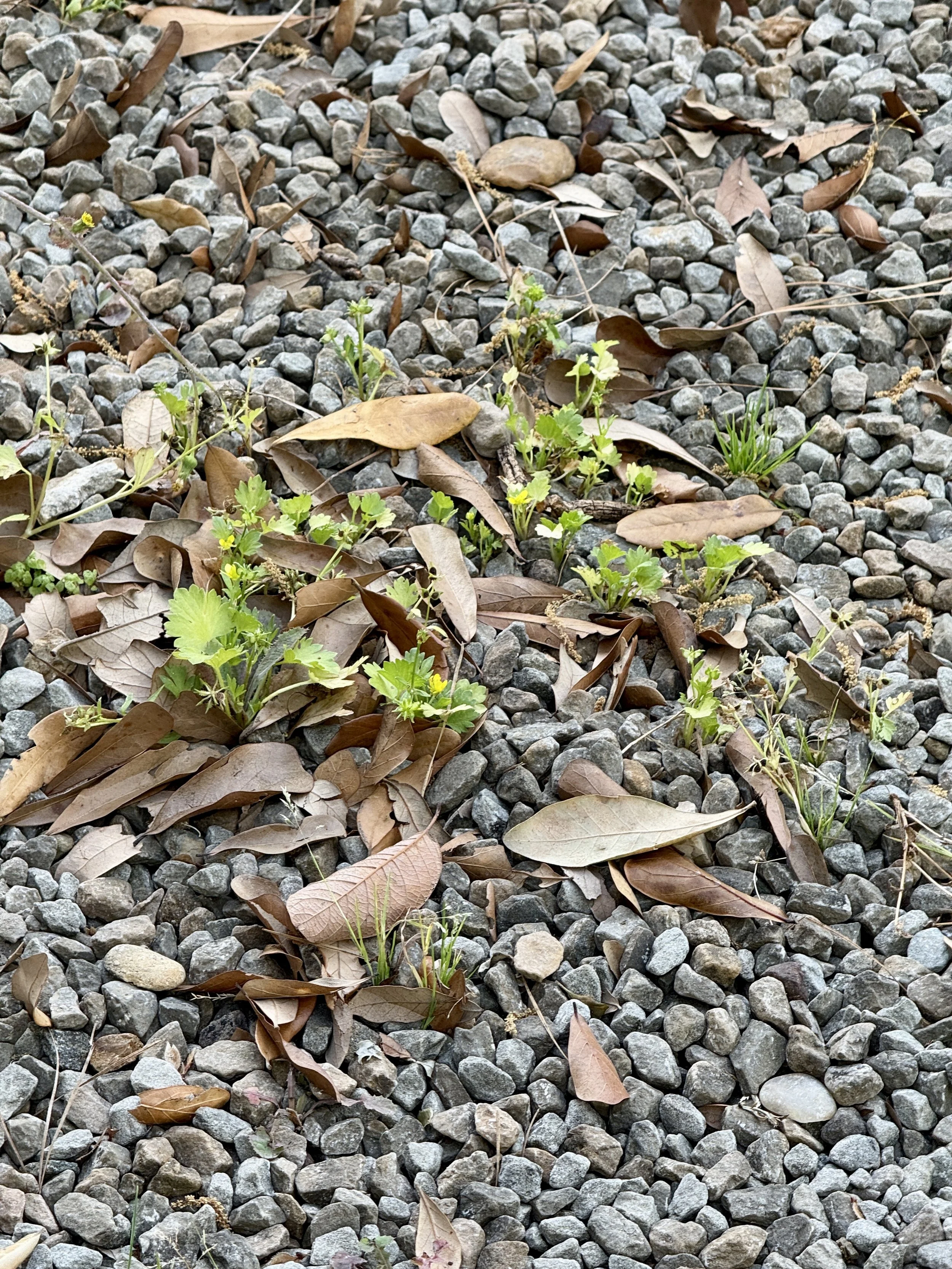
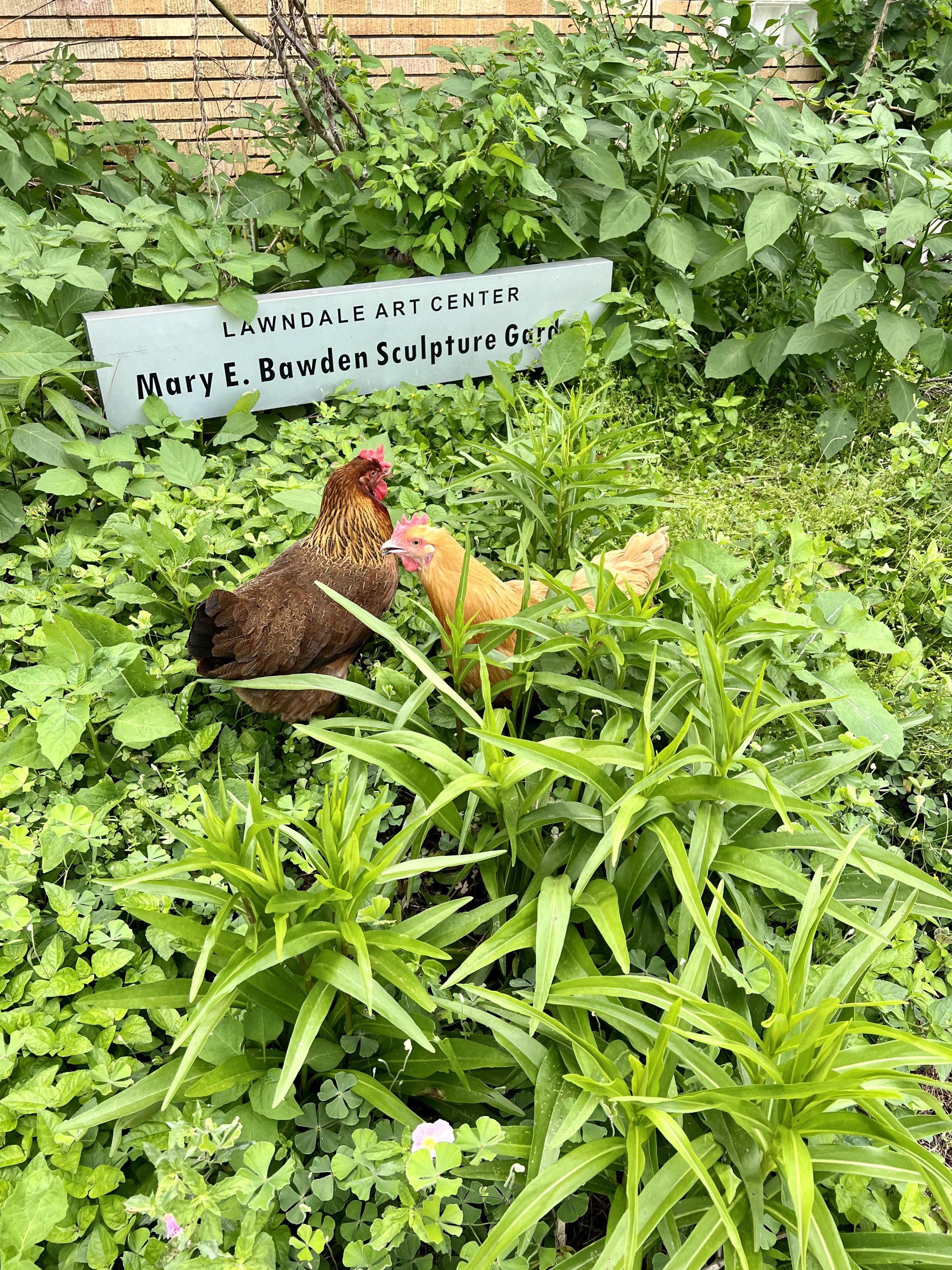
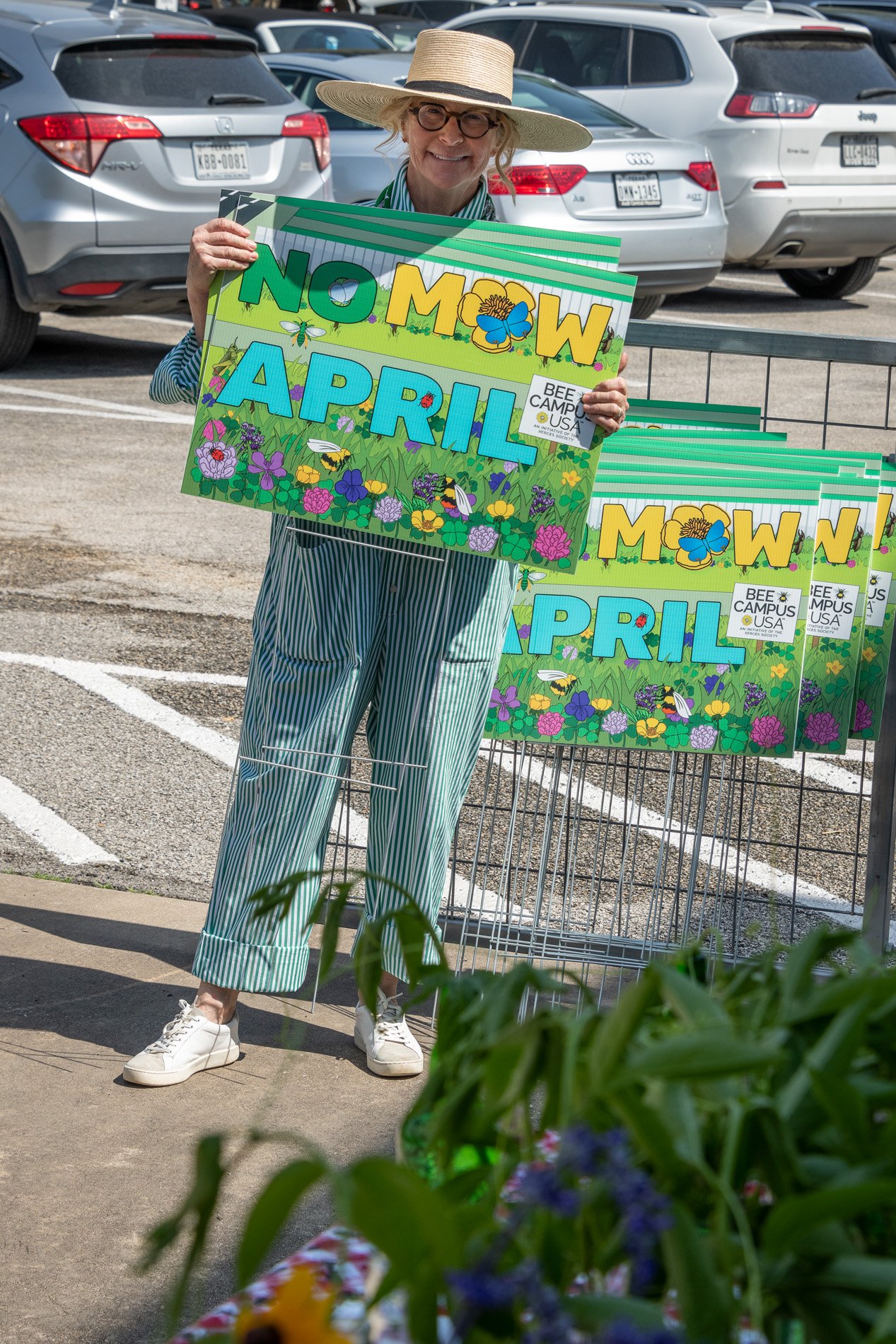
I feel it too. At my own eco-art studio, mid-restoration, volunteer plants have started pushing up through the gravel parking lot this spring. In modern aesthetic terms, it looks unkempt. Do I groom the lot because that is what looks cared for to the human eye, or do I do what I preach? First, what I preach is holistic, meaning every situation is different and I have to look at the bigger picture. And if I did want to clean it up — how? I won’t use pesticides. Pulling them is more work than I can manage. I could burn them with a torch, which releases carbon — leaving the lot neat, but barren. I know this option well. It’s what I did all last summer. I feel the pull of that option still. If the entrance looks controlled, does that make visitors more willing to accept the wildness in the garden beyond? That question — how much tidiness do we owe society before we’re allowed to let something live — is exactly what this essay is about.

But where does that feeling actually come from? Why does an unruly patch of goldenrod or a volunteer elderberry pushing up through the fence line produce something closer to alarm than curiosity?

The ancient part of your brain that kept your ancestors alive is genuinely afraid of the tall grass. It is scanning for the snake, the bobcat, the thing with teeth. It wants visibility. It needs control.
That instinct is old. It is wired in. The impulse to clear, to see, to know what’s out there — it kept people alive across tens of thousands of years. We are not wrong to have it.

But we are living in a different world now, and that old circuitry is misfiring. The danger is no longer the rattlesnake in the grass. The danger is the bare ground. The landscape stripped of everything living in the name of control, safety, and the appearance of order.

Consider what that reflex, scaled up across millions of properties and across vast stretches of agricultural land, is actually producing. The fires in Colorado. The fires in California. The flood on the Guadalupe on the Fourth of July. Hurricane Harvey. To name a few. The heat domes that park over cities for days — fed not just by hot pavement and bare urban lots, but by the barren heat radiating off monoculture fields left fallow between seasons. We call these natural disasters — as if nature did this to us, unprovoked.

Extreme weather is increasingly weather that gets stuck. When large amounts of dark surfaces and bare ground absorb and radiate heat, they create heat domes — and the pressure those domes generate is what prevents weather from moving across the landscape. Living plant systems — their moisture, their transpiration, their cooling and breathing — help move weather across the landscape. Strip those systems out and replace them with hot pavement and monoculture lawn, and you remove the very mechanisms that keep weather moving.

What would it take to shift not just individual behavior but the aesthetic itself — to make living, layered, uninvited-welcoming landscapes look like what they actually are: acts of intelligence? Acts of care?

The weeds already know what to do. The seeds are in the soil, waiting. Life is not asking permission. It is ready to come back the moment we stop yanking it out.

The question isn’t whether the land can recover. The question is whether we can — from this idea that control is the same thing as care. That bare is the same thing as clean.

The greatest threat humanity faces isn’t what’s hiding in the weeds.

It’s that we cut them all down.

What a Purple Black-Eyed Susan in Sequel Taught Me About Resilience.

What a Purple Black-Eyed Susan in Sequel Taught Me About Resilience

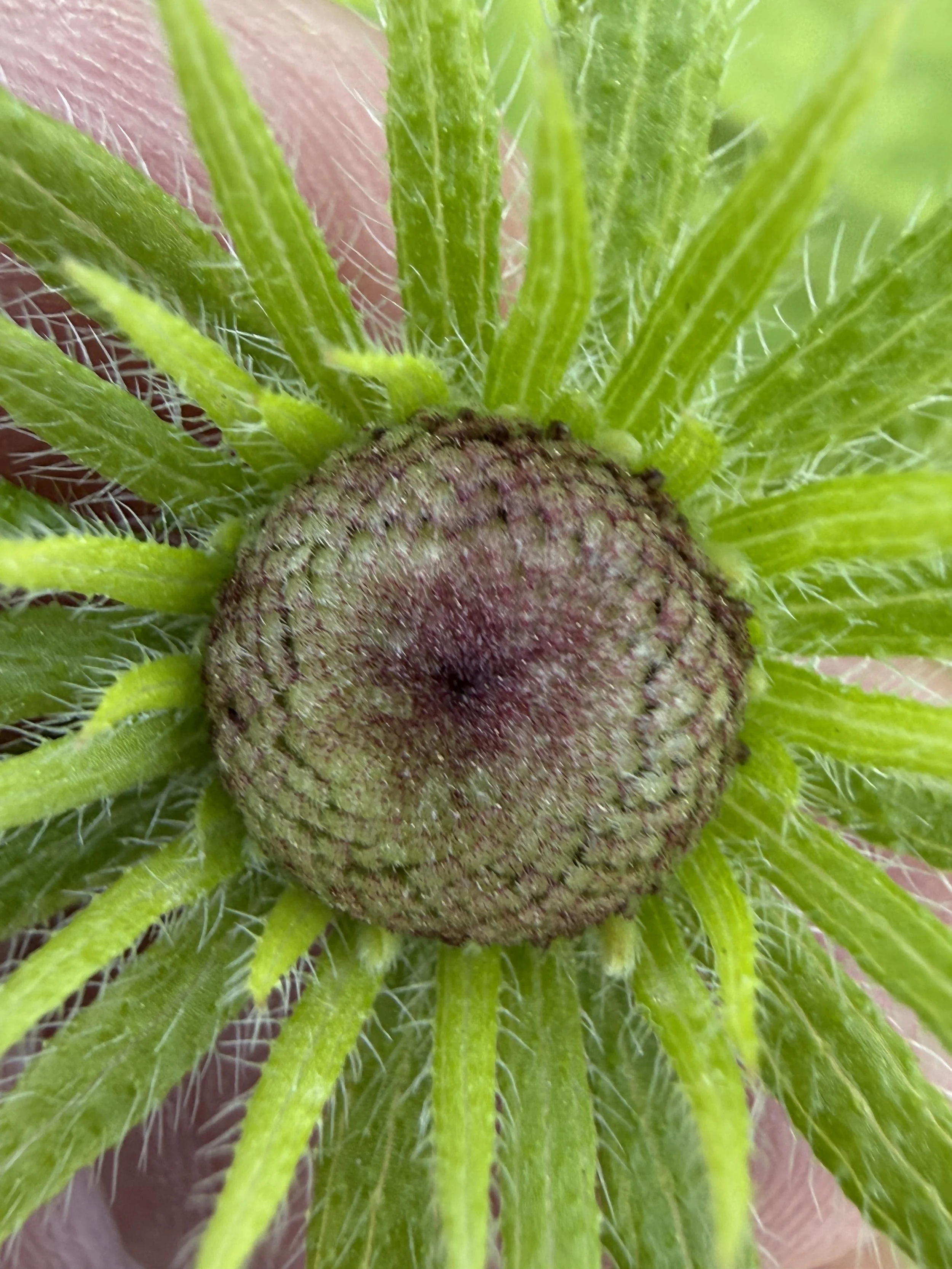
I was walking through Sequel — my living sculpture — when I noticed it. A cluster of Black-eyed Susans with leaves gone deep, moody purple. My first instinct was something’s wrong. But the more I looked, the more I wanted to understand what was actually happening.

So I went down the rabbit hole.

Turns out, that purple color isn’t a disease. It’s not dying. It’s responding. When a Black-eyed Susan experiences stress — cold nights, too much rain, soil that can’t deliver the phosphorus it needs — it produces something called anthocyanin. A pigment. A protective chemical the plant makes just to cope.

The same pigment that colors blueberries. Red cabbage. Autumn maples.

The plant doesn’t collapse under pressure. It changes color.

I’ve been sitting with that ever since.

So much of what we call “damage” in nature is actually adaptation. The purple leaf isn’t broken — it’s communicating. It’s shifting its internal chemistry in response to its environment, doing what it needs to survive. And the wild thing is, once the soil warms up, once the water drains, once the nutrients find their way through — it can return to green. It was never permanently altered. Just temporarily transformed.

This is exactly why I built Sequel. Not to display nature at its most polished, but to live inside its full cycle — the struggle, the adaptation, the quiet recovery. Sequel keeps showing me things I didn’t plan for, didn’t design, couldn’t have predicted. A purple leaf on an ordinary Tuesday is its own kind of gift.

As an eco-artist, I want my work to carry this story. Not the version of nature that’s always blooming, always golden-hour perfect. But the version that goes purple when it’s cold. That shows the struggle on the outside. That adapts without pretending.

There’s a honesty in that I deeply respect.

If you ever spot a Black-eyed Susan going purple, give it a moment before you panic. Check the drainage. Watch the temperature. Maybe add a little bone meal if the soil’s been wet and cold. But also — just notice it. Let it remind you that stress responses aren’t failures. Sometimes they’re exactly what survival looks like.

Sequel keeps teaching me that. One plant at a time.

— 🌿

In Defense of the Uninvited

I think about weeds.

Not in an anxious, what-do-I-do-about-them way. More in a — wait, who decided these don’t belong here? — kind of way.

I look at these plants. Really look at them. They showed up, figured it out, and started doing the work. Nobody planted them. Nobody watered them. They just arrived, broke through whatever burning hot surface was available, and got on with it. You have to admire their spirit and determination.

We call them invasive. We call them a problem. And sometimes, they are. I am a die hard native plant enthusiast — however I have been uncomfortable with this reflex to yank out anything that wasn’t there before — particularly in cities, especially on abandoned lots and cracked pavement and post-industrial nowhere — as if those places had some pristine original state worth protecting.

They don’t. And these plants seem to know it.

Here’s what I’ve come to believe: weeds are Earth’s first responders. When the ground is left bare, tilled, stripped, burned, flooded, or just forgotten — Mother Earth sends them in. They are biologically programmed for the site’s specific conditions, temperature, moisture, daylight — speed healers. They lower soil temperatures, protect the earth’s surface, feed what lives below ground, slow rainwater, reduce erosion, sequester carbon. They show up precisely when and where they are needed most. They do not waste energy or resources.

Here’s what I’ve also noticed: the spots where something is growing — even the stuff we’re not supposed to want — are almost always healthier than the spots where we’ve cleared everything out in the name of keeping it native or neatly manicured. Bare ground isn’t neutral. It’s just… empty. It’s dead. And dead empty doesn’t really serve life.

So I’ve changed how I work. When a volunteer appears somewhere I wasn’t expecting it, I no longer yank it out in a knee-jerk response. I stop — look — think. Why was it sent in? What is it doing? Is it holding soil? Feeding something? Offering shade, cover, a landing pad? I weigh what it’s providing before I decide what to do about it.

The real question isn’t where did this come from? It’s what is it doing now that it’s here?

I’m not saying throw out the whole idea of caring about native ecosystems. I am still a die hard native plant enthusiast. I’m saying the city lot behind a parking garage is probably not the hill to die on. And the plants that moved in there — the ones in these photos — they’re working with what exists, not what existed.

There’s something I respect about that.

Just maybe they know what they are doing.

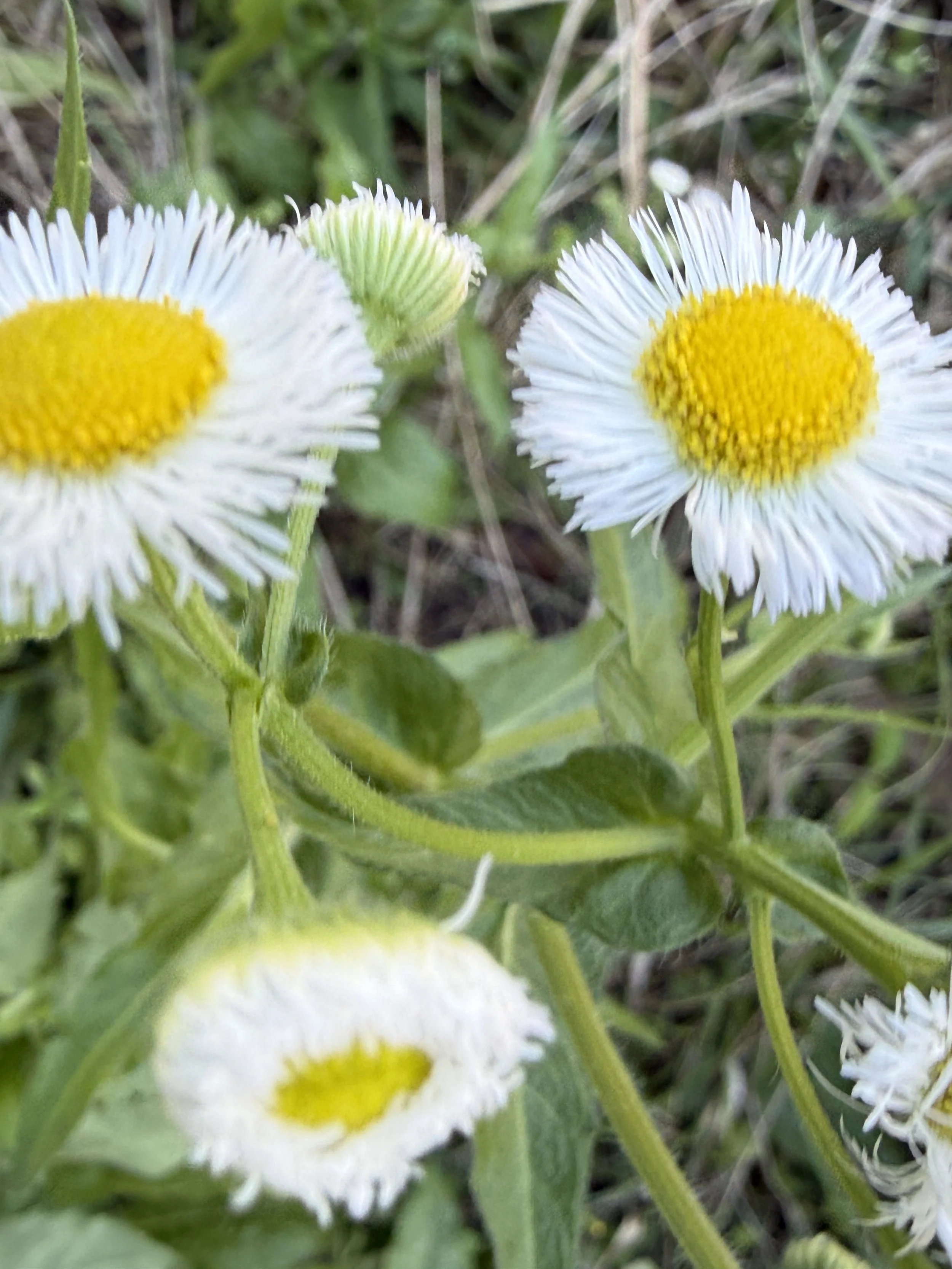
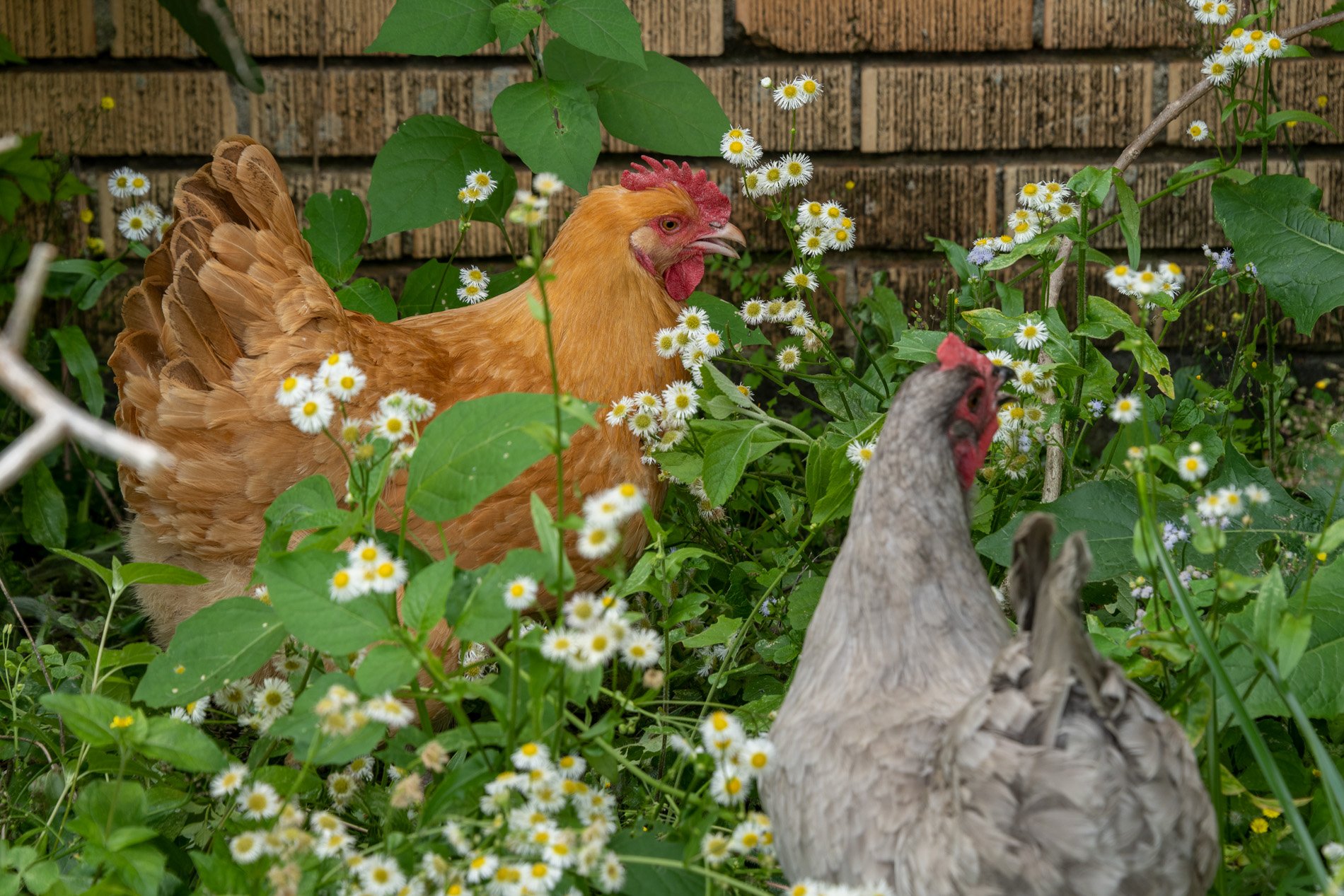
Take daisy fleabane. Erigeron annuus. Dainty and a little scraggly when alone but stunning in a bunch, shows up in places nobody planted anything intentionally. Easy to walk past. Easy to dismiss.

Here is what it’s actually doing.

It’s a pioneer species — which means it arrives first, on bare and broken ground, before almost anything else is willing to try. Disturbed soil, compacted soil, the forgotten strip between a parking lot and a fence. Fleabane doesn’t care. It moves in, stabilizes the surface, and starts feeding things. Bees, wasps, flies, small butterflies. The Lynx Flower Moth uses it as a host plant. Goldfinches pick through the seeds come fall like they’ve been waiting all season.

Nobody sent it an invitation. It just knew where it was needed.

That’s the plant in this photo. Doing exactly what I described. Showing up, figuring it out, getting on with it.

Easy to pull. I say — easy to love.

Heat Dome

“What I propose, therefore, is very simple: it is nothing more than to think what we are doing.”

-Hannah Arendt, The Human Condition

Heat Dome

Watercolor monotype

30" X44"

Bare ground, concrete, asphalt, and astroturf emit 4X radiant heat. Great masses of radiant heat create heat domes. Heat domes prohibit weather from moving across the land. In contrast, surfaces covered in thick layers of plants indigenous to the region store water in the soil. When the day warms, the plants transpire, releasing bacteria with the moisture to form clouds that provide shade and then rain. We each need to carry our ecological weight. We can start by considering new ways to surface our city scapes to cool the planet.

Heat Dome ghost

To Leave

The ephemeral beauty of nature lies not just in living organisms but also in their inevitable decay.

This morning, while examining “deeper than that” a private living sculpture art installation featuring indigenous plants, I was struck by the fading loveliness of the Rosinweed leaves as they withered. Contemplating the homophones “leaf”, “leave” and “leaves”, I pondered how societies historically understood the ecological value of allowing foliage to persist even after senescence. Is that why we call these objects a verb?

Leaves that have left a plant continue to nourish the soil and its microbial inhabitants even in death. Their decaying forms hold moisture, shade the living organisms in the ground, and provide nutrients as they return to earth, building a balanced ecology that sustains urban landscapes. They are an important material natures uses in its engineering of the water table.

Though a single leaf may seem a small, ephemeral thing, in aggregate and over time, the leaves left behind establish and uphold the very foundations of life.

Their decay is not an end but rather a beginning - a quiet, essential recycling of energy and matter that allows new growth to emerge.

In both the noun and the verb there are layers of beauty, and layers of ecological purpose, in the leaves left to molder where they fall. An ecosystem thrives on this gift of decay, using the ephemeral to fuel the eternal. Such is the profound, poignant cycle that the installation’s Rosinweed specimens, even as they bend and brown, help perpetuate. Out of seeming loss, abundance; out of death, life.

Leave your leaves and be grateful for their beauty as nouns and as verbs.

The American Beaver - research

In her book Beaver Land, How One Weird Rodent Made America, Leila Philip spends a chapter on Lewis H. Morgan's (America’s first Anthropologist) documentation of The American Beaver written in 1868. Lucky me, I have found a copy. I am wondering how this read may impact my work.

During a captivating walking tour of Buffalo Bayou in the early 2000s, led by an esteemed Master Naturalist, my fascination with beavers was sparked. It all started when we stumbled upon a tree stump adorned with telltale markings of these industrious creatures. Surprisingly, our knowledgeable guide harbored a deep dislike for beavers, prompting me to question their significance within the ecosystem. Alas, our Master Naturalist was left speechless, unable to provide an answer. As an artist documenting my practice, this encounter left me pondering the enigmatic role of the beaver, and the profound impact it holds within our natural world.

Just as bison’s behaviors shape our land ecosystems, beavers are the architects of thriving water and marsh ecosystems. Considering that water is the key to cooling our planet. To truly comprehend nature’s cooling mechanisms, I recognized the need to understand the Beaver and how their work may connect with the bisons and how humans can mimic these systems in urban landscapes.

As someone devoted to capturing the wonders of natural history and integrating them into our human-made structures, I’ve been amassing a collection of historical writings on natural history. I am looking forward to learning from this new addition to my collection.

In Morgan’s book, he delves beyond the surface-level characteristics that most naturalists focus on, offering a profound perspective.

Leila Philip‘s book is a thorough overview and introduction to a contemporary view of the Beaver. I will probably rerread Philip’s book overtime.

I want to know about the Beaver before the Railroad and what beavers think and how they work, what inspires these creatures to do what they do. Morgan’s book is that and more.

IU - Natural systems - digestive system

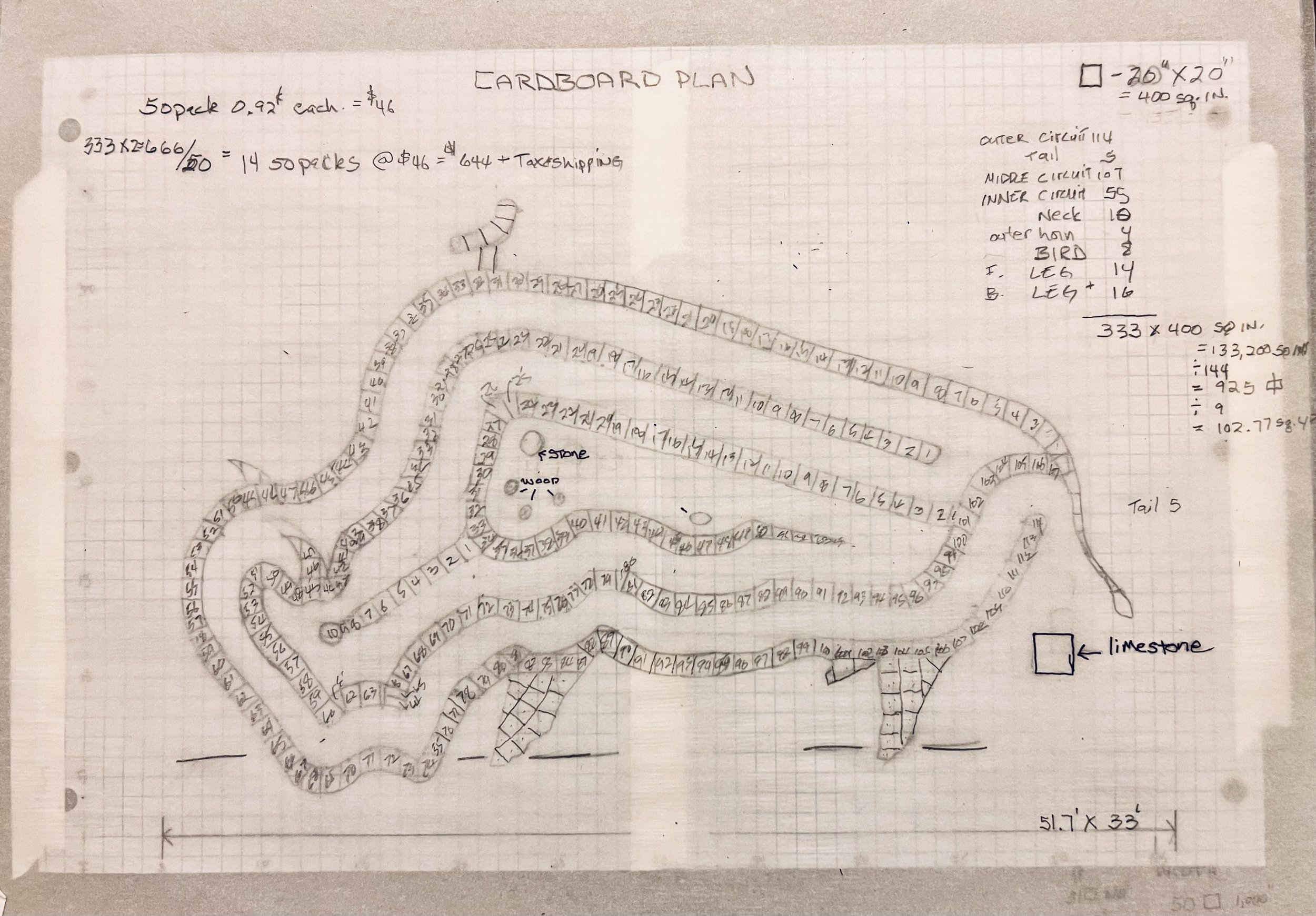
Scaling up the drawing I also wanted to incorporate another layer of interest in the piece - the ruminant's digestive system.

Before the digestive system and with shorter legs.

In order to add this intestinal circuit his abdomen and hump had to get larger to allow for the walking paths on either side of it. The wider girth made his legs look like stumps so I lengthened his legs.

After the digestive system and leg adjustments.

Peck + Scratch

Peck + Scratch Installation

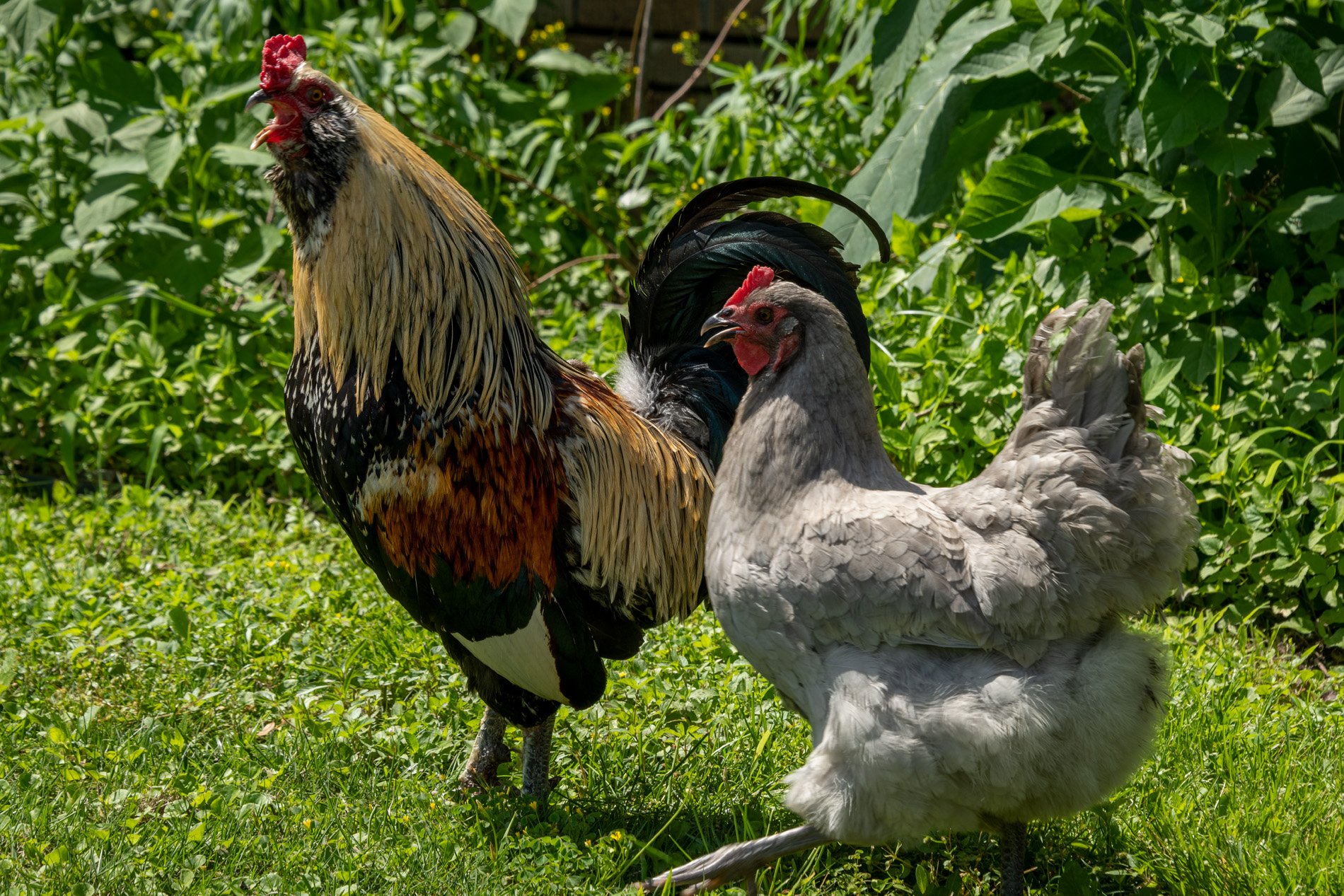
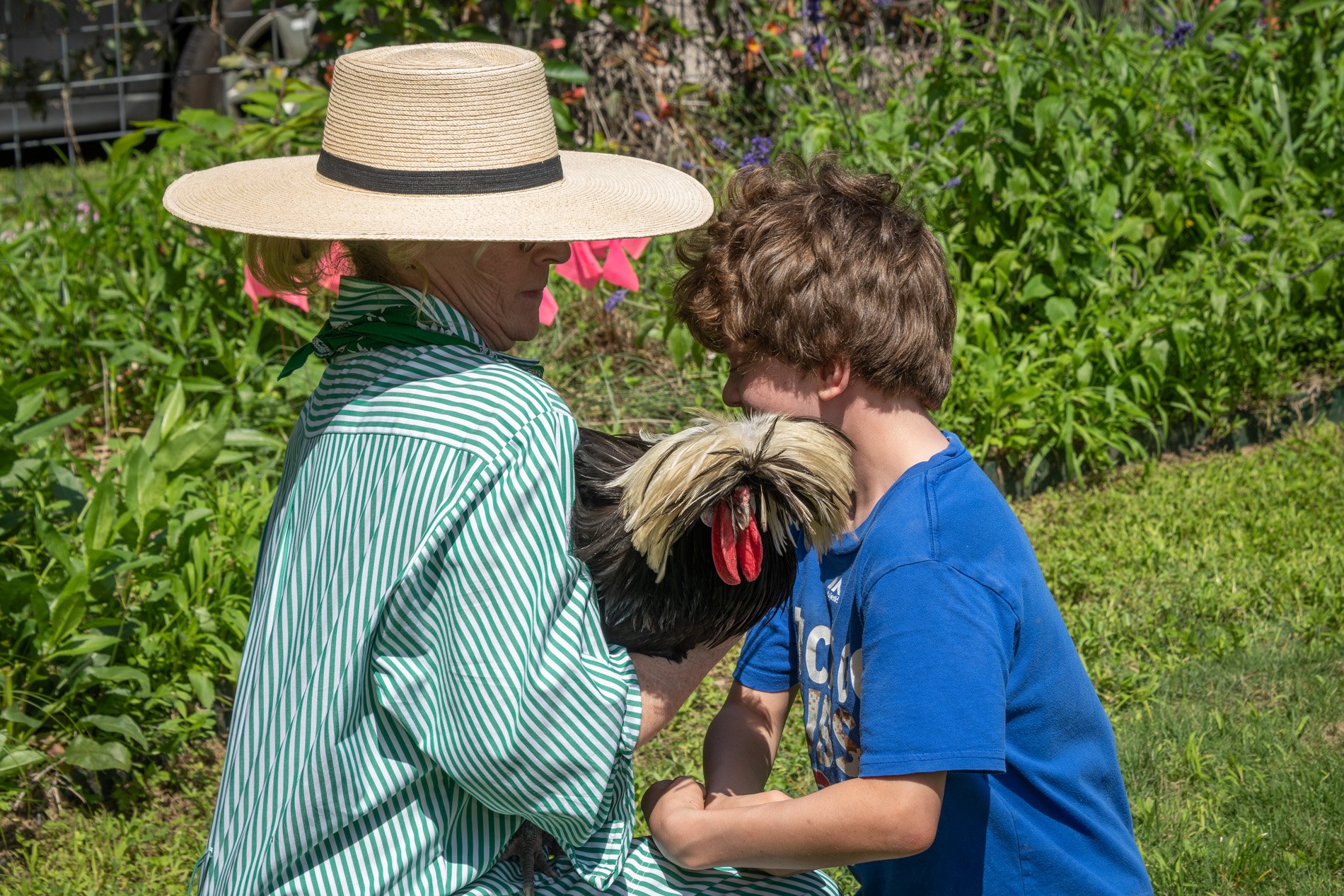
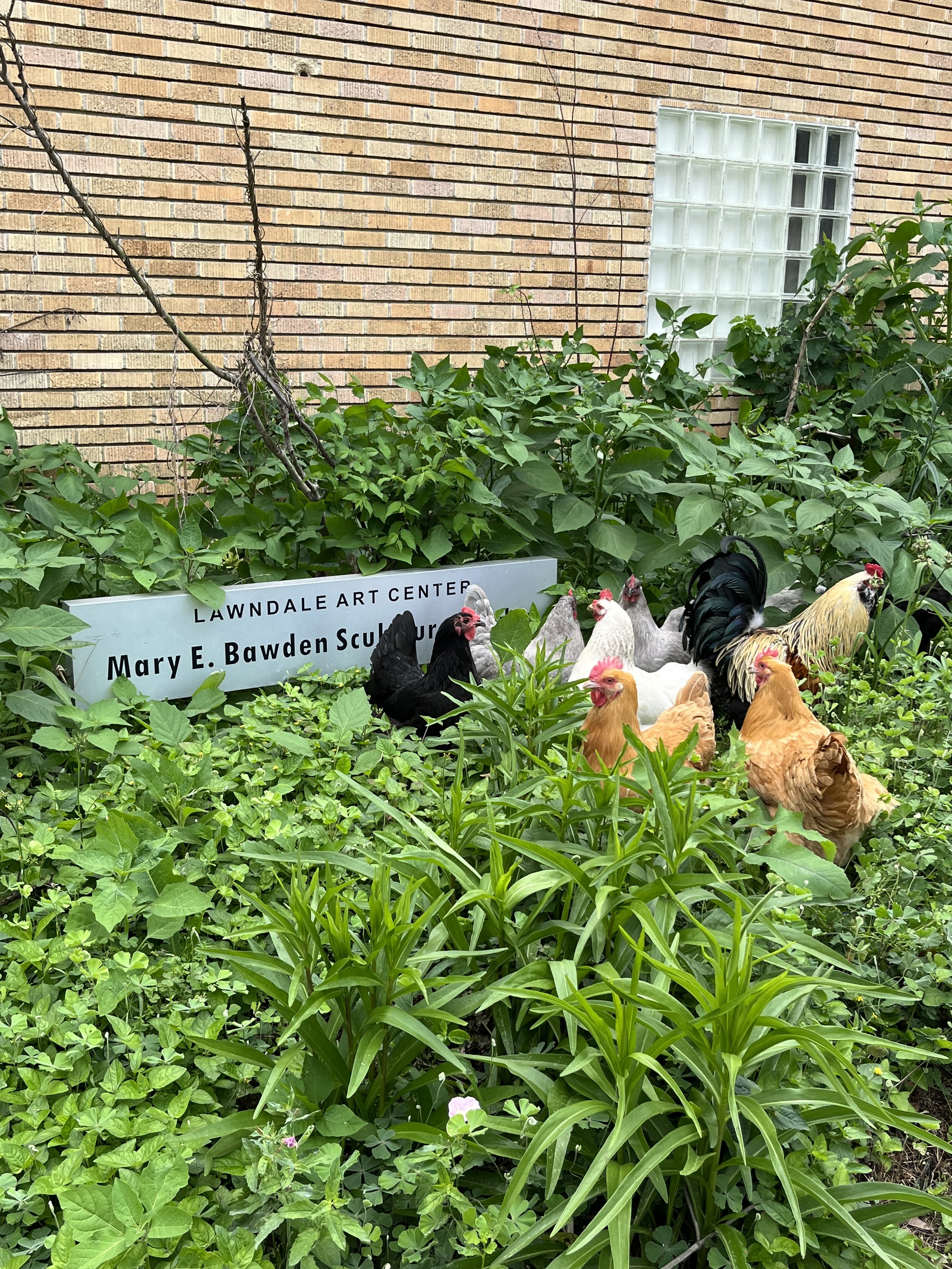
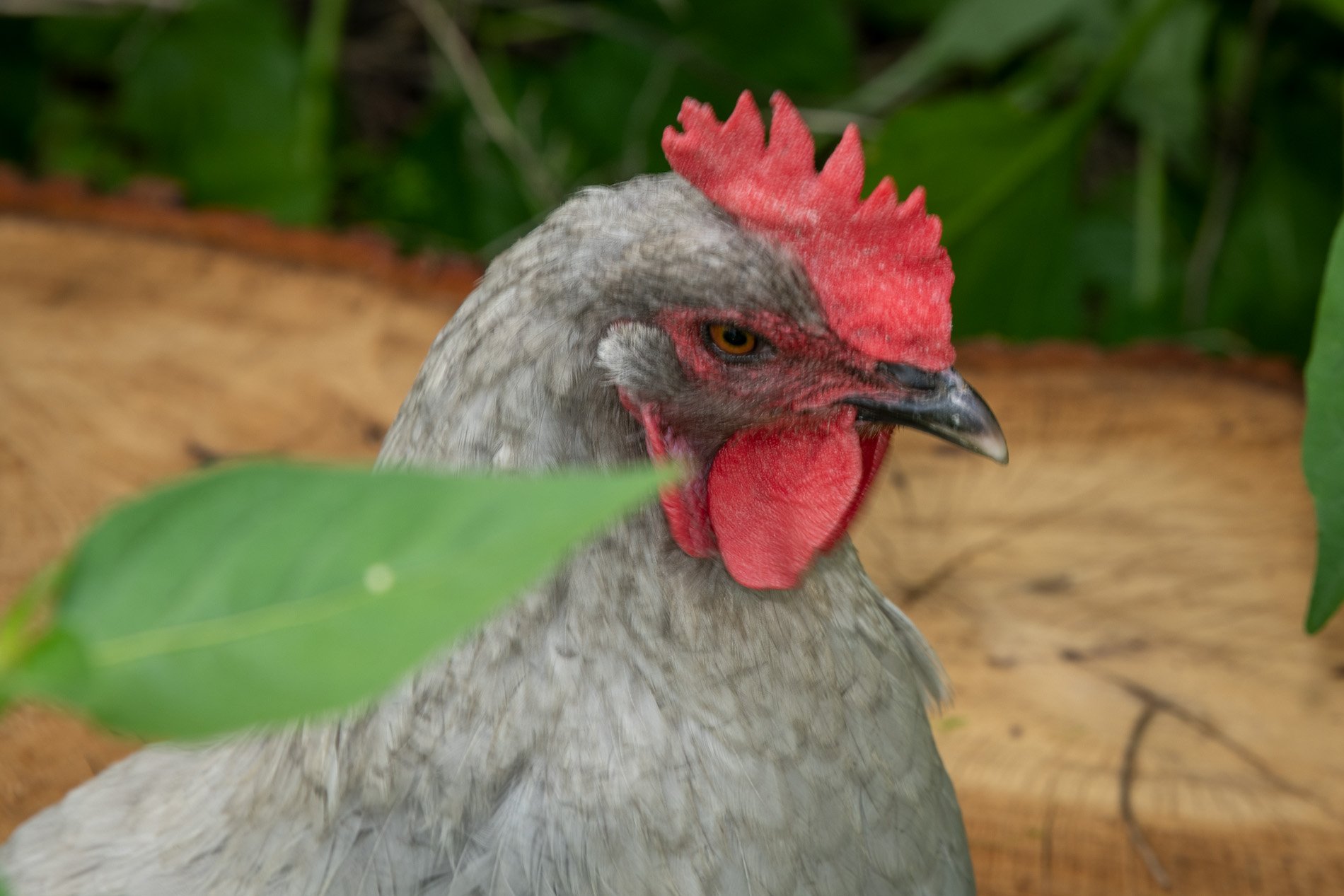
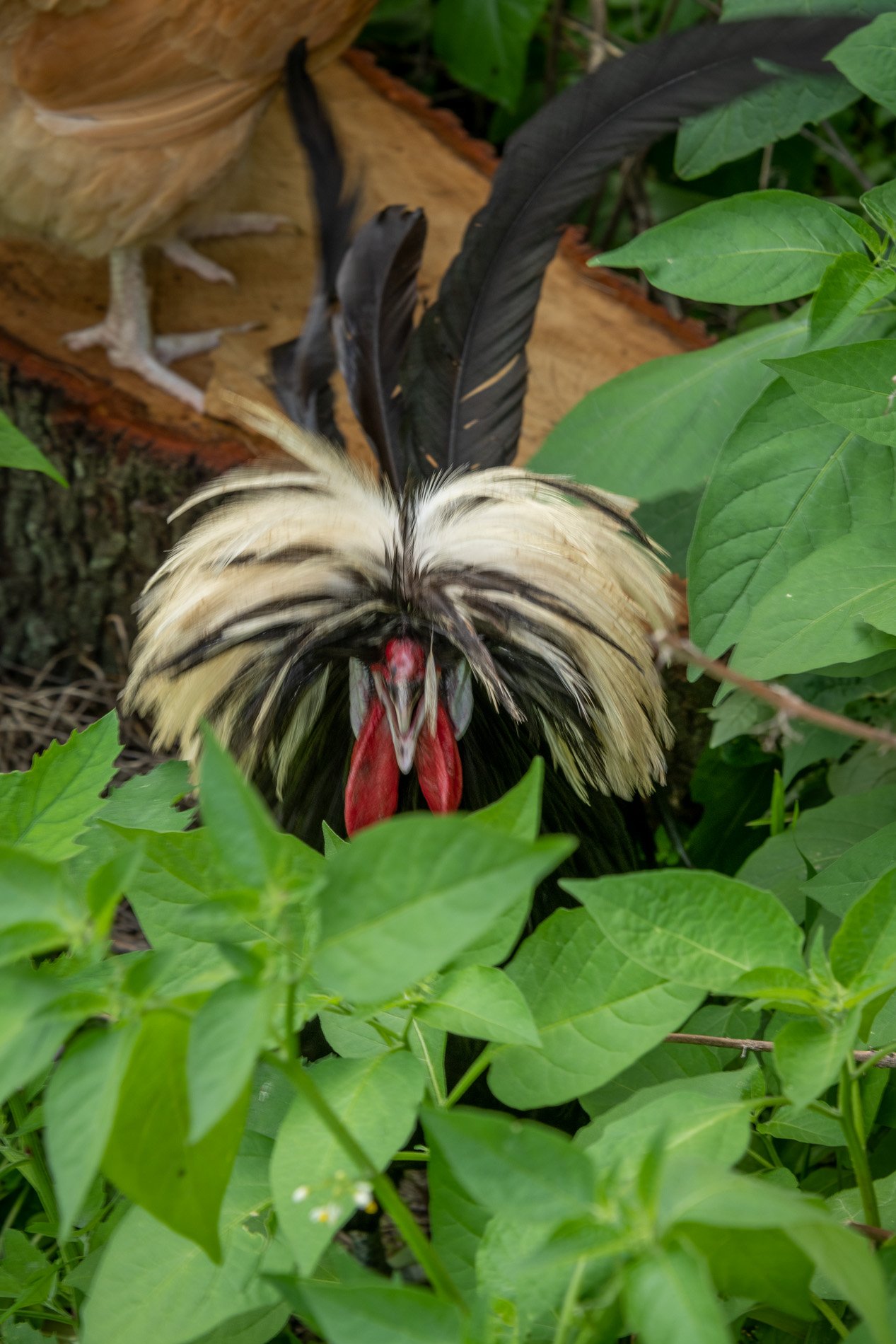
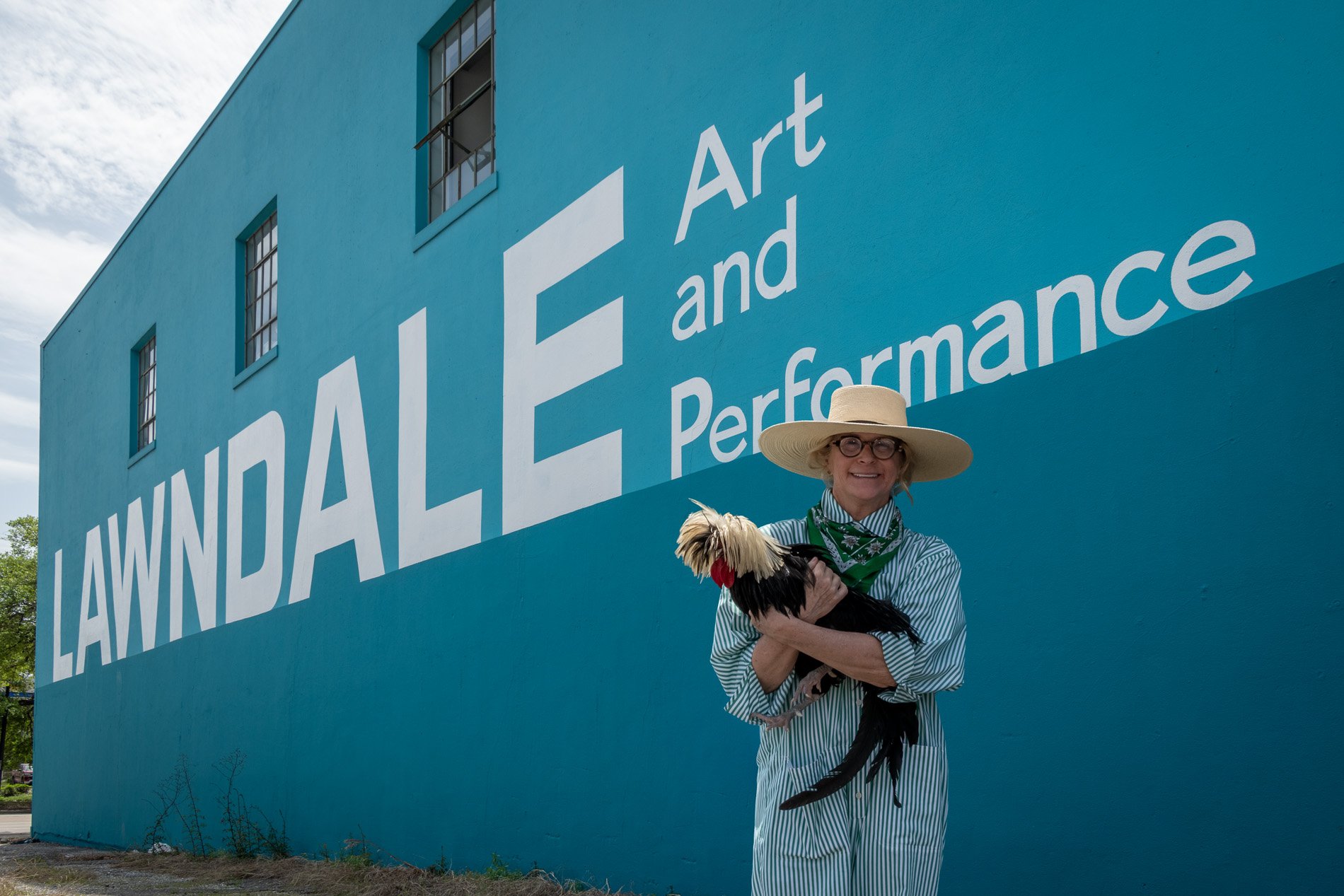
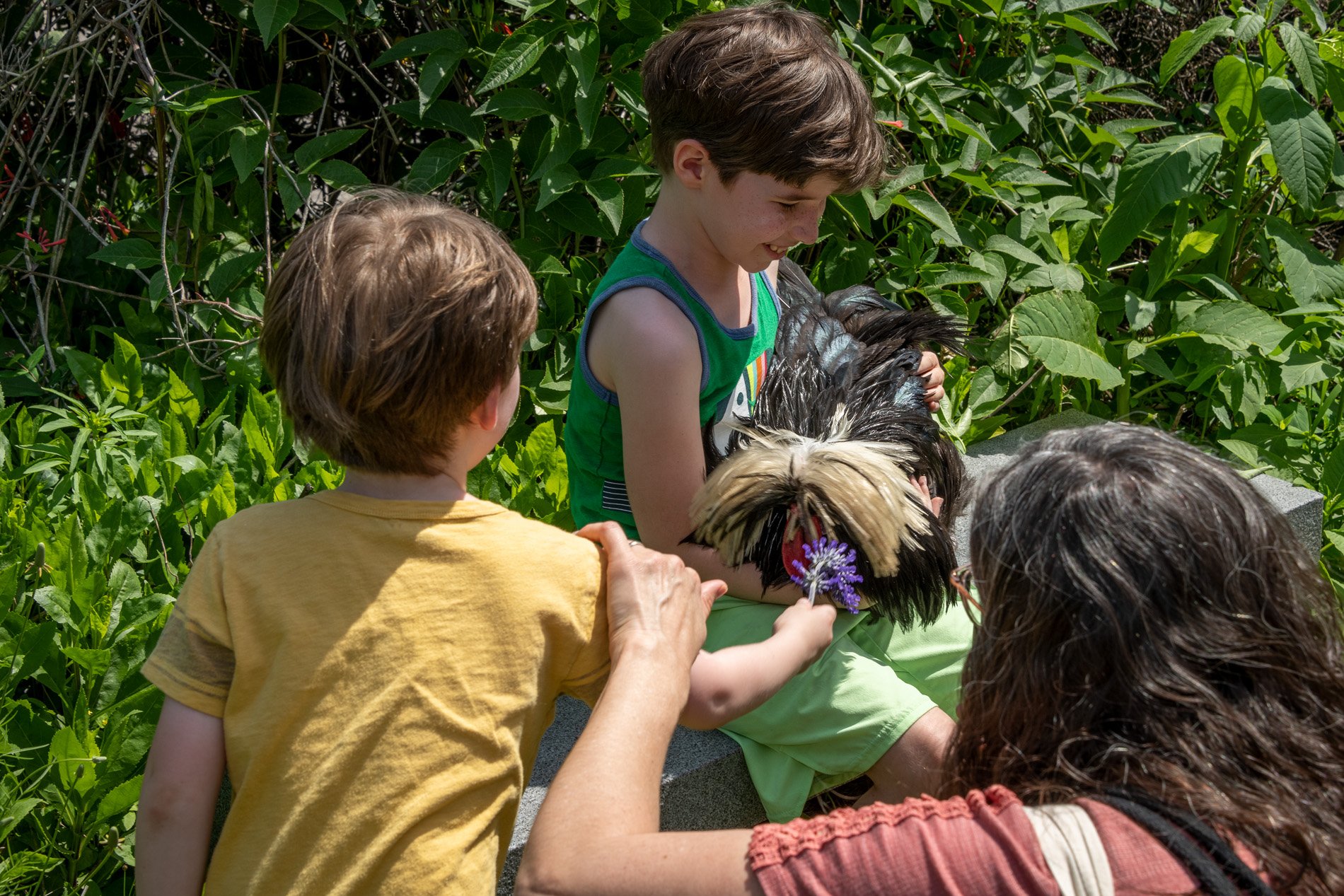
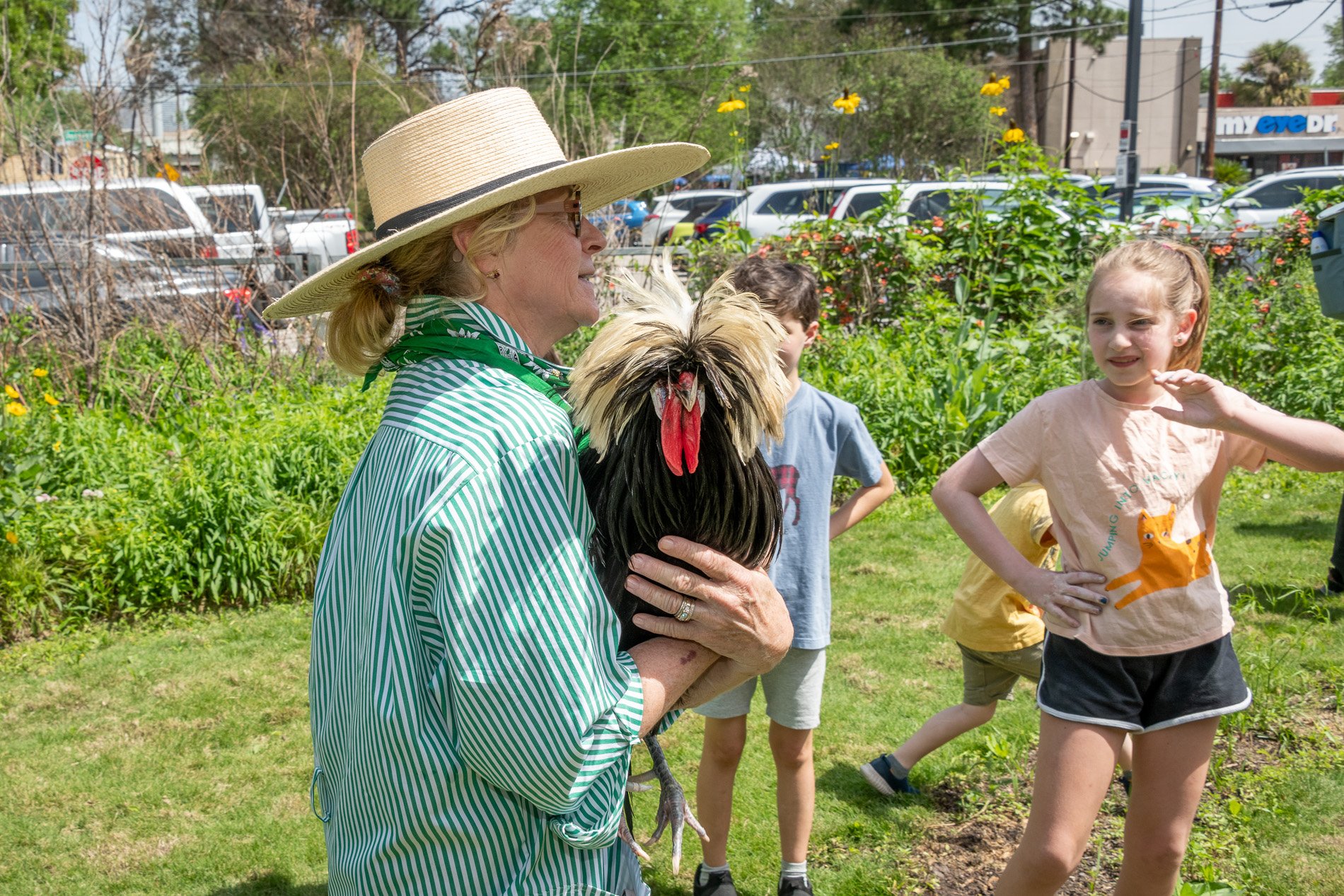
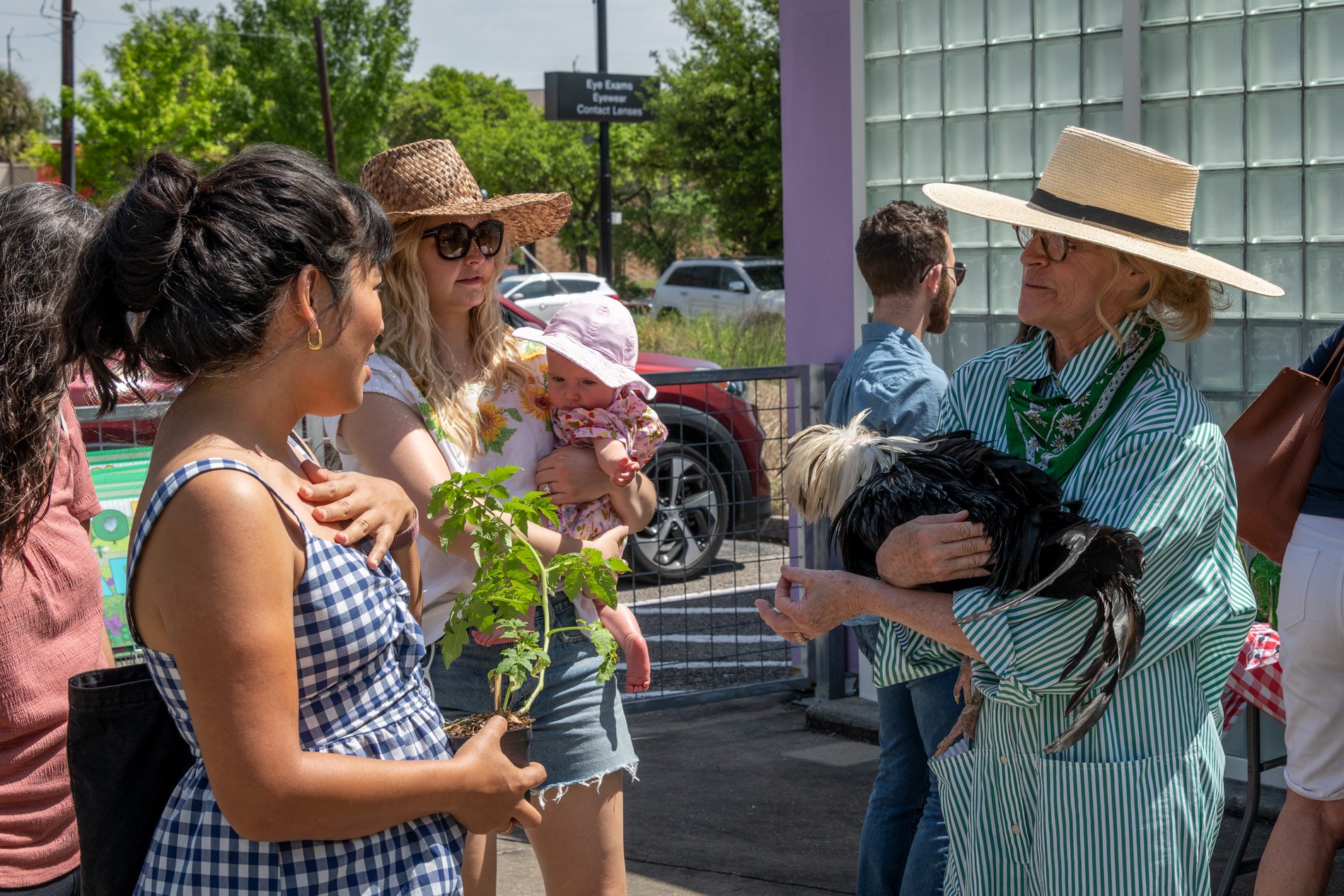
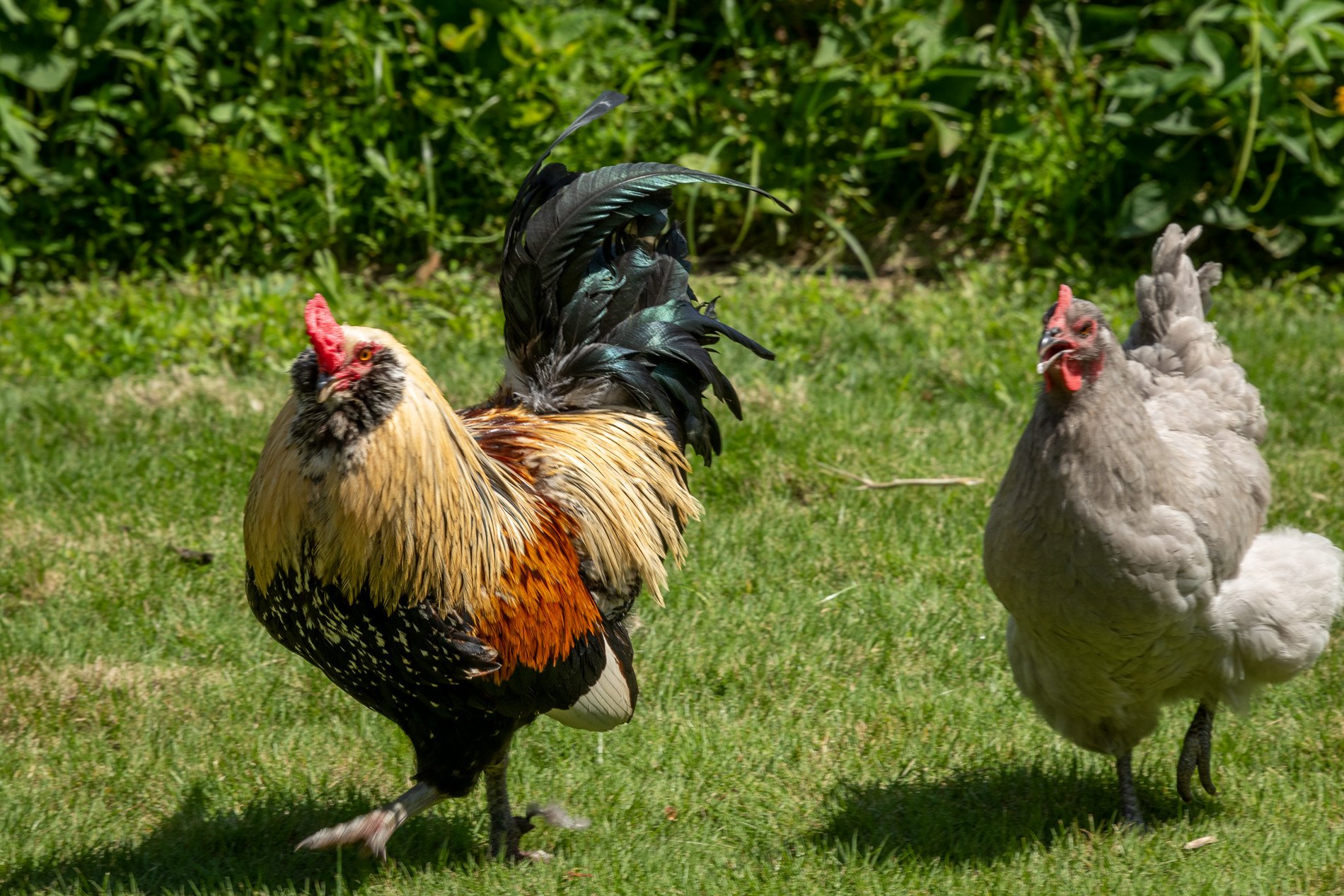
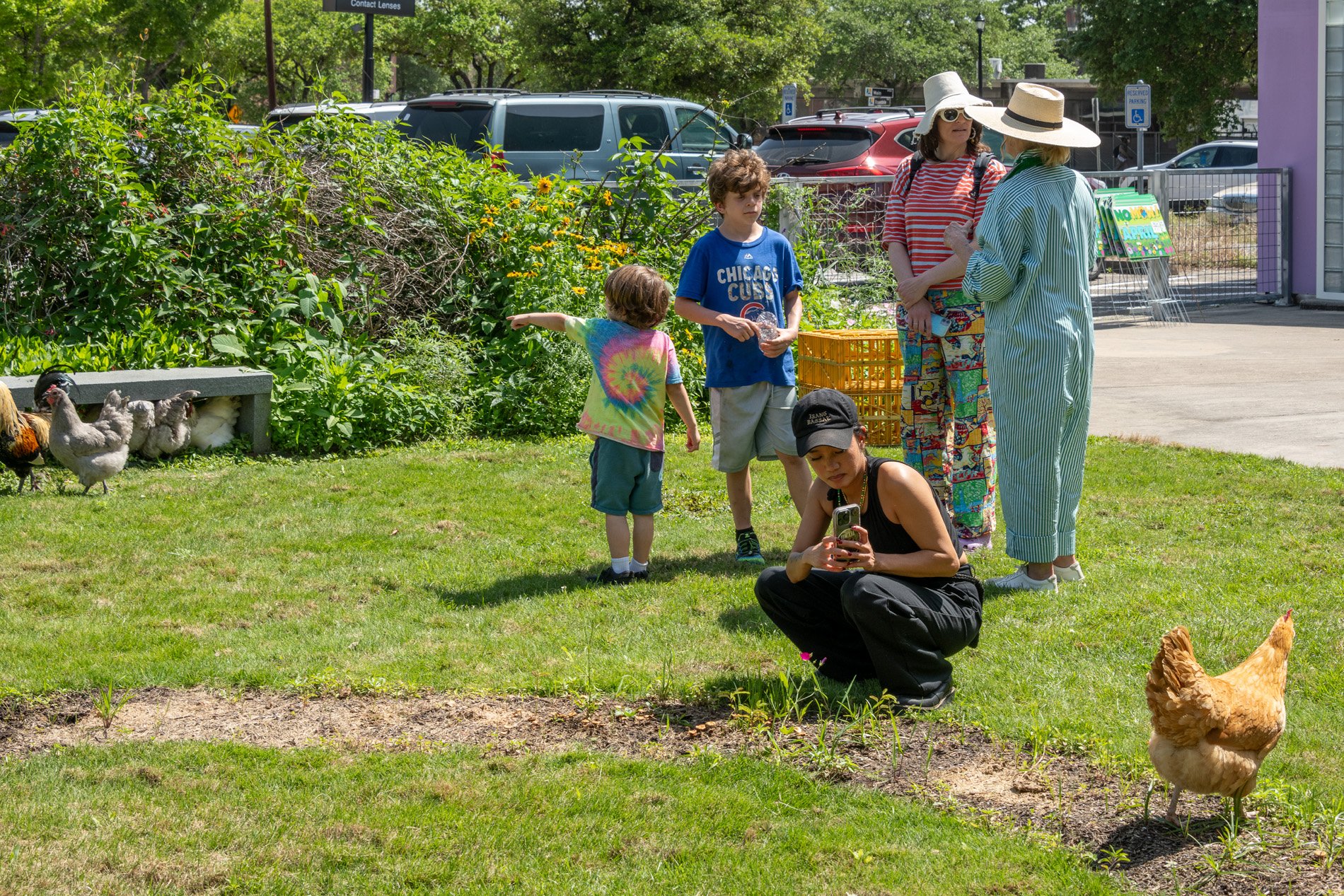
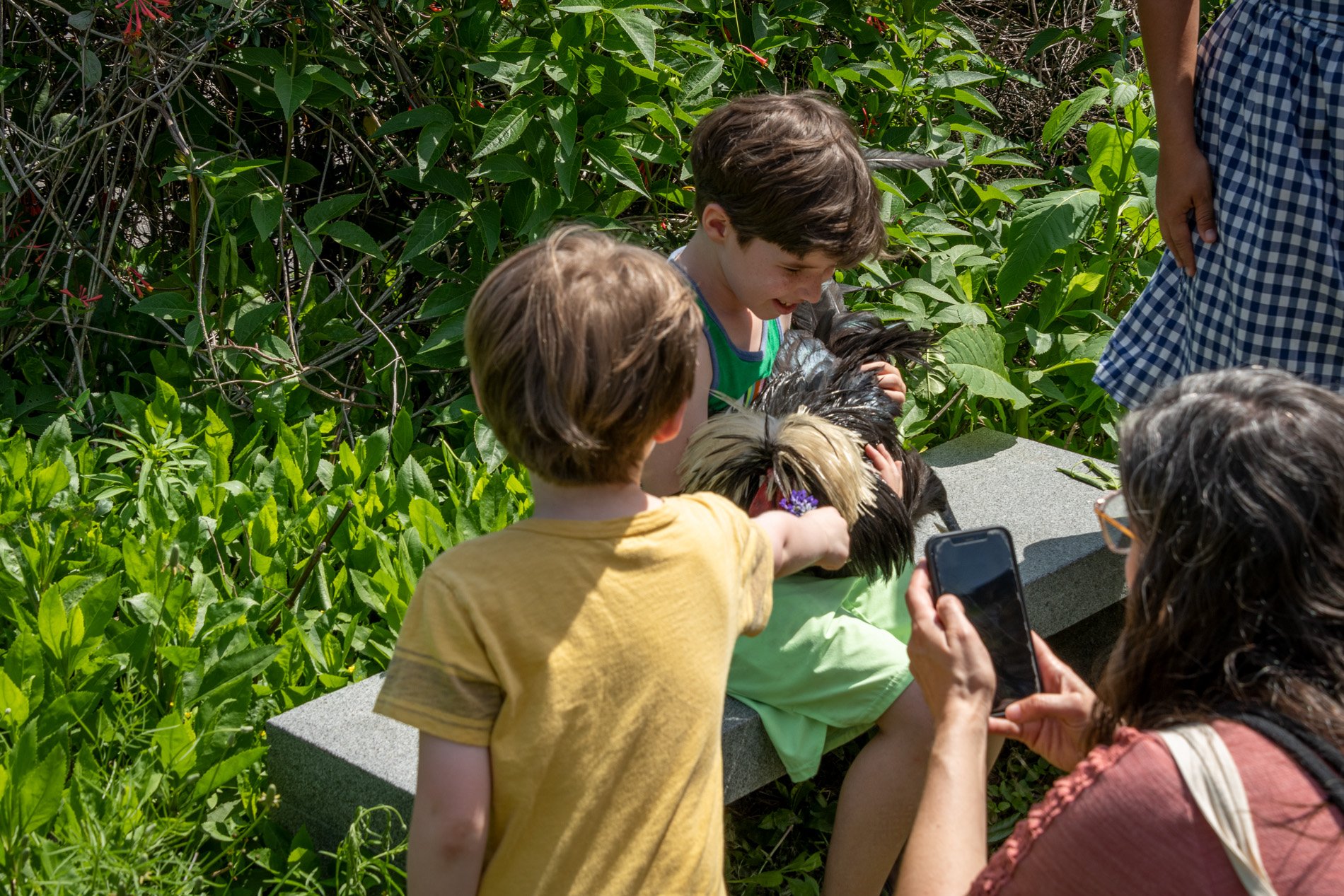
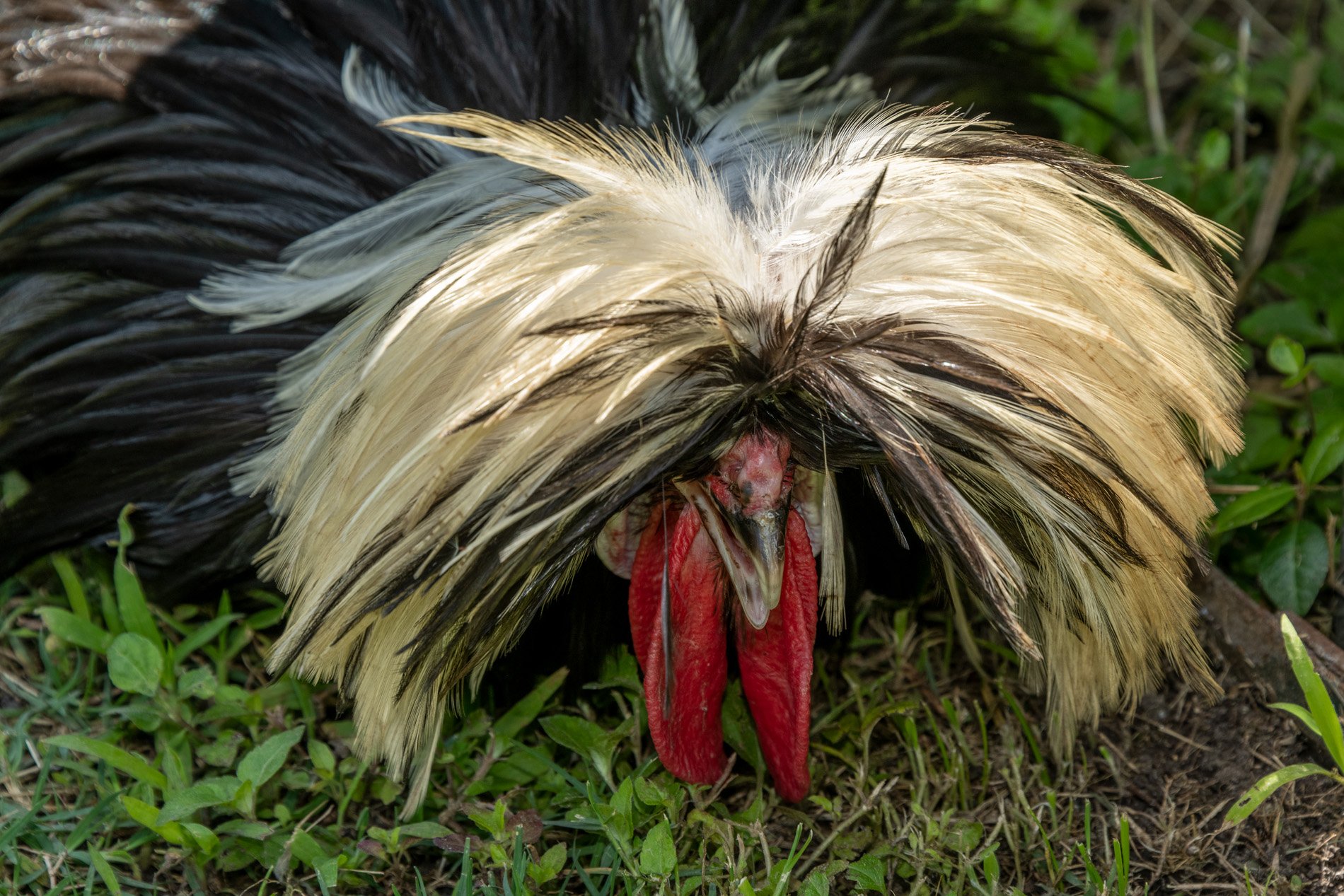
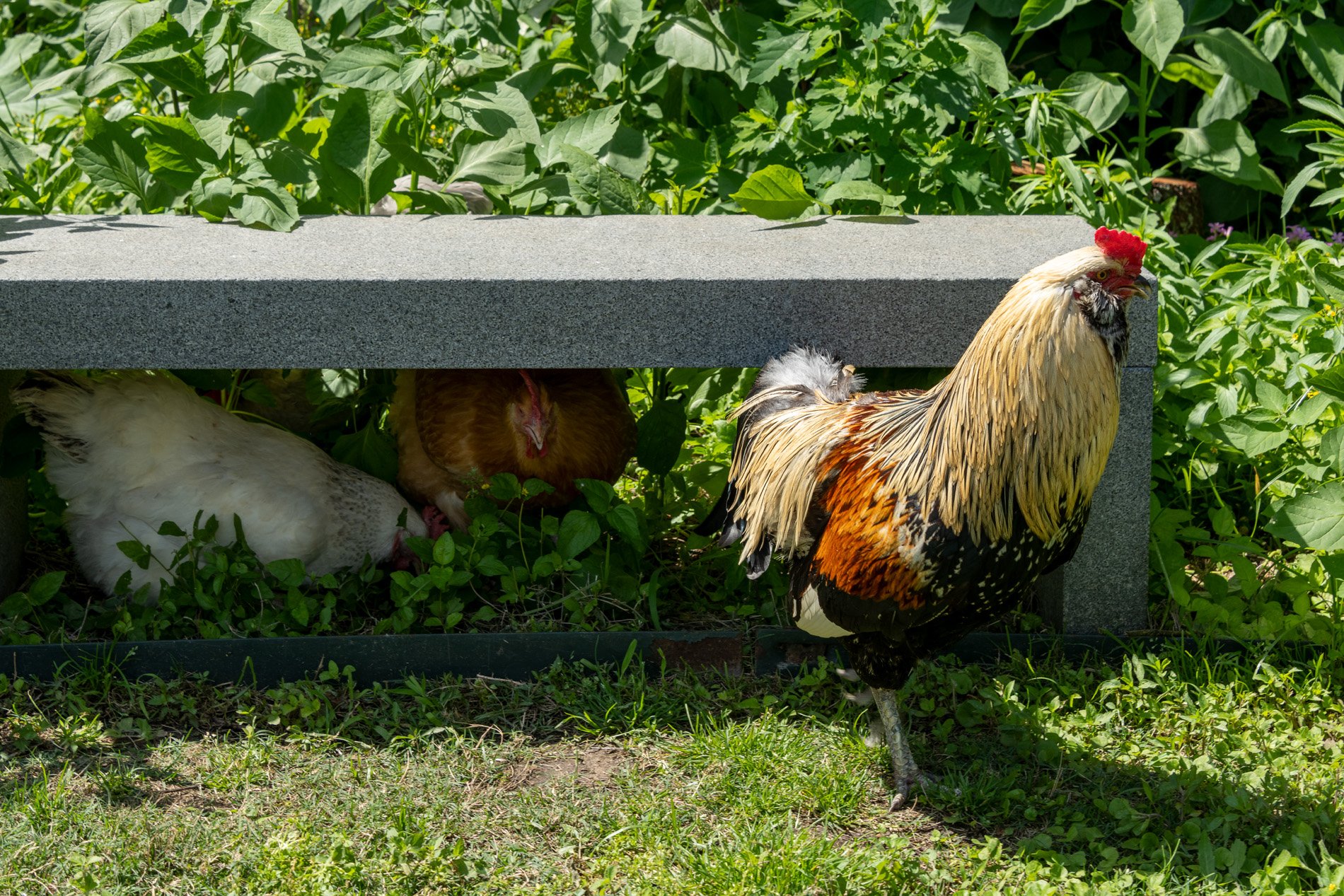
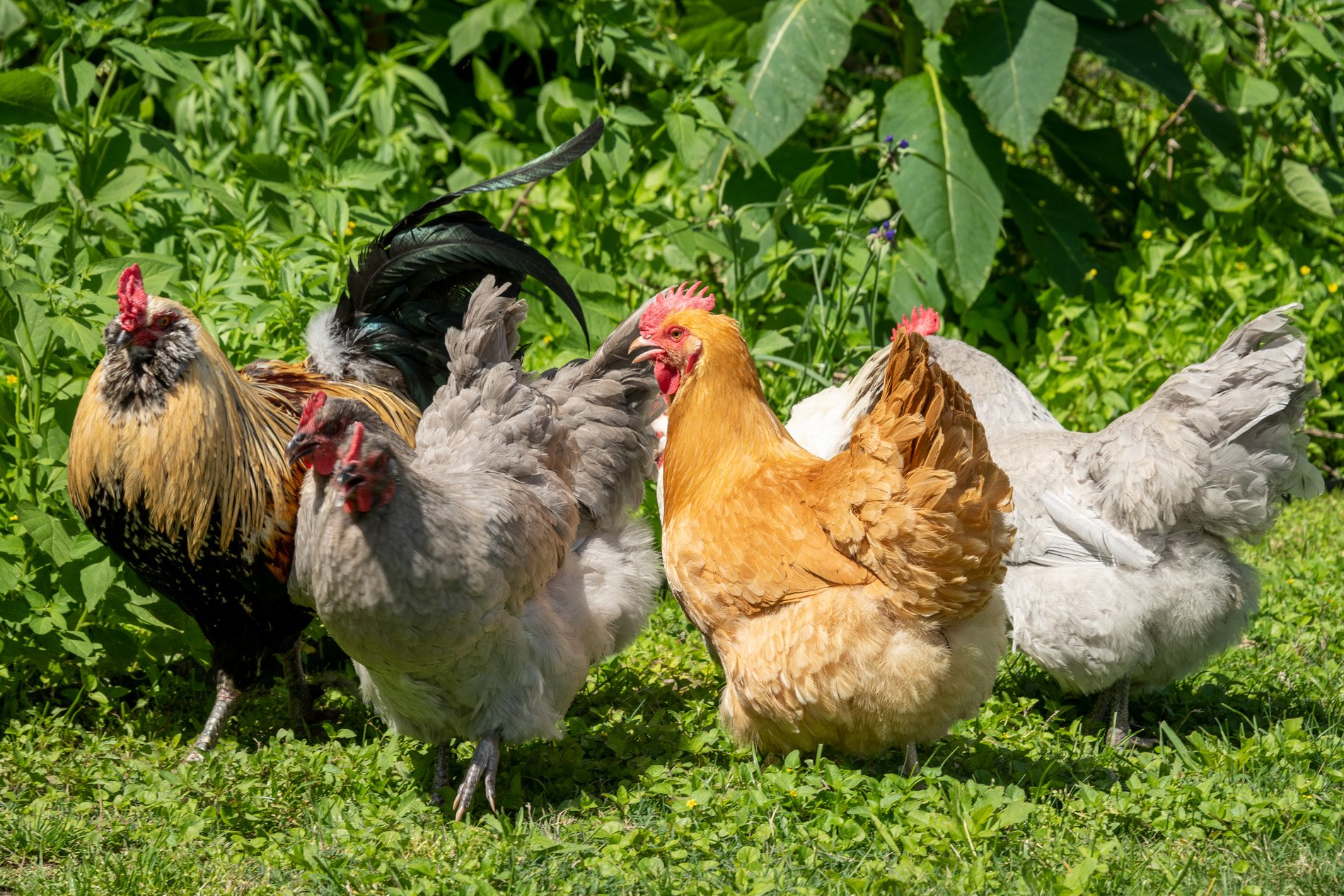
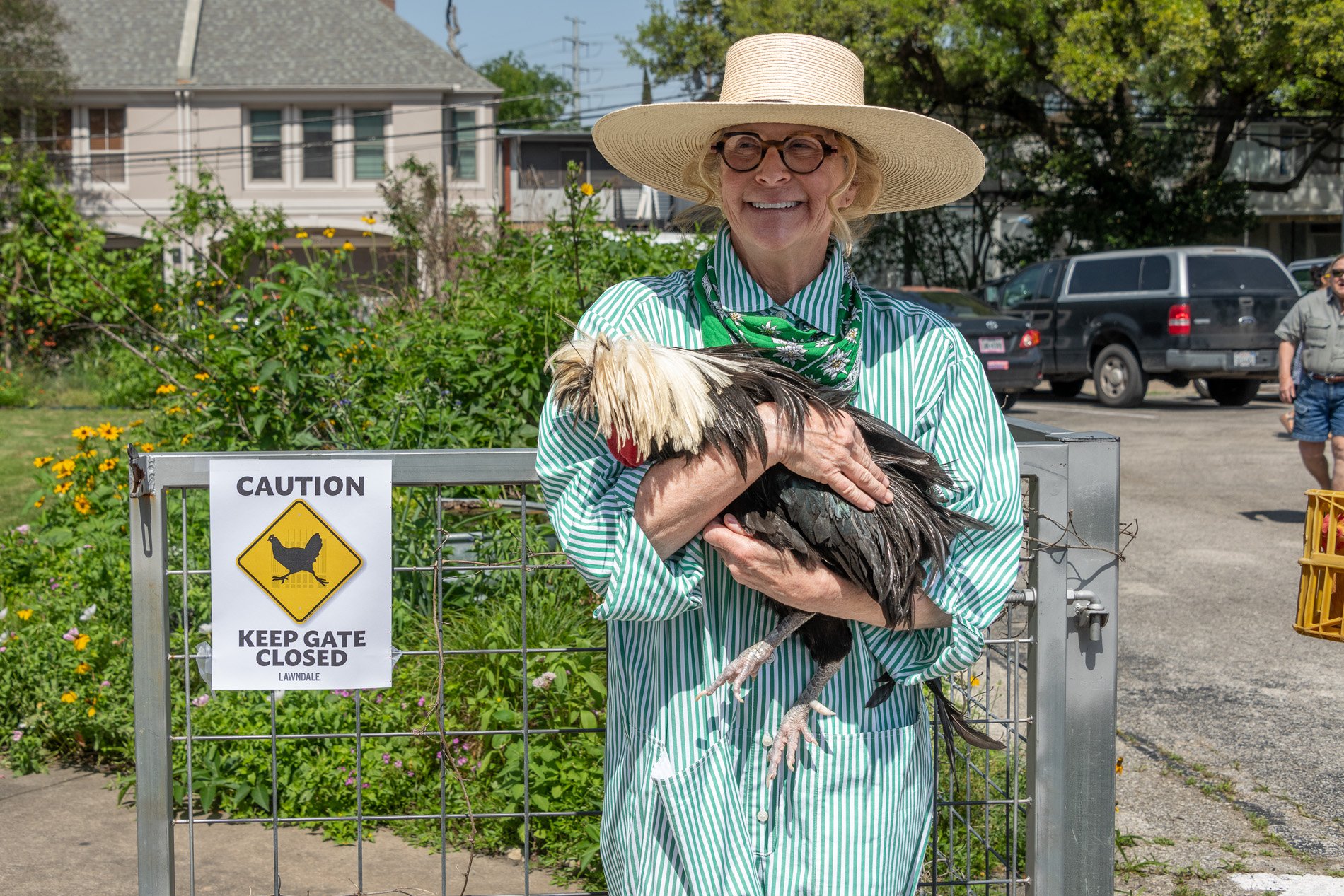
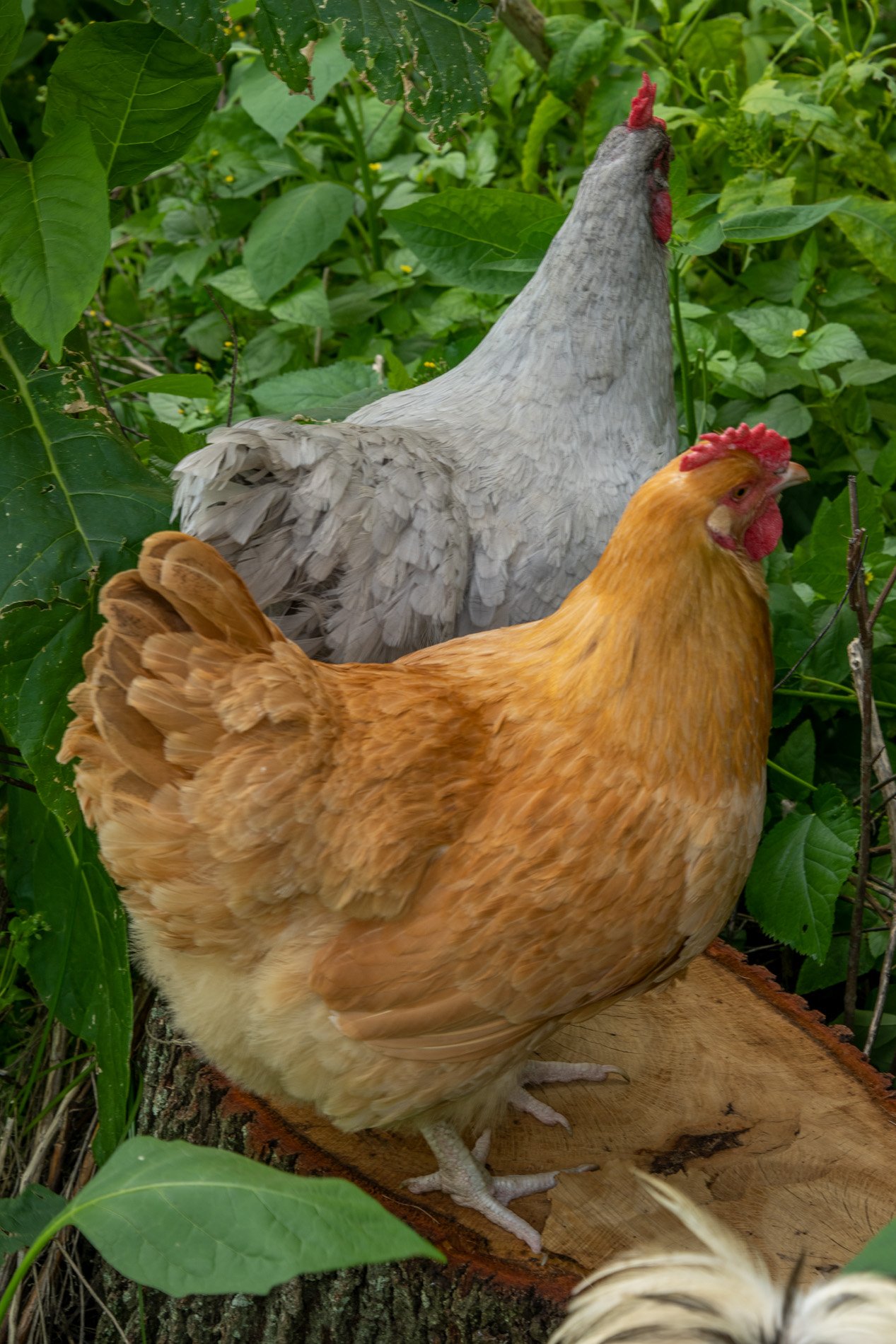
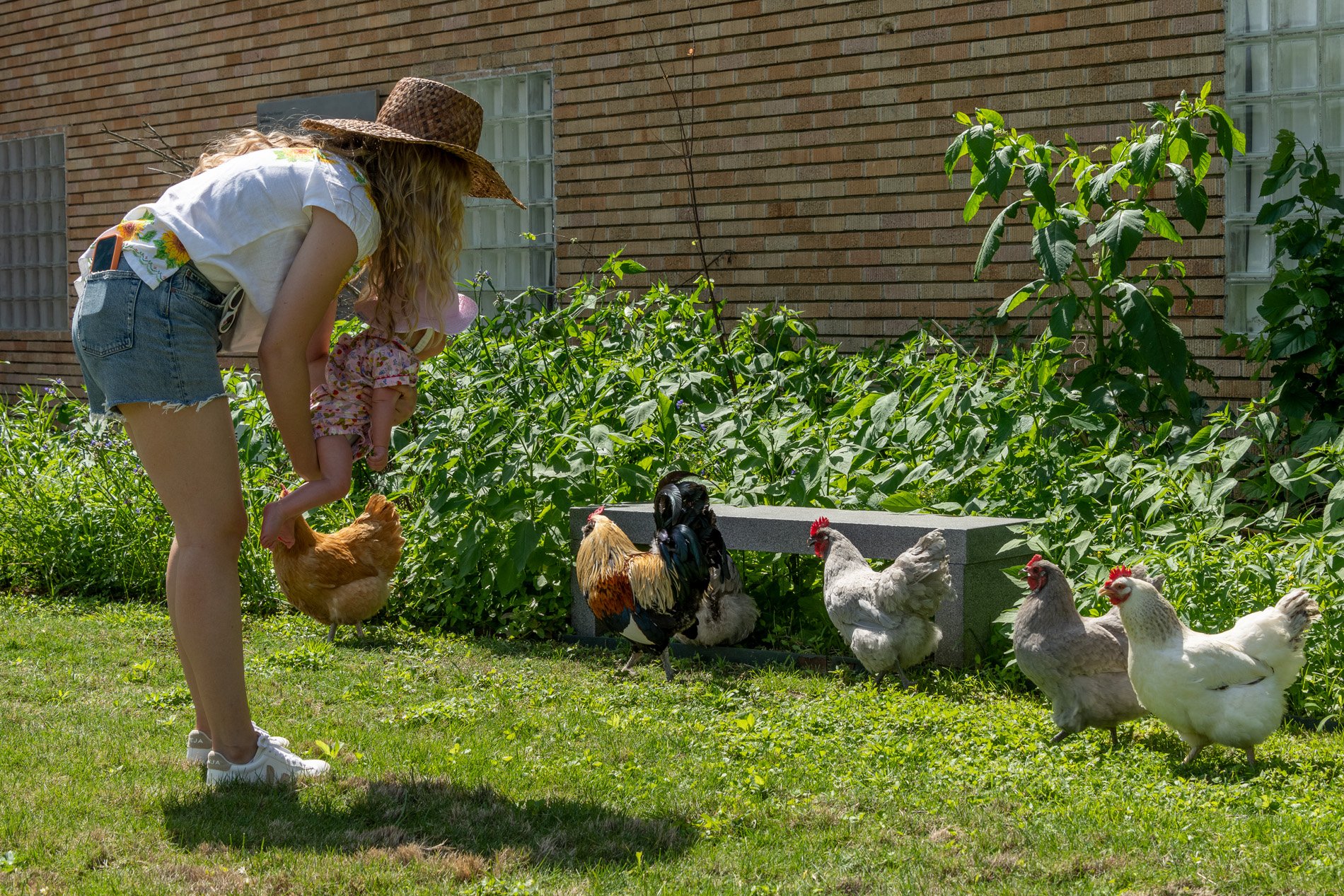
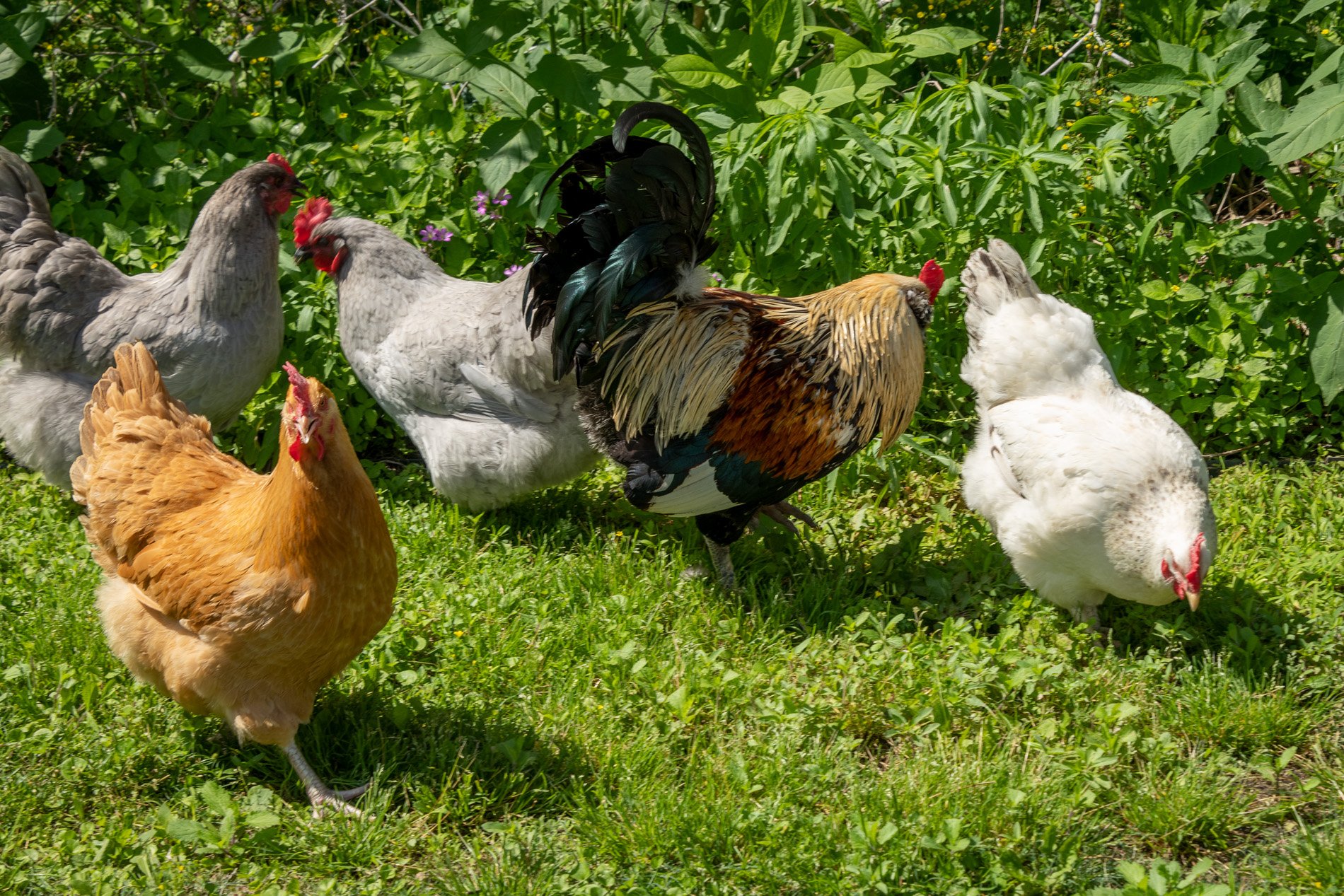
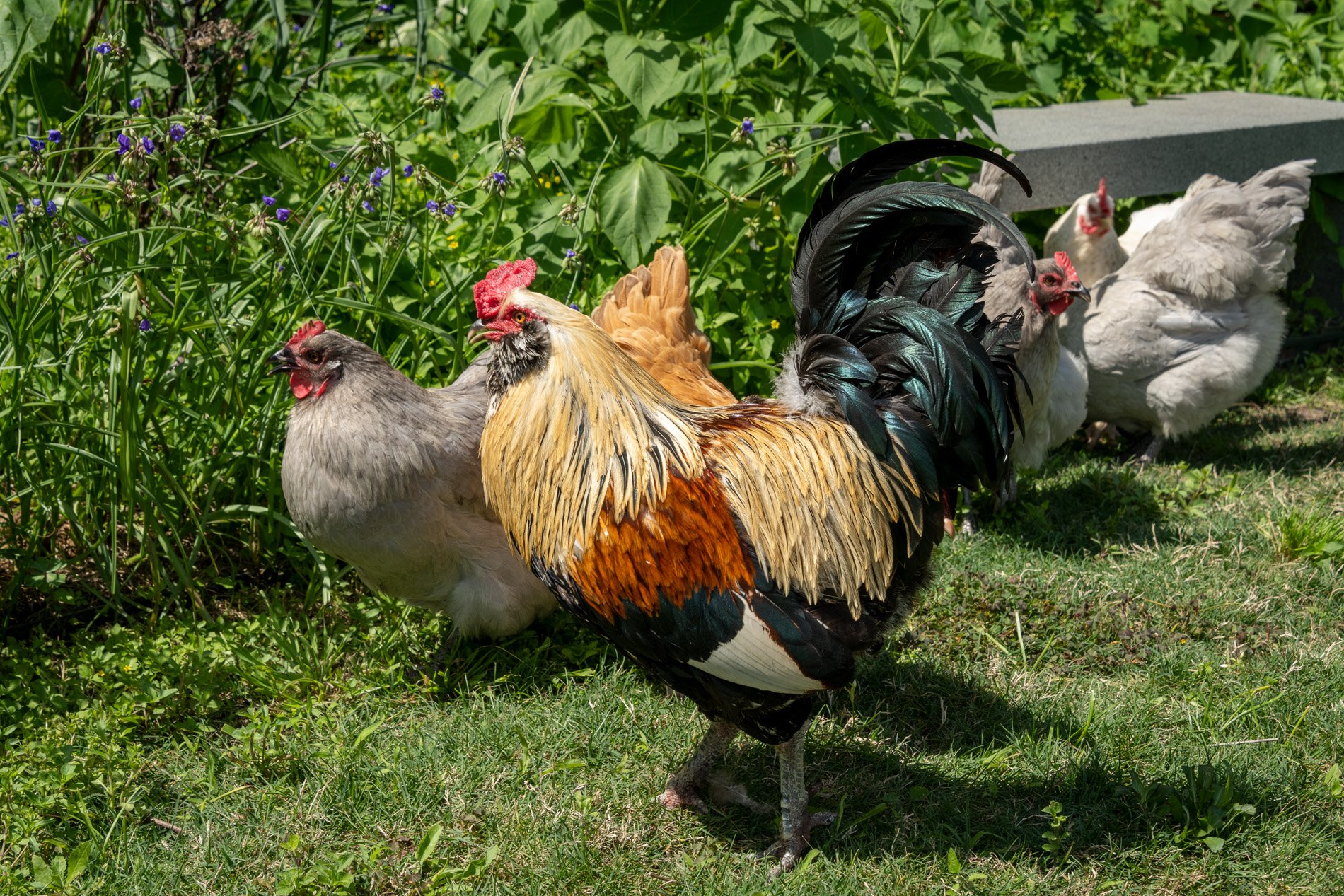
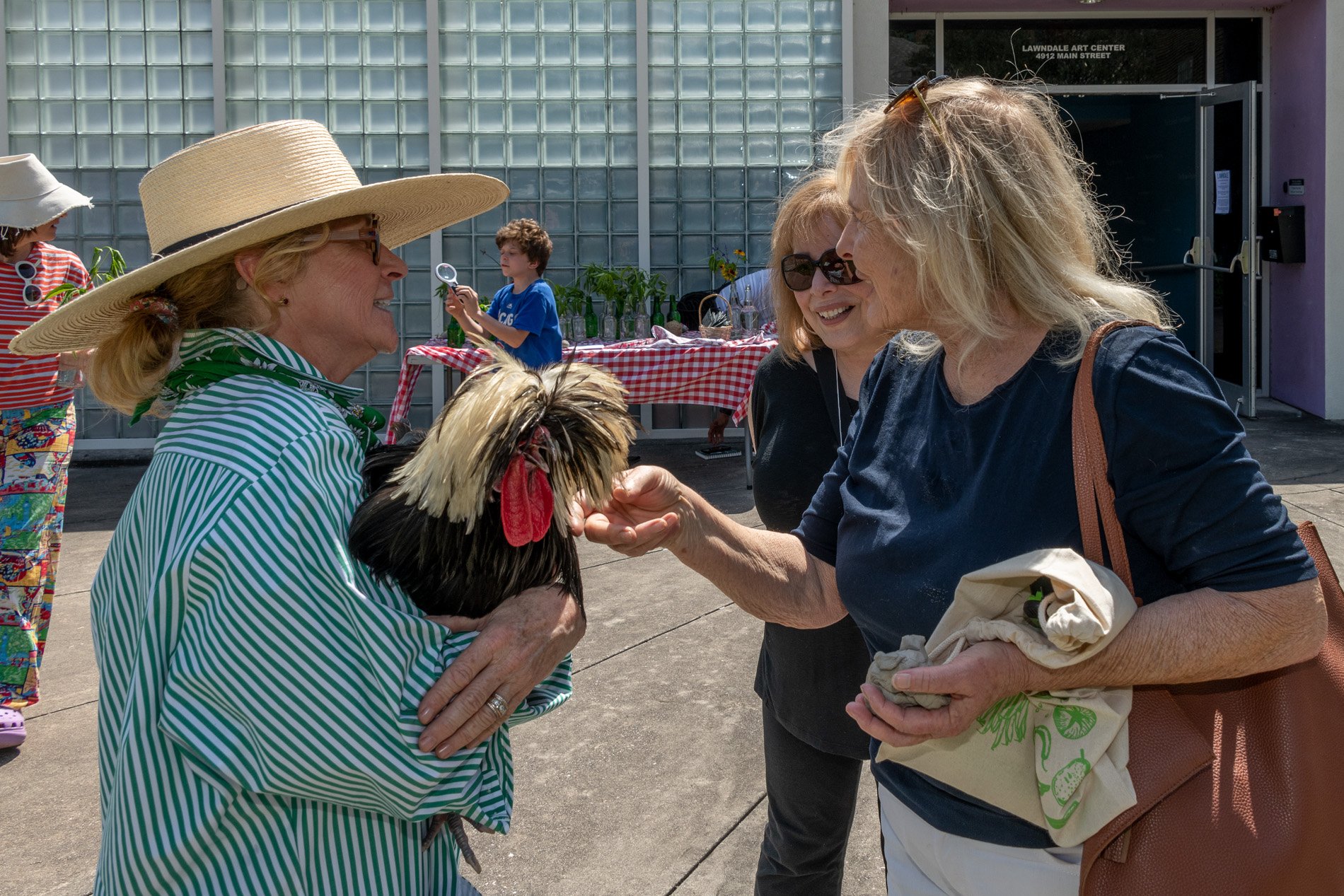
Eight chickens and two roosters were installed in Symbiosis, April 1, 2023, from 11:00-5:00

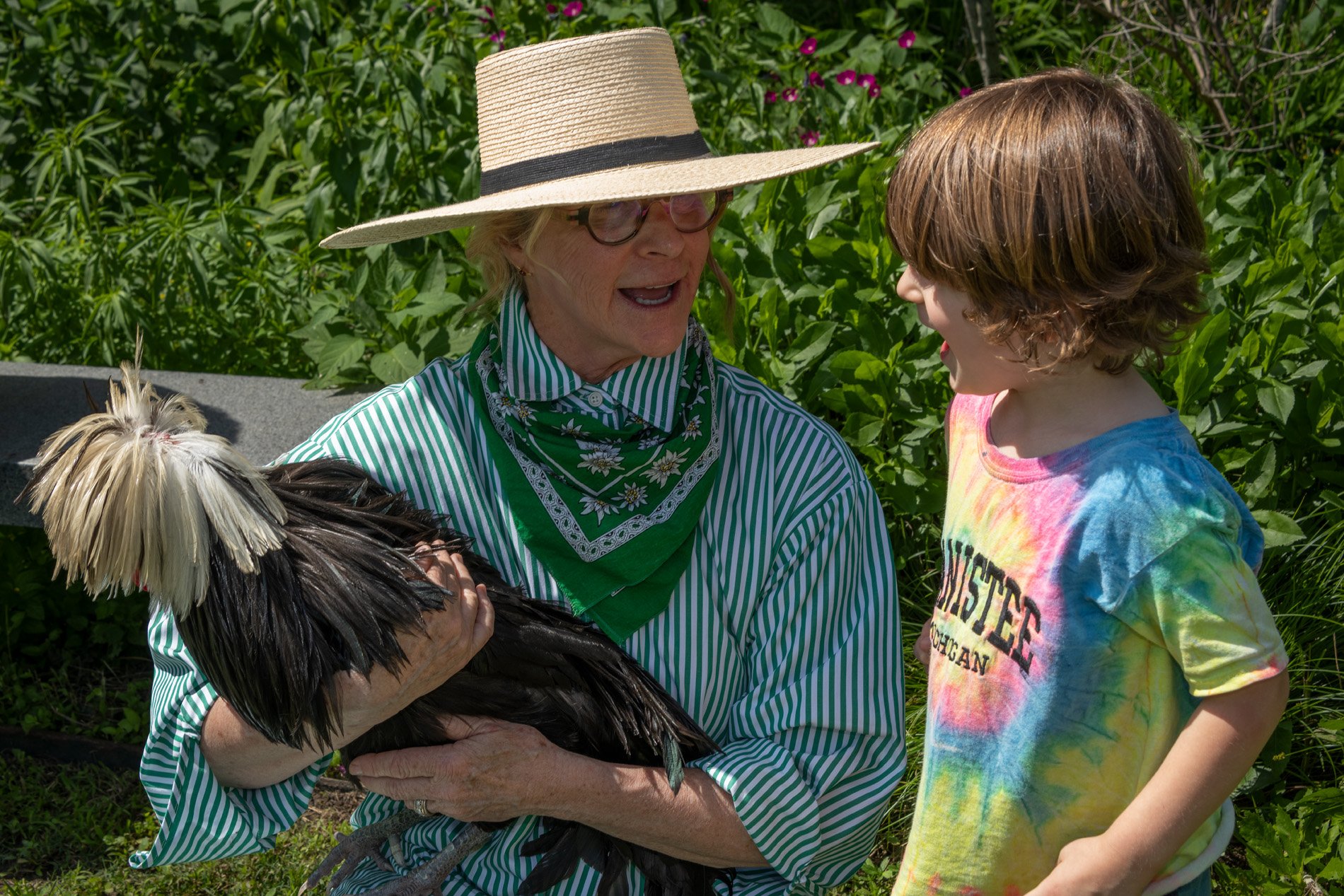
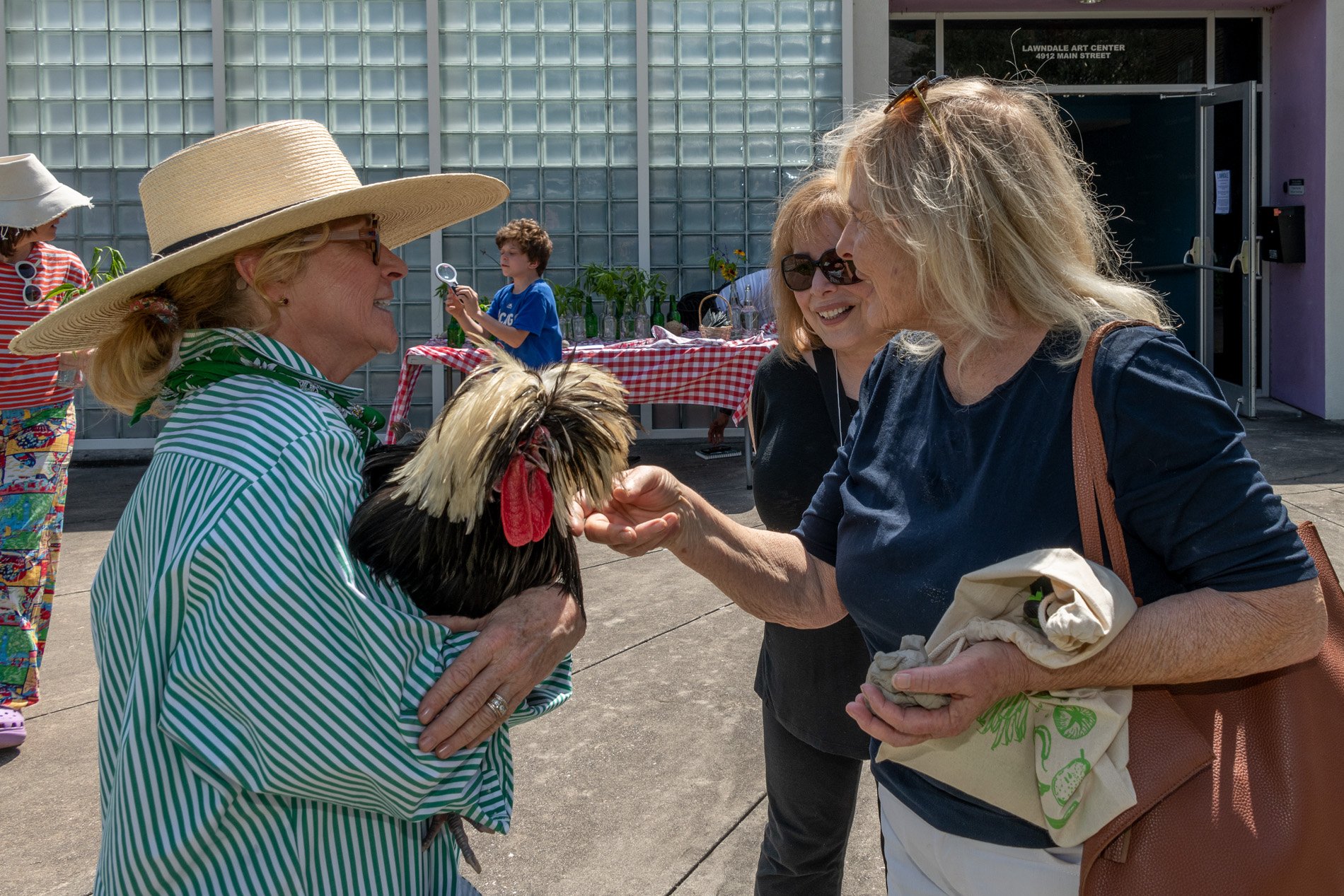
 There's more than eggs when it comes to urban chickens. Peck and Scratch is a throwback to when every family had a symbiotic relationship with these quirky feathered friends. It was common knowledge that chickens are miraculous energy transformers; they effortlessly clean up weeds and bugs from living soil while providing families with a more sustainable and cost-effective alternative to chemical pesticides and herbicides. Plus, their waste is invaluable - it replenishes the soil with much-needed nutrients for plants to thrive. In addition, the protein-packed eggs they lay contain all the amino acids necessary for promoting brain health for early childhood development.

By offering a cozy environment, refreshing water, and a lush habitat, we're showing gratitude towards our curious and joyful friends and providing them a safe home away from potential harm. Instead of supporting factory farms, our chickens deserve to thrive in an ecosystem filled with living soil and all the essential components they need to lead happy, healthy lives.

It's time to think outside the (takeout) box and invest in the power of urban chickens.

When plants collaborate-

”Problems cannot be solved with the same mindset that created them” - Albert Einstein

To change my mindset I have to change how I see. For years I have seen through a mechanistic mindset. Observing the growth of Symbiosis these past years has given me a new perspective. When I step back and consider what else might be happening, what can I see if I consider natural systems as opposed to purely industrial systems? A whole new world of thought and possibilities unfolds.

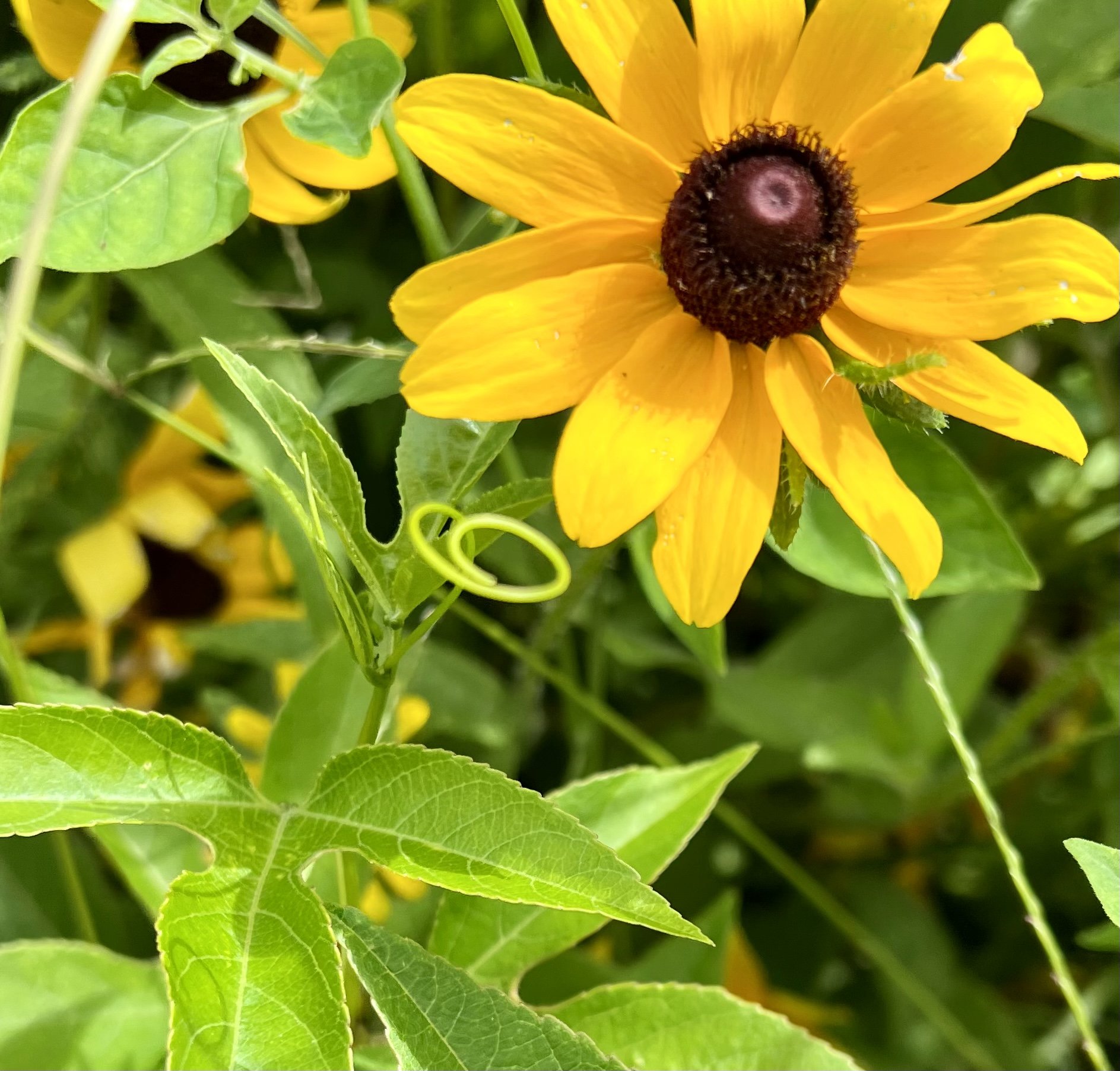
I see that nature is a master collaborator, as proven by the Rudbeckia hirta and Passiflora incarnate duo.

Planted close together, the vine quickly sought support from the stout-stemmed Susan, needy for sun, but lacking the strength to reach it alone. The black eyed Susan, not threatened, seems to welcomed the addition, together they twined and grew - now standing not two but four feet tall. Conventional thought sees the vine as overcoming the flower, but in reality, they are just two plants working together, building a structure that is maximizing photosynthesis and basking in the sun while providing protective habitat small life dwelling in the area.

A lesson for us all - Collaboration can truly conquer all. The fiery skipper seems to agree.

Earth Moves - almost didn’t

Done! My gloves are proof. For weeks, my schedule was jam-packed with proposals and large-scale projects that needed my attention. Amidst all the chaos, I was also starting a brand new sculpture for the Mayor's Office of Cultural Affairs' Earth Day Celebration. I thrive when I can hyper-focus, but this time I almost let something slip through the cracks. "Earth Moves" was in danger of being incomplete by the deadline. With less than a week left to finish, I knew I had no choice but to push myself harder than ever before. I woke up at 5:00 am every day and worked tirelessly until 4:00 pm, without taking a lunch break. I felt every muscle in my arms and shoulders ache, but the feeling of being fully present and working towards something important was truly exhilarating. I couldn't disappoint Necole Irvin and let "Earth Moves" fall short of its potential. After countless hours of welding and crafting, today the sculpture was finally installed on the 3rd floor of the Julia Ideson Library. The end result is a, call for action work of art made from welded steel, lath, indigenous clay, grass, and glass beads. It was a true labor of love that I poured every ounce of myself into. #earthday @lanolalady #mayorsofficeofculturalaffairs #houstonmayor #cindeeklementart #work #gloves #drive

Symbiosis - the research for documenting the work.

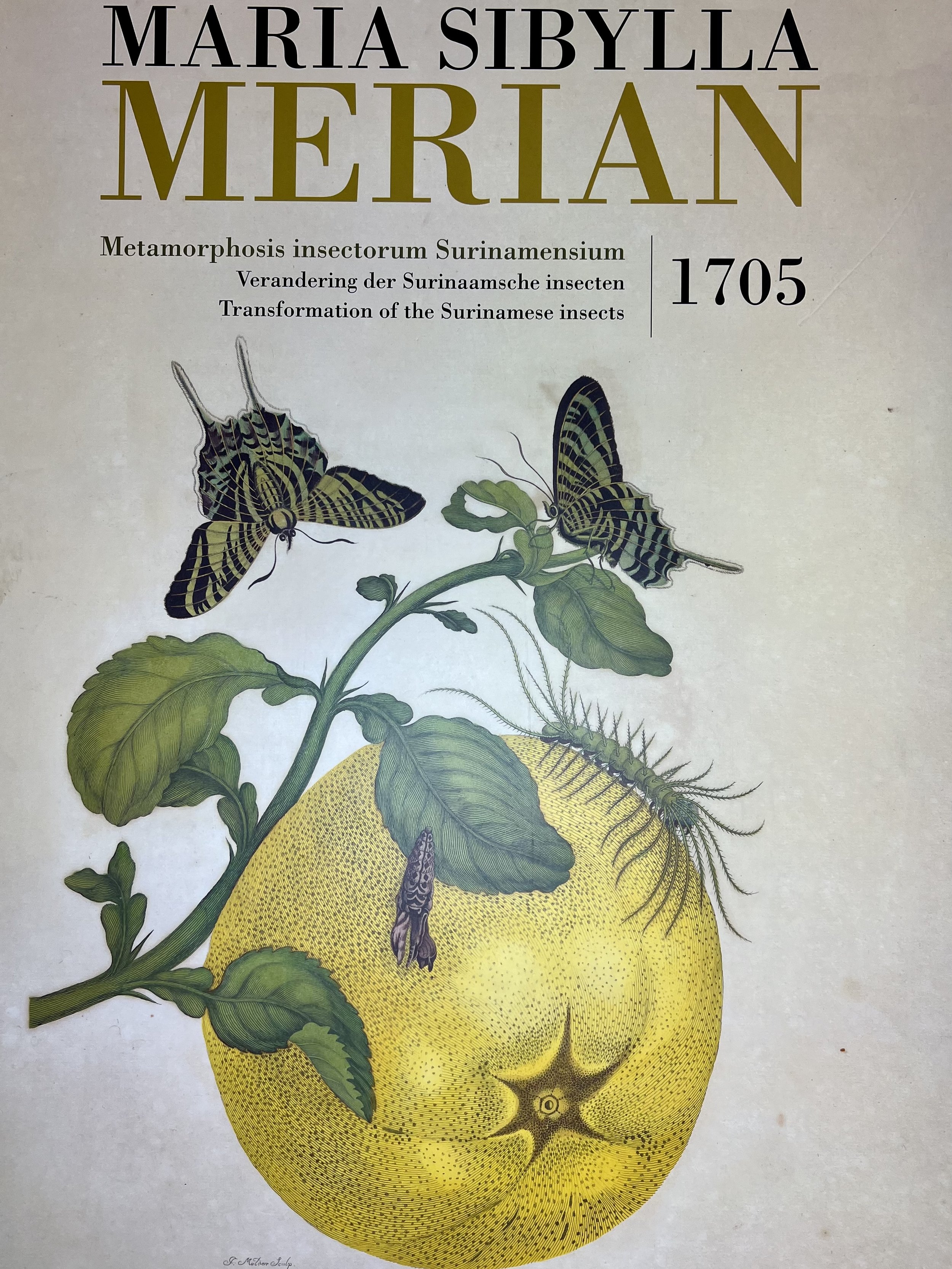
In 2020, I was asked by Lawndale to propose a sculpture for the sculpture garden. Instead of proposing one of my steel or bronze sculptures, I proposed a living sculpture titled Symbiosis. I have since endeavored to witness and record/document its growth and relationships through photography. These photographs will be my reference materials for more poetic documentation. Simultaneously I have sought out historical and contemporary ways of immortalizing natural history. My search led me to explore websites, antique stores, and estate sales, looking for how naturalists, explorers, and artists have documented Earth’s wildlife and plant life’s relationships throughout history. This research has led to the discovery of two exquisite artistic collections from 1705 and 1903 that sparked inspiration within: Maria Sibylla Merian's book Metamorphosis Insectorum (1705) as well as Theodore Jasper’s American Ornithologists' Union (1903). Both are incredibly valuable works that promise to help me find my wings and bring Symbiosis memories into full bloom.

For the next seven months, I will diligently document through photography the unique relationships as they develop in Symbiosis. When 2023 draws to a close, my contract with Lawndale runs out. Then, I will start the final chapter of the work. This project has become something special that needs to be immortalized in artworks showing their symbiotic relationships. With watercolor monotypes as my medium of choice and abstract expressionism becoming part of me along the process - these works are primed to tell stories of how humanity can reconnect with natural systems in urban landscapes.

Theodore Jasper’s American Ornithologists' Union (1903)

Theodore Jasper’s American Ornithologists' Union (1903)

Maria Sibylla Merian's book Metamorphosis Insectorum (1705)

Symbiosis Celebration — Performance Art — incorporating economics and fashion.

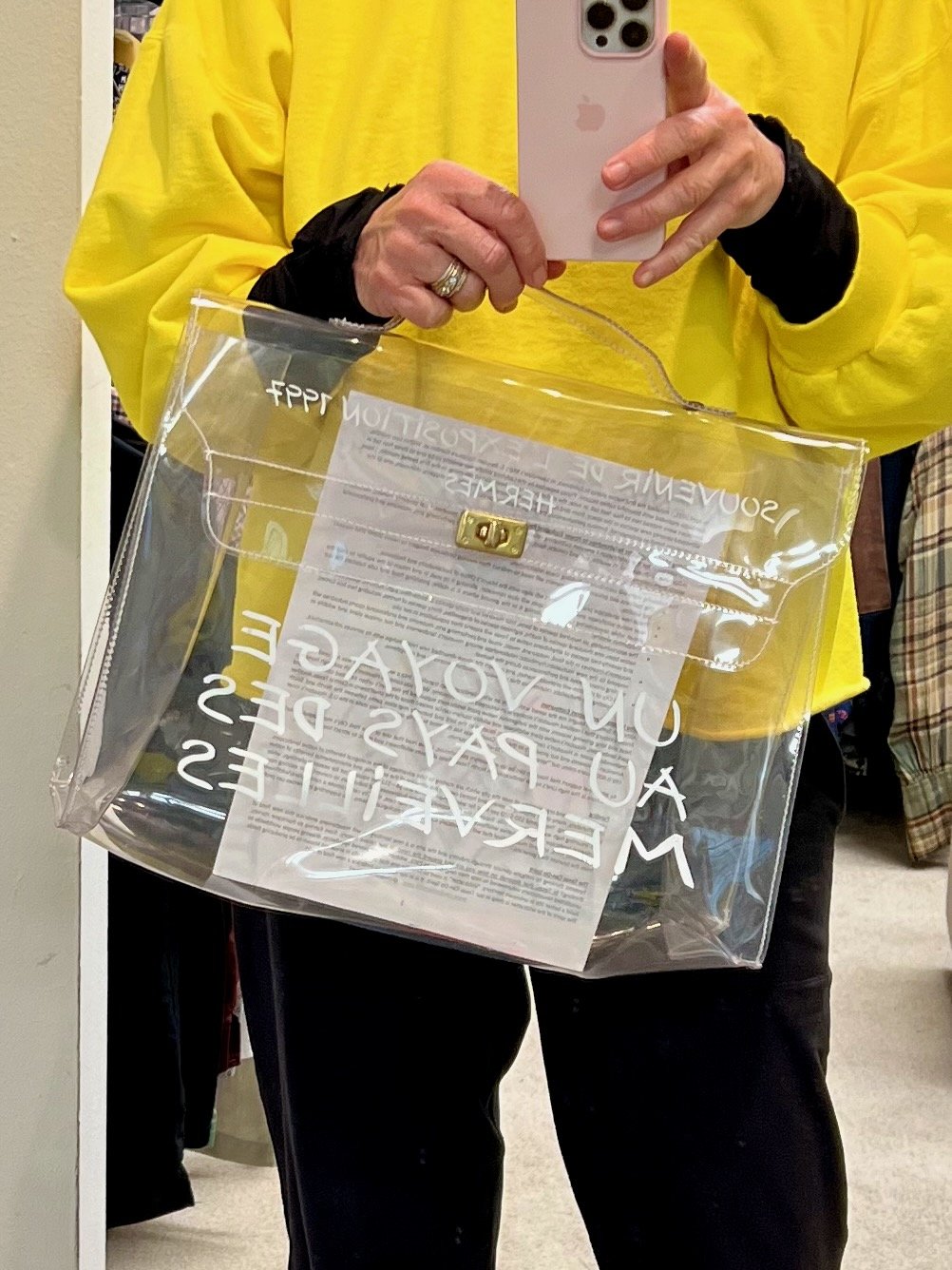
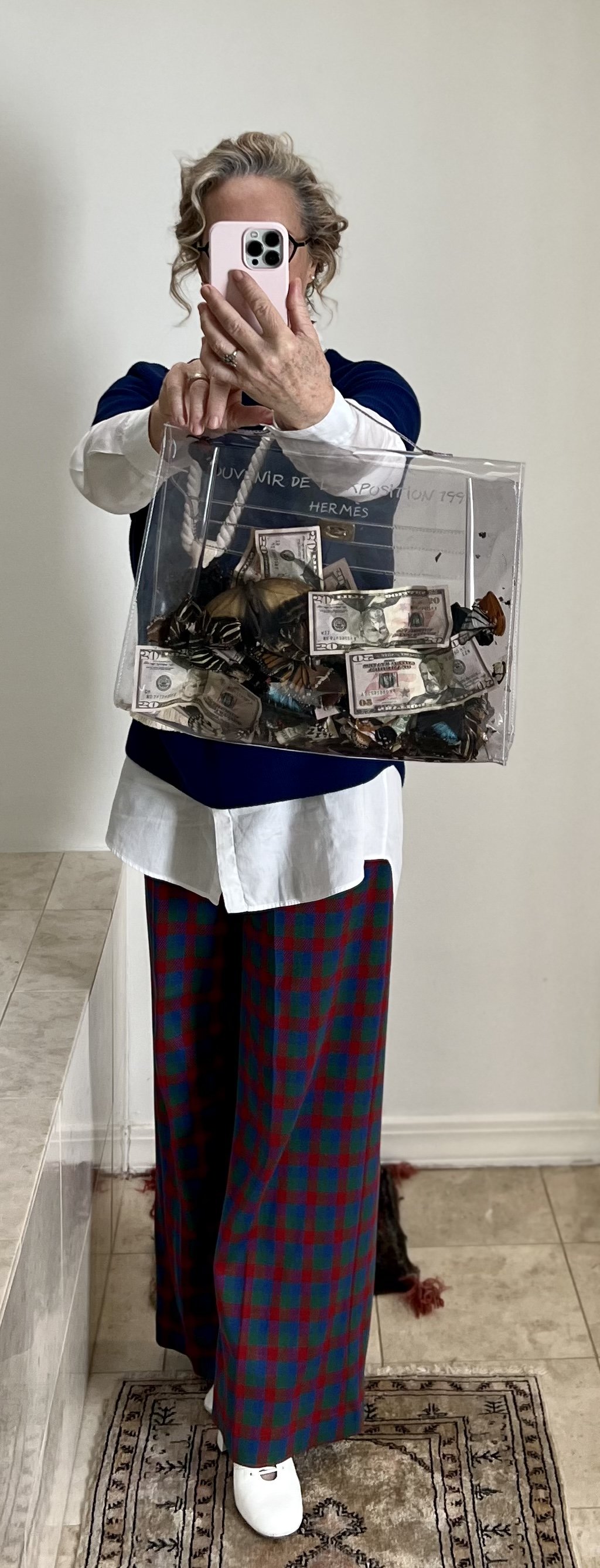
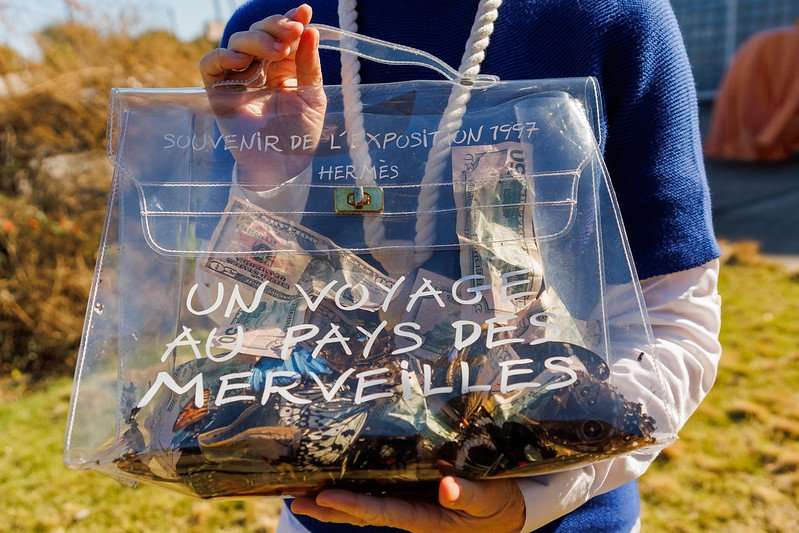
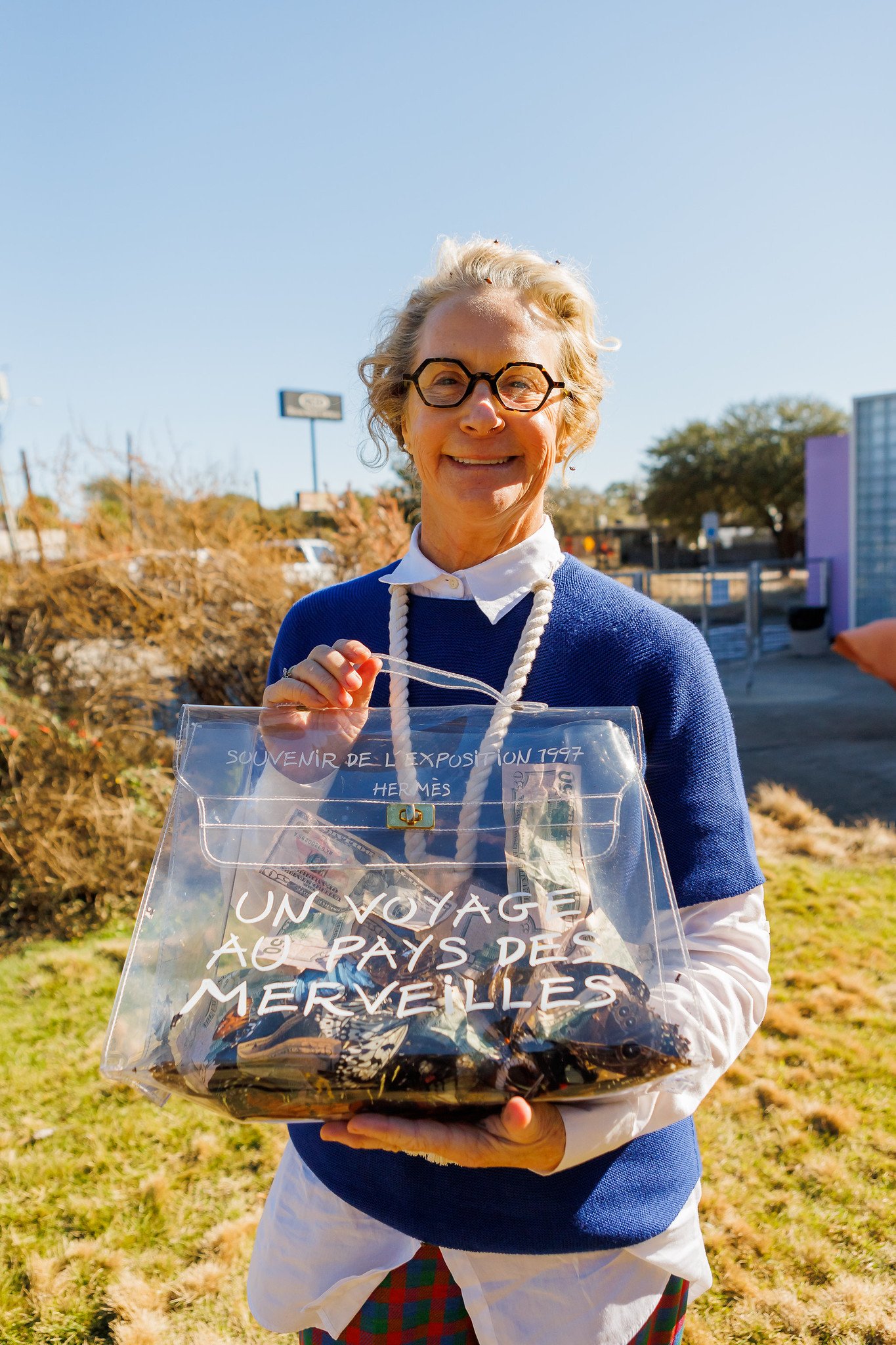
My research into fast fashion for my bison sculpture’s new location in an old Forever 21 has me dreaming of a unique, symbolic sculpture for my latest social sculpture endeavor, Symbiosis Celebration. I searched the resale online sites for a used/vintage acrylic bag. A simple bag, sculptural in shape, that I would fill with the large bills and dead butterflies in the Eco-System piece in my 2022 portfolio. However, as I explored acrylic vintage bags and thought about how to intertwine fashion to elevate my Symbiosis Celebration work, an idea was born. I discovered the Hermes-designed clear acrylic tote that originated during the 1996 Paris terror attacks as a tribute piece and in response for the lives lost in that tragic event and the follow-up tote for the 1997 'Hermès Souvenir de l’Exposition. The underside reads ‘Un Voyage au Pays de Merveilles’, which translates to ‘A Trip to Wonderland’.

The trip to wonderland' is the inspiration for my new work - but with a new Anthropocene symbolism behind it.

I will wear the iconic clear vintage purse filled with drop-dead gorgeous dead butterflies and large bills to the Lawndale's upcoming brunch, where my living sculpture Symbiosis is and where my idea for urban eco-tourism was born; this recycled wonderland bag promises to draw attention with a new purpose and all thanks to its meaningful content and viral hashtag potential! When Symbiosis Celebration takes off, truly the world will transform into Wonderland the Hermes team dreamed of.

On a side note, my brief research into Hermes revealed they are and have been a leader in eco concious slow fashion.

Me in my closet deciding how and what to wear with the Hermes tote. Imagine it full of bills and butterflies. I could not decide whether to go minimalist or put my best fashion foot forward. So I decided to consult with one of my favorite edgy and fashion-forward textiles artist and fashionista, Loren Siems, and Houston’s Kick Pleat team.

Wish me luck.

At the event

Image by Laura Bolton.

At the event

Image by Laura Burlton