• HOME
  • portfolio
  • blog
  • About
  • Contact
Menu

cindee travis klement

Street Address
Houston, Texas
832-358-0001
"Recording endangered knowledge to the collective memory so it will no longer be endangered knowledge." - M. Thomashow

Your Custom Text Here

cindee travis klement

  • HOME
  • portfolio
  • blog
  • About
  • Contact
IMG_6248.jpeg

blog

This Was Never Supposed to Exist

April 21, 2026 Cindee Klement

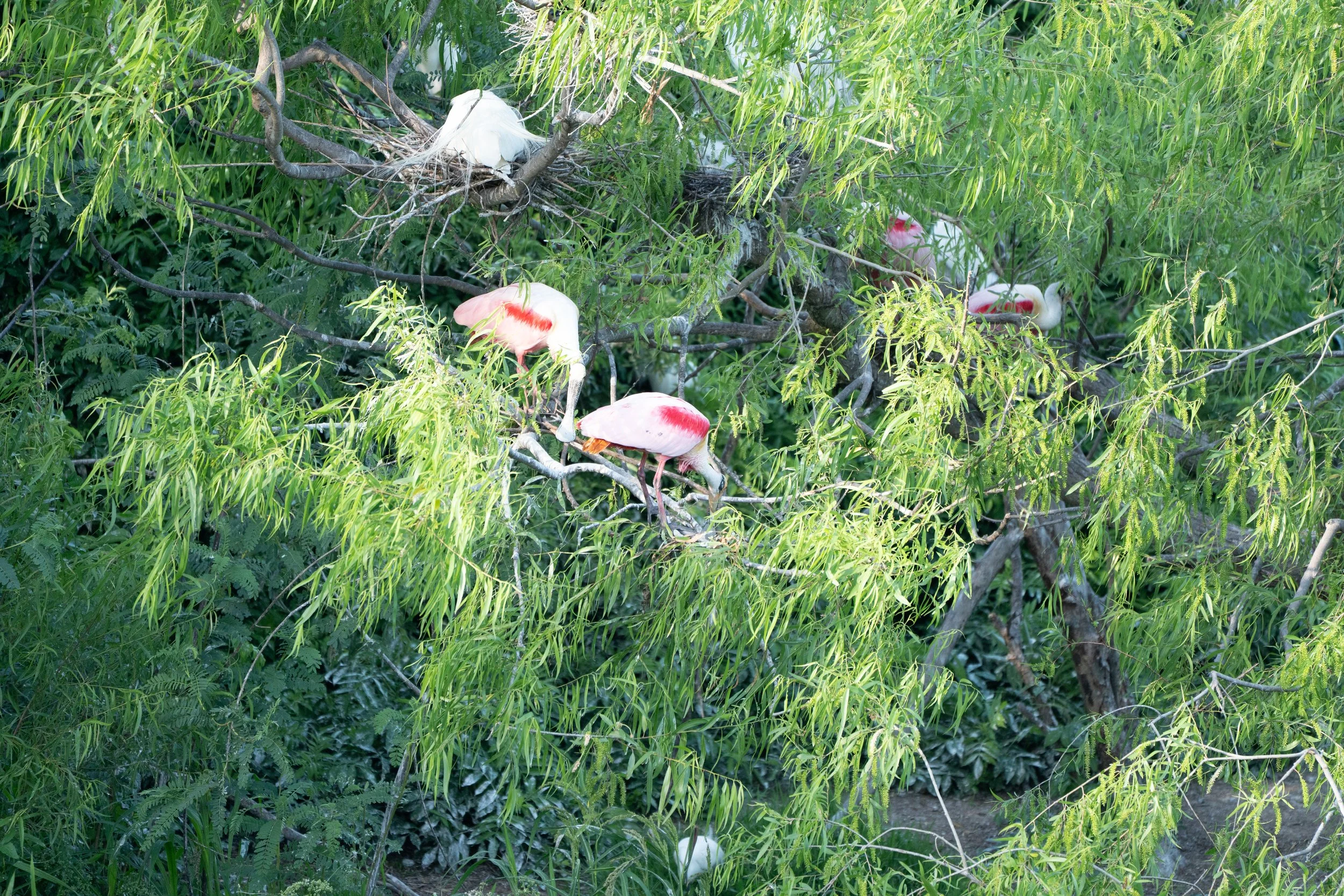
We had been planning this trip since January — we wanted to see the birds. I just hadn’t had time to dig into the land’s history before we arrived. I’d been deep in the studio, consumed by my upcoming shows. When I got there and started learning what this place actually was — a clay pit, a sulfur mine, an accident of excavation turned bird sanctuary — I felt it land somewhere in my chest. Everything I had been turning over for months was living, breathing, right in front of me.

A coincidence? Maybe. But it felt like confirmation. Like a reminder to keep going — the work will find a place to live. That is always the big question when making eco-art.

I went to see the birds. I ended up seeing the system. I had just written a manifesto about seeing in systems — and I still walked in looking at one thing. That’s how wired we are. Standing there, I had to laugh at myself.

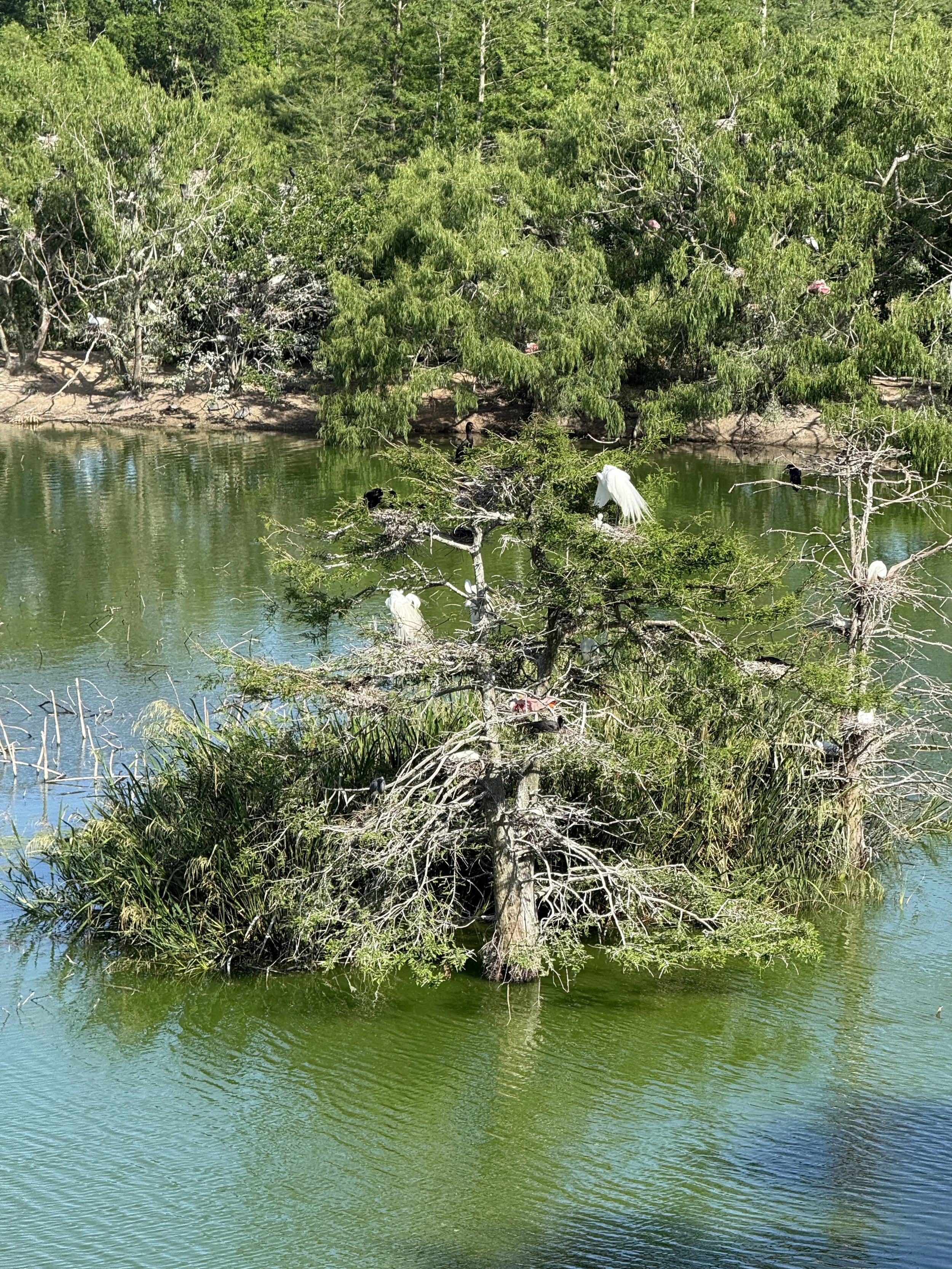
This is Claybottom Pond at High Island — one of the Gulf Coast’s most extraordinary ecological sites. And nothing about it was supposed to exist.

The pond was dug in 1936 to provide fill dirt for a railroad bridge crossing the newly excavated Intracoastal Waterway. It became a community water reservoir. Then a sulfur mining operation. The island the birds now nest on? An accident — a leftover edge of the original pit, forgotten during later excavations.
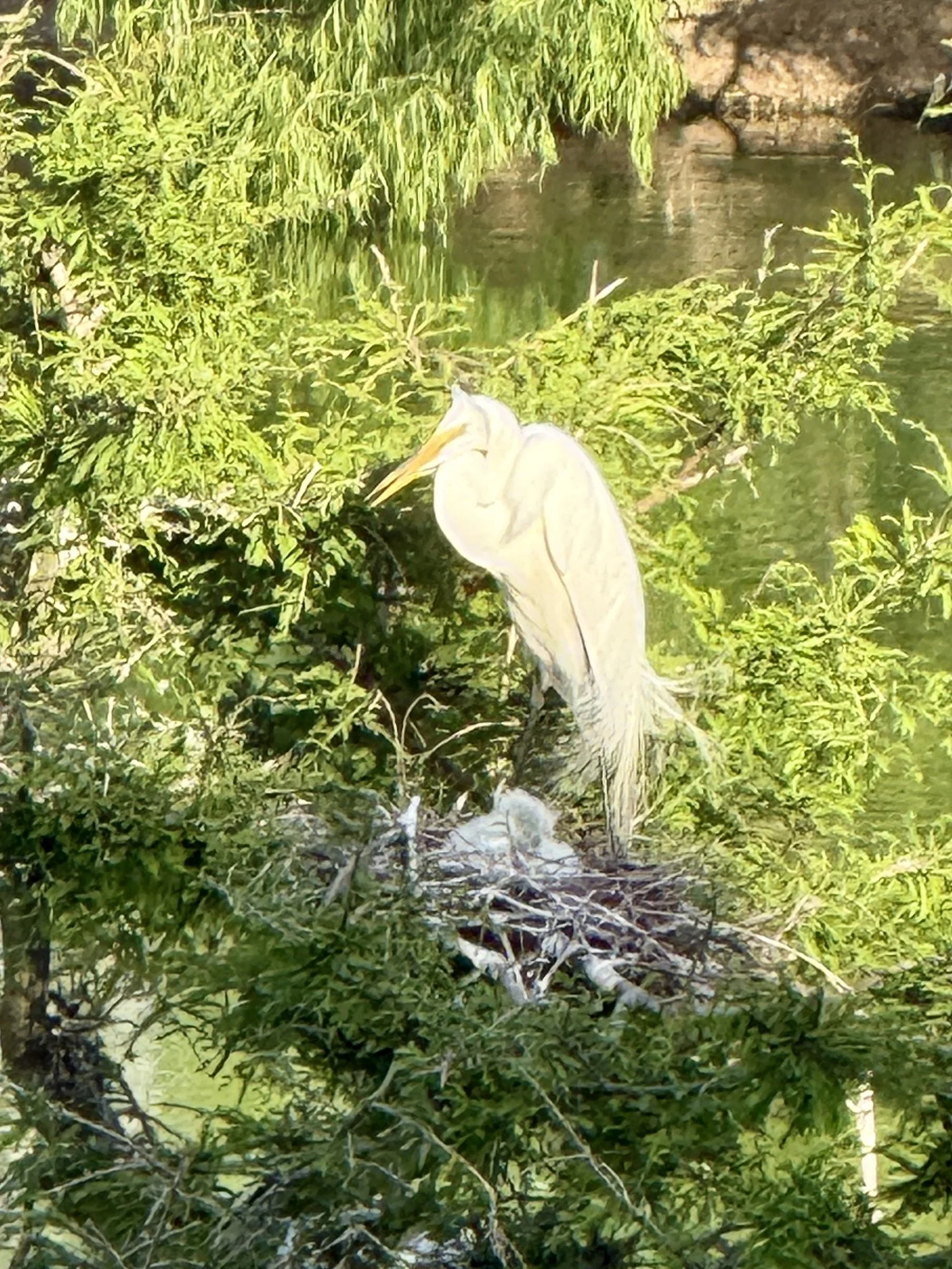
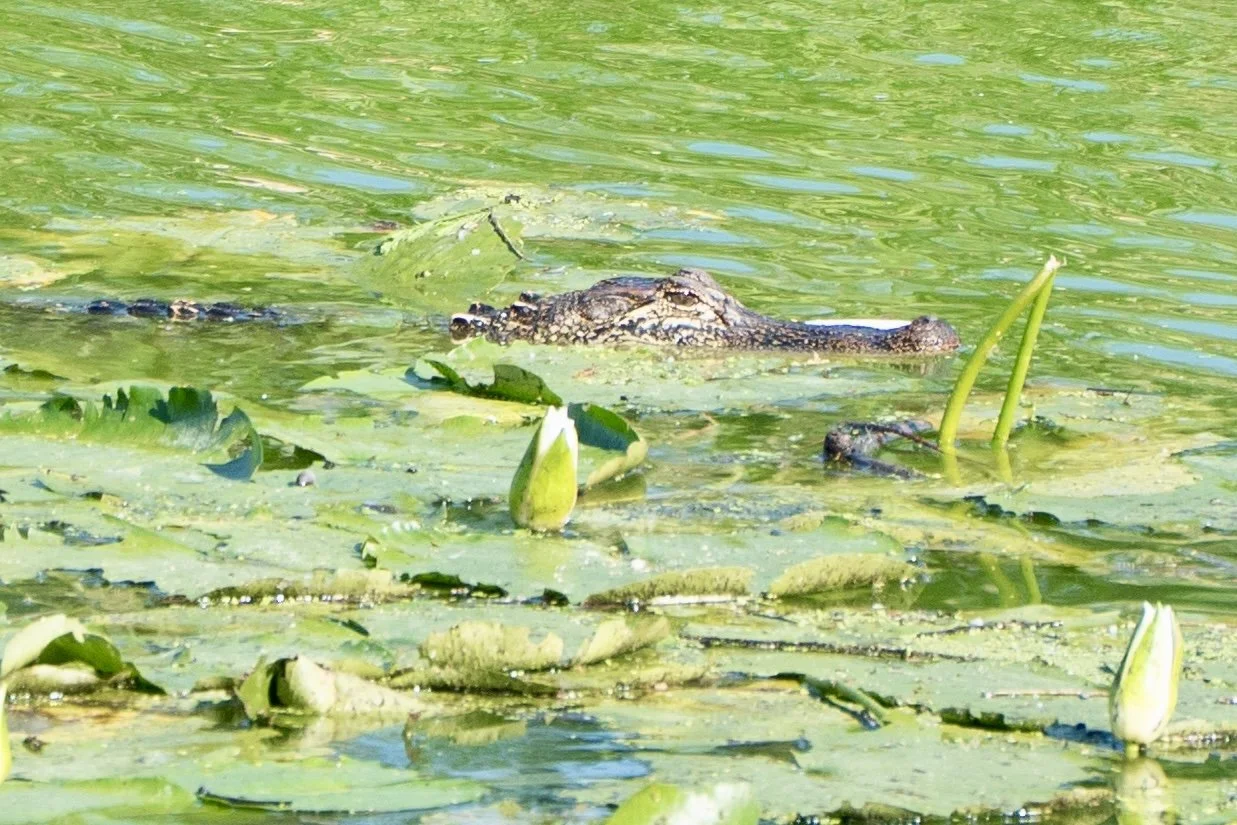
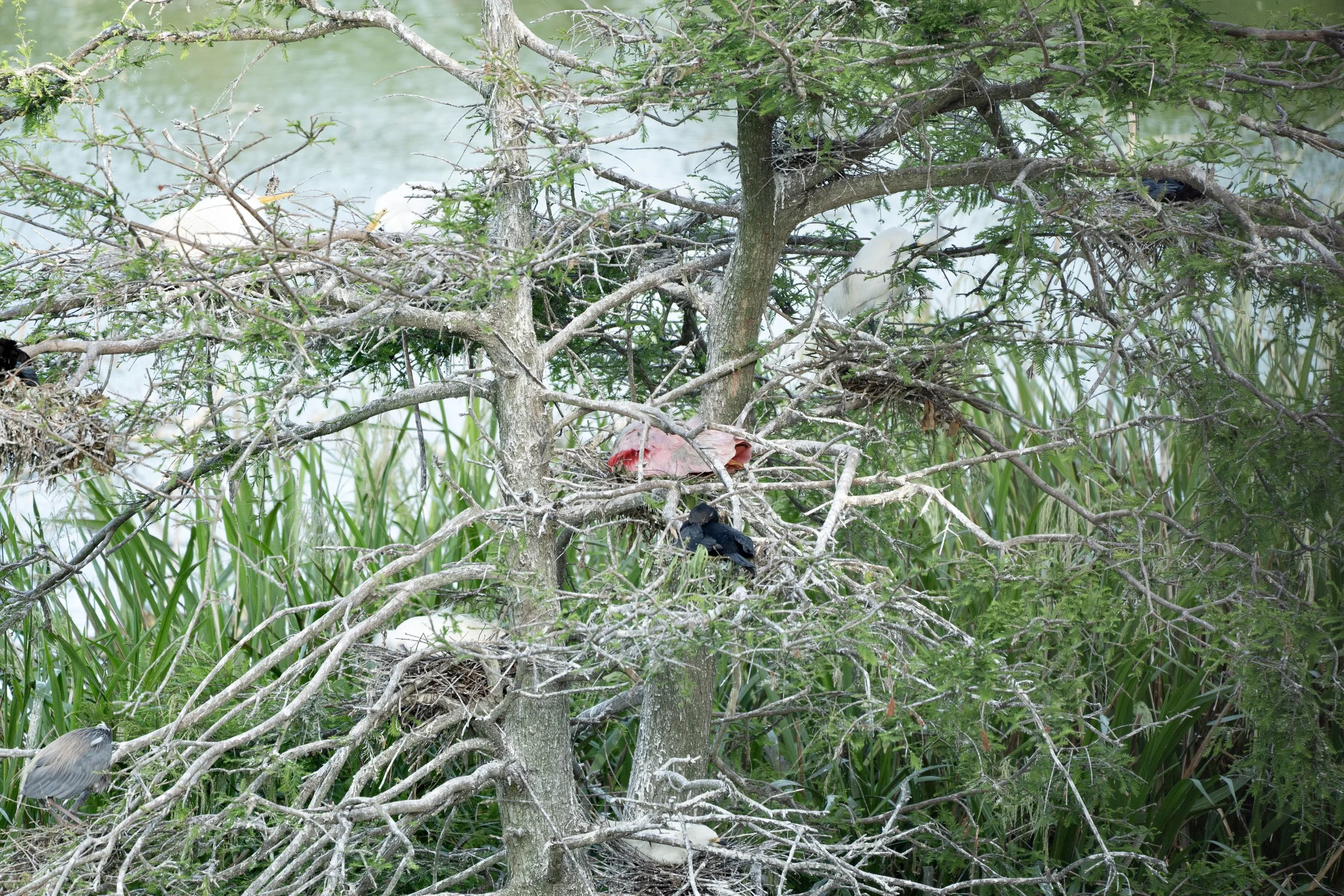
Then Houston Audubon stepped in and simply said — not here. Within a year of protection, the first 50 heron nests appeared. By 2003, over 1,000 nesting pairs called this place home. The alligators stayed on purpose — managed as a natural moat, keeping raccoons and coyotes away from the nests.

The birds didn’t just move in. They got to work.

This is the part that stopped me cold. Those egrets nesting above the water aren’t just raising their young — they’re regenerating the world beneath them. Their waste, rich in nitrogen and phosphorus, rains down into the water and onto the banks. Seeds they carry in from miles away take root. Nutrients from the Gulf ecosystem pass through their digestive systems and get deposited into a former industrial pit in coastal Texas.

Consumption and waste. The most basic biological cycle. And here it is rebuilding an ecosystem from the inside out.

I’ve been reading Joe Roman’s *Eat, Poop, Die: How Animals Make Our World*, and he writes about Surtsey — a volcanic island off Iceland that erupted out of the ocean in 1963, a completely sterile rock. When seabirds began nesting there, they brought the ocean with them. Their guano fertilized the bare volcanic surface. Meadow grasses appeared. An ecosystem assembled itself, one deposit at a time. Roman calls it a perfect example of how animals shape our world — not through grand gestures, but through the accumulation of small, bodily, unglamorous acts.

Claybottom Pond is its own version of Surtsey. A hole dug for industry, transformed first by protection, then by the slow, steady biology of the birds themselves.

And this place is a reminder that industry and wildlife are not always opposites. Sometimes industry leaves something behind — accidentally, imperfectly — that nature knows exactly what to do with.

What if we designed our cities the way the egrets work — where consumption and waste don’t deplete but regenerate? Where what we take in and what we leave behind actually builds something?

That’s not a fantasy. The birds have been doing it all along.

Two shows opening this spring. *circle & the circle*, a collaboration with Sherry Tseng Hill, opens May 15 at Throughline Art Collective. And on May 23 I open a solo show as a recipient of the Houston Endowment Jones Artist Award — work that elevates stories of conservation like this one. This is exactly the territory both shows are working in. The pull between the natural and unnatural. The way life moves back in when we let it. The things we’ve been conditioned not to see.

More to come.

Happy Earth Week

nature is bigger than humankind.
In art , art activism, art and humanities , art humanities and environmental issues, art studio , bio art, climate smart , cindee klement, closed water system , coastal plains habitats, conservation artist , contemporary art , eco art, ecological restoration , environmental art , functional art Tags Cindee klement, eco art, snowy egret, smith oak island rockeries, earth conservation
Comment

Lifeblood

January 20, 2025 Cindee Klement

Lifeblood

5.75 “ X 6” X 7”

bronze

Image by Jake Eshelman

Lifeblood, Explores of the profound connection between humans and nature, conveyed through the visual metaphor of a root naturally occurring in the shape akin to the human heart. This piece is part of a larger body of work titled "Subterranean Secrets," which delves into the theme of roots. My work aims to invoke reflection on the unseen yet vital networks that sustain both plants and humans. By casting roots directly in bronze, I emphasize their resilience and permanence, highlighting the enduring significance of these natural systems.


The inspiration for "Lifeblood" arose from my studies on regenerative agriculture, focusing on the indispensable role roots play in countering extreme weather. My exploration into the fascinating world of roots began in 2017, unveiling striking visual similarities between roots and the human heart. These parallels reveal both biological and conceptual truths, as roots and the heart function as lifelines, circulating essential nutrients that sustain life.

Through "Lifeblood," I invite an examination of the often-overlooked relationships between human existence and the natural world. The act of casting these roots in bronze imparts permanence to these otherwise ephemeral forms, challenging perceptions of how we value the natural systems surrounding us. This sculpture contributes to the ongoing dialogue about our environment by emphasizing our dependence on nature and reinforcing the deep interconnection between humanity and the natural world.

In the end, "Lifeblood" serves as a call to acknowledge and appreciate the hidden yet crucial systems that support life. I believe that by understanding and valuing these networks, we can cultivate a deeper awareness of our roles within the broader ecological system, sparking actions to preserve and nurture the natural environment essential to human existence.

In Water, regenerative art, carbon farming, cindee klement, houston artist, impact of pesticides, living sculpture , performance art, energy, grass , coastal plains habitats, contemporary art , bronze, bio art, art , social sculpture , women's rights, mindful urban landscape , art activism, texas sculptor, creative process , art, eco art , environmental art , texaswomanartist, art and humanities , grasslands, climate smart Tags lifeblood, cindee kelmentart, regenerativeart
Comment

La Mancha’s Sequel: A Mindful, Climate-Smart Urban Landscape.

January 14, 2025 Cindee Klement

January 14th

Today, as I immerse myself deeper into the world of ecological restoration and sustainability, I find myself fueled by an overwhelming sense of purpose. My Climate-Smart Urban Landscape project has truly become a labor of love, growing more meaningful with every leaf gathered. As I collect bags of native Oak leaves from curbs, I'm not just gathering leaves—I'm cradling potential life, the eggs, pupae, larvae, and chrysalises that might be nestled within. Astonishingly, Oak trees are home to over 900 species of caterpillars. These caterpillars serve as a crucial food source for many songbirds and their young across North America. By saving these leaves, I am inadvertently contributing to the survival of these beautiful creatures.

The interconnected benefits of these efforts are profound. First, by fostering biodiversity, I help ensure diverse species can thrive. Second, as the leaves decompose, they transform into a rich, nourishing substance that revitalizes our depleted soil, forming the very backbone of our food network. Third, these leaves provide essential shelter from harsh weather, acting as a protective barrier against heavy rains and cold temperatures and safeguarding the tiny creatures that rely on them to survive.

My inspiration stems from personal experiences and a deep sense of environmental stewardship. Through "La Mancha’s Sequel," my urban landscape project, I aspire to blend art, architecture, and environmental literature in a way that leaves a meaningful impact. My goal is to transform the local community here in Houston and ignite a larger appreciation for ecological interconnectedness. By sharing this journey, I hope to inspire others to commit to regenerative practices within urban environments.

With every leaf collected and every small step taken, I am moving toward a more harmonious world. This journey reminds me that each of us holds the power to make a difference in our neighborhoods, communities, and beyond. Together, we can create a future where sustainability and biodiversity thrive hand in hand.

#rain #soil #abstractexpressionism #houstonart #ecoart #socialsculpture #cindeeklementart #art #texasart #sculpture #contemporaryart #modernart #regenerativeart #sequel #acreshomes #foodnetwork #foodchain #regeneration #regenerativeart #artandscience #agriculture #agriart #foodnetwork #foodweb

In Water, carbon farming, cindee klement, houston artist, impact of pesticides, site-specific art, living sculpture , regenerative agriculture , grass , energy, coastal plains habitats, contemporary art , reimagine sculpture gardn, land art, art , bio art, social sculpture , regenertative land art, instllation art, ecological restoration , texas sculptor, native plants, art, functional art , environmental art , texaswomanartist, sequel, mindful urban landscape , climate smart Tags leaves
Comment

COPYRIGHT © 2014 - 2025, CINDEE TRAVIS KLEMENT LLC ALL RIGHTS RESERVED