My husband Curtis and I drove to Christoval, Texas for a public hummingbird tagging event. I had been to a private tagging before, but this one was different. The public was invited in. Children were there.
Biologists carefully capture tiny hummingbirds to collect vital information — sex, age, length, weight. After gathering the data, a skilled volunteer carefully cradles each delicate bird in the palm of an observer’s hand.
The tiny creature briefly pauses. You hold your breath. You feel an almost mechanical vibration, like a toy stuck in the “on” position — the rhythm of its heartbeat. Then, in an instant, it is back into the wild.
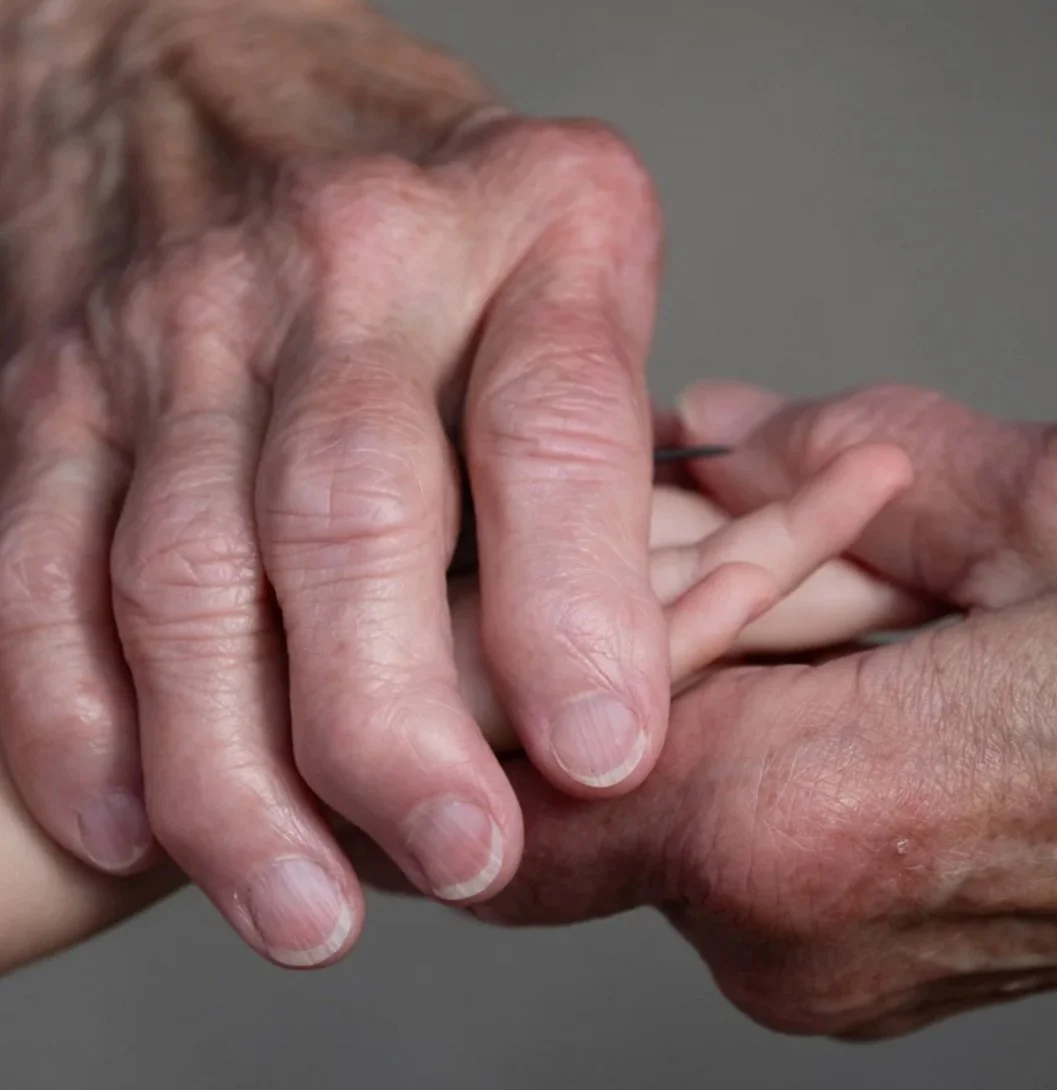
It wasn’t until I looked at my photos afterward that I saw it — a trusted volunteer placing the bird in a child’s hand. The transfer of knowledge, right there in the frame. A tiny beating heart. A child holding their breath.
That moment — the exchange of a tiny life from seasoned hands to smooth palms — is a living metaphor for what it means to nurture the passing of knowledge and care across generations. It is the story of regeneration.

This is what generational amnesia looks like in reverse.

Generational amnesia — also called shifting baseline syndrome — describes how each generation views the environment they inherit as the normal standard, even if it is significantly more degraded than that of previous generations. We absorb the world we are born into. We mistake it for the world as it is.


In the 1980s in Houston, our garden was filled with hummingbirds. Their vibrant presence shaped our daily conversations, our sense of place, our sense of wonder. They were part of our love story. Curtis proposed and hummingbirds were there. We miss them.


Today’s children in Houston have likely never seen one in a garden. They have no baseline for what’s missing. And that is the whole loss — not just the hummingbirds, but the memory of them.

Breaking this cycle requires hands willing to reach out and moments prepared to receive. It demands nurturing curiosity, empathy, and attention in children and adults alike. It calls for the deliberate passing on of more than just facts — but also the emotions and experiences that bind us to the world beyond ourselves.

The hummingbird’s pause in the palm of a stranger’s hand is brief. But it is enough. This is how we pass down the endangered knowledge of our natural history now — not around a campfire, not through a grandmother’s photo album, but in a field in Christoval, Texas, with a tiny beating heart in your hand and a trusted volunteer saying: this existed. Pay attention


.


Quisque iaculis facilisis lacinia. Mauris euismod pellentesque tellus sit amet mollis.