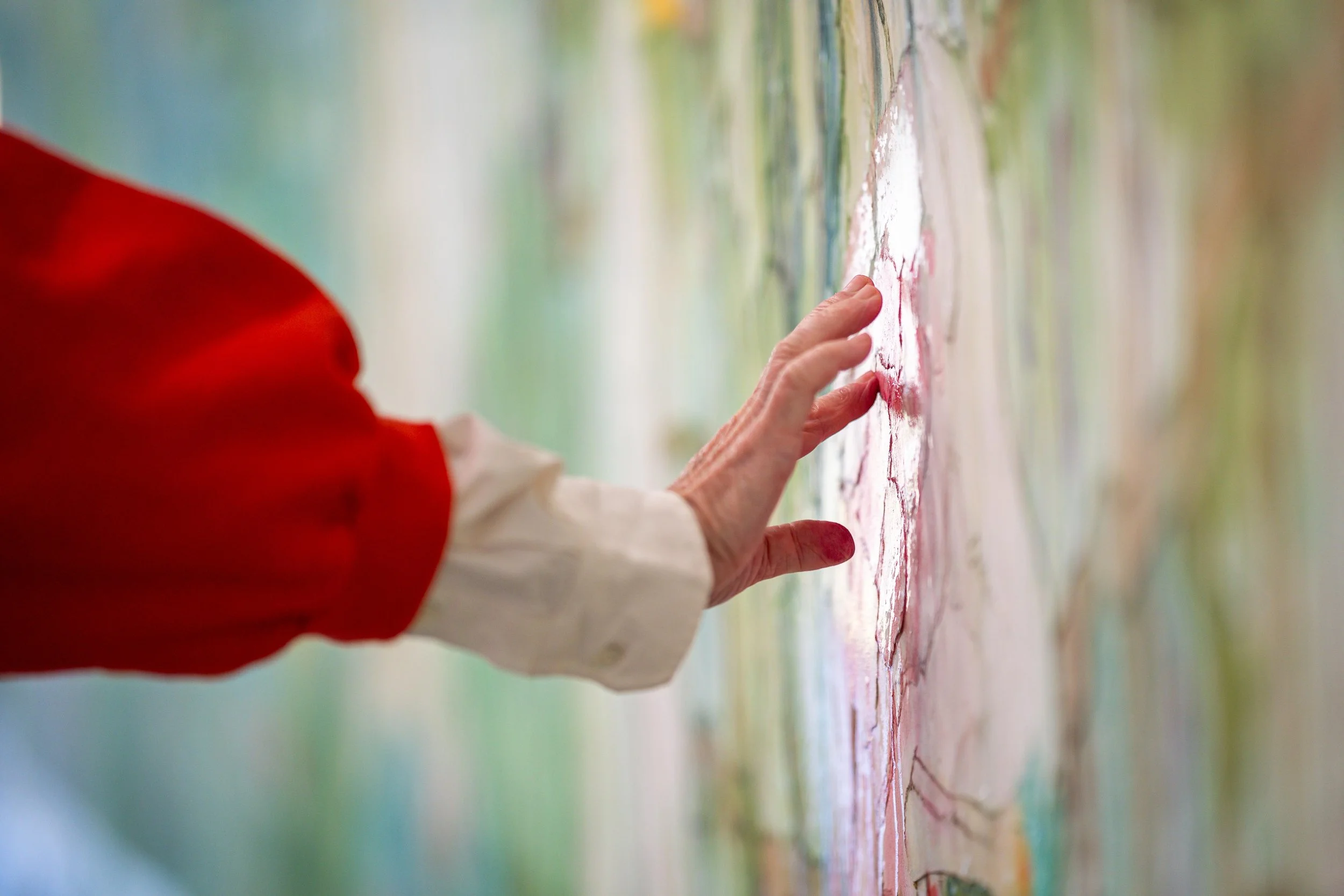
In order to help the large abstract shapes read as botanical or floral shapes I have added some smaller botanical shapes and vines. I think they help.
hopefully this flower is abstracted enough but not too much.
Here is another
Your Custom Text Here
In order to help the large abstract shapes read as botanical or floral shapes I have added some smaller botanical shapes and vines. I think they help.

hopefully this flower is abstracted enough but not too much.

Here is another
Regarding the title today I am loving “impact” as a title, I will discuss more on that in another post.
On this day I made abstract botanical inspired shapes out of a variety of materials. Then I whipped up some hydro stone and put a coat on the largest shape. The next day I started arranging the pieces into a kinetic composition.

botanical inspired small pieces.

the large piece covered in hydro stone

Above I am starting to connect the pieces.
I have not added the legs and wings to the 2nd bee. All the bees do not need legs and wings????????
When I add the hydro stone it will be easier to discriminate between the bees and the flowers.
Below are two different compositions using the flower and the two bees.


checking out shapes that hopefully read as floral.

The importance of where your food comes from. This article does a good job of explaining how your grocery shopping can trickle down and impact climate change.
https://www.cornucopia.org/2019/04/organics-climate-change/
These photos are from the Buffalo Speedway and Westheimer Saturday Farmers market.


I start with the eyes. I always start with the eyes from dogs, to my cousin Drew the concert master to bumble bees.
Regarding figurative abstract pieces- If you can’t recognize the eyes then it is hard to read an abstract piece as a living creature. Reading the eyes is important.

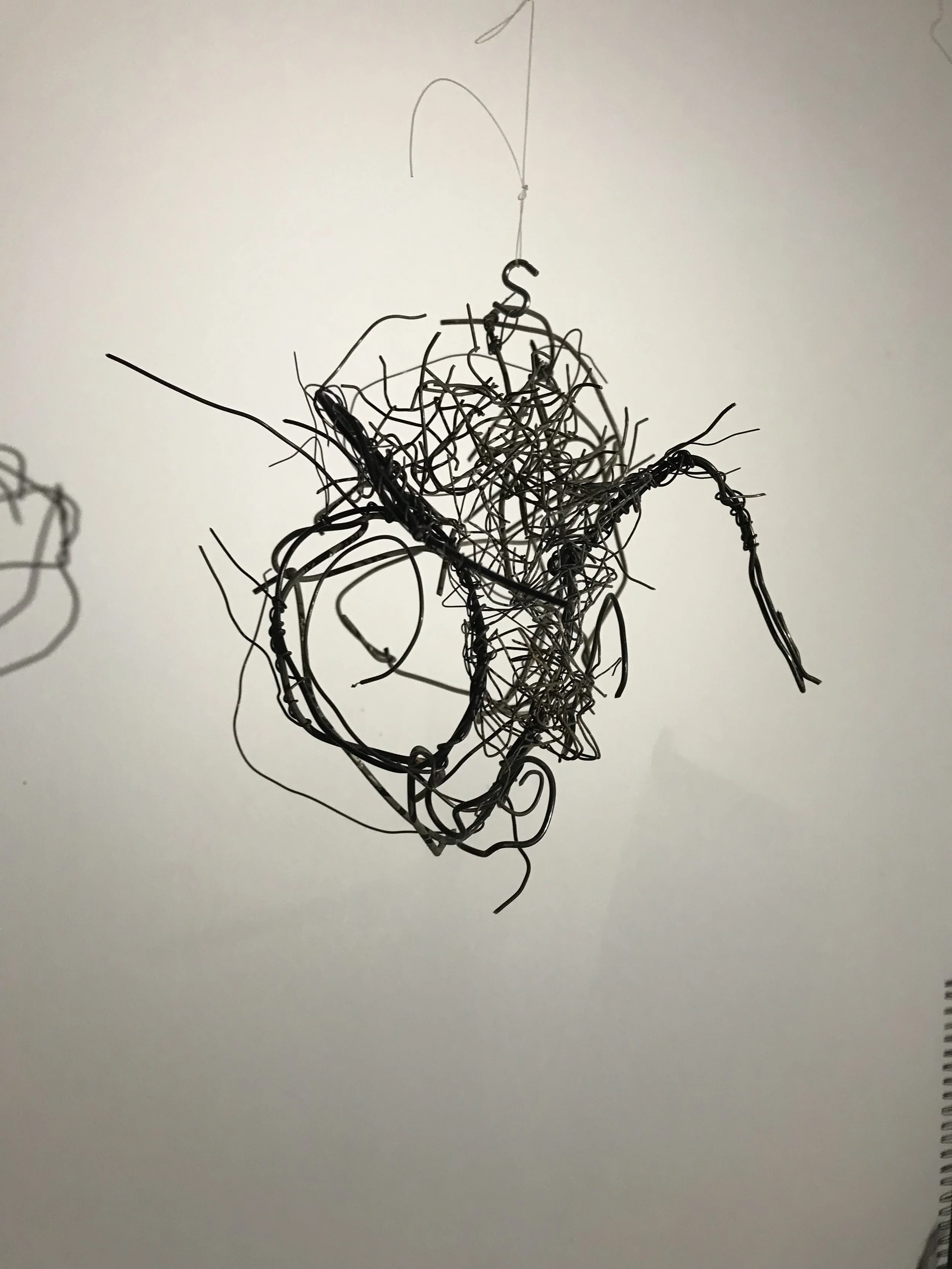
Checking the shadow with the fuzz and the clarity of the eyes.
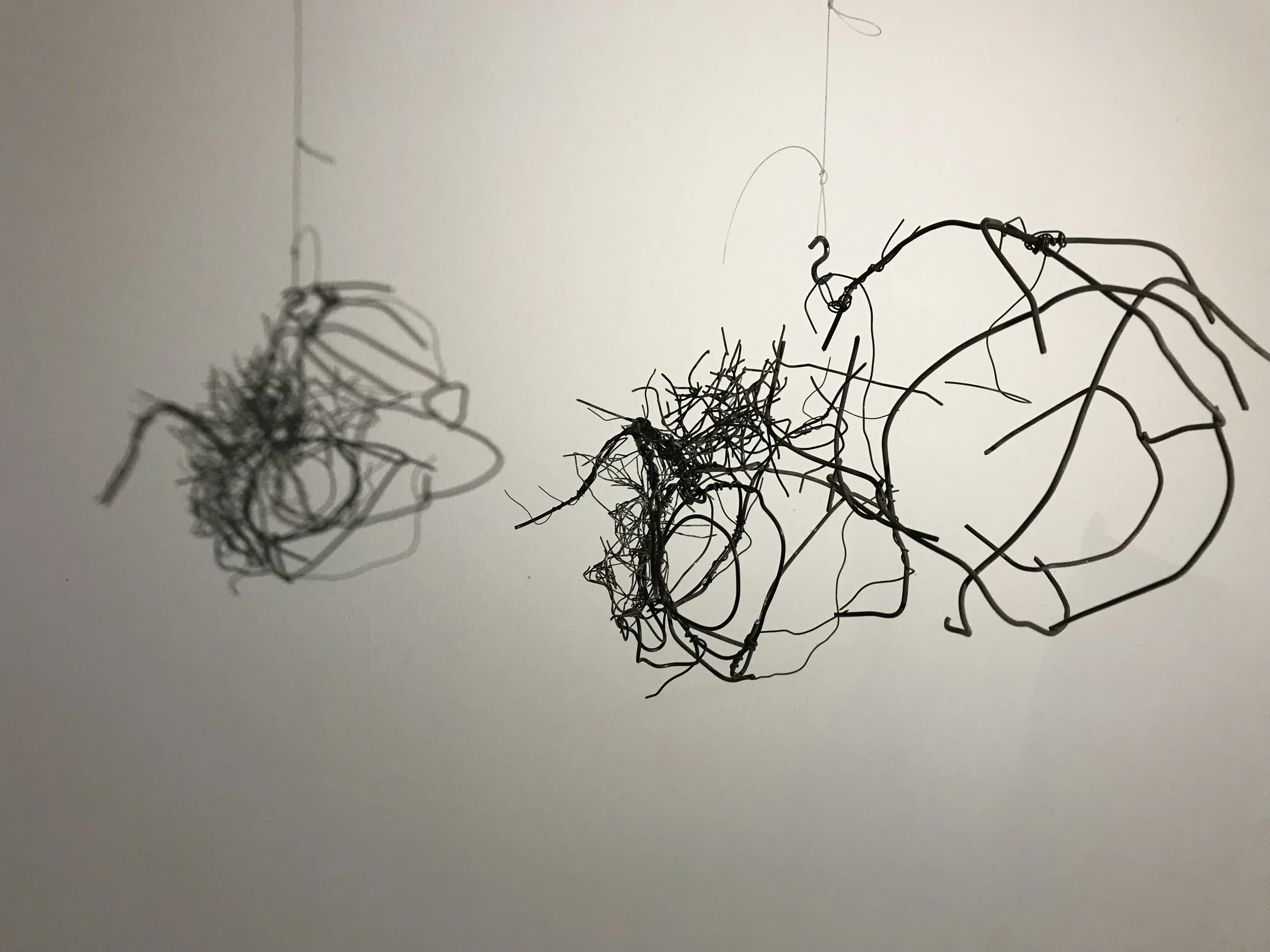
Adding the armature for the abdomen and tail and checking the shadow and the eyes.

A a very fine mesh might be nice for the exoskeleton. Where are the eyes?

another view
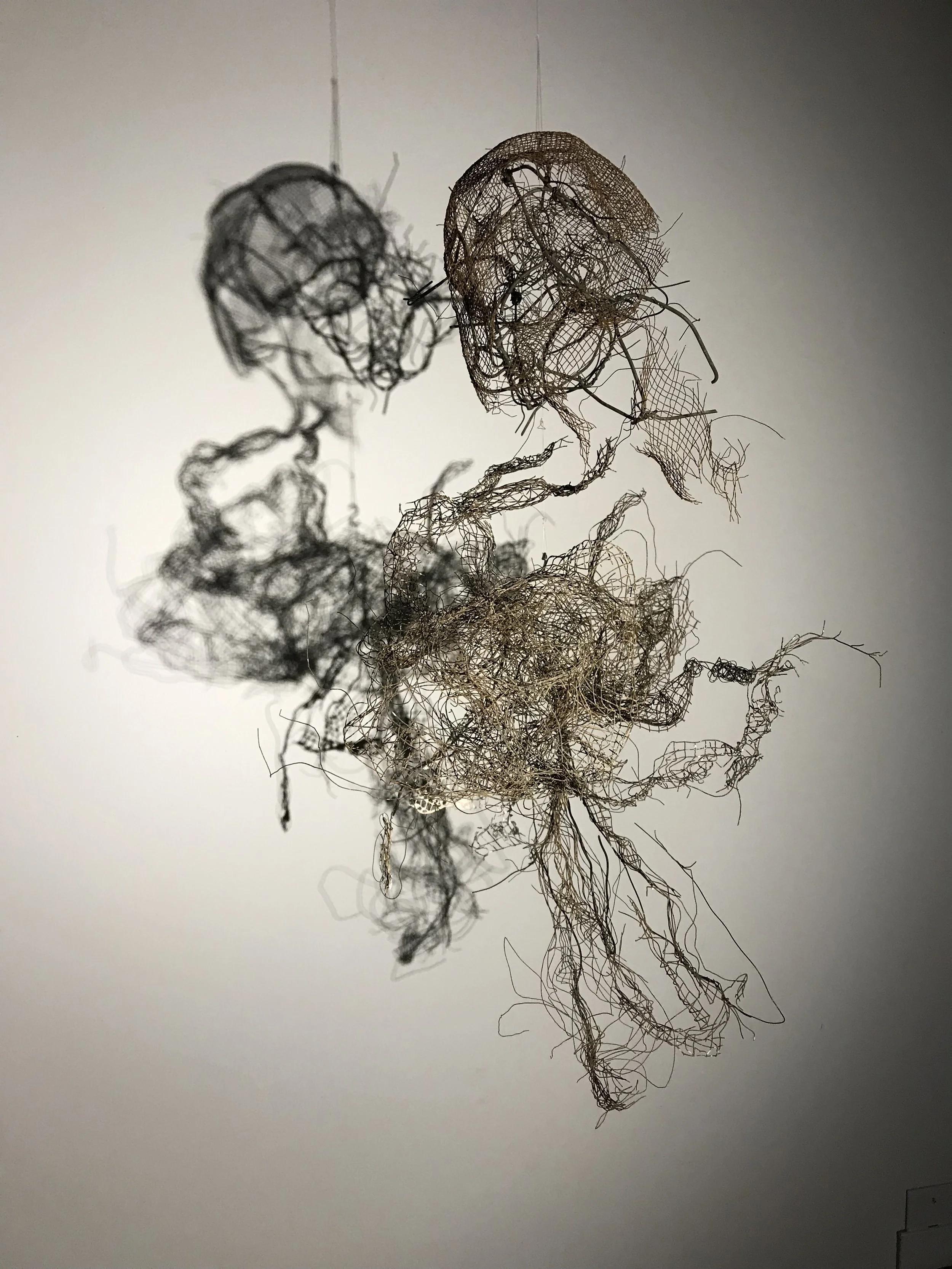
Adding bee #1 just to see how they relate
I am hoping to be able to add some legs, wings
and dead flowers soon. I am a little worried about the eyes.
This summer I will be focused on building a body of work that addresses the impact that pesticides have on the bumble bees and honey bees.
As pollinators, rusty patched bumble bees contribute to our food security and the healthy functioning of our ecosystems. Bumble bees are keystone species in most ecosystems, necessary not only for native wildflower reproduction, but also for creating seeds and fruits that feed wildlife as diverse as songbirds and grizzly bears.
Bumble bees are among the most important pollinators of crops such as blueberries, cranberries, and clover and almost the only insect pollinators of tomatoes. Bumble bees are more effective pollinators than honey bees for some crops because of their ability to “buzz pollinate.” The economic value of pollination services provided by native insects (mostly bees) is estimated at $3 billion per year in the United States.”
https://www.fws.gov/midwest/endangered/insects/rpbb/factsheetrpbb.html
Below is a still image of a 4D/mobile piece I started last week.

A dead bee without legs and very big broken wings.
Here is a photo of the shadow. The sculpture is photobombing on the right.
shadow and sculpture

I printed a lenticular from my three mono-prints of a dead bee. I decided to loop the images. That was a mistake when it comes to creating imagery that speaks to extinction. There is no loop and no second chance. With that in mind, I am trying for proof #2 with out a loop of image number 2.

I think this will work 🐝
I might call this collapse and disorder.
I started a new shadow/mobile to be part of my Glyphosate series. Last week I started the wings.

Above I am started the wings with some leftover pieces from “Bringing Home The Bacon” held together with new wire.

a wing and its shadow
Before I left for the day I threw together a body to slap on the wings and see what the shadows look like.
I am considering the title “collapse and disorder” for this piece.
I will probably add some hexagon shapes to the sculpture. Which made me wonder why are honeycombs hexagon in shape. Guess what I found?

breaking out the handle

I coved the piece in liver of sulfur and now it is time to add the green moss.

adding the moss green patina
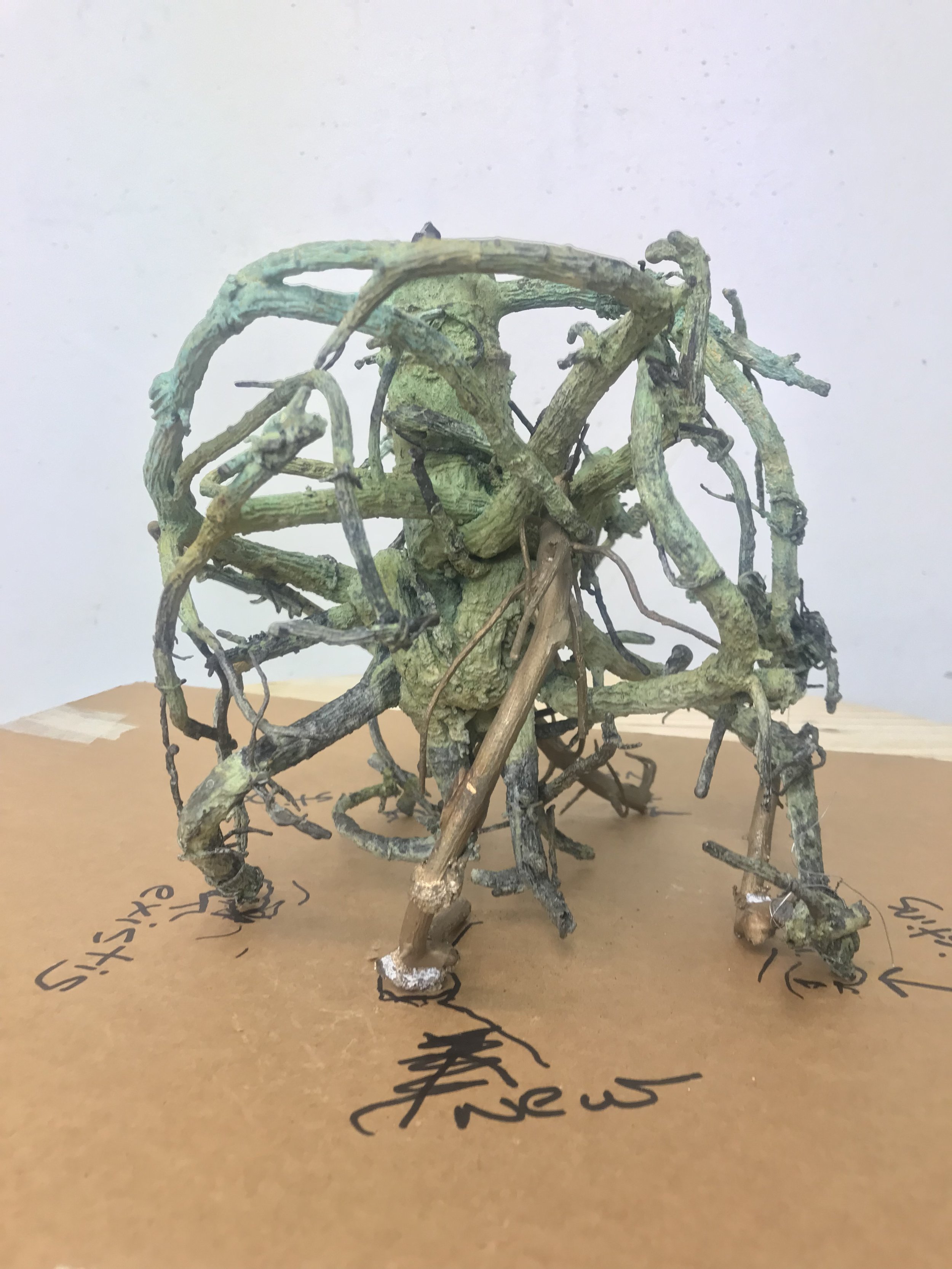
one of the three new pieces added to strengthen the support and spread the load weight.
I thought I was ready to plan the faux bois handle, but while thinking through the process, it became evident that the root pieces supporting the structure are too small. I am concerned that under the weight of the concrete, they will bend. My solution is to add new pieces that are thicker to spread out the load.

I thought that it would be simple to add the patina to the new support pieces - wrong! It looks like I charred the new pieces. When things go wrong, it can be so frustrating.

Sandblasted and ready for Patina application #2.

The patina recipe I am using.
A tip from David Delgado at Legacy fine art Foundry - After the birch wood Casey have some ferric ready and add a wash of ferric before the cupric nitrate mixture. This will help keep it green and not cupric blue.

birchwood Casey ✅

cupric nitrate

Just in time for earth day
With Earth Day in mind I would like to remind gardeners to not use Roundup. The chemical Glyphosate impacts the bee’s intestinal flora causing it’s immune system to be weakened. With bees on the decline we can not compromise their immune systems.

Glyphosate 44” X 30” watercolor monotype

Who knew? Art exposes one to so many unknown things.
In my original body of work “Harvey Heroes” the installation. I paid specific attention to selecting images for inspiration from all ethnic backgrounds. During the Hurricane Harvey flood rescue, racial, political gender and religious tensions were washed away. They were not part of the conversation, we were one people. That was the silver lining of Hurricane Harvey, that was what raised our Texas spirit above the flood line. Seeing people of all backgrounds helping each other made me proud to be from Houston. In the installation piece the process I use to get the abstract fluidity marks, dilutes the diversity of skin tones. I feel this process addresses skin tones as Harvey did. The work is very abstract and does not show the details that might define a particular ethnic background, again the spirit of Harvey.
The exhibition opening was pushed back 30 days, with the extra time I decided to add a few LIVEstock pieces. There were not a lot of images from Harvey of livestock rescues on social media so I created a few of my own.
I regretted I had not made a buffalo calf rescue piece. Saving the buffalo is my thing. Not long after making the decision to make a buffalo rescue piece I saw an image posted on Instagram of a black cowboy wearing a white hat. Immediately I thought how cool it would be to have a black cowboy rescue a buffalo calf. A white hat would separate a darker skin tone from my murky floodwater background, plus my new 44” X 30” paper and plate would help show more skin tone characteristics than the 22” X 30” pieces that compose the installation.. When I told Curtis what I was planning he, immediately, reminded me of the Buffalo Soldiers. He suggested I visit the Buffalo Museum to make sure it would be acceptable during today’s sensitive times to reference Buffalo Soldiers. The people at the museum were very busy so I did not bother them. I did consulted with one of my friends, artist Romeo Robinson; he liked the idea.
This piece has multiple layers of meaning. It brings attention to the importance of tending to animals in rural environments when floods occur. It brings attention to saving the buffalo from extinction and it addresses regenerative agriculture. Most importantly, it is an opportunity to celebrate and acknowledge the brave men who served our country in the military; the Buffalo Soldiers. They were given the name Buffalo Soldiers by the Native Americans, because the Buffalo Soldiers were as tough, fierce and brown as the American buffalo. They were admirable Americans. They deserve accommodations. While at the buffalo Soldier Museum I learned that the US government has never given the Buffalo Soldiers any accommodations for their service. They fought in the Civil War and WWI, This piece celebrates heroes on a multiple of levels.
The piece below, the African-American cowboy is rescuing a buffalo calf. The white cowboy hat and white shirt separate the black skin on his face from the chaotic weather in the background.
I made one monotype and two ghost monotypes. See below.


I hope you like them.
by Sabine Casparie
It took me awhile to get a copy of the 2019 ArtHouston magazine. I could not be more grateful to Sabine Casparie for including me in her article.


This past Wednesday, executives from HP were having a conference in Houston. They finished off their event with a visit to our exhibit, 51.88” Art of Resilience. Geraldina, and I were available to talk about the work.
I know corporations love to find projects to partner up with, so I reached out to Jeff Schultz with HoustonResponds to get an update on what type of help is still needed. I was able to pass the information on to HP. HoustonResponds is the organization that I donated the use of my Harvey drawings to for a publication used to get volunteers to help with the recovery.
I have pasted below the information that Jeff shared with me.
If you know any corporations looking for a good project, please have them contact HoustonResponds.
Here’s a link that may be as effective as anything to answer your question:https://www.houstonresponds.org/farfromfinished. We launched the “Far from Finished” campaign to raise awareness about the unmet need. The 90 second videos have been especially effective in communicating that as they put a face to the numbers.
There are still tens of thousands of Houstonians who are displaced or living in damage or gutted homes, many of whom do not have the resources to recover.
I would say that what most of these people need is a community around them that cares and is willing to walk through the recovery process with them, as well provide resources to rebuild their homes.
That’s part of what we do, and our strategy is to accomplish it through building coalitions of local churches that partner with any and all local organizations (faith-based and non-faith-based) involved in Harvey recovery.
How people can help, including corporations:

HP visiting our exhibit

HP
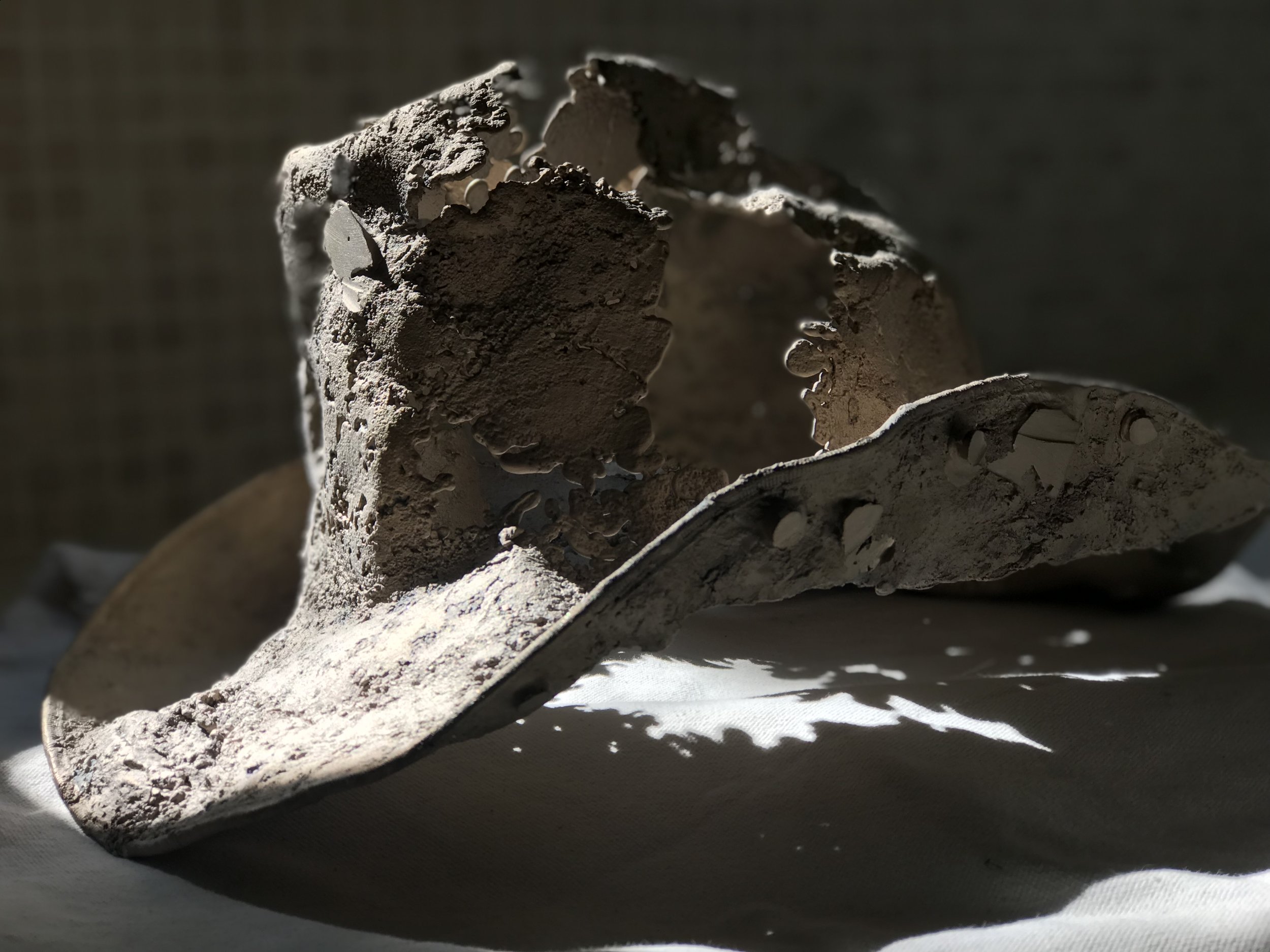
In the fall of 2018 I started this piece to add to my Heritage series of sculptures. As a teen, I shaped hats in my father's western wear store and I began to understand that old hats are reflections of their owners, that they keep a bit of the spirit of the person who wore them. When I start a piece I am often thinking about a specific individual and a challenge they're facing. While working on this piece I had a conversation with a friend about his career. This friend is very very passionate about his profession and has an admirable work ethic. His work situation has been frustrating for several years. There was not a way he could remedy the situation. In the end he turned challenging circumstances into a new opportunity. He took the leap and carved a new path.
Initially, when I broke the piece out of the shell I was disappointed that there were so many spots that did not pour. The texture is exactly what I wanted, well worn and full of passion and character.
A little frustrated but keeping an open mind, I set it on my utility room counter. I like to set pieces I am working on there so I can glance at them quickly as I go about my household tasks. This allows me to think and rethink my next step with the piece.
I walked by it and glanced over quickly and it hit me, those patches that did not pour could resemble the new path that my friend carved. Is it possible this piece took on bit of the spirit of my friend and his circumstances?
The next step with this piece is to do the metal chasing. Once the metal work is done I need to make a decision regarding the cool spots. Do I want to patch the cool spots or leave it as is.
I will have to ponder that.
Below is a list of the other things that I was thinking about as I shaped this piece.
Turning challenging circumstances into opportunities.
The human ability to start over.
understanding the hardship and struggles of another people.
Resilience and having a dream and perusing that dream.
Molding and changing a dream until we reach our dreams.
lifes struggles
dedication and passion
a connection to the earth
compassion that drives us
courage to carve your own path
quiet strength
laugh lines
hope for a better life through hard work
In the fall of 2018 I started this piece to add to my Heritage series of sculptures. As a teen, I shaped hats in my father's western wear store and I began to understand that old hats are reflections of their owners, that they keep a bit of the spirit of the person who wore them. When I start a piece I am often thinking about a specific individual and a challenge they're facing. While working on this piece I had a conversation with a friend about his career. This friend is very very passionate about his profession and has an admirable work ethic. His work situation has been frustrating for several years. There was not a way he could remedy the situation. In the end he turned challenging circumstances into a new opportunity. He took the leap and carved a new path.
Initially, when I broke the piece out of the shell I was disappointed that there were so many spots that did not pour. The texture is exactly what I wanted, well worn and full of passion and character.
A little frustrated but keeping an open mind, I set it on my utility room counter. I like to set pieces I am working on there so I can glance at them quickly as I go about my household tasks. This allows me to think and rethink my next step with the piece.
I walked by it and glanced over quickly and it hit me, those patches that did not pour could resemble the new path that my friend carved. Is it possible this piece took on bit of the spirit of my friend and his circumstances?
The next step with this piece is to do the metal chasing. Once the metal work is done I need to make a decision regarding the cool spots. Do I want to patch the cool spots or leave it as is.
I will have to ponder that.

It is still sitting in my utility room. I do love the shadows. ????????????
He is one big pig, the beloved family pet that had to be hoisted upstairs to save him from drowning in the flood waters of Harvey. The idea of saving a pig was inspired by a YouTube video posted by a young family in Conroe, Texas. I hope you see in the figure not only the strength it takes to lift up a frightened squirming pig but also the determination that the figure has not to let the family’s favorite pet parish. The pig twist and turns while straining his back legs straight out trying to reach the ground.
photo by Nash Baker

Bringing home the bacon
66” X 42” 60”
Steel, stainless steel lath, plaster, hydro stone, wire mesh, screen and cloth, and baling wire.
the next pig post - why a pig?
Quisque iaculis facilisis lacinia. Mauris euismod pellentesque tellus sit amet mollis.