• HOME
  • portfolio
  • blog
  • About
  • MANIFESTO
  • Contact
Menu

cindee travis klement

Street Address
Houston, Texas
832-358-0001
"Recording endangered knowledge to the collective memory so it will no longer be endangered knowledge." - M. Thomashow

Your Custom Text Here

cindee travis klement

  • HOME
  • portfolio
  • blog
  • About
  • MANIFESTO
  • Contact
20260319-CindeeTravisKlement-41-2.jpg

blog

To Soar: why I made it

October 12, 2026 Cindee Klement

Studio shot

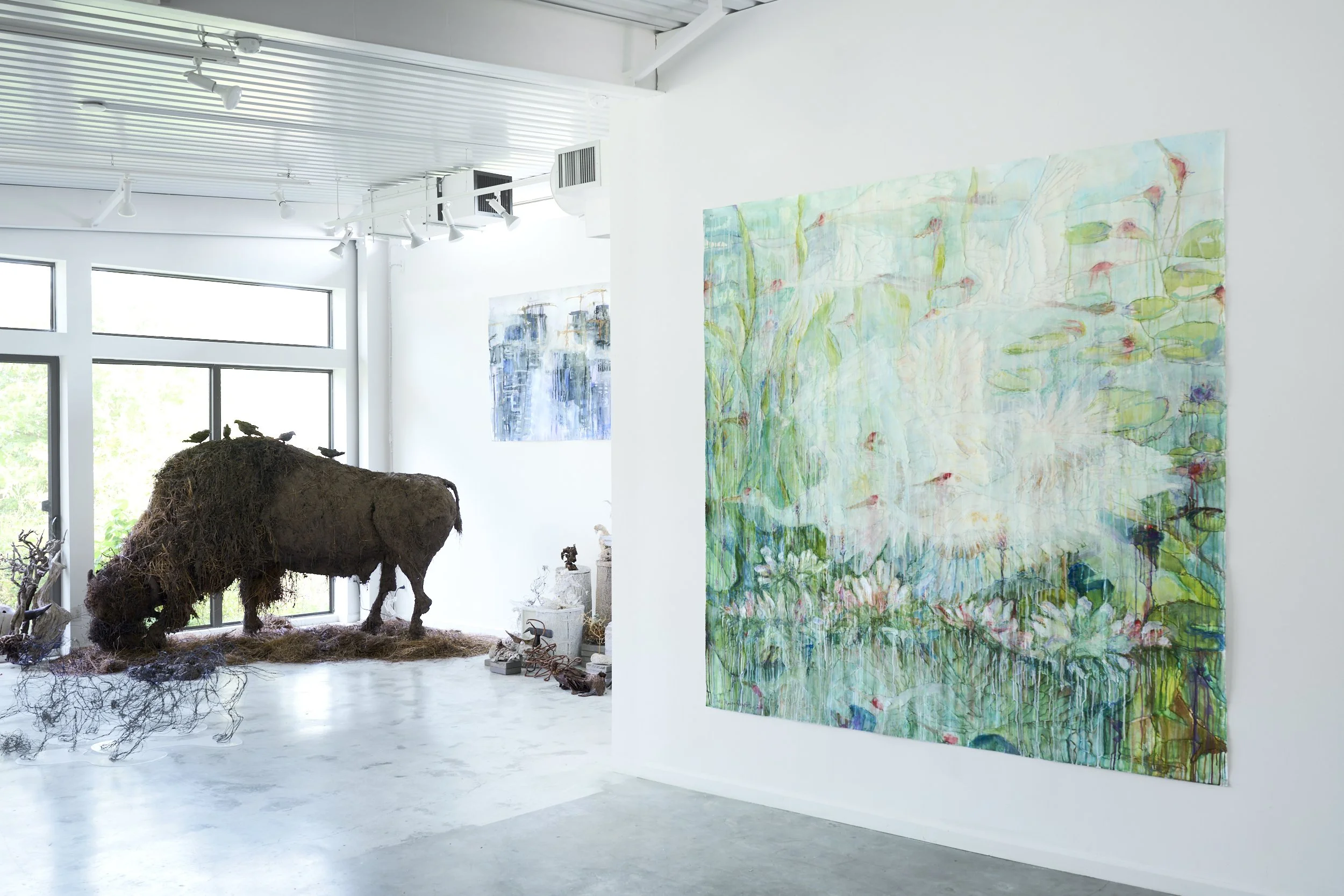
To Soar

8’X8’

Graphite, watercolor and pastel on torn collaged Stonehenge.

image by Feast Day Studios

To Soar, by Cindee Travis Klement / Nick Finnegan Counseling Center.

Read more: To Soar — Why I Made It

When I was asked to donate a piece to the Nick Finnegan Counseling Center, I felt a spark of excitement because I've long known that everything we see and hear leaves an impression on our brains.
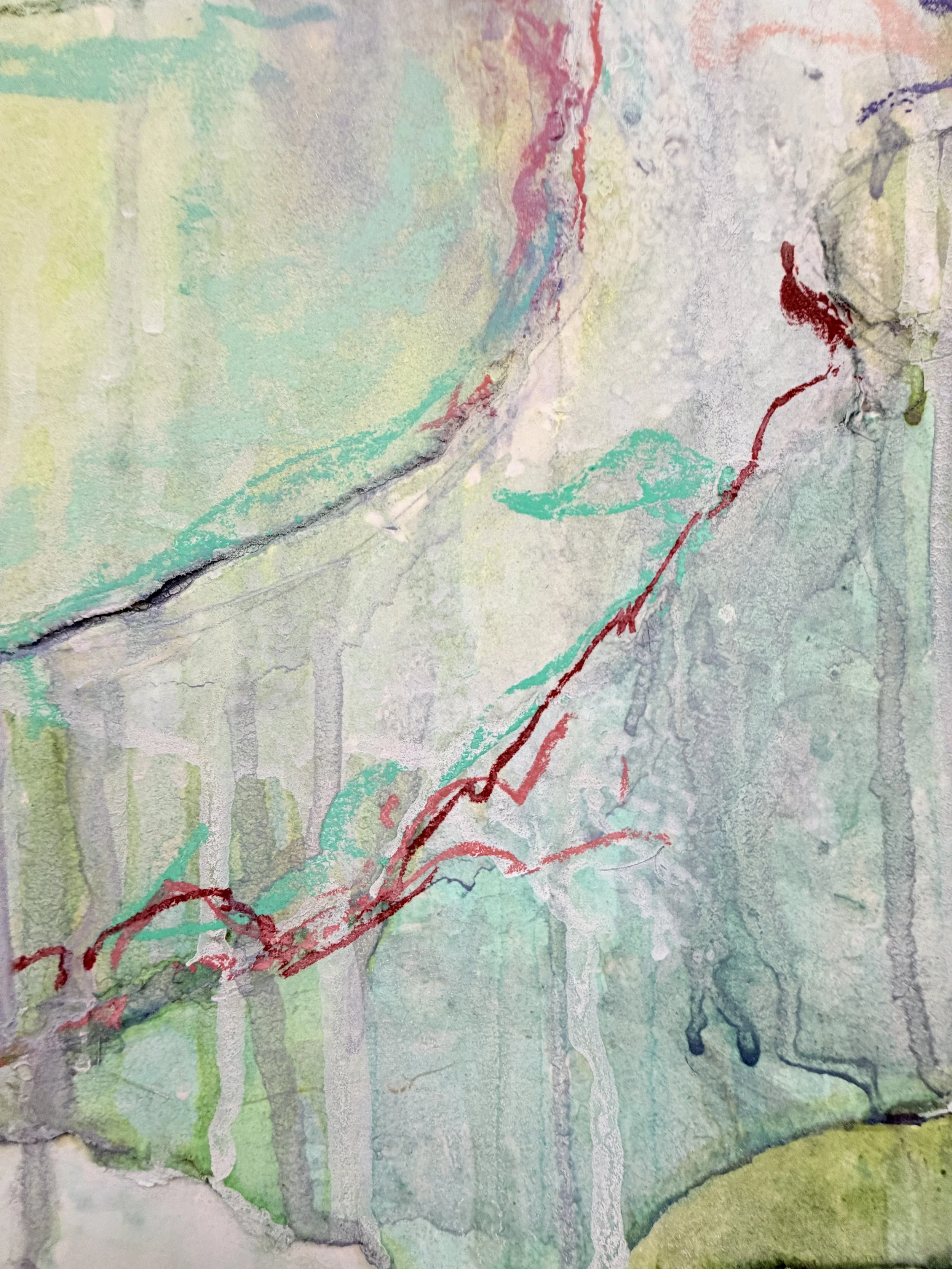
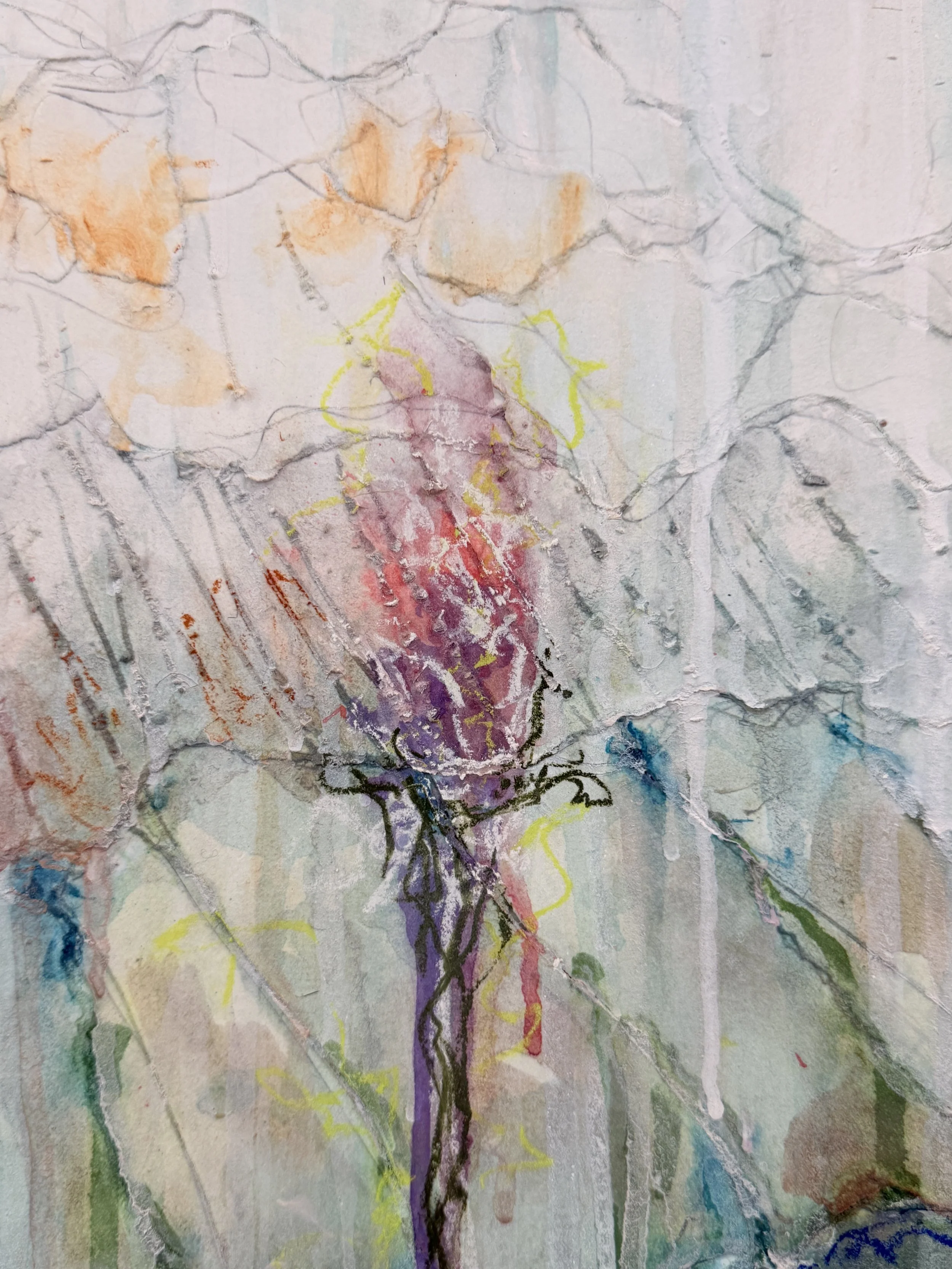
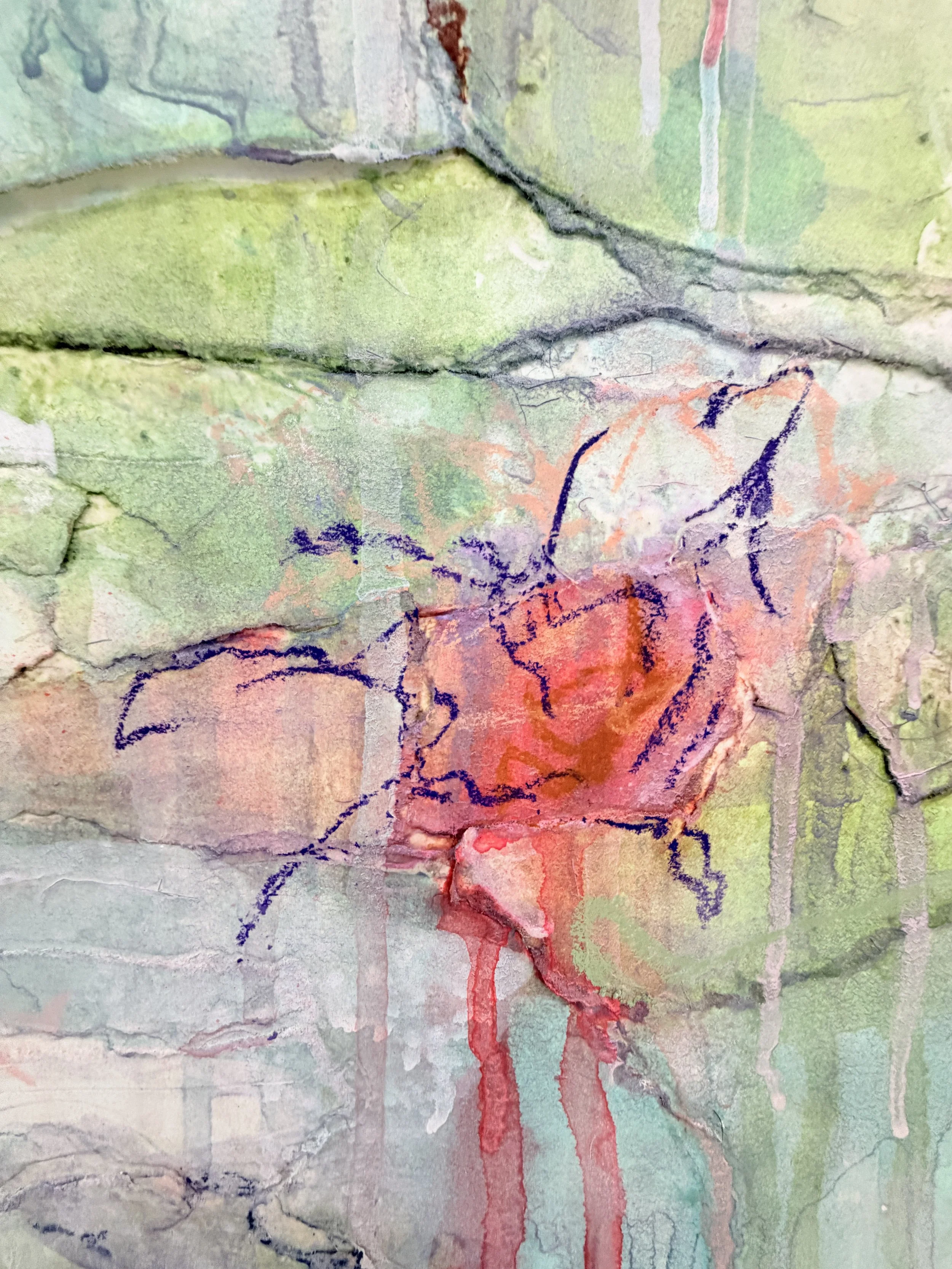
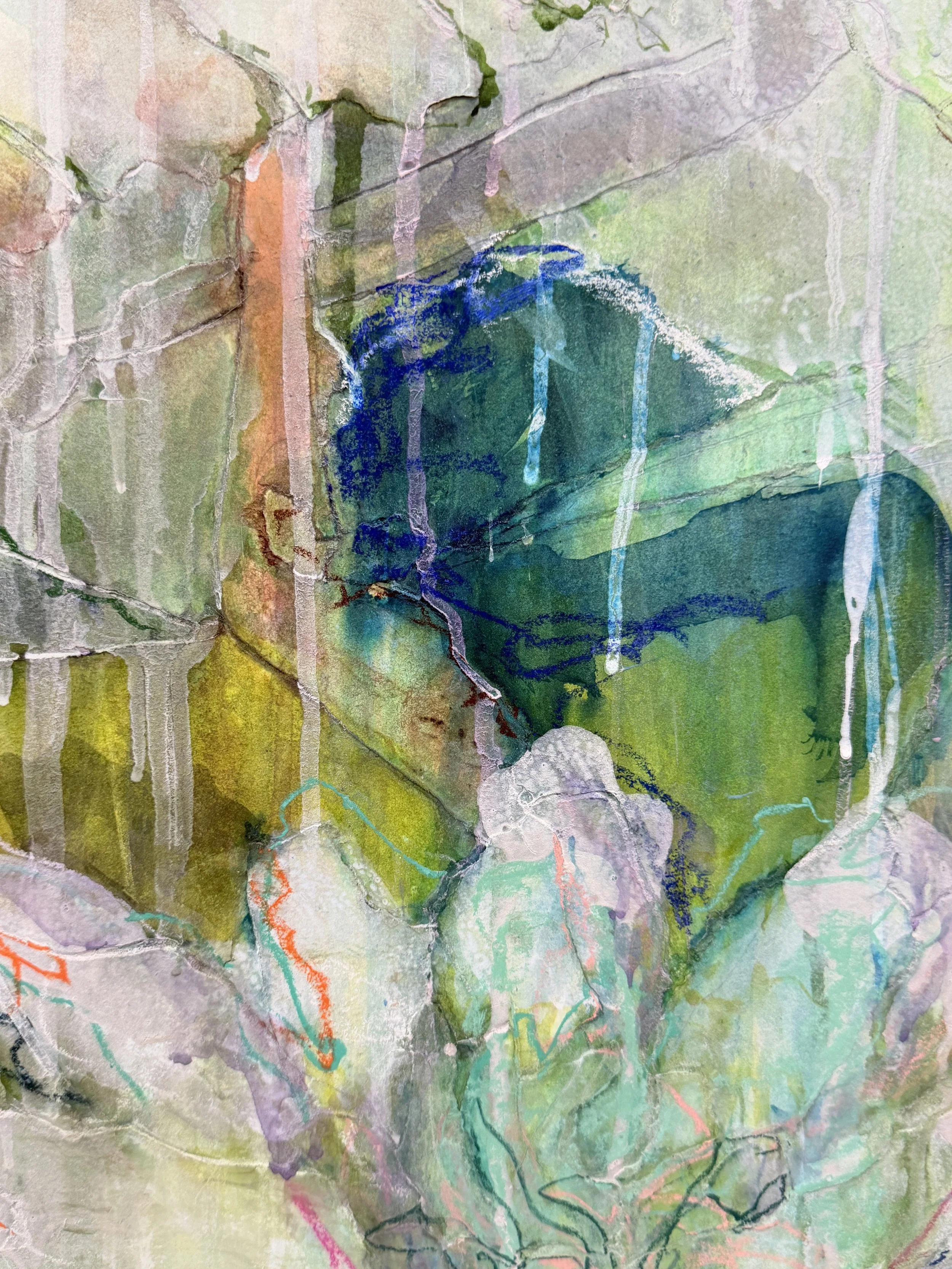
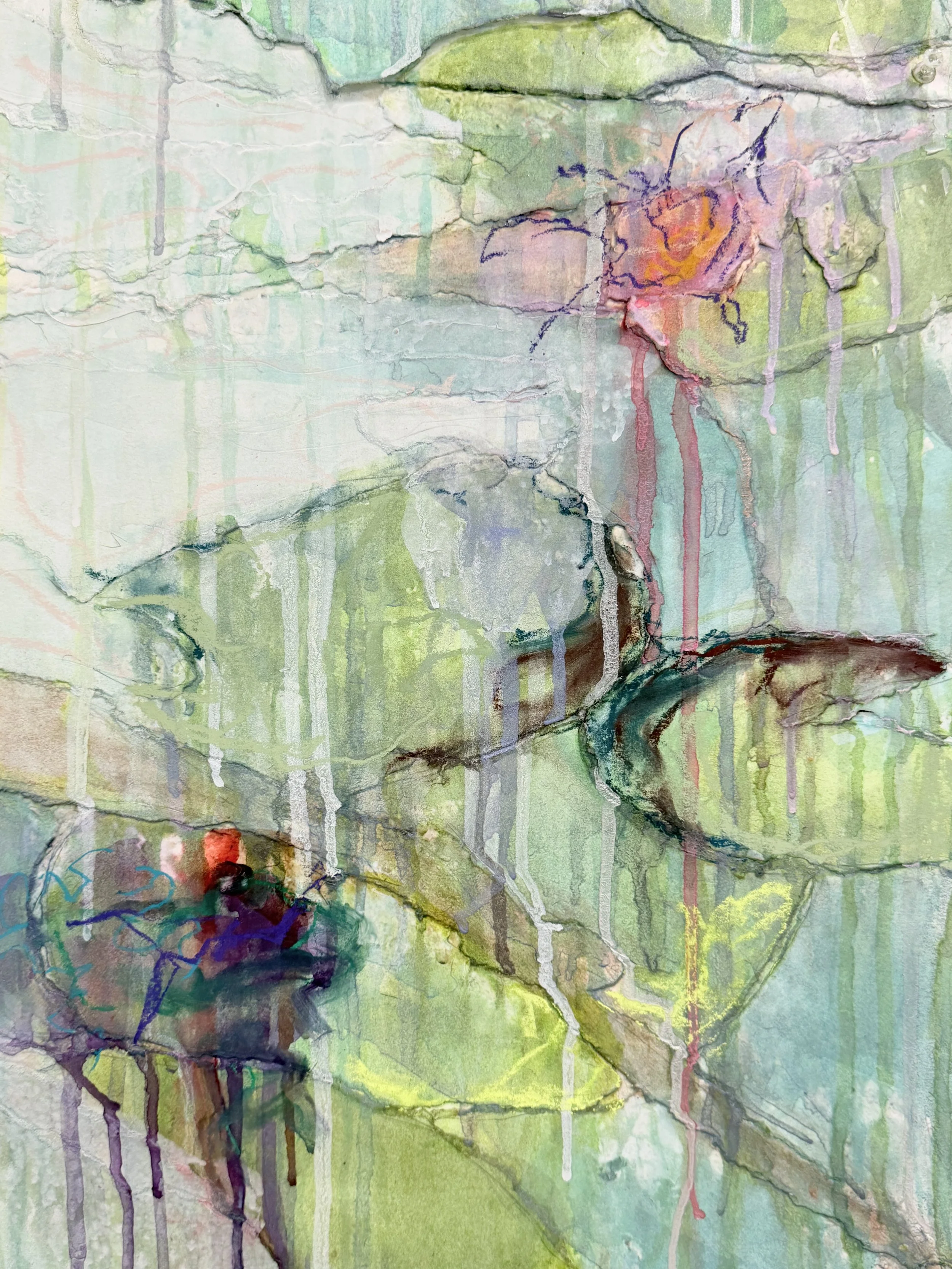
pastel mark detail

We know what hurt looks like. The black holes. The news and social media replay them again and again, changing our brains in a way that feeds the downward spirals that follow.
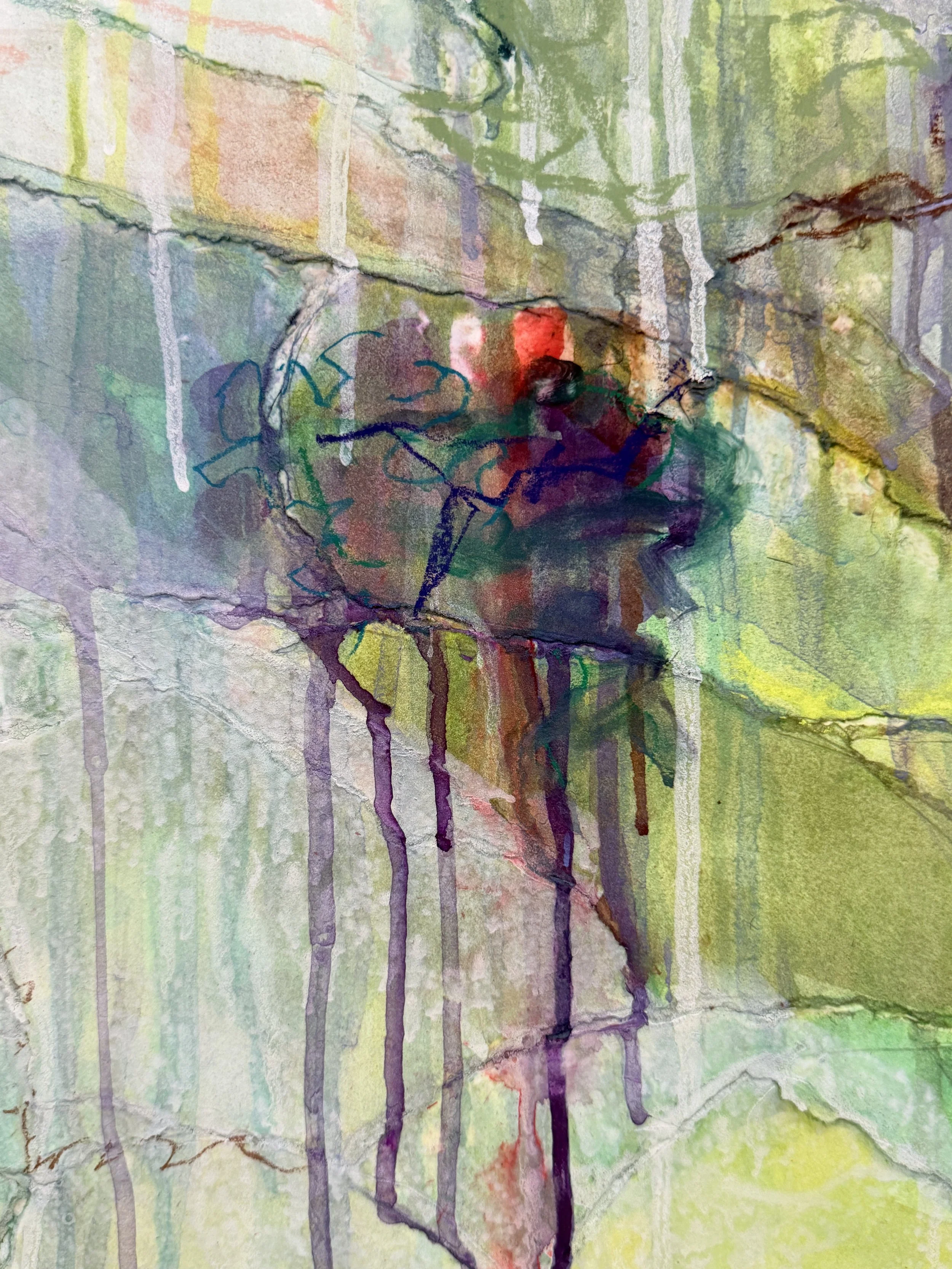
So I asked myself: could I make a piece that doesn't just decorate a wall, but actually changes the brain in a way that lifts the human spirit?

The counselors came out to my studio. We talked about their tools, the systems it takes to recover in a complicated world: not the hours they log, but the time they carry. The language they used was the language I use when I restore an ecosystem.

I went looking where I find healing, in the natural world.

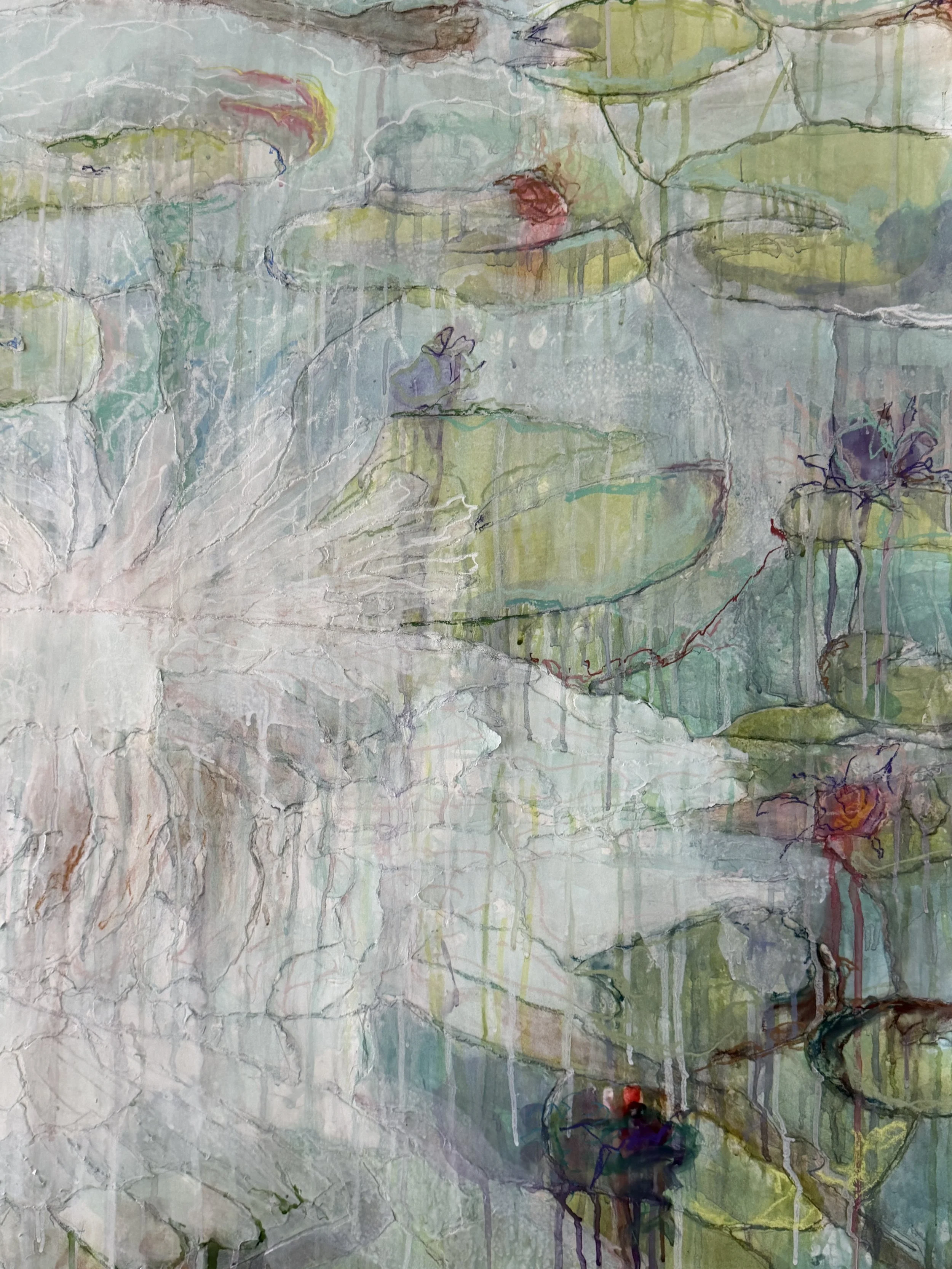
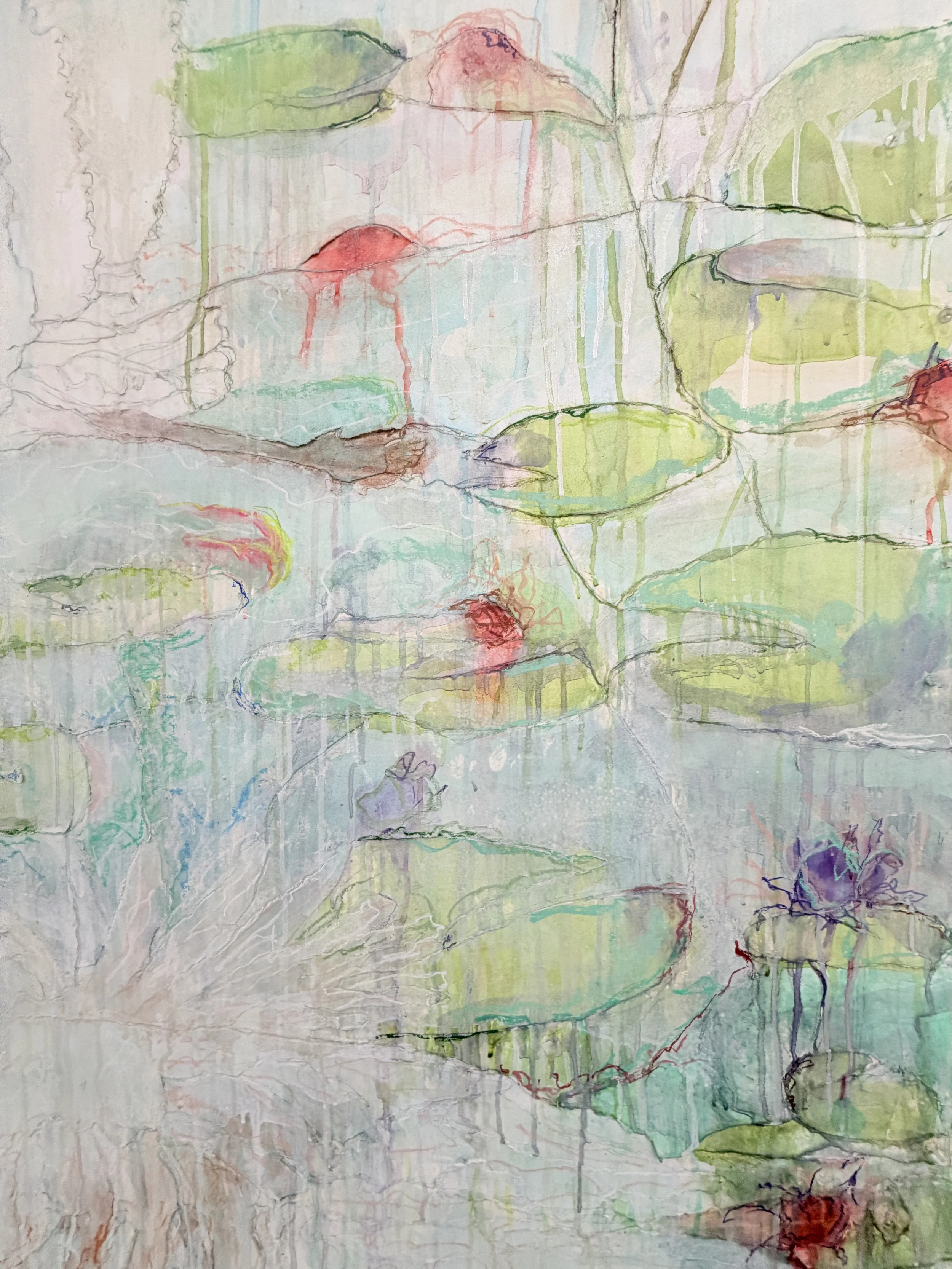
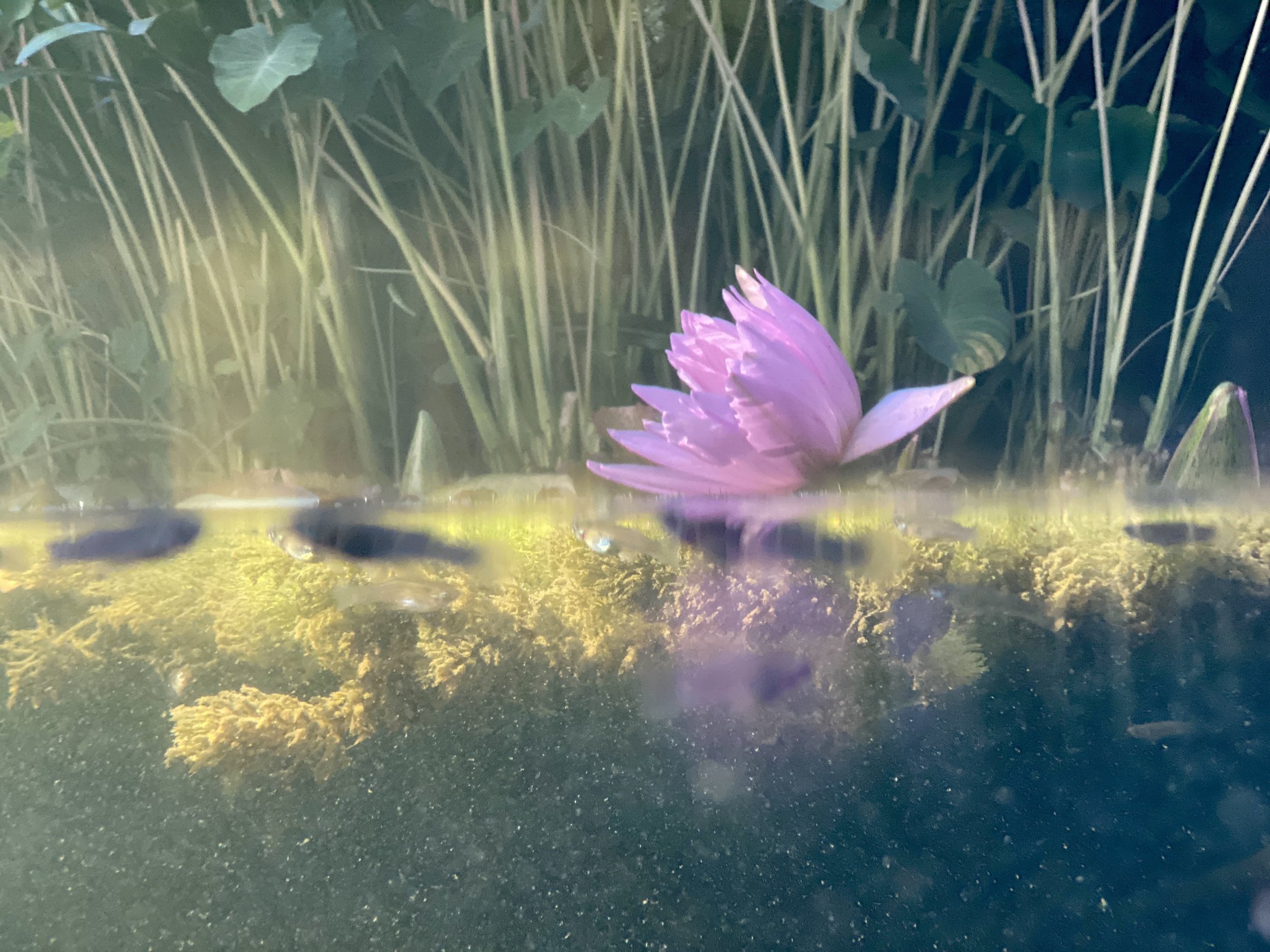
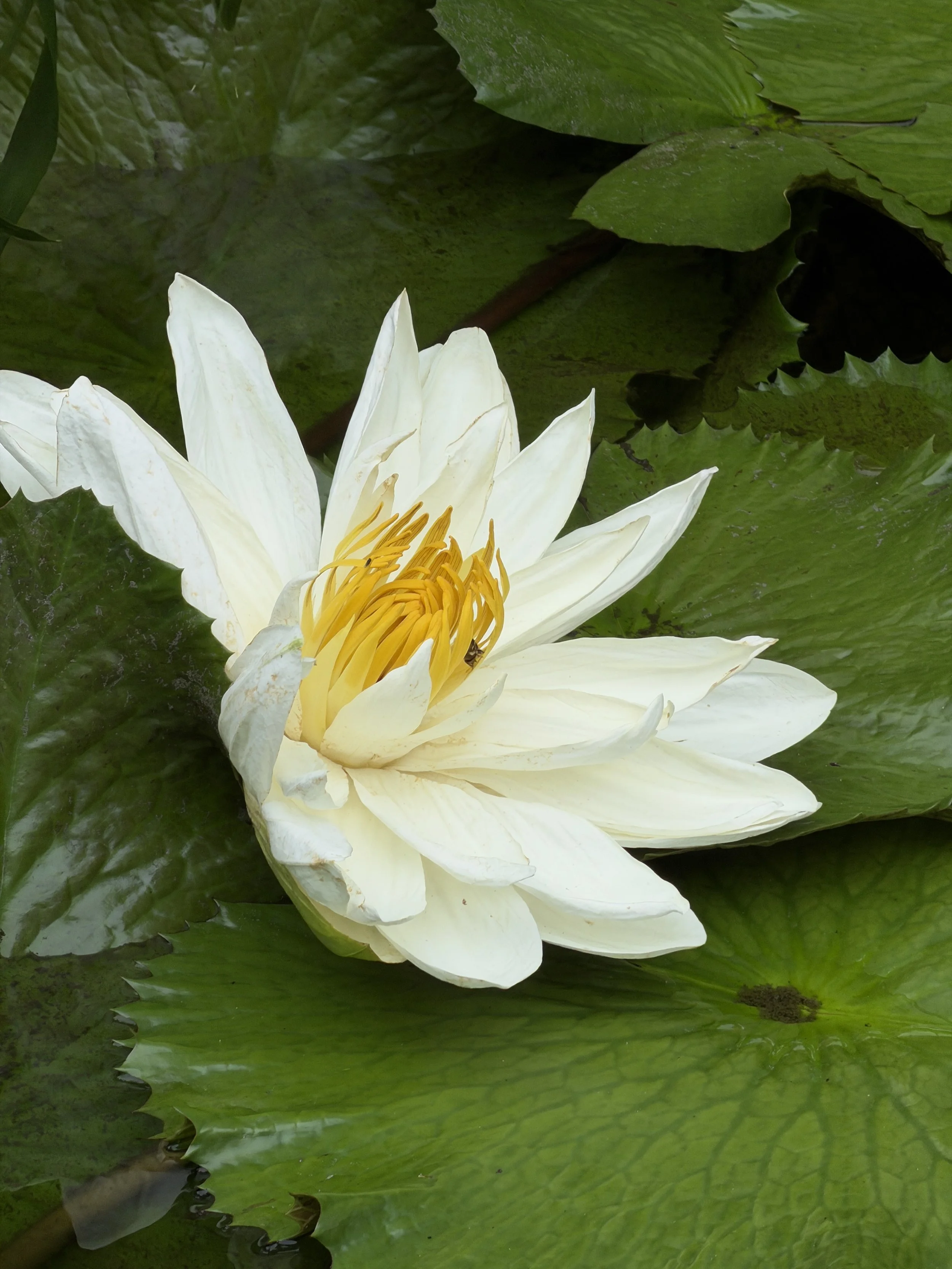
A water lily rises out of the dark muck and opens toward the light. Again and again.
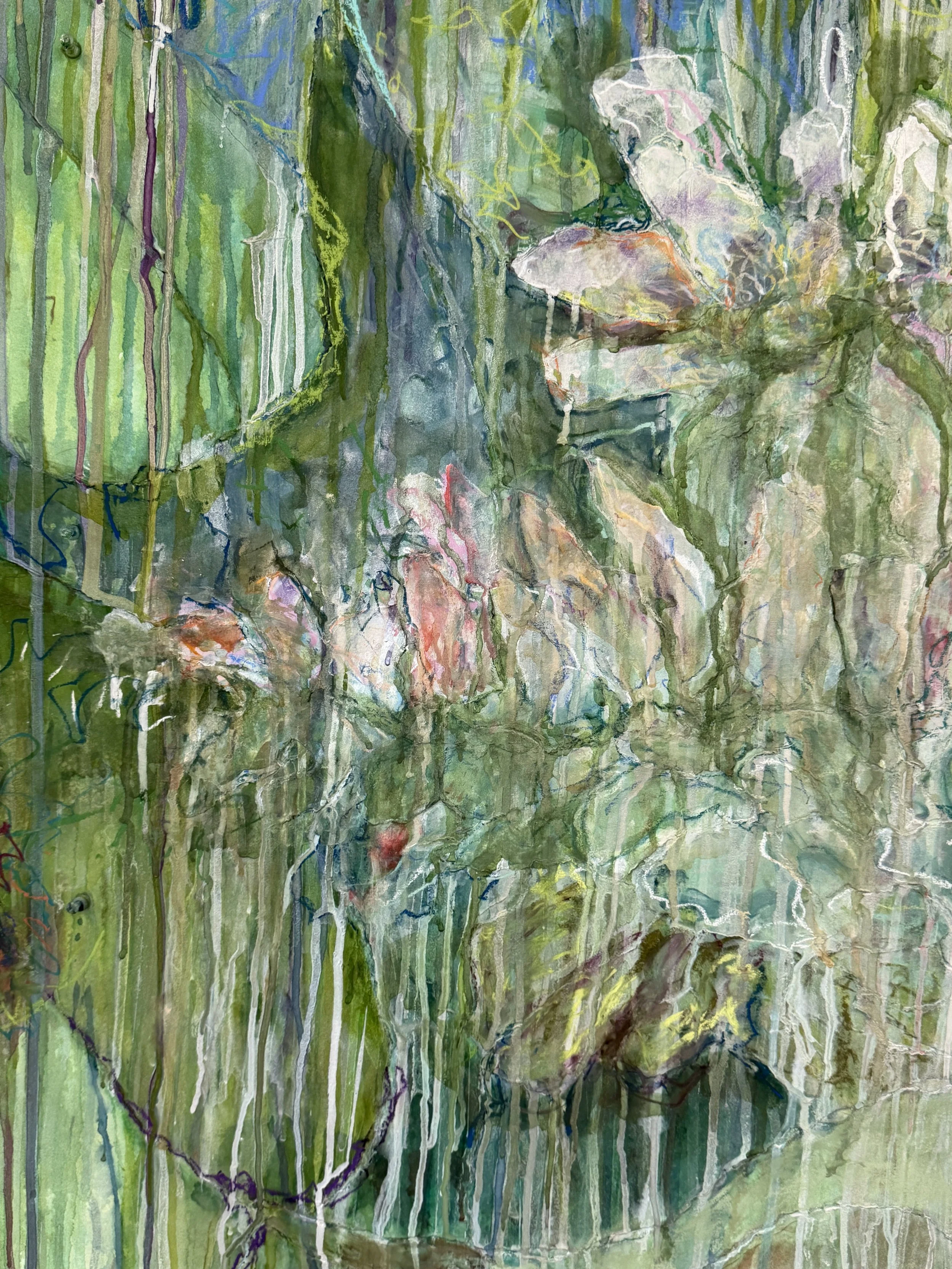
Sandhill cranes were once down to a couple dozen breeding pairs. In 1937, believing he was watching Wisconsin's cranes disappear, Aldo Leopold wrote “Marshland Elegy.” People came together and rebuilt the wetland systems. Each fall, tens of thousands of cranes rise out of the marsh, filling the skies, calling to each other, bonded for life.
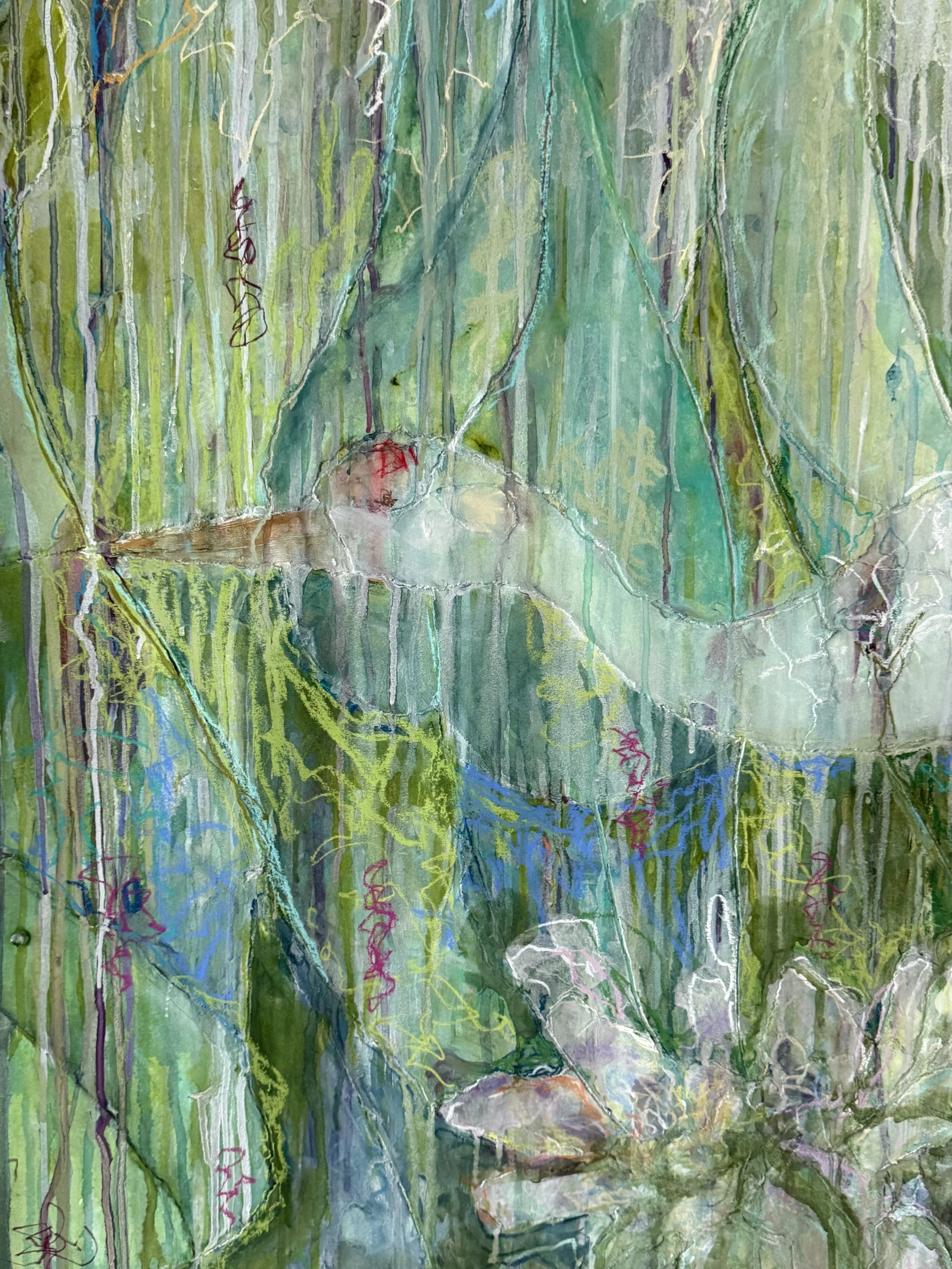
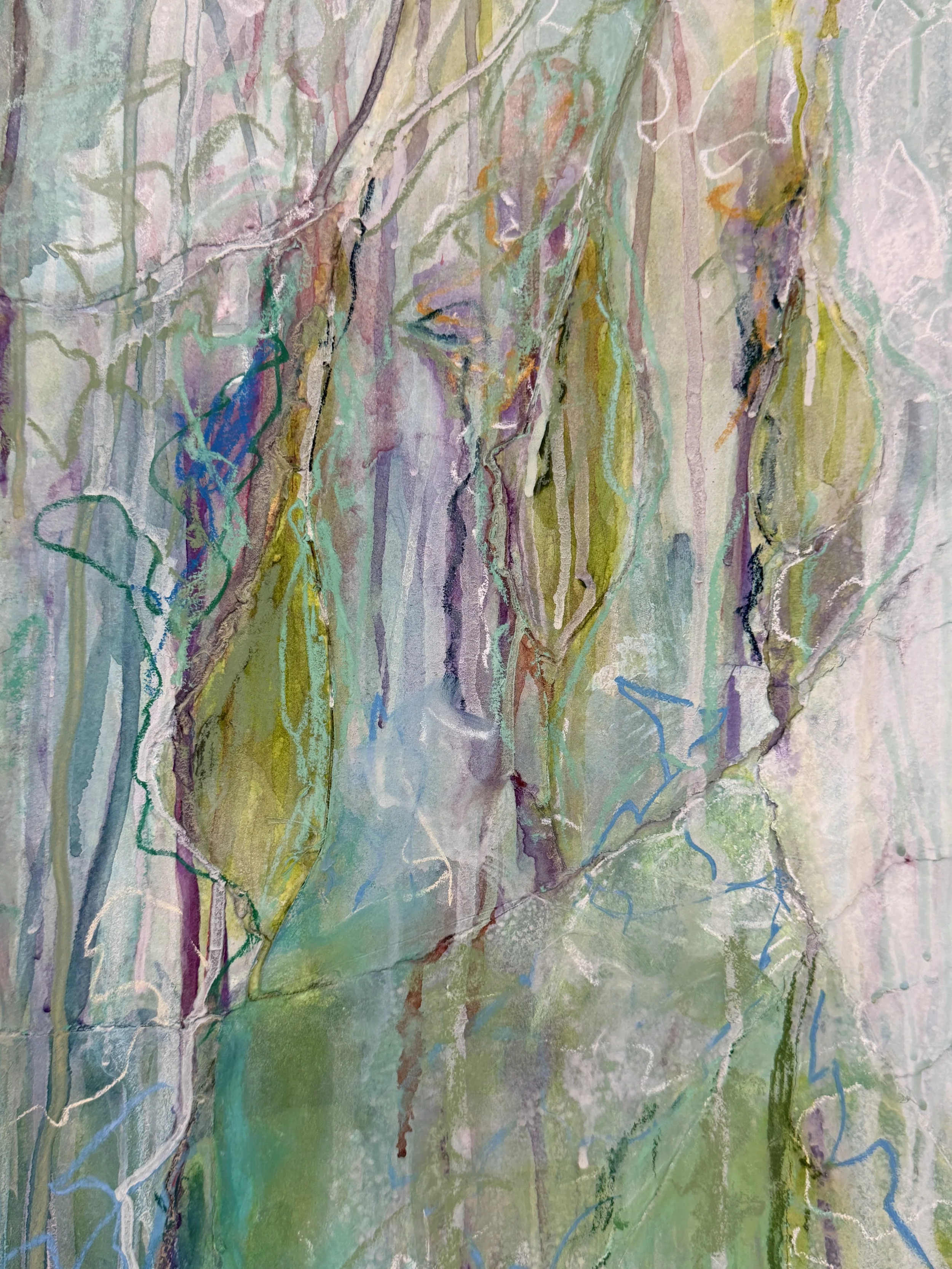
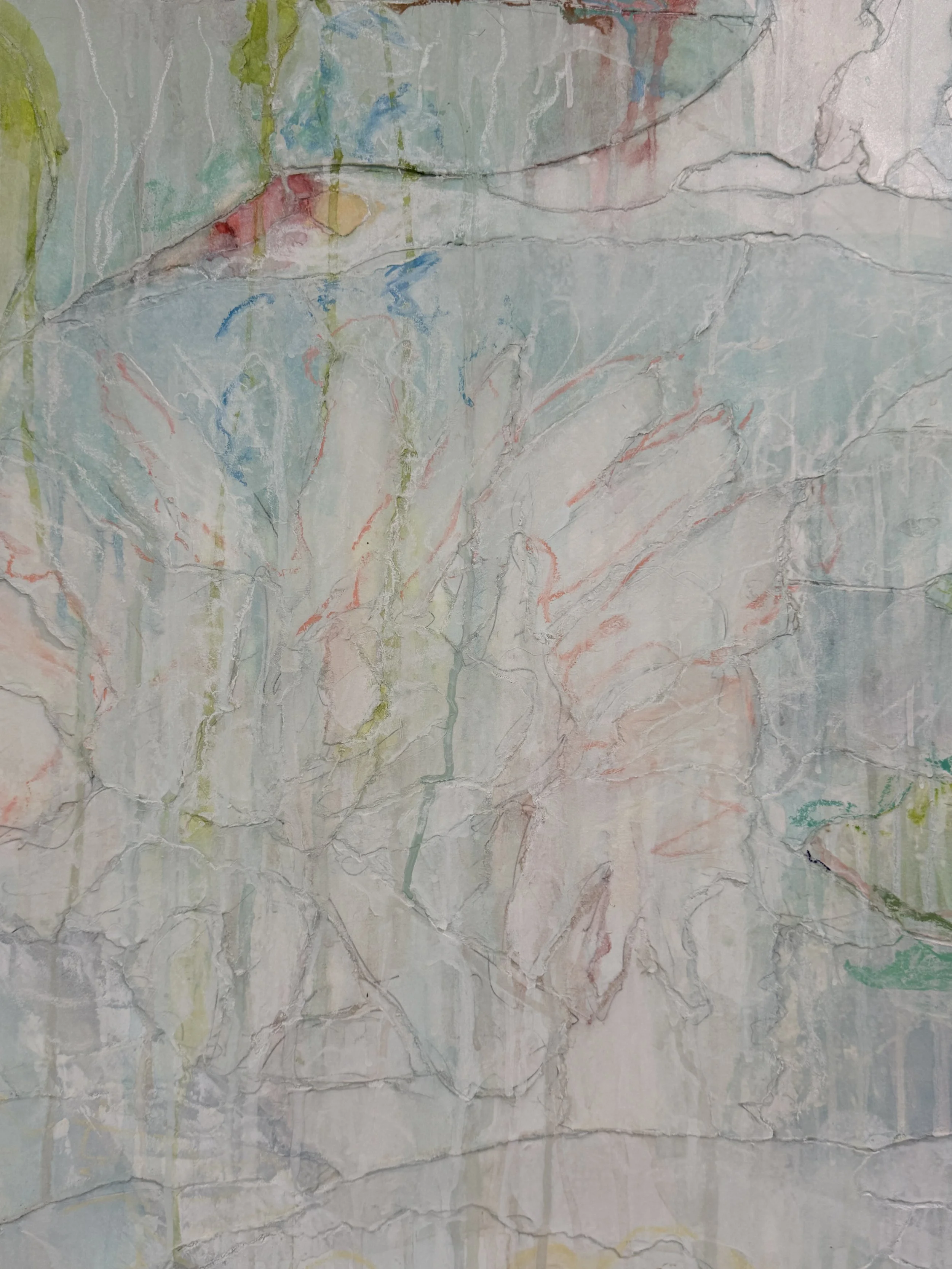
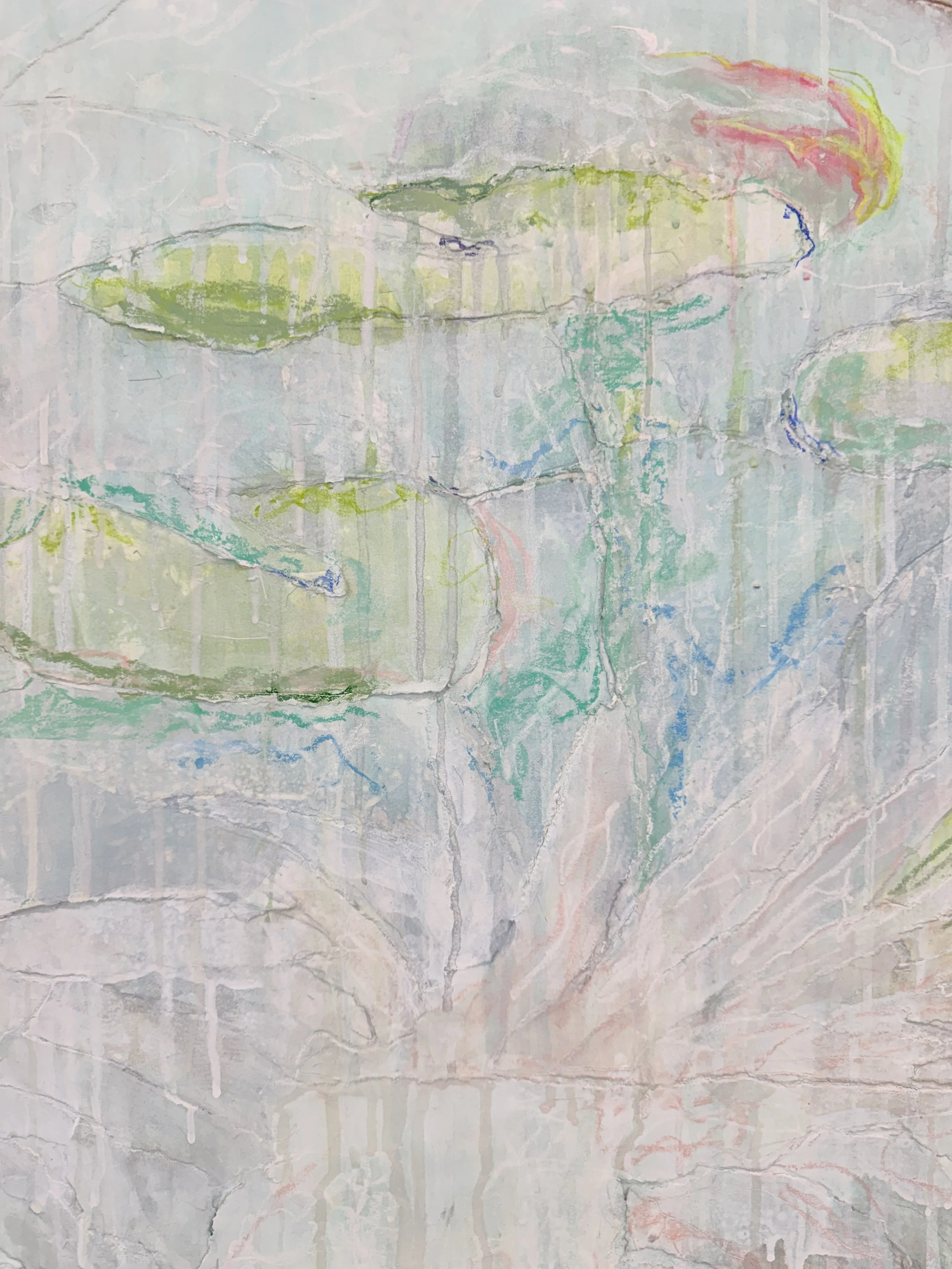
In the piece, nothing stands alone. A bird's beak becomes a seedhead. A feather becomes a petal. A wing stretches into the horizon until you can't say where the bird ends and the sky begins. Step back, and the whole flock catches the light, lifting into a single white bloom: the water lily, made of wing.

It isn't one thing. It's the systems coming together, the way recovery itself comes together. It lifts the soul.
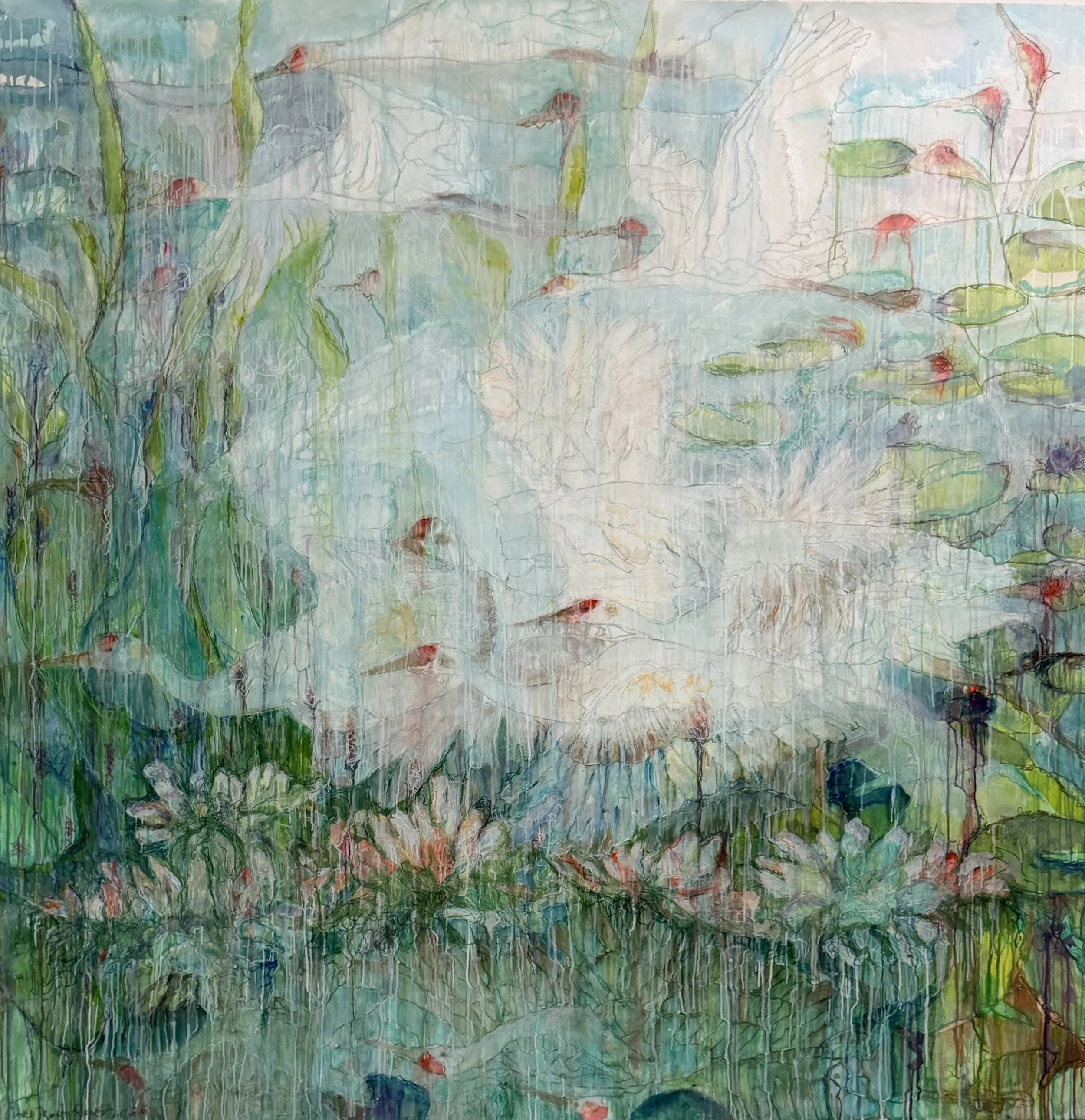
To Soar lives on the center's central wall, the first thing every family sees on their way to a session and again as they head home.

Let your eyes move across it the way they're guided to in EMDR (eye movement desensitization and reprocessing): side to side, working through what's difficult, the way our eyes once moved naturally across landscapes that were wild, messy, and alive. That's where recovery starts. Not looking away from the hurt, but moving through it.

Families will stand in front of this wall in the worst weeks of their lives. This piece helps make sure they are not standing there alone.

What follows are detail shots that are not seen in an image of a piece 8’X8’ from a distance.
In art, Relief, Watercolor, Collage Tags To Soar
Comment

To Soar - a little background

October 8, 2026 Cindee Klement

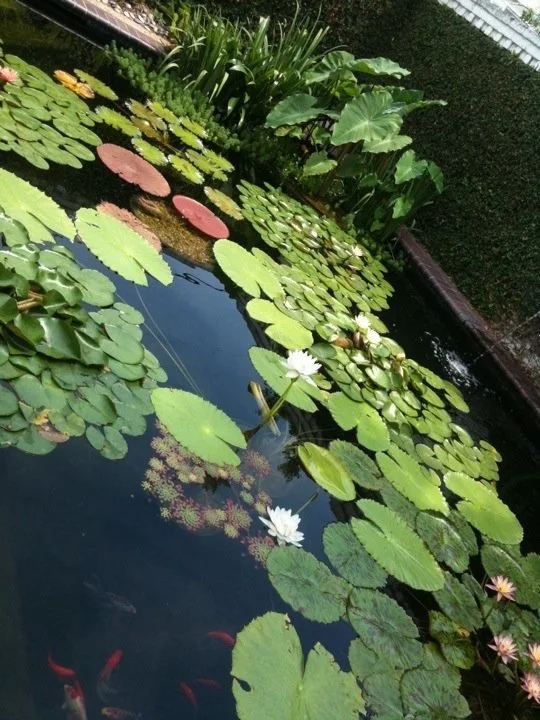
In 2005 we converted our small swimming pool, three feet at one end and six at the other, into a pond and gave the whole of it to the lilies and fish. A cement basin built for chlorine became a cement basin built for relationship. I have been watching water lilies, bullfrogs, dragonflies, and the other creatures the water called in ever since.

Over the past several weeks I have been thinking about water lilies as symbols of emotional recovery while making To Soar, an eight-by-eight-foot piece for the Nick Finnegan Counseling Center.

In it, sandhill cranes lift out of a wetland of lilies into open sky. The cranes carry their own recovery story: in the 1930s they were down to about 25 breeding pairs in Wisconsin, and today they number in the tens of thousands.

This post is about my relationship with water lilies. What the lilies have taught me is that we have their symbol backwards.

A lily's roots live in mud so starved of oxygen that most roots would suffocate there. The plant breathes for them. Young leaves, warmed by the sun, take in air and push it down through hollow channels in their stems to the rhizome buried in the sediment, and older leaves let it back out. Some of that oxygen seeps out of the roots into the surrounding mud and changes it.

The lily is not pure in spite of the muck. It is whole because of it. What looks like transcendence is a relationship running in both directions, from light to sediment and back.

This is what the lily offers anyone in recovery. We tend to imagine healing as rising above what hurt is and leaving the mud behind. The lily never leaves. It stays rooted in the darkest place it knows, and the decay held there is what feeds it: nitrogen, phosphorus, everything broken down and made available again.

Healing, read this way, is not escape. It is staying in relationship with the hard ground and sending breath down into it, season after season, until it can hold life.

In To Soar the cranes lift into the sky. The lilies stay where they are. Both are recovery.

To Soar will be auctioned at the center's fundraiser, then hang permanently on its central wall, where clients and counselors pass it every day. You can bid on naming rights.

In art, Relief, Watercolor Tags To soar, Nick Finnegan counciling center
Comment
Summary Block
This block is invalid. Please check the block settings and try again.
Featured
Aenean eu leo Quam
Aenean eu leo Quam

Quisque iaculis facilisis lacinia. Mauris euismod pellentesque tellus sit amet mollis.

Read more →

COPYRIGHT © 2014 - 2026, CINDEE TRAVIS KLEMENT LLC ALL RIGHTS RESERVED

Some writing on this site is developed in dialogue with AI editing tools.