To Leave

The ephemeral beauty of nature lies not just in living organisms but also in their inevitable decay.

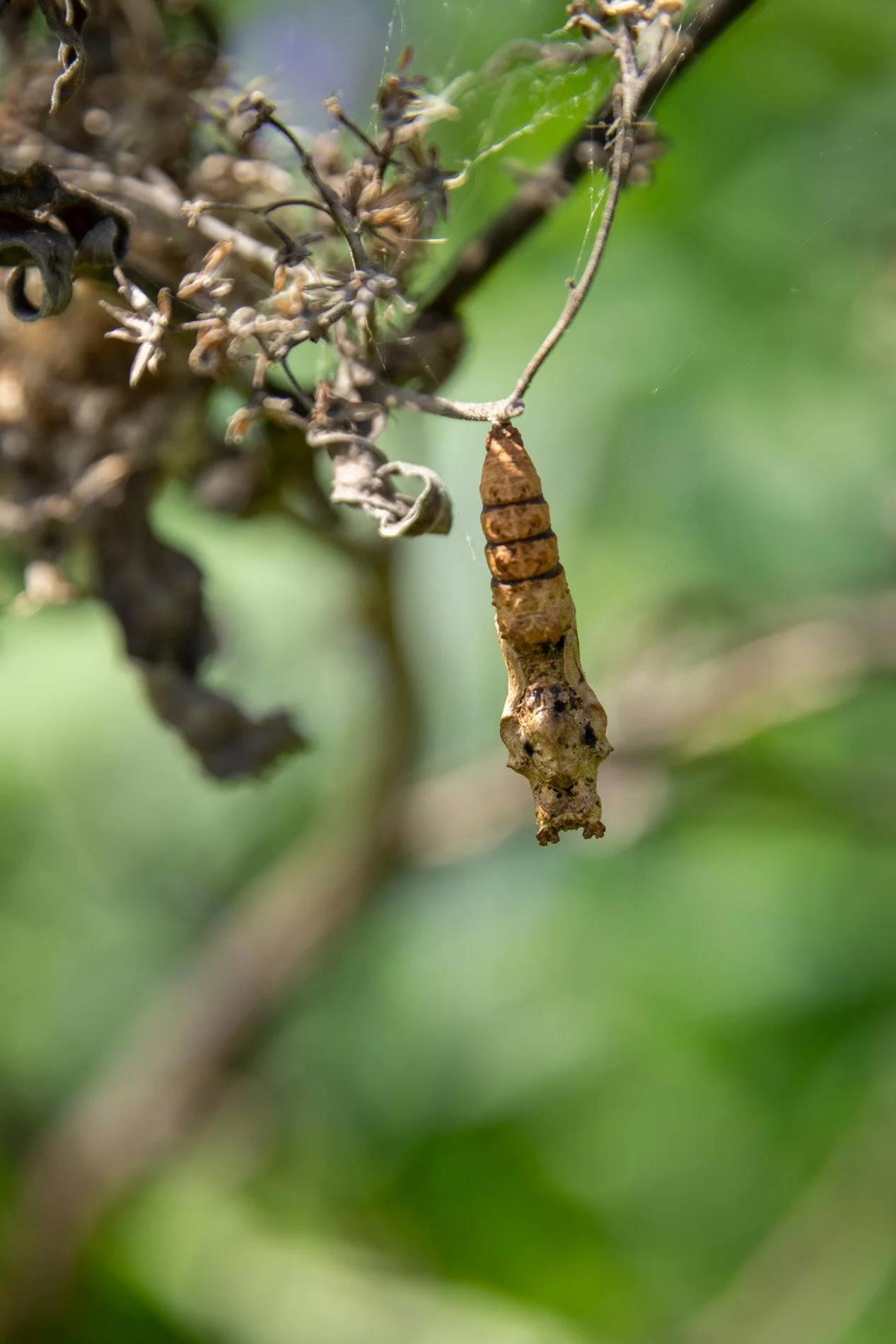
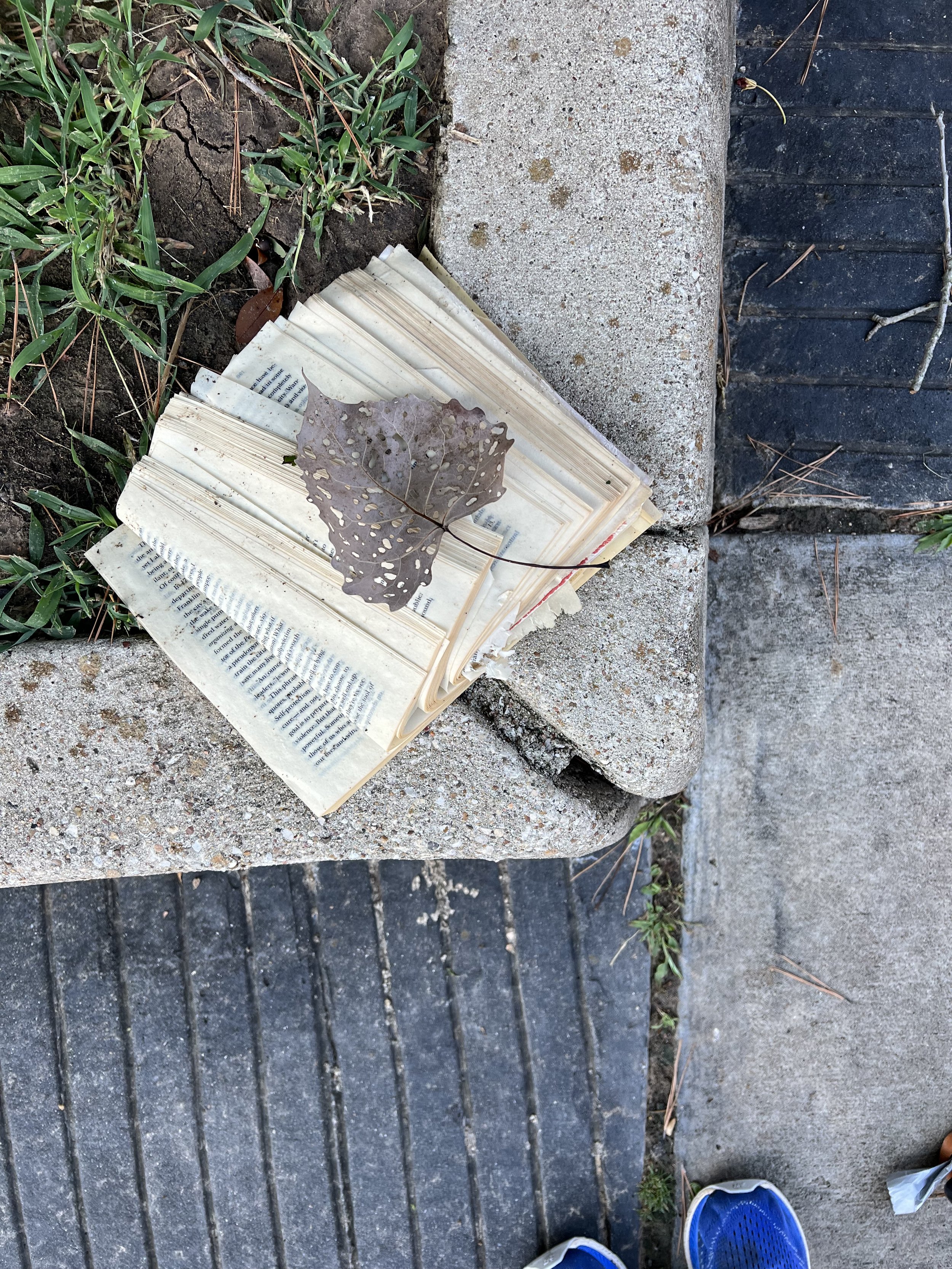
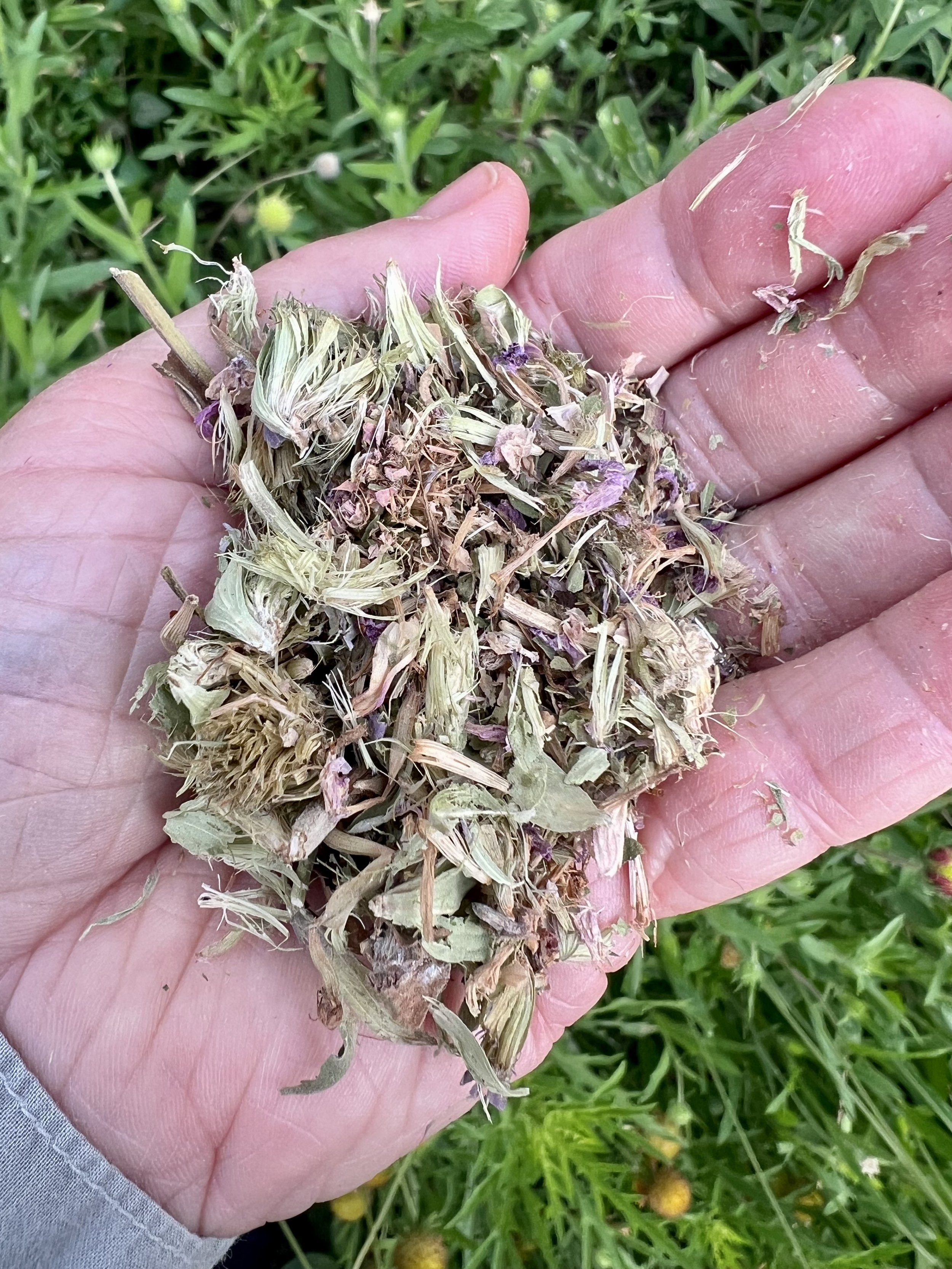
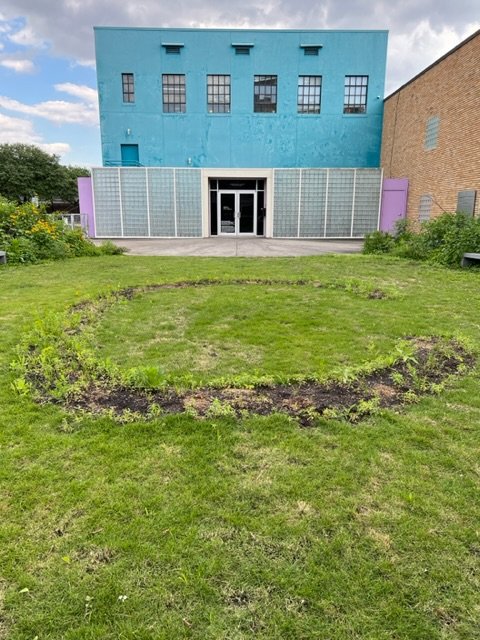
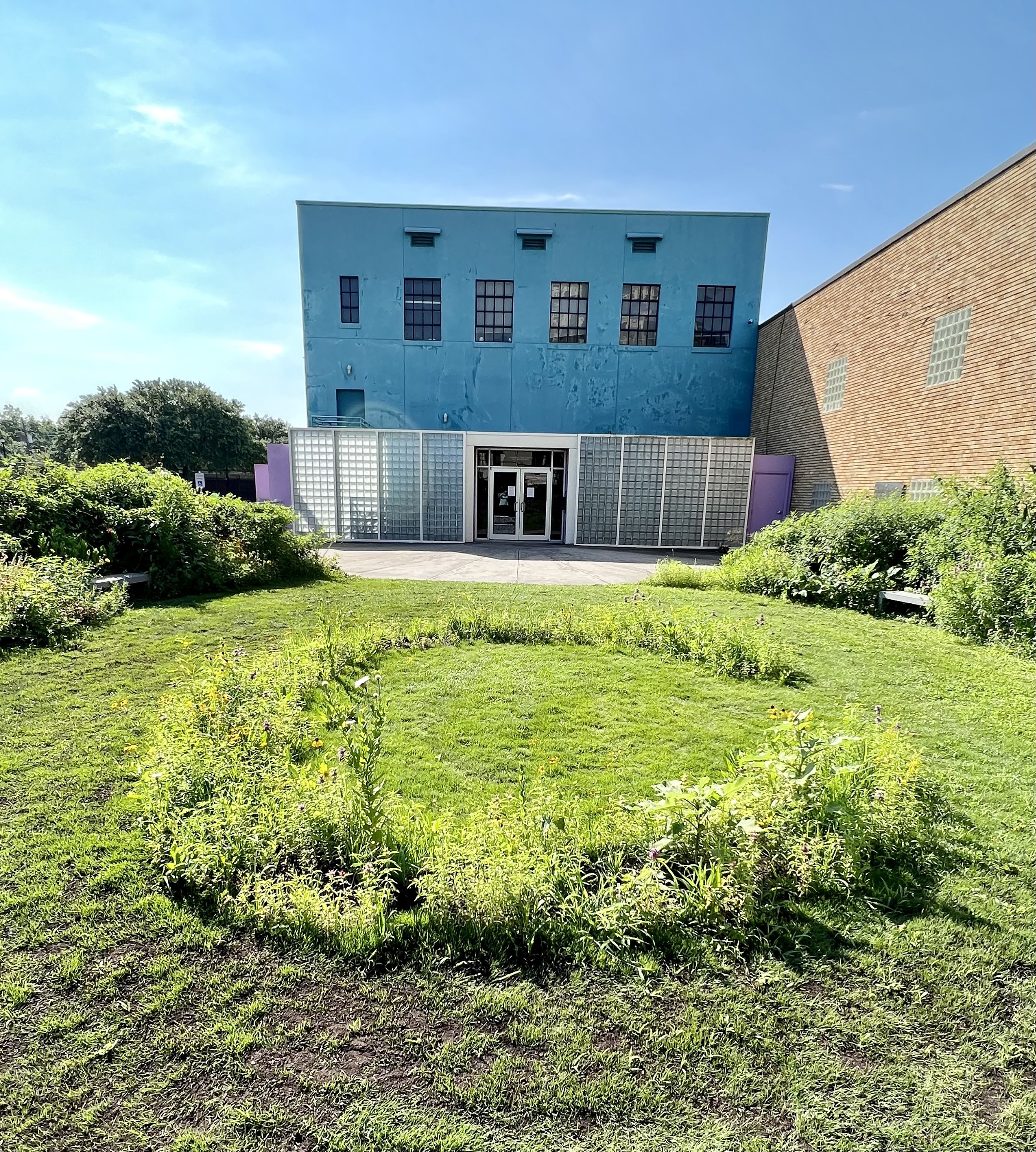
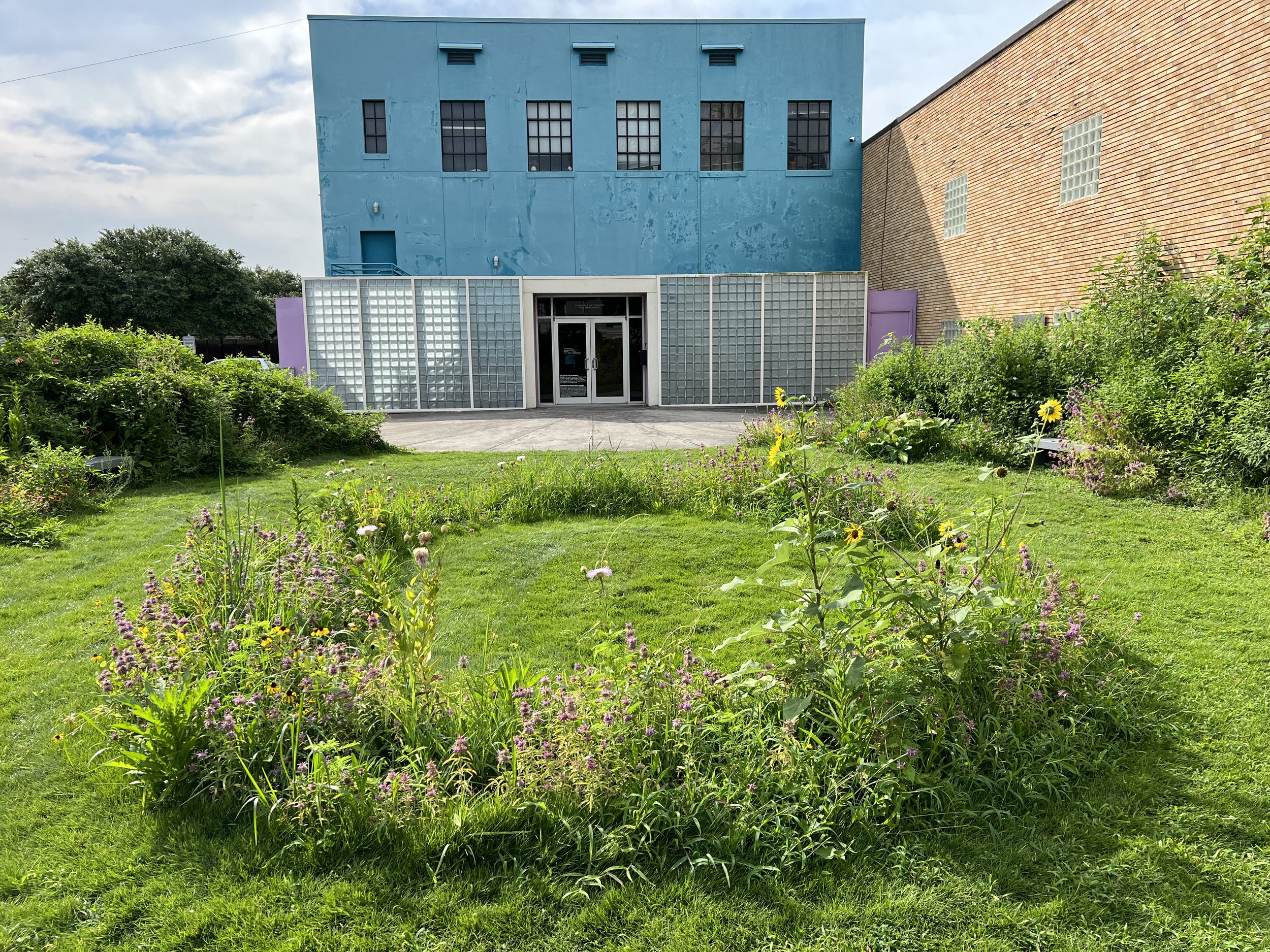
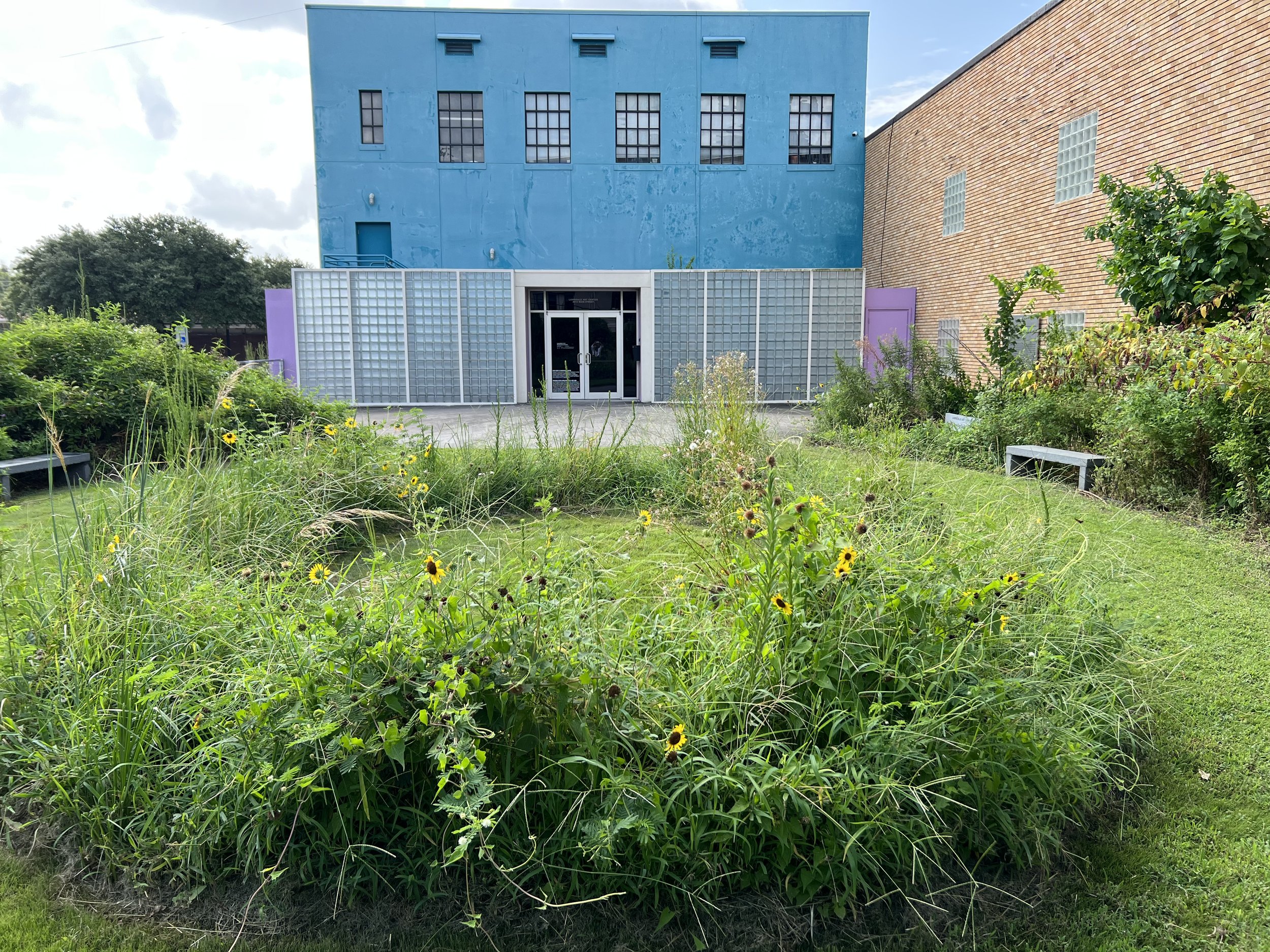
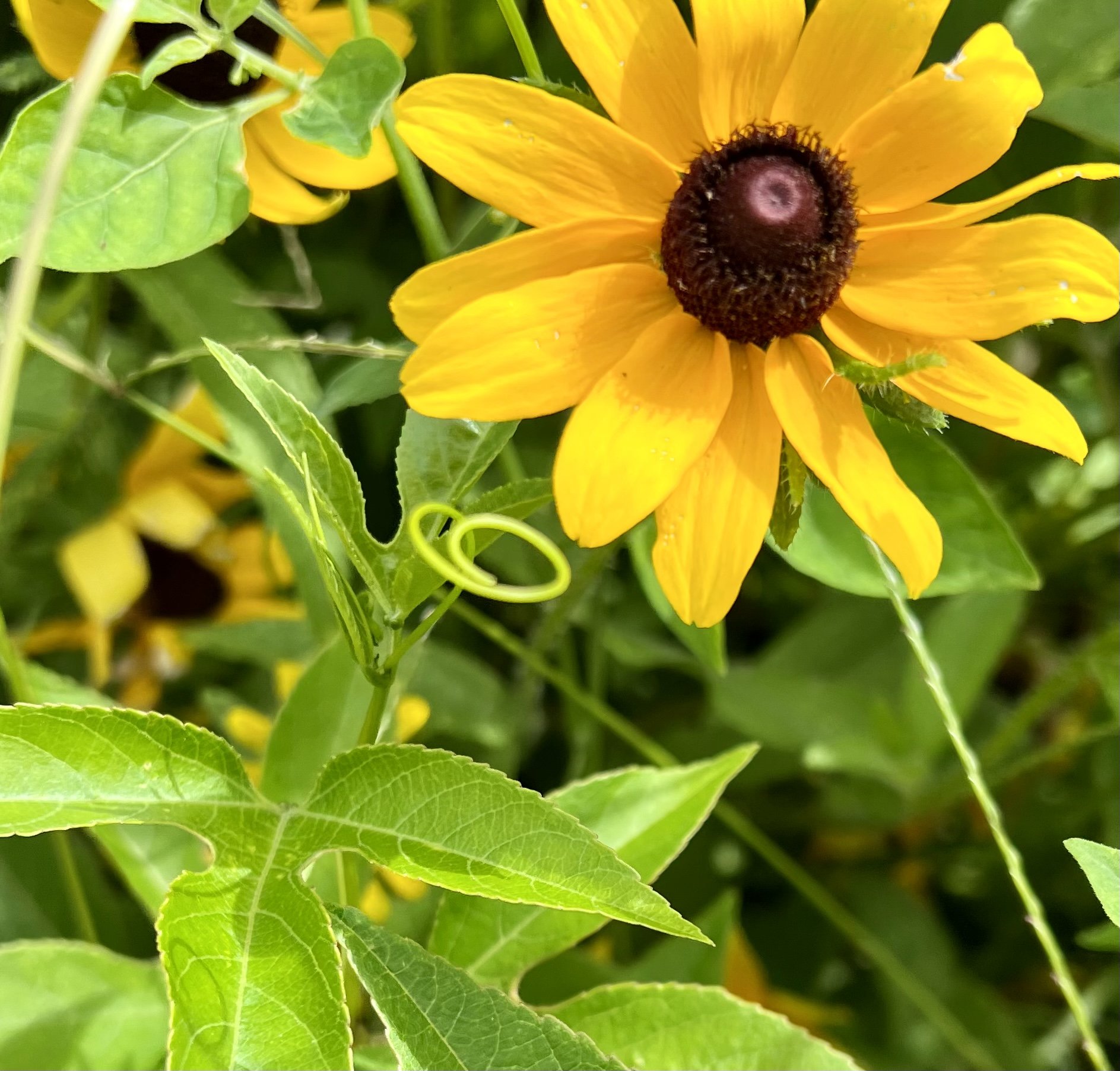
This morning, while examining “deeper than that” a private living sculpture art installation featuring indigenous plants, I was struck by the fading loveliness of the Rosinweed leaves as they withered. Contemplating the homophones “leaf”, “leave” and “leaves”, I pondered how societies historically understood the ecological value of allowing foliage to persist even after senescence. Is that why we call these objects a verb?

Leaves that have left a plant continue to nourish the soil and its microbial inhabitants even in death. Their decaying forms hold moisture, shade the living organisms in the ground, and provide nutrients as they return to earth, building a balanced ecology that sustains urban landscapes. They are an important material natures uses in its engineering of the water table.

Though a single leaf may seem a small, ephemeral thing, in aggregate and over time, the leaves left behind establish and uphold the very foundations of life.

Their decay is not an end but rather a beginning - a quiet, essential recycling of energy and matter that allows new growth to emerge.

In both the noun and the verb there are layers of beauty, and layers of ecological purpose, in the leaves left to molder where they fall. An ecosystem thrives on this gift of decay, using the ephemeral to fuel the eternal. Such is the profound, poignant cycle that the installation’s Rosinweed specimens, even as they bend and brown, help perpetuate. Out of seeming loss, abundance; out of death, life.

Leave your leaves and be grateful for their beauty as nouns and as verbs.

The American Beaver - research

In her book Beaver Land, How One Weird Rodent Made America, Leila Philip spends a chapter on Lewis H. Morgan's (America’s first Anthropologist) documentation of The American Beaver written in 1868. Lucky me, I have found a copy. I am wondering how this read may impact my work.

During a captivating walking tour of Buffalo Bayou in the early 2000s, led by an esteemed Master Naturalist, my fascination with beavers was sparked. It all started when we stumbled upon a tree stump adorned with telltale markings of these industrious creatures. Surprisingly, our knowledgeable guide harbored a deep dislike for beavers, prompting me to question their significance within the ecosystem. Alas, our Master Naturalist was left speechless, unable to provide an answer. As an artist documenting my practice, this encounter left me pondering the enigmatic role of the beaver, and the profound impact it holds within our natural world.
Just as bison’s behaviors shape our land ecosystems, beavers are the architects of thriving water and marsh ecosystems. Considering that water is the key to cooling our planet. To truly comprehend nature’s cooling mechanisms, I recognized the need to understand the Beaver and how their work may connect with the bisons and how humans can mimic these systems in urban landscapes.

As someone devoted to capturing the wonders of natural history and integrating them into our human-made structures, I’ve been amassing a collection of historical writings on natural history. I am looking forward to learning from this new addition to my collection.

In Morgan’s book, he delves beyond the surface-level characteristics that most naturalists focus on, offering a profound perspective.

Leila Philip‘s book is a thorough overview and introduction to a contemporary view of the Beaver. I will probably rerread Philip’s book overtime.

I want to know about the Beaver before the Railroad and what beavers think and how they work, what inspires these creatures to do what they do. Morgan’s book is that and more.

Living Llabyrinth- Building the grid

Building a Large Grid for Installing a Labyrinth: My Process. One reason I write these blog posts is to record my process. The other is to share information.

Constructing a labyrinth grid of this magnitude may seem like a daunting task. And it is for me. With the right strategy, it can be accomplished efficiently. As I embarked on this venture, I took the time to experiment and optimize my methods. Here's a breakdown of the process that was the most efficient.

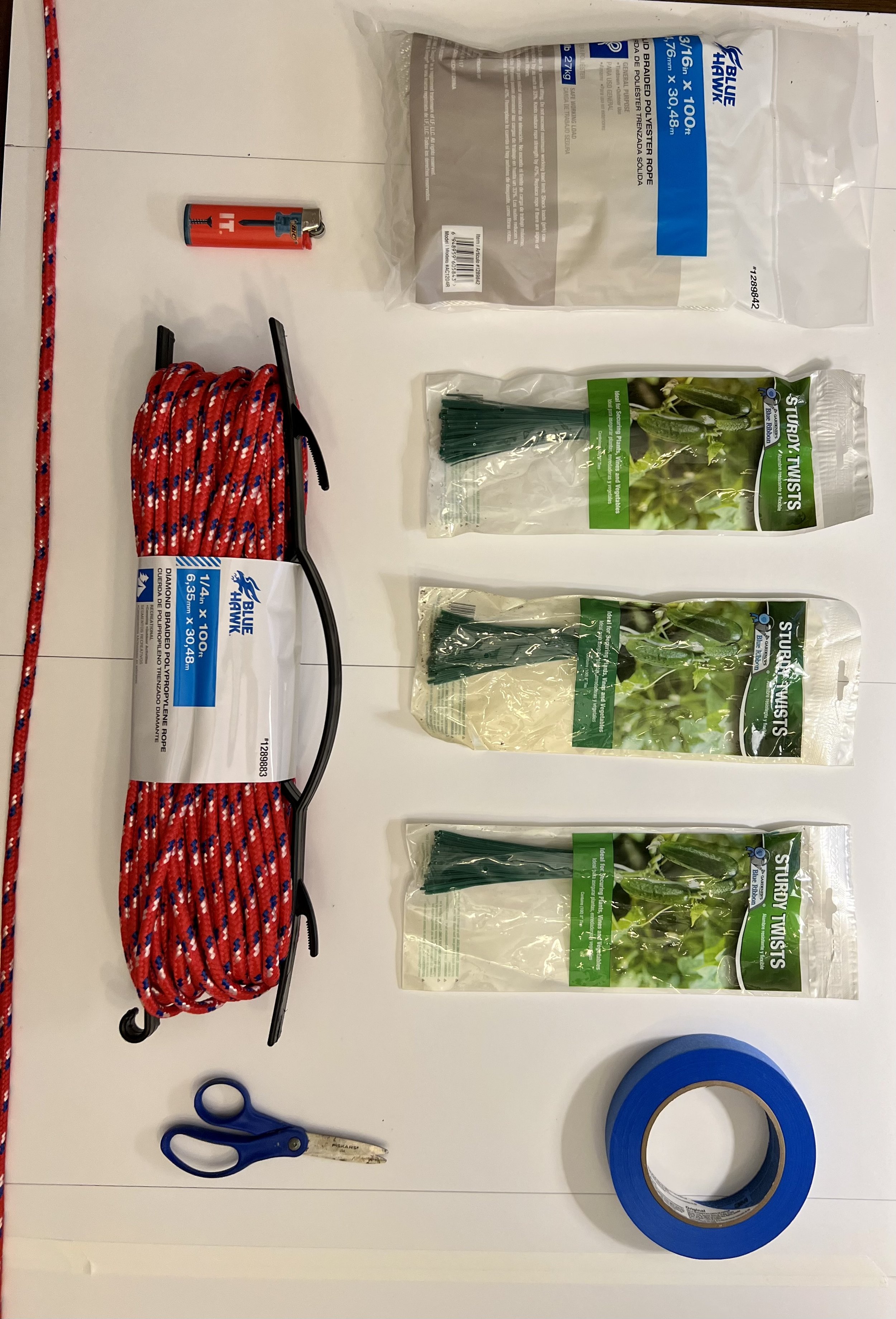
To begin, gather the necessary materials: X-axis cords measuring 53 at 54' and Y-axis cords measuring 33 at 88' lengths. Keep in mind that the cords come in 100-foot lengths.

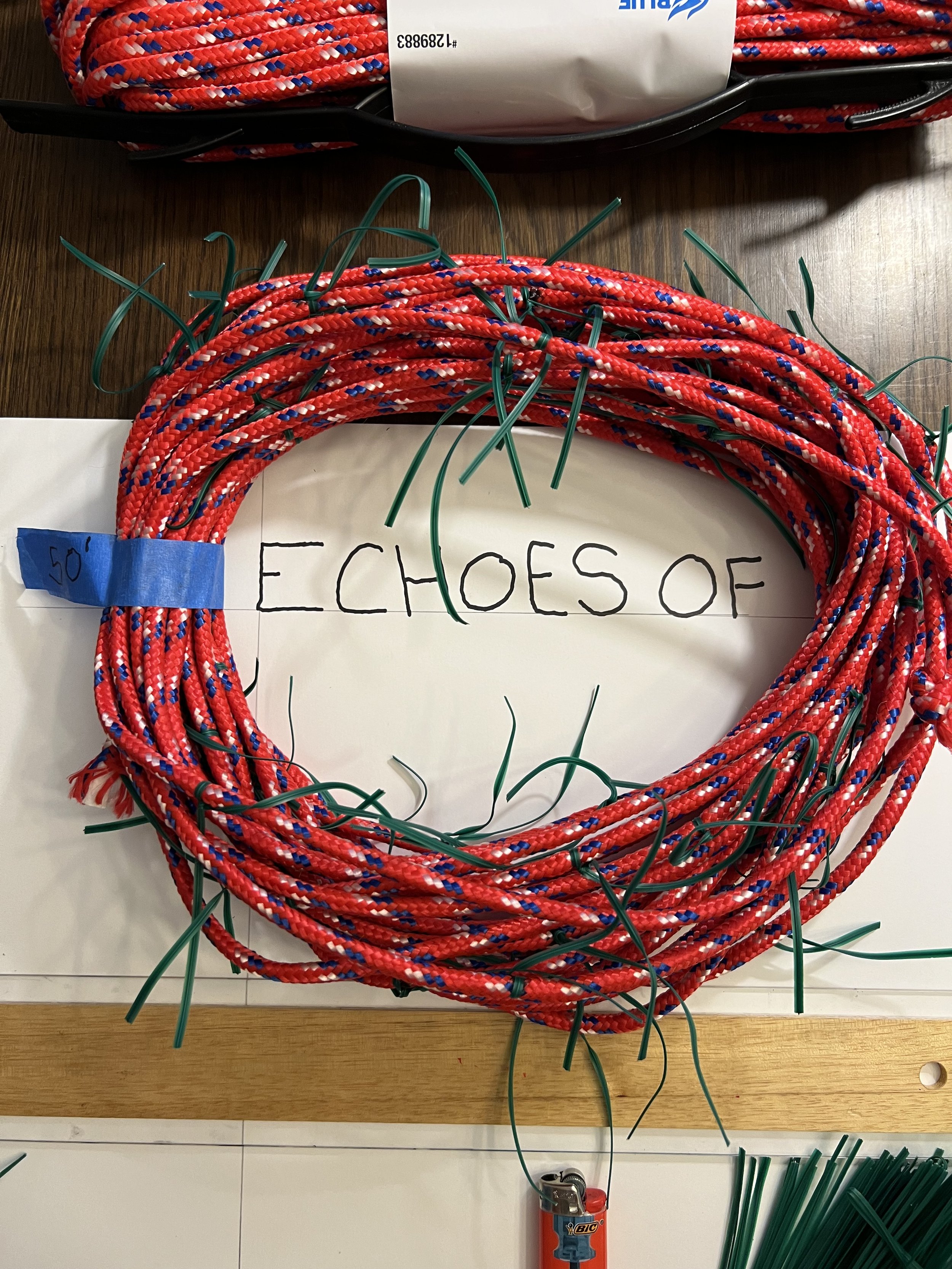
I wish I had of planned at 50’ by 100’ bison. The lighter is for singing the ends so they will not ravel. The tape is for tapeing the measured and twist-tied ropes for the installation.

I am making each cord that is a multiple of 5 a white cord. I think this will helpful the day of the installation.

1. X-axis cords: Start by unwinding the hundred-foot cord carefully, ensuring it doesn't become tangled. Here's a handy tip: tie a knot at one end and secure a twist tie next to it. Place the knotted end in a doorway and shut the door on it. This will hold it in place. Then, stick your arm through the middle of the looped cord and slowly unwind it, walking away from the door until it's completely straight.

2. Measure and cut the cord, leaving a few inches to knot and singe the ends to prevent unraveling. Tie another twist tie at the 54' mark. This will serve as the reference cord for measuring all other X-axis cords. Keep this cord secured in the door.

3. Take the leftover cord singe the end and knot it and tightly tie a twist tie inside the knot. Shut in the door with the reference length cord. Measure it against the reference cord and splice it with a piece of the next 100' wound-up cord to measure the 54' length accurately. Now you have a cord to start marking the grid on.

To mark the grid on the first cord—

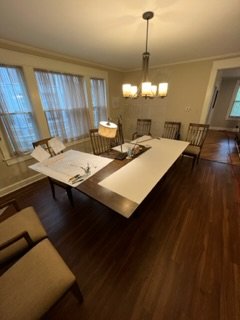
The dining has been my studio work space. First I covered the 8’ table in a thick paper to protect it. Next I marked every 20” from end to end.

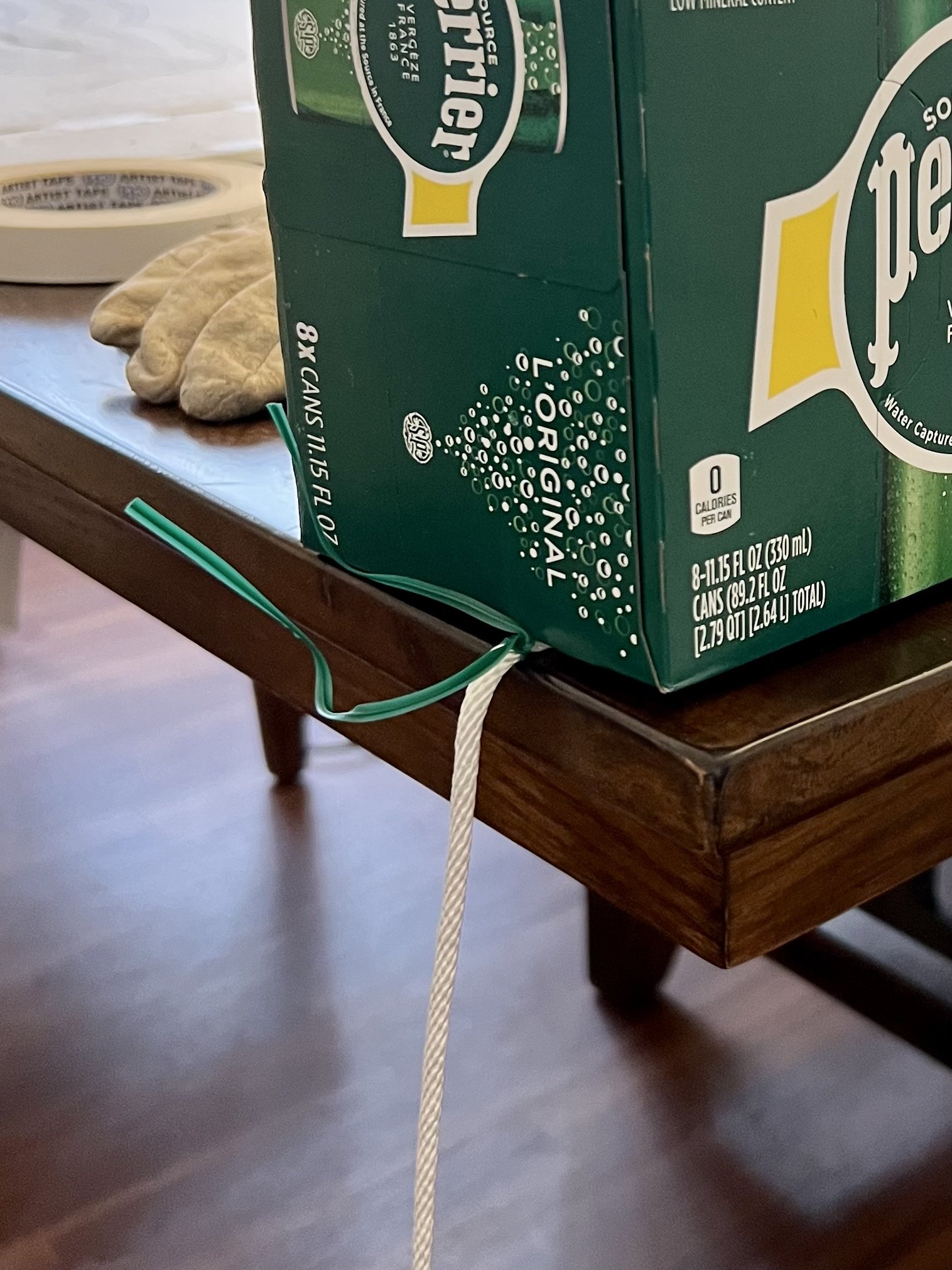
4. Prepare a long table by placing sheets of paper and securing them to the table so they will not slip. Measure and mark on the paper every 20". Lay the cord on the marked paper. To ensure stability, anchor the cord with a heavy object like a case of water.

I used a case of water to weigh down the cords.

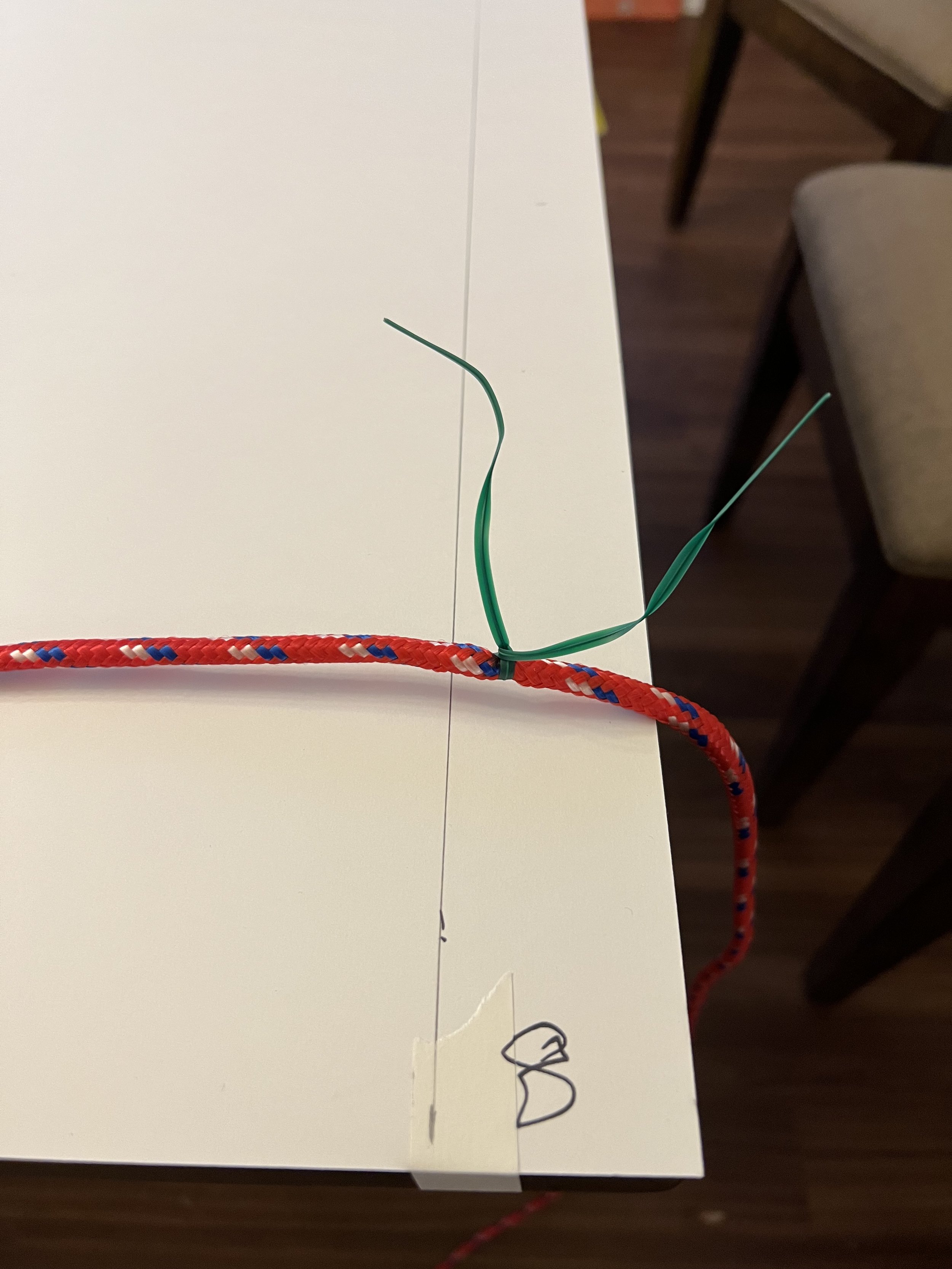
Starting from the first knot, and twist tie secure each twist tie tightly along the edge of the table at the 20' marks. Continue tying twist ties until you reach the end of the 54' mark. You may have a little excess cord hanging after the last tie.

The 8’ mark of the table length and the last twist tie. I leave a few inches at the end just in case.

The first piece with every 20” tightly tied with a twisties.

5. Carefully wind up the cord, tape it securely, and mark it as X-axis 54'.

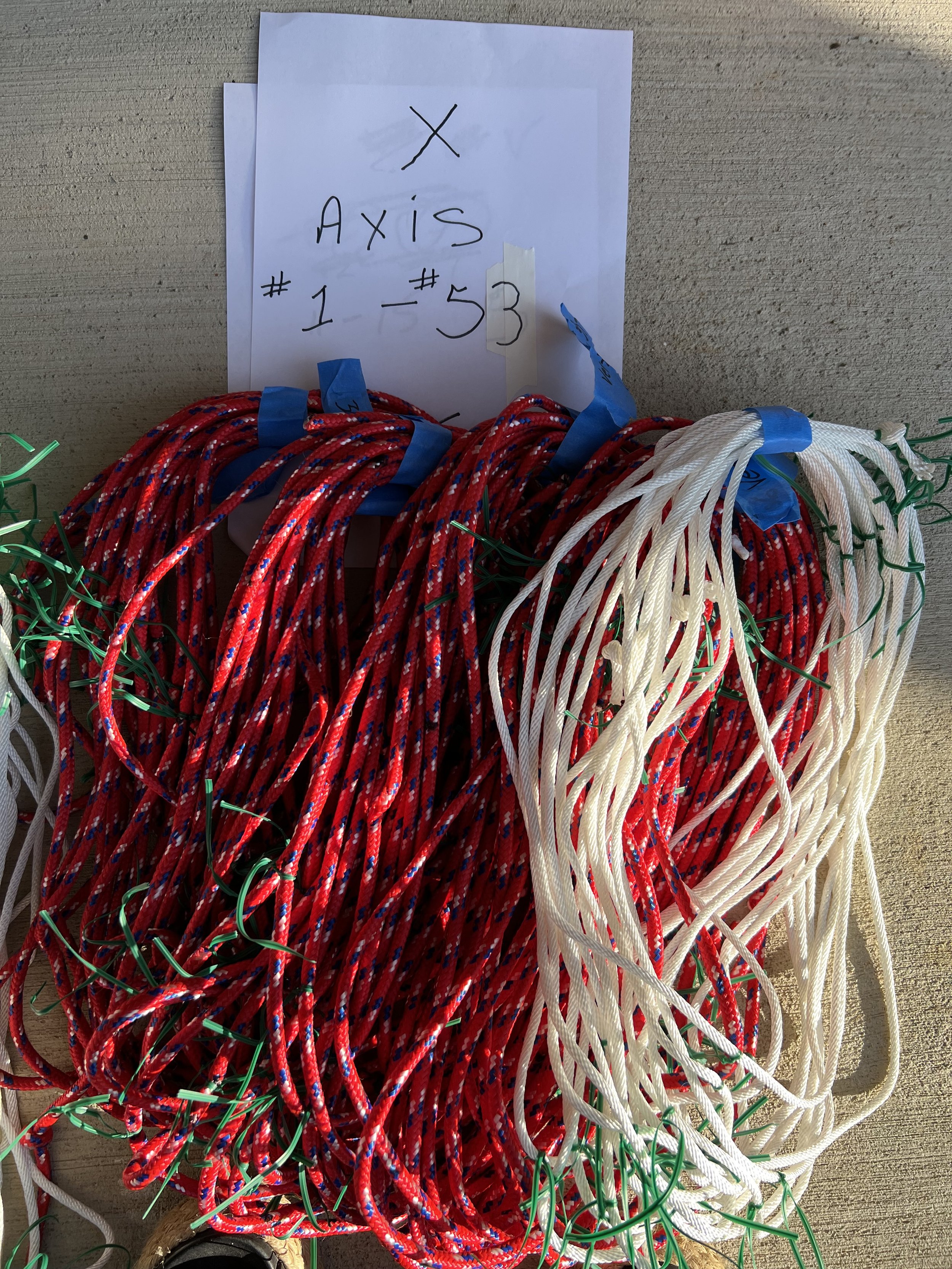
The first grouping of five- 4 red and the 5th white.

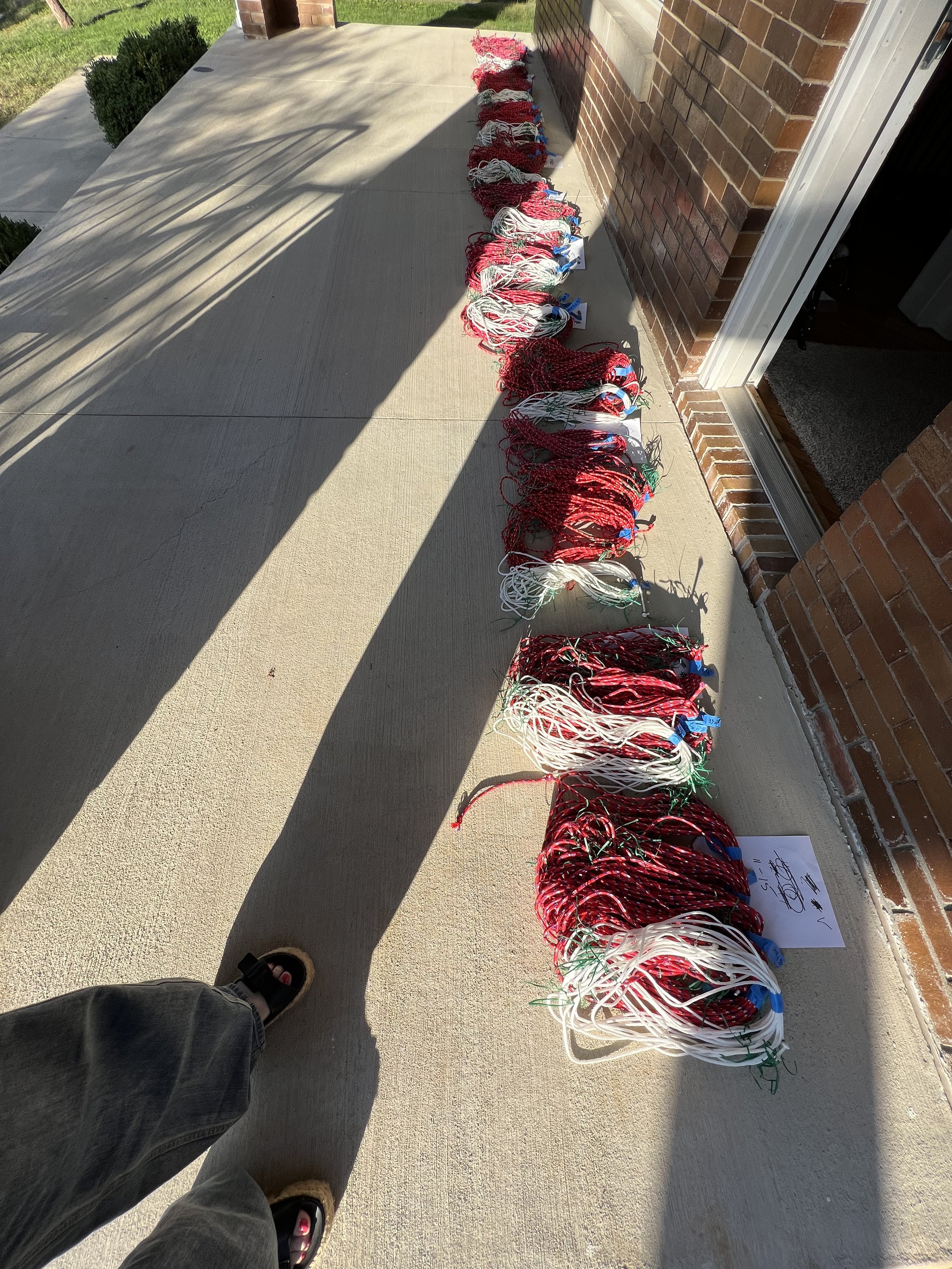
53 pieces - completed.

6. Finally, organize the cords by making four red and one white, keeping them grouped together.

IU - The labyrinth design - How will it be installed?

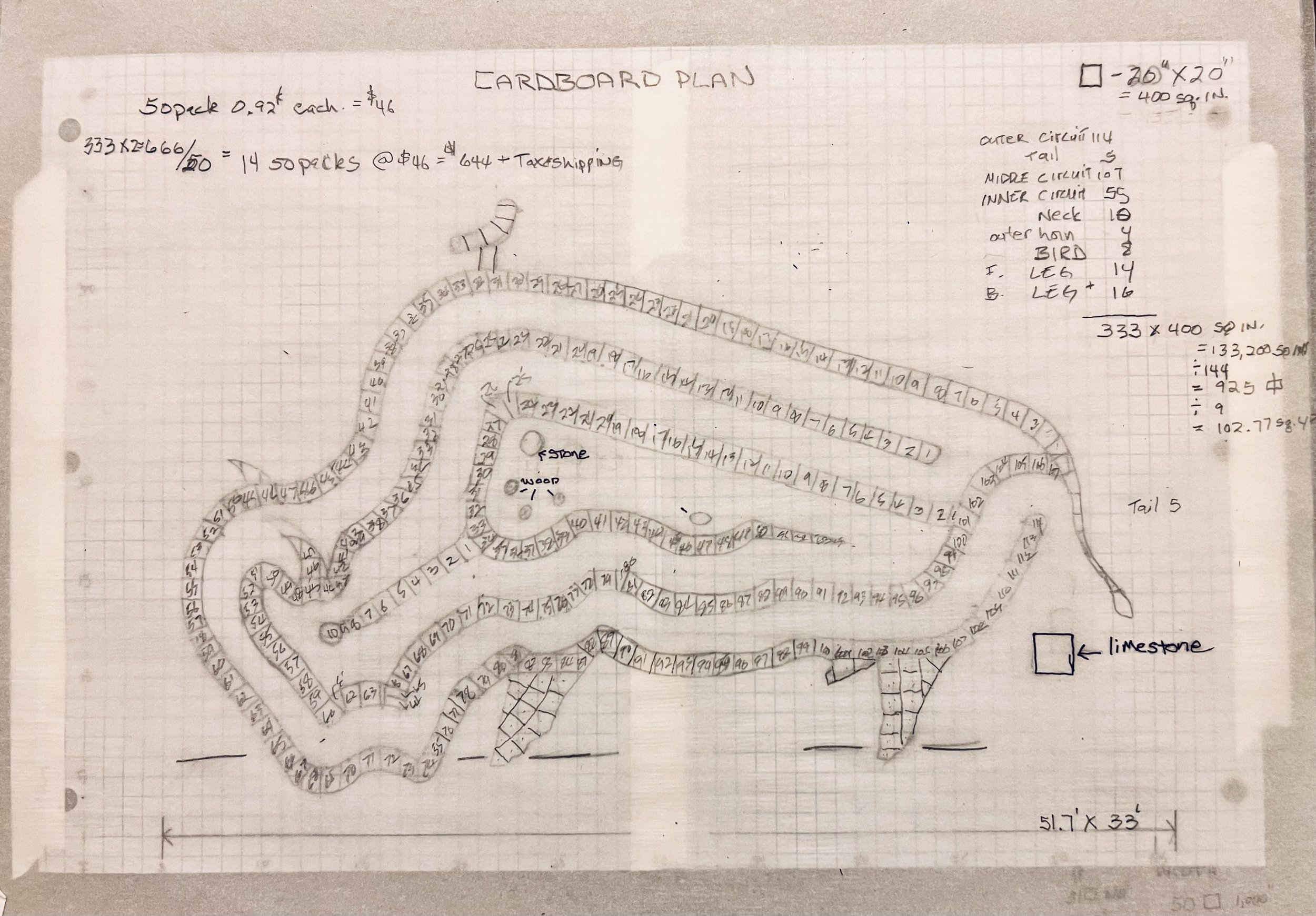
Once the grid is installed, the next step is to think about how to divide the work so that groups of student and volunteers can install my vision. .

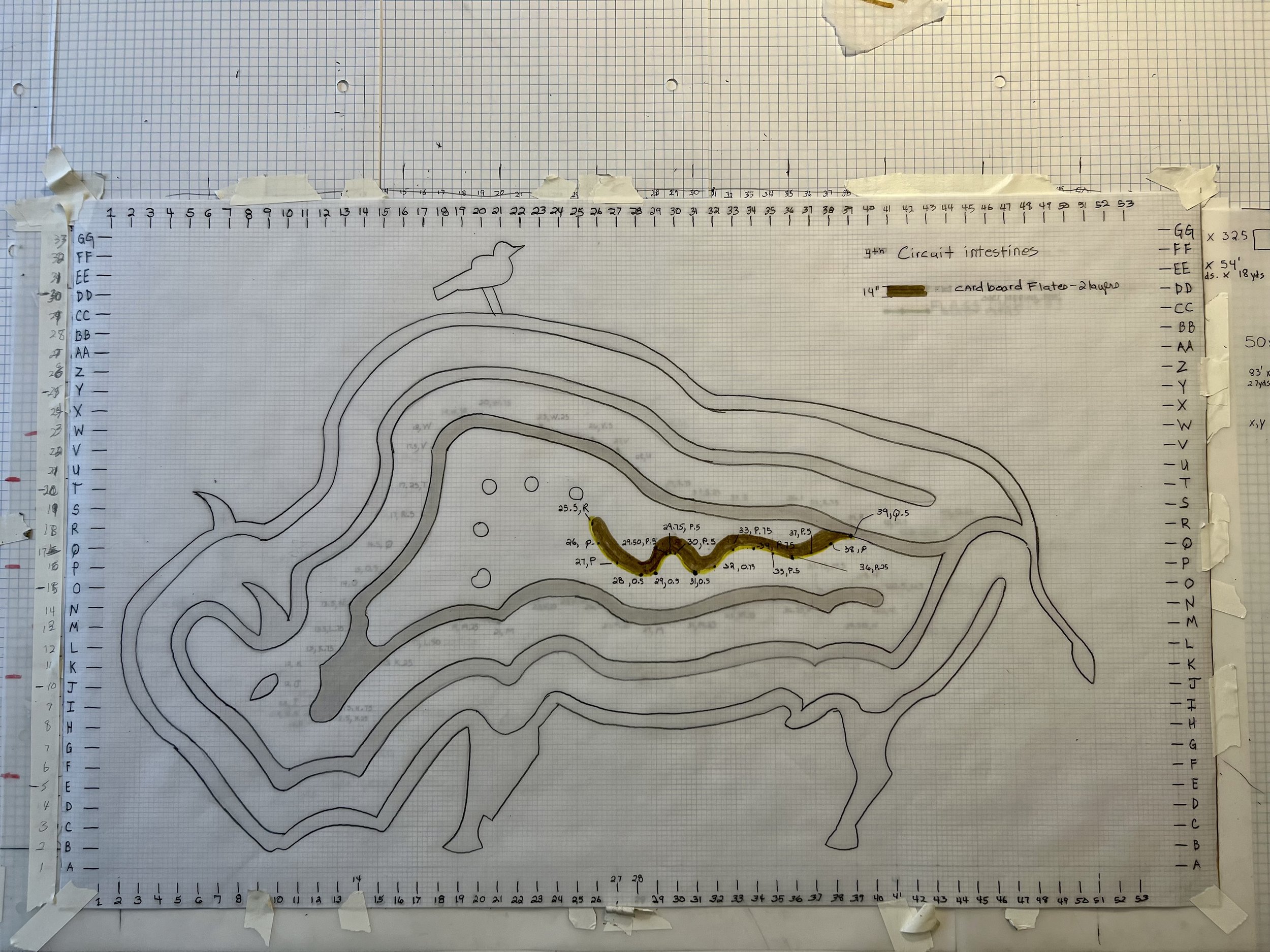
Two options seem viable. The first idea is by marking the (X, Y) coordinates for each circuit of planting on individual pages. The other idea is by verticle rows.

Below I have marked the coordinates of the circuits. As I mark the coordinates I am not sure this is the way. I may need to break it down to smaller sections.

I can continue to consider how to breakdown the jobs as I begin building the grid.

IU - Natural systems - digestive system

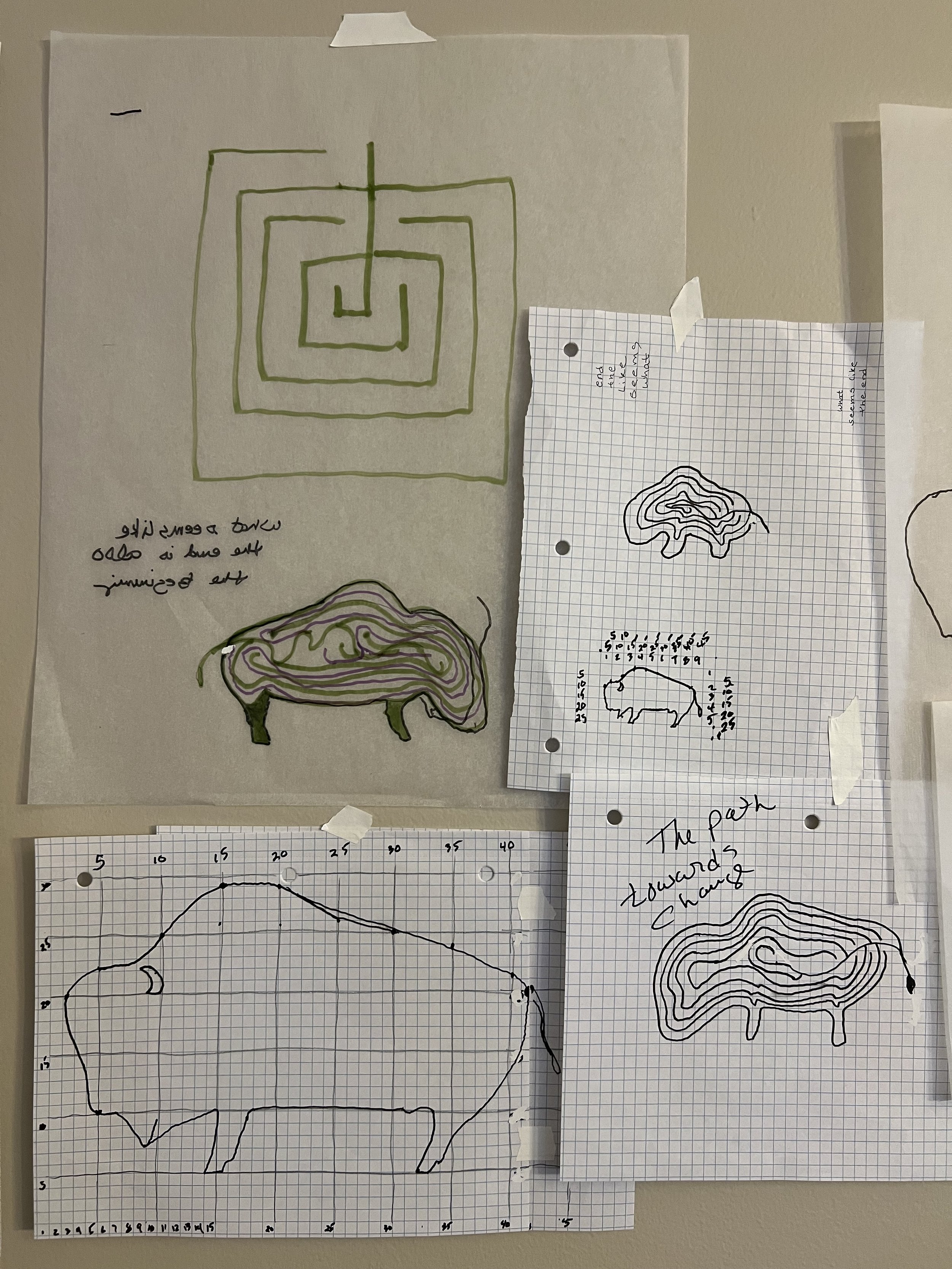
Scaling up the drawing I also wanted to incorporate another layer of interest in the piece - the ruminant's digestive system.

Before the digestive system and with shorter legs.

In order to add this intestinal circuit his abdomen and hump had to get larger to allow for the walking paths on either side of it. The wider girth made his legs look like stumps so I lengthened his legs.

After the digestive system and leg adjustments.

IU - How do you build a labyrinth? From 8”X 10” to 83’ × 54’

How to go from an 8” X 10” paper to a field, Is the question ruminating in the back of my mind every day.

Unfortunately Bloomington is in between art supply stores. As a result I could not buy locally any paper larger than 8” X 10” . While I waited for an order to come in I pieced together 8 - 8” X 10” pages and scaled it up 2X.

Here I started thinking about how to take the design from

When I scaled it up 2X I started seeing that I could take it to any size I wanted by using (X, Y) coordinates. I am using a 20” scale.

8- 8” X 10” paper to a make a 18” X 30” sketch.

How I could get a 83' × 54’ rectangular grid with right angles on a field was a big concern.

An idea came to me when I toured the charming Wylie House, a fascinating piece of history nestled just off campus. This historic gem, built in 1835, was once the cherished home of Andrew Wylie, the inaugural president of Indiana University.

The Wylie House master bedroom.

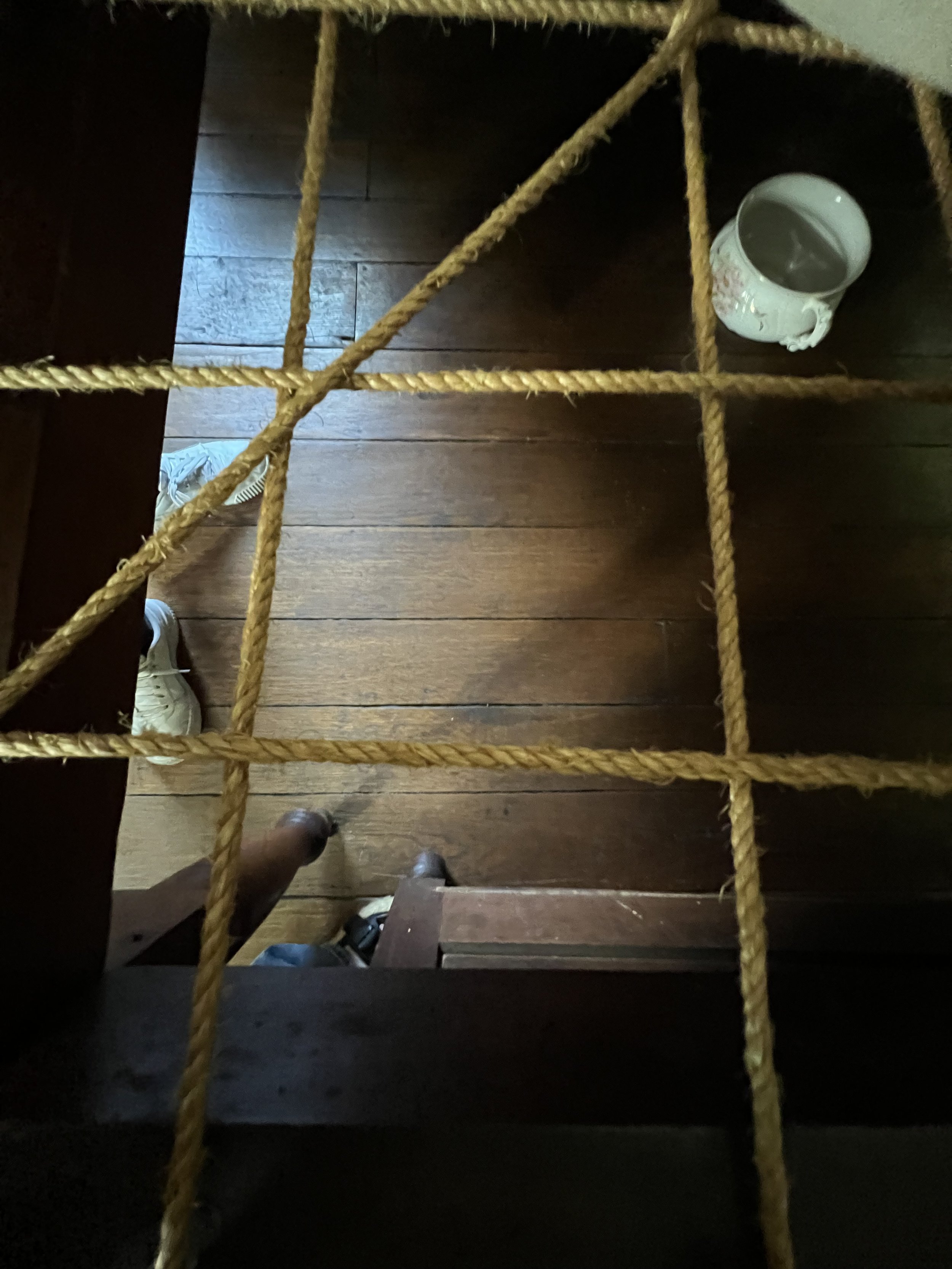
During my visit, the knowledgeable docent unveiled a captivating detail - the simple rope framework that upheld the mattress.

The antique bed’s rope framework that supports the mattress. What looks like a cup is the chamber pot.

A rope grid might be the answer to getting a proper rectangle With right-angled corners and grid onto a field.

This visual solidified my strategy for bringing the labyrinth design from paper to reality in an open field. The framework I need is 83’ × 54’ the vertical and horizontal ropes that cross every 20”. We can twist tie the coordinates together making the rectangle form.

The National Wildlife Federation - feature

Partnering with communities, schools, governments, and organizations across the country, the National Wildlife Federation is leading the charge for conservation.

Through their tireless commitment to protecting and restoring habitats, they have managed to breathe new life into endangered species like eagles, deer, elk, bighorn sheep, and whales.

I am deeply proud to have my work featured in the prestigious fall edition of the National Wildlife Federation magazine. It is a true honor to be recognized alongside such incredible conservation efforts.

IU - What kind of What Labyrinth should I make? What is my site-specific message?

I wrestled with this question. There was not anything in either of Kurt Vonnegut’s books that inspired me. I do feel he wrote about what he knows and my work should be true to my own heart. A list of the obvious came to my mind- butterfly, chrysalis, beatle, seed, flower, IU letters…….

After a full day at the Eskenazie Museum on IU’s campus I was intrigued by this piece.

The museum label read-

According to traditional Bamana beliefs, an energy or force called nyama animates the universe. Objects such as this boli are made to harness that energy and use it for the benefit of the community. The thick, crusty surface is the result of offerings such as millet, other vegetal matter, beer, and chicken or goat blood, all of which are applied to attract nyama and serve as physical evidence of its presence. A boli does not represent a particular creature.

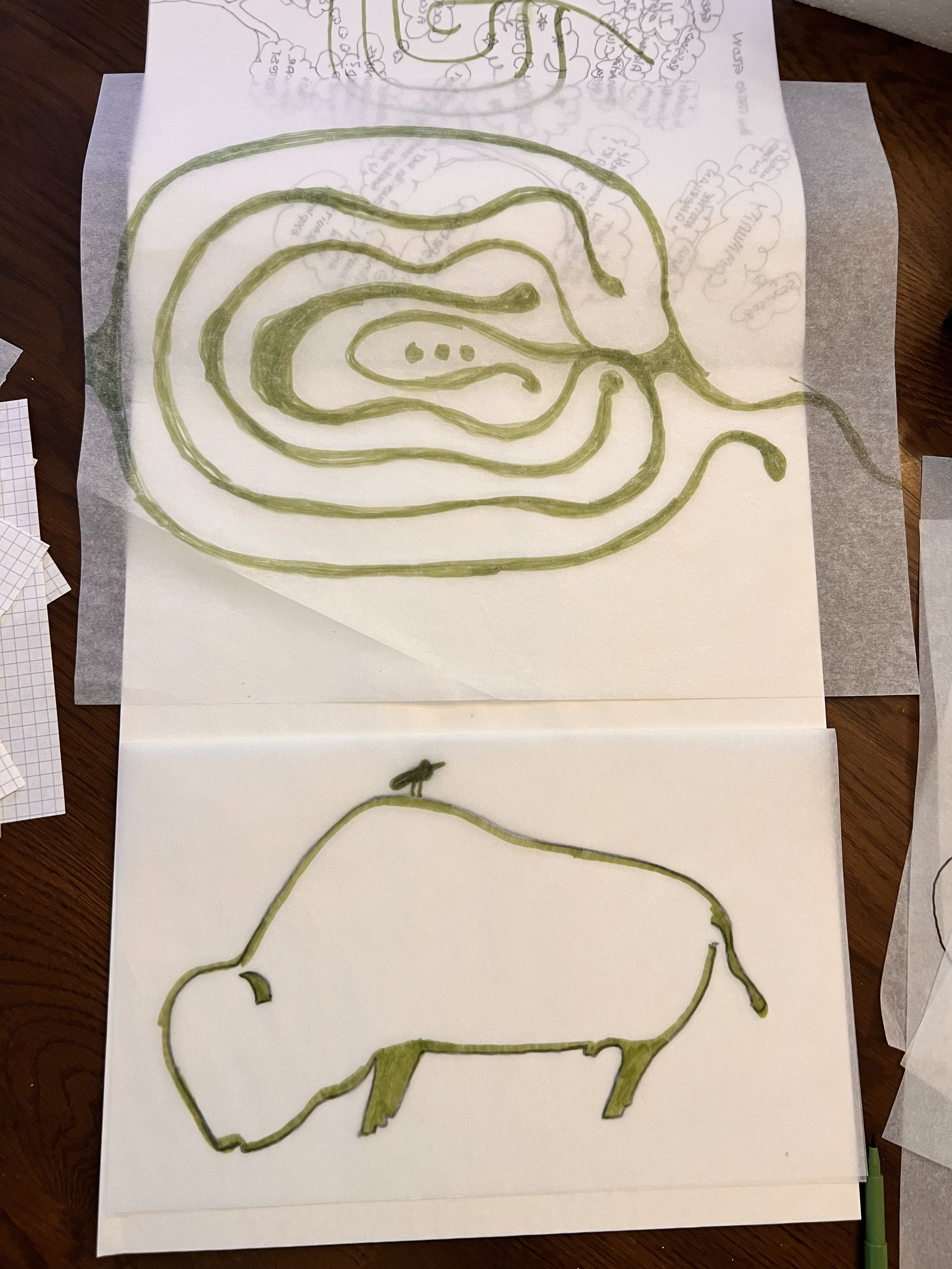
It is kind of perfect., should I make another bison? Can I make a Boli bison labyrinth?

I can see it.

Here are the steps I took

More to come tomorrow.

IU - How do you draw a labyrinth?

During the first week of my residency at IU when I wasn’t exploring the city, University, art, museums, ecology, architecture, and landscapes I was experimenting with labyrinth designs.

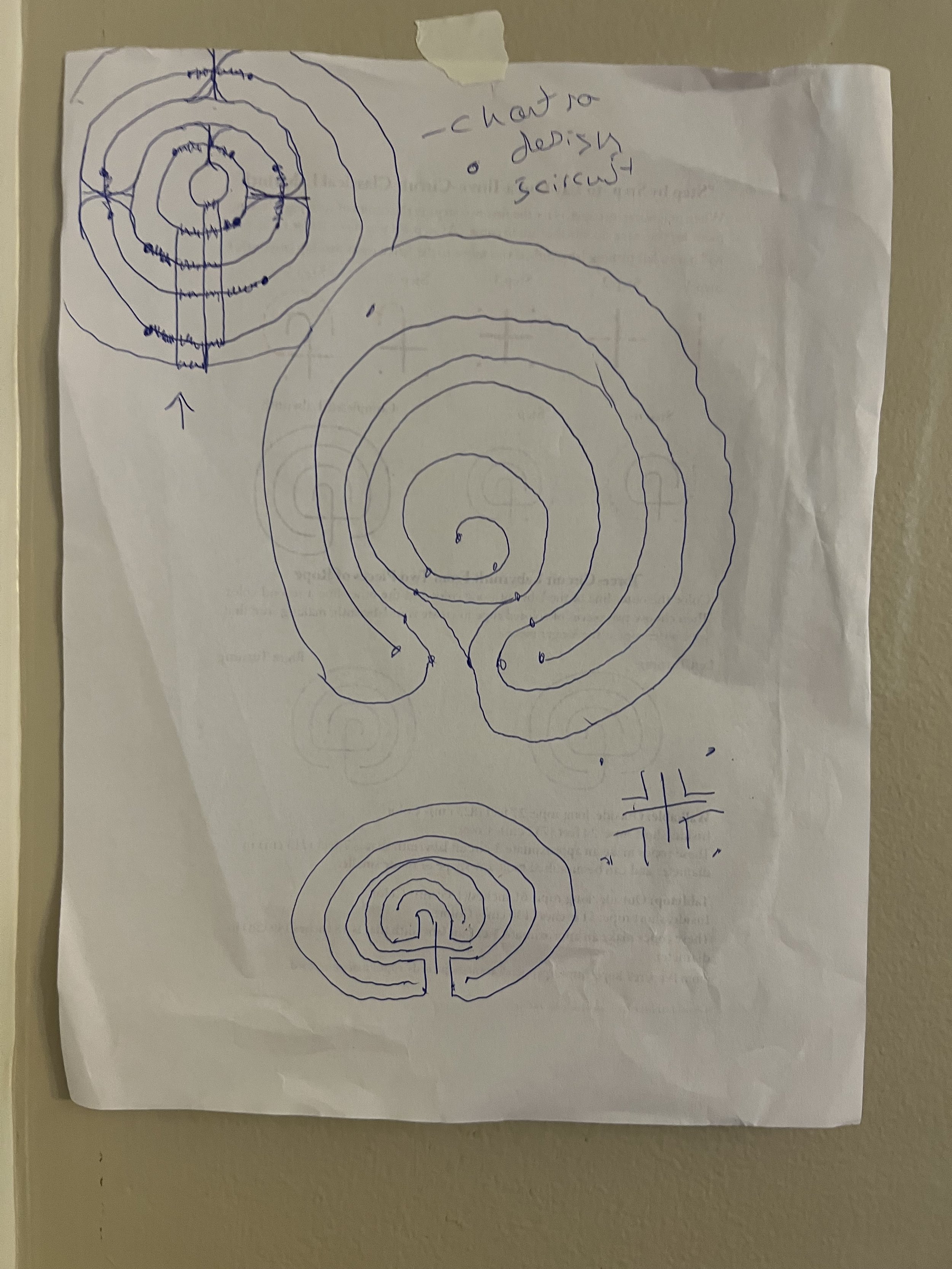
Some sketches of three different types of kabyrintgs.

This design starts with a simple cross. I need to keep this simple.

Turning the cross/square labyrinth upside down I decided to attempted a seed labyrinth. I think a design less feminine will be better.

Artist in Residency at Indiana University - Living the Dream Installation — Labyrinth

Living the Dream as an Artist in Residence at Indiana University!

I couldn't believe my luck when I was offered the opportunity to be an artist in residence at Indiana University. Not only would I have access to all the incredible resources and opportunities of a renowned research university, but it could provide the opportunity to fulfill one of my monumental artistic visions.

As part of my two month residency, I'll be giving artist talks, exploring local artist studios, landscapes of southern Indiana, and creating a special piece to be exhibited at the University or in the beautiful town of Bloomington.

During my interview for the residency, I couldn't help but ask about the size of the campus. And just as I suspected, it is massive. I imagined it with expansive fields of turfgrass. I remember feeling my heart swelling with excitement and hope. Could Indiana University be the site for the monumental installation I dream of?

Let me explain - This summer seeing CARBONsink develop within Symbiosis at Lawndale Art Center and watching the community enjoy entering it made me think. I wondered if the CARBONsink relief was a step to create a larger piece using the same process but with a deeper meaning and making a bigger impact. A little bit of research regarding Greek philosophers and labyrinths and these thoughts turned into a dream. I have a vision of completing a living labyrinth.

I began studying the designs, meanings and histories of mazes and labyrinths. I was lured by labyrinths pretty fast. Mazes are puzzles and meant to confuse you. Labyrinths check all ny boxes.

-A labyrinth is a meditation. —

-There is 1 way in and 1 way out. What seems like the end is also the beginning. It is the perfect metaphor for inspiring ecological - societal perspectives.

-As an artist whose work in the simplest form looks at time and movement a labyrinth is a logical and interesting medium.

-A living labyrinth to convert fields of turfgrass into a living sculpture to regenrrate life.

Typically in an artist in residency one would take some time getting to know the University and the City before propsing their work. I could not contain my excitement so asked if the University would be interested in a site specific living labyrinth? It would be a social sculpture in the form of a relief that demonstrates the steps for turning the largest crop in the US - turf grass into the largest CARBON sink in the US. Ed the Associate Vice Provost for Arts and Humanities responded with great enthusiasm in his voice. Every summer the University and the city of Bloomington celebrate the life and writings of Kurt Vonnegut with the Granfalloon Festival. A living labyrinth would be a fitting art installation in conjunction with the festival.

For inspiration on my drive to Bloomington, I listened to Cat’s Cradle and Slaughter House Five.

TOAST - 1.5 Degrees - planet toast

I am still at IU busy working out the details of an installation. I start each morning reading/researching as I enjoy my coffee. I found this article alarming and inspiring. Climate Change Is Speeding Toward Catastrophe. The NextDecade Is Crucial, U.N. Panel Says.

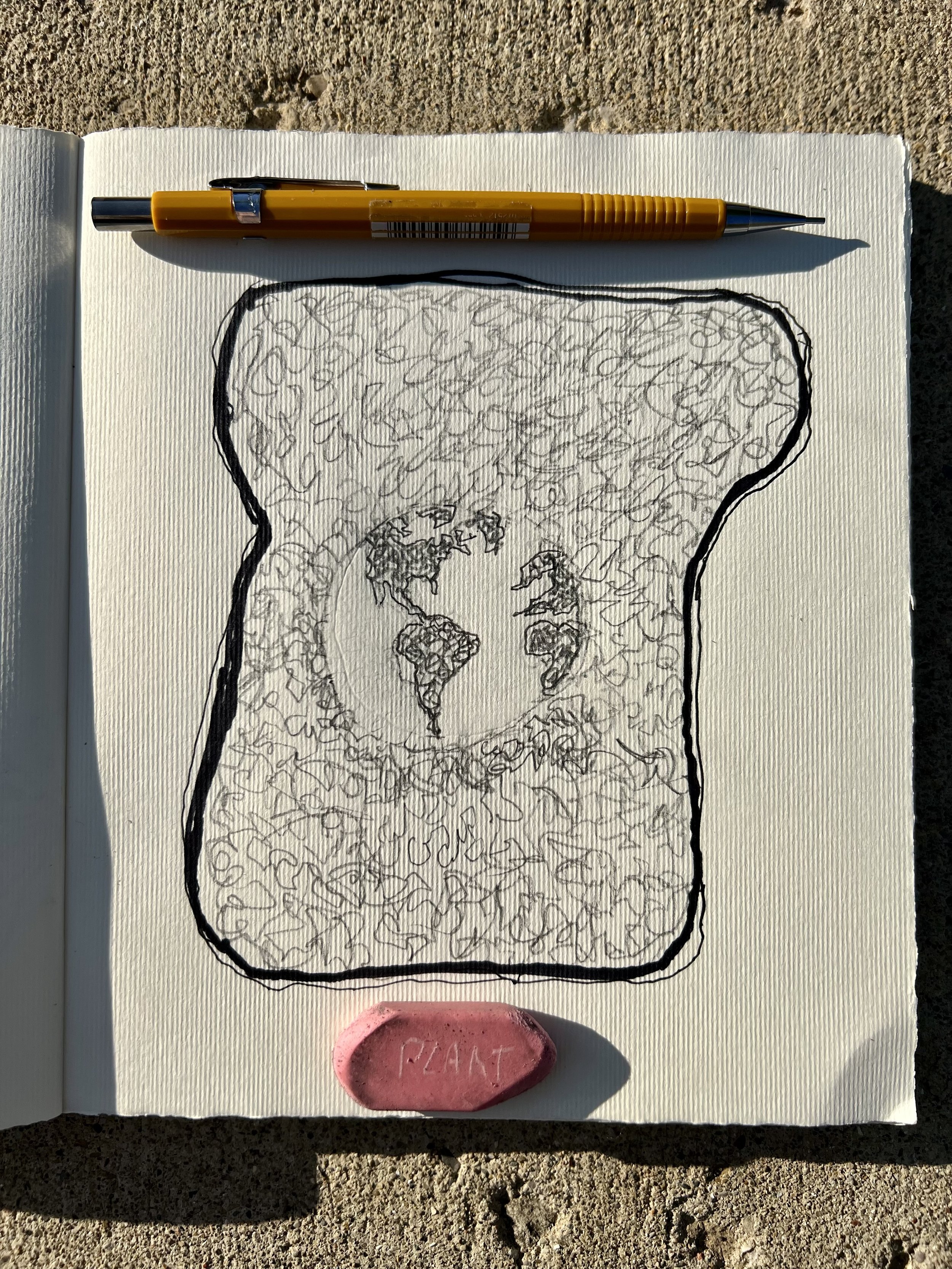
Working out an idea for a future work.

1.5 - sketch for TOAST

Myy work is about the ecological solutions in urban landscapes. What solutions can I unearth in food, toast, char? - time to ponder and ruminate. Stay tuned.

Peck + Scratch

Peck + Scratch Installation

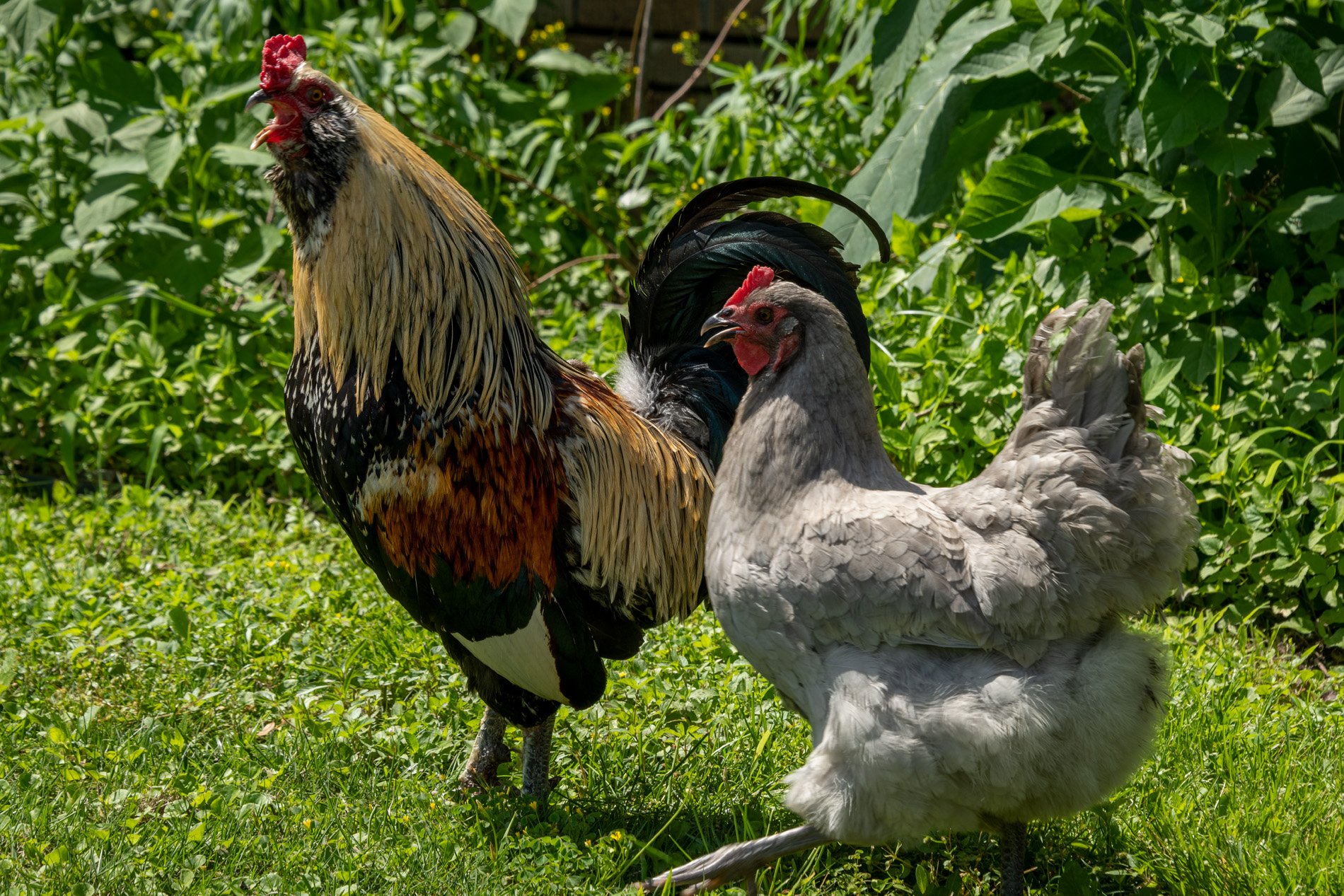
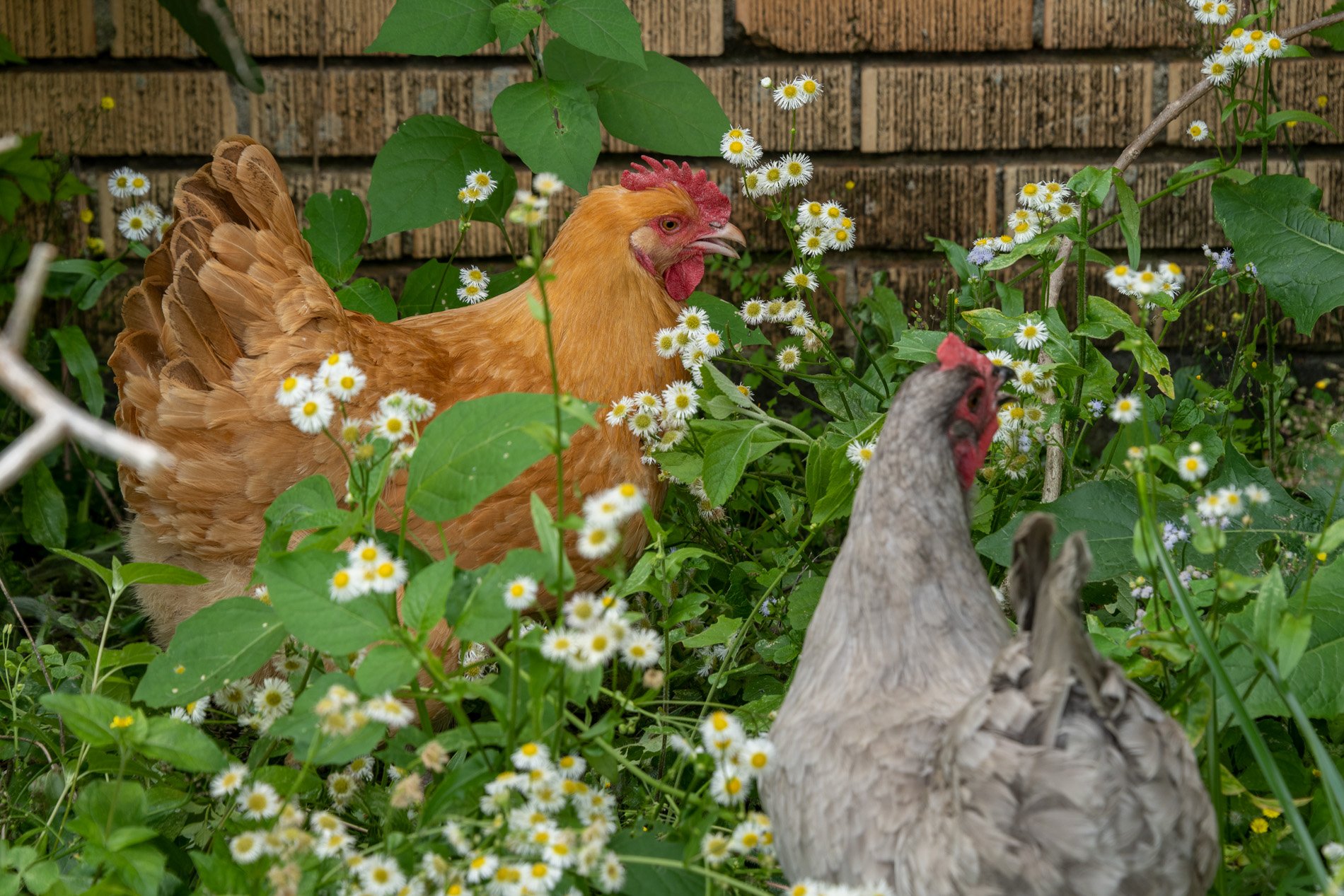
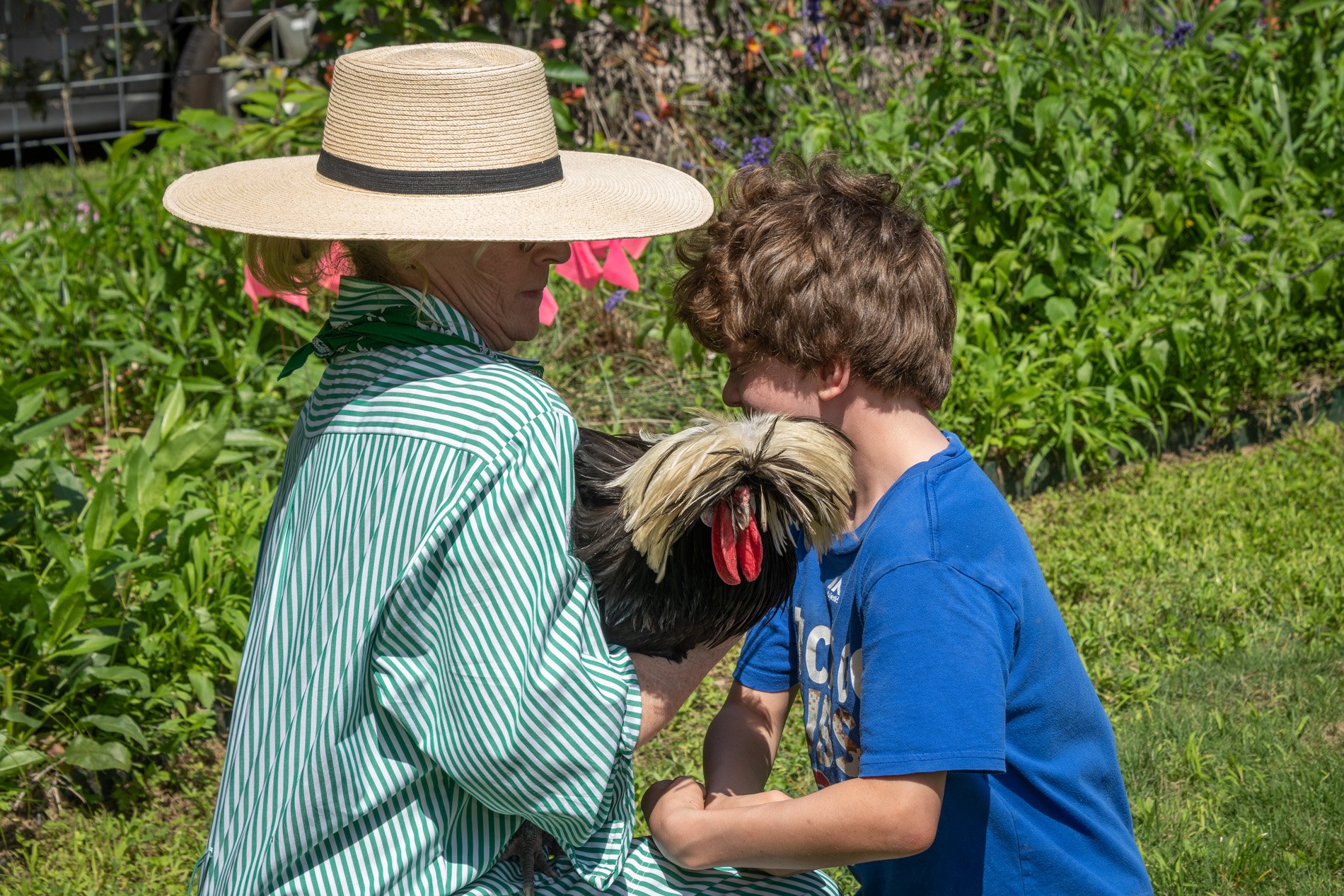
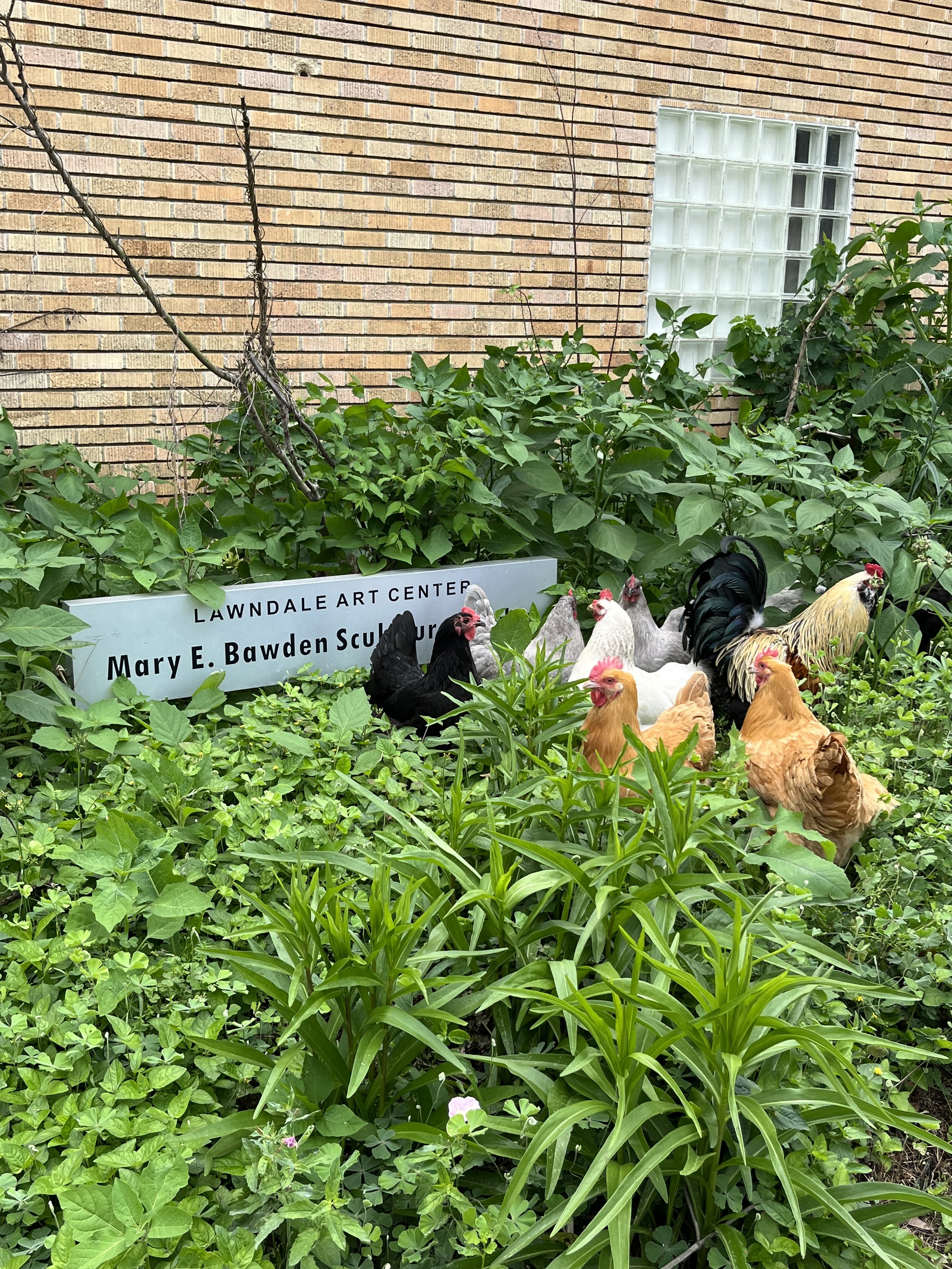
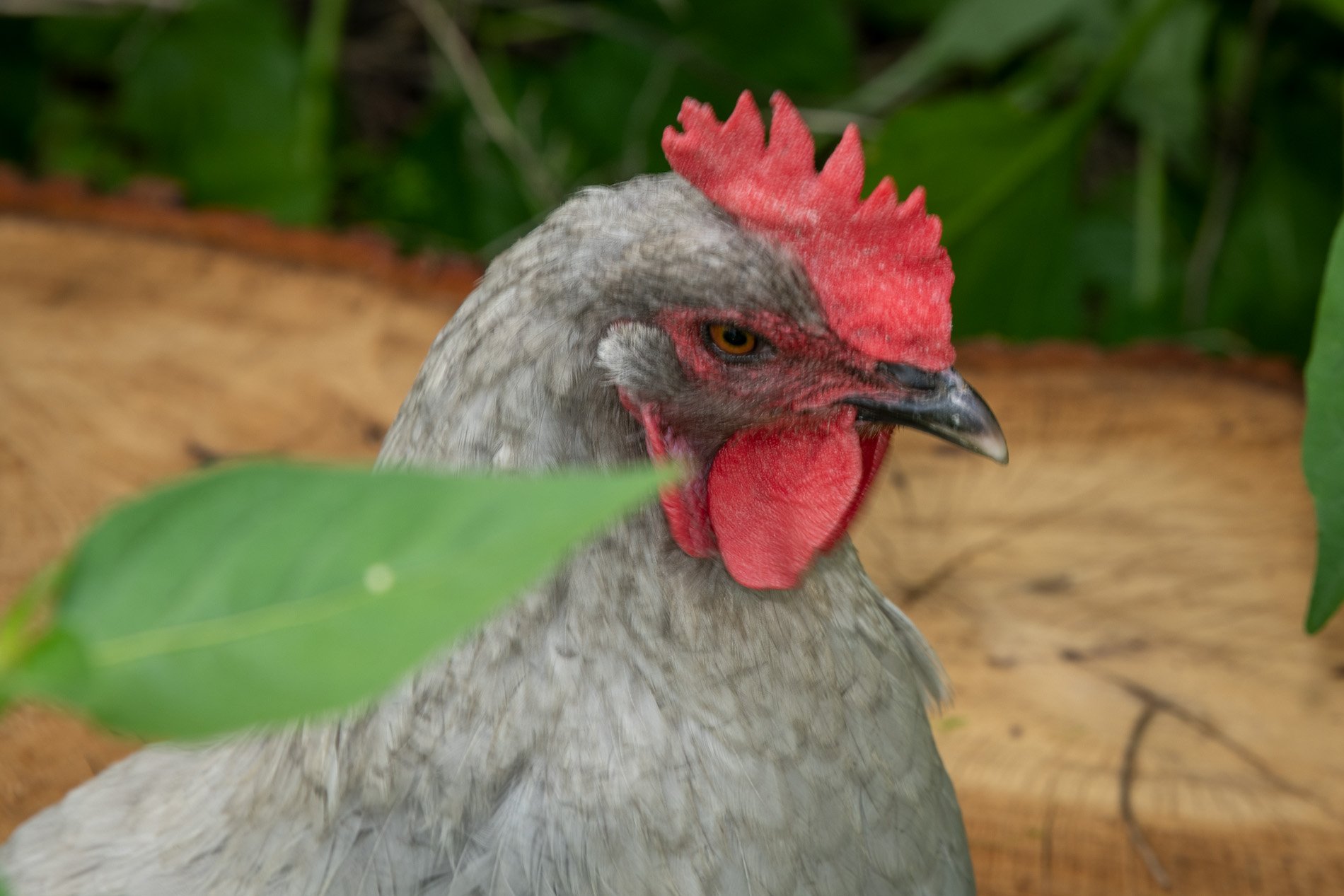
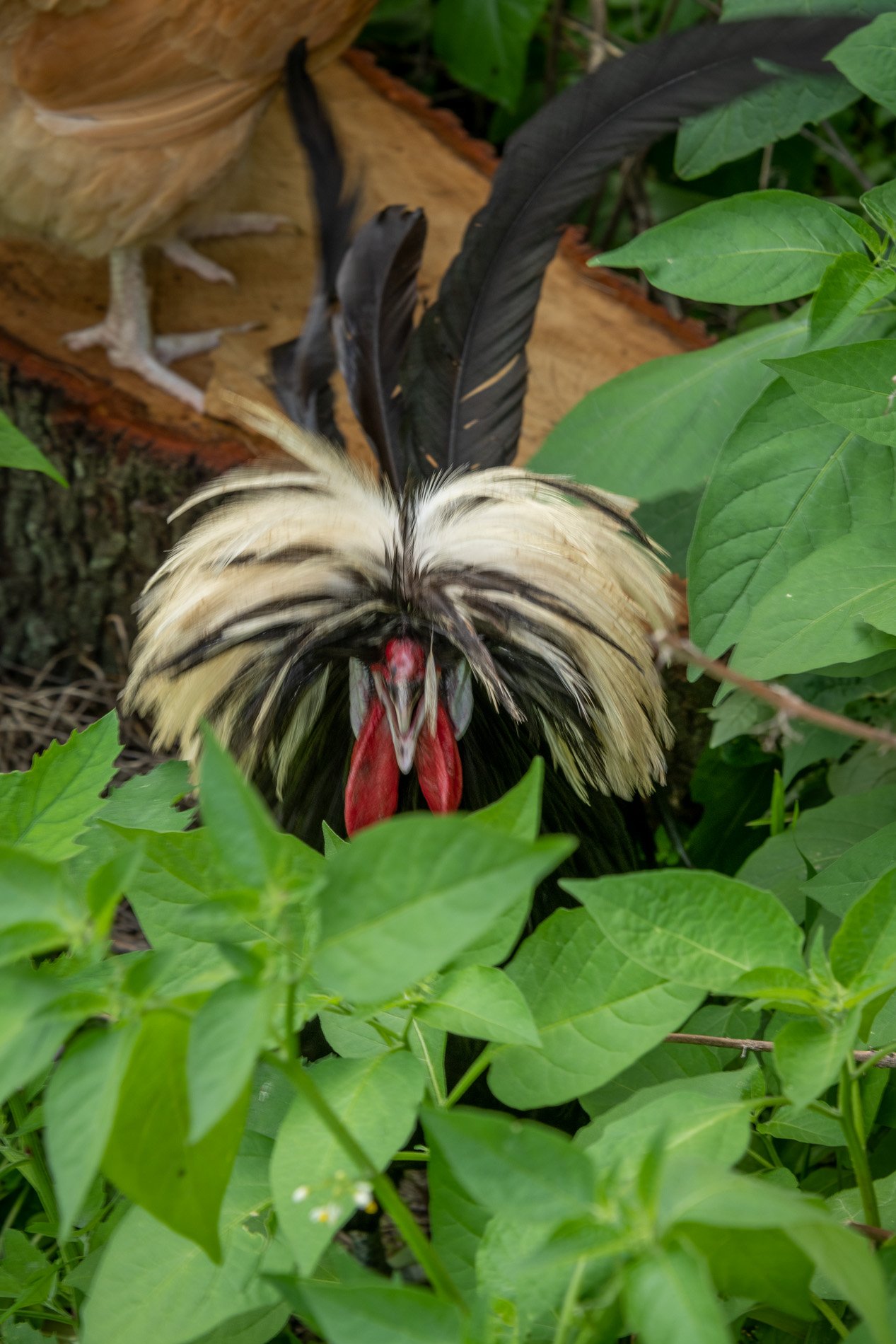
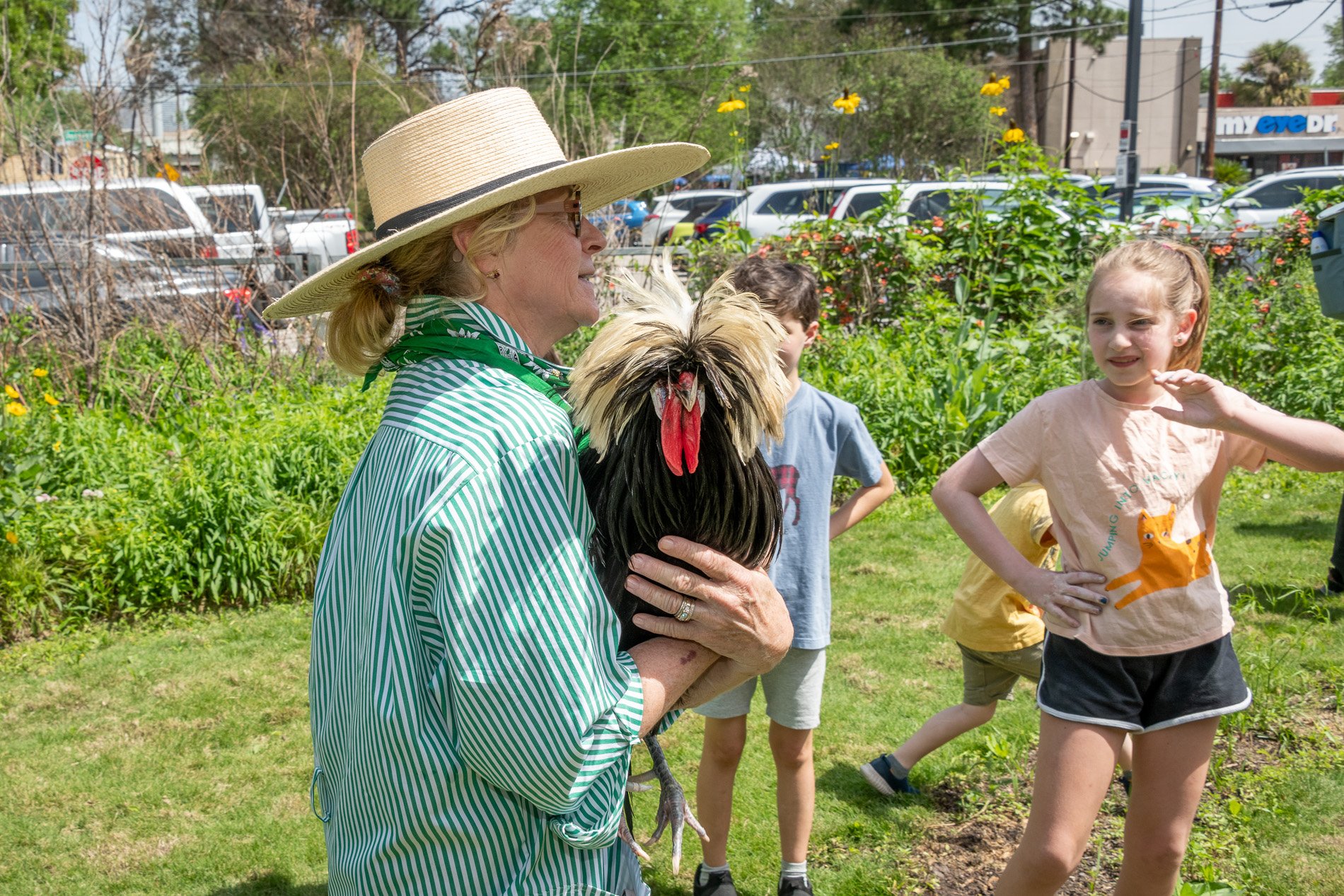
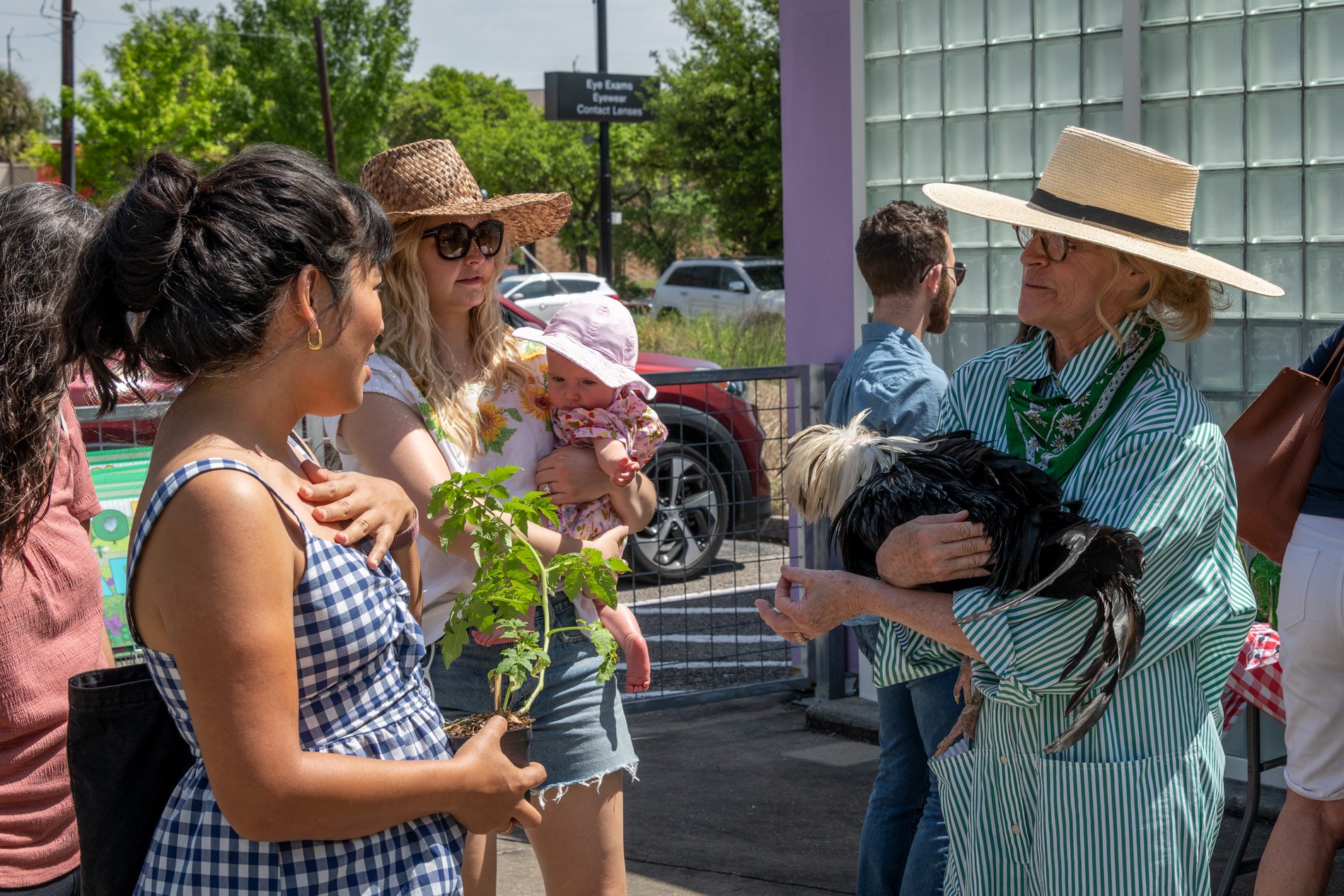
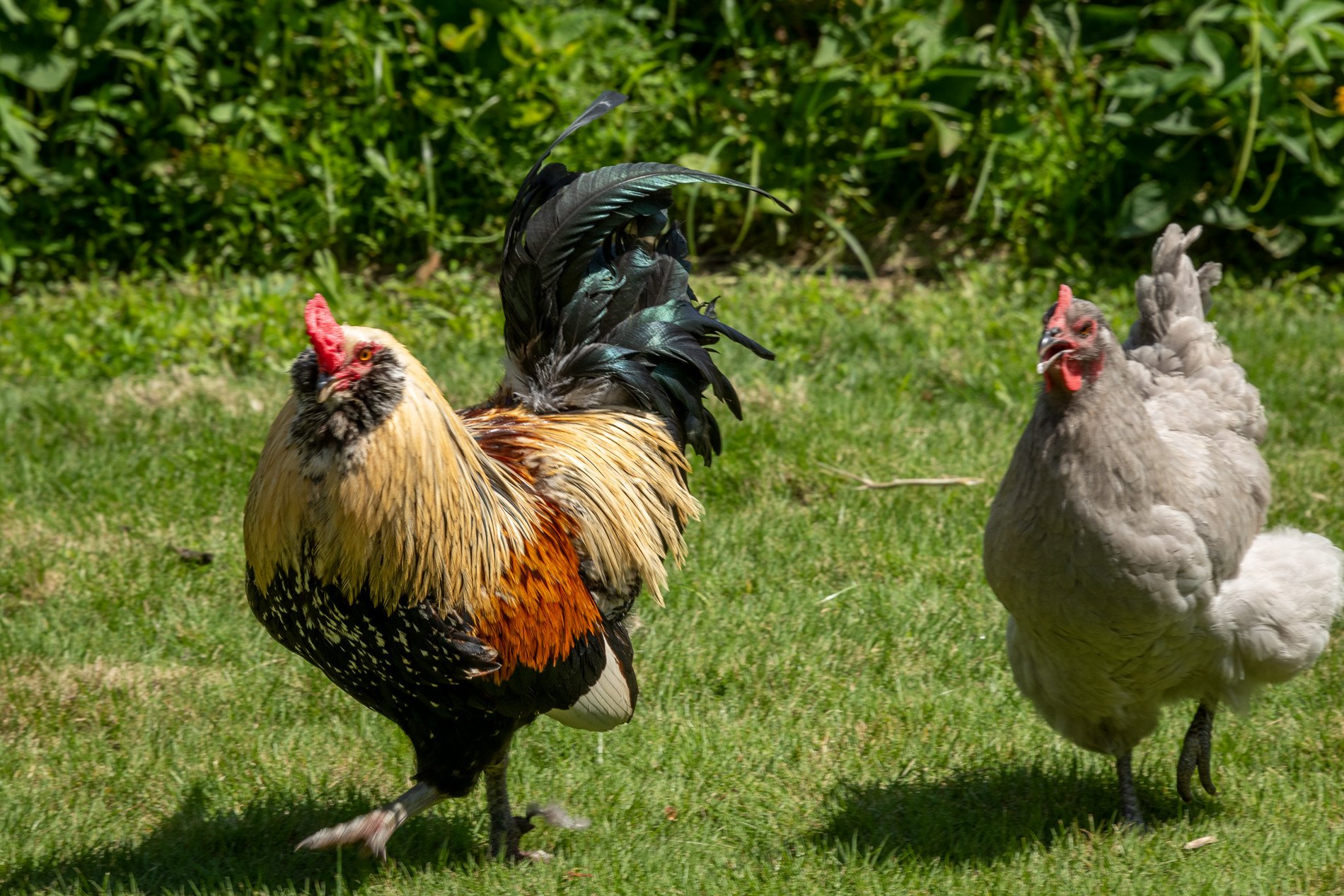
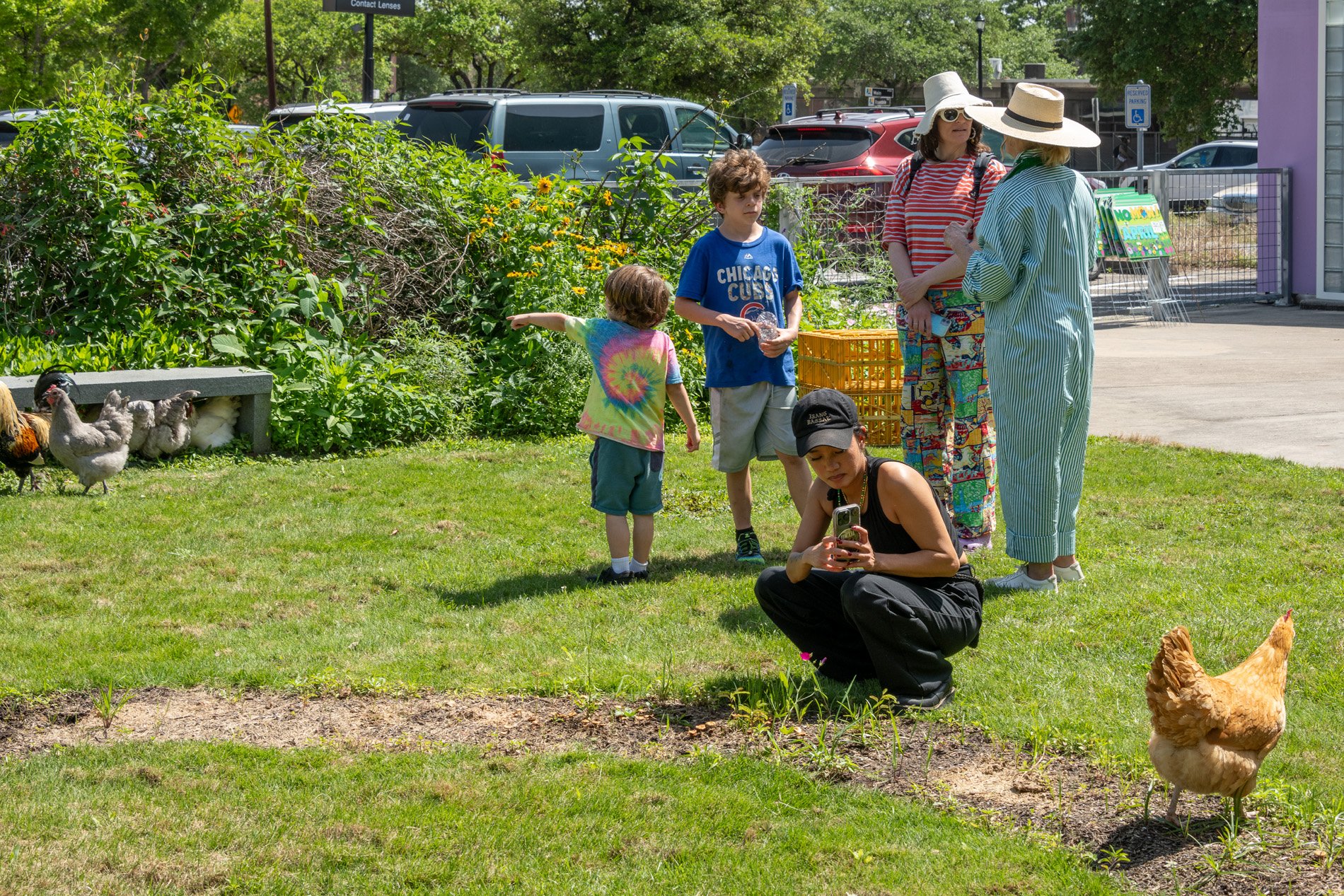
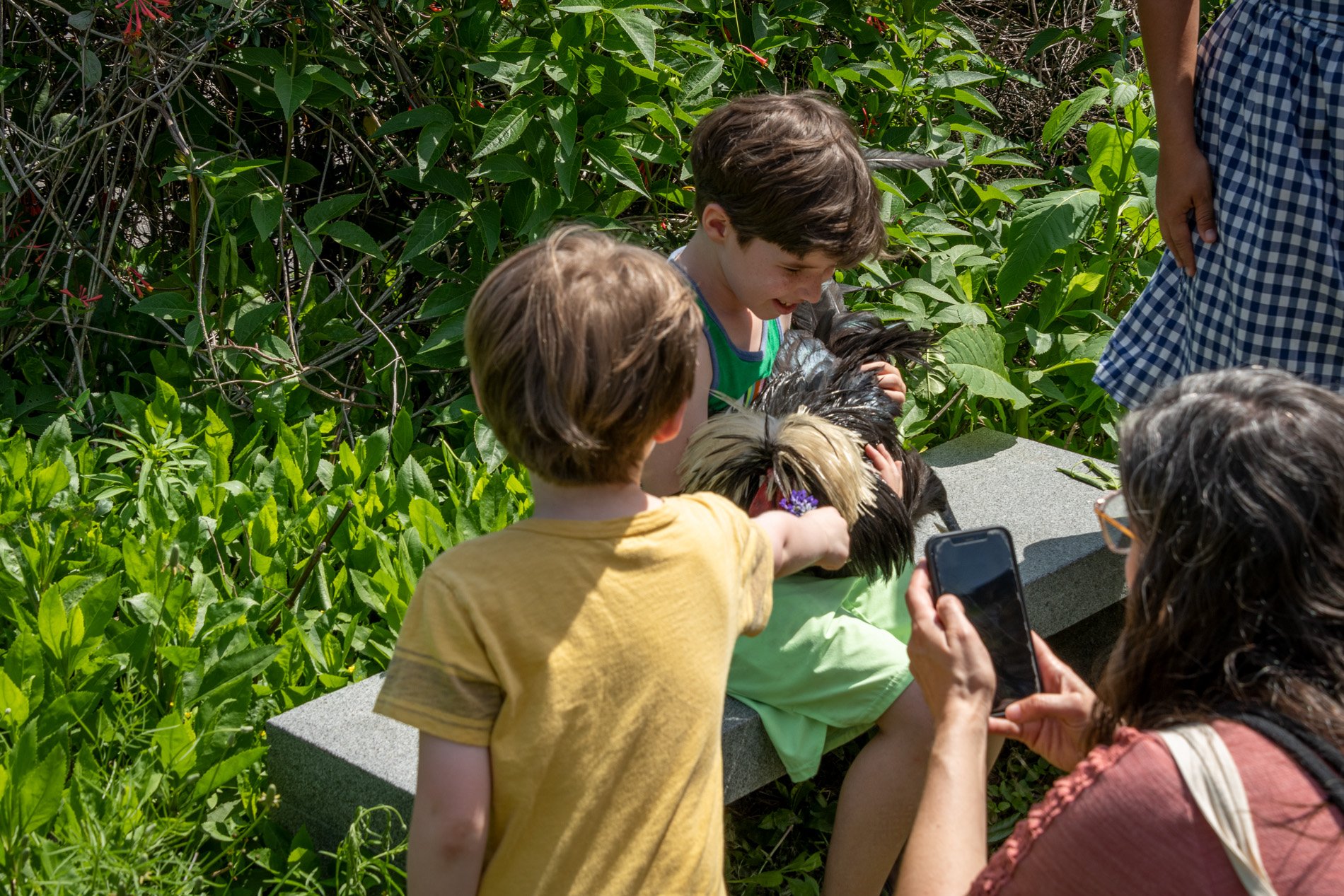
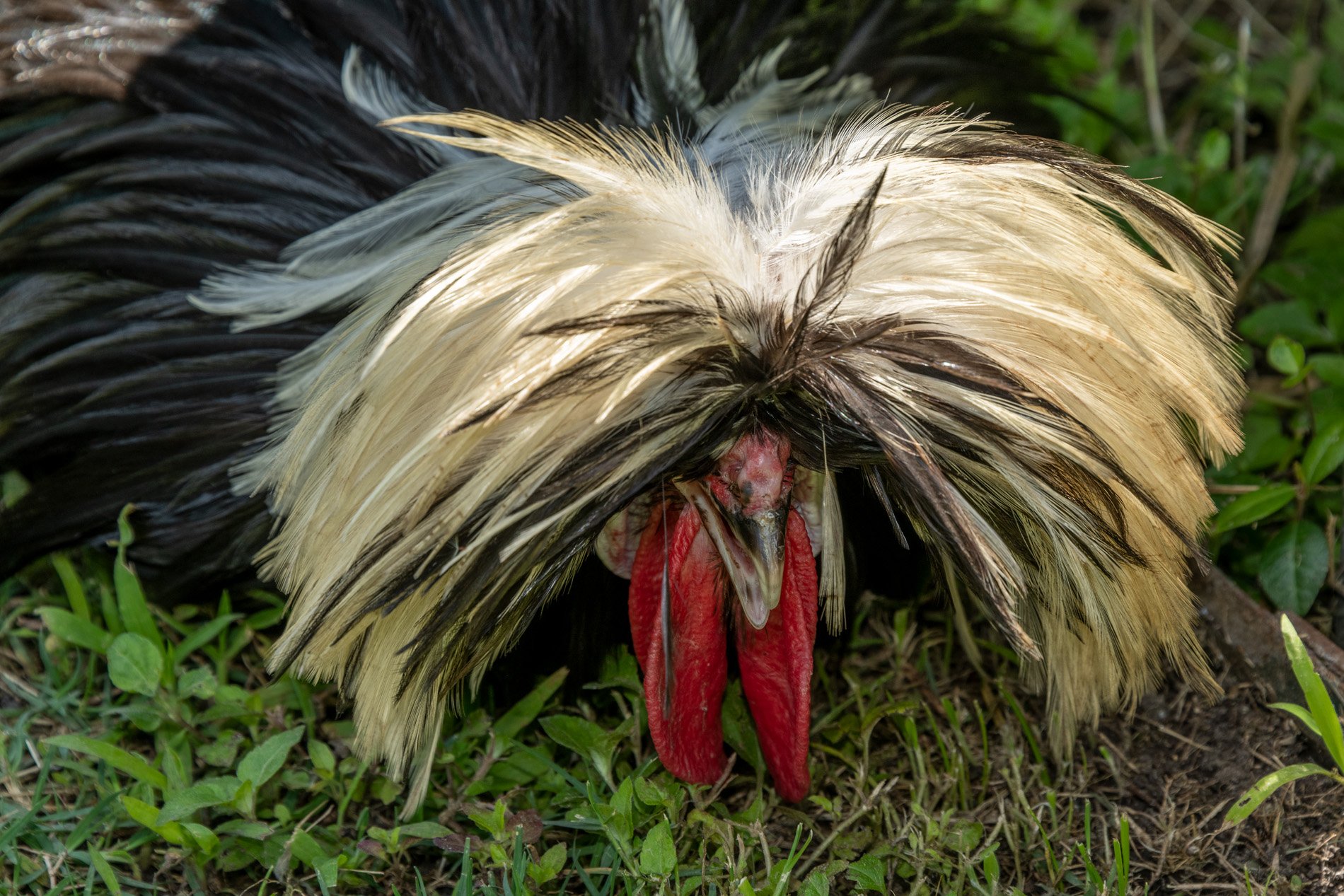
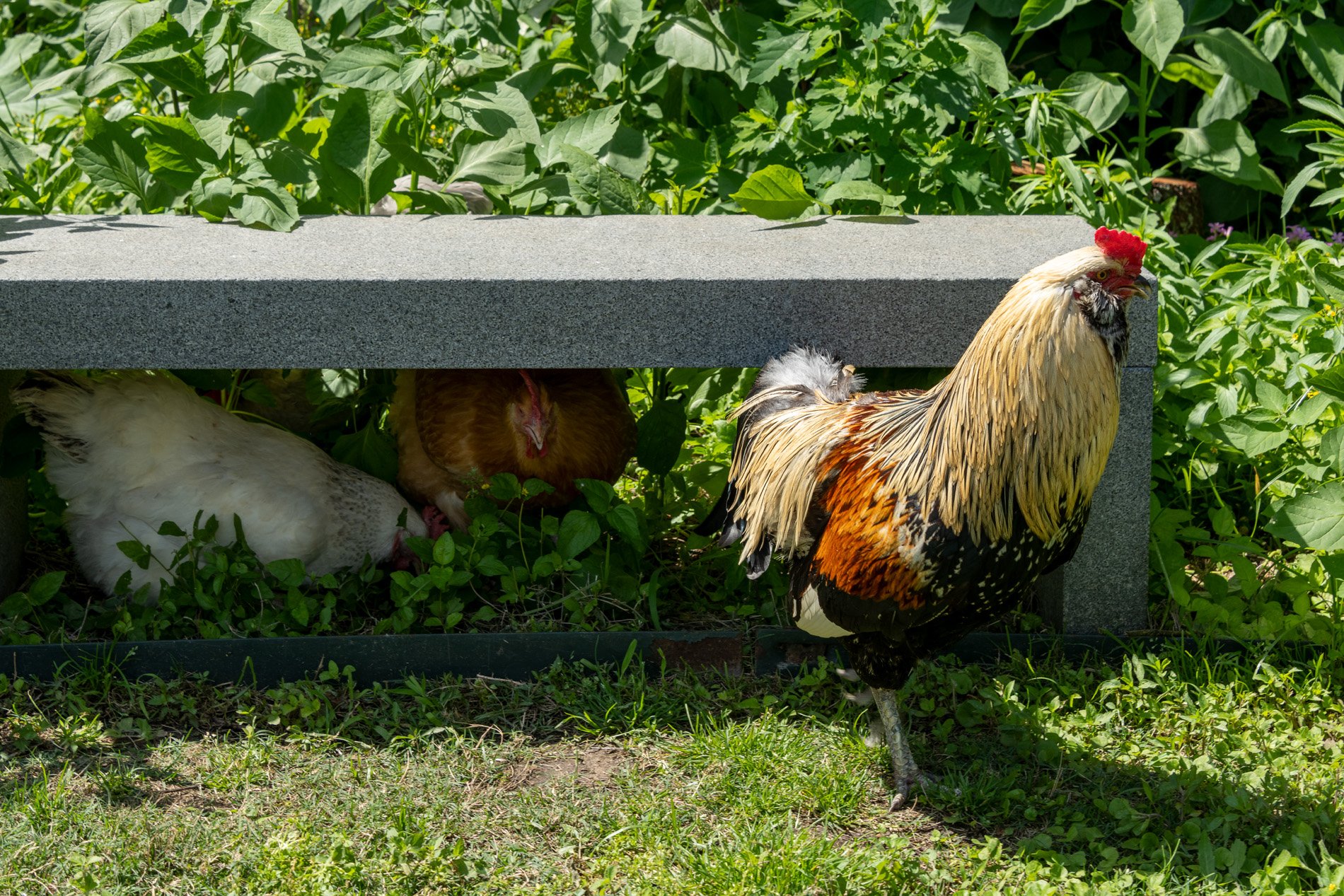
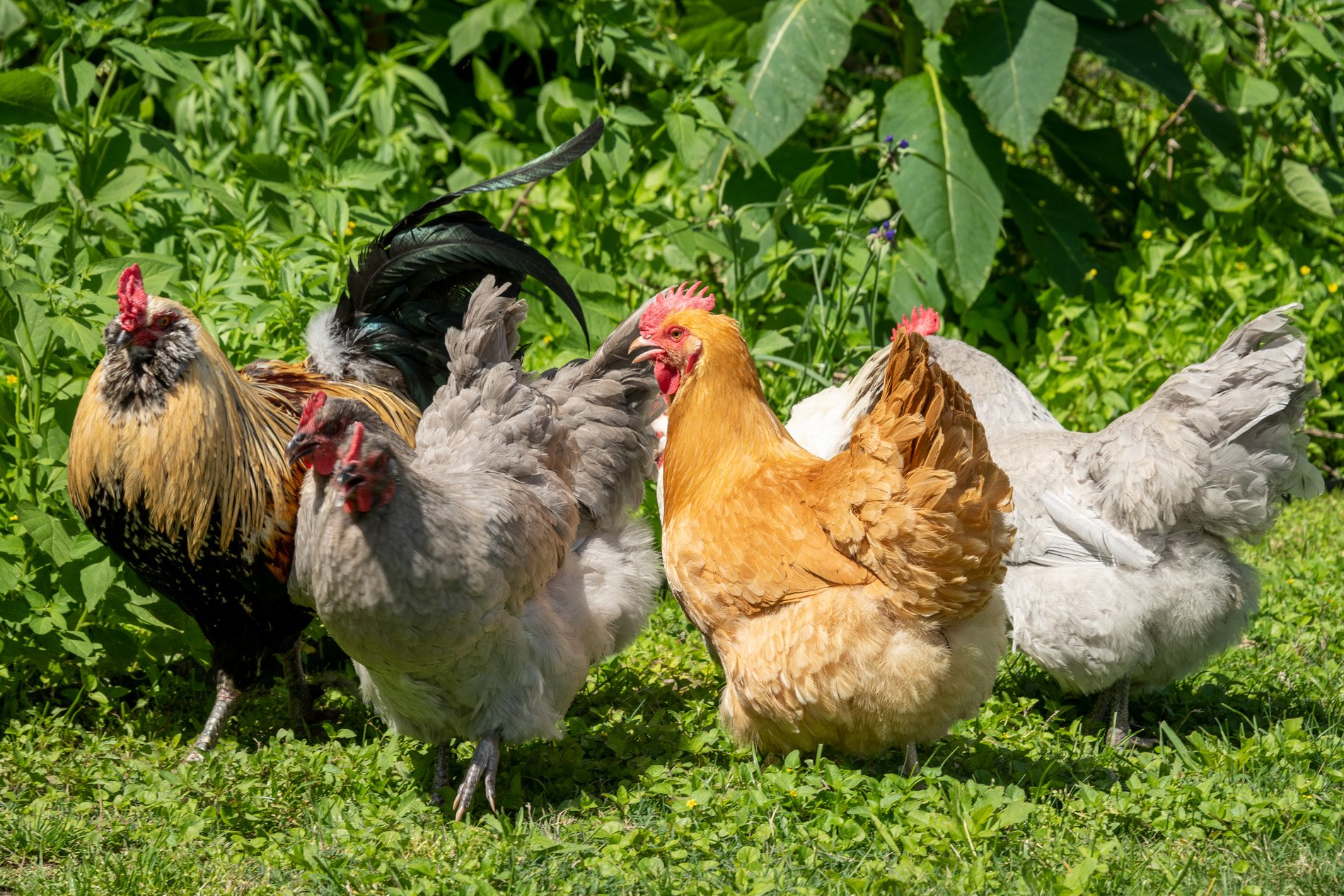
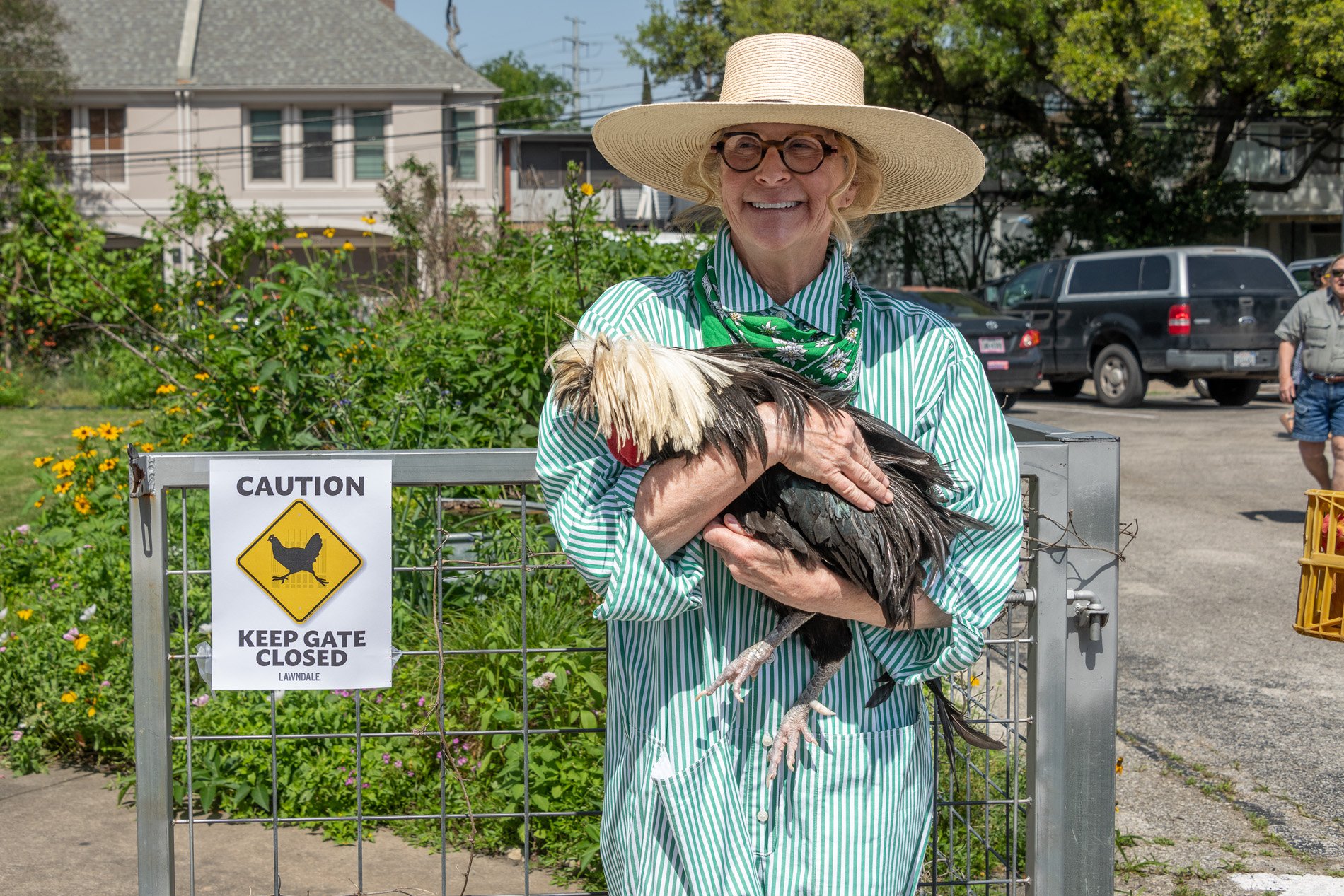
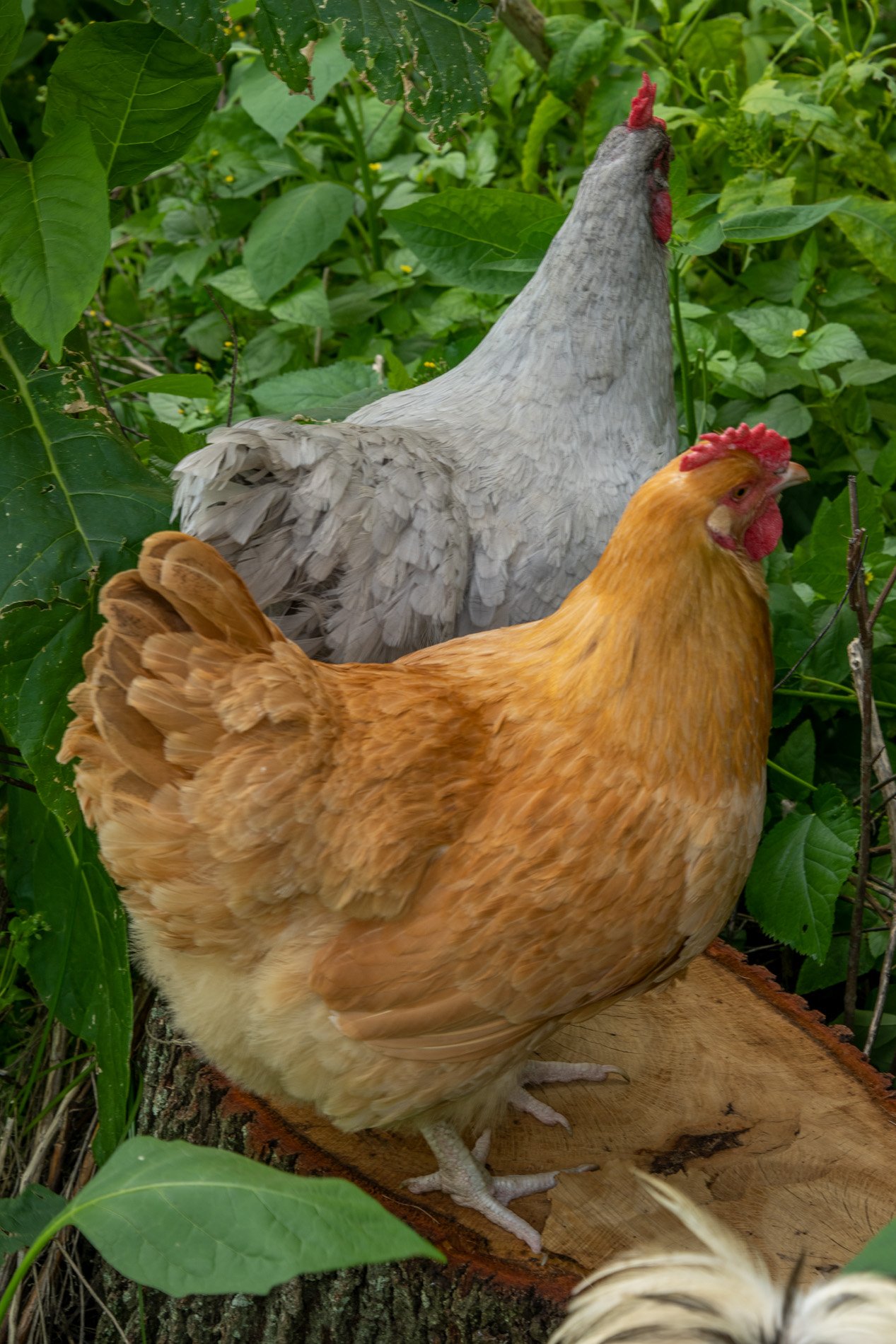
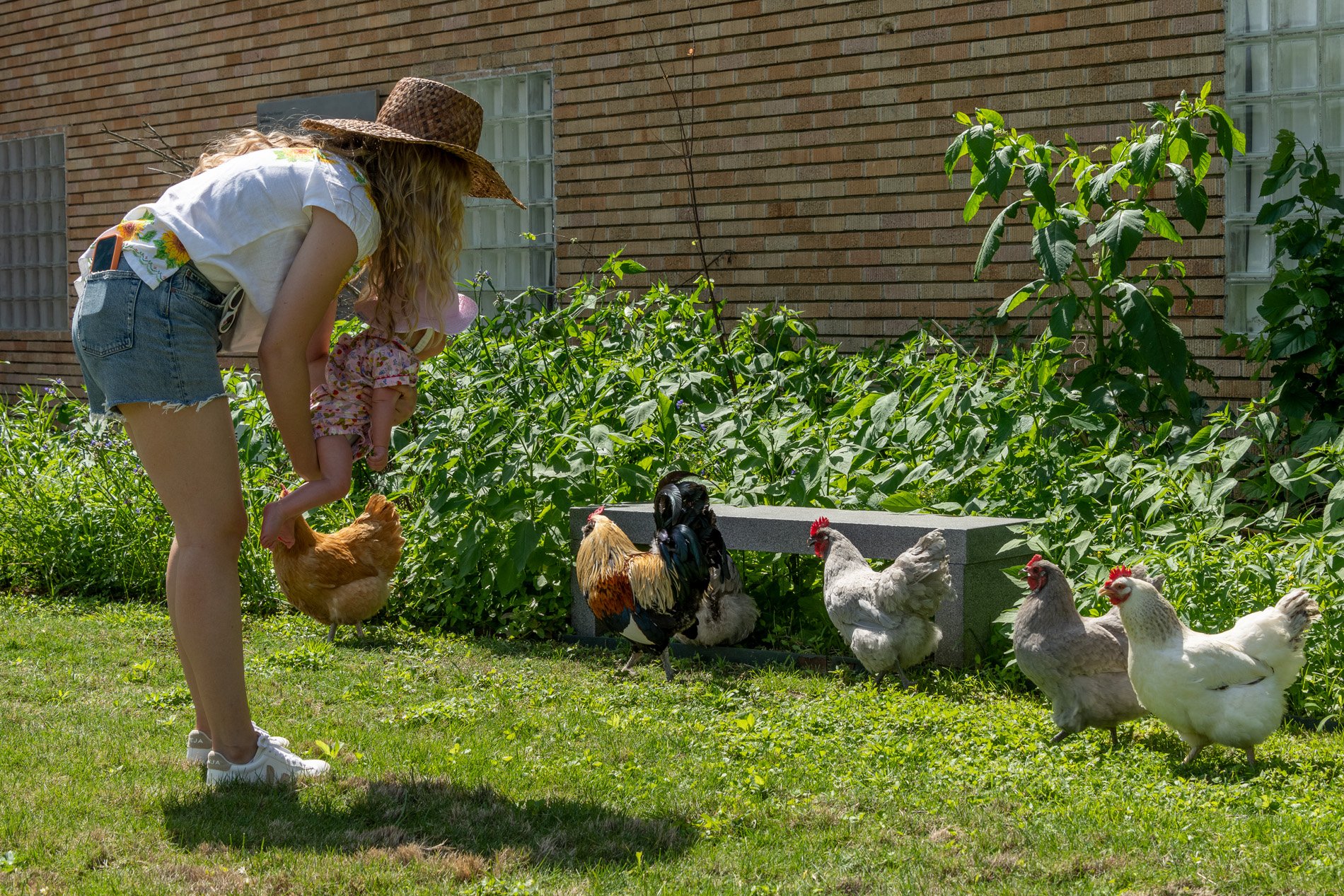
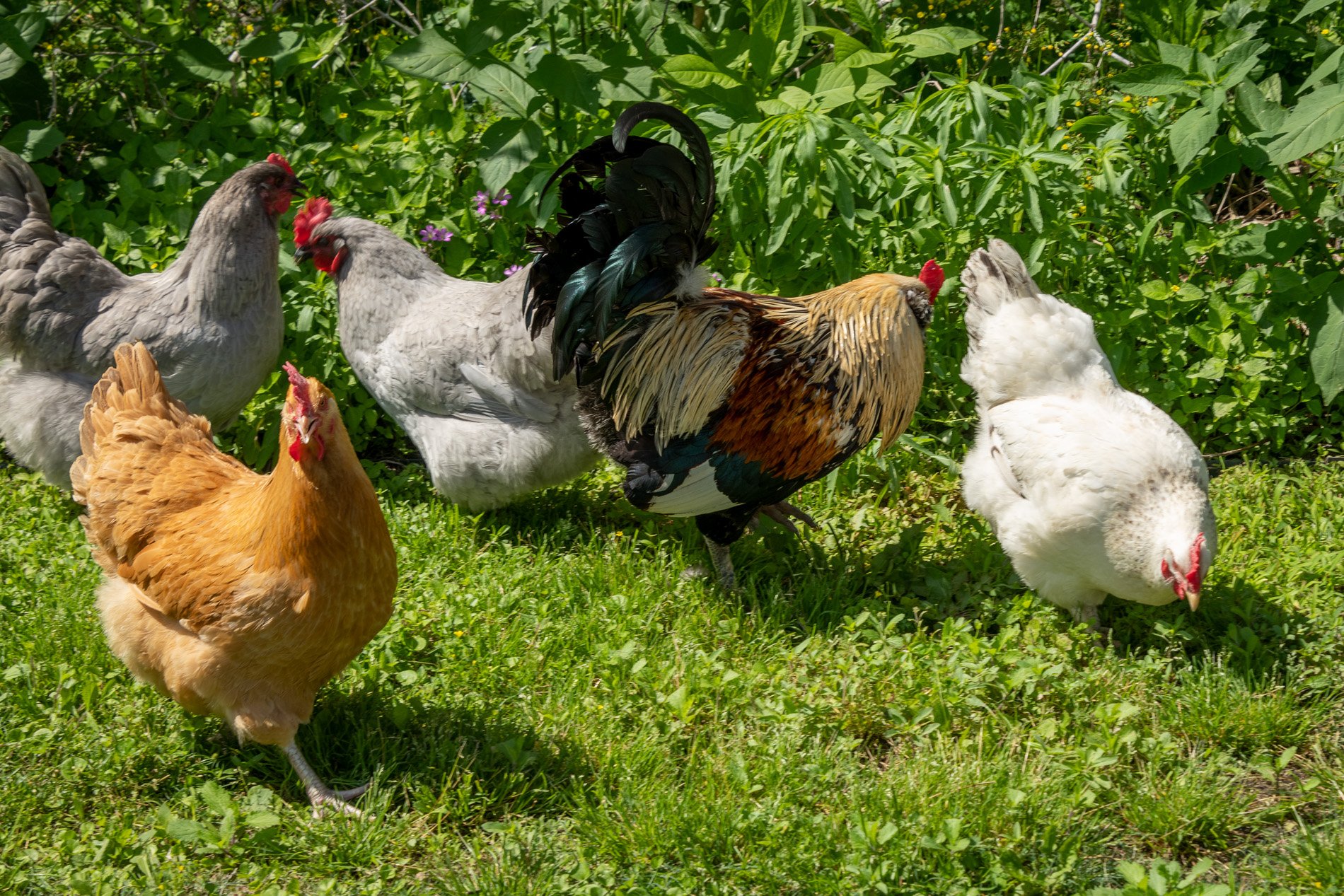
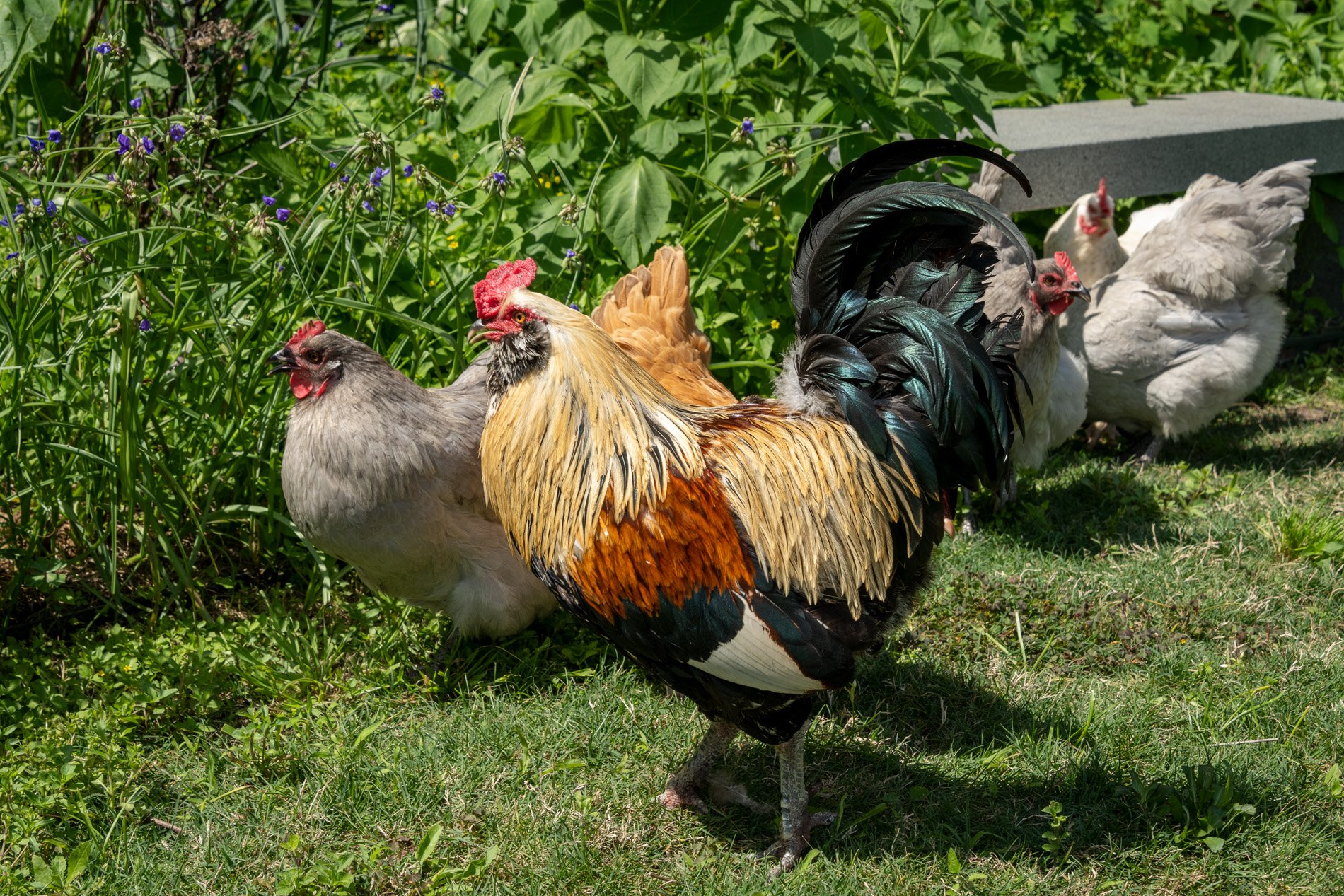
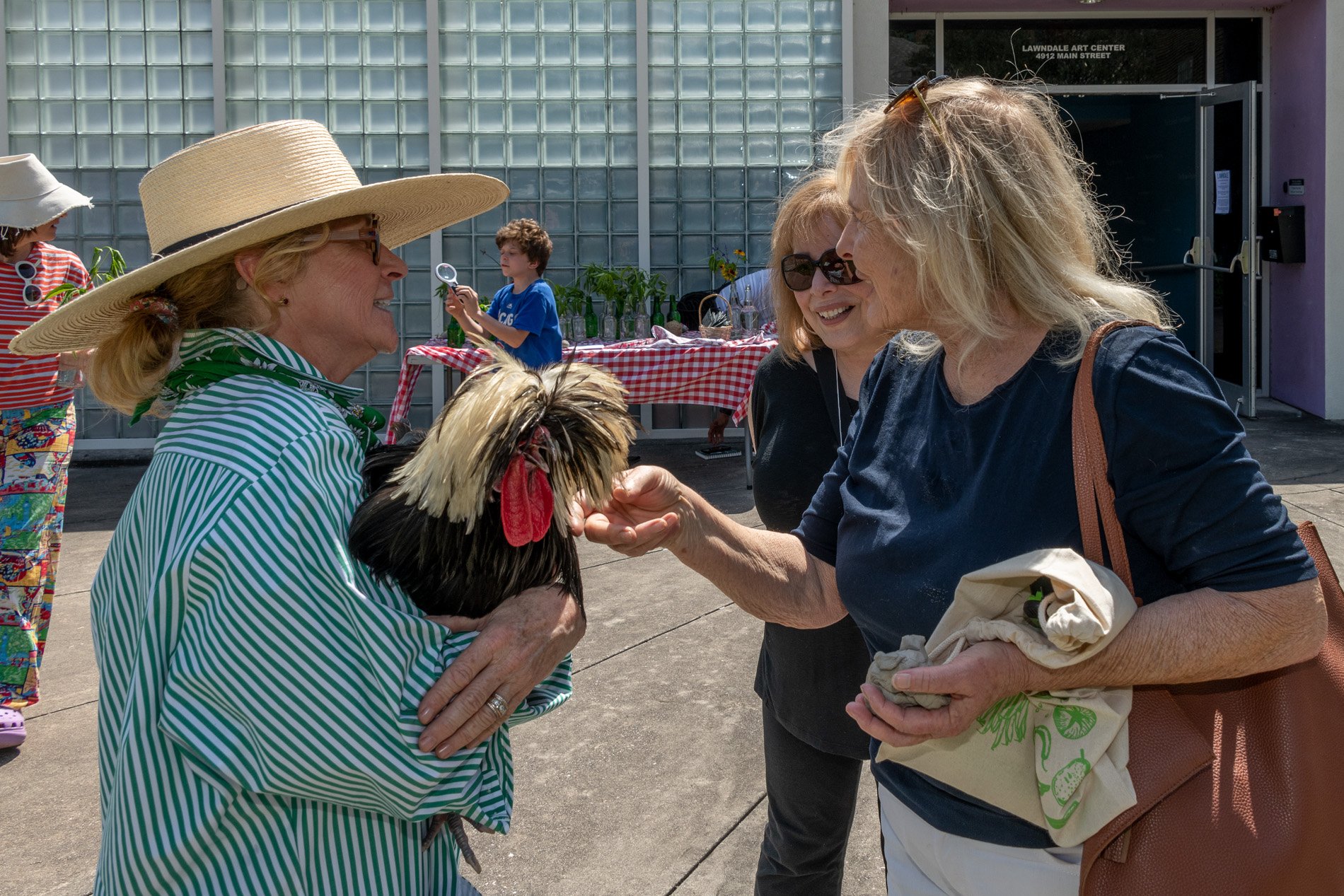
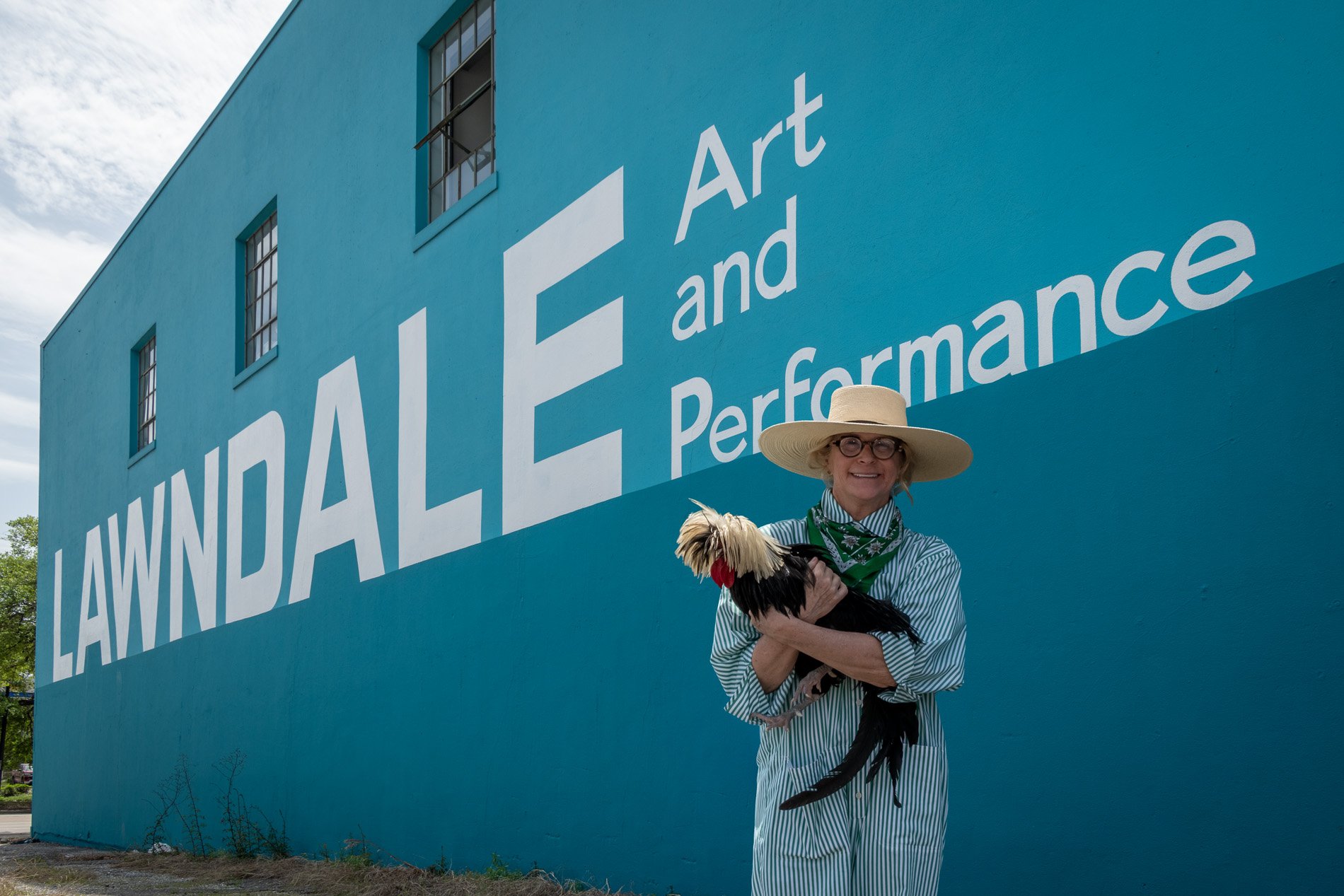
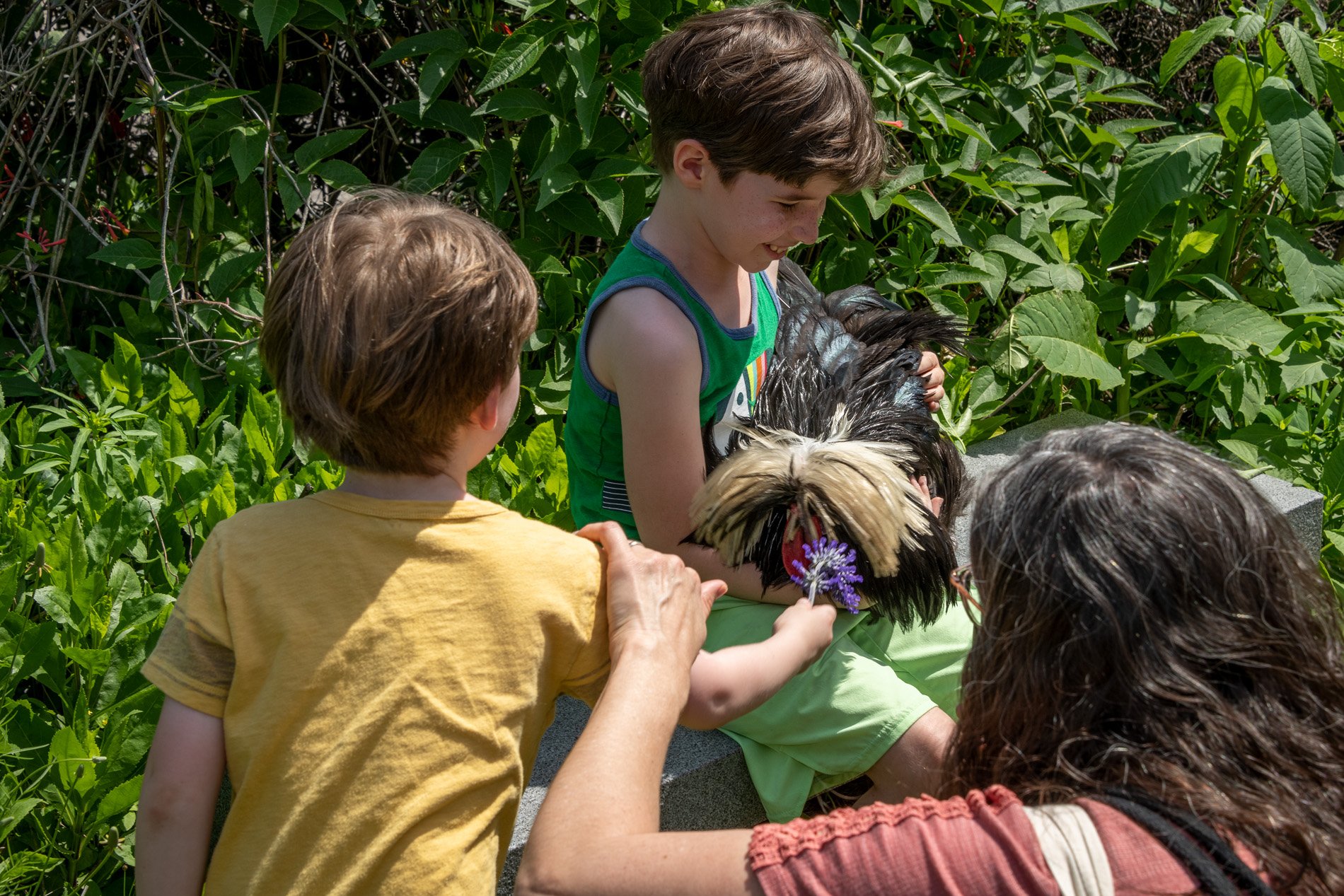
Eight chickens and two roosters were installed in Symbiosis, April 1, 2023, from 11:00-5:00

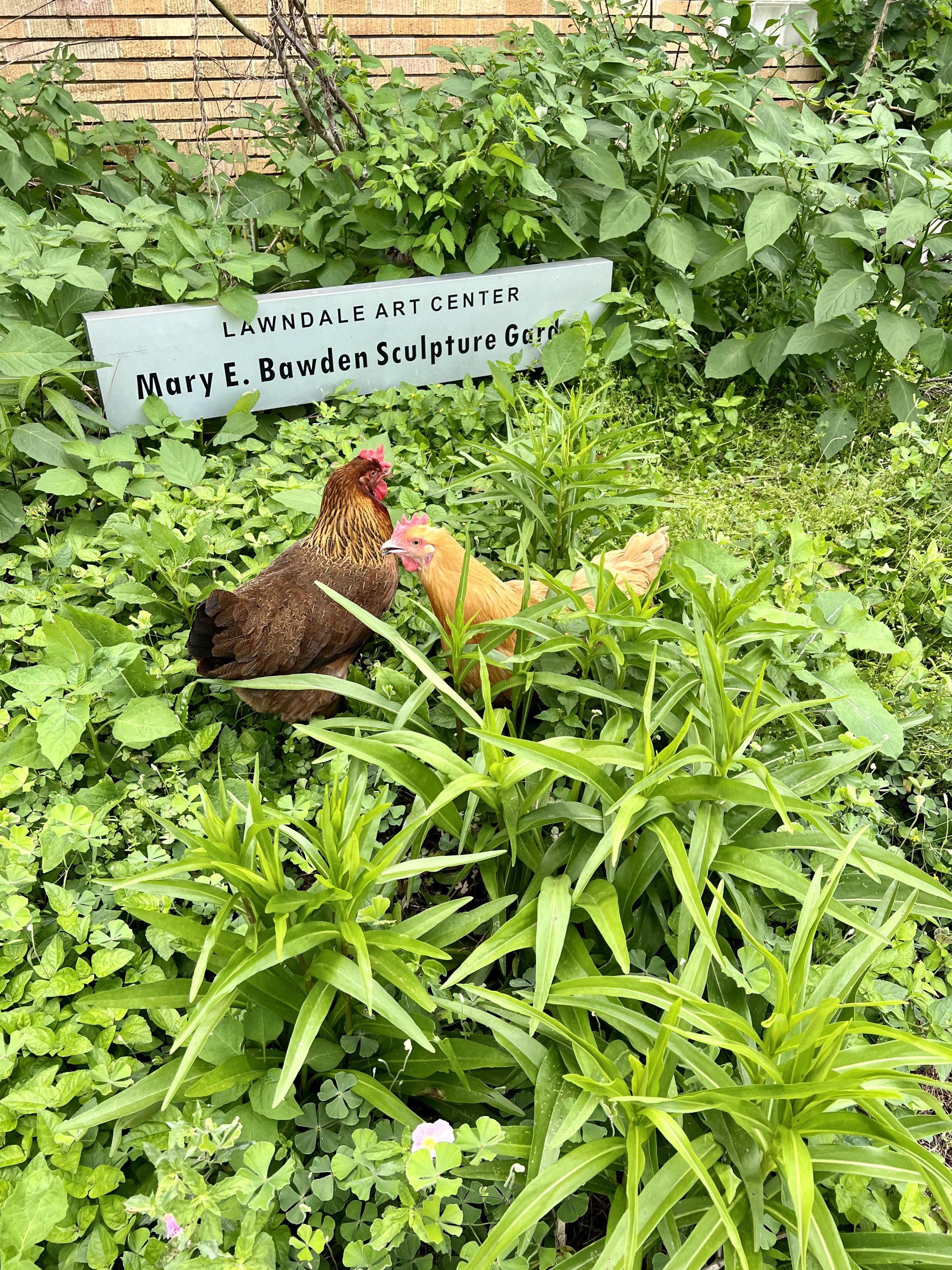
 There's more than eggs when it comes to urban chickens. Peck and Scratch is a throwback to when every family had a symbiotic relationship with these quirky feathered friends. It was common knowledge that chickens are miraculous energy transformers; they effortlessly clean up weeds and bugs from living soil while providing families with a more sustainable and cost-effective alternative to chemical pesticides and herbicides. Plus, their waste is invaluable - it replenishes the soil with much-needed nutrients for plants to thrive. In addition, the protein-packed eggs they lay contain all the amino acids necessary for promoting brain health for early childhood development.

By offering a cozy environment, refreshing water, and a lush habitat, we're showing gratitude towards our curious and joyful friends and providing them a safe home away from potential harm. Instead of supporting factory farms, our chickens deserve to thrive in an ecosystem filled with living soil and all the essential components they need to lead happy, healthy lives.

It's time to think outside the (takeout) box and invest in the power of urban chickens.

CARBONsink rises — how to get rid of your turf grass.

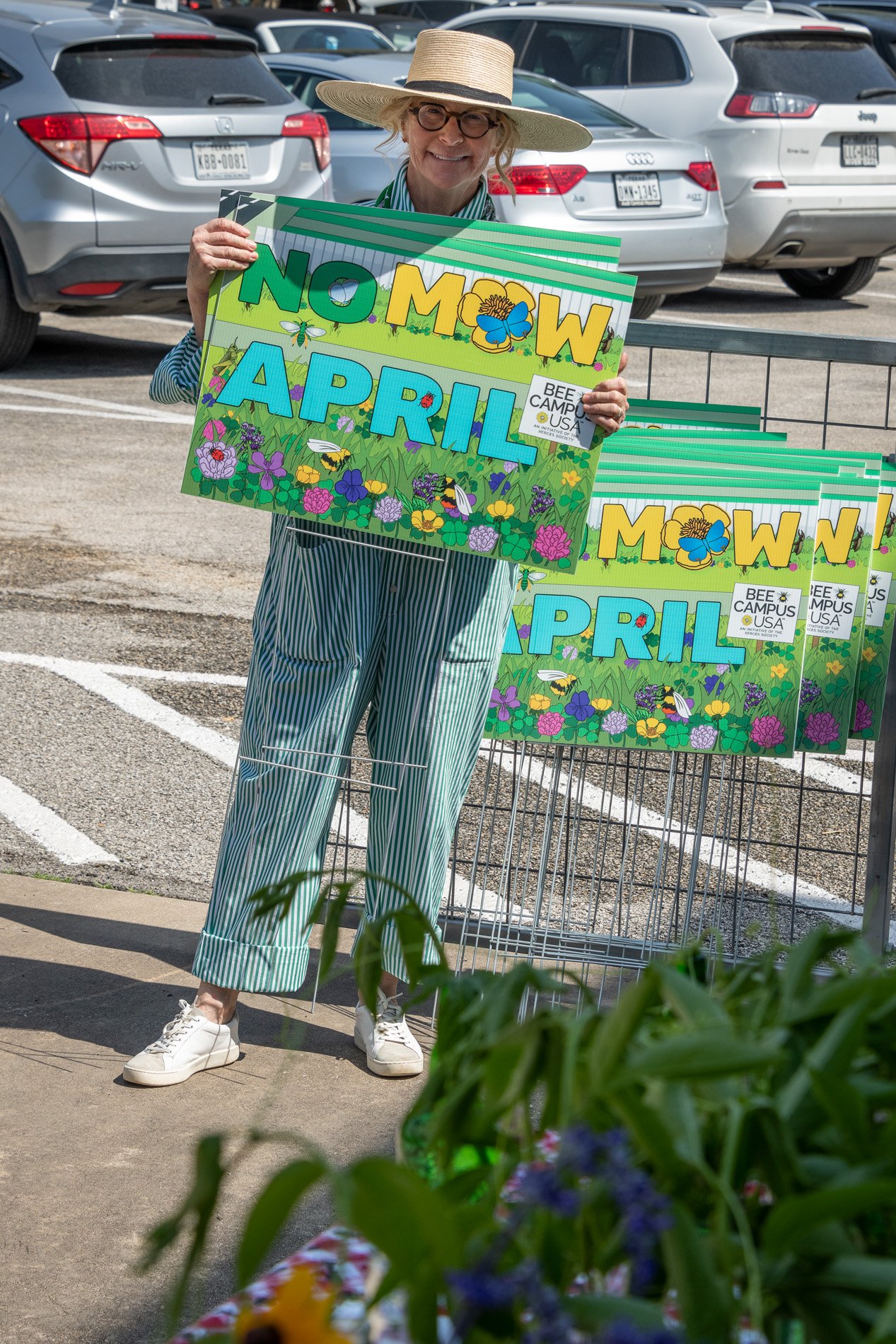
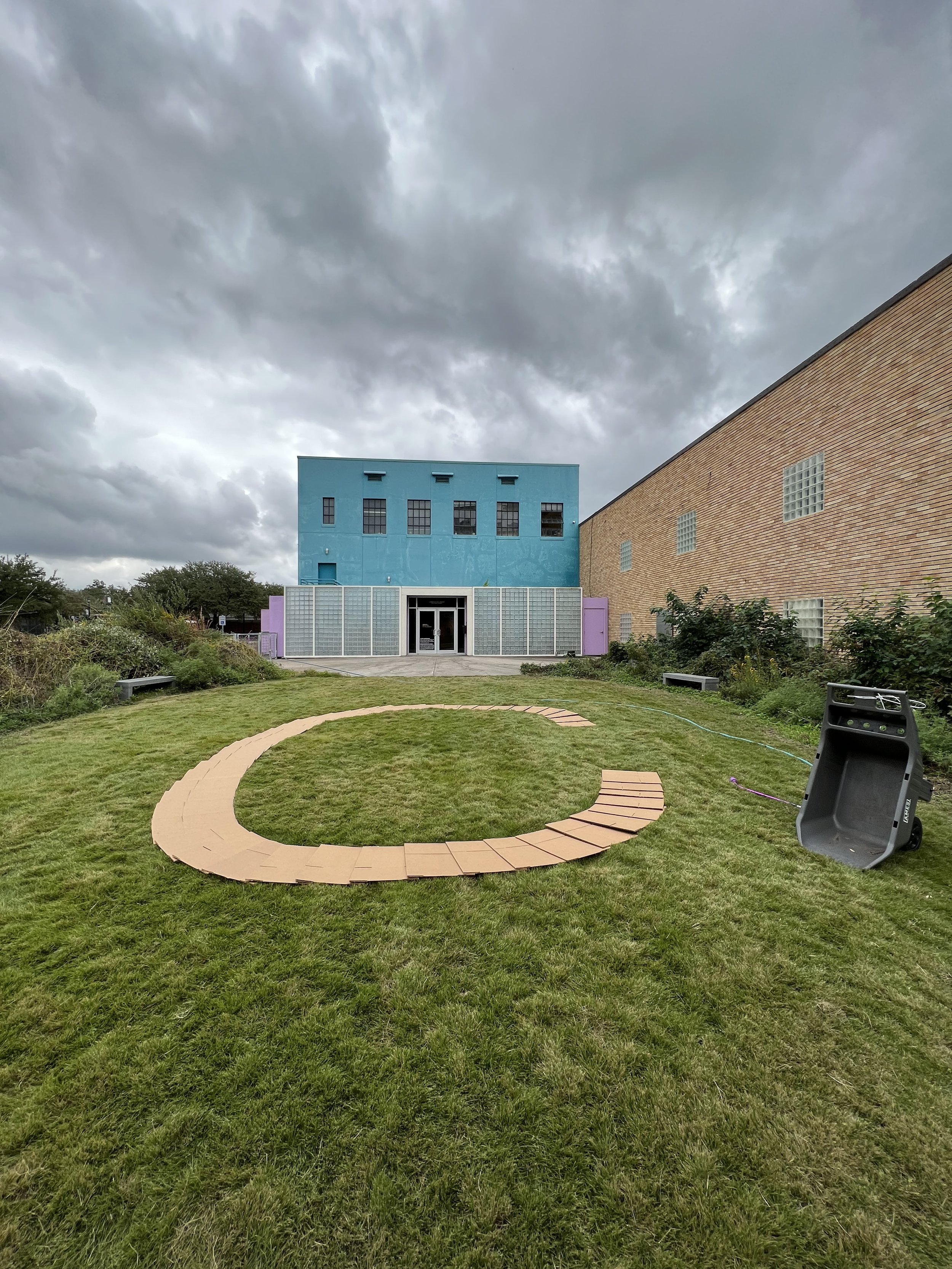
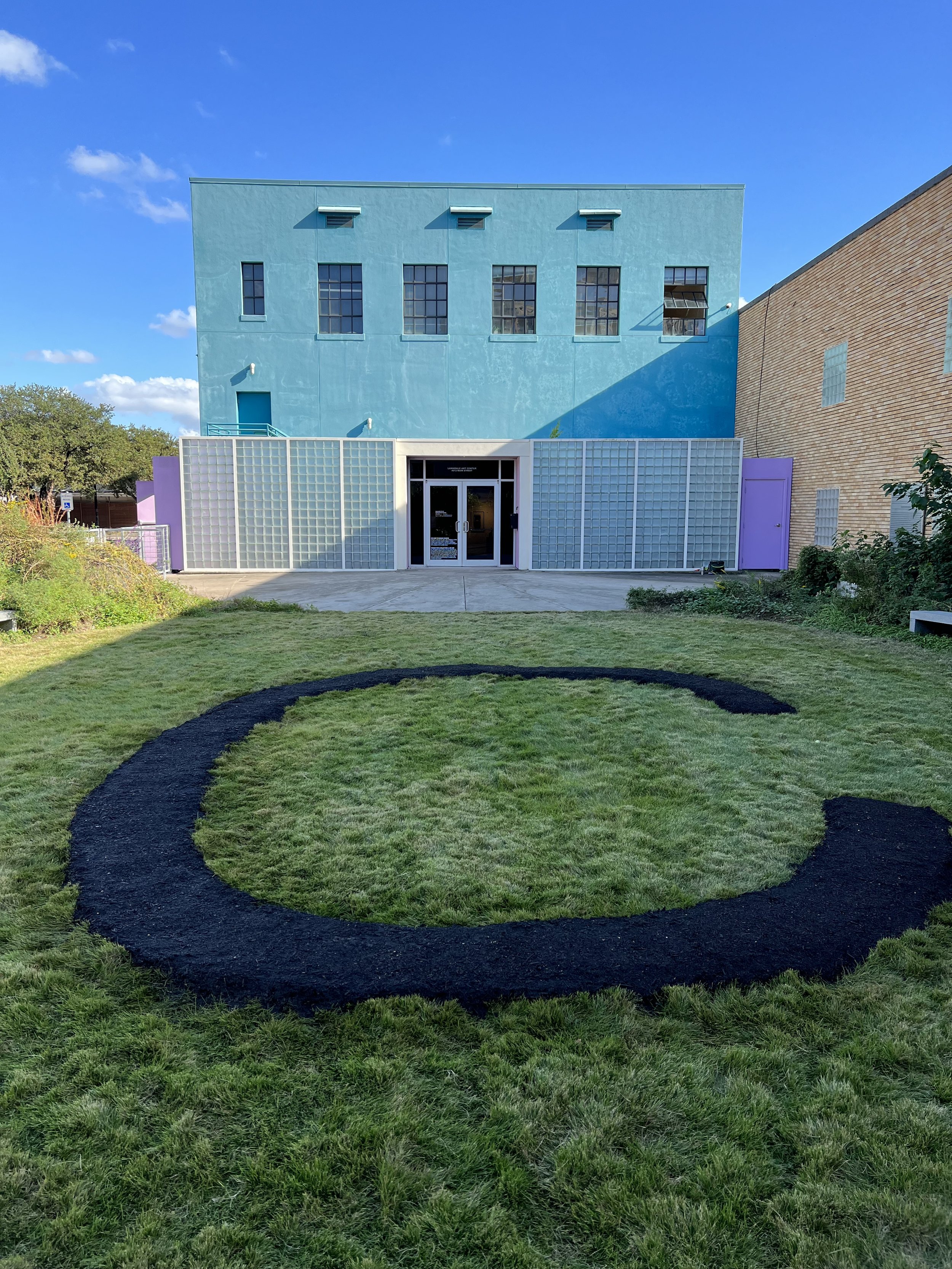
“Carbon by the Yard” was a temporary relief in the shape of the Carbon element symbol, “C”. This simple gesture brought attention to the fact that gas lawnmowers emit eleven times the emissions of a new car.

Carbon by The Yard

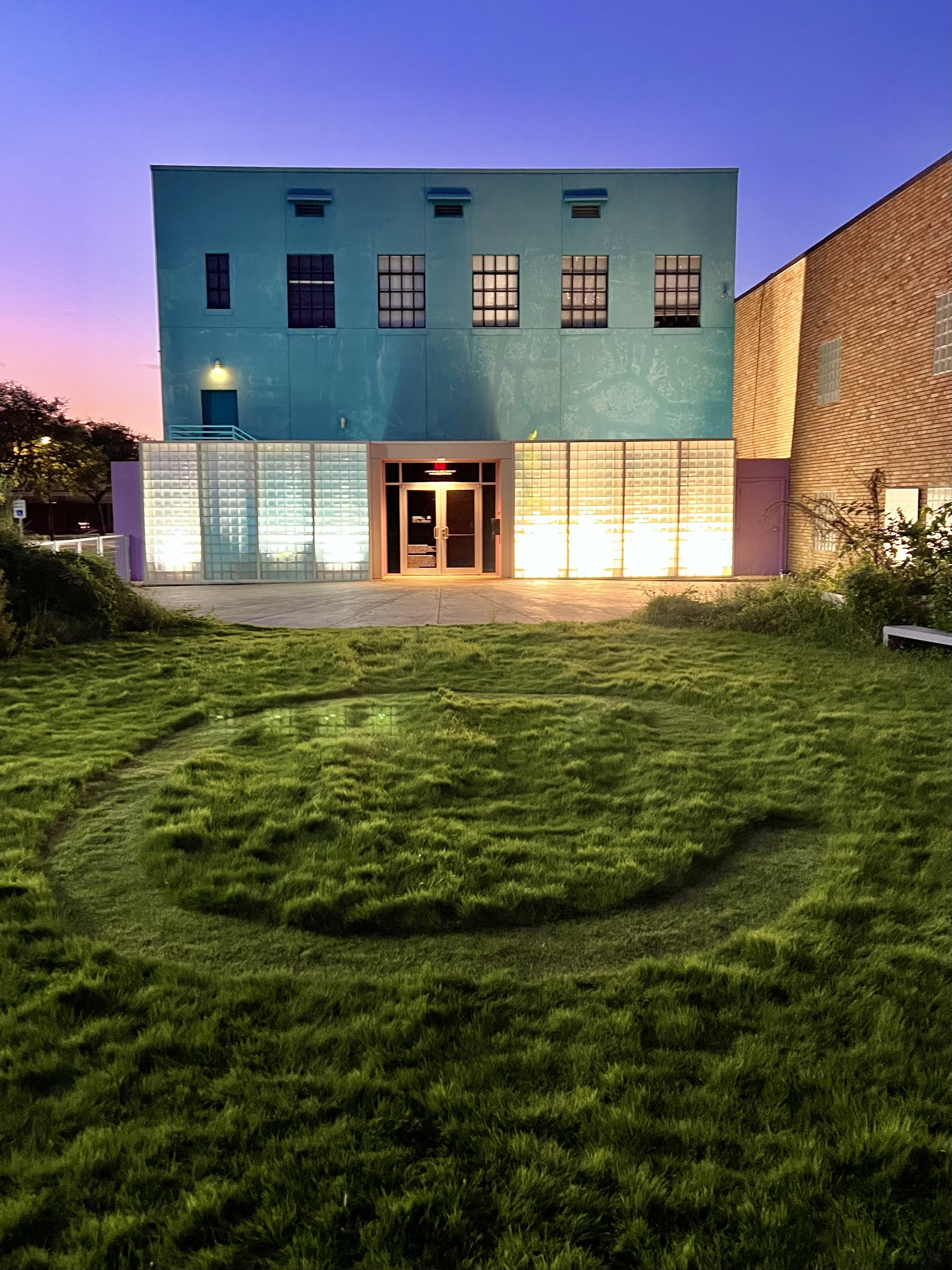
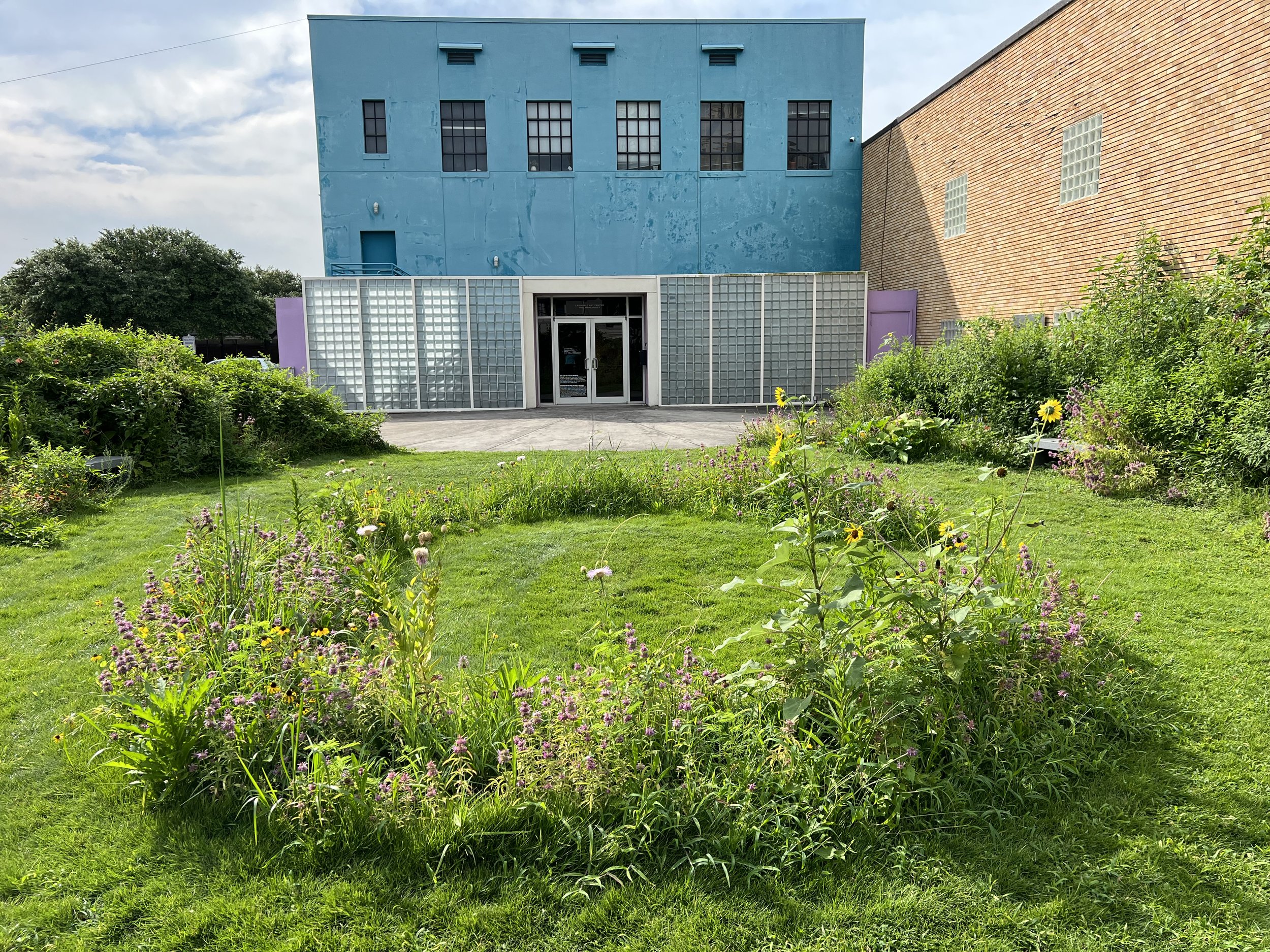
In 2022, I transformed “Carbon by the Yard” piece into “CARBONsink ” using solarization and regeneration instead of herbicides to transform the turfgrass into biology. I then seeded it with wildflowers. The new piece soaks up rainwater, stores carbon and supports pollinators.

It is important to note that the EPA estimated that non-native turfgrass monocrops use one-third of all public water. In the US, this translates to 9 billion gallons of water daily.

These two social sculptures highlight how our colonial landscape decisions impact our carbon footprints.

CARBONsink 6/8/2023

DIY- check out the steps to install your own CARBONsink.

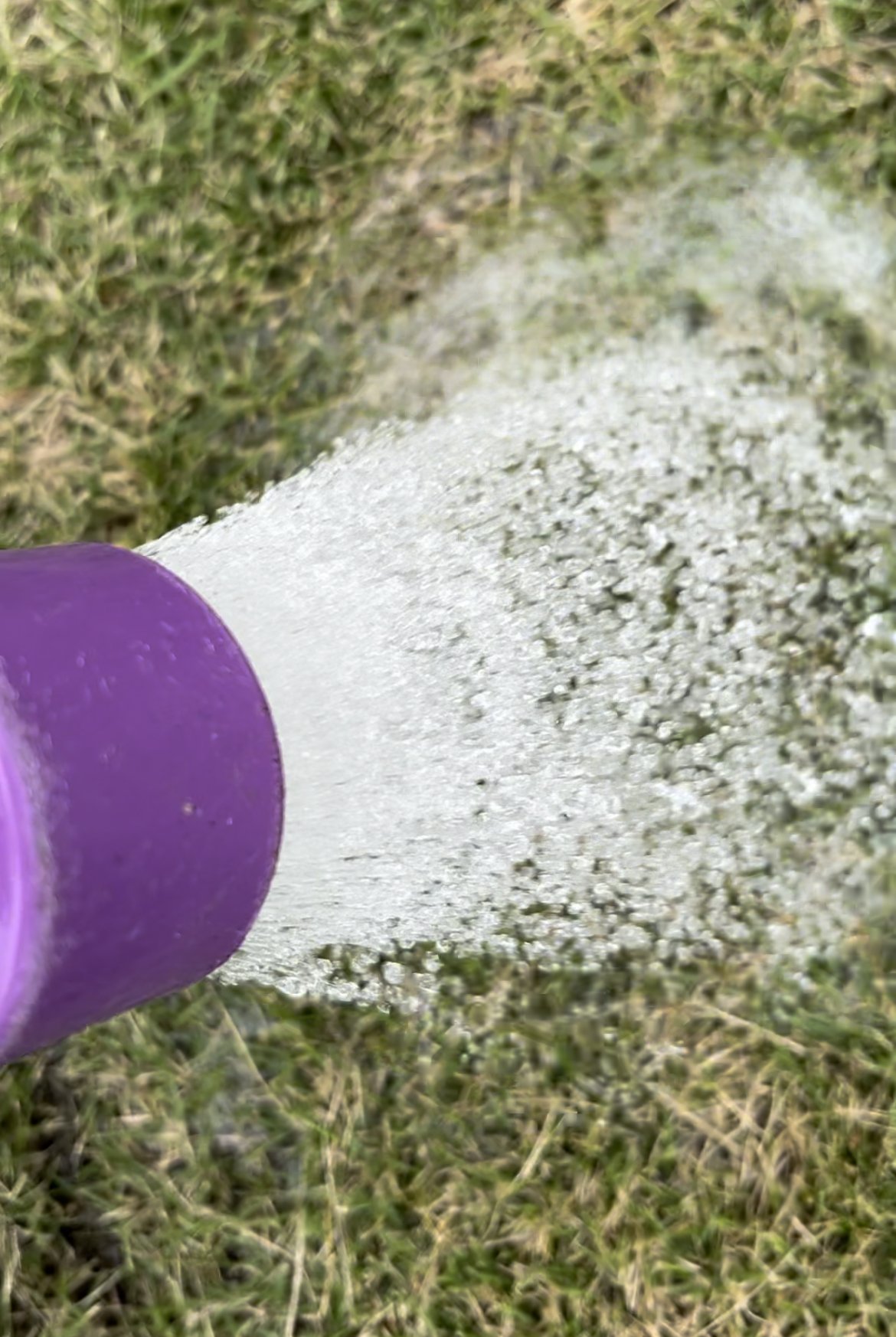
Soak the ground.

Use the power of water in conducting heat into the plot. Proper hydration will pull heat from the surface deeper into the soil, enhancing the effectiveness of solarization.

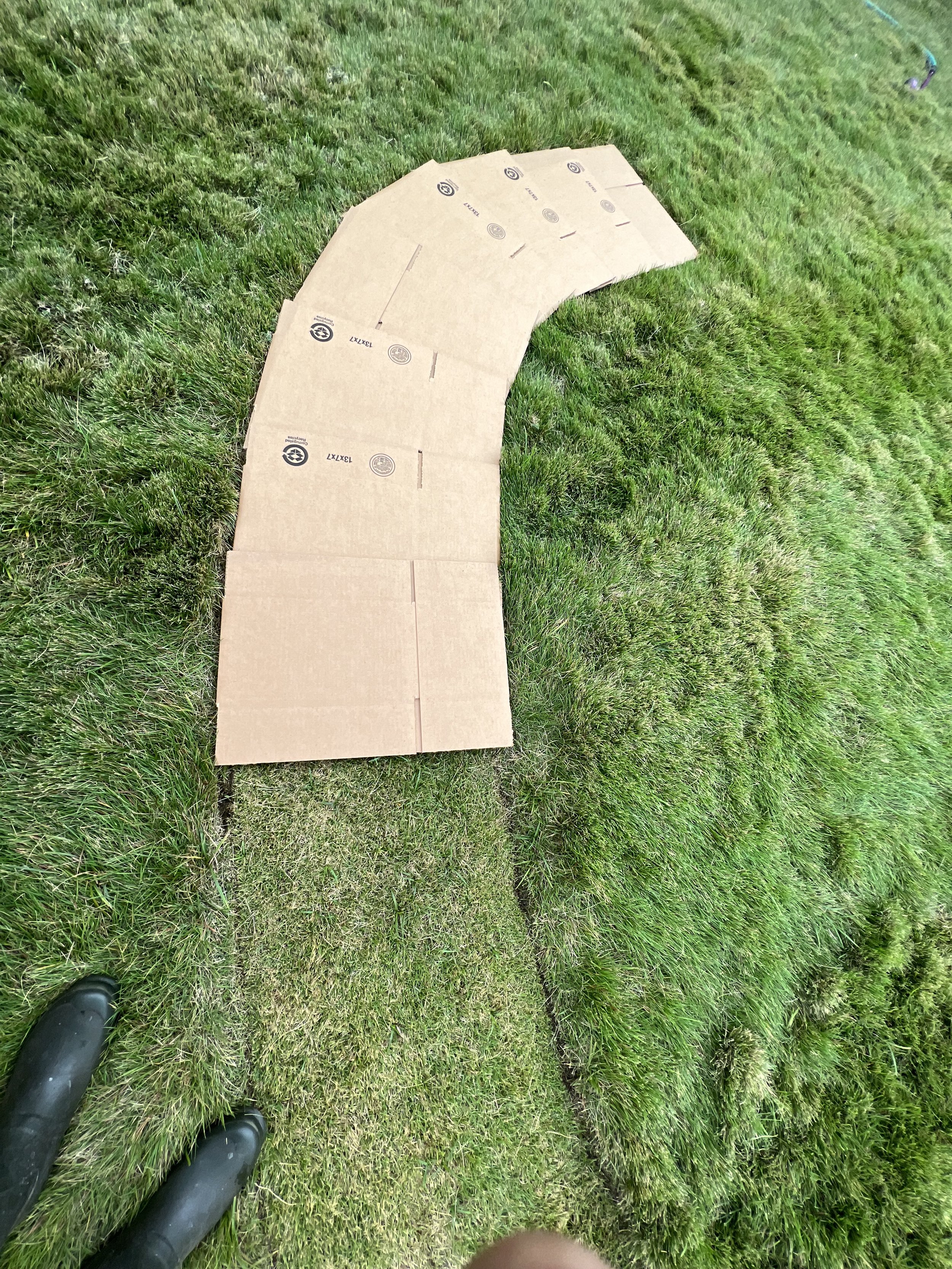
Cover the soaked turf with two layers of cardboard. This will smother the turf grass and use the suns energy to solarize it.

Soak the cardboard layer

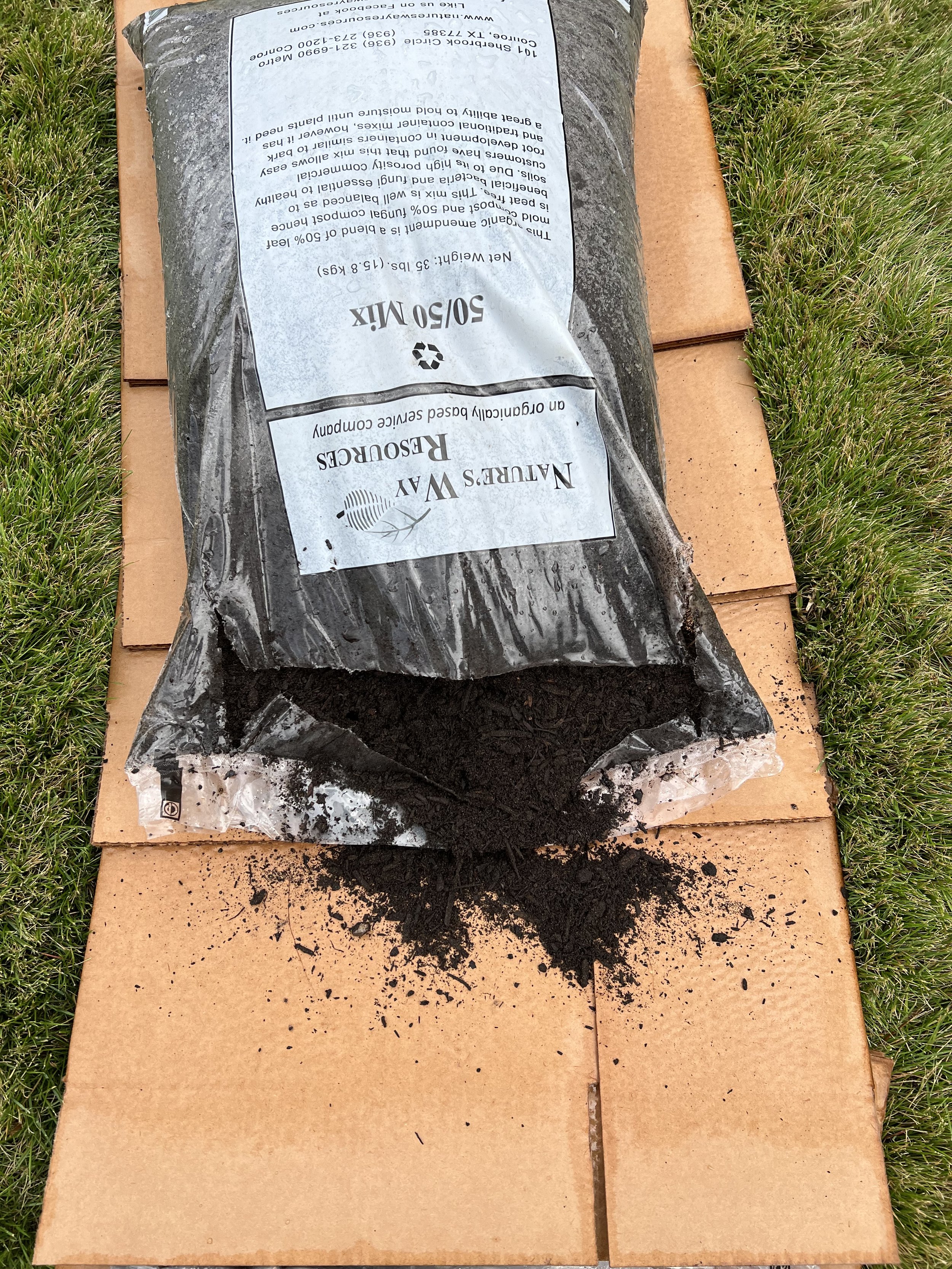
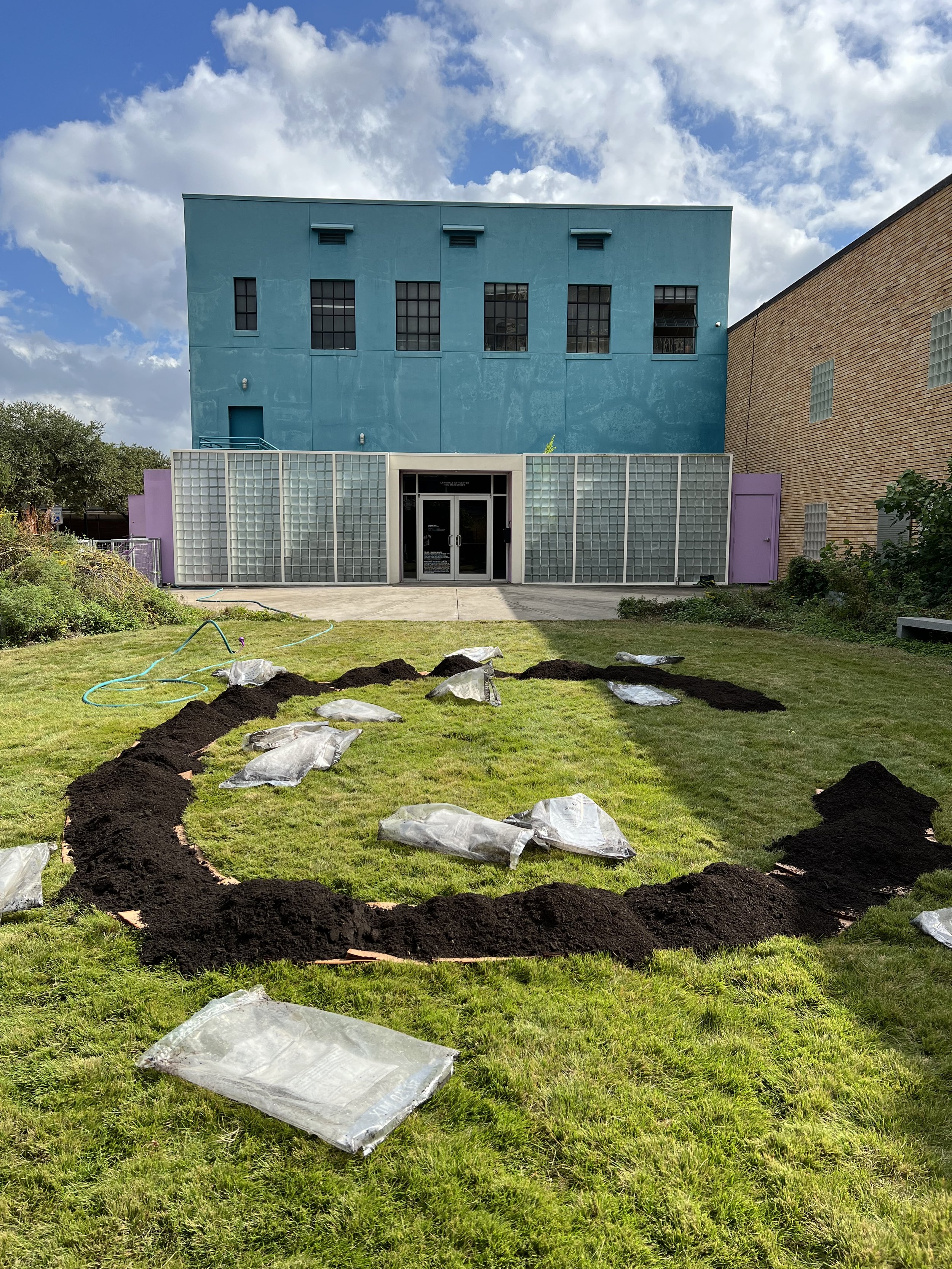
Layer 4”- 6” leaf mold compost. I use Nature’s Way Resources and Heirlooms.

Spread the compost evenly .

Soak the compost , and level it for sprinkling the seeds.

Sprinkle seeds generously.

The seeds come from Native American Seeds.

Make sure the seeds make good solid contact with the ground. Press them in.

April 2023

June 8,2023

July 29, 2023

When plants collaborate-

”Problems cannot be solved with the same mindset that created them” - Albert Einstein

To change my mindset I have to change how I see. For years I have seen through a mechanistic mindset. Observing the growth of Symbiosis these past years has given me a new perspective. When I step back and consider what else might be happening, what can I see if I consider natural systems as opposed to purely industrial systems? A whole new world of thought and possibilities unfolds.

I see that nature is a master collaborator, as proven by the Rudbeckia hirta and Passiflora incarnate duo.

Planted close together, the vine quickly sought support from the stout-stemmed Susan, needy for sun, but lacking the strength to reach it alone. The black eyed Susan, not threatened, seems to welcomed the addition, together they twined and grew - now standing not two but four feet tall. Conventional thought sees the vine as overcoming the flower, but in reality, they are just two plants working together, building a structure that is maximizing photosynthesis and basking in the sun while providing protective habitat small life dwelling in the area.

A lesson for us all - Collaboration can truly conquer all. The fiery skipper seems to agree.

“Rumblings” the next step

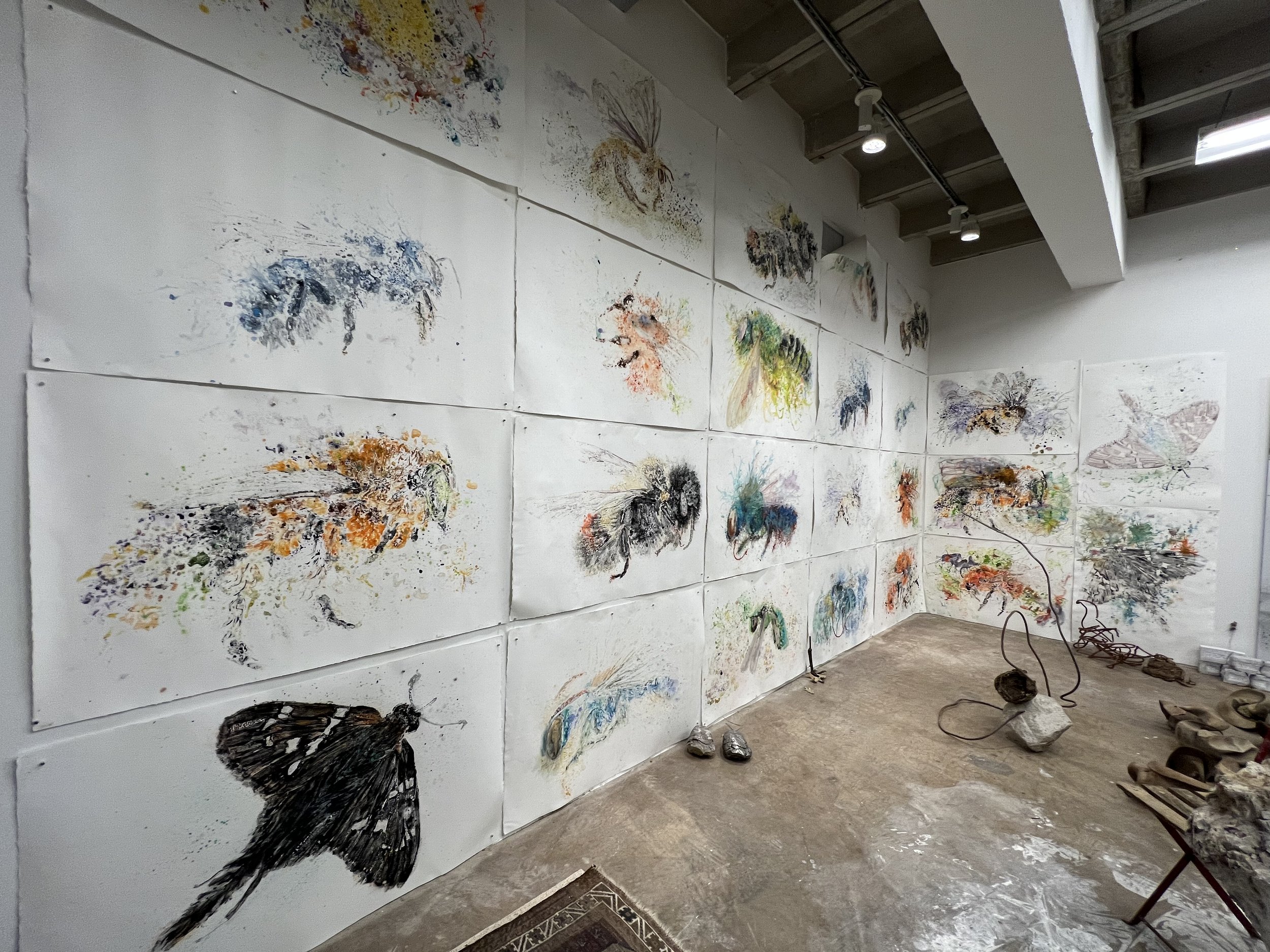
Originally Rumblings was going to be a wall of wild bee portraits, 50/10,000. It is time to start thinking about the next step.

Since I started these in 2019 my knowledge has expanded. It is no longer enough to exhibit the bees as portraits. They are an integral part of a bigger system. In incorporating systems thinking I will arrange the pieces into a 11’ X 25’ work on paper composition, an abstract eco-landscape that holistically balances urban and natural systems.

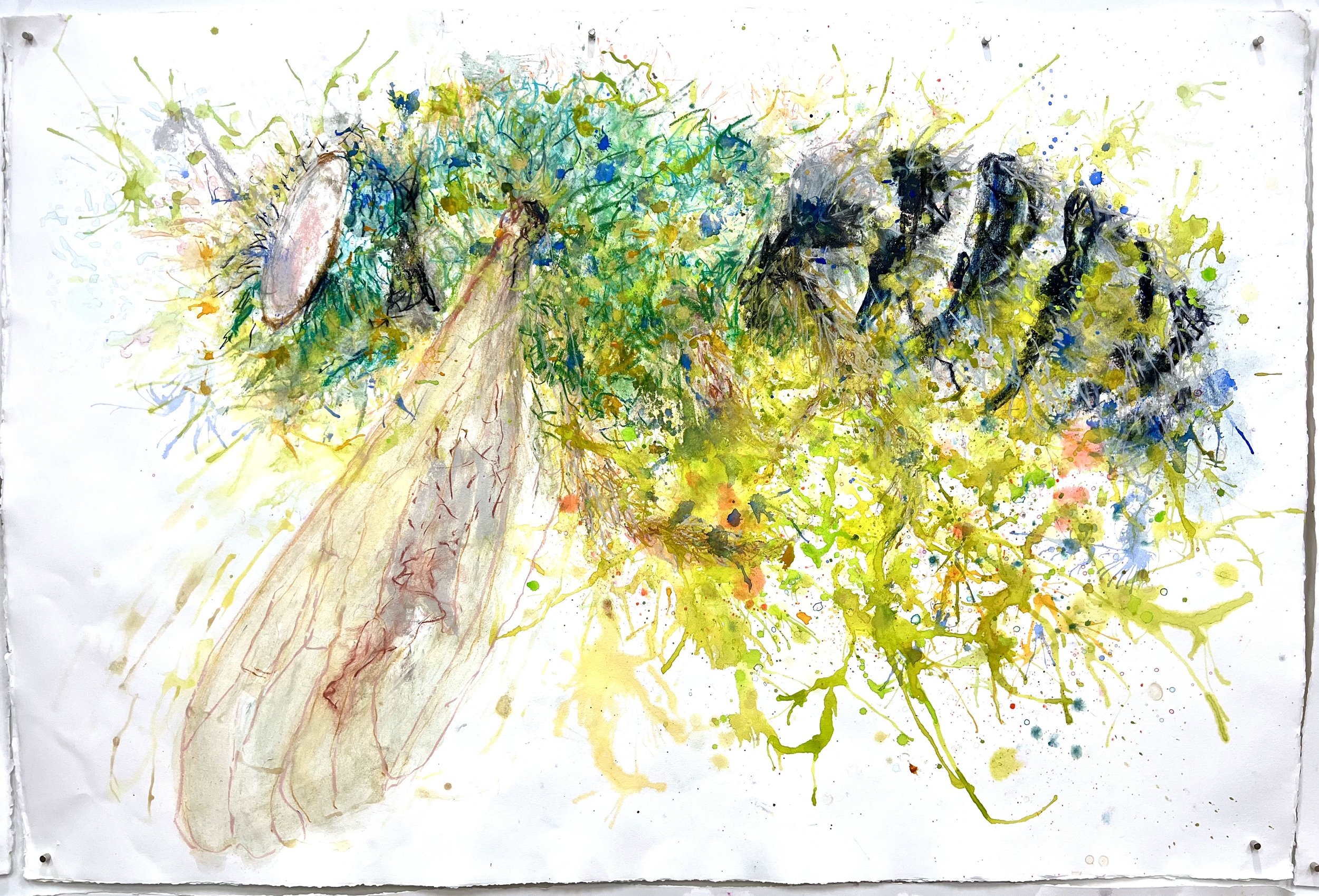
It will be a composition of twenty-eight 30” X 44” watercolor monotypes from my Rumblings* body of work. The pieces will be installed in a tight grid to reference urban development. Centered in each 30” X 44” piece is an abstract portrait of a wild pollinator.


The work will be completed in my studio when the defined space dimensions are finalized. At that time, I will select the portrait pieces and organize them in a systematic manner that works best for the size and shape of the proposed space. I will then transform the individual portraits into the monumental composition of an urban ecosystem that balances manmade and natural systems. To do this, I will add abstracted shapes representing biological systems that pollinators depend on into the blank spaces of the individual works. These marks will be extremely light and delicate, watercolor and pastel. They will be leaf and petal-like silhouettes of birds, vines, blooms, grasses, roots, water, and hooves. These shapes will weave in and out chaotically, connecting the portraits in the urban structured grid and transforming them into an ecologically balanced urban landscape composition.


RUMBLINGS* WORKS 2019 — present


Earth Moves - almost didn’t

Done! My gloves are proof. For weeks, my schedule was jam-packed with proposals and large-scale projects that needed my attention. Amidst all the chaos, I was also starting a brand new sculpture for the Mayor's Office of Cultural Affairs' Earth Day Celebration. I thrive when I can hyper-focus, but this time I almost let something slip through the cracks. "Earth Moves" was in danger of being incomplete by the deadline. With less than a week left to finish, I knew I had no choice but to push myself harder than ever before. I woke up at 5:00 am every day and worked tirelessly until 4:00 pm, without taking a lunch break. I felt every muscle in my arms and shoulders ache, but the feeling of being fully present and working towards something important was truly exhilarating. I couldn't disappoint Necole Irvin and let "Earth Moves" fall short of its potential. After countless hours of welding and crafting, today the sculpture was finally installed on the 3rd floor of the Julia Ideson Library. The end result is a, call for action work of art made from welded steel, lath, indigenous clay, grass, and glass beads. It was a true labor of love that I poured every ounce of myself into. #earthday @lanolalady #mayorsofficeofculturalaffairs #houstonmayor #cindeeklementart #work #gloves #drive

Rumblings - Agapostemon virescens

Agapostemon virescens lead a very unique lifestyle - living in underground communal nests, with up to 30 individual females sharing the same space. These tricolored metallic bees have an intricate defense system which consists of assigning roles; while some female bees explore and gather food, at least one always stays behind as gatekeeper! Interestingly enough, this species cleverly protects their nest from predators by making sure that they always has someone on guard duty.

During late-July to early-August, a second generation of A. virescens emerges that is both male and female. With no place in their natal nests for the males to go, they seek shelter elsewhere - hosting bee slumber parties where huddles are formed! The females take advantage of this time by sipping on flowers like New England aster, goldenrods and sneezeweed so as to survive winter without having any need build nests or lay eggs during fall season. Sadly though when temperatures drop these mated females enter hibernation while males die selflessly protecting them until spring arrives again next year.

Symbiosis - Hairy water clover incorporates time and movement

Since the beginning of my artistic journey, I have consistently explored elements of time and movement within both two-dimensional and three-dimensional works. With "Hairy Clover," an element in Symbiosis this exploration takes on another layer of complexity - exploring how the water cycle creates motion that stores carbon, ultimately building the planet's energy.

Marsilea species are an extraordinary group of ferns, displaying a fascinating phenomenon known as nyctinasty - the daily movement of leaf orientation. During daylight hours they reach out to capture sunrays and then at night fold inwards into vertical positions due to pulvinus joints located towards the base of each stalk which adjust based on water flow into motor cells. This adaptation ensures that these plants remain attuned with their environment by regulating transpiration through stomata opening and closing cycles - remarkable!

I have read that this Texas native is endangered in many states. :(

Marsilea vestita, southern water fern

8” X 8”

Ink

Symbiosis - the research for documenting the work.

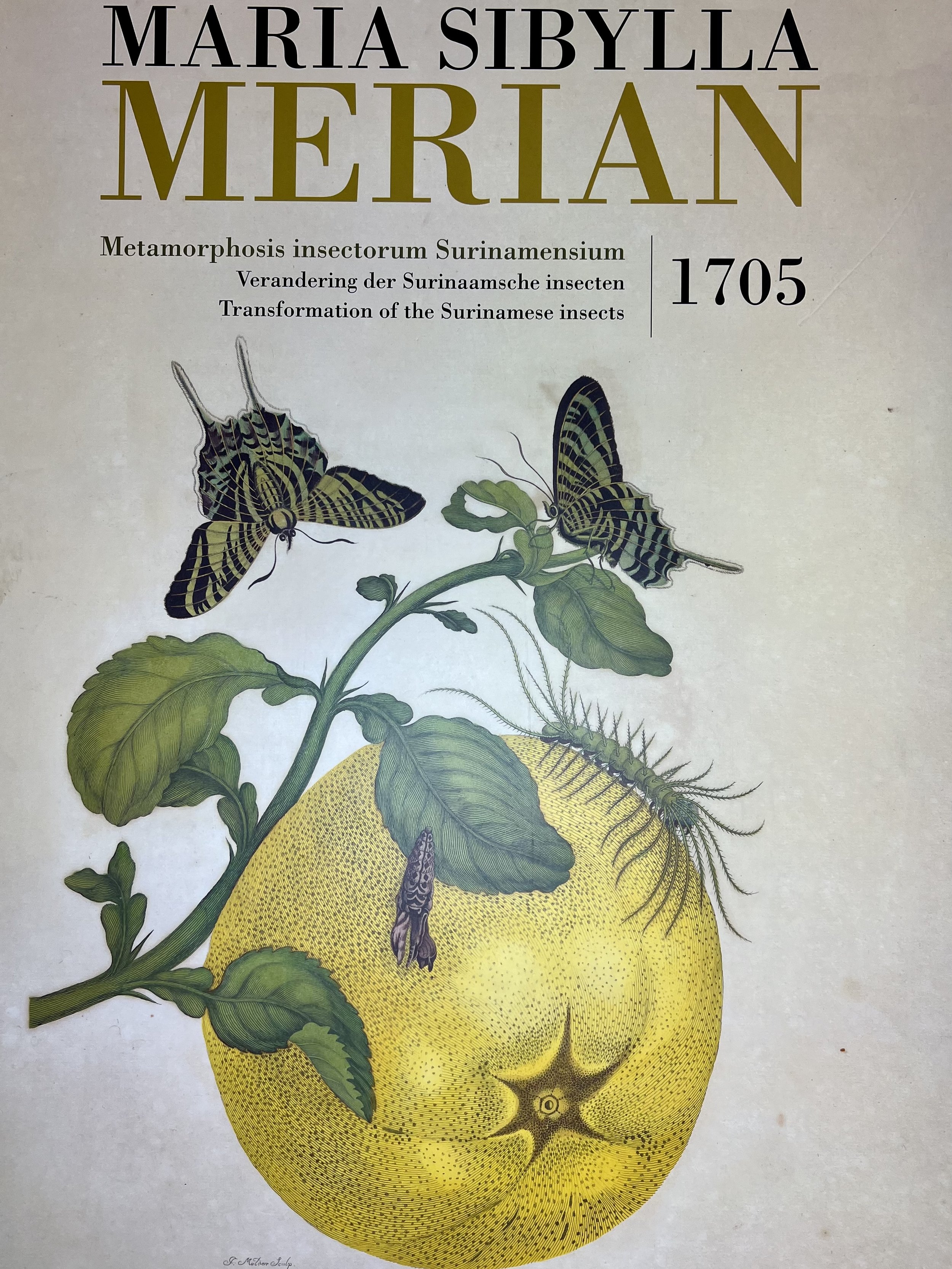
In 2020, I was asked by Lawndale to propose a sculpture for the sculpture garden. Instead of proposing one of my steel or bronze sculptures, I proposed a living sculpture titled Symbiosis. I have since endeavored to witness and record/document its growth and relationships through photography. These photographs will be my reference materials for more poetic documentation. Simultaneously I have sought out historical and contemporary ways of immortalizing natural history. My search led me to explore websites, antique stores, and estate sales, looking for how naturalists, explorers, and artists have documented Earth’s wildlife and plant life’s relationships throughout history. This research has led to the discovery of two exquisite artistic collections from 1705 and 1903 that sparked inspiration within: Maria Sibylla Merian's book Metamorphosis Insectorum (1705) as well as Theodore Jasper’s American Ornithologists' Union (1903). Both are incredibly valuable works that promise to help me find my wings and bring Symbiosis memories into full bloom.

For the next seven months, I will diligently document through photography the unique relationships as they develop in Symbiosis. When 2023 draws to a close, my contract with Lawndale runs out. Then, I will start the final chapter of the work. This project has become something special that needs to be immortalized in artworks showing their symbiotic relationships. With watercolor monotypes as my medium of choice and abstract expressionism becoming part of me along the process - these works are primed to tell stories of how humanity can reconnect with natural systems in urban landscapes.

Theodore Jasper’s American Ornithologists' Union (1903)

Theodore Jasper’s American Ornithologists' Union (1903)

Maria Sibylla Merian's book Metamorphosis Insectorum (1705)